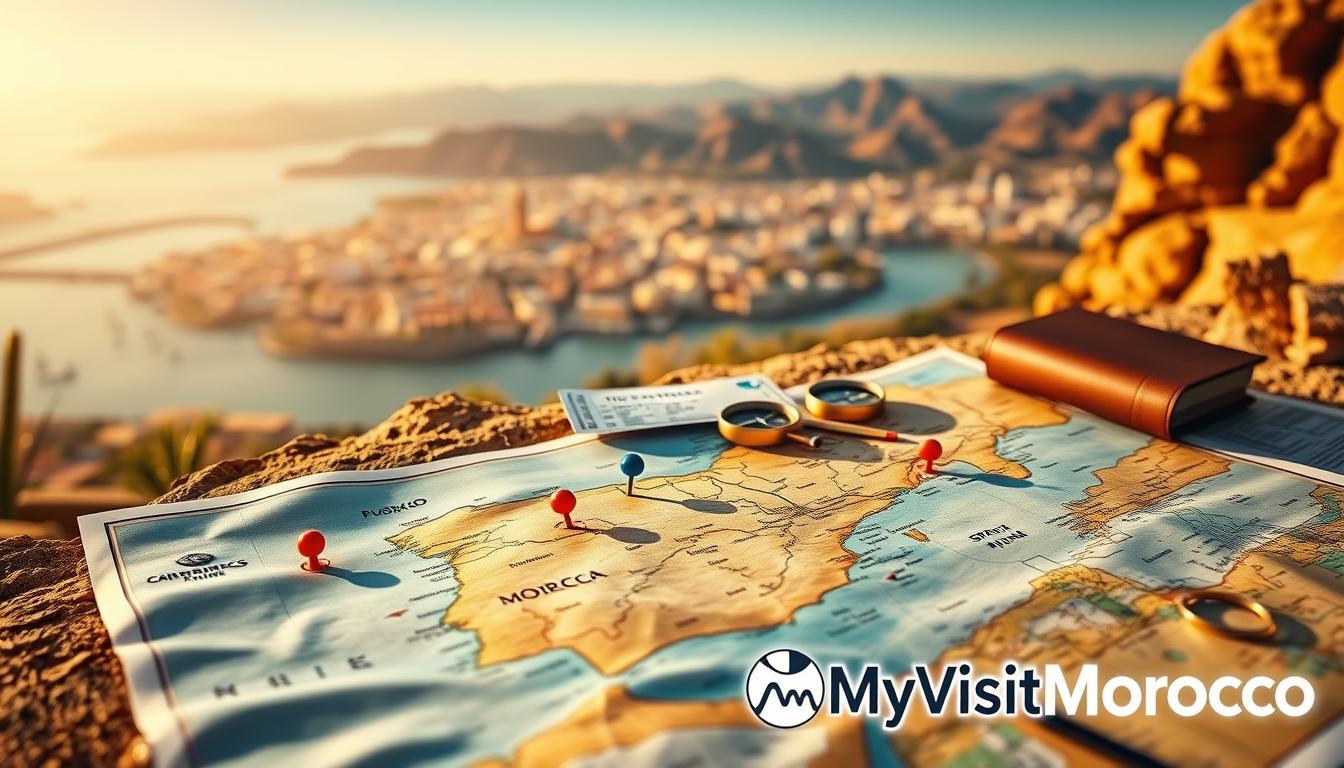
Planning a trip to Spain and Morocco is exciting. It combines culture, history, and stunning views. To enjoy it fully, plan well. Think about the best times to go, how to get around, and where to stay.
First, decide how long you want to travel. At least 10 days is good, but 12 days or two weeks is better for a calm trip. For ideas, check out pre-designed itineraries. They show you the best places and activities based on what you like.
Key Takeaways
- Recommended trip duration: 10-14 days
- Best times to visit: Spring (March to May) and autumn (September to October)
- Transportation options: Flights and ferries available with varying frequencies
- Cost comparison: Spain is about 30% more expensive than Morocco
- Daily cost for a private tour: approximately $500 per person
Why Combine Spain and Morocco in One Trip
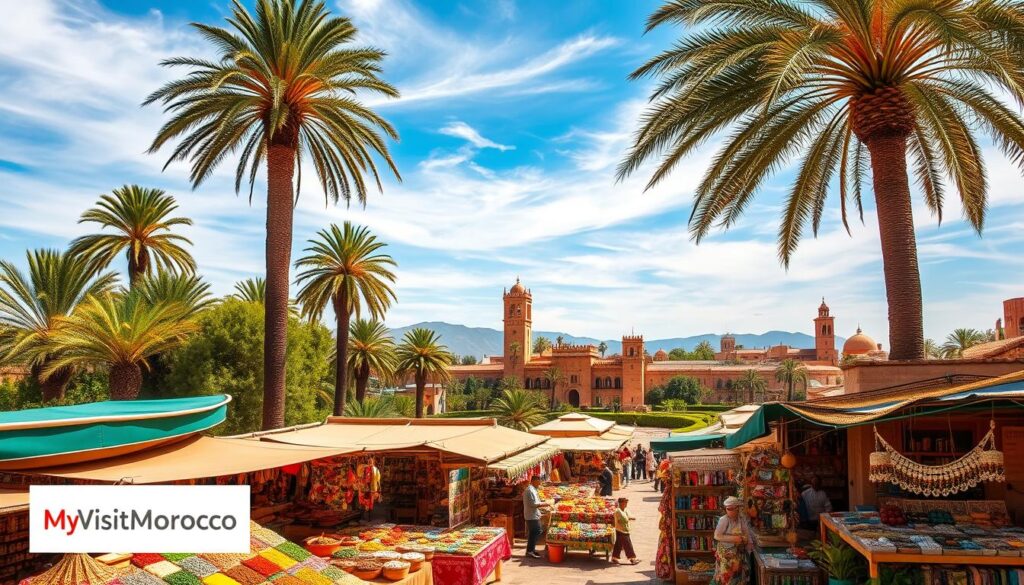
Traveling to both Spain and Morocco in one trip is a unique adventure. It mixes European and African cultures. You get to see different landscapes, histories, and cultures all in one journey.
Geographical Proximity and Convenience
Spain and Morocco are close, separated by the Strait of Gibraltar. This makes traveling between them easy. You can take ferries or flights, saving time and money.
Cultural Contrasts and Complementary Experiences
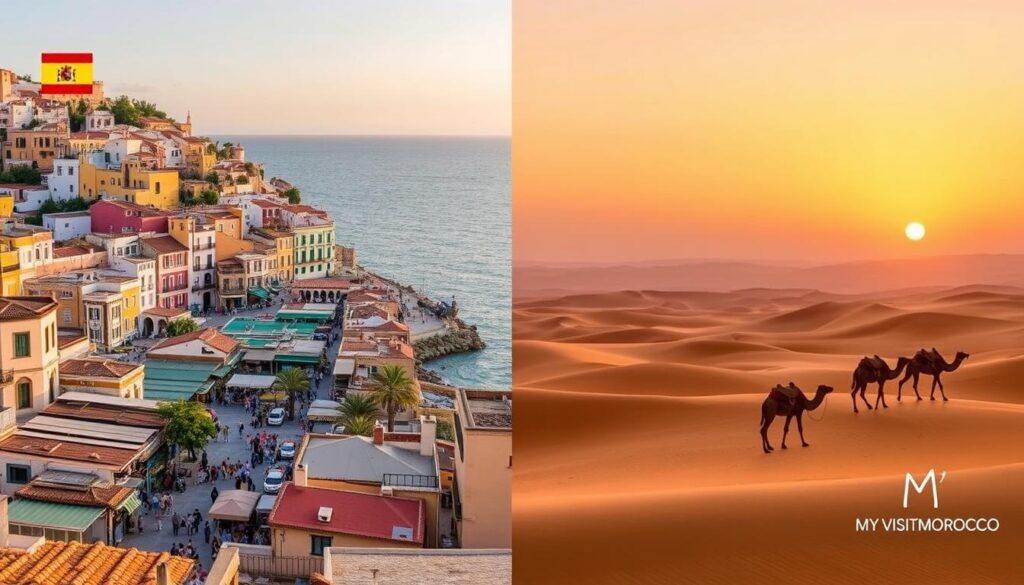
Spain and Morocco have different cultures. Spain has a rich European history and modern cities. Morocco offers an African vibe with its souks, food, and nature. Together, they provide a mix of experiences, from Spain’s art to Morocco’s exotic charm.
Cost-Effectiveness of Visiting Both Countries
Traveling to both Spain and Morocco can save money. Look for package deals or tours that cover both. This way, you see more places without spending a lot. Here are some cost-saving tips:
- Package deals that include both countries
- Reduced travel costs due to geographical proximity
- Opportunities to experience a wide range of cultures and landscapes
By visiting Spain and Morocco together, you get a rich and varied trip. It’s both easy and affordable.
Best Time to Visit Spain and Morocco
The best time to visit Spain and Morocco depends on what you want to do and the weather you like. Both countries have something special all year round. But knowing the seasons is key to enjoying your trip.
Seasonal Considerations for Spain
Spain’s weather changes a lot from the coast to the north. Summer (June to August) is when most tourists come, with warm weather perfect for the beach. But it’s also the hottest and busiest time.
Spring (March to May) and autumn (September to November) are better times to visit. They have nice weather and fewer people around.
Seasonal Considerations for Morocco
Morocco’s weather goes from Mediterranean to desert. Summer is very hot, especially in the desert. And winters can be cool, especially in the mountains.
The spring season is perfect for city tours and countryside walks. It’s mild and the landscapes are in bloom. Autumn is also good, with nice weather and fewer tourists than summer.
Ideal Months for a Combined Trip
For a trip to both Spain and Morocco, spring (March to May) and autumn (September to November) are best. These seasons have great weather and fewer tourists. You can explore Spain and Morocco easily and see the top attractions without the crowds.
Planning your trip for these times lets you enjoy the best tours to Spain and Morocco. You’ll see the rich culture and natural beauty of both countries.
Visa Requirements and Travel Documents
Before you start your Spain and Morocco trip, knowing visa needs and travel papers is key. Having the right documents makes your journey easier and less stressful.
Entry Requirements for Spain (Schengen Area)
Spain is in the Schengen Area. If you’re from a country not needing a visa, you’re good for 90 days in 180 days. You’ll need a valid passport with blank pages and travel insurance for medical costs.
Entry Requirements for Morocco
Visa rules for Morocco change based on where you’re from. Many, like U.S. citizens, can visit without a visa for 90 days. Always check the latest visa rules for your country. You’ll also need a passport valid for at least six months.
Important Travel Documents to Prepare
More than just visas, you’ll need a few key documents for your trip. These include a valid passport, travel insurance, and flight tickets. It’s wise to make digital copies of these and share them with someone you trust back home.
By getting your visa and travel documents ready, you’re set for a great Spain and Morocco adventure. You’ll have a smooth trip with a top spain and morocco tour operator.
Transportation Options Between Spain and Morocco
Traveling between Spain and Morocco is easy and fun. You can choose from several ways to get there. Both countries are close, making the trip simple.
Ferry Routes and Services
Taking a ferry is a beautiful way to see the sea. There are many routes between Spain and Morocco. You can check FerryHopper for the latest ferry info.
Ferry rides are relaxing and scenic. They take different times, from fast ferries in 35 minutes to longer trips on regular ferries.
Flight Options Between Countries
Flights are faster if you’re short on time. Many airlines fly direct from Madrid to Marrakech. Flights are under an hour, much quicker than ferries.
Look for cheap flights by comparing prices. Booking early can get you better deals for your trip.
Comparing Transportation Methods
Choose based on what you want: time, money, or experience. Ferries are slower but scenic. Flights are quicker but less relaxing. Your choice depends on your Spain and Morocco itinerary and time.
In summary, both ferries and flights work well for Spain and Morocco travel. Pick what fits your needs for a great trip.
Planning Your Spain and Morocco Trip Itinerary
Planning your Spain and Morocco trip needs a good itinerary. It should mix popular spots with your interests for a great trip.
When planning your Spain and Morocco vacation, think about how long you’ll be there. Here are some itineraries to start with:
7-Day Itinerary Option
A 7-day trip is quick but packed. Spend 3 days in Madrid, seeing the historic center and the Prado Museum. Then, go to Morocco for 4 days in Marrakech, exploring souks and relaxing in riads.
- Day 1-3: Madrid, Spain
- Day 4-7: Marrakech, Morocco
14-Day Itinerary Option
A 14-day trip lets you take it easy and see more. Spend 7 days in Spain, visiting Madrid, Seville, and Granada. Then, 7 days in Morocco, seeing Marrakech, Fes, and Essaouira.
- Day 1-3: Madrid and Toledo, Spain
- Day 4-6: Seville and Granada, Spain
- Day 7-10: Marrakech, Morocco
- Day 11-14: Fes and Essaouira, Morocco
21-Day Itinerary Option
A 21-day Spain and Morocco vacation is deep. You can see major cities, historical sites, and experience each culture fully.
- Day 1-7: Explore Spain’s major cities and regions
- Day 8-14: Discover Morocco’s diverse landscapes and cultures
- Day 15-21: Visit additional destinations or revisit favorite places
Customizing Your Route
These itineraries are a good start, but your trip should reflect your interests. Think about what top attractions in Spain and Morocco you want to see. Adjust your plan to fit your preferences for a trip that’s truly yours.
Must-Visit Destinations in Spain
Spain is a country full of must-see places. Its cities buzz with life, while the countryside offers peace. Here, tradition meets modernity in a beautiful way.
Madrid and Central Spain
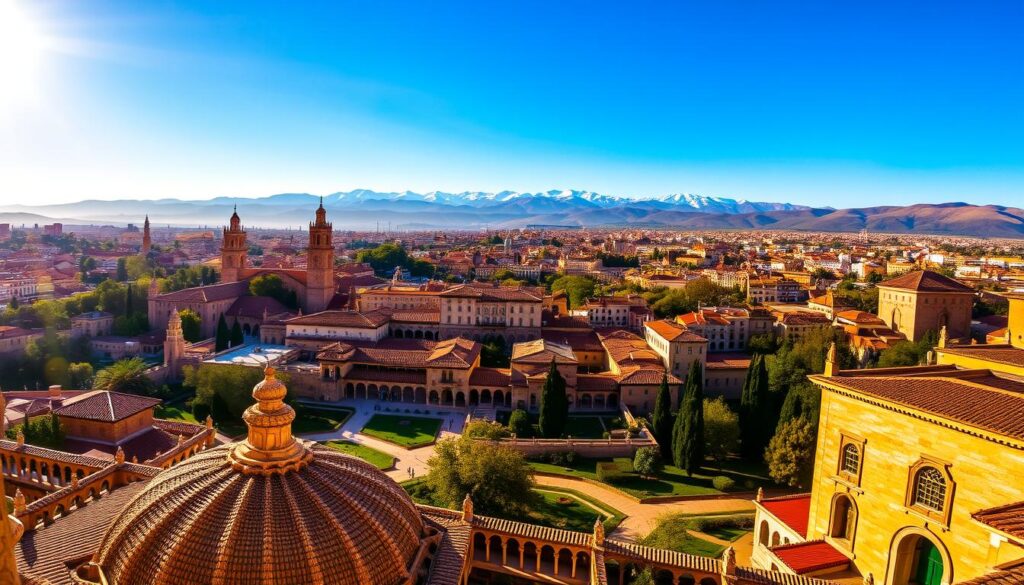
Madrid, the capital, is a top spot for culture lovers. Its historic center boasts landmarks like the Royal Palace and Prado Museum. Don’t miss the Retiro Park, a peaceful spot in the city. Madrid is lively and full of energy.
Barcelona and Catalonia
Barcelona, in Catalonia, is known for its architecture and culture. Antoni Gaudí’s Sagrada Família is a must-see. La Rambla and Park Güell also showcase the city’s beauty. Barcelona’s charm and energy will captivate you.
Andalusia Region
The Andalusia region is filled with history, landscapes, and culture. Visit Granada to see the Alhambra. Córdoba’s Mezquita is another highlight. The region’s villages and flamenco add to its charm.
Northern Spain Highlights
Northern Spain is rich in culture and nature. The Camino de Santiago is a famous path here. San Sebastián and Bilbao offer modern and traditional sights, like the Guggenheim Museum. Northern Spain’s charm and hospitality are unique.
When planning your Spain trip, don’t miss these key spots. Spain offers history, culture, and nature. With Spain and Morocco travel packages, you can also visit Morocco. This way, you get the best of both worlds.
Must-Visit Destinations in Morocco
Morocco is full of vibrant cities and peaceful landscapes. As you explore Spain and Morocco, you’ll find Morocco’s culture and nature unforgettable.
Marrakech and Surroundings
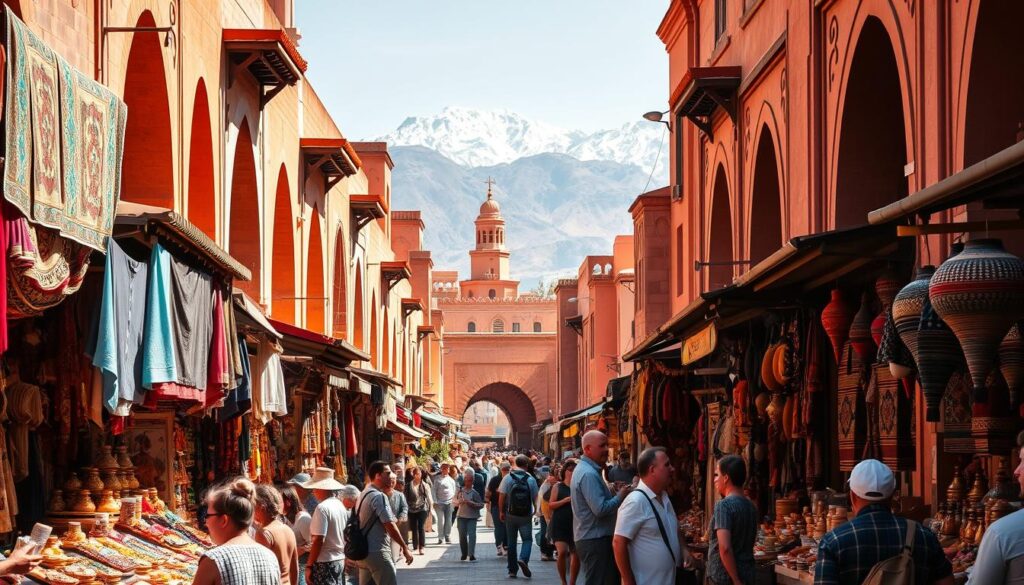
Marrakech, or the “Red City,” is a top spot. It’s known for its lively souks, markets, and food. Don’t miss the Medina, Jardin Majorelle, and riads.
The Atlas Mountains are nearby. They offer hiking and visits to Berber villages.
Fes and Meknes
Fes is Morocco’s oldest capital. It has the Al-Attarine Madrasa and stunning tile work. Meknes is another imperial city with Roman ruins and monuments.
Both cities show Morocco’s history and culture.
Coastal Cities: Casablanca and Tangier
Casablanca is Morocco’s biggest city. It’s famous for its modern buildings, like the Hassan II Mosque. Tangier mixes Arab, Berber, and European cultures.
It has a rich history and a lively art scene.
Desert Experiences: Sahara and Atlas Mountains
The Sahara Desert is perfect for adventure. You can go on camel treks, camp, and see the stars. The Atlas Mountains are great for hiking, skiing, and visiting Berber communities.
| Destination | Main Attractions | Experiences |
|---|---|---|
| Marrakech | Medina, Jardin Majorelle | Cultural exploration, cuisine |
| Fes | Al-Attarine Madrasa, Ancient Medina | Historical exploration |
| Casablanca | Hassan II Mosque, Modern Architecture | Urban exploration |
| Sahara Desert | Camel treks, Desert camping | Adventure, stargazing |
Guided Tours vs. Independent Travel for Your Spain and Morocco Trip
Your Spain and Morocco adventure is just around the corner. But, you must decide whether to go with a guided tour or travel on your own. Each option has its perks, and the right choice depends on what you like to do when you travel.
Benefits of Guided Tours
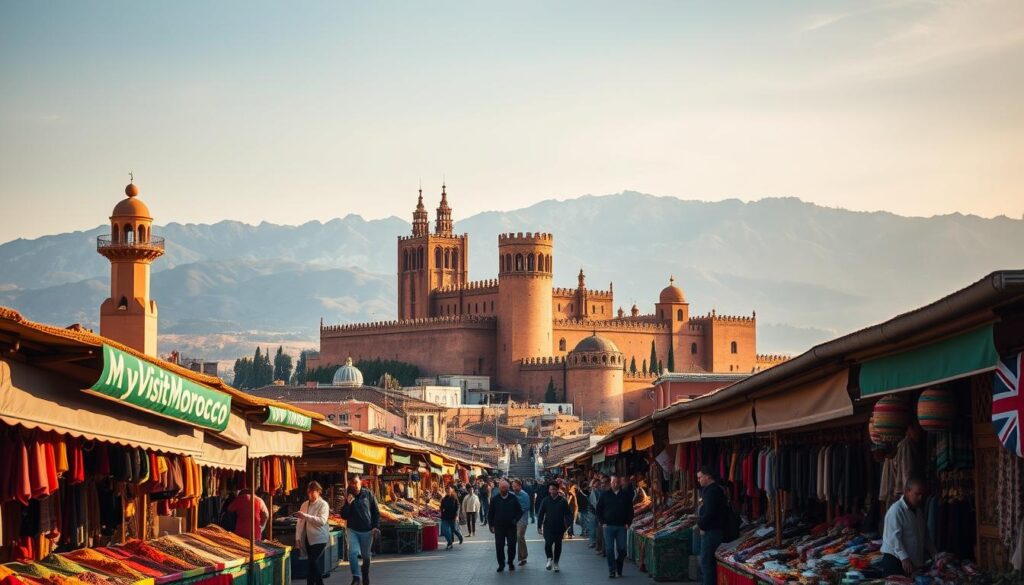
Guided tours make your trip easy and worry-free. You get to enjoy a stress-free experience because everything is planned for you. You’ll also get local insights and find hidden spots that you might miss on your own.
Many top tour companies offer Spain and Morocco packages. These include transportation, places to stay, and itineraries that are all set for you.
Top Spain and Morocco Tour Operators
Some of the best tour operators for Spain and Morocco are known for their customized trips and expert guides. For instance, you can take a Spain and Morocco tour that shows you the best of both places. They have many options to fit different interests and travel styles.
Tips for Independent Travelers
If you like to travel by yourself, start by planning your Spain and Morocco itinerary ahead of time. Look into how to get between the two countries, like by ferry or flight, and book early for the best prices. Try to stay in both cities and rural areas to see the full range of cultures in both countries.
Cultural Considerations and Etiquette
Traveling to Spain and Morocco can be a great adventure. Knowing the local culture and etiquette makes your trip better. Both countries have their own ways of doing things, and respecting these can enrich your experience.
Spanish Cultural Norms
Spain is known for its lively culture. People greet each other with a kiss on each cheek. This is common among friends and family.
Mealtimes are very important in Spain. Lunch is between 2 pm and 4 pm, and dinner is around 9 pm or later. Knowing these customs helps you fit in better.
Moroccan Cultural Norms and Religious Considerations
Morocco is an Islamic country with its own rules. It’s important to dress modestly, especially in mosques or rural areas. Taking off your shoes before entering a mosque or home shows respect.
During Ramadan, be careful not to eat or drink in public during the day. This is a time when locals are fasting.
Language Tips for Both Countries
Many people in Spain and Morocco speak some English. But, learning basic phrases in Spanish and Arabic (or French in Morocco) is helpful. Saying “hello,” “thank you,” and “excuse me” in the local language shows respect.
| Cultural Aspect | Spain | Morocco |
|---|---|---|
| Greeting | Two kisses on the cheek | Handshake or verbal greeting |
| Dress Code | Relaxed, but modest in churches | Modest, especially in mosques or rural areas |
| Mealtimes | Lunch: 2 pm – 4 pm, Dinner: 9 pm+ | Lunch: 1 pm – 3 pm, Dinner: 8 pm+ |
Accommodation Options for Your Spain and Morocco Adventure
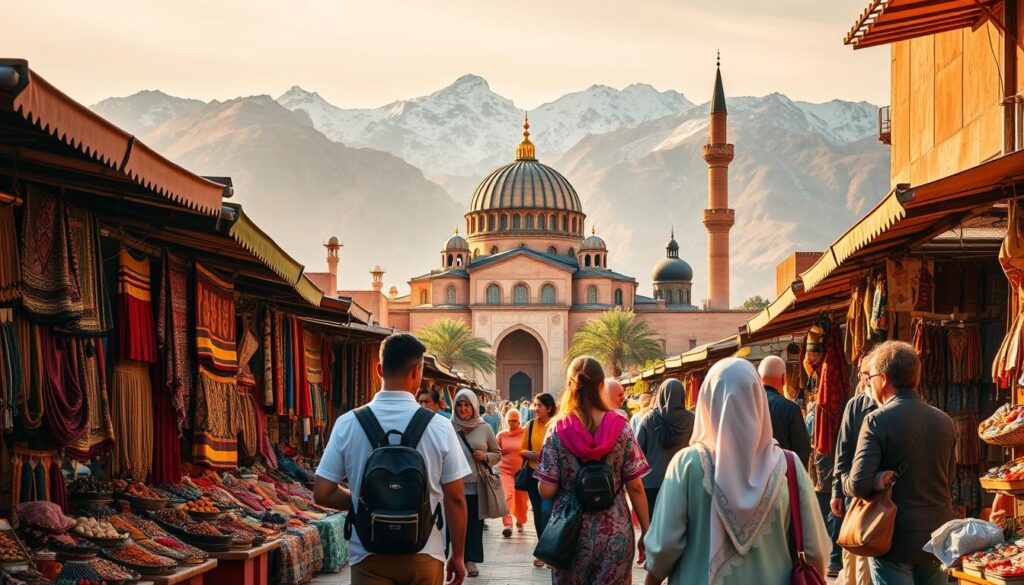
From Morocco’s historic riads to Spain’s paradores, your stay can make your trip unforgettable. Both countries have many options for different budgets and tastes. This ensures a stay that’s both comfortable and memorable.
Hotels and Resorts
Spain and Morocco have a wide range of hotels and resorts. You can find everything from 5-star luxury to cozy boutique hotels. These places offer great service, amenities like spas and pools, and are in the best locations.
In Morocco, you can find luxury hotels in Marrakech that mix old charm with modern comforts. Spain’s Costa del Sol resorts offer a perfect beach vacation.
Unique Stays: Riads, Paradores, and More
For a real local feel, try a traditional riad in Morocco or a parador in Spain. Riads are old houses with gardens, turned into hotels, showing off Moroccan style and hospitality. Paradores in Spain are historic buildings like castles or monasteries, now hotels, giving you a unique cultural taste.
Other special places include desert camps in the Sahara and mountain lodges in the Atlas.
Budget Accommodations and Hostels
For those watching their budget, Spain and Morocco have many affordable options. Hostels are perfect for meeting other travelers while saving money. They offer dorms and private rooms, and some have kitchens and lounges for guests.
For a bit more comfort without spending too much, budget hotels and guesthouses are a good choice. They provide a clean, simple place to stay without the high cost.
| Accommodation Type | Spain | Morocco |
|---|---|---|
| Luxury Hotels | Marbella, Madrid | Marrakech, Casablanca |
| Unique Stays | Paradores (castles, monasteries) | Riads, Desert Camps |
| Budget Options | Hostels in Barcelona, Granada | Hostels in Marrakech, Fes |
Culinary Experiences in Spain and Morocco
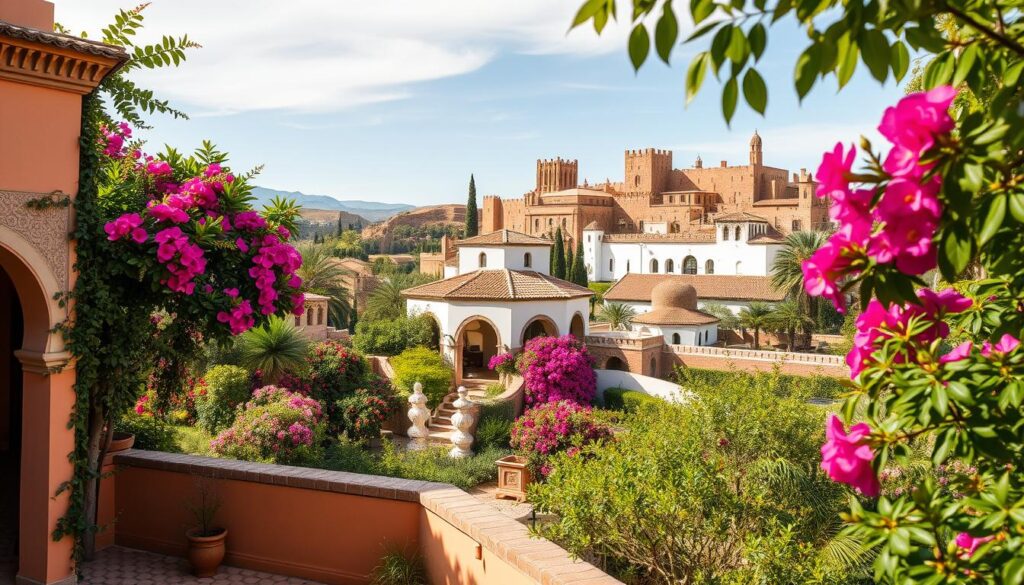
Start a food adventure in Spain and Morocco. Here, European and African tastes mix in a unique way. As you explore Spain and Morocco, you’ll find many dishes and ways of eating. These show the deep culture of both places.
Must-Try Spanish Dishes and Dining Customs
Spanish food is famous for tapas, paella, and seafood. Try patatas bravas, gazpacho, and jamón ibérico. In Spain, meals are big and social, with a focus on family and friends. Join a culinary tour to taste the best Spanish dishes.
- Tapas: Assorted small plates
- Paella: Saffron-infused rice dish
- Gazpacho: Cold tomato soup
Must-Try Moroccan Dishes and Dining Customs
Moroccan food is a mix of Arabic, Mediterranean, and African tastes. Make sure to try tagine, couscous, and harira. In Morocco, meals are often eaten with your hands and with bread. Also, respect local traditions, especially during Ramadan.
- Tagine: Slow-cooked stew
- Couscous: Traditional North African dish
- Harira: Hearty soup
Food Safety and Dietary Considerations
When eating in Spain and Morocco, remember food safety and dietary needs. Choose safe places to eat and avoid raw meat or veggies. If you have special dietary needs, learn key phrases in Spanish and Arabic.
Knowing local customs and being careful can help you enjoy the food of your Spain and Morocco vacation.
Packing Essentials for Spain and Morocco
Creating a good packing list is crucial for a stress-free Spain and Morocco trip. Think about the weather, local customs, and your plans. This will help you pack right.
Clothing Recommendations for Both Countries
Choose clothes that are comfy and respect local traditions. In Spain, wear light clothes for summer and layers for cooler nights. Morocco asks for modest outfits, especially in mosques or rural spots. Don’t forget comfortable walking shoes.
Essential Travel Gear
Bring a universal power adapter for your gadgets, a money belt for safe valuables, and a refillable water bottle. In Morocco, a scarf or shawl is handy for modesty or sun protection.
Electronics and Documentation
Make sure your devices are ready for travel with the right chargers and adapters. For your trip, have your passport, visa (if needed), and travel insurance ready. Check the FAQs for the latest on entry rules and travel advice.
With smart packing, you’re set for an unforgettable Spain and Morocco journey.
Conclusion: Making the Most of Your Spain and Morocco Journey
Planning your trip to Spain and Morocco is exciting. You’ll want to make sure every moment is special. From getting the right visa to understanding local customs, every detail matters.
With a good spain and morocco itinerary, you can see the best of both worlds. You’ll explore rich history and beautiful landscapes. It’s a journey you won’t forget.
Choosing between a guided tour or traveling on your own is important. Research the best tours to Spain and Morocco that fit your style. Feel free to tailor your trip to include places you really want to see.
Traveling to Spain and Morocco lets you experience vibrant culture and exotic charm. Start planning your adventure now. Get ready to make memories that will last a lifetime.




 Covers cities, coast, mountains, desert & food