
Exploring Spain and Morocco requires knowing their geography. The map of Spain and Morocco shows the borders, routes, and key cities. These details help connect the two countries.
The border between Morocco and Spain is unique. It includes Spanish territories in Africa, like Ceuta and Melilla. The shortest land distance is about 14.3 kilometers across the Strait of Gibraltar.
Key Takeaways
- The Spain and Morocco border is complex, with multiple non-contiguous lines.
- Ceuta, Peñón de Vélez de la Gomera, and Melilla are key Spanish territories on the African continent.
- The Strait of Gibraltar is a significant geographical feature between Spain and Morocco.
- The map highlights various routes and cities, facilitating travel planning.
- Understanding the map of Spain and Morocco is essential for appreciating the region’s cultural and geographical significance.
Geographical Overview of Spain and Morocco
When you look at the map of Spain and Morocco, you see their unique landscapes. The Spain Morocco border is key to their geography. The Strait of Gibraltar divides Europe and Africa.
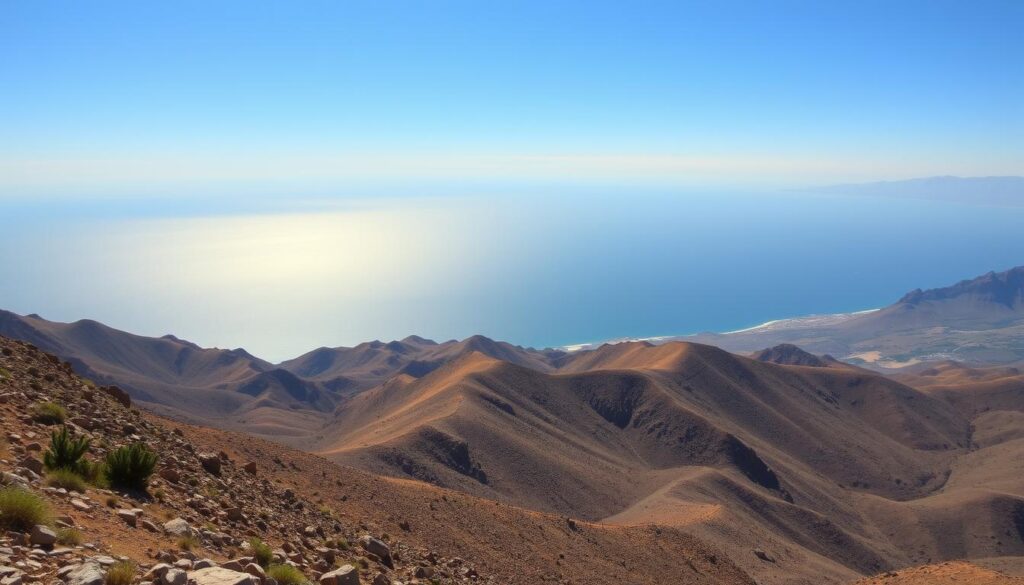
The Strait of Gibraltar: Where Two Continents Meet
The Strait of Gibraltar links the Mediterranean Sea to the Atlantic Ocean. It separates southern Spain from northern Morocco. This area is important for geography and travel.
For more on Morocco’s geography, check out Wikipedia’s page on the Geography of Morocco.
Topographical Features of Both Countries
Spain and Morocco have different landscapes. Spain has mountains like the Pyrenees and Sierra Nevada, and wide coastal plains. Morocco has the Atlas Mountains and the Sahara Desert.
Knowing these features helps us understand the geographical overview of both countries.
Understanding the Spain and Morocco Map
The Spain and Morocco map is key for anyone traveling between these two rich countries. It’s essential for planning your trip, whether you want to see Spain’s historic cities or Morocco’s lively markets.
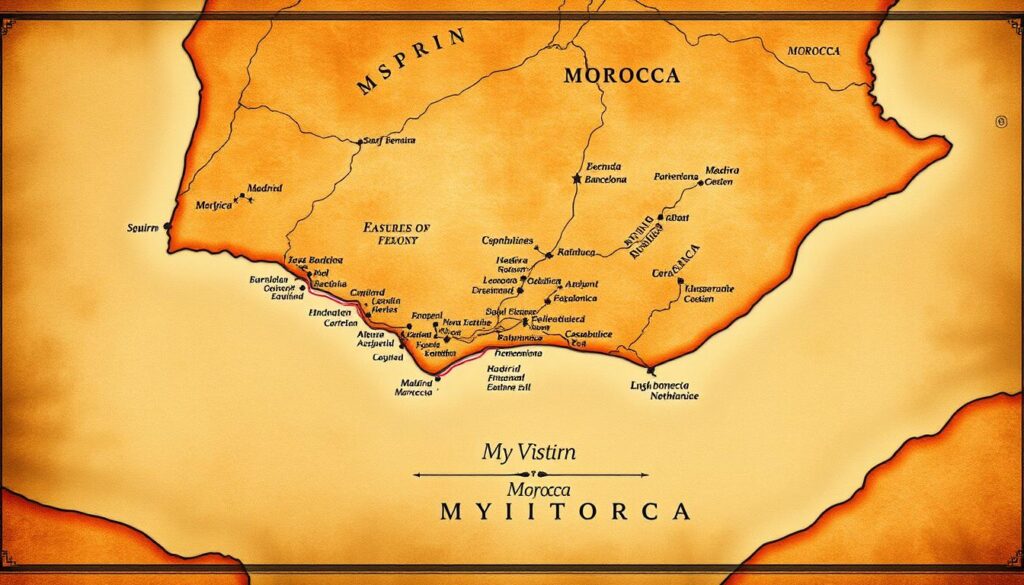
Reading Maps of the Region
To use a Spain and Morocco map well, you must know the geography and key spots. The map shows the Strait of Gibraltar, which divides the two lands. Important cities like Seville and Granada in Spain, and Tangier and Marrakech in Morocco, are must-see places. Knowing the map helps plan your travel, whether by ferry or plane.
Maps also point out mountains and coastlines, which can shape your travel plans. For example, the Pyrenees Mountains separate Spain from France. The Atlas Mountains are a big deal in Morocco.
Digital vs. Physical Maps for Cross-Continental Travel
Traveling between Spain and Morocco, you can choose digital or physical maps. Digital maps on your phone or tablet are handy, with updates and GPS. Apps like Google Maps give detailed route info and traffic updates.
Physical maps are good backups when your devices die. They give a wider view and help plan ahead. But, they lack the real-time details of digital maps.
Using both digital and physical maps is the best way to be ready for your trip.
The Spain-Morocco Border: A Unique Frontier
Exploring the Spain-Morocco border reveals a mix of cultures and geography. It’s more than just a line on a map. Here, European and African influences meet, creating a unique identity.
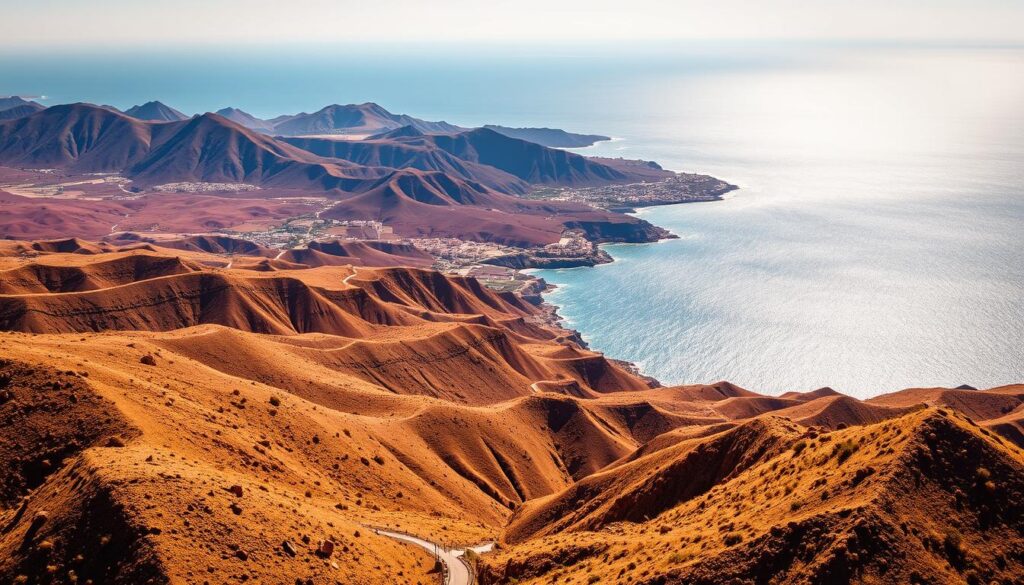
Ceuta and Melilla: Spanish Territories in Africa
Ceuta and Melilla are Spanish territories in Africa, surrounded by Morocco. They came from Spain’s historical influence in the area. Today, they attract travelers and spark geopolitical talks. Ceuta and Melilla mix Spanish and African cultures in a special way.
| Territory | Location | Population |
|---|---|---|
| Ceuta | North African coast | 85,000 |
| Melilla | North African coast | 86,000 |
Border Control and Documentation Requirements
Travelers need to know the rules when crossing the Spain-Morocco border. You’ll need a valid passport and maybe a visa, depending on your nationality. At border control, officials check your documents and may ask about your visit.
To make crossing easier, have all your documents ready. Also, know any special rules or restrictions for your trip.
Spain Morocco Ferry Routes
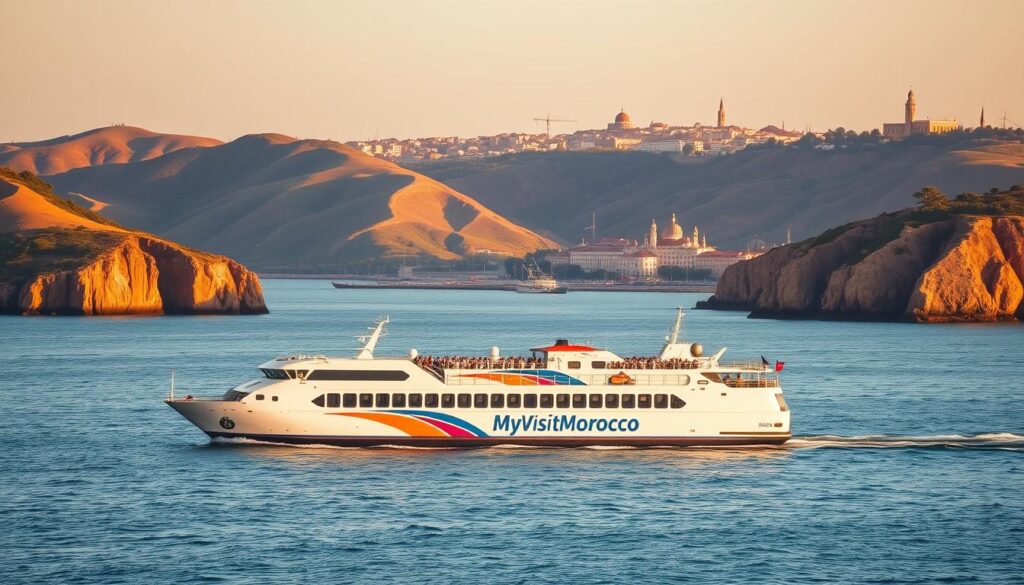
Traveling from Spain to Morocco is easy with several ferry services. These routes are a favorite for those traveling between Europe and Africa. They connect big ports in southern Spain with important cities in northern Morocco.
Algeciras to Tangier Med: The Main Crossing
The Algeciras to Tangier Med ferry route is very busy and popular. It’s known for its frequent trips and short travel time. Multiple ferry operators run this route, giving travelers many choices based on schedule and cost.
Tarifa to Tangier City: The Fastest Route
The Tarifa to Tangier City ferry route is quicker. It’s a direct way to travel between the two continents. Passengers can enjoy the scenic views of the Strait of Gibraltar during the trip.
Other Ferry Connections
There are other ferry routes from Spanish ports. For example, ferries leave from Barcelona, Almería, and Málaga to Morocco. These options are great for flexible travel plans. Some benefits include:
- Convenient travel options between major cities
- Variety of ferry operators to choose from
- Scenic routes with potential for sightseeing
When planning your trip, check the latest schedules and prices. This helps find the best option for your needs.
Spain and Morocco Distance: What to Expect
Planning a trip from Spain to Morocco? Knowing the distance and travel options is key. The two countries are close, making travel easy with many ways to get there.
Shortest Points Between the Countries
The Strait of Gibraltar is the shortest path between Spain and Morocco. It’s just about 14 kilometers (9 miles) wide at its narrowest. This has made it a key crossing between Europe and Africa for centuries.
The closest spots are near Tarifa, Spain, and Tangier, Morocco. This short gap makes ferry travel a favorite for crossing the Strait.
Travel Times by Different Transportation Methods
Travel times vary based on how you get from Spain to Morocco. Ferries are a common choice, taking 35 minutes to a few hours, depending on the route and ferry type.
The ferry from Algeciras to Tangier Med takes about 1 hour. But, hydrofoil services can do it in just 35 minutes. Flying is another option, with flights taking around 1.5 hours, plus extra time for check-in and security.
Key Cities in Southern Spain
Exploring southern Spain reveals a region full of culture, history, and stunning landscapes. It’s a place where architecture meets vibrant culture. You’ll find everything from ancient sites to lively festivals.
Seville: Andalusian Capital
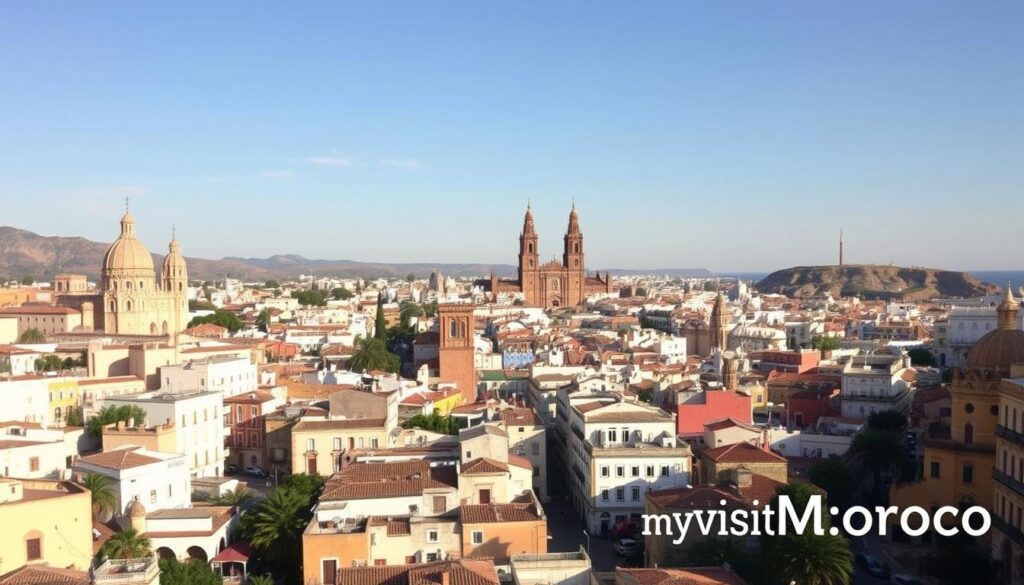
Seville, the heart of Andalusia, boasts a rich Moorish history and a lively cultural scene. Don’t miss the Cathedral of Seville and the Royal Alcázar. These landmarks show the city’s Moorish roots.
The city’s Semana Santa (Holy Week) is a highlight. It’s a colorful procession that draws visitors from everywhere.
Granada and the Alhambra
Granada is a city steeped in Moorish history. The Alhambra, a UNESCO site, is a must-see. Its Islamic architecture and gardens are breathtaking.
The Albayzín neighborhood is another gem. Its narrow streets and views are unforgettable.
Málaga and Costa del Sol
Málaga is a coastal city with a blend of culture and fun. The Picasso Museum is a must-visit. It showcases the artist’s life and work.
The city’s historic center is also a treasure. Its streets and buildings are full of history. Nearby Costa del Sol offers beautiful beaches and a warm climate.
Southern Spain’s cities are a mix of history, culture, and nature. They offer something for everyone. Whether you’re into history, food, or just enjoying the atmosphere, southern Spain has it all.
Must-Visit Destinations in Northern Morocco
Your trip to Northern Morocco will take you through lively cities, ancient sites, and beautiful towns. Each place has its own special charm. You’ll see a mix of cultures, history, and stunning views that make it a top spot for travelers.
Tangier: Gateway to Africa
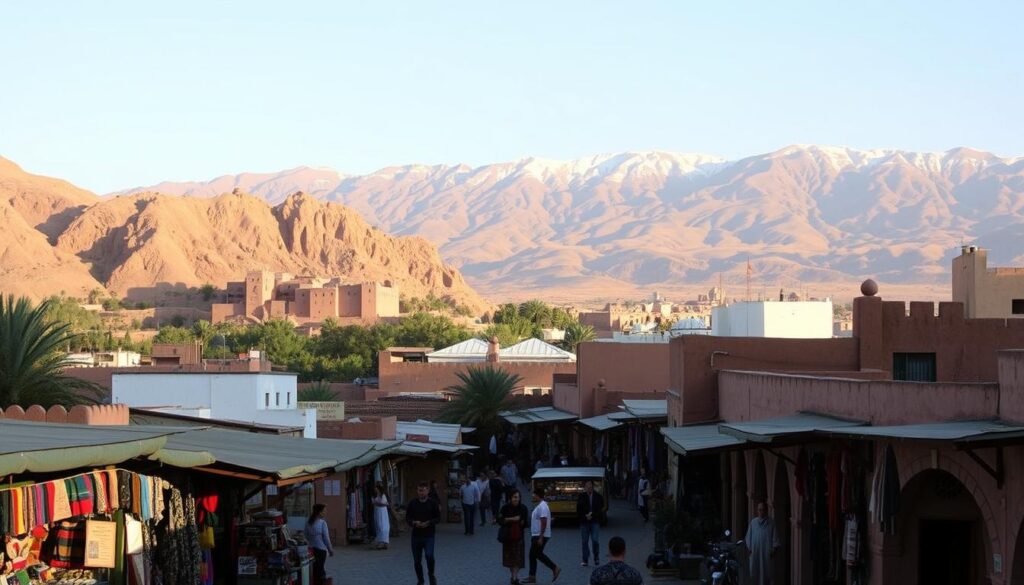
Tangier is a city with a rich history and culture. It’s a mix of old and new. As a key port for centuries, it draws visitors from everywhere. You can wander the Medina, see the Kasbah, and feel the city’s lively vibe.
For a deeper look at Tangier and its area, check out travel guides. They have detailed itineraries for your trip.
Chefchaouen: The Blue City
Chefchaouen sits in the Rif Mountains. It’s famous for its blue buildings, a dream for photographers. This town is calm, with its narrow streets, markets, and welcoming people. You can go hiking, see local crafts, and enjoy the laid-back feel of this special place.
Tetouan: UNESCO World Heritage Site
Tetouan has a long history, dating back to the 8th century. It’s a UNESCO World Heritage Site for its Medina. The city shows a mix of Andalusian, Arab, and Mediterranean styles in its buildings, food, and culture. Visitors can explore the Medina, see the Archaeological Museum, and try the local food.
Northern Morocco is full of different experiences, from busy cities to peaceful countryside. As you travel, you’ll find a rich culture, historic sites, and friendly people. It’s a place that leaves a lasting impression.
- Explore the vibrant city of Tangier
- Relax in the picturesque town of Chefchaouen
- Discover the historic city of Tetouan
Each place in Northern Morocco gives a unique view of the region. It’s a fascinating area to explore as part of your Spain Morocco travel guide.
Spain Morocco Border Crossing: Practical Tips
Traveling by ferry or on foot to the Spain-Morocco border? Knowing what to expect can make your trip smoother. It’s key to understand the rules and requirements for crossing these borders.
Documentation and Visa Requirements
Make sure you have the right documents before crossing. You’ll need a valid passport, visa (if needed), and other ID. Some countries require a visa for Morocco, so check the latest rules for your nationality.
Required Documents:
- Valid Passport
- Visa (if required)
- ID Card (if traveling within the region)
- Proof of Onward Travel
Customs Regulations and Restrictions
Spain and Morocco have rules for customs. Some items, like food, cultural items, and high-value goods, are restricted or banned. Knowing these rules can prevent problems at the border.
| Item | Spain Restrictions | Morocco Restrictions |
|---|---|---|
| Currency | No restrictions on Euro | Declare amounts over 100,000 MAD |
| Cultural Artifacts | Permits required for antiques | Strict regulations; permits required |
| Food Products | Restrictions on certain meats and dairy | Prohibited items include certain meats |
Best Times to Cross to Avoid Crowds
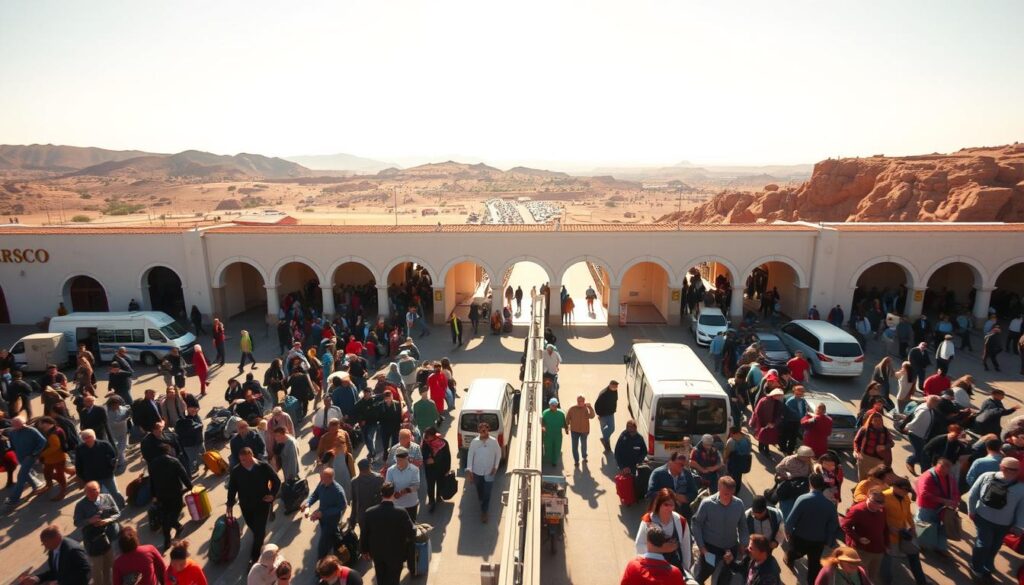
Choosing the right time to cross can make a big difference. Try to avoid busy times and crowded ferries. Crossing early morning or late evening can help you skip the long lines.
Planning Your Spain Morocco Itinerary
Planning a Spain-Morocco itinerary is key to a great trip. It lets you enjoy both countries’ rich culture and stunning views. A good plan makes your journey unforgettable.
Think about your trip’s length and what you like to do. Whether you want to relax or explore, a good plan helps. It ensures you enjoy every moment.
One-Week Cross-Continental Journey
A week lets you see top cities in Spain and Morocco. Start in Seville and Granada, Spain. Then, take a ferry to Tangier, Morocco, for its lively culture and history.
Two-Week Comprehensive Tour
Two weeks give you time to explore more. Visit Córdoba and Málaga in Spain, and the Rif Mountains in Morocco. Don’t forget the beautiful beaches along the Costa del Sol and Moroccan coast.
Weekend Getaway Options
For a weekend, choose a short trip to Spain or Morocco. Take a ferry from Algeciras or Tarifa to Tangier for a Moroccan taste. Or, visit Seville or Granada for a Spanish weekend. 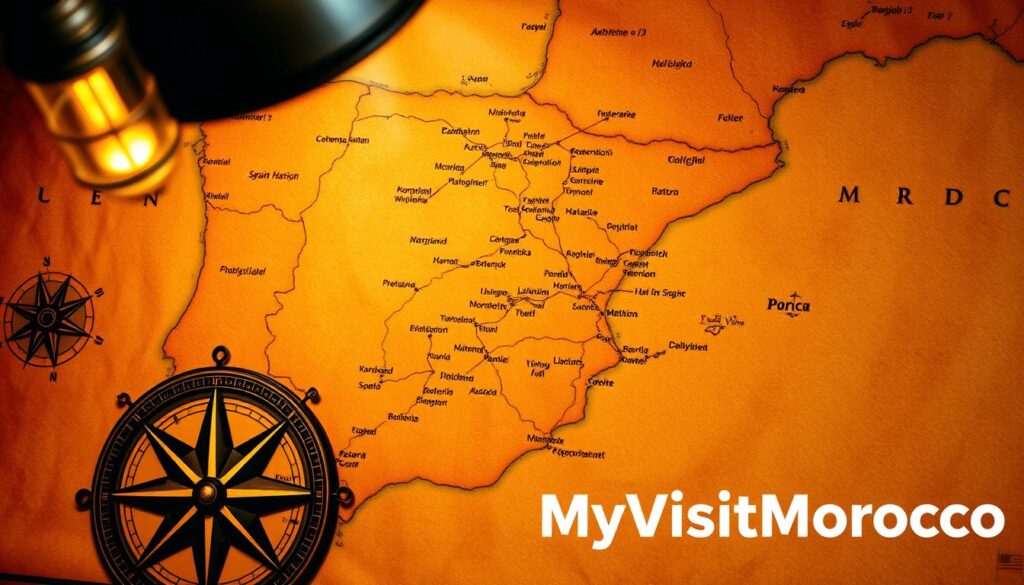
Any trip length, a good Spain Morocco itinerary is essential. Mix culture, history, and relaxation for the best experience.
Transportation Options Between Spain and Morocco
Traveling from Spain to Morocco or the other way around is easy. The two countries are close, making travel convenient.

Ferry Services and Tickets
Ferry travel is a favorite for many. There are several routes, like Algeciras to Tangier Med and Tarifa to Tangier City. You can book tickets with FRS, Balearia, or Inter Shipping.
The Algeciras to Tangier Med route is popular, with sailings all day. For more info, check Packasandwich on crossing the Strait of Gibraltar.
| Ferry Route | Duration | Frequency |
|---|---|---|
| Algeciras to Tangier Med | 1-2 hours | Multiple daily |
| Tarifa to Tangier City | 35-40 minutes | Multiple daily |
Flying Between Countries
Flying is quicker than taking a ferry. Airlines like Iberia and Royal Air Maroc offer flights. But, flying costs more, especially with luggage fees.
Organized Tours vs. Independent Travel
You can choose between tours or travel alone. Tours offer a set plan but less freedom. Solo travel lets you explore freely but needs more planning.
Choosing depends on what you want, your budget, and your travel style.
Spain Morocco Train Routes and Connections
There’s no direct train from Spain to Morocco. But, you can travel by train and ferry. Start in Spain, take a ferry to Morocco, and then use the train to get around.
Spanish Rail Network to Southern Ports
Renfe operates Spain’s rail network. It connects to southern ports like Algeciras and Málaga. From there, ferries go to Morocco.
High-speed trains (AVE) link major cities to these ports. For example, Madrid to Algeciras takes 4-5 hours. This depends on the train and stops.
| Departure City | Destination Port | Approximate Travel Time |
|---|---|---|
| Madrid | Algeciras | 4-5 hours |
| Seville | Algeciras | 2-3 hours |
Moroccan Rail System from Tangier
In Tangier, Morocco, the ONCF rail network awaits. It connects to cities like Casablanca and Marrakech. Trains run often, making travel easy.
The trip from Tangier to Casablanca is about 2.5 hours by high-speed train.
Combining Spain’s and Morocco’s rail networks with ferries makes travel smooth. You can quickly move between the two countries.
Cultural Bridges: Moorish Influence in Spain
Exploring southern Spain reveals the deep Moorish influence on its architecture, culture, and food. The time of Al-Andalus, when Islam ruled the Iberian Peninsula, has left a lasting mark. This has created a special bond between Spain and Morocco.
Architectural Heritage
The buildings in southern Spain show its Moorish roots. Places like the Alhambra in Granada and the Mezquita in Córdoba are famous for their Islamic design. They feature intricate tile work and geometric patterns typical of Moorish style.
Islamic architecture is not just in famous sites. It’s also seen in the narrow streets and whitewashed houses of towns like Frigiliana and Mijas.
- The Alhambra, a UNESCO World Heritage Site, is one of the most famous examples of Moorish architecture.
- The Mezquita in Córdoba, with its forest of columns and arches, is another iconic example.
- Smaller towns like Frigiliana and Mijas also display characteristic Moorish architectural elements.
Cultural and Culinary Connections
The food and culture of southern Spain are deeply connected to Morocco. The local dishes, like gazpacho and paella, come from the Moorish era. Ingredients like saffron and cumin are common in both Spanish and Moroccan cooking.
Many festivals in southern Spain celebrate Islamic traditions. This shows the lasting influence of Al-Andalus.
For a deeper look into Al-Andalus, check out the Wikipedia page on Al-Andalus. It offers insights into this important period and its effects on the area.
Seasonal Considerations for Cross-Continental Travel
When planning your trip between Spain and Morocco, knowing the seasonal changes is key. Both countries have unique climates and events that can shape your journey.
Best Weather Windows for Comfortable Travel
The best times to travel are spring (March to May) and autumn (September to November). These seasons have mild weather and fewer crowds. Summer can be very hot, especially in Morocco’s desert. Winters are cool, especially in the mountains.
Weather Comparison:
| Season | Spain | Morocco |
|---|---|---|
| Spring | Mild, 15-25°C | Mild, 18-25°C |
| Summer | Hot, 25-35°C | Very Hot, 30-40°C |
| Autumn | Mild, 15-25°C | Mild, 18-25°C |
| Winter | Cool, 5-15°C | Cool, 10-18°C |
Festival Seasons and Special Events
Spain and Morocco have many cultural festivals and events all year. Spain’s Tomatina festival in August and Semana Santa are big draws. Morocco’s Mawazine festival in Rabat and the Marrakech International Film Festival are also highlights. Traveling during these times can enrich your experience.
By keeping these seasonal factors in mind, you can have a better trip between Spain and Morocco. This makes your spain morocco travel guide more useful.
Safety and Practical Information for Travelers
Traveling between Spain and Morocco requires attention to safety and practical details. Knowing the basics can greatly enhance your trip. As you cross the Strait of Gibraltar, being informed is key.
Health and Travel Insurance
Make sure you have health and travel insurance before you go. Morocco’s public healthcare is decent, but standards can vary. Having insurance for medical evacuations is crucial. Check if your policy covers you in Spain and Morocco.
- Verify the extent of your health insurance coverage abroad.
- Consider purchasing travel insurance that includes trip cancellations, delays, and medical emergencies.
Currency and Payment Options
Knowing the local currencies and payment options is helpful. Spain uses the Euro, while Morocco has the Dirham. While many places accept credit cards, having local currency for initial expenses is wise.
Communication and Language Tips
Language can be a challenge, but preparation helps. For more tips on Morocco, visit Lonely Planet’s guide. In Spain, Spanish is common, but in Morocco, Arabic and French are more prevalent. Learning basic Arabic phrases is very helpful.
- Download a translation app to help with communication.
- Carry a phrasebook or a list of essential phrases in Arabic.
Conclusion: Bridging Continents Through Travel
Exploring the spain and morocco map reveals a world full of history, culture, and beauty. Traveling between Spain and Morocco is not just a trip. It’s a chance to connect two continents and see the mix of European and African cultures.
The area is filled with life, from Tangier’s busy streets to Seville and Granada’s historic sites. You can travel by ferry or train, and knowing the spain and morocco map helps you explore this amazing region.
When planning your trip, think about the best times to visit, how to get around, and cultural events. The Spain-Morocco area is a dream destination for travelers, with its rich history, lively cities, and breathtaking views.
By studying the spain and morocco map, you’ll discover the secrets of this enchanting area. So, start packing, grab your map, and get ready for an adventure that will take you across continents and cultures.





 Covers cities, coast, mountains, desert & food