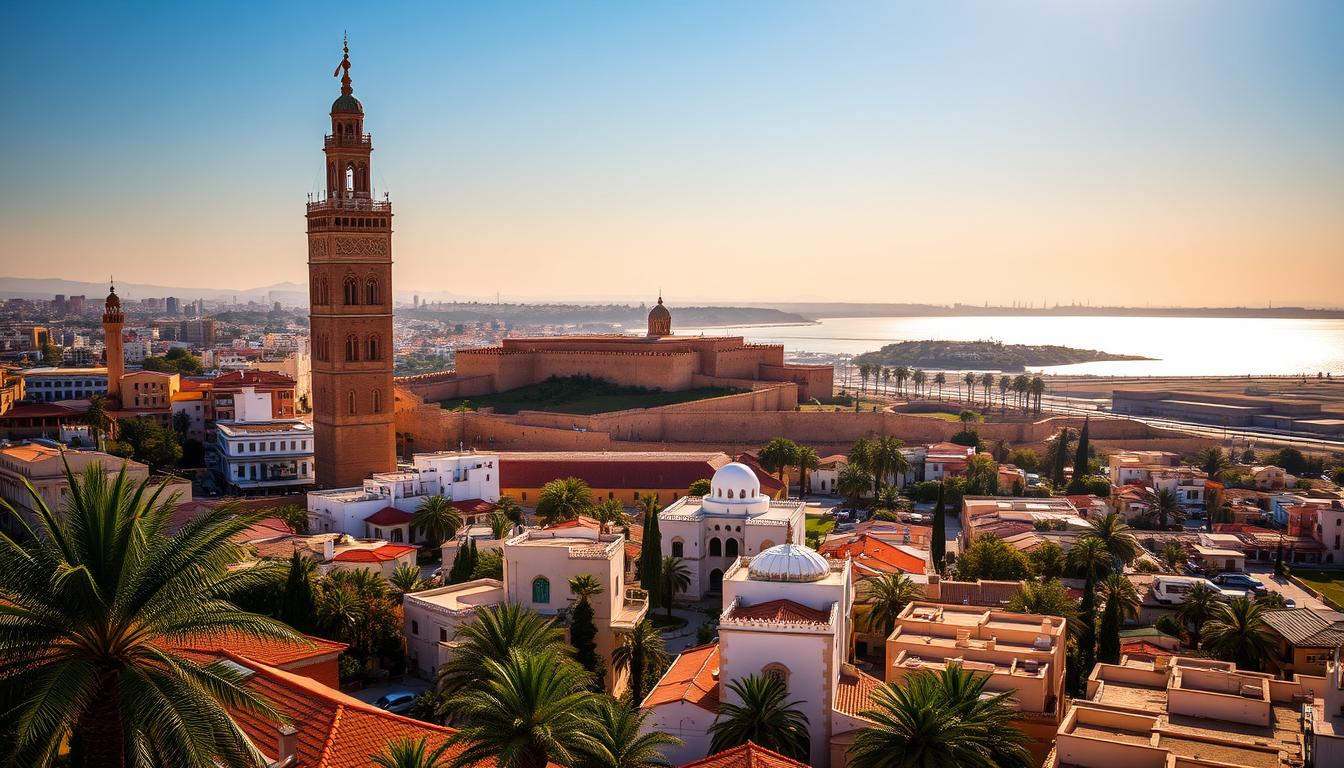
Are you searching for a unique travel spot? Rabat, the capital of Morocco, is a hidden gem. It offers rich history, vibrant culture, and stunning landscapes.
This city provides a rich travel guide experience. You’ll see the majestic Kasbah of the Udayas and the modern Hassan II Mosque. Rabat is perfect for those wanting a real experience.
Key Takeaways
- Discover Rabat’s rich history and cultural heritage.
- Explore the city’s historic sites and landmarks.
- Experience the vibrant Moroccan culture.
- Enjoy the blend of traditional and modern attractions.
- Plan your trip with a comprehensive travel guide.
Discovering the Hidden Gem of Rabat North Africa
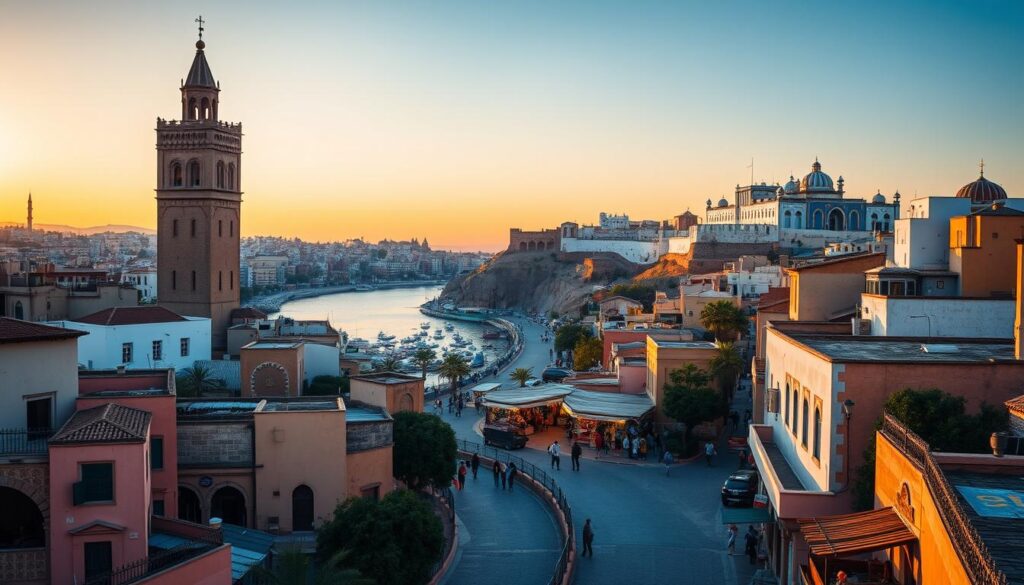
Rabat is a city by the Atlantic coast, mixing old traditions with new ways. As the capital of Morocco, it has historical sites, cultural experiences, and modern comforts. These features make it a great place for travelers to visit.
A Brief Overview of Morocco’s Capital
Rabat is a center of politics, culture, and economy. Its history is seen in its buildings, from old ruins to colonial structures. Visitors can see the historic sites and feel the lively culture of Rabat.
The city’s design shows its long history, with different areas from different times. You can see the old medina and the new ville nouvelle. These areas show how Rabat has changed over time.
What Makes Rabat Unique Among North African Cities
Rabat is special because of its mix of Arab, Berber, and French cultures. This mix is seen in its food, buildings, and daily life. Unlike some other places, Rabat keeps its true charm, making it a great spot for a real North African experience.
The tourist attractions in Rabat are varied, from old sites like the Kasbah of the Udayas to new cultural spots. The city’s calm vibe and friendly people make it perfect for diving into Moroccan culture.
The Rich Historical Tapestry of Rabat
Exploring Rabat, North Africa’s capital, reveals a rich history. This city mixes cultures and time periods in a unique way. It’s a journey through centuries.
From Roman Settlements to Modern Capital
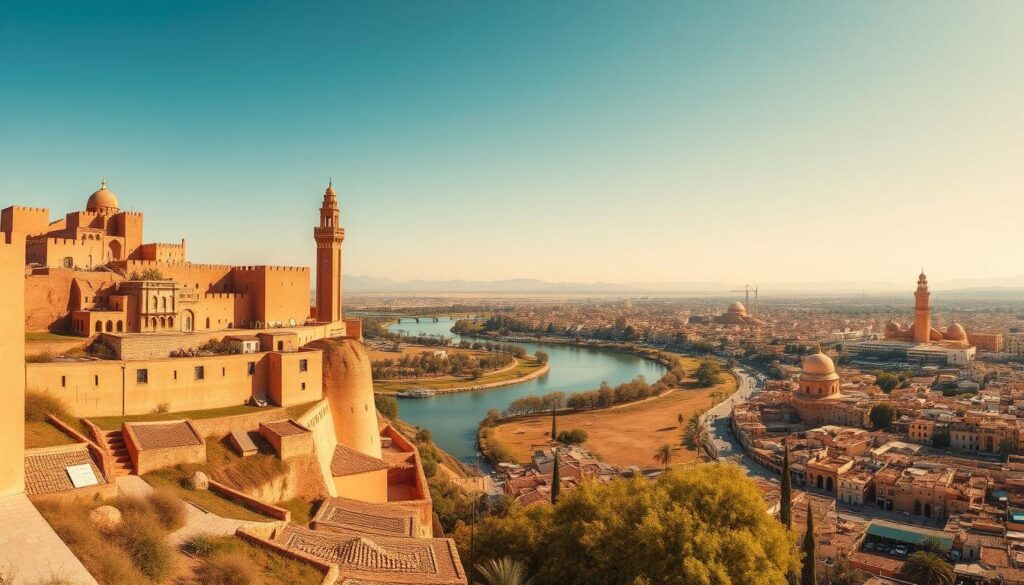
Rabat started with the Romans, who built Sala Colonia. This early start set the stage for the city’s growth and diversity. Over time, Rabat changed under Islamic rule and the French protectorate, leaving its mark on architecture and culture.
The city became a modern capital with key events and buildings. The Kasbah of the Udayas and Hassan Tower stand as symbols of Rabat’s past and culture. For more on Morocco’s highlights, visit this page for tour details.
The Cultural Significance of Rabat in Moroccan History
Rabat’s cultural importance goes beyond its sites. It’s a key player in Moroccan history, being the capital. The medina shows Moroccan culture and heritage.
The city’s mix of Arab, Berber, and European influences makes it a cultural melting pot. This diversity is celebrated in festivals and events. Visitors can dive into this rich culture by exploring museums and sites.
When to Visit: Seasons and Climate in Rabat
To enjoy your trip to Rabat, knowing the best time to visit is key. The city has a Mediterranean climate. This means it has mild, wet winters and warm, dry summers.
Weather Patterns Throughout the Year
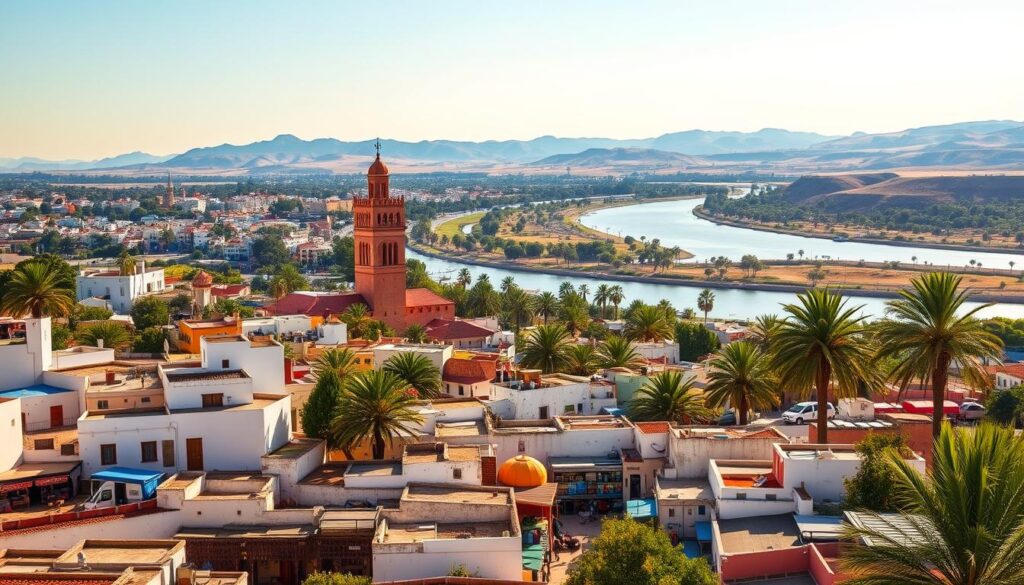
Rabat’s weather is quite pleasant. Temperatures range from 45°F (7°C) in winter to 77°F (25°C) in summer. Spring (March to May) and autumn (September to November) are the best times to explore. The weather is perfect for visiting historical sites and lively neighborhoods.
| Season | Weather | Average Temperature |
|---|---|---|
| Spring | Mild, sunny | 64°F (18°C) |
| Summer | Warm, dry | 77°F (25°C) |
| Autumn | Pleasant, mild | 68°F (20°C) |
| Winter | Mild, wet | 45°F (7°C) |
Festival Calendar and Special Events
Rabat is alive with cultural events and festivals all year. The Mawazine Festival in May is a highlight. It celebrates music, culture, and art. For more on the best times to visit Morocco, including Rabat, see this guide on the best time to visit Morocco.
The city’s festival calendar is full of events. These events show off Rabat’s rich cultural heritage. Visiting during these times can make your trip even more special. You’ll get a deeper look into Rabat’s traditions and lifestyle.
Getting to Rabat: Transportation Options
Getting to Rabat is easy, whether by plane, train, or bus. Knowing how to get there and around is key for a great trip.
International Travel to Morocco
To get to Rabat, you’ll likely fly into Morocco’s airports. Rabat-Salé Airport (RBA) is the closest, with flights from Europe. Or, you can fly into Casablanca Mohammed V Airport (CMN) and then take a domestic flight or train to Rabat.
Airlines like Royal Air Maroc, Air France, and Iberia fly to Morocco. Booking early can help you save money. After arriving, you can reach Rabat by:
- Train: Direct trains from the airport or Casablanca to Rabat
- Bus: Companies like ALSA and Eurolines offer bus services
- Taxi or Private Transfer: Available at the airports
Domestic Transportation to and within Rabat
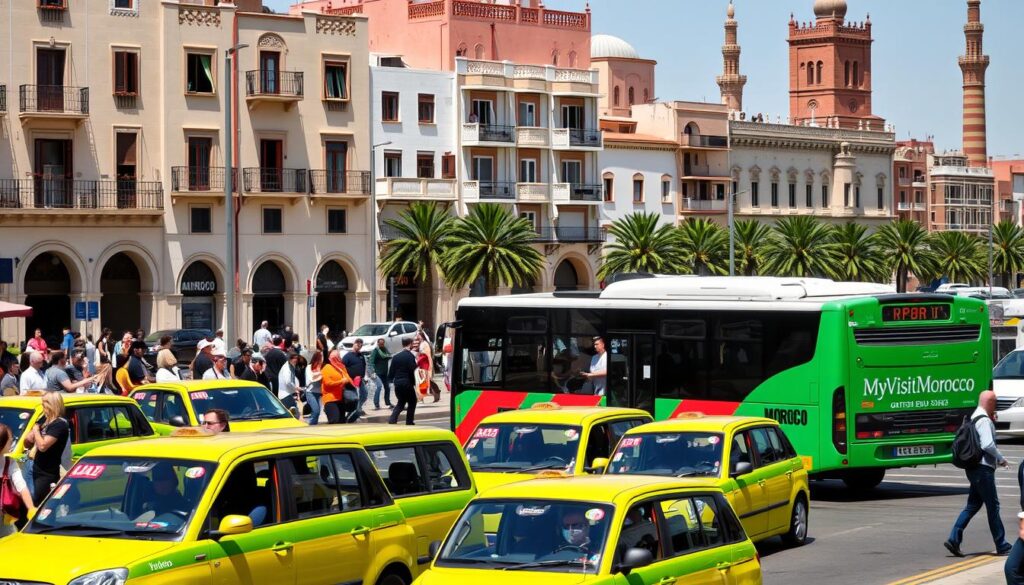
Once in Rabat, you have many ways to get around. The train network is great, with Rabat-Ville station being a key stop. Taxis, including the “petit taxi” for short trips, are also easy to find.
| Transportation Mode | Description | Cost |
|---|---|---|
| Train | Efficient and frequent services to major cities | From $5 |
| Petit Taxi | Metered taxis for short distances within Rabat | From $2 |
| Grand Taxi | Shared or private taxis for longer distances or to nearby cities | From $10 |
Plan your trip with these options in mind. They’ll make your journey to and around Rabat smooth, so you can enjoy the city’s history and culture.
Must-Visit Historical Sites in Rabat
Rabat’s historical sites show the city’s lasting legacy. Walking through Morocco’s capital, you’ll find many cultural and historical treasures. These sites have made Rabat a UNESCO World Heritage Site.
The UNESCO-Listed Kasbah of the Udayas
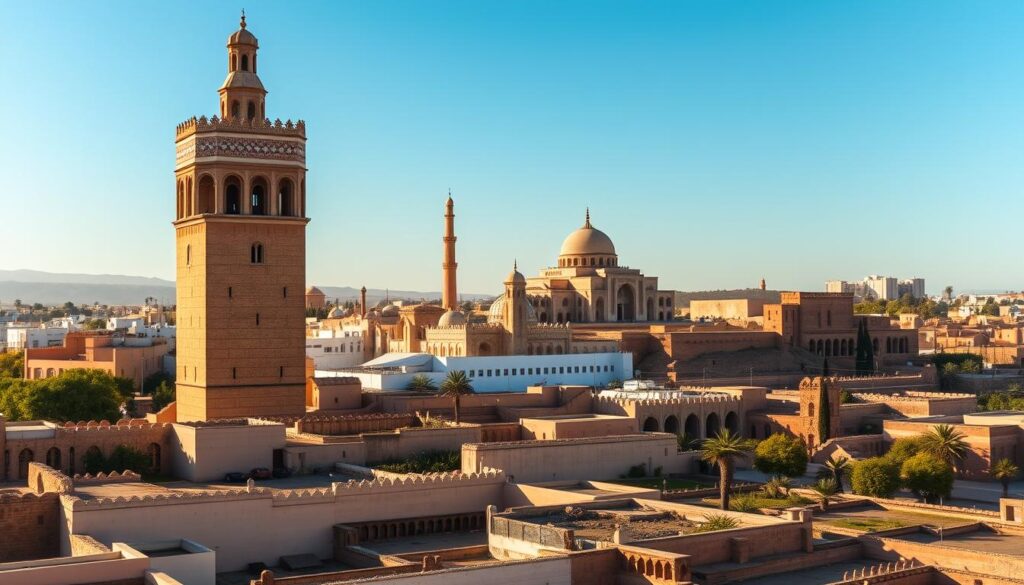
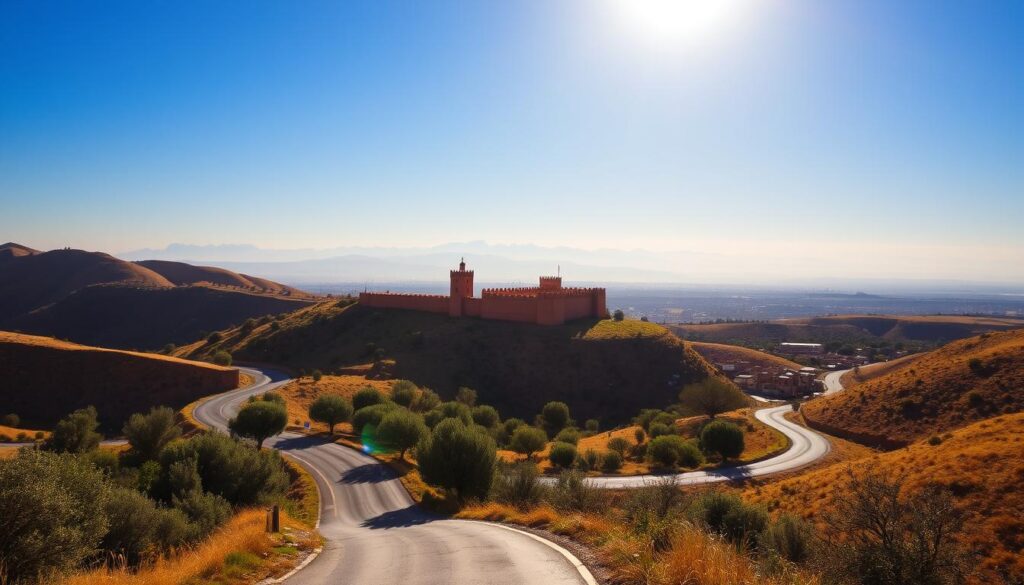
The Kasbah of the Udayas is a historic fortress in Rabat. It sits on a cliff overlooking the Atlantic Ocean. This 12th-century Almohad fort offers stunning views of the city and sea.
The Kasbah also has the Andalusian Gardens. This is a peaceful place filled with greenery and Moroccan architecture.
Hassan Tower and Mausoleum of Mohammed V
The Hassan Tower is an unfinished minaret from the late 12th century. It’s a symbol of Rabat’s history. Next to it is the Mausoleum of Mohammed V, a modern Moroccan architecture marvel.
This site is important for its history and beautiful design. It’s a must-see for anyone visiting.
Chellah Necropolis: Where Roman and Islamic History Meet
The Chellah Necropolis shows Rabat’s history from Roman times to Islamic eras. You can see Roman ruins and Islamic structures like the zaouia (a religious shrine).
The Royal Palace and Its Surroundings
The Royal Palace is not open to the public. But its surroundings are worth seeing. The palace grounds are near landmarks like the Meknes Gate and the Rabat Archaeological Museum.
Visitors can also walk the city walls and explore the souks (markets) nearby.
These sites showcase Rabat’s rich culture and history. Exploring them gives you a deeper understanding of Rabat’s uniqueness and charm.
Exploring Rabat’s Vibrant Neighborhoods
Exploring Rabat’s neighborhoods is like stepping through layers of history, culture, and daily life in North Africa. As you wander through these diverse areas, you’ll uncover the unique characteristics that make Rabat a fascinating destination.
The Ancient Medina: Shopping and Atmosphere
The ancient Medina of Rabat is a labyrinth of narrow streets filled with vibrant markets and traditional shops. Here, you can find everything from local handicrafts to authentic Moroccan cuisine. The atmosphere is lively, with the sounds of merchants calling out and the scent of spices wafting through the air, making it a must-visit for anyone looking to experience the authentic tourist attractions of Rabat.
Ville Nouvelle: French Colonial Architecture and Modern Life
Ville Nouvelle, or the New Town, showcases Rabat’s colonial past with its elegant French-inspired architecture. Wide boulevards lined with cafes and shops characterize this modern neighborhood. It’s a hub for things to do in Rabat, from enjoying a coffee at a sidewalk cafe to browsing the latest fashions in its boutiques, blending the old with the new in a uniquely Moroccan way.
Coastal Districts: Ocean Views and Relaxation
Rabat’s coastal districts offer a serene escape with their stunning ocean views and relaxed atmosphere. You can enjoy a leisurely walk along the corniche, visit the beautiful Kasbah of the Udayas, or simply relax on one of the city’s picturesque beaches. This area is perfect for those looking to unwind and enjoy the natural beauty of Rabat North Africa.
In conclusion, Rabat’s neighborhoods offer a diverse and enriching experience, from the historic and cultural to the modern and relaxing. Whether you’re exploring the ancient Medina, strolling through Ville Nouvelle, or enjoying the coastal views, Rabat has something for every traveler.
Cultural Immersion: Museums and Art Galleries
Dive into Rabat’s rich culture by visiting its top museums and galleries. Here, history, art, and culture blend together. You’ll learn more about Moroccan culture and its role in the city of Rabat.
The Museum of Contemporary Art
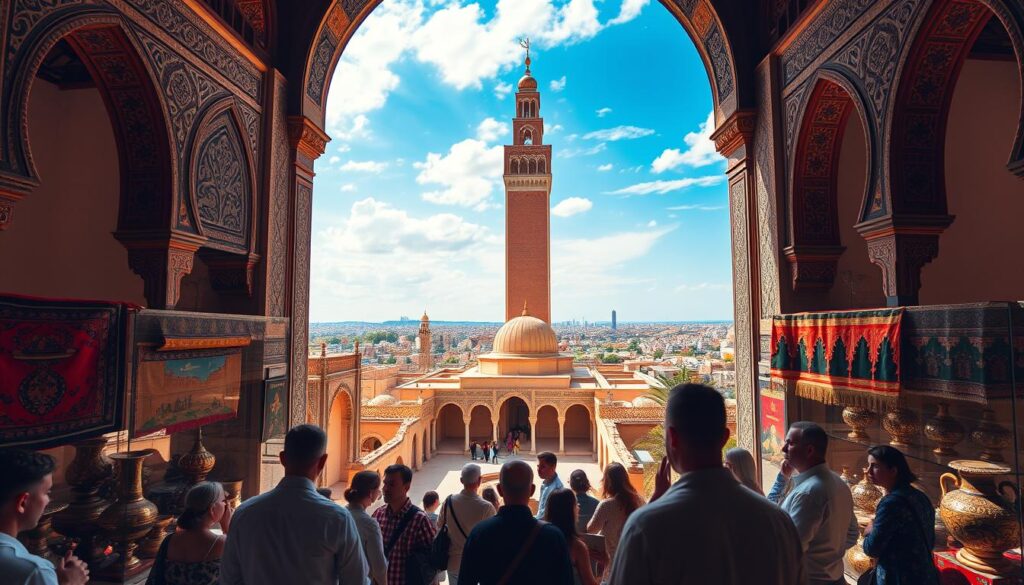
The Museum of Contemporary Art in Rabat is a key spot for modern Moroccan art fans. It showcases works by both local and international artists. Walking through, you’ll see the variety of styles and themes in modern Moroccan art.
Archaeological Museum
For a peek into Rabat’s past, check out the Archaeological Museum. It has a vast collection of artifacts from ancient times. You’ll see Roman mosaics and Islamic ceramics, showing Rabat’s cultural significance through the ages.
National Library and Other Cultural Institutions
The National Library in Rabat is a goldmine for Moroccan literature and history. The city also has art centers and historical archives. These places offer deep insights into Moroccan culture and its growth, helping visitors understand Rabat’s cultural tapestry.
Experiencing Local Art and Music Scenes
Rabat’s culture goes beyond museums and galleries. The city buzzes with music and performance art. You can catch a concert or festival, or check out street art. Whether you love traditional Moroccan tunes or modern art, Rabat has it all. Engaging with the local arts and music, you’ll see their cultural significance in Rabat.
Culinary Delights: Food and Dining in Rabat
Rabat’s food scene is a mix of history and culture. You’ll find many dining spots that highlight Moroccan cuisine. This vibrant capital offers a wide range of food experiences.
Traditional Moroccan Cuisine in the Capital
Traditional Moroccan food is a must-try in Rabat. You’ll find dishes like tagine, couscous, and harira everywhere. These meals are made with spices and cooked slowly, giving you a real taste of Morocco.
Restaurants in Rabat serve these dishes in settings that show off Morocco’s culture. You can eat in historic places or modern spots, each with its own vibe.
Best Restaurants and Cafés
Rabat has many great places to eat, from fancy restaurants to cozy cafés. Here are some top picks:
- La Sultana: It’s fancy and serves amazing Moroccan food.
- Le Petit Poucet: A favorite for tasty pastries and coffee.
- La Veranda: It has great views of the Kasbah of the Udayas and serves both local and international dishes.
Street Food and Market Experiences
Trying Rabat’s street food is essential. The Souk in the Medina has lots of street food, like grilled meats and fresh fruits. Visiting these markets is a fun way to see the local culture and try new foods.
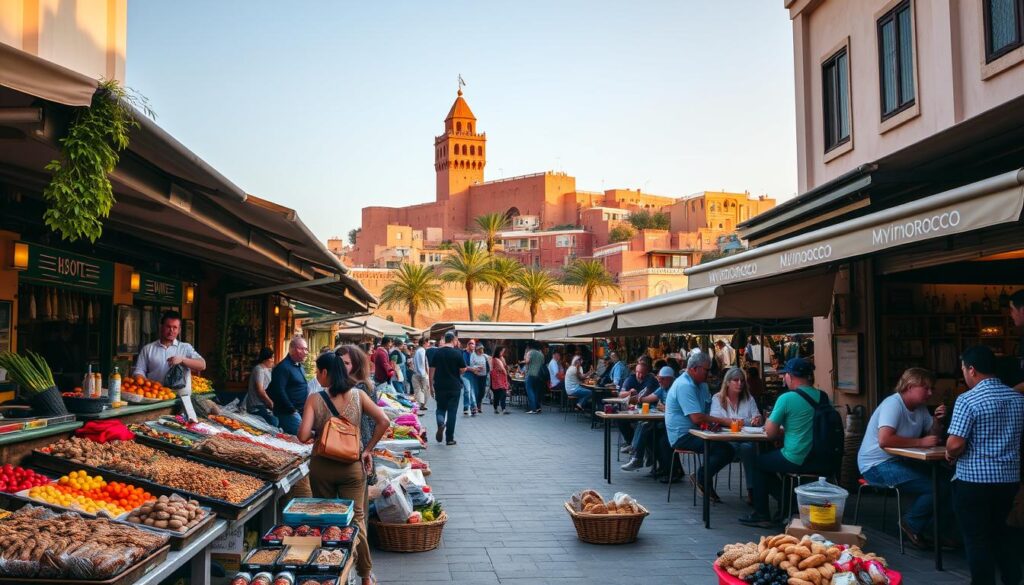
Exploring Rabat’s food scene is a mix of old and new. It has something for everyone, making it a great place to eat.
Where to Stay: Accommodation Options for Every Budget
Rabat, Morocco’s capital, has many places to stay for all budgets. You can find luxury, mid-range comfort, or budget-friendly options. There’s something for everyone.
Luxury Hotels and Riads
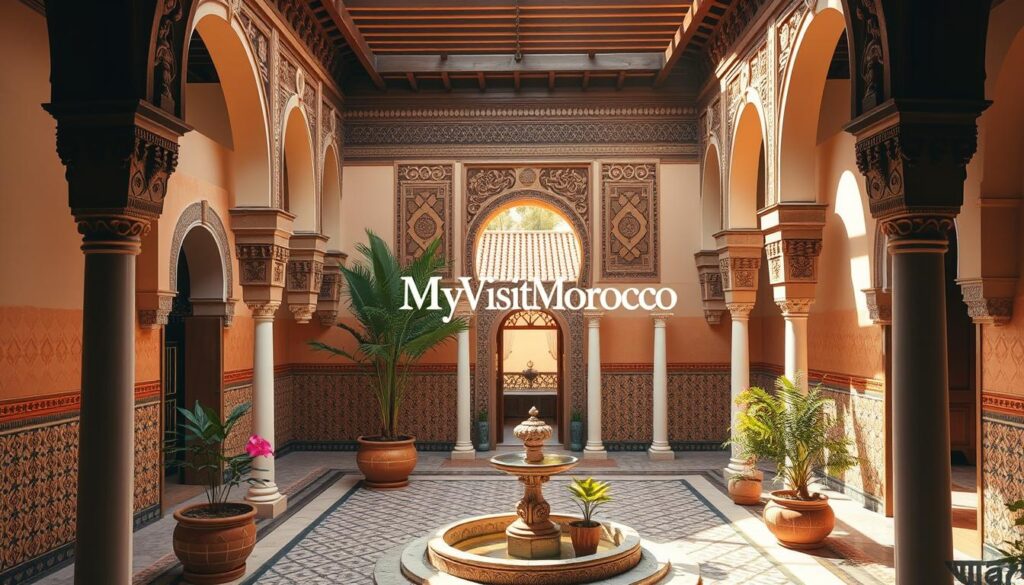
For a luxurious stay, Rabat has top hotels and riads. They mix Moroccan charm with modern comforts. You’ll find elegant decor, great dining, and top service. The La Sultana and Maison d’Hôte Medina are great examples.
Mid-Range and Boutique Options
For a moderate budget, Rabat has stylish mid-range hotels and boutiques. They offer a personal touch with unique decor. Plus, they’re in good locations for exploring the city.
Budget-Friendly Stays and Hostels
Travelers on a tight budget will find many affordable options in Rabat. Hostels and budget hotels are perfect for saving money. They also offer a chance to meet other travelers.
| Accommodation Type | Price Range | Amenities |
|---|---|---|
| Luxury Hotels/Riads | $200-$500 per night | Fine dining, spa services, elegant decor |
| Mid-Range/Boutique | $100-$200 per night | Personalized service, unique decor, convenient locations |
| Budget-Friendly | $20-$100 per night | Communal facilities, affordable rates, social atmosphere |
Choosing the right place to stay in Rabat can make your trip better. Enjoy all that this lively city has to offer.
Day Trips from Rabat: Exploring the Surrounding Region
Rabat is a great base for exploring Morocco. It’s close to many places that show off the country’s beauty. You can see history, culture, or enjoy nature, all within a short trip.
Salé: Rabat’s Sister City Across the River
Salé is just across the Bou Regreg River from Rabat. It has its own history and charm. You can see the ancient medina, the Grande Mosquée, and local crafts.
Salé gives you a peek into Moroccan life. It’s a great place for a day trip.
Casablanca: Morocco’s Largest City
Casablanca is perfect for city lovers. You can see the huge Hassan II Mosque and the lively Old Medina. The city also has modern areas with French architecture and modern culture.
Beach Escapes: Temara and Skhirat
For beach fun, go to Temara and Skhirat. These places have beautiful beaches for sunbathing, swimming, or water sports. Skhirat is fancy with its resorts and restaurants.
Nature Excursions in the Region
Nature fans will love the Mamora Forest. You can hike or ride horses there. The Oued Ykem valley is also great for views and picnics.
Rabat’s area is full of day trip options. Whether you like history, culture, beaches, or nature, there’s something for you. The region around Rabat is truly special.
Practical Travel Tips for Visiting Rabat North Africa
Getting ready for your trip to Rabat, Morocco? Knowing the practical travel tips can make your trip better. Rabat is full of history and culture, so it’s good to be prepared.
Currency and Payment Methods
The official money in Rabat is the Moroccan dirham (MAD). Credit cards work in many places, but cash is best for small shops and markets. It’s smart to have some local money ready when you arrive.
Language and Communication
Arabic is the main language, but French is common, especially in business and tourism. Many people in the service industry speak English too. Still, knowing some Arabic can help you connect with locals better.
Etiquette and Cultural Considerations
Moroccan culture is rich and conservative. It’s best to dress modestly, especially at religious sites. Avoid public displays of love. If you’re invited to a local home, bring a small gift like sweets.
Internet Access and Connectivity
Internet is easy to find in Rabat, with many places offering Wi-Fi. You can buy SIM cards at airports or telecom shops for good data plans. This makes it easy to explore the city and stay in touch with loved ones.
Knowing these practical tips can make your visit to Rabat more fun and stress-free. You’ll get to enjoy the city’s history, culture, and modern life fully.
Safety and Health Considerations for American Travelers
Traveling to Rabat means knowing the local scene and staying safe. As an American, knowing what to expect can make your trip better. Rabat, in North Africa, is a city you’ll love.
General Safety in Rabat
Rabat is a safe place, with fewer crimes than big cities. Still, it’s smart to be careful. Watch your stuff, especially in busy spots and tourist areas. Don’t carry too much cash and use safe taxis or apps.
Health Precautions and Medical Facilities
Make sure your vaccinations are current before you go. You might also want Hepatitis A and Typhoid shots. These diseases can spread through bad food or water. Rabat has good hospitals and clinics for tourists. But, it’s best to have travel insurance for medical costs.
Emergency Contacts and US Embassy Information
Know who to call in an emergency. The U.S. Embassy in Rabat is at 2 Avenue de Mohamed el Fassi. They help with medical issues, lost passports, and more. Keep important numbers handy, like the local emergency number and your embassy’s.
| Emergency Service | Contact Number |
|---|---|
| Local Emergency | 112 or 19 |
| U.S. Embassy | +212 (0) 53763 7200 |
Conclusion: Why Rabat Should Be Your Next North African Destination
Rabat, Morocco’s capital, is a mix of history, culture, and fun. It’s perfect for your next North African trip. You’ll see UNESCO-listed sites like the Kasbah of the Udayas and Hassan Tower. These places show the city’s rich past.
Walking through Rabat’s old medina, you’ll feel Moroccan culture all around. You’ll taste traditional food and see modern art. Rabat is a place where old and new meet, offering something for everyone.
Rabat’s weather is great all year, making it a perfect place to visit. You can enjoy festivals like Mawazine or explore nearby cities. Planning a trip to Rabat, you’ll find a city that’s both traditional and modern. It’s a place you won’t forget.



 Covers cities, coast, mountains, desert & food