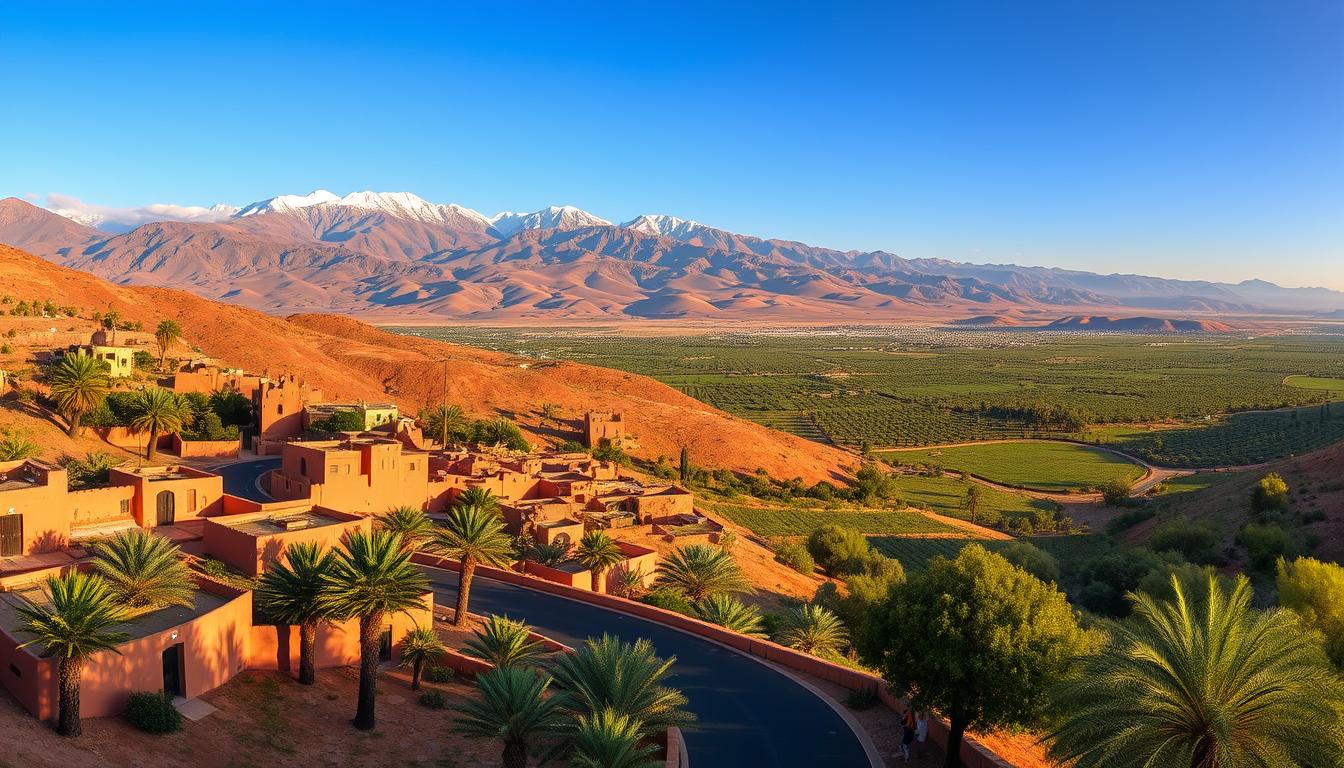
Planning a trip to North Morocco reveals a land full of history, culture, and stunning views. Tangier’s lively streets meet the calm Rif Mountains. This travel destination is a treasure trove of experiences.
North Morocco’s mix of cultures and landscapes is perfect for those wanting a deep dive into travel. You can explore lively cities, unwind on gorgeous beaches, and dive into the local culture.
Key Takeaways
- Discover the rich history and culture of North Morocco.
- Explore the best cities, including Tangier and Tetouan.
- Enjoy scenic routes through the Rif Mountains.
- Experience the unique blend of cultures in the region.
- Relax on the beautiful beaches along the Mediterranean coast.
The Allure of North Morocco’s Diverse Landscapes
North Morocco’s landscapes range from the Rif Mountains to the Mediterranean coast. It’s a paradise for travelers. You’ll find natural beauty, cultural heritage, and historic sites here.
Geographic Overview of the Region
North Morocco’s geography is diverse. The Rif Mountains are perfect for hiking and exploring traditional Berber villages. The mountains have villages with stunning views.
The Mediterranean coast adds to the region’s beauty. It has scenic views and secluded beaches to explore.
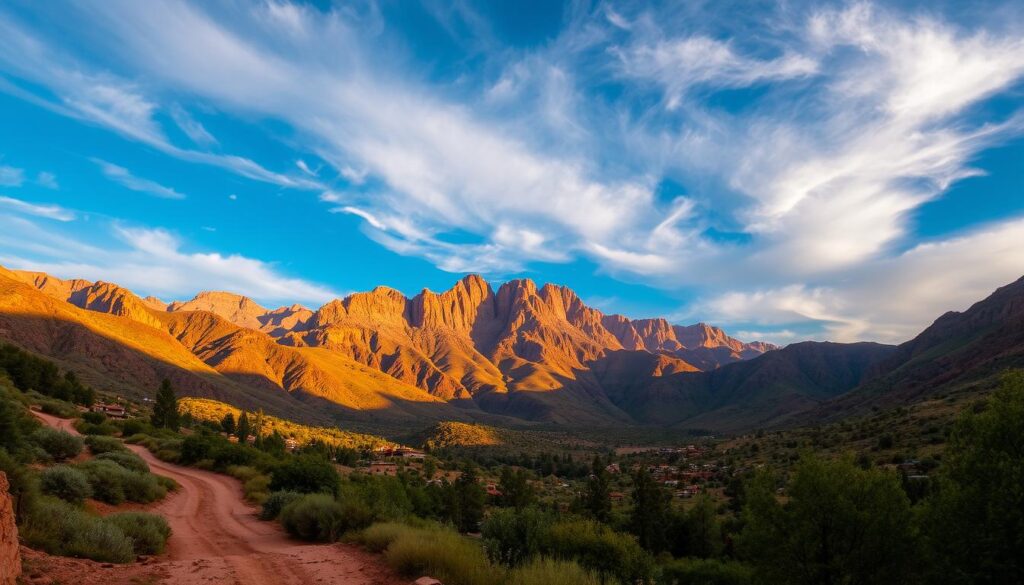
The landscapes are not just beautiful; they’re also home to many plants and animals. As you hike the Rif Mountains, you’ll meet traditional Berber communities. Here, you can learn about local culture. For more info, visit Morocco By Tours.
Cultural Significance and Historical Background
North Morocco’s culture is shaped by Arab, Berber, and European influences. This mix is seen in its historic sites, architecture, and traditions. The region’s history is filled with stories from ancient times to today.
Knowing North Morocco’s history and culture makes its beauty even more special. As you explore, you’ll see that historic sites and cultural landmarks are alive. They show the region’s lasting heritage.
When to Visit North Morocco: Seasonal Guide
North Morocco has mild winters and hot summers. Spring and autumn are the best times to visit. Knowing the seasons helps plan your trip.
Climate Patterns Throughout the Year
The climate in North Morocco changes a lot throughout the year. Winters are mild, with temperatures between 45°F and 65°F. This is a great time to see cities and historical sites without crowds.
Summers can get very hot, especially in the interior. Temperatures often go over 90°F. Spring and autumn have nice weather and fewer tourists than summer.
Peak and Off-Peak Travel Seasons
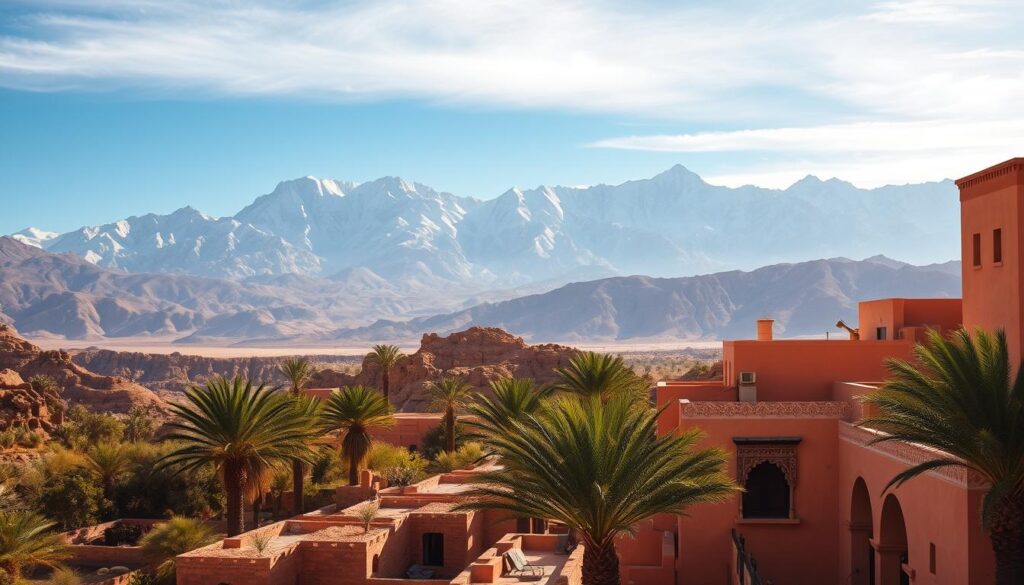
The best times to visit North Morocco are spring (March to May) and autumn (September to November). The weather is nice, and you can enjoy outdoor activities. Visiting in the off-peak season can save money and avoid crowds, but some places might be closed.
“The best time to visit North Morocco is during spring and autumn when the weather is pleasant for outdoor activities.” This quote shows why choosing the right season is important.
Tangier: Gateway to North Africa
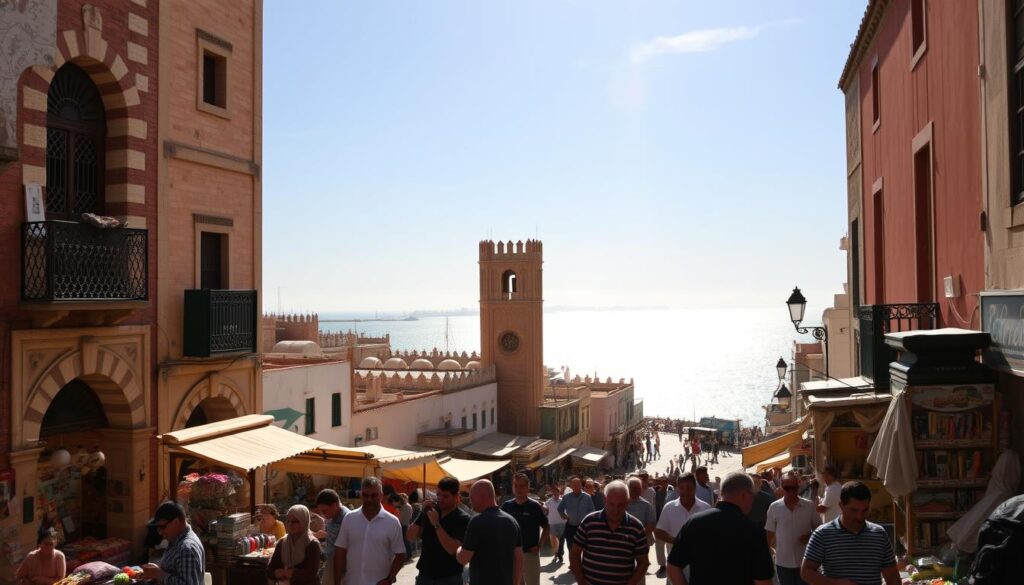
Tangier is a city full of history and culture. It’s a gateway to North Africa’s wonders. Here, you’ll find a mix of cultures in its buildings, food, and people’s smiles.
Historical Significance and International Zone Legacy
Tangier was once an International Zone. This period shaped its culture and buildings. The American Legation Museum shows the city’s ties to the U.S.
Walking through the Medina, you see different architectural styles. This is because many cultures have influenced Tangier over time.
Must-Visit Attractions in Tangier
There are key places to see in Tangier. The Medina shows traditional Moroccan life. The Kasbah offers great views of the city and sea.
Make sure to visit the Grand Socco. It’s a lively square that links the old and new parts of Tangier.
Day Trips from Tangier
Tangier is a great starting point for exploring nearby areas. A trip to the Caves of Hercules is a must. It’s beautiful and full of myths.
Another great trip is to Asilah. It’s famous for its art and old fort. These trips let you see North Morocco’s varied landscapes and cultures.
The Blue Pearl: Exploring Chefchaouen
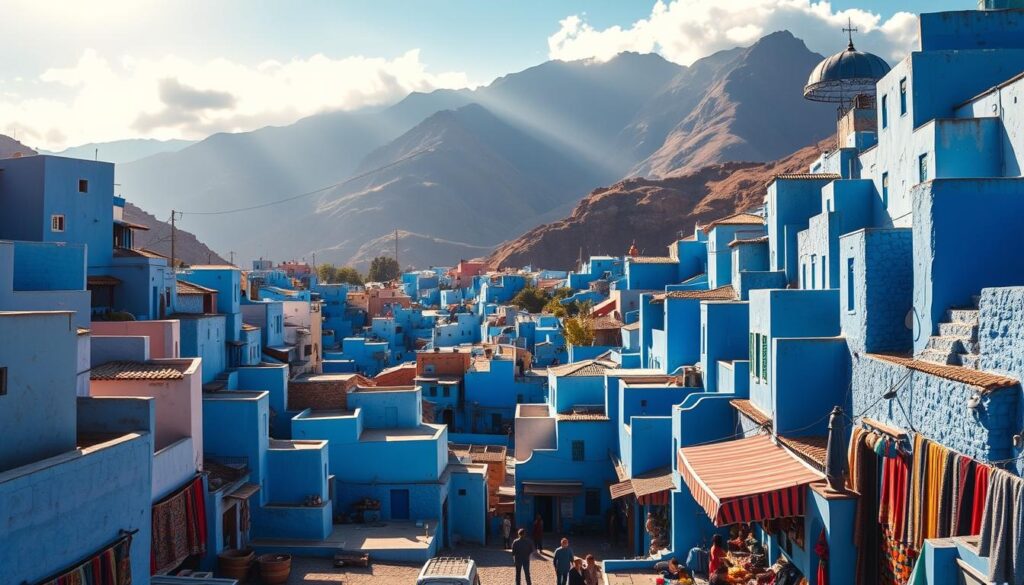
Chefchaouen, known as the Blue City, is a hidden gem in North Morocco. It’s nestled in the Rif Mountains. This town is full of natural beauty, rich history, and vibrant culture.
The Story Behind the Blue City
The blue buildings in Chefchaouen have a fascinating story. The town was founded in 1471 by Ali Ben Moussa, a descendant of the Prophet Muhammad. It was a base to fight the Portuguese.
Over time, the town’s buildings turned blue. This color symbolizes the sky and heaven. It was also influenced by the Jewish community that settled there. Learn more about Chefchaouen’s history and attractions on Simply Morocco.
Navigating Chefchaouen’s Medina
Walking through Chefchaouen’s Medina is enchanting. The streets are lined with blue and white buildings. The atmosphere is relaxed, and the locals are friendly.
Make sure to visit the bustling markets. You can find traditional crafts, local delicacies, and souvenirs. For more insights on navigating the Medina and other destinations in North Morocco, check out My Visit Morocco.
Photography Spots and Viewpoints
Chefchaouen is a photographer’s dream. It offers stunning vistas and unique perspectives. From the Spanish Mosque to the blue buildings, every corner is a masterpiece.
Don’t miss the breathtaking sunsets. They paint the sky with orange and pink hues. This adds to the town’s ethereal beauty.
| Photography Spot | Best Time to Visit | Captions |
|---|---|---|
| Spanish Mosque | Early Morning | Panoramic views of Chefchaouen |
| Blue Houses | Afternoon | Intricate blue and white architecture |
| Rif Mountains | Sunset | Breathtaking mountain landscapes |
Tetouan: The White Dove of North Morocco
When you visit North Morocco, Tetouan is a city you must see. It’s called the “White Dove” because of its white buildings. Tetouan mixes history and culture in a unique way, making it a great place for travelers.
UNESCO World Heritage Medina
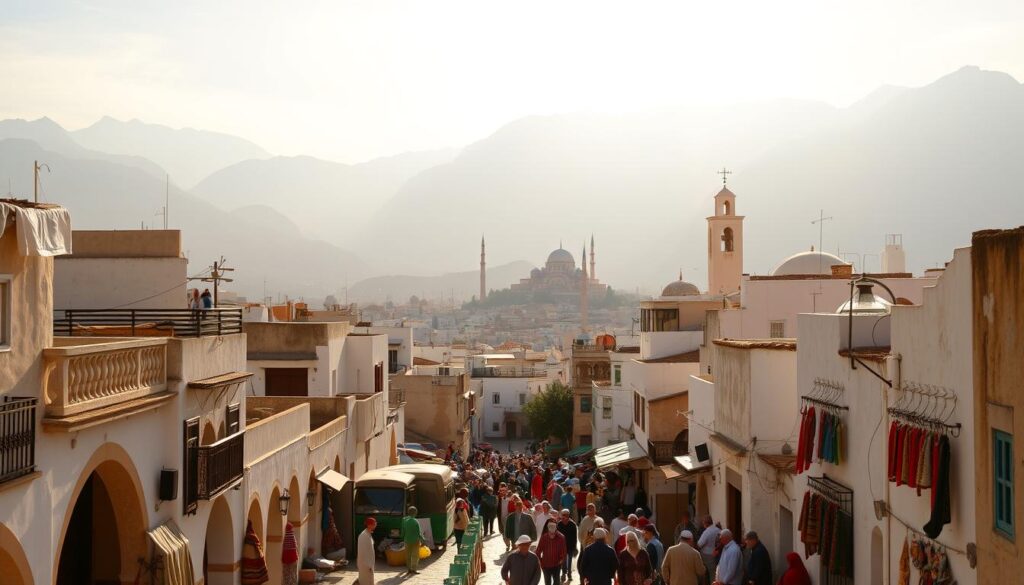
The Medina of Tetouan is a UNESCO World Heritage site. It’s known for its history and architecture. Walking through the Medina, you’ll see buildings that show the city’s rich past.
The Medina’s streets are narrow and filled with history. You’ll find historic buildings and lively markets. It’s a place where history comes alive.
Spanish Influence and Architecture
Tetouan’s buildings show Spanish influence from when it was under Spanish rule. This mix of Islamic and Spanish styles creates a unique look. It makes Tetouan stand out in North Morocco.
The city’s white buildings add to its calm beauty. The mix of styles and history make Tetouan a top spot in North Morocco.
Al Hoceima: Mediterranean Beaches and Berber Culture
Al Hoceima sits on Morocco’s Mediterranean coast, blending natural beauty with cultural richness. This coastal town is a hidden treasure. It has untouched beaches and a deep Berber heritage waiting to be explored.
Pristine Beaches and Coastal Landscapes
The coastline of Al Hoceima is untouched and beautiful. You’ll find secluded beaches and cliffs. Relax on Quemado Beach or walk the scenic coastal paths for stunning views of the Mediterranean.
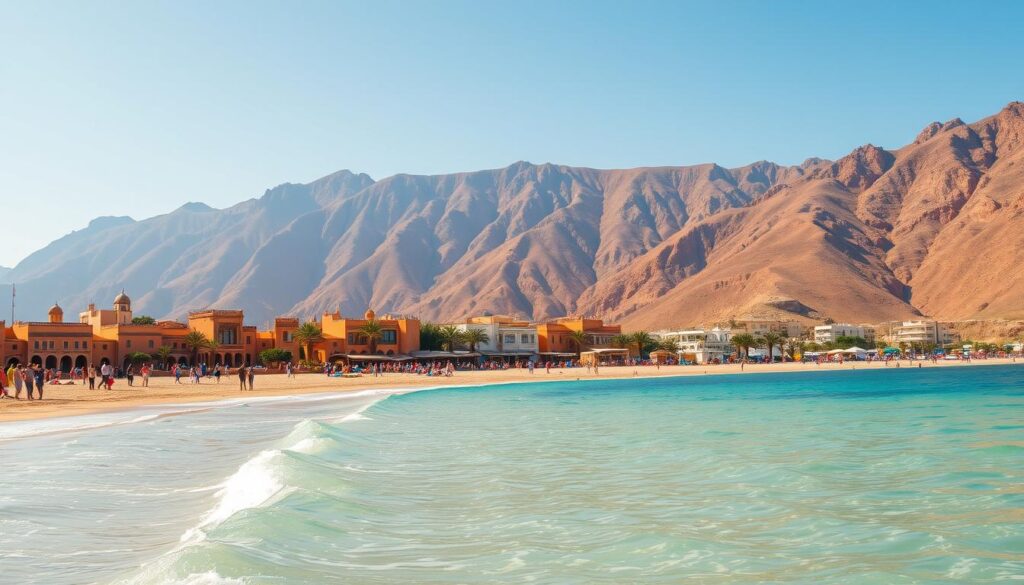
For adventure, visit Isla de Alhucemas for snorkeling and underwater exploration. The beaches and waters are perfect for eco-tourism.
| Beach | Location | Features |
|---|---|---|
| Quemado Beach | Central Al Hoceima | Sandy shore, calm waters |
| Isla de Alhucemas | Offshore island | Snorkeling, scenic views |
Berber Heritage and Local Traditions
Al Hoceima is more than beaches; it’s a window into Berber culture. Visit Bni Boufrah to see Berber hospitality and traditions. Discover their customs, crafts, and life ways, passed down through generations.
The local markets show off Berber culture with traditional crafts and food. Try the local cuisine, a mix of Mediterranean and Berber flavors, for a unique taste experience.
Asilah: Artistic Coastal Town
Asilah is a charming coastal town in North Morocco. It’s a haven for art lovers and history buffs. The town hosts an annual arts festival, turning its streets and walls into a vibrant outdoor gallery.
Annual Arts Festival and Murals
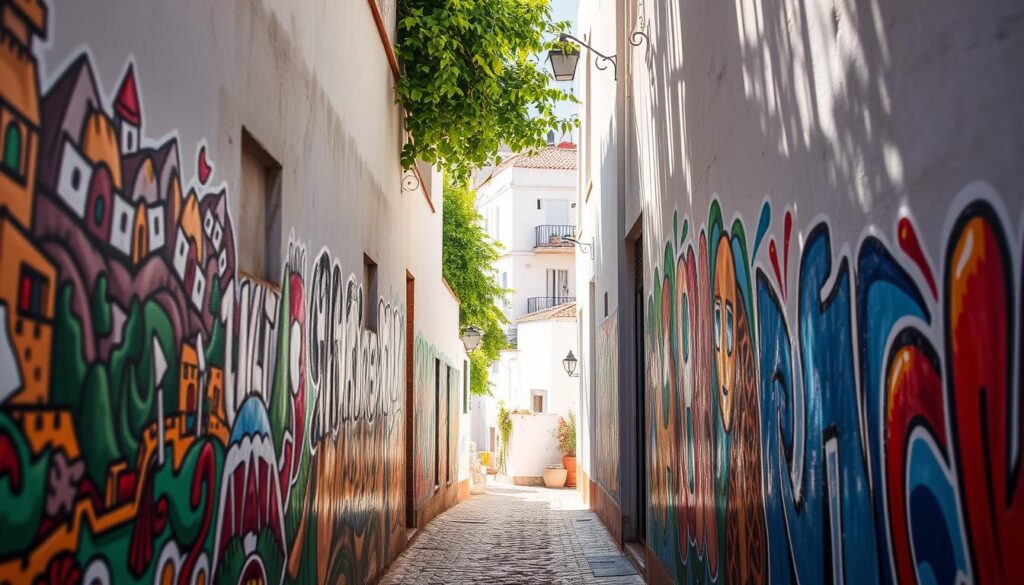
The annual arts festival in Asilah draws visitors from all over. The town’s walls are covered in colorful murals by local and international artists. These murals mix traditional and modern themes.
Some murals show scenes from Moroccan culture, while others are abstract. The festival not only beautifies the town but also brings locals and visitors together.
Portuguese Fortifications and Atlantic Views
Asilah is also steeped in history, with its Portuguese fortifications being a key landmark. The Asilah Fortress, built in the 16th century, offers a glimpse into the town’s past. Visitors can explore the fort and enjoy views of the Atlantic Ocean.
The town’s coastal location is perfect for water activities and relaxation. You can walk along the beach, watch the sunset, or try water sports.
| Attraction | Description | Best Time to Visit |
|---|---|---|
| Asilah Murals | Vibrant street art created during the annual arts festival | August (during the arts festival) |
| Portuguese Fortifications | Historic fort dating back to the 16th century | Anytime, but avoid peak sun hours |
| Atlantic Beaches | Pristine beaches with opportunities for water activities | Early morning or late afternoon |
Asilah is a unique destination in North Morocco. It offers art, history, and natural beauty. Whether you’re into culture, history, or just relaxing by the sea, Asilah has it all.
Traversing the Rif Mountains: Natural Beauty and Hiking Trails
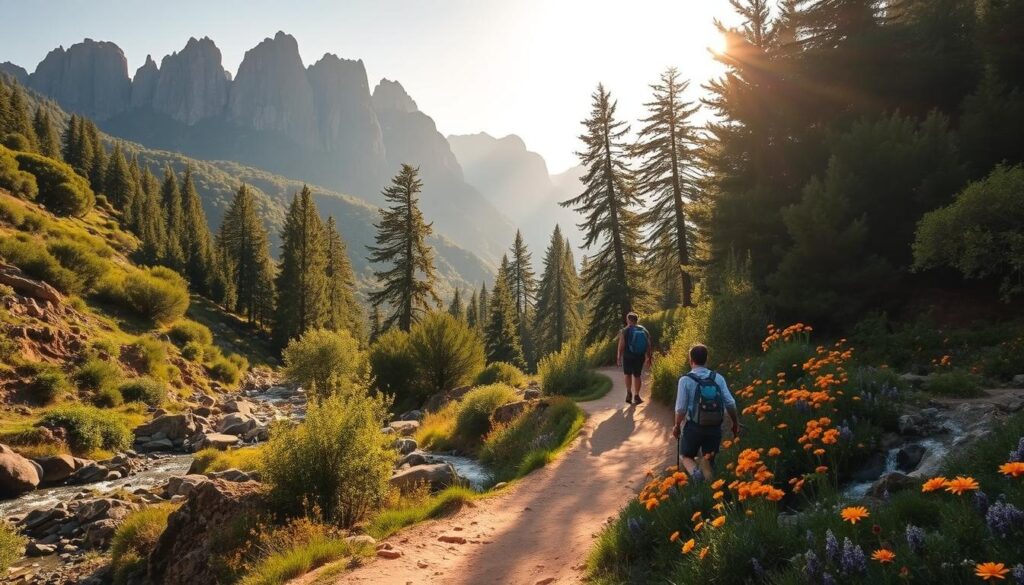
The Rif Mountains in North Morocco are full of natural wonders. As you explore this range, you’ll see different landscapes. From lush forests to rugged peaks, it’s all there.
Popular Hiking Routes and Difficulty Levels
The Rif Mountains have trails for everyone. Here are some popular ones:
- The Ketama Trail, a moderate 3-day hike through traditional villages and cedar forests.
- The Tazzeka Trail, a challenging 2-day trek with breathtaking views of the surrounding mountains.
- The Chefchaouen Trail, an easy day hike suitable for families, offering stunning views of the Blue City.
Flora, Fauna, and Conservation Efforts
The Rif Mountains are home to many plants and animals. The Barbary macaque is one of them. Efforts are being made to protect this environment. National parks and protected areas have been set up.
Mountain Villages and Local Experiences
While hiking, you’ll visit traditional villages. You can meet the local Berber people. They are known for their warm hospitality and rich culture.
Exploring the Rif Mountains lets you see North Morocco’s beauty and culture. It’s a unique experience.
The Mediterranean Coast of North Morocco
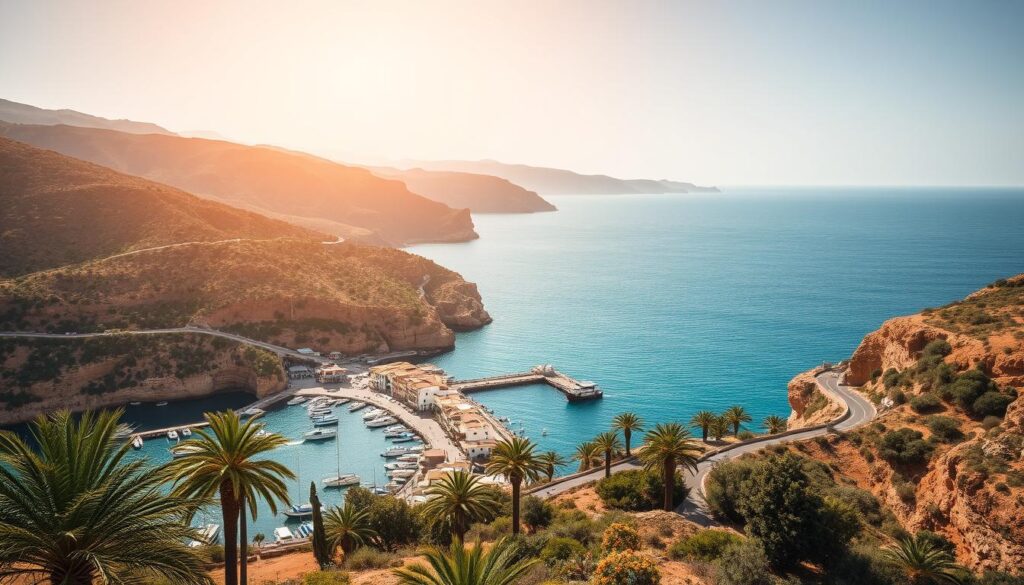
Explore the calm beauty of North Morocco’s Mediterranean coast. It’s home to hidden beaches. This area is full of natural wonders and rich culture, making it a key part of your trip.
Secluded Beaches Worth Discovering
The Mediterranean coast of North Morocco has many quiet beaches. These spots are perfect for those looking to relax and swim. Here are some of the best beaches:
- Caleta Beach in Al Hoceima, known for its crystal-clear waters
- Sfiha Beach, a secluded spot perfect for sunbathing
- Tala Youssef Beach, popular among locals and tourists alike
| Beach Name | Location | Features |
|---|---|---|
| Caleta Beach | Al Hoceima | Crystal-clear waters, scenic views |
| Sfiha Beach | Near Al Hoceima | Secluded, perfect for sunbathing |
| Tala Youssef Beach | Near Tala Youssef Village | Popular among locals, scenic |
Traditional Fishing Communities and Seafood
The coastal towns along the Mediterranean coast have traditional fishing communities. Here, you can taste local seafood and learn about fishing. Visit places like Al Hoceima’s fish market to see the daily catch.
Local Seafood Delights
Don’t miss trying the local seafood. It includes fresh fish, calamari, and more. Some must-try dishes are:
- Grilled fish with Mediterranean spices
- Seafood tagine, a slow-cooked stew
- Calamari fried with local herbs
The mix of natural beauty and cultural richness makes the Mediterranean coast a highlight of your North Morocco trip.
Cultural Experiences in North Morocco
Dive into the lively culture of North Morocco, where traditions shine. This area mixes Arab, Berber, and Mediterranean styles, offering many cultural experiences.
Traditional Music and Dance
North Morocco boasts a rich music and dance scene. These performances are key to local celebrations. You can enjoy the Gnawa people’s energetic rhythms, blending African, Arab, and Berber sounds.
For more on the region’s culture, check out cultural highlights of Northern Morocco.
Culinary Delights of the Region
The food in North Morocco shows off its cultural mix. Try dishes like tagines, couscous, and pastilla, all made with fresh ingredients. Don’t miss the sweet pastries and refreshing mint tea, a sign of Moroccan welcome.
Artisanal Crafts and Souvenirs
North Morocco is famous for its crafts, like pottery, textiles, and jewelry. Visit local souks to find unique, handmade items. Supporting local artisans helps the community and lets you see traditional crafts up close.
Practical Guide to Transportation in North Morocco
Exploring North Morocco’s varied landscapes needs a good grasp of travel options. Whether you’re moving between lively cities or checking out rural spots, knowing how to travel is key. It makes your trip smooth and fun.
Getting Around by Public Transport
Public transport in North Morocco is handy and cheap. Buses and trains link big cities, making car-free travel easy. For more on Morocco’s public transport, like schedules and prices, check this guide. Expect frequent trips between places like Tangier, Chefchaouen, and Tetouan.
Renting a Car: Tips and Considerations
Renting a car lets you travel at your own speed. Think about the right car for your trip. For Rif Mountains adventures, a 4×4 is best. Always check the rental deal and insurance. Make sure to inspect the car before you rent to avoid problems.
Scenic Driving Routes Between Major Cities
North Morocco has amazing scenic drives. The Tangier to Chefchaouen route shows off the Rif Mountains. The Tangier to Asilah coastal path offers stunning Atlantic views. For more travel tips, visit My Visit Morocco.
Accommodation Options Across North Morocco
North Morocco offers a wide range of places to stay. Whether you want a local feel or luxury, you’ll find it here. There’s something for everyone.
Traditional Riads and Guesthouses
Traditional riads and guesthouses show off Morocco’s rich culture. They are often run by families, adding a personal touch. You’ll find beautiful interiors, peaceful courtyards, and friendly hosts.
Staying in a riad or guesthouse lets you dive into local life. It’s a great way to feel the true spirit of North Morocco.
Luxury Resorts and Budget-Friendly Stays
If you’re looking for luxury, North Morocco has top-notch resorts. They offer amazing amenities and views. But, if you’re on a tight budget, there are affordable options too.
The region has something for every budget. This means you can plan your trip without worrying about where to stay.
| Accommodation Type | Features | Price Range |
|---|---|---|
| Traditional Riads | Authentic decor, family-run, personal touch | $50-$150 per night |
| Luxury Resorts | High-end amenities, stunning views | $200-$500 per night |
| Budget-Friendly Stays | Basic amenities, affordable | $20-$50 per night |
When you’re planning your trip to North Morocco, you can count on finding the right place to stay. It will make your trip even better.
Safety Tips and Cultural Etiquette for Travelers
To enjoy North Morocco fully, respect local traditions and stay safe. Traveling here means being aware of your surroundings and local customs. This will make your trip better.
Respecting Local Customs and Traditions
North Morocco values its conservative ways, especially in rural areas. It’s important to dress modestly, especially when visiting mosques or rural spots. Women should cover their shoulders and knees, and men should avoid shorts and sleeveless shirts. This way, you’ll have better interactions with locals and enjoy the culture more.
Some key customs to be aware of include:
- Respect for elders and authority figures
- Removing your shoes before entering mosques or homes
- Avoiding public displays of affection
Practical Safety Advice for Tourists
North Morocco is mostly safe, but it’s wise to be cautious. Always watch your belongings, especially in busy places and tourist areas. Don’t travel alone at night and use safe taxi services or apps.
| Safety Tip | Description |
|---|---|
| Secure Your Belongings | Keep your valuables close and secure, especially in crowded areas. |
| Avoid Night Travel | Try to avoid traveling alone at night; use reputable transportation services. |
| Stay Informed | Stay updated with local news and weather forecasts to avoid any unforeseen situations. |
By respecting local customs and following safety tips, you’ll have a great time in North Morocco.
Conclusion: The Timeless Appeal of North Morocco
Exploring North Morocco, you’ll find a travel destination that mixes history, culture, and stunning landscapes. The historic medinas and the Rif Mountains offer a unique cultural journey.
The cities of Marrakech, Chefchaouen, Fez, Casablanca, Essaouira, and Tangier show off North Morocco’s rich heritage and modern vibe. You can dive into the local culture by visiting historic sites, enjoying traditional music and dance, and trying the local food.
North Morocco’s timeless charm will give you memories that last a lifetime and a deeper understanding of the local culture. Whether you’re into history, culture, or outdoor fun, North Morocco has it all. It’s the perfect place for your next adventure.




 Covers cities, coast, mountains, desert & food