Planning a winter trip to Morocco? Knowing the January weather is key for a smooth journey.
In January, Morocco has mild winter weather. It’s perfect for those wanting to avoid cold climates.
Days are pleasant, but nights can get chilly, especially in the desert.
Remember to pack layers to make the most of your trip.
Key Takeaways
- Mild winter conditions in January
- Pleasant daytime temperatures
- Cooler nights, especially in the desert
- Pack layers for comfort
- Ideal destination for winter escape
Understanding Morocco’s January Climate
Planning a trip to Morocco in January? Knowing the winter climate is key. Morocco’s winter, from December to February, offers a unique experience. January is a great time to see the country’s varied climate.
General Weather Patterns in Winter Morocco
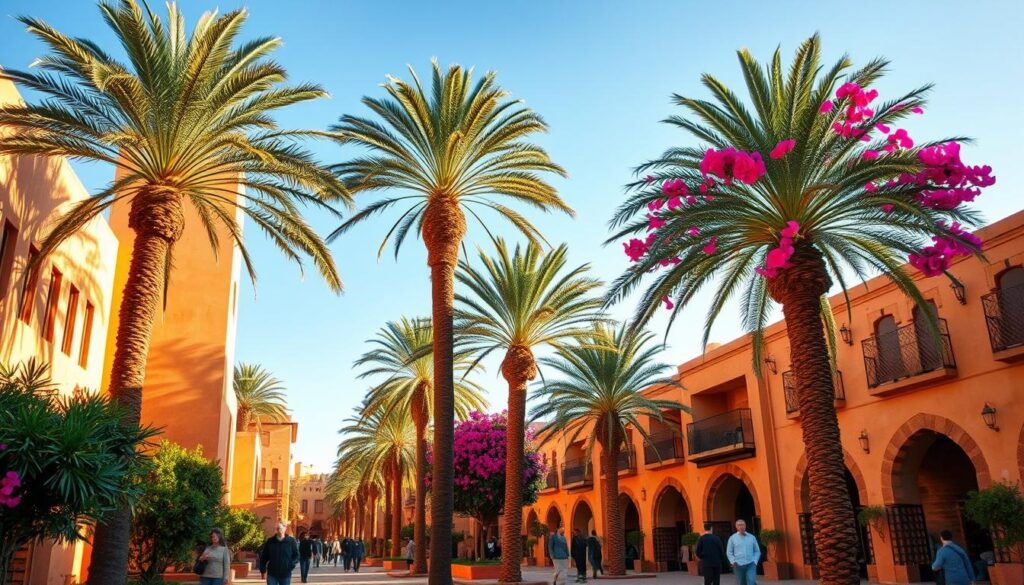
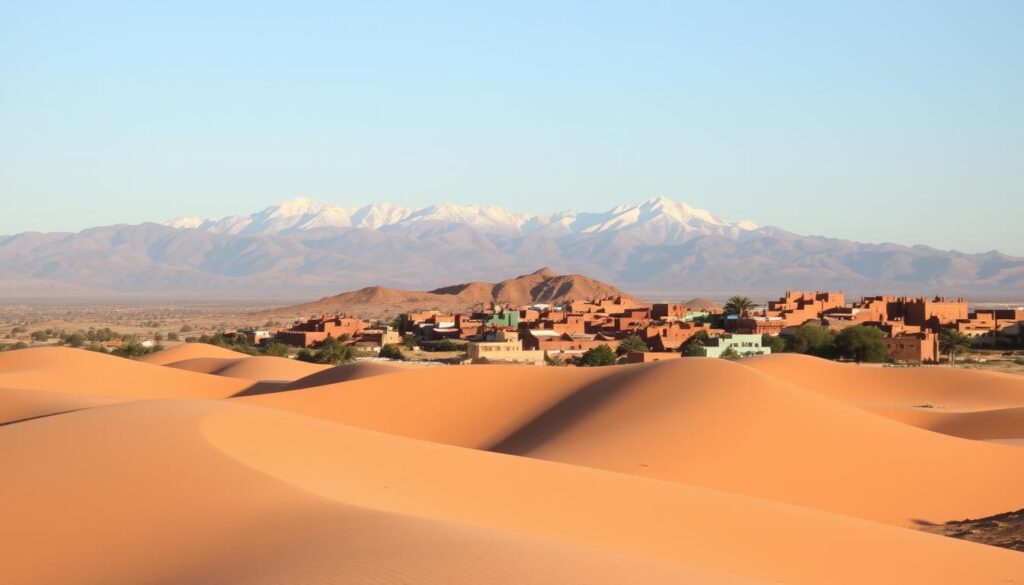
Morocco’s geography shapes its climate. The Atlas Mountains split the country into different zones. Coastal areas are mild and wet, while the interior and mountains are cooler, sometimes snowy. The desert, like the Sahara, has cold nights but warm days.
Key weather patterns in winter Morocco include:
- Mild temperatures along the coast, with average highs around 17°C (63°F)
- Cooler temperatures in the interior cities, with average highs around 12°C (54°F)
- Cold nights in the desert, with temperatures sometimes dropping below 0°C (32°F)
- Potential snowfall in the Atlas Mountains
How January Differs from Other Winter Months
January is Morocco’s coldest month. But, the weather varies greatly by region. January is wetter than December and February in some areas, especially the north and coast.
| Region | Average High in January | Average Low in January |
|---|---|---|
| Coastal (Casablanca) | 17°C (63°F) | 8°C (46°F) |
| Interior (Marrakech) | 18°C (64°F) | 6°C (43°F) |
| Desert (Merzouga) | 17°C (63°F) | 2°C (36°F) |
The table shows how temperatures vary in January across Morocco. This highlights the country’s diverse winter climate.
Morocco Weather Jan: Regional Variations
Morocco’s weather in January changes a lot depending on where you are. Knowing these differences helps you pack right and plan your trip.
Coastal Areas: Casablanca, Rabat, and Essaouira
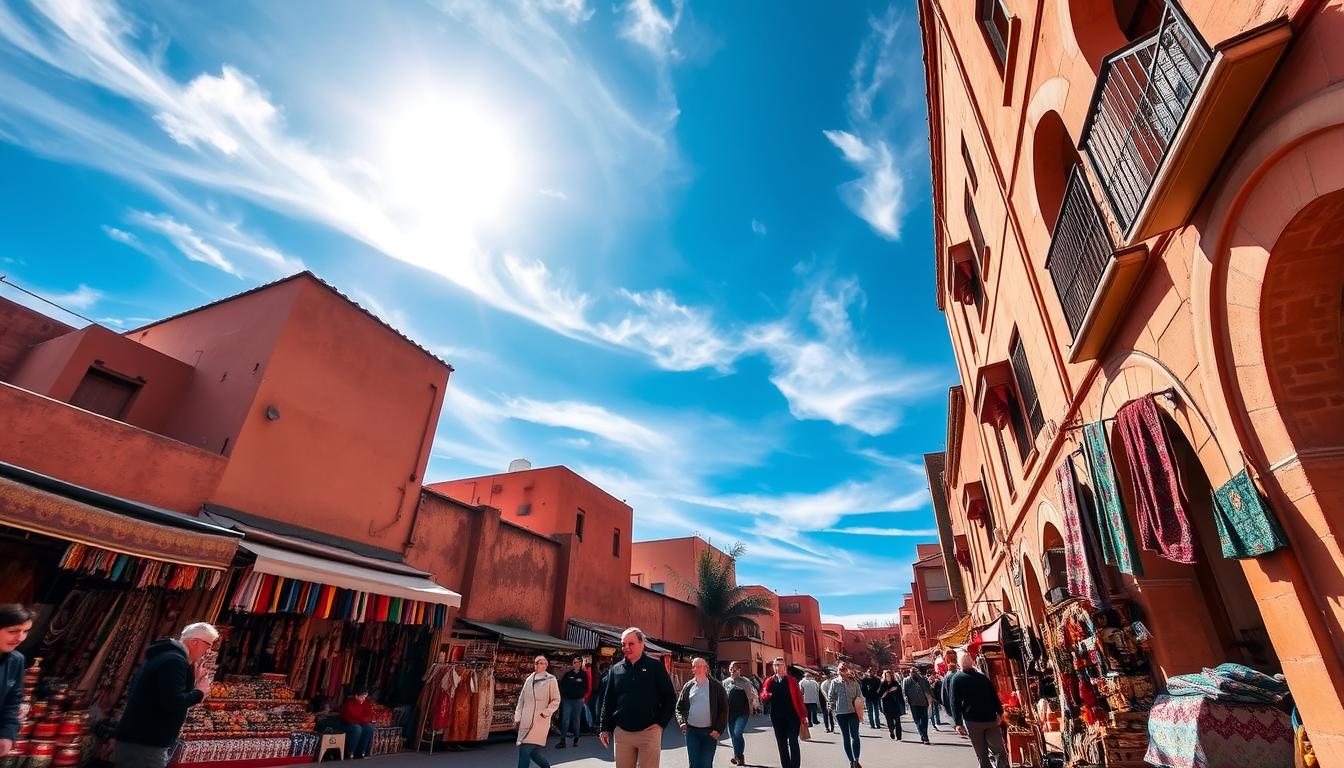
The coastal areas of Morocco, like Casablanca, Rabat, and Essaouira, have milder winters. In January, these cities see average highs from 17°C to 20°C (63°F to 68°F). The coastal breeze can make it feel cooler, especially in the mornings and evenings.
A traveler’s blog notes the pleasant winter in Essaouira: “The winter months bring a serene calm to Essaouira, making it an ideal time to enjoy the city’s laid-back atmosphere and beautiful beaches.”
“The winter months bring a serene calm to Essaouira, making it an ideal time to enjoy the city’s laid-back atmosphere and beautiful beaches.”
Interior Cities: Marrakech and Fez
Interior cities like Marrakech and Fez have colder winters. January nights can drop to 6°C to 10°C (43°F to 50°F). But, daytime temperatures can still be nice, reaching highs of 18°C to 22°C (64°F to 72°F).
A comparison of the average January temperatures in Marrakech and Fez is shown in the table below:
| City | Average High | Average Low |
|---|---|---|
| Marrakech | 18°C (64°F) | 8°C (46°F) |
| Fez | 16°C (61°F) | 5°C (41°F) |
Mountain Regions: Atlas Mountains and Desert Areas
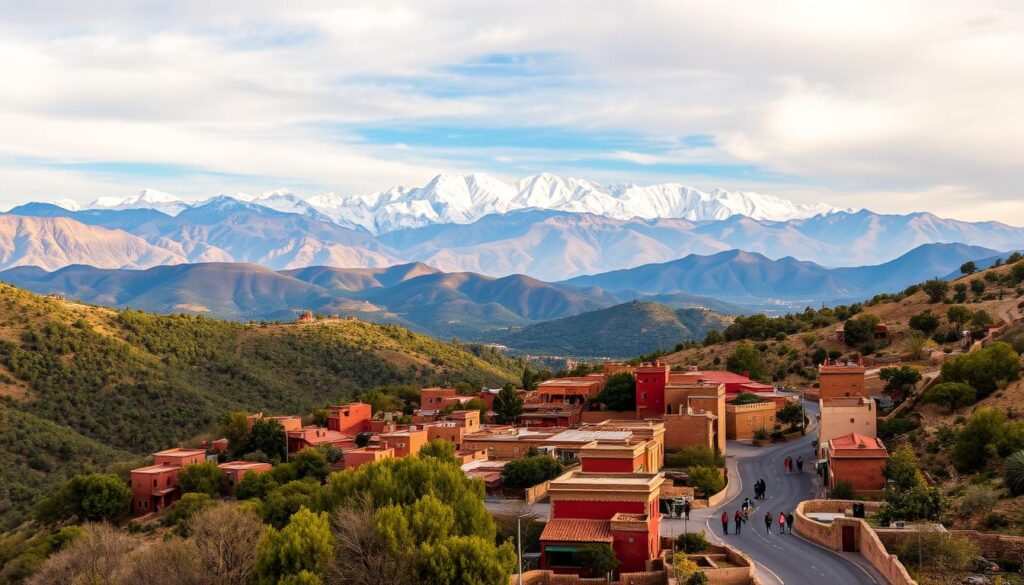
The Atlas Mountains and desert areas of Morocco have extreme weather in January. The Atlas Mountains are cold, with lots of snow, perfect for winter sports. The desert areas, like Merzouga, are cold at night but have clear, sunny days.
When planning your January trip to Morocco, remember the weather varies by region. Whether you’re in coastal cities, interior cities, or the mountains, knowing the local weather makes your trip better.
Temperature Expectations Across Morocco in January
When you visit Morocco in January, you’ll find different temperatures. The Atlas Mountains are cool, while the coast is milder. Knowing these temperatures helps you enjoy your trip more.
Daytime Highs and Nighttime Lows
In January, Morocco gets its coolest weather. Coastal cities like Casablanca and Rabat have mild days, averaging 17°C (63°F). Nights can get chilly, around 8°C (46°F).
Inland cities, like Marrakech, are cooler. They see highs of 18°C (64°F) and lows that can go below 8°C (46°F). The Atlas Mountains are even colder, with highs from 10°C to 15°C (50°F to 59°F) and lows below freezing.
| Region | Daytime High (°C) | Nighttime Low (°C) |
|---|---|---|
| Coastal Areas | 17-18 | 8-10 |
| Inland Cities | 18-20 | 6-8 |
| Atlas Mountains | 10-15 | 0-5 |
Temperature Fluctuations Throughout the Month
January temperatures in Morocco change throughout the month. The first week is usually cooler, then it gets warmer. But, cold snaps can happen, especially in the mountains.
To get ready for your trip, pack layers for different temperatures. Even in warmer areas, evenings can be cool. So, having the right clothes is important for a great time in Morocco.
Precipitation and Weather Conditions
Planning a trip to Morocco in January? Knowing about the weather is key. Morocco’s varied landscapes mean weather changes a lot from place to place.
Rainfall Patterns in Different Regions
January is quite wet in Morocco, with rain falling differently in each area. The coastal areas like Casablanca and Rabat see moderate rain. They get about 70 mm to 100 mm of rain all month.
The mountainous regions get a lot more rain, often as snow.
Here are some rainfall stats for January:
- Casablanca: 78 mm average rainfall
- Rabat: 90 mm average rainfall
- Marrakech: 62 mm average rainfall
Possibility of Snow in Mountain Areas
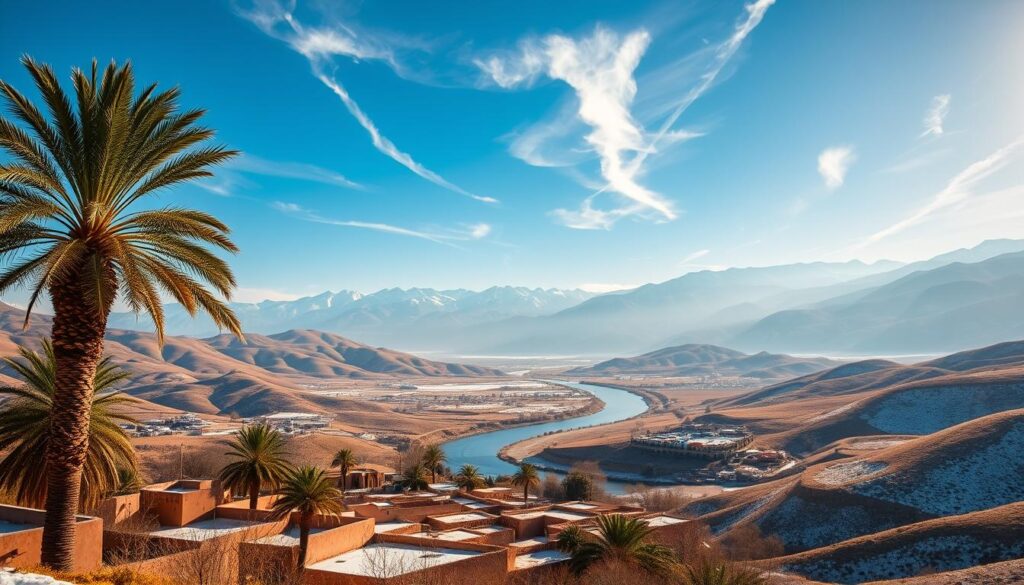
The Atlas Mountains are perfect for winter sports, with snow falling in January. The higher parts get a lot of snow, great for skiing and snowboarding. Snow is rare in lower areas but can happen in cities like Marrakech, though it doesn’t stick around.
For mountain trips, here’s what to do:
- Look at the latest Morocco January forecast before you go.
- Bring warm clothes, especially for winter sports.
- Visit the ski resorts in the Atlas Mountains for a special winter adventure.
Knowing these weather facts will help you get ready for your Moroccan January trip. You’ll be ready for whatever weather comes your way.
What to Pack for Morocco in January
Getting ready for your January trip to Morocco means packing for different winter weather. Morocco’s January weather can be mild or cool, depending on where you go.
Essential Clothing Items
Choosing the right clothes is key for a comfortable trip. Here are some must-haves:
Layering Strategies for Variable Temperatures
Layering is essential for Morocco’s January weather. You’ll need clothes that can be layered for changing temperatures. Bring:
- Lightweight thermal tops and leggings for colder mornings and evenings
- Breathable sweaters or fleeces for indoor heating or warmer days
- A waterproof or windbreaker jacket for unexpected rain showers
Footwear Recommendations
Comfortable shoes are a must for exploring Morocco. Pack:
- Sturdy walking shoes or boots for city exploration
- Waterproof shoes or sandals with good grip for wet conditions
- Slippers or comfortable indoor shoes for riads or hotels
Weather-Specific Accessories and Gear
Don’t forget to pack accessories that will make your trip better:
- A warm hat and gloves for colder mountain regions
- Sunglasses and sunscreen for sunny days
- An umbrella or raincoat for potential rain showers
Here’s a summary of what to pack in a table format:
| Clothing Item | Recommended For |
|---|---|
| Thermal tops and leggings | Cold mornings and evenings |
| Breathable sweaters | Warmer days or indoor heating |
| Waterproof jacket | Rain showers |
| Sturdy walking shoes | City exploration |
| Warm hat and gloves | Cold mountain regions |
Electronics and Travel Essentials for Winter
For your electronics and travel essentials, consider packing:
- A universal power adapter for Morocco (Type C, E, or F)
- A portable charger for your devices
- A camera with a good battery life to capture the beautiful winter landscapes
By packing wisely and being prepared for Morocco’s January weather, you’ll enjoy your trip fully.
Top Destinations for January Travel in Morocco
When winter comes, Morocco becomes a special place to visit. It has different weather in different areas. You can find mild winters by the coast and colder mountains.
Cities with Favorable Winter Climate
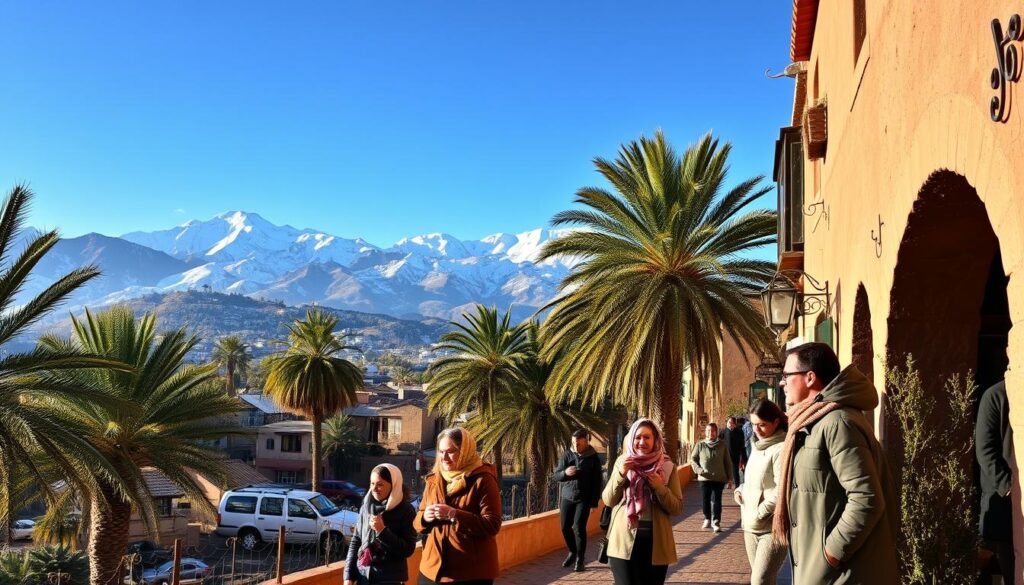
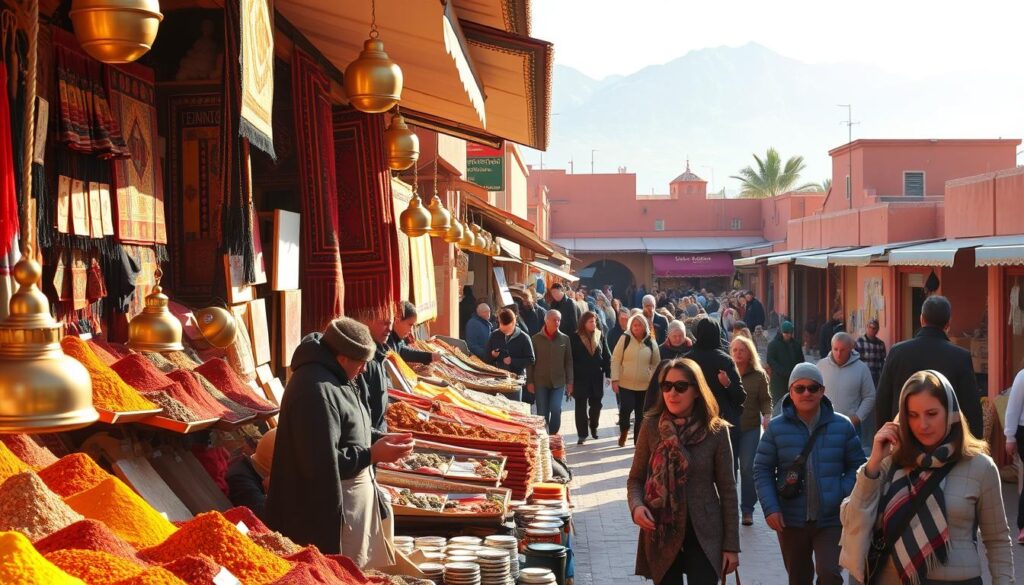
Some Moroccan cities are great in January because of their weather. Marrakech is one, with warm days and cool nights. It’s perfect for walking through souks and seeing old sites without the summer heat.
You can take a slow walk in the Majorelle Garden or chill in a riad. For more on Marrakech, see Rough Guides.
Natural Attractions Worth Visiting in Winter
In January, Morocco’s nature is at its best. The Atlas Mountains are a must-see, with their snow-covered peaks. They’re great for hiking and trekking.
The Ourika Valley is also beautiful, with its scenery and Berber villages. The cooler weather is perfect for outdoor fun.
Hidden Gems Less Crowded in January
January is a good time to see Morocco’s less famous spots. Essaouira is a quiet coastal town with a laid-back vibe. It has nice beaches, art, and seafood.
The Tafraoute region in the Anti-Atlas Mountains is another hidden gem. It’s known for its granite valleys and traditional villages.
Winter Activities and Experiences in Morocco
Planning your January trip to Morocco? You’ll find lots of fun activities and experiences. The mild winter weather is perfect for escaping cold climates. Plus, you get to enjoy Morocco’s rich culture.
Indoor Cultural Experiences
January is a great time to see Morocco’s indoor sights. Visit the Bahia Palace in Marrakech to see the country’s architecture. Riads, traditional Moroccan houses, are cozy places to relax and try local food.
Morocco’s arts scene is vibrant. Check out the Marrakech Museum or the Museum of Moroccan Arts in Rabat. These places offer a deep dive into Morocco’s history and culture. Hammams, traditional bathhouses, are also great for warming up.
Outdoor Adventures in January Weather
The mild January weather is perfect for outdoor fun. Explore the Atlas Mountains, go hiking, or ride a camel in the desert. Coastal towns like Essaouira are great for windsurfing and water sports.
January is a great time to see the Sahara Desert. The cooler weather makes camel treks and desert camping more comfortable. You can also see the beautiful valleys and gorges of the Atlas Mountains.
Unique Winter-Only Opportunities
January offers special chances to experience Morocco’s culture and nature. The Gitega Festival, usually in November, adds to the festive atmosphere. You can also enjoy the desert’s peace without the crowds.
Ouarzazate is a unique place to visit in January. It’s famous for its film studios and desert views. The calm countryside is perfect for photography and exploration.
| Activity | Location | Best Time |
|---|---|---|
| Hiking | Atlas Mountains | Early morning |
| Camel Ride | Sahara Desert | Late afternoon |
| Windsurfing | Essaouira | Afternoon |
Accommodation Tips for Winter Travel
Choosing the right place to stay in Morocco during winter is key. Think about the weather and activities you plan to do. This will help you pick the best lodging for your trip.
Choosing Weather-Appropriate Lodging
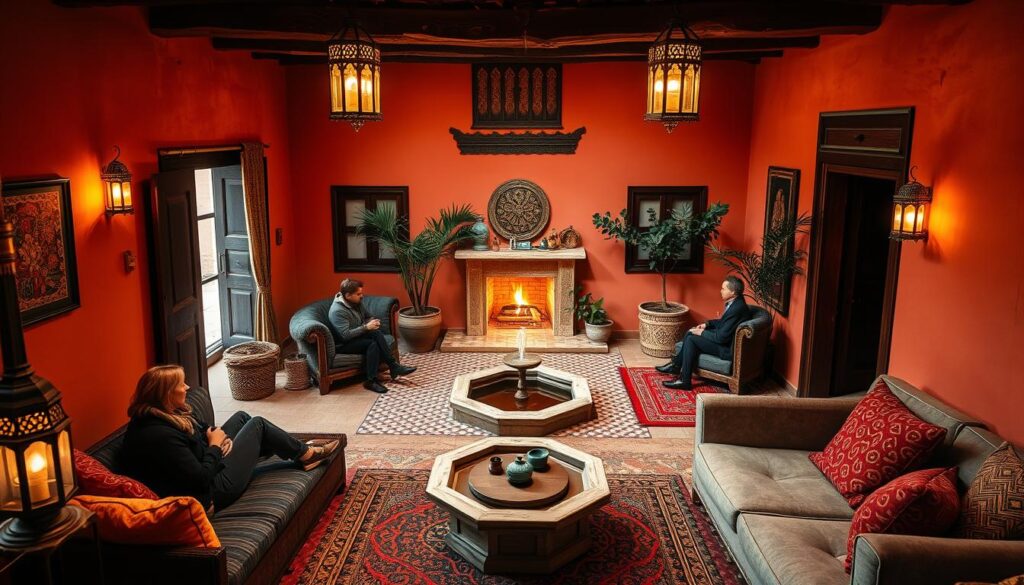
When picking a place to stay in Morocco in January, think about the weather. In colder places like the Atlas Mountains, look for places with adequate heating. Coastal areas, like Essaouira, might need places with good air flow to handle the cool but mild weather.
For more on Morocco’s January weather, check out KimKim’s guide to Morocco in January. It can help you make a smart choice.
Heating Considerations in Traditional Riads
Traditional Moroccan riads can be warm and cozy in winter. But, their heating varies. Some have modern systems, while others use braziers or hot water bottles.
Before you book, ask about the heating. This is crucial in cold areas or during very chilly times.
Transportation Considerations During January
Traveling to Morocco in January requires knowing about transportation. The country’s varied landscapes mean weather changes a lot. This affects roads and public transport.
Road Conditions in Winter
In January, Morocco’s roads can be tough, especially in the mountains. The Atlas Mountains might get snow, causing road issues. Always check the weather before you travel. Renting a 4×4 is smart for remote areas. Cities like Marrakech and Rabat have good roads, but be careful on wet days.
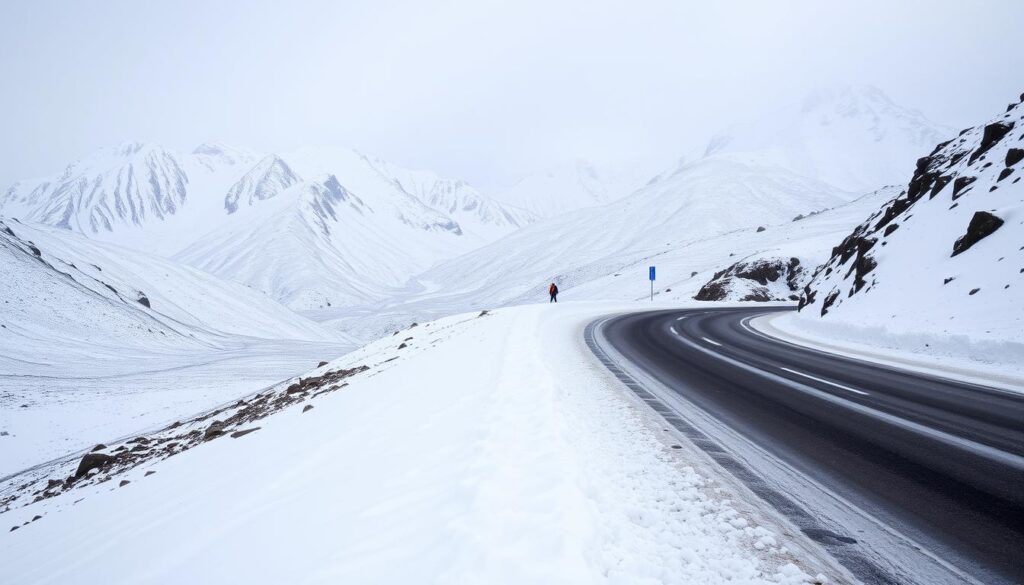
Travelers should know rural roads are often rough. Weather can change fast. Keep up with local weather and road updates to avoid problems.
Public Transportation Reliability
Public transport in Morocco, like buses and trains, works well, even in winter. ONCF trains connect big cities efficiently, not much affected by weather. But, buses might be late in rural areas because of the weather.
“Morocco’s transportation network is a mix of modern and traditional, offering a unique experience for travelers.”
It’s wise to check public transport schedules ahead of time. Also, get a GPS or a local SIM card to navigate better.
Knowing about these transport tips helps plan a smoother trip to Morocco in January.
January Festivals and Cultural Events
Morocco in January is a mix of old traditions and new cultural events. It’s a great time to dive into the country’s lively culture. You’ll find many festivals and events to enjoy during the winter.
Traditional Celebrations During Winter
January is perfect for seeing Morocco’s rich culture. The Imilchil Wedding Festival usually happens in September, but you might see some early preparations in January. The Aïd al-Adha (Festival of Sacrifice) can be in June or July, but its date changes. Still, January brings the warmth of Moroccan culture through local celebrations.
Some traditional celebrations include:
- Mawlid al-Nabi (Prophet’s Birthday) – Although the date varies, it sometimes falls in January or close to it.
- Local moussems (festivals) in honor of saints, which can happen throughout the year, including winter.
Modern Events and Exhibitions
In January, Morocco also has modern events and exhibitions. You can see art shows, cultural festivals, and international events. These draw visitors from all over the world.
| Event | Location | Description |
|---|---|---|
| Marrakech International Film Festival | Marrakech | A celebration of international and Moroccan cinema. |
| Rabat International Book Fair | Rabat | A showcase of literature and publishing from around the world. |
| Casablanca Art Week | Casablanca | A modern art exhibition featuring local and international artists. |
These events make your trip richer and help you understand Morocco’s culture better.
Health and Safety Tips for Winter Morocco Travel
Traveling to Morocco in winter can be amazing, but knowing the health and safety risks is key. As you get ready for your trip, understanding these risks and taking steps to stay safe can make your journey better.
Weather-Related Health Precautions
Morocco’s winter weather is usually mild, but it can get cold at night, especially in the desert and mountains. It’s important to wear warm clothes to avoid getting sick from the cold.
- Pack layers, including a warm coat, gloves, and a hat for colder evenings.
- Stay hydrated and eat well to keep your immune system strong.
- Know the signs of hypothermia, like shivering, confusion, and feeling very tired.
Precautions against flu and other respiratory infections are also vital during winter travel. Make sure you’re up-to-date with your vaccinations and carry a basic first-aid kit.
Emergency Preparedness in Winter Conditions
Being ready for emergencies is crucial when traveling to Morocco in the winter. This means having the right gear and knowing how to find help.
- Carry a portable charger for your phone and other essential devices.
- Learn the local emergency numbers and where the nearest hospitals are.
- Think about getting travel insurance that covers winter emergencies.
In an emergency, staying calm and having a plan can help a lot. Keep important documents, like your passport and insurance details, easy to find.
Budget Planning for January Morocco Trips
Planning your budget is key for a great January trip to Morocco. Morocco can be affordable, but prices change with the season and weather.
Seasonal Pricing Trends
In January, Morocco is less crowded, leading to lower prices for places to stay and tourist services. Yet, some spots might keep their prices high because they’re always popular.
Look for deals on riads and hotels in January. This way, you can enjoy luxury without spending too much. Also, visit places like Marrakech during the week. Prices are often higher on weekends because of locals.
Money-Saving Tips for Winter Travel
To save money, choose budget-friendly places to stay like guesthouses or Airbnb. Use public transport or walk to save money and see the local culture.
Eating at local cafes and trying street food is both tasty and cheap. Plus, Morocco’s natural spots are often free or low-cost, offering great experiences without spending a lot.
By watching your spending and taking advantage of the off-season, you can have a wonderful Morocco trip in January without overspending.
Conclusion: Making the Most of Your January Morocco Adventure
When planning your trip to Morocco in January, knowing the morocco weather jan is key. The coastal areas have mild temperatures, while the mountains are cooler. This makes January a great time to see Morocco’s varied landscapes without the crowds.
The cities like Marrakech and Fez are lively, thanks to the cooler morocco weather jan. The Atlas Mountains are peaceful in winter, perfect for hiking. And the desert is calm, great for camel rides and stargazing.
By understanding the morocco weather jan and packing right, you’ll have a fantastic time in Morocco. Whether you love culture, outdoor fun, or just enjoying the local vibe, Morocco in January is a treat.


 Covers cities, coast, mountains, desert & food