
If you have a Moroccan passport, you might want to travel without the need for a visa. Luckily, many countries let Moroccans in without a visa or with a visa on arrival. It’s important to know the latest rules to enjoy your travels.
With a Moroccan passport, you can visit many places worldwide. To find out where you can go visa-free or with easy procedures, check VisaGuide. They have a detailed list for you.
Key Takeaways
- Moroccan passport holders enjoy visa-free travel to several countries.
- Some destinations offer visa on arrival for Moroccans.
- Staying updated on visa requirements is essential for smooth travel.
- Researching your destination before traveling is crucial.
- Many countries have simplified visa procedures for Moroccans.
The Power of the Moroccan Passport
As a Moroccan citizen, you might wonder about your passport’s global reach. The Moroccan passport has changed a lot, affecting its score and ranking worldwide. Knowing these changes helps you understand your passport’s current status.
Global Mobility Score and Ranking
The global mobility score shows how powerful a passport is. It tells you how many places you can visit without a visa or with a simple visa on arrival. Morocco has been working hard to boost its score through diplomacy and visa liberalization agreements.
Now, the Moroccan passport lets you visit many countries without a visa or with easier visa rules.
| Year | Global Mobility Score | Ranking |
|---|---|---|
| 2015 | 55 | 70 |
| 2020 | 65 | 60 |
| 2023 | 72 | 55 |
Historical Development of Moroccan Passport Strength
The Moroccan passport’s strength has grown over time. This is thanks to changes in the morocco visa policy and international deals. The Moroccan government has worked hard to make the passport more powerful.
These efforts have led to better morocco visa regulations. Now, it’s easier for Moroccans to travel abroad.
By knowing the history and current morocco visa eligibility rules, you can travel more easily as a Moroccan citizen. The ongoing work to strengthen the passport keeps opening up new travel opportunities.

Morocco Visa Free Countries: Complete List for 2023
Moroccan travelers have many places they can visit without a visa. In 2023, Moroccan passport holders can go to countries with no visa needed or those that offer a visa when you arrive.
Full Visa Exemption Destinations
Some countries let Moroccan citizens enter without a visa. These places include:
- Malaysia, where you can stay for up to 90 days
- Singapore, offering a 30-day visa-free stay
- Turkey, allowing Moroccans to visit for up to 90 days within a 180-day period
- Several countries in the Caribbean and Central America, such as Haiti, Dominica, and Guatemala, offering varying periods of visa-free stay
These countries have made it easier for Moroccan passport holders to travel by not needing a visa.
Visa on Arrival Opportunities
Moroccan travelers also have visa on arrival options in many countries. Some of these include:
- Thailand, which offers a 30-day visa on arrival
- Kenya, allowing a 90-day stay upon arrival
- Uganda, providing a 90-day visa on arrival
- Cambodia, where you can obtain a 30-day visa upon arrival
These visa on arrival options make planning trips easier for Moroccans. They offer flexibility and ease when exploring new places.
Even though these countries don’t need a visa, there might be certain rules. You might need a valid passport, proof of where you’re going next, or enough money.
African Nations Welcoming Moroccan Citizens
With a Moroccan passport, you can visit many African countries without a visa. This is thanks to agreements and diplomatic efforts. Africa is vast and diverse, full of travel, business, and cultural opportunities.
Regional agreements have made travel between Morocco and other African countries easier. The African Continental Free Trade Area (AfCFTA) is one such agreement. It aims to create a single market for Africa, promoting free movement of goods, services, and people.
North African Regional Agreements
North Africa has made great strides in regional cooperation. The Arab Maghreb Union (AMU) is a key player. It includes Morocco, Algeria, Tunisia, Libya, and Mauritania, promoting economic integration.
Even though the AMU has faced challenges, it has helped with easier travel policies. For example, Moroccan citizens can visit Tunisia without a visa, thanks to agreements between the two countries.
Sub-Saharan Destinations with Easy Access
Many Sub-Saharan countries also welcome Moroccan travelers. Countries like Ghana and Senegal have visa-on-arrival policies or simplified requirements for Moroccan citizens.
Some countries have also made it easier to visit by introducing e-visas or relaxing visa rules for short stays. As a Moroccan traveler, you can explore the rich culture and natural beauty of Sub-Saharan Africa.
Consider visiting South Africa, Kenya, and Tanzania. These countries offer great tourist attractions and business opportunities.
Middle Eastern Travel Options for Moroccans
The Middle East is a mix of old traditions and new ways. It offers Moroccan travelers many exciting experiences. As a Moroccan, you get special travel benefits in this region.
Gulf Cooperation Council Countries’ Policies
The Gulf Cooperation Council (GCC) countries make travel easier for Moroccans. For example:
- United Arab Emirates gives Moroccan citizens a visa when they arrive, good for 30 days.
- Oman also offers a visa when you arrive, for up to 30 days.
- Qatar lets Moroccans get a visa when they arrive, valid for 30 days.
Levant and Broader Middle East Access
There are more places in the Middle East that Moroccans can visit:
- Lebanon has a simple visa process for Moroccans, with the chance to get a visa when you arrive.
- Jordan gives Moroccan citizens a visa when they arrive, making it easy to visit.
Knowing about these visa rules can help plan your trip. As a Moroccan traveler, you should check out these places. The Middle East is full of culture and history to explore.
Asian Destinations Open to Moroccan Travelers
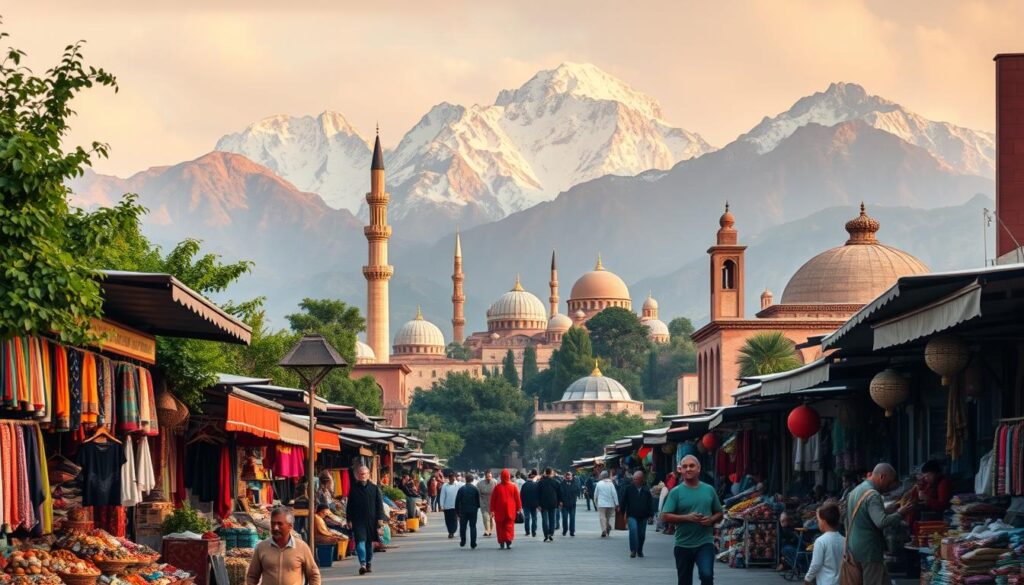
Moroccan passport holders can explore many places in Asia. They can visit countries without needing a visa or dive into rich cultures. Asia’s varied landscapes, from Southeast Asia’s beaches to Central Asia’s historical sites, are full of discovery.
Southeast Asian Visa-Free Havens
Southeast Asia welcomes Moroccans with open arms. Malaysia and Singapore are great places to start. They offer visa-free or visa-on-arrival entry, making travel easy.
Places like Indonesia and the Philippines also welcome Moroccans without a visa. This makes Southeast Asia a perfect spot for travelers.
Central and East Asian Entry Requirements
Central and East Asia have different rules for Moroccans. China needs a visa, but now offers electronic visas. This makes planning easier.
Japan and South Korea have their own visa rules. They offer tourist and business visas for those who qualify. Knowing these rules helps plan your trip better.
European Access for Moroccan Passport Holders
As a Moroccan traveler, you’re likely drawn to Europe’s rich history and culture. With your Moroccan passport, you can explore various European destinations. However, the requirements for entry can vary.
Navigating Schengen Area Requirements
The Schengen Area is a significant hub for Moroccan travelers. It offers visa-free travel for up to 90 days within a 180-day period. To enter the Schengen Zone, you’ll need to meet certain morocco visa requirements.
You’ll need a valid passport, proof of financial means, and travel insurance. It’s important to note that Morocco isn’t part of the Schengen Area. Yet, its citizens enjoy relatively liberal visa policies.
When planning your trip, ensure your passport is valid for at least three months beyond your intended stay. Be prepared to provide details about your travel itinerary and accommodation.
Non-Schengen European Opportunities
Beyond the Schengen Zone, other European countries offer various opportunities for Moroccan travelers. Some nations provide visa-free travel or visa on arrival options. This makes it easier for Moroccans to explore the continent.
For instance, certain Eastern European countries not part of the Schengen Area may have different visa policies. Understanding these policies can help you plan your trip more effectively. Checking the specific morocco visa eligibility for your destination is a crucial step in preparing for your journey.
By being informed about the various visa requirements and travel options, you can enjoy a smoother, more enjoyable travel experience in Europe.
The Americas: Visa Policies for Moroccans
With your Moroccan passport, you’re ready to explore the Americas. You’ll find everything from bustling cities to ancient ruins. The Americas are full of travel wonders.
North American Entry Requirements
Visiting North America, like the United States and Canada, has its own rules. The U.S. needs a non-immigrant visa, like a tourist (B2) or business (B1) visa. Canada offers an electronic travel authorization (eTA) for some, but Moroccans usually need a visitor visa.
Key considerations for North America include:
- Choose the right visa for your visit.
- Make sure your passport is valid for six months after you leave.
- Show you have enough money and a ticket to leave.
Caribbean and Latin American Destinations
The Caribbean and Latin America have different visa rules for Moroccans. Some places, like Dominica and St. Vincent and the Grenadines, don’t need a visa. Others, like Brazil and Argentina, might let you in with a visa on arrival or an electronic visa.
When you plan your trip, remember to:
- Find out what visa you need for your destination.
- Check if you need a valid passport or proof of travel plans.
- Sign up with your country’s embassy for travel advice.
Oceania and Pacific Islands Access
For Moroccans eager to explore new places, Oceania and the Pacific Islands are great choices. It’s important to know the visa rules and travel laws for these areas before you go.
Australia and New Zealand Visa Processes
Australia and New Zealand are favorite spots for many, but they have their own visa rules for Moroccans. Australia’s Electronic Travel Authority (ETA) is for short visits. New Zealand has visitor, work, and student visas for different reasons.
Both countries need detailed travel papers from Moroccans. This includes proof of money and a passport that’s good for a while longer.
Pacific Island Nations with Easier Entry
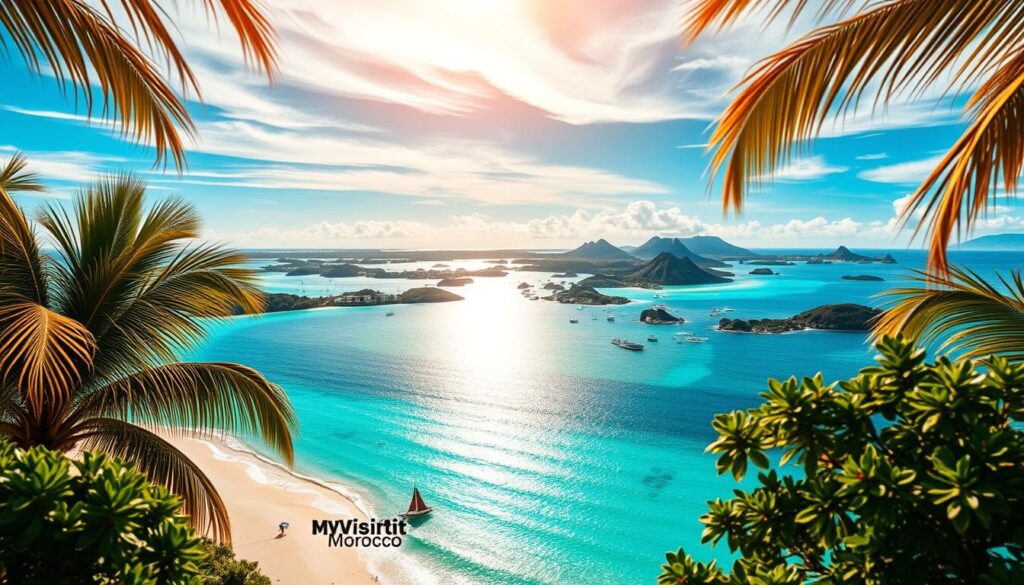
Some Pacific Islands have easier visa rules for Moroccans. For example, Fiji lets Moroccans in without a visa for up to four months. Vanuatu even offers a visa when you arrive.
Before you go, check the entry rules for each Pacific Island. This will help make your trip smooth and enjoyable.
Understanding Morocco Visa Exemption Agreements
Travelers need to know about Morocco’s visa exemption agreements to explore places without a visa. These agreements come from talks between Morocco and other countries. They help make travel easier and improve relations between nations.
These agreements have many benefits. Bilateral and multilateral treaties shape visa rules between Morocco and other countries. Morocco gets visa-free access to many places through these treaties.
Bilateral and Multilateral Treaty Benefits
Bilateral treaties mean Morocco and other countries don’t need visas for each other. This makes traveling easier for Moroccans. For example, some countries let Moroccans in without a visa, boosting tourism and business.
On the other hand, multilateral treaties involve more countries. They often lead to bigger visa waiver programs.
Duration Limitations and Conditions
Even with visa exemptions, there are rules and limits. Stays can last from a few days to months, depending on the deal. Travelers might also need a valid passport, proof of onward travel, or enough money for their stay.
Knowing these rules helps Moroccan travelers enjoy their visa-free trips.
Electronic Travel Authorization Options
The rise of eVisas has changed how Moroccans travel. It makes getting travel authorization easier and faster. This means your trips abroad will be smoother and more convenient.
Electronic travel authorizations, or eVisas, are digital permits for travel. Many countries now offer them to Moroccan citizens. This digital shift makes getting travel authorization simpler, without the need for embassy visits.
Countries Offering eVisas to Moroccan Citizens
Several countries now offer eVisas to Moroccans, making travel easier. Some notable places include:
- India
- Australia
- Turkey
- Kenya
These countries aim to make travel easier and boost tourism. The list of countries offering eVisas to Moroccans keeps growing. Always check the latest info before planning your trip.
| Country | eVisa Eligibility | Processing Time |
|---|---|---|
| India | Yes | 3-5 days |
| Australia | Yes | Days to weeks |
| Turkey | Yes | 24 hours |
| Kenya | Yes | 3-7 days |
Application Procedures and Processing Times
Getting an eVisa usually means filling out an online form and uploading documents. You also need to pay a fee. The time it takes to process varies, from hours to weeks.
To apply smoothly, check what your destination country needs. Some might ask for extra documents or have special passport requirements.
Transit Visa Requirements and Exemptions
As a Moroccan citizen, knowing about transit visa rules is key to your travel plans. It’s important for smooth trips, especially when you’re just passing through a country to get to your final destination.
Airport Transit Privileges for Moroccans
Many countries let Moroccan citizens pass through their airports without a visa. This is great for travelers with connecting flights in different places.
- Countries Offering Transit Privileges: Some big European airports and Gulf nations usually allow this.
- Conditions and Limitations: These benefits often have rules, like staying in the international area and having a flight booked.
Leveraging Transit Options for Stopovers
Using transit options for stopovers can make your trip better. It lets you see a new city or country during your journey.
- Look into the transit visa rules of your stopover country.
- Plan your stopover based on the visa rules.
- Make sure you have all the right documents for your stopover.
Knowing about transit visa exemptions and privileges can make your travels better and more fun.
Practical Travel Documentation for Moroccan Citizens
Moroccan travelers need the right documents for easy entry into their destinations. Knowing what documents are needed is key for a smooth trip. As a Moroccan, you should know the important documents for border control and the need for financial and accommodation proof.
Essential Supporting Documents for Border Control
You’ll need to show several documents at border control. These include a valid passport with six months’ validity, a return or onward ticket, and proof of enough money for your stay. Make sure your passport is in good condition, as damage can cause travel problems.
You might also need to show travel insurance that covers medical costs and getting you back home. Always check the specific needs of your destination country, as they can differ a lot.
Financial and Accommodation Proof Requirements
Many places ask Moroccan travelers to show they can afford their stay. This can be cash, traveler’s checks, or bank statements. Having a clear and recent bank statement is a good idea to show your balance and transactions.
You might also need to prove where you’ll stay, like a hotel booking or a letter from a host. Make sure your stay details match your travel plans and have all the necessary contact info ready.
Being ready with the right travel documents can help avoid problems at border control. It makes your trip more enjoyable.
Special Visa Categories for Moroccans
If you’re from Morocco, knowing about different visas is key for traveling abroad. There are more than just visa-free travel and visa on arrival. Several special visa categories can make your trips easier for specific reasons.
Moroccan citizens can get help with visa applications for education, work, or business. These programs make it easier to apply and might have less strict rules.
Student, Work, and Business Visa Facilitation
For Moroccans wanting to study abroad, many countries have student visas with easy application processes. Work visas let Moroccan professionals find jobs in other countries, with help from their employers. Business visas are for entrepreneurs, making it easier to attend conferences and meetings.
| Visa Type | Purpose | Typical Requirements |
|---|---|---|
| Student Visa | Education | Admission letter, proof of funds, health insurance |
| Work Visa | Employment | Job offer, employment contract, qualifications |
| Business Visa | Business activities | Invitation letter, business registration, travel itinerary |
Medical and Religious Visit Considerations
Moroccans may also travel for medical treatment or religious reasons. For medical visits, a special visa is needed, with documents from the medical institution. Religious visas are for pilgrimages or religious events, needing proof of religious affiliation and event registration.
Knowing about these special visa categories and their needs can make planning your trip easier. Whether for study, work, business, medical treatment, or religious reasons, knowing your visa options is crucial for a smooth journey.
Emerging Destinations and Future Visa Liberalization
Moroccan travelers are set to gain easier access to more countries without a visa. Morocco’s growing global influence is attracting interest from nations to relax travel rules for its citizens.
Countries in Diplomatic Negotiations with Morocco
Morocco is in talks with several countries to make visa policies more favorable for its people. Key countries involved include:
| Country | Current Status | Potential Outcome |
|---|---|---|
| China | Ongoing negotiations | Visa-free access for short stays |
| India | Exploring eVisa options | Simplified online application process |
| Brazil | Visa facilitation talks | Easier visa application process |
Potential New Visa-Free Destinations
Thanks to these talks, several countries are on the verge of becoming visa-free for Moroccan travelers. Countries like:
- South Korea
- Argentina
- Chile
These changes will make traveling abroad easier for Moroccans, opening up the world to them.
Conclusion
If you have a Moroccan passport, you can travel to many places without a visa. You can also find special visa options. Knowing the rules and chances can make your trips better.
Your passport’s global score shows how strong it is. This lets you visit different countries and cultures. Whether it’s a quick visit or a long stay, you can explore a lot.
This guide helps you understand visa rules and options. You can travel visa-free, get a visa on arrival, or use electronic travel authorizations. As talks between countries continue, more places might let you in without a visa.
To travel easily, keep up with visa and travel rules. This way, you can have a stress-free trip. You can use your Morocco travel visa or go visa-free to places like the Gulf Cooperation Council or Southeast Asia.





 Covers cities, coast, mountains, desert & food