Planning a journey to Morocco promises an adventure rich in sensory experiences, from the vibrant colors of the souks to the intoxicating aromas of Tagine. To truly embrace this captivating North African nation, understanding the unique cultural landscape, preparing for its famed gastronomic delights, and packing smart are all absolutely essential. This guide covers the key Morocco trip essentials you’ll need to master before you even step on the plane, ensuring a smooth and unforgettable exploration of this diverse country.
Embracing Moroccan Culture: Navigating Customs and Courtesies
Morocco’s rich cultural tapestry is one of its greatest draws, but it also requires a sensitive approach from visitors. Being aware of local customs and courtesies isn’t just about showing respect; it genuinely enhances your interactions and overall experience. Generally, Moroccan society is conservative, with Islamic traditions deeply interwoven into daily life.
One of the foremost cultural considerations is respect for local dress codes, particularly for women. While cities like Marrakech and Casablanca are more accustomed to Western attire, more conservative areas, especially religious sites like mosques (many of which are not open to non-Muslims, but their exteriors are still sacred spaces), and smaller villages, require a more modest approach. For women, this means covering shoulders, cleavage, and knees. Loose-fitting trousers, long skirts, and sleeved tops are ideal. Men should also opt for long shorts or trousers and avoid sleeveless tops in public spaces. This isn’t about conforming to religious doctrine for visitors, but about blending in respectfully and avoiding unwanted attention.
Haggling is another integral part of Moroccan culture, especially in the souks. It’s not just a transaction; it’s an art form and a social exchange. Approach it with a good-natured spirit, a smile, and a sense of humor. Start by offering around half to two-thirds of the initial price, and then work your way up. Remember, if you’re not interested in buying, politely decline and move on. Don’t engage in lengthy haggling if you have no intention of purchasing.
Hospitality is paramount in Morocco. You might be offered mint tea, a symbol of welcome, in shops or homes. Accepting it is a gesture of goodwill. When invited into a home, it’s customary to remove your shoes. Always use your right hand when receiving or giving things, and when eating, as the left hand is traditionally considered unclean. Public displays of affection are generally frowned upon, and it’s best to keep them discreet. Photography of locals, especially women, should always be done with permission. A simple “Mumkin nsuwar?” (May I take a photo?) goes a long way. Understanding these nuances will significantly enrich your cultural immersion.
A Culinary Journey: What to Expect from Moroccan Cuisine
Moroccan food is a highlight for many travelers, a vibrant fusion of Arab, Berber, Andalusian, and even French influences. It’s an essential part of the experience, and preparing your palate for its unique flavors is key. You’ll find a delectable array of dishes, often characterized by a rich blend of spices, fresh ingredients, and slow-cooked perfection.
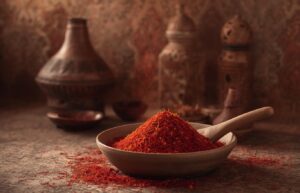
Tagine, named after the earthenware pot in which it’s cooked, is undoubtedly the national dish. Expect tender meat (lamb, beef, or chicken) or vegetables slow-cooked with a medley of spices, often including turmeric, ginger, saffron, cumin, and sometimes preserved lemon and olives. Couscous is another staple, typically served with meat and vegetables, often on Fridays as a family tradition. Harira, a hearty and flavorful tomato-based soup with lentils, chickpeas, and sometimes meat, is a popular starter, especially during Ramadan.
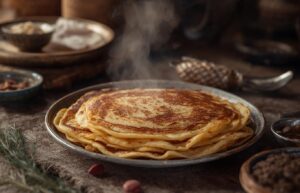
Street food is an adventure in itself. From the bustling Jemaa el-Fna square in Marrakech to smaller local markets, you’ll find everything from grilled brochettes (skewers) and spicy kefta (meatballs) to snail soup and msemen (flaky, square-shaped pancakes often served with honey or cheese). Don’t shy away from trying these local delights, but always observe where the locals are eating and choose vendors with a high turnover of freshly cooked food to ensure hygiene.
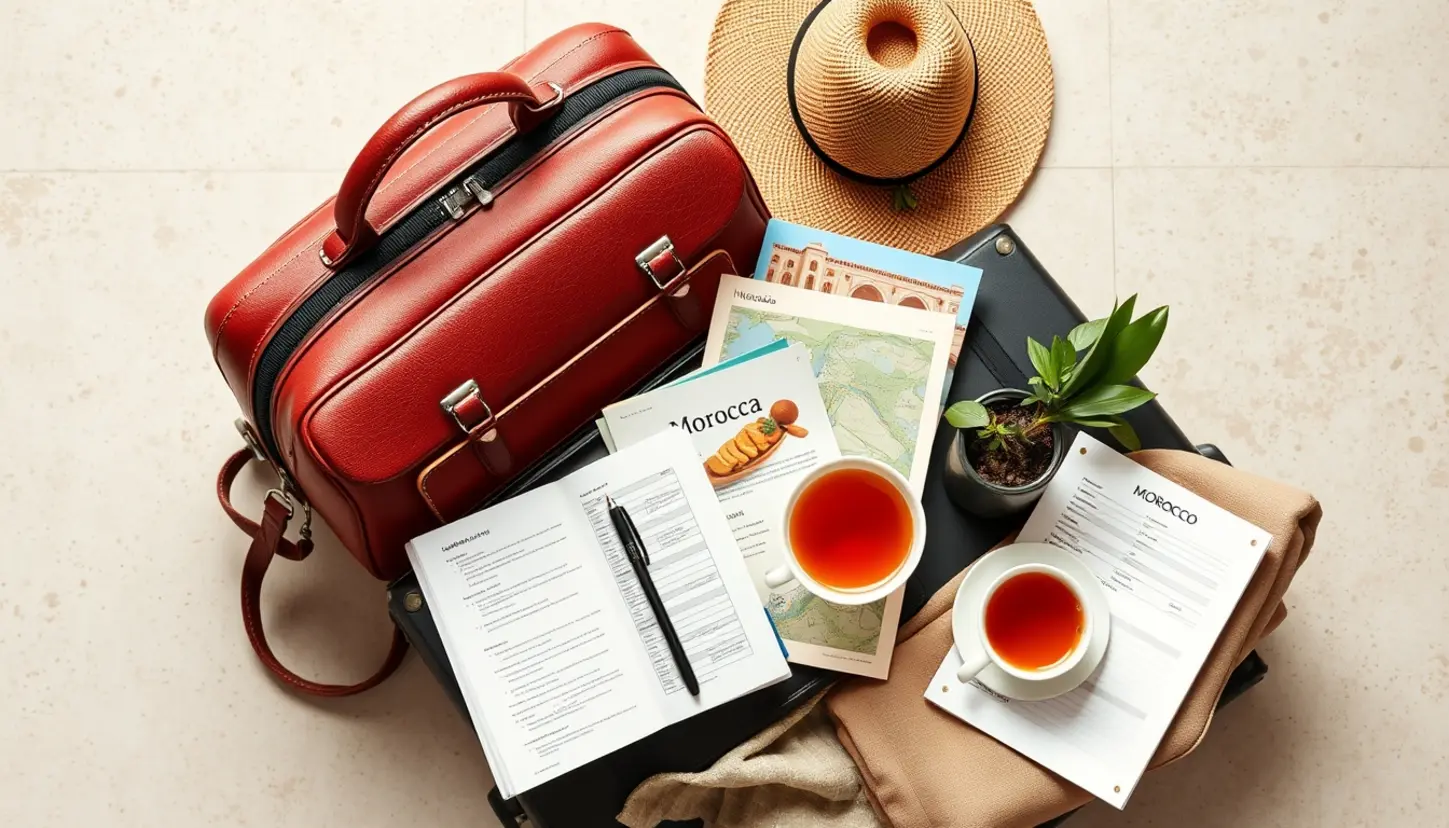
Mint tea, or “Berber whiskey” as it’s sometimes called, is ubiquitous. It’s a sweet, refreshing green tea brewed with fresh mint and sugar, a symbol of hospitality and an integral part of social life. Expect to be offered it frequently. Coffee is also widely consumed, often strong and espresso-style.
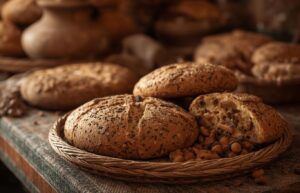
For those with dietary restrictions, while vegetarian options are readily available (vegetable tagines are common), vegan options might require more specific requests. Gluten-free travelers should be mindful of couscous and bread, which are staples. Communicating your needs clearly or learning a few basic phrases in Arabic or French can be very helpful. Remember to always drink bottled water to avoid stomach upsets, and avoid ice in drinks unless you’re sure it’s made from purified water. Exploring Morocco’s food scene is truly one of the most rewarding Morocco trip essentials.
Smart Packing for Moroccan Adventures: Climate, Culture, and Comfort
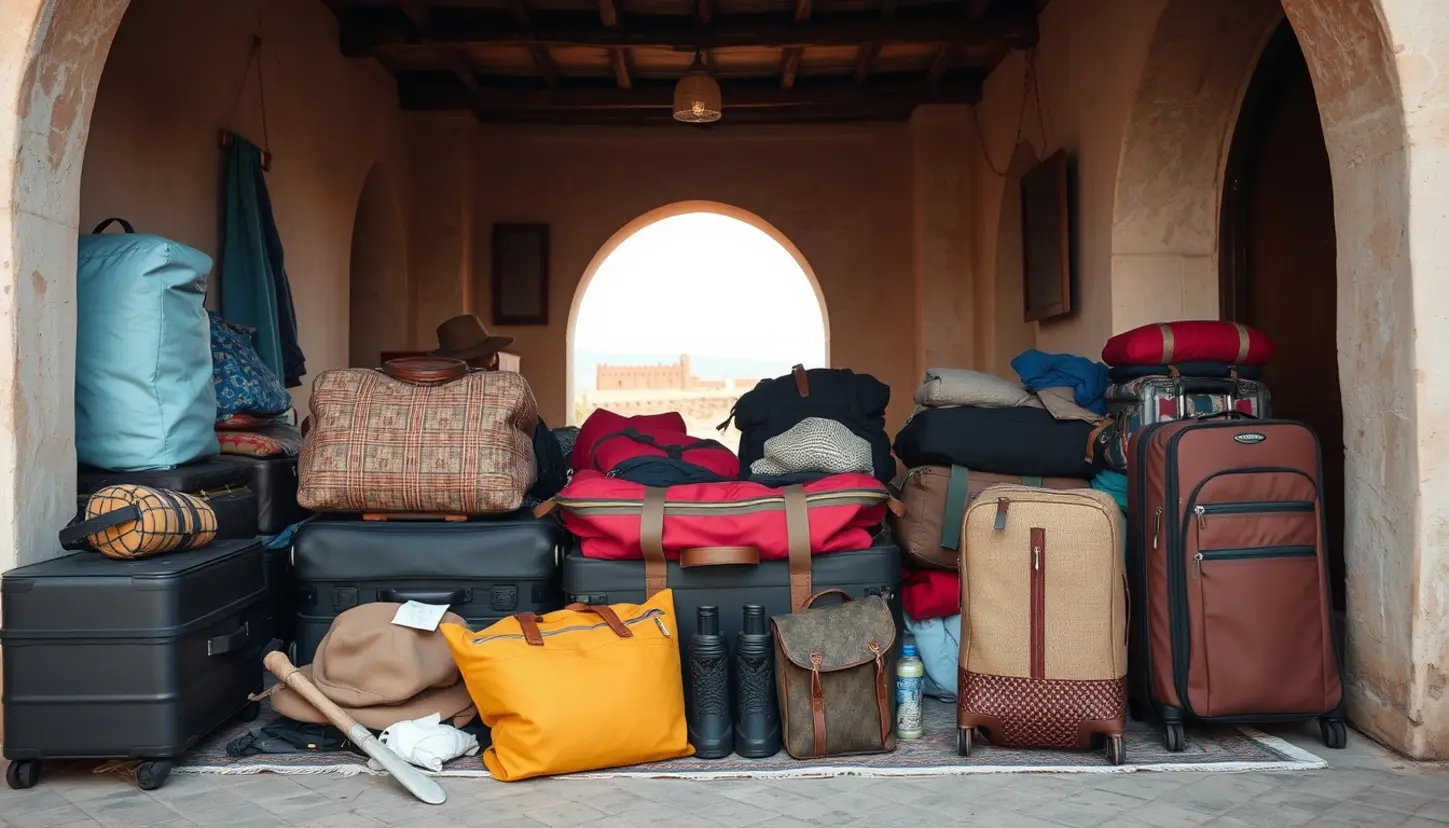
Packing strategically is one of the most practical Morocco trip essentials. The country’s diverse landscapes, from coastal cities to mountain ranges and desert dunes, mean a varied climate, and your clothing choices also need to respect cultural norms while ensuring your comfort.
Firstly, consider the time of year you’re traveling. Summers (June to August) are scorching, especially inland and in the desert, requiring light, breathable fabrics like cotton or linen. Winters (December to February) can be surprisingly cold, particularly at night, in the mountains, and even in cities like Fes and Marrakech, necessitating layers, a warm jacket, and even a hat and gloves for desert overnights. Spring and autumn offer the most pleasant temperatures, but layering is still key as temperatures can fluctuate significantly between day and night.
Culturally appropriate clothing, as mentioned earlier, is vital. For women, this means loosely fitting tops that cover shoulders and cleavage, and bottoms that cover the knees (long skirts, maxi dresses, or loose trousers are ideal). A lightweight scarf is invaluable for covering your head if visiting a religious site (though many mosques are off-limits) or simply to protect from sun or dust, and can be used as a shawl in cooler evenings. For men, long shorts in cities are generally acceptable, but trousers are preferred, especially in more traditional areas or when visiting mosques. Avoid sleeveless shirts.
Comfortable walking shoes are non-negotiable. You’ll be doing a lot of walking, often on uneven surfaces, cobblestones, and through bustling souks. Sandals are good for warmer weather, but closed-toe shoes are better for dusty environments and offer more protection. If you plan on hiking in the Atlas Mountains or trekking in the Sahara, proper hiking boots are essential.
Beyond clothing, a few other items are Morocco trip essentials:
- Sun Protection: Sunscreen, a wide-brimmed hat, and sunglasses are vital year-round.
- Small Backpack/Daypack: For daily excursions, carrying water, snacks, a camera, and any small purchases.
- Reusable Water Bottle: While you’ll buy bottled water, having a reusable one can be handy.
- Basic First-Aid Kit: Include band-aids, antiseptic wipes, pain relievers, and any personal medications. Diarrhea medication is often a good idea for travel to new food environments.
- Power Bank: Especially if you’re frequently using your phone for navigation or photos.
- Adapter: Morocco uses Type C and Type E outlets (the standard European two-round-pin sockets).
- Hand Sanitizer: Essential for before meals or after navigating bustling markets.
- Wet Wipes: Always useful for quick clean-ups.
- Insect Repellent: Especially important if you’re staying near water or in rural areas.
- Earplugs: For light sleepers, as call to prayer can be heard early in the morning, and city noise can be constant.
For more detailed advice on what to pack, you might find this guide on Moroccan travel tips particularly helpful. Remember, less is often more, and you can always purchase forgotten items in larger cities.
Navigating Logistics: Transport, Communication, and Currency
Understanding the practical logistics of getting around, staying connected, and managing your money are all crucial Morocco trip essentials for a stress-free journey.
Transport:
Morocco offers a range of transportation options. For inter-city travel, the ONCF train network is excellent, connecting major cities like Tangier, Casablanca, Rabat, Fes, and Marrakech. It’s comfortable, reliable, and generally punctual. For areas not covered by trains, CTM and Supratours are reputable bus companies offering a good network across the country. Book tickets in advance, especially during peak seasons or holidays.
Within cities, petit taxis (smaller, metered taxis) are common. Always ensure the meter is running, or agree on a price beforehand. Grand taxis (larger, shared taxis) are for longer distances or shared rides within and between cities, and you’ll typically pay for a seat or negotiate a price for the entire car. Apps like Careem are also available in some larger cities. For exploring the Sahara, reputable tour operators will arrange 4×4 transport. It’s also possible to rent a car, but be prepared for chaotic city driving and navigating rural roads marked by speed traps and sometimes aggressive driving styles.
Communication:
The official languages are Arabic and Amazigh (Berber). French is widely spoken, especially in tourist areas and among the educated population, serving as a de facto business and administrative language. English is becoming more common in tourist-heavy areas like Marrakech, Fes, and Essaouira, but learning a few basic phrases in Arabic or French will go a long way in showing respect and facilitating interactions. Words like “Salam alaikum” (hello), “Shukran” (thank you), “Afak” (please), and “La” (no) are good starting points.
Wifi is generally available in hotels, riads, and many cafes. To stay connected on the go, consider purchasing a local SIM card (from Maroc Telecom, Orange, or Inwi) upon arrival at the airport or from official stores in cities. They are inexpensive and offer good data packages.
Currency:
The currency is the Moroccan Dirham (MAD). It’s a closed currency, meaning you cannot legally buy or sell it outside of Morocco. Exchange rates are generally regulated and similar across banks and exchange offices. ATMs are widely available in cities and larger towns. While credit cards are accepted in many hotels, larger restaurants, and shops, cash is king, especially for smaller purchases, souk haggling, street food, and tips. Always carry a good amount of smaller denominations for convenience. Tipping (baksheesh) is customary for a range of services – a small amount for porters, taxi drivers (rounding up), guides, and service staff in restaurants and cafes is always appreciated. Be aware that some places might try to give you change in foreign currency (often Euros); always insist on Dirhams.
Planning Your Pace: Crafting a Balanced Morocco Itinerary
Effective itinerary planning is central to a successful Moroccan adventure. With so much to see and experience, it’s easy to over-schedule and feel rushed. The best approach is to craft a balanced itinerary that allows for both immersive exploration and moments of relaxation. This is one of the pivotal Morocco trip essentials to get right.
For a first-time visitor, a typical trip length of 7 to 14 days allows for a good overview of the country’s highlights without feeling too hurried. Consider how much time you want to spend in each location. For example, Marrakech, with its vibrant Jemaa el-Fna square, ancient palaces, and bustling souks, deserves at least 3-4 full days. Fes, with its incredibly intricate and ancient medina, requires a similar amount of time to truly get lost (and found!).
When connecting these major hubs, factor in travel time. As mentioned, trains are efficient for city-to-city travel, but a journey from Marrakech to Fes, for instance, can take 7-8 hours. If time is tight, consider flying between certain cities, though domestic flights are not extensive.
A popular route often includes:
- Imperial Cities: Marrakech, Fes, Meknes, and Rabat. You might pick two or three to focus on.
- Desert Excursion: A 2-3 night trip to the Sahara Desert (usually from Marrakech or Fes to Erg Chebbi or Erg Chigaga) is a quintessential Moroccan experience. This often involves significant travel time by 4×4, sometimes covering hundreds of kilometers, but the reward of sleeping under the stars in a desert camp is unmatched.
- Coastal Retreat: Cities like Essaouira (a UNESCO World Heritage site with a charming fishing port and artist vibe) offer a relaxing contrast to the bustling imperial cities.
- Atlas Mountains: If time permits and you enjoy hiking, a visit to Imlil or other areas in the High Atlas provides stunning scenery and a glimpse into Berber village life.
One common planning mistake is trying to see too much in too little time. Remember, travel in Morocco, especially by road, can be slower than you might anticipate. Allow for flexibility, and be prepared for potential delays. Don’t underestimate the joy of simply sitting in a café, sipping mint tea, and watching the world go by. Building in some downtime allows you to truly absorb the atmosphere and connect with the place. A good starting point for detailed planning could be exploring options like a Morocco trip essentials and tour package that combines these elements seamlessly. It ensures your pace is manageable and highlights are covered.
Health and Safety: Practical Advice for a Worry-Free Visit
Ensuring your health and safety is paramount for any trip, and Morocco is no exception. While generally a safe country for tourists, being prepared and exercising common sense are key Morocco trip essentials.
Health Preparations:
Before you travel, it’s wise to consult your doctor about recommended vaccinations. Generally, routine vaccinations should be up to date. Hepatitis A and B and Tetanus are often recommended. While not mandatory, consult your doctor about Typhoid.
The most common health issue for travelers in Morocco is tummy trouble. Stick to bottled water (ensure seals are intact), avoid tap water, and be cautious with ice in drinks. Wash your hands frequently, especially before eating. When trying street food, choose popular stalls with high turnover. Pack a small kit with basic medications for upset stomachs, pain relievers, and any personal prescriptions. If you have severe allergies, carry an Epipen and relevant medical information. Hospitals and clinics in major cities are decent, but comprehensive travel insurance with good medical coverage is highly advisable.
Safety Considerations:
Morocco is relatively safe for tourists, but petty crime, such as pickpocketing and bag snatching, can occur, especially in crowded areas like souks, markets, and bus stations. Keep valuables secure and out of sight. Be wary of overly friendly strangers offering unsolicited help or directions, as this can sometimes lead to scams or attempts to guide you to shops where they earn commission. Politely but firmly decline if you’re not interested.
Specific Scenarios:
- Solo Female Travelers: While Morocco is generally welcoming, solo female travelers might experience more unwanted attention, including verbal harassment (“Marrakech, bonjour!”). Dressing modestly and confidently ignoring catcalls helps. Consider joining group tours for certain excursions or opting for women-only accommodation in some areas.
- Taxis: Always confirm the price or ensure the meter is running before starting a journey in a petit taxi. For grand taxis, agree on the fare upfront.
- Guides: If you hire a guide, ensure they are official, licensed guides, identifiable by their official badge. Many unofficial “faux guides” will approach you, especially in Fes and Marrakech, offering tours that might be overpriced or lead you to shops where they get commission.
- Driving: Be prepared for chaotic traffic, particularly in cities. Rural roads might have speed traps. Avoid driving at night, especially on unlit roads.
- Scams: Be aware of common scams such as people offering to “help” you find an attraction that’s “closed today” or guiding you to a specific tannery entrance and then demanding payment. A firm “La, shukran” (No, thank you) often suffices.
- Entry Requirements: Ensure your passport is valid for at least six months beyond your intended departure date. Most nationalities do not require a visa for stays up to 90 days, but always check the most current requirements for your specific nationality before travel.
By being informed and vigilant, you can comfortably enjoy all the wonders Morocco has to offer without unnecessary worry.
Budgeting for Your Moroccan Adventure: A Realistic Financial Outlook
Understanding the cost of your Moroccan adventure is one of the most practical Morocco trip essentials. Morocco can be a very affordable destination, but prices vary significantly depending on your travel style, accommodation choices, and activities. Here’s a breakdown to help you budget realistically.
Accommodation:
- Budget (Hostels/Guesthouses): You can find hostel beds for as little as $10-20 USD per night, especially outside of prime tourist areas. Simple guesthouses (dars or riyads) might range from $25-50 USD.
- Mid-Range (Riads/Hotels): A comfortable, well-located riad or a mid-range hotel can cost between $60-150 USD per night, often including breakfast.
- Luxury (High-end Riads/Hotels): Upscale accommodations, particularly in Marrakech and Fes, can easily run from $200 USD to several hundred per night.
Food:
- Street Food/Local Eateries: This is where you can eat very cheaply. A satisfying meal from a street vendor or a small local restaurant can cost $3-7 USD.
- Mid-Range Restaurants: Expect to pay $10-25 USD per person for a meal in a decent restaurant.
- High-End Dining: Fine dining experiences in tourist areas and luxury hotels can be comparable to Western prices, upwards of $30-70+ USD per person.
- Drinks: Water is cheap, around $0.50-$1.50 USD. A mint tea often costs $1-2 USD. Soft drinks are similar. Alcohol is available in tourist hotels and some restaurants, but can be expensive.
Transportation:
- Trains: Inter-city train tickets are very affordable, ranging from $10-30 USD for a 2nd class ticket between major cities.
- Buses (CTM/Supratours): Similar to train prices, often slightly cheaper.
- Petit Taxis: Within cities, short rides usually cost $2-5 USD. Always confirm the meter or agree on a price.
- Grand Taxis: For longer, shared rides, prices are negotiable but still economical. Hiring a private grand taxi for a day trip can be around $50-100 USD depending on distance.
- Desert Tours: A 2-3 day Sahara tour from Marrakech or Fes (including transport, accommodation in a desert camp, camel trek, and some meals) typically ranges from $100-300+ USD per person, depending on the camp’s luxury level and group size.
Activities and Entrance Fees:
- Most museum and attraction entrance fees are low, usually $2-10 USD.
- Hiring an official guide for half a day can cost around $30-50 USD.
- Cooking classes: $40-80 USD.
- Spa treatments/hammam: $20-60 USD.
Miscellaneous:
- Souvenirs: This is highly variable, depending on your haggling skills and desire for unique items.
- Tips (Baksheesh): Always factor in small tips for good service.
- SIM Card and Data: Around $10-20 USD for a decent package.
Daily Budget Estimates (excluding international flights):
- Budget Traveler: $40-70 USD per day (hostels, street food, public transport, few paid activities).
- Mid-Range Traveler: $80-150 USD per day (comfort riads, mix of local and mid-range restaurants, guided tours, some excursions).
- Luxury Traveler: $200+ USD per day (high-end hotels, fine dining, private drivers, exclusive experiences).
Remember to have a mix of cash in Dirhams and a credit card for larger expenses. ATMs are available, but it’s good to avoid daily withdrawals due to fees. Being mindful of these figures will help you manage your finances effectively while enjoying all the Morocco trip essentials.
Conclusion
Preparing for your Moroccan adventure involves more than just booking flights and accommodations; it’s about understanding and embracing the vibrant culture, anticipating the culinary delights, and meticulously planning the practical elements. From modest packing choices that respect local customs to navigating the bustling souks for unique souvenirs, every detail contributes to a richer, more authentic experience. By focusing on these Morocco trip essentials – cultural awareness, food savvy, smart packing, logistical understanding, careful budgeting, and a balanced itinerary – you’re set to embark on a truly unforgettable journey through this captivating North African gem.
FAQs
What communication do I need to know for Morocco trip essentials?
While Arabic and Amazigh are official, French is widely spoken, especially in tourist areas. English speakers will find many in tourist-heavy cities like Marrakech and Fes. Learning a few basic Arabic phrases like “Salam alaikum” (hello) and “Shukran” (thank you) is highly recommended and appreciated. Many hotels and cafes offer Wi-Fi, and local SIM cards are inexpensive for staying connected.
What should I pack for clothing in Morocco given the cultural context?
For women, pack loose-fitting clothing that covers shoulders, cleavage, and knees (long skirts, maxi dresses, loose trousers, and sleeved tops). A lightweight scarf is useful for sun protection or covering your head if visiting a religious site. Men should opt for trousers or long shorts and avoid sleeveless tops in public. Comfortably walking shoes are essential for exploring.
Is it safe to drink tap water in Morocco?
No, it is not recommended to drink tap water in Morocco. Always stick to bottled water with a sealed cap to avoid stomach upsets. Be cautious about ice in drinks unless you’re sure it’s made from purified water.
What are some must-try foods when considering Morocco trip essentials?
Definitely try Tagine, a slow-cooked stew named after its earthenware pot, and Couscous, often served with meat and vegetables, especially on Fridays. Harira, a hearty and flavorful soup, is also popular. Don’t miss out on trying street food like grilled brochettes, kefta, and the ever-present, refreshing mint tea.

 Covers cities, coast, mountains, desert & food