Navigating Morocco by train offers an authentic and often surprisingly comfortable way to explore the country, truly experiencing travel like a local. This comprehensive Morocco train guide aims to demystify the rail system, providing practical tips and detailing key routes to help you plan your journey seamlessly. Morocco’s ONCF (Office National des Chemins de Fer) network connects many of the major cities, offering an alternative to buses or shared taxis, and providing a scenic perspective on the diverse Moroccan landscape. Whether you’re a first-time visitor or looking for an efficient way to travel between destinations, understanding the ins and outs of Moroccan rail travel is key to a smooth and enjoyable trip.
Understanding Morocco’s Rail Network: Key Routes and Services
Morocco’s national rail company, ONCF, operates a well-developed network primarily connecting cities in the central and northern parts of the country. The main arteries of the system link major urban centers, making train travel a practical choice for many itineraries. The flagship route is undeniably the Al Boraq high-speed line, which revolutionized travel between Tangier, Kenitra, Rabat, and Casablanca. This modern service dramatically cuts travel times and offers a premium experience, showcasing Morocco’s commitment to modern infrastructure. Beyond the Al Boraq, conventional lines extend to Fes, Meknes, Oujda, Marrakech, and Safi, among others. These routes are integral for tourists and locals alike, providing a reliable and often comfortable mode of transport. The scenic journeys often pass through varied landscapes, from fertile plains to olive groves and even glimpses of the Atlas foothills.
When planning your Morocco rail routes, it’s crucial to understand the types of services available. Al Boraq trains offer first and second-class options, both providing comfortable seating and amenities like power outlets and Wi-Fi. For conventional trains, you’ll also find first and second-class carriages. First class typically offers more spacious, reserved seats, often in compartments or a 2+1 configuration, and is generally quieter. Second class, while still comfortable, has a 2+2 seating arrangement and can be quite busy, especially on popular routes. During peak travel times or holidays, second-class carriages can be standing room only, reinforcing the benefit of booking in advance or opting for first class if comfort and guaranteed seating are priorities. The ONCF website is an invaluable resource for checking schedules and understanding the differences between train types for your specific journey.
Booking Your Train Tickets: Online, Stations, and Essential Tips
Securing your train tickets in Morocco can be done through a few different channels, each with its own advantages. For the most convenience and to guarantee your seats, especially for popular routes like Al Boraq or during peak season, booking online is often the best approach. The official ONCF website (ONCF.ma) allows you to check schedules, fares, and purchase tickets in advance. This is particularly useful for those who prefer to have their travel plans fixed before arriving at the station. However, do be aware that not all foreign credit cards are consistently accepted on the ONCF website, which can sometimes lead to frustration. If you encounter issues, don’t despair; there are other reliable methods.
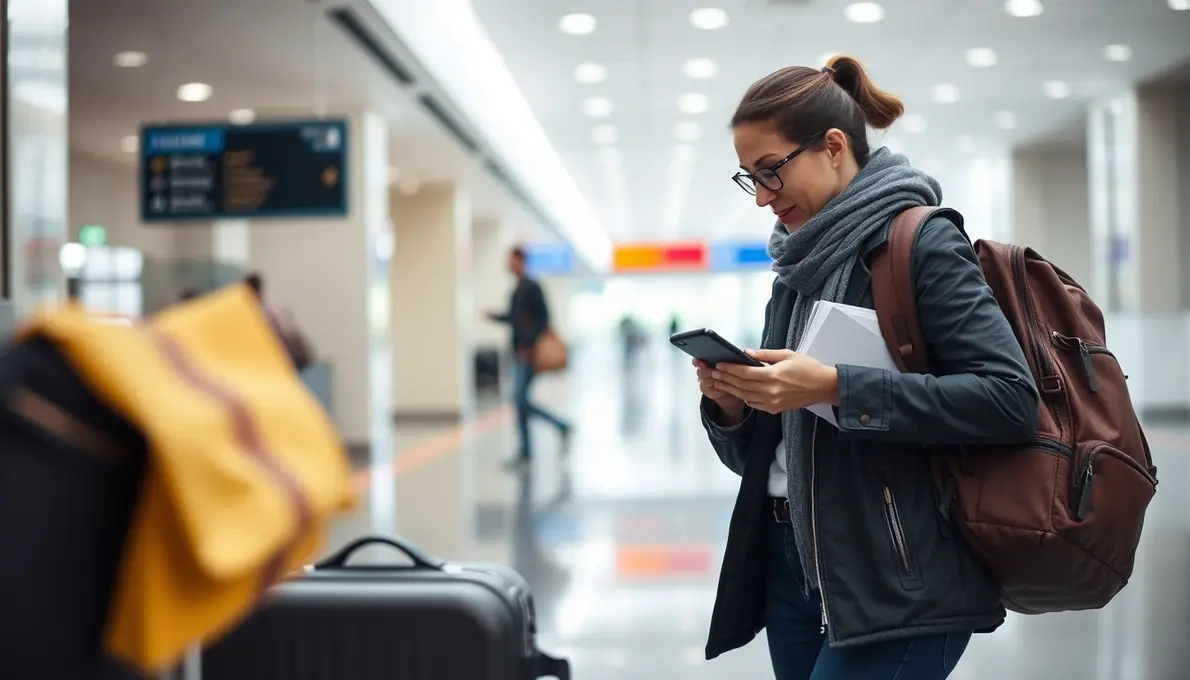
Alternatively, purchasing tickets directly at the train station is a traditional and highly common method that many locals use. Larger stations like Marrakech, Casablanca Voyageurs, Rabat Agdal, or Fes will have ticket counters with staff who can assist you. It’s advisable to arrive at the station well in advance of your departure, especially if you’re traveling during busy hours or if you need to ask questions. queues can be long, and some staff might have limited English, so having your destination and preferred class of travel written down can be helpful. For first-class travel, seats are reserved, so you’ll be assigned a specific seat number. In second class on conventional trains, seating is often unreserved, meaning it’s first-come, first-served. For shorter distances, or if you’re flexible with your plans, buying a ticket on the day at the station is usually fine, but for longer journeys or high-speed services, advance booking, whether online or a day or two before at the station, is strongly recommended as part of your Morocco train guide strategy. Remember to keep your ticket accessible, as conductors frequently check them during the journey.
Navigating Moroccan Train Stations: From Arrival to Departure
Moroccan train stations, especially the newer ones in major cities, are generally modern, clean, and well-organized. They often feature various amenities, including cafes, small shops selling snacks and drinks, and sometimes even prayer rooms. Arriving at the station, your first task will typically be to locate the departure boards, which display train numbers, destinations, and platform assignments. These boards are usually electronic and clear, often displaying information in both Arabic and French, sometimes with English translations. Pay close attention to the platform number, as it can change, particularly in busier stations.
Security checks are standard practice at Moroccan train stations. You’ll usually pass through a scanner with your luggage before accessing the platforms. This process is generally efficient but can add a few minutes to your journey, so factor this into your arrival time. Once on the platform, look for the clearly marked car numbers if you have a reserved seat in first class or on Al Boraq. For second class on conventional trains, simply find an available carriage and an empty seat. Boarding generally begins about 15-20 minutes before departure. Keep an eye on your belongings once on board and settle in. Many stations, especially in tourism hubs, are located conveniently close to city centers or have easily accessible taxi ranks and public transport connections. For example, arriving in Marrakech by train places you centrally, with taxis readily available to take you to your accommodation or to Morocco train guide the historic Jemaa el-Fna square. Don’t be afraid to ask station staff for directions or assistance; Moroccans are generally very helpful.

Onboard Experience: Classes, Amenities, and Etiquette
The onboard experience on Moroccan trains varies depending on the type of service and class of travel. On the high-speed Al Boraq, both first and second class offer a distinctly modern and comfortable journey. First class features larger, adjustable seats, more legroom, and often a 1+2 seating configuration, sometimes with individual tables. Second class is 2+2, still very comfortable, and comparable to premium economy on some European trains. Both classes typically have power outlets at seats, air conditioning, and access to a buffet car for snacks, hot drinks, and light meals. Wi-Fi is generally advertised, but its reliability can vary, similar to internet services on trains in many parts of the world.
For conventional trains, the experience is more traditional. First class usually provides larger, often plush, reserved seats, usually arranged in an open salon or smaller compartments. This offers a quieter and more spacious environment, ideal for longer journeys. Second class consists of standard airline-style seating, usually 2+2. While generally comfortable, it can become crowded, especially during peak times and on popular inter-city routes. You’ll often find a mobile cart selling snacks, drinks, and sometimes sandwiches passing through the carriages, or you can purchase items from larger stations. To fully embrace the local experience, it’s common for Moroccans to carry their own snacks and drinks on board.
In terms of etiquette, Moroccan train travel is generally relaxed. It’s customary to greet fellow passengers, especially if you’re sharing a compartment. Keeping your voice at a reasonable level during conversations is appreciated, as is being mindful of personal space. Unlike some European trains, there isn’t typically a dedicated quiet car, but generally, the atmosphere is calm. Don’t be surprised if locals engage you in friendly conversation; it’s a common way to pass the journey. If you’re traveling with luggage, racks are available above seats and at the ends of carriages. Keep an eye on your belongings, especially when the train makes stops. This Morocco train guide emphasizes that respectful interaction and awareness of your surroundings will ensure a pleasant journey for everyone.
Top Morocco Rail Routes for Tourists: Connecting Major Cities
Morocco’s rail network is perfectly suited for tourists looking to explore the country’s vibrant cities and diverse landscapes without the hassle of driving or the longer journey times of buses. The key routes connect the primary imperial cities and coastal hubs, making multi-city itineraries easily manageable.
One of the most popular and efficient Morocco rail routes is the high-speed Al Boraq line, linking Tangier, Kenitra, Rabat, and Casablanca. This route is a game-changer for travelers wanting to experience both the Mediterranean charm of Tangier and the modern pulse of Casablanca and the administrative elegance of Rabat in a short timeframe. The journey from Tangier to Casablanca, for example, takes just over two hours, a significant reduction from previous travel times.
Beyond the high-speed line, the conventional routes offer classic Moroccan journeys:
- Marrakech to Fes (via Casablanca and Rabat): This is arguably the most traveled route for explorers. The journey connects two of Morocco’s most iconic imperial cities. While a direct conventional train doesn’t exist, you’ll typically change in Casablanca or Rabat, joining the northern line. The full journey can take around 6-8 hours, offering plenty of time to watch the Moroccan countryside unfold. This route is excellent for experiencing the country’s central heartland.
- Fes to Meknes: A short and frequent journey, ideal for a day trip. Meknes, another imperial city, is just a 30-minute train ride from Fes, making it incredibly accessible for exploring its historical sites like Bab Mansour and the Royal Stables.
- Casablanca to El Jadida / Safi: For those looking to explore the Atlantic coast beyond Casablanca, trains run to historical port cities like El Jadida (known for its Portuguese City) and further south to Safi, famous for its pottery. These routes offer insights into Morocco’s coastal life and trade history.
- Oujda to Fes (or further west): For travelers entering Morocco from the east or exploring the Oriental region, the line connecting Oujda to Fes and then on to other major cities is crucial. This is a longer journey but provides a significant artery through a less-visited, but equally captivating, part of the country.
When planning your rail travel using this Morocco train guide, consider the overall time, comfort level, and what you want to see. The train provides not just transport but also a window into Moroccan life, with vendors selling goods at stops and locals going about their daily routines. For more detailed insights into planning multi-city itineraries, checking a global travel resource like Morocco rail routes can provide broader context.
Practical Considerations for Train Travel in Morocco
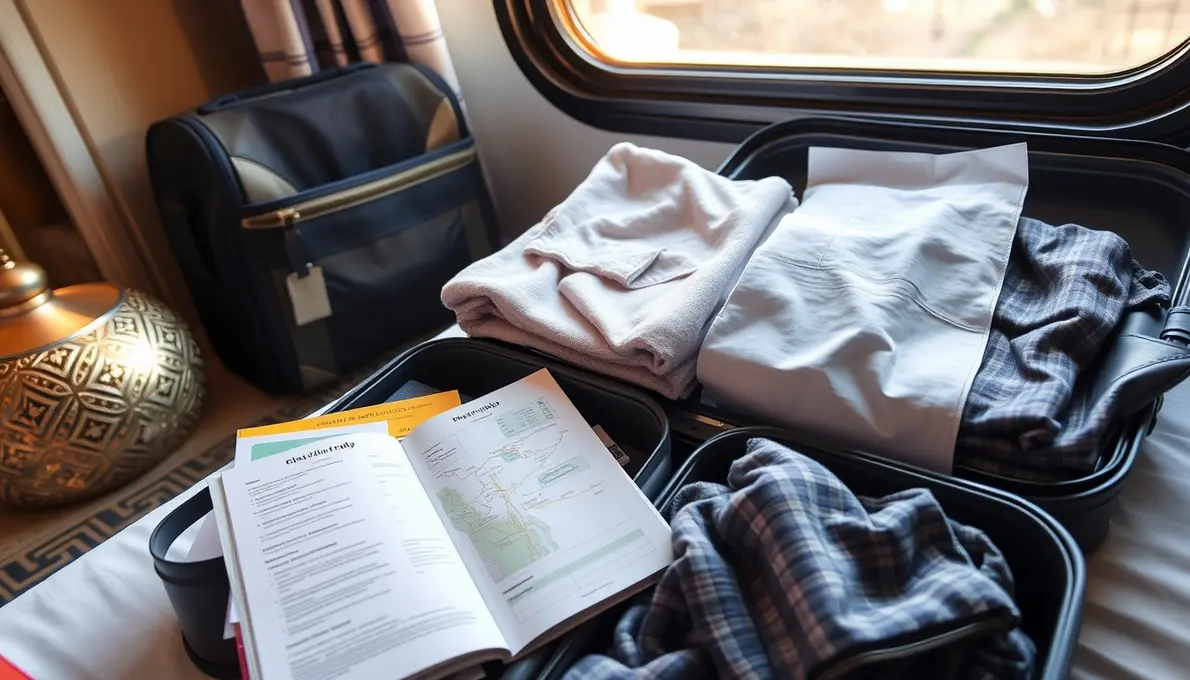
When planning your train journeys across Morocco, a few practical considerations can significantly enhance your experience. Firstly, luggage: while there are no strict weight limits like on airlines, you should be able to manage your own bags. There are overhead racks for smaller items and larger designated areas at the ends of carriages for bigger suitcases. It’s always wise to keep valuables with you or in sight.
Food and drink are also easy to manage. While there are often mobile trolleys or buffet cars on trains, especially on Al Boraq, bringing your own snacks and water is common practice and often more cost-effective. Many Moroccans prepare small picnics for their journeys. Just remember to dispose of your waste responsibly.
Train punctuality is generally good, especially for the high-speed Al Boraq. Conventional trains can sometimes experience minor delays, but significant disruptions are relatively rare. It’s always a good idea to factor in a buffer, especially if you have connecting plans or a flight to catch. Checking the ONCF website for real-time updates on your travel day can be helpful.
Another important aspect is safety. Moroccan trains are generally very safe. However, like any public transport system worldwide, it’s always prudent to be aware of your surroundings and keep an eye on your belongings. Avoid leaving bags unattended and be wary of overly friendly strangers, particularly if they try to distract you. Petty theft can occur, though it’s not common.
Finally, while Arabic and French are the primary languages spoken by ONCF staff, you’ll often find English speakers in major tourist stations. Having a translation app on your phone or carrying a small phrasebook can be very useful for clearer communication, especially when buying tickets or asking for directions. Embrace the journey as part of the adventure, and you’ll find Moroccan train travel to be a memorable and efficient way to explore this fascinating country.
Conclusion
Traveling by train in Morocco offers a unique and authentic perspective on the country, blending comfort, efficiency, and cultural immersion. From the swift efficiency of the Al Boraq high-speed line connecting key northern cities to the more traditional and scenic journeys on conventional services, the ONCF network is a fantastic resource for any visitor. By understanding the booking process, navigating the stations, appreciating the onboard experience, and selecting the best Morocco train guide routes, you’re well-equipped to explore Morocco like a seasoned local. Embrace the rhythm of the rails, connect with the landscape, and allow the train to be an integral part of your Moroccan adventure.
FAQs
What are the main types of trains in Morocco?
Morocco primarily operates two types of trains: the high-speed Al Boraq, connecting Tangier, Kenitra, Rabat, and Casablanca, and conventional intercity trains that cover a broader network, including routes to Marrakech, Fes, and Oujda. Al Boraq offers a modern, fast service, while conventional trains provide a more traditional travel experience.
Is it better to book train tickets in advance in Morocco?
For high-speed Al Boraq trains and first-class tickets on conventional routes, booking in advance is highly recommended, especially during peak travel seasons or holidays, to guarantee a seat. For second-class conventional train tickets, you can often buy them on the day of travel at the station, though arriving early is advisable.
Can I buy food and drinks on Moroccan trains?
Yes, most Moroccan trains, particularly the Al Boraq, have a buffet car or a mobile trolley service selling snacks, hot beverages, and some light meals. On conventional lines, while services can be less consistent, vendors often pass through carriages. Many locals also bring their own food and drinks, which is a common and accepted practice.
What are the luggage restrictions on Moroccan trains?
There are generally no strict weight or size restrictions for luggage on Moroccan trains, unlike airlines. However, you should be able to manage your own bags. There are overhead racks for smaller items and designated spaces at the ends of carriages for larger suitcases. It’s always wise to keep an eye on your belongings, especially at station stops.





 Covers cities, coast, mountains, desert & food