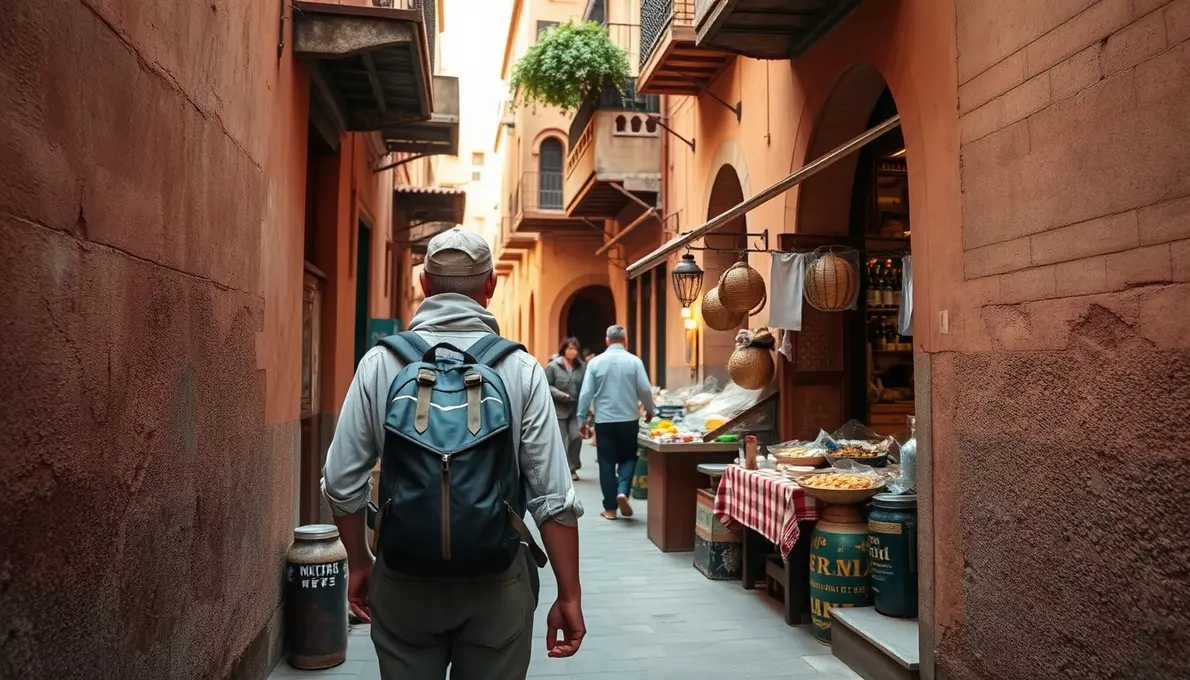
Navigating the vibrant, bustling streets of Morocco offers an unparalleled sensory experience, especially when it comes to its incredible culinary scene. For travelers, understanding essential Morocco street food tips is key to unlocking truly authentic flavors while ensuring a safe and memorable adventure. From the aromatic tagines bubbling in market stalls to the crispy pastries sold by roadside vendors, street food isn’t just sustenance here; it’s a deep dive into the local culture and daily life. This guide will help you confidently explore the labyrinthine souks, distinguish the must-try dishes, and offer practical advice on where to find the best, most hygienic bites.
Decoding Morocco’s Street Food Scene: Essential Tips for Adventurous Eaters
Morocco’s street food scene is a dynamic, living ecosystem that hums with activity from dawn until late night. It’s a place where traditional recipes, passed down through generations, are lovingly prepared right before your eyes. Far from being a mere convenience, street food in Morocco is a cultural cornerstone, offering insights into local life, hospitality, and culinary artistry. To truly appreciate this, you need to approach it with a little wisdom and an open mind.
One of the first and most crucial Morocco street food tips is to embrace the local way of eating. This often means trying many small dishes rather than one large meal, allowing you to sample a wider variety of flavors and textures. Look for communal eating experiences, particularly around bustling squares like Djemaa el-Fna in Marrakech, where food stalls set up nightly, inviting diners to pull up a seat at shared tables. This isn’t just about the food; it’s about being part of the vibrant social fabric. Engage with the vendors, ask them about their dishes, and observe how they prepare their specialties. This interaction enhances the experience and can often lead to recommendations for other local hidden gems.
Another vital tip is to keep an eye on where locals are eating. A stall or cart with a consistent queue of Moroccan patrons is almost always a good sign – it indicates both popularity and, often, freshness. Locals know where the best food is, and they also know where the safest food is. Don’t be afraid to venture off the main tourist drags into smaller neighborhoods, where you might discover more authentic and less tourist-centric offerings. However, remember to maintain a respectful demeanor and be aware of your surroundings, especially in crowded areas. Street food is a fast-paced environment, so be ready to order quickly and efficiently, often pointing to what you want if language is a barrier.
Understanding portion sizes is also a useful trick. Many street food items are designed for snacking or sharing. Don’t feel pressured to eat everything if you’re not hungry; remember you have many more delicious things to try. It’s perfectly acceptable to order a small portion of several different items to get a comprehensive taste of what’s on offer.
Navigating Hygiene and Safety: Key Morocco Street Food Tips
When delving into the delicious world of Morocco street food, prioritizing hygiene and safety is paramount. While the flavors are undeniably enticing, a little caution can save you from an unpleasant experience. These Morocco street food tips on safety are not meant to deter you but empower you to make informed choices and enjoy your culinary adventure with peace of mind.
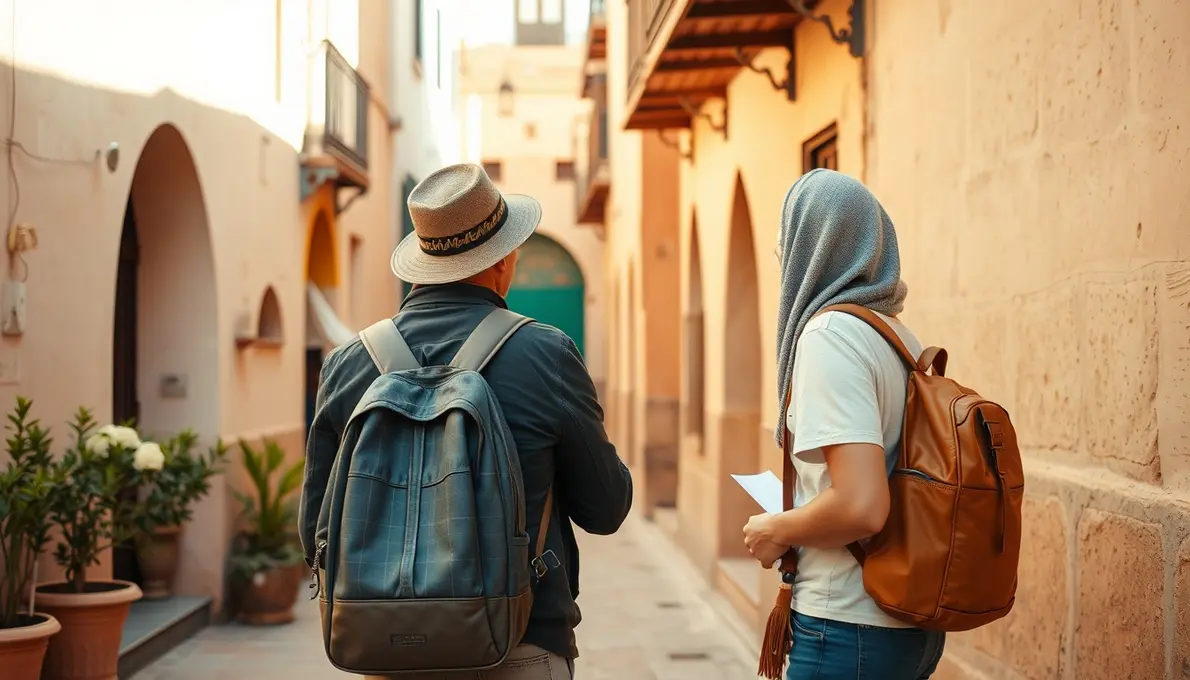
First and foremost, observe the general cleanliness of the vendor’s stall or cart. Does it look tidy? Are the surfaces relatively clean? While street food by nature isn’t a sterile kitchen, a vendor who takes pride in maintaining their immediate workspace is often a good indicator of their overall practices. Pay attention to how food is stored and handled. Ideally, raw ingredients should be kept separate from cooked food, and perishable items should be stored on ice or refrigerated, especially in Morocco’s warm climate. Avoid anything that looks like it’s been sitting out for too long under the sun.
Another critical aspect of street food safety is to opt for freshly prepared dishes. Food that is cooked to order, right in front of you, minimizes the risk of bacterial growth. Watch for sizzling tagines, freshly grilled skewers, or pastries being pulled hot from the oven. Boiling food, grilling, and deep-frying at high temperatures are generally safer cooking methods as the heat kills most bacteria. Conversely, be wary of dishes that appear lukewarm or that have been sitting uncovered for extended periods.
Water and ice are also areas to consider. It’s always best to stick to bottled water. If you’re offered drinks with ice, it’s prudent to politely decline unless you’re absolutely certain the ice is made from filtered or purified water. This applies to juices and other beverages as well; ensure they are prepared with clean water or are pre-bottled. For salads and fresh fruits, choose items that you can peel yourself, like oranges or bananas, or ensure that any pre-cut fruits and vegetables have been thoroughly washed with safe water.
Hand hygiene is equally important, not just for the vendor but for yourself. Always carry hand sanitizer or wet wipes and use them before and after eating. Many street food experiences are hands-on, so clean hands are your first line of defense. If you have any dietary restrictions or allergies, communicate them clearly to the vendor, though this can sometimes be challenging due to language barriers. It’s wise to carry a translation card with your specific allergy information if it’s severe. By following these straightforward Morocco street food tips, you can greatly reduce risks and fully savor the incredible culinary landscape.
Must-Try Moroccan Street Food Delights and Where to Find Them
Embarking on a Moroccan culinary journey often means diving into its vibrant street food. Here are some of the essential Morocco street food tips on what to try and where these iconic flavors truly shine.
Tajine and Tangia: While often eaten in restaurants, smaller, more rustic versions of tagine (a slow-cooked stew) can be found at street-side stalls, especially during lunchtime. Look for individual clay pots bubbling over charcoal. Tangia, a specialty of Marrakech, is a rich, slow-cooked meat dish, traditionally prepared in an urn-shaped pot in the embers of a public hammam furnace. You’ll find “tanjia” cooks often have small, unassuming shops near market entrances, particularly in the medina of Marrakech.
Harira: This hearty, traditional Moroccan soup is a staple, especially breaking fast during Ramadan, but available year-round. It’s a thick, savory soup packed with tomatoes, lentils, chickpeas, and sometimes meat, often served with a wedge of lemon and a date. You’ll find soup vendors with large, steaming cauldrons in major squares and alongside busy streets, particularly in the evenings. It’s a comforting and affordable meal in itself.
Brochettes (Skewers): Grilled meats are a cornerstone of Moroccan street food. You’ll find vendors grilling everything from tender lamb and beef to chicken and kefta (minced meat) skewers over hot coals. These are often served with fresh bread, a sprinkle of salt and cumin, and a side of spicy harissa. The aroma alone is enough to draw you in. Look for the smoke plumes and the sound of sizzling meat in areas like Djemaa el-Fna in Marrakech or the main squares of Fez and Meknes. Many small, no-frills eateries specializing in grilled meats are also scattered throughout medinas.

M’semen and Harcha: These traditional Moroccan flatbreads are essential breakfast or snack items. M’semen is a flaky, square-shaped fried bread, often served plain, with cheese, honey, or a fried egg. Harcha is a griddle-cooked semolina bread, crispy on the outside and soft within. You’ll find these at small bakeries (ferran), local cafes, and street carts, especially in the mornings. They are perfect for dipping into mint tea.
Snail Soup (Babbouche): A unique and popular street food find, particularly in Marrakech, is babbouche. This warming broth, infused with numerous herbs and spices, contains snails that you pick out with a toothpick. It’s said to have medicinal properties and is a fascinating cultural experience. Look for vendors with huge steaming pots, often surrounded by small stools, in Djemaa el-Fna after dusk.
Maakouda: These delightful potato fritters are a common sight, often served plain or in a sandwich with spicy sauce. They are crispy on the outside and fluffy inside, making for a satisfying snack. You’ll spot vendors with deep fryers, typically near markets or busy intersections. They make for a quick, cheap, and delicious bite.
Chebakia: A beautiful, honey-sesame cookie, often shaped like a flower, chebakia is traditionally enjoyed during Ramadan but available in sweet shops and at street food stalls year-round. It’s sweet, slightly chewy, and intensely flavorful. These are perfect with a cup of mint tea.
Fresh Juices: Morocco’s street corners are vibrant with stalls selling freshly squeezed juices. Orange juice is ubiquitous and incredibly fresh. You might also find other seasonal fruit juices like pomegranate or almond milk. Always watch the vendors squeeze the fruit right in front of you. This is a refreshing and safe choice, provided you adhere to the ice rule.
Sardines: Being a coastal nation, Morocco boasts excellent seafood. Grilled sardines, often seasoned simply with salt, cumin, and paprika, are a cheap and incredibly flavorful street food, particularly in coastal cities like Essaouira or Casablanca. They are typically served with fresh bread. If you’re exploring Morocco street food tips in Casablanca, make sure to seek these out around the port or local fish markets.
When seeking these dishes, remember that the most authentic experiences often come from the unpretentious stalls where the focus is solely on the quality and taste of the food. Don’t be afraid to try something new; that’s where the real culinary adventure truly begins.
Understanding Local Eating Etiquette and Customs
Beyond the delicious dishes, understanding local eating etiquette and customs is an integral part of experiencing Morocco’s street food scene respectfully and authentically. These Morocco street food tips extend beyond just what to eat, touching on how to interact and integrate into the local dining culture.
One of the most important customs to observe, particularly when eating street food that is served communally or with locals, is the use of your right hand. In Moroccan culture, as in many parts of the Islamic world, the left hand is considered unclean, so always use your right hand for eating, passing food, or handling money, even if you are left-handed. If you are sharing a plate or a tagine with others, try to eat from the section directly in front of you, rather than reaching across the dish. This shows respect for your fellow diners. Bread often plays a crucial role in street food dining; it’s used to scoop up sauces and stews, so don’t be shy about using it as your primary utensil.
When offered food or drink by a vendor, especially if you’ve engaged in a friendly conversation, it’s considered polite to accept. Even if you only take a small bite or sip, showing appreciation for their gesture is well-received. Conversely, it’s also important to be gracious if you need to decline an offer. A polite “la, shukran” (no, thank you) with a smile is usually sufficient.
Bargaining is a common practice in markets, but generally, when it comes to street food, prices are fixed. However, it doesn’t hurt to confirm the price before you order, especially if there isn’t a clear price list displayed. This prevents any misunderstandings later. Asking “chhal hada?” (how much is this?) is a practical phrase to learn.
Observe the pace of local life. Street food vendors are often busy, but Moroccans also value connection. A brief, polite greeting like “Salam alaikum” (peace be upon you) can go a long way before placing your order. After your meal, a simple “shukran” (thank you) is always appreciated. These small gestures show respect for the local culture and can enhance your interactions. If you’re sitting down at a street stall, don’t feel obligated to rush. While the environment is often fast-paced, savoring your meal and observing the lively street scene is part of the experience.
Finally, be mindful of conservative dress codes, especially if you plan to eat in less tourist-frequented areas. While not directly related to eating, dressing modestly helps you blend in and shows respect for local customs, making your overall experience more comfortable and authentic. Following these etiquette tips will not only make your street food adventure smoother but also richer, allowing you to connect more deeply with the heart of Moroccan culture.
Conclusion
Exploring Morocco’s street food scene is an adventure that promises a feast for the senses and a deep dive into the country’s culinary heritage. By keeping these essential Morocco street food tips in mind, from discerning the freshest bites to understanding local customs and prioritizing hygiene, you’re well-equipped to navigate the bustling markets and discover hidden gastronomic treasures. Embrace the local flavors, engage with the friendly vendors, and let your taste buds lead the way through an unforgettable Moroccan journey. Remember, the true essence of travel often lies in these spontaneous, delicious encounters, and with a little preparation, your street food experience will undoubtedly be a highlight.

FAQs
What are the safest street food options to try in Morocco?
The safest street food options are typically those that are cooked fresh and served hot. Look for grilled items like brochettes, tagines bubbling over heat, freshly fried items like maakouda, and soups like harira that are kept hot. Drinks like freshly squeezed orange juice where you see the fruit being squeezed in front of you are also safe choices. Avoid pre-cut fruits or anything that has been sitting uncovered at room temperature for extended periods.
How can I avoid getting sick from street food in Morocco?
To minimize the risk of getting sick, always prioritize vendors with good hygiene practices – look for clean stalls, fresh ingredients, and food cooked to order. Stick to bottled water and decline ice in drinks unless you’re sure it’s made from purified water. Carry hand sanitizer and use it frequently. If you’re unsure about the cleanliness of a particular item, it’s best to skip it. Some travelers also find it helpful to take probiotics before and during their trip.
Is it acceptable to bargain for street food prices?
Generally, no. For most street food items, prices are fixed and non-negotiable, especially in established food stalls or carts. Unlike souvenirs in the souks, food prices are usually set. However, it’s always a good practice to confirm the price before ordering, especially if it’s not clearly displayed, to avoid any misunderstandings.
What local drinks pair well with Moroccan street food?
Mint tea (chai Maghrebi) is the iconic Moroccan drink and pairs wonderfully with almost everything, from sweet pastries to savory dishes. Freshly squeezed orange juice is another popular and refreshing choice, widely available from street vendors. You might also find local fruit juices, almond milk, or even a glass of cool water from a communal fountain (though bottled water is recommended for tourists).



 Covers cities, coast, mountains, desert & food