
Have you ever wondered about the nicknames for Morocco? This country is famous for its rich culture and varied landscapes.
Morocco is known for its lively cities and stunning mountains. These features have earned it many nicknames that show its unique character.
Learning about these nicknames helps us understand Morocco’s history, culture, and how its people are seen by others.
Key Takeaways
- Morocco is known by several nicknames that reflect its cultural and geographical diversity.
- The country’s nicknames are rooted in its history and cultural heritage.
- Exploring these nicknames offers a deeper understanding of Morocco’s identity.
- The diverse landscapes and cities contribute to the various monikers.
- Morocco’s nicknames are a reflection of its people’s perceptions and traditions.
The Kingdom of Morocco: A Brief Overview
Exploring Morocco reveals a mix of African, Arab, and European cultures. It boasts a rich history, diverse culture, and stunning landscapes.
Geographic Location and Significance
Morocco lies in North Africa’s Maghreb region. It borders the Atlantic Ocean, the Mediterranean Sea, and the Sahara Desert. This location has made it a key spot for trade and cultural exchange.
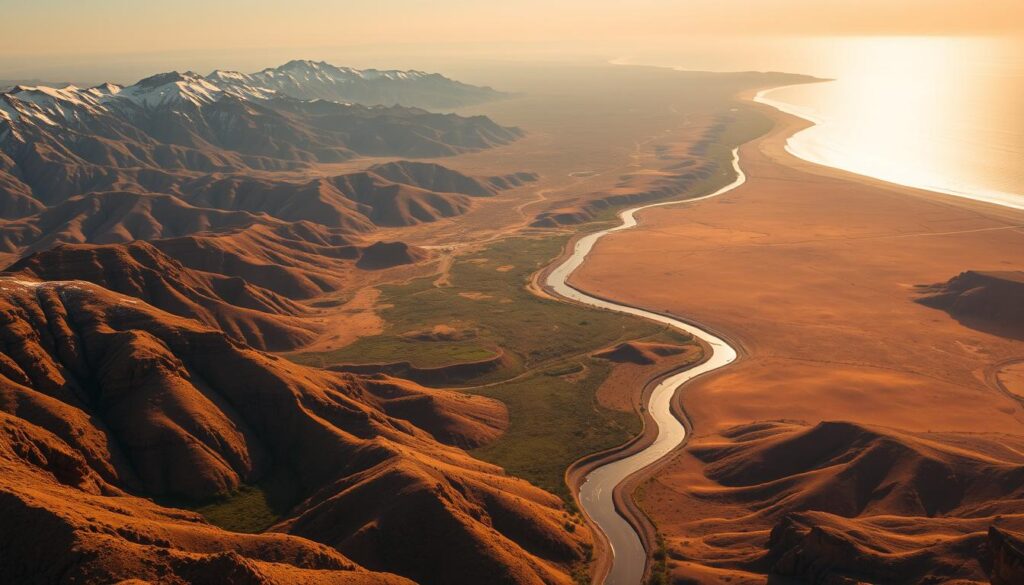
The country’s geography is varied, with mountains, deserts, and coasts. The Atlas Mountains, for example, are perfect for hiking and trekking.
Historical Timeline of Morocco
Morocco’s history is long and complex, with many dynasties and empires shaping it. The Romans once controlled parts of Morocco, leaving a mark on its architecture and culture.
| Period | Significant Events |
|---|---|
| Ancient Period | Roman control, Berber tribes |
| Islamic Period | Arab conquest, spread of Islam |
| Modern Era | Independence from France, modernization |
To truly understand Morocco, you must grasp its history and geography. Its unique blend of cultures has shaped its identity, making it a captivating place for visitors.
Understanding Morocco Nickname Origins
Morocco’s nicknames show its rich history and diverse culture. Exploring these names reveals the complex factors that have shaped its identity.
Historical Context Behind Moroccan Names
Morocco’s names come from its strategic location at the crossroads of Africa, Europe, and the Arab world. Dynasties and colonial powers have given Morocco many nicknames. For example, the historical timeline shows how Arab and French influences have shaped its names.
Knowing Morocco’s history helps us understand its nicknames. The country has been influenced by colonization, Islamic rule, and its role as a trading center. These factors have shaped its identity.
Cultural Influences on Morocco’s Identity
Culture has also shaped Morocco’s nicknames. The mix of Arab, Berber, and Mediterranean cultures has created a unique identity. Each nickname highlights a different part of Morocco’s identity.
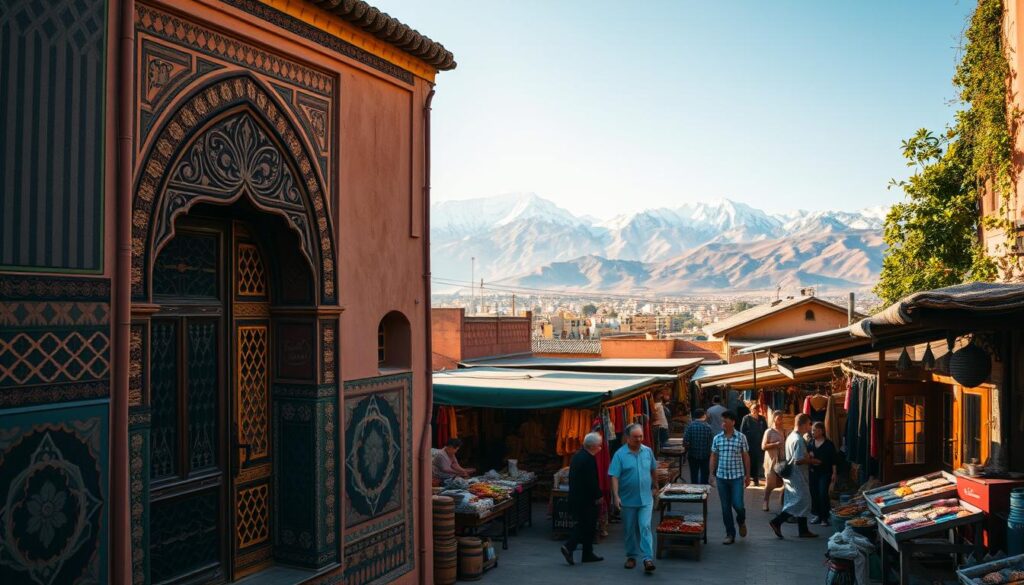
Exploring Morocco’s culture shows how its nicknames reflect its history and vibrant culture. From the lively souks to the stunning architecture, Morocco’s diverse culture makes it a captivating place. It’s a destination that fascinates travelers and those interested in Morocco trivia.
The Most Common Morocco Nickname: “The Land of the Setting Sun”
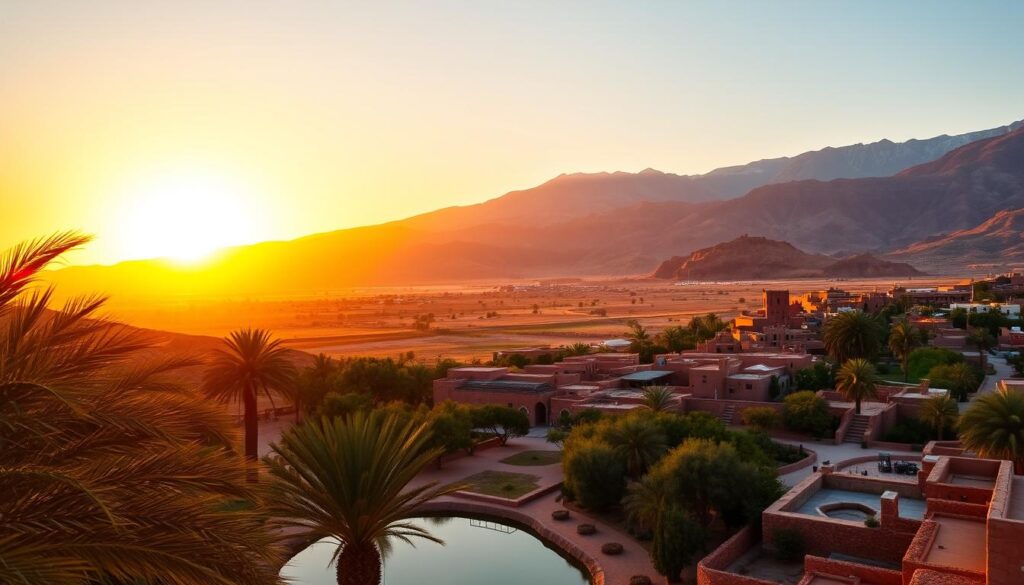
Morocco is often called “The Land of the Setting Sun.” This name comes from the Arabic word “Maghreb,” which means “the west.” It shows Morocco’s location in the Arab world and its rich culture.
Origin of the Name “Maghreb”
The word “Maghreb” comes from Arabic, meaning “the west.” It was used to describe the area where the sun sets. This was different from “Mashreq,” or “the east,” where the sun rises.
This name has been used since the Islamic conquests. It covers Morocco, Algeria, Tunisia, and parts of Libya. Morocco is seen as the heart of the Maghreb region.
Cultural Significance of This Nickname
The nickname “The Land of the Setting Sun” is very meaningful. It shows Morocco’s special place between the Arab world and Europe. This mix of cultures is seen in its architecture, food, and traditions.
Morocco’s identity as “The Land of the Setting Sun” is more than just a location. It’s a symbol of its rich cultural mix. The country’s history as a crossroads has shaped its unique identity.
How This Nickname Appears in Literature and Art
In literature and art, “The Land of the Setting Sun” has inspired many works. These works show Morocco’s landscapes and cultural heritage. From its colorful markets to its peaceful deserts, Morocco has inspired many.
Modern Usage in Tourism and Marketing
Today, “The Land of the Setting Sun” is used in tourism and marketing. It draws people to Morocco’s beauty. The Sahara Desert meets the Atlantic Ocean here, and old traditions meet modern life.
| Aspect | Description |
|---|---|
| Cultural Significance | Reflects Morocco’s blend of Arab and European cultures |
| Geographical Reference | Denotes Morocco’s westernmost position in the Arab world |
| Tourism Appeal | Evokes the beauty of Morocco’s landscapes and sunsets |
Morocco: “The Gateway to Africa”
Morocco is known as “The Gateway to Africa” because it connects Europe and Africa. This role has shaped Morocco’s identity and boosted its economy and culture.
Strategic Position Between Continents
Morocco is close to Europe, separated by the Strait of Gibraltar. It also has a long Atlantic coastline. This makes it a key spot for trade and cultural exchange between Europe and Africa. You can see this by visiting its busy ports and historic trade centers.
Historical Trade Routes Through Morocco
In the past, Morocco was a key stop on trade routes between Europe and sub-Saharan Africa. The Trans-Saharan trade routes brought goods like gold and ivory. These routes enriched Morocco’s cities and culture. Today, you can still see the impact of these routes on local communities.
Modern Transportation Hubs and Connections
Now, Morocco remains a gateway with its modern transport. It has several international airports, like Marrakech Menara Airport. Morocco’s ports, like Tangier, also help with maritime trade between Europe and Africa.
Experiencing Morocco as a Gateway Traveler
Traveling through Morocco gives you a mix of cultures and landscapes. You can explore vibrant souks and the Atlas Mountains. Morocco also connects you to nearby African countries through its airports and ports.
| Transportation Hub | Location | Significance |
|---|---|---|
| Marrakech Menara Airport | Marrakech | Major international airport serving as a gateway for tourists and business travelers. |
| Port of Tangier | Tangier | Key maritime trade hub connecting Europe and Africa. |
| Casablanca Port | Casablanca | Major commercial port facilitating trade and economic activities. |

Exploring Morocco shows why it’s called “The Gateway to Africa.” It has a rich history, vibrant culture, and a strategic location. Morocco is the perfect start for your African journey.
Why Morocco Is Called “The Red Kingdom”
Why is Morocco called “The Red Kingdom”? It’s because of its history and culture. The color red is very important in Moroccan society.
The Significance of Red in Moroccan Culture
In Moroccan culture, red means prosperity, strength, and courage. It’s a big part of Moroccan life, from clothes to gestures.
Red is important in many ways, like:
- Traditional attire, where red is a dominant color
- Cultural ceremonies, where red symbolizes good fortune
- Historical contexts, where red has been used to signify power
The Red Flag and National Identity
Morocco’s national flag is red with a green pentagram. The red background shows the country’s rich history and its people.
The red flag is important for several reasons:
- National pride, as it represents the country’s sovereignty
- Historical continuity, linking the present to the past
- Cultural identity, distinguishing Morocco from other nations
Red Cities: Marrakech and Others
Cities like Marrakech are called “red cities” because of their red sandstone architecture. This makes them look beautiful and symbolic.
Red in Moroccan Art and Crafts
Red is also key in Moroccan art and crafts, like pottery and textiles. It makes these items look great and adds cultural value.
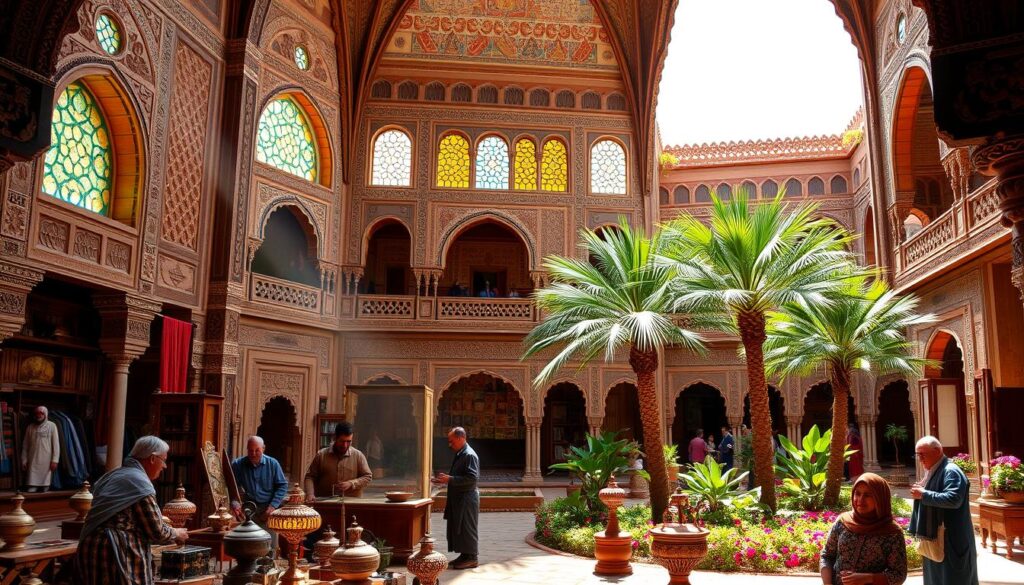
When you visit Morocco, you’ll see red everywhere. It shows the country’s rich culture and strong identity. This is why Morocco is known as “The Red Kingdom.”
Morocco as “The Land of a Thousand Kasbahs”
As you explore Morocco, you’ll see why it’s called ‘The Land of a Thousand Kasbahs’. Kasbahs, ancient strongholds, are a big part of Morocco’s history and culture.
What Are Kasbahs and Their Historical Importance
Kasbahs are old, fortified buildings. They were homes for leaders, safe places from invaders, and places of government. They were very important in the past. Their design shows the mix of Islamic, Arab, and Berber cultures in Morocco.

Famous Kasbahs You Can Visit Today
Morocco has many kasbahs, each with its own story. Ait Ben Haddou and the Kasbah of Marrakech are two of the most famous.
Ait Ben Haddou: UNESCO World Heritage Site
Ait Ben Haddou is a famous kasbah in Morocco, a UNESCO World Heritage Site. It’s known for its earthen buildings and has been in many movies and TV shows. Visitors can walk its narrow streets, see the traditional buildings, and learn about its history.
Kasbah Tours and Experiences
Kasbah tours are a great way to see Morocco’s history and culture. You can visit the Kasbah of Marrakech, Ait Ben Haddou, or go on a tour to find other kasbahs. These tours show Morocco’s architecture and give a peek into local life. They’re perfect for anyone interested in history, architecture, or just exploring new places.
If you’re planning a trip to Morocco, don’t miss the kasbahs. With morocco travel tips and morocco tourism info, planning your trip is easy. Morocco is rich in history and culture, full of morocco fun facts to discover.
The Origin of Morocco’s Nickname “The Western Kingdom”
Exploring Morocco’s history and culture reveals its nickname, “The Western Kingdom”. This name comes from its location and history. Morocco’s spot in the Arab world’s west has shaped its identity and global image.
Geographical Context of the Name
Morocco sits in Africa’s northwest, by the Atlantic Ocean and the Mediterranean Sea. Its location makes it a key spot between Europe, Africa, and the Arab world. The name “Western Kingdom” highlights Morocco’s role as the Arab world’s westernmost country.
The country’s varied landscapes, from mountains to deserts, add to its unique identity. This diversity enriches Morocco’s culture and geography.
| Geographical Feature | Description | Significance |
|---|---|---|
| Atlantic Coast | Bordering the Atlantic Ocean | Facilitates trade and cultural exchange with Europe and the Americas |
| Atlas Mountains | Mountain range running through Morocco | Provides diverse ecosystems and natural resources |
| Sahara Desert | Part of the vast Sahara Desert | Contributes to Morocco’s unique cultural heritage and tourism |
Historical References to Morocco as the Western Kingdom
Morocco has been called “The Western Kingdom” for its role in the Arab world. Its history, including being a French protectorate and fighting for independence, has shaped its identity. The nickname also honors its historical kingdoms and dynasties.
Knowing Morocco’s nickname’s history helps us understand its culture and identity. The mix of Arab, Berber, and Mediterranean influences makes Morocco a unique cultural blend.
Morocco: “The Land of Contrasts”
Exploring Morocco reveals a land of contrasts. Here, different landscapes and cultures merge into a unique mix. It’s a place filled with Morocco interesting facts and Morocco trivia, making it a must-see for travelers.
Diverse Landscapes from Mountains to Deserts
Morocco’s geography is varied, from the Atlas Mountains to the Sahara Desert. The country has coastal plains, fertile valleys, and rugged mountains. This variety creates a wide range of ecosystems in a small area.

Cultural Diversity Within Morocco
Morocco’s culture is as diverse as its landscapes. It reflects the influences of different ethnic groups and historical events. The Morocco culture is a rich mix of traditions and customs.
Berber, Arab, and European Influences
Moroccan culture is shaped by Berber, Arab, and European influences. Berbers, the indigenous people, have greatly contributed to the culture. Arabs introduced Islam and Arabic. European colonial history also left its mark, especially in cities like Marrakech and Casablanca.
Modern vs. Traditional Morocco
Morocco shows a striking contrast between modern and traditional ways of life. Cities like Marrakech and Casablanca mix modern architecture with ancient medinas. In rural areas, traditional practices and customs still thrive. This mix shows Morocco’s ability to evolve while keeping its cultural identity.
“Morocco is a country where the ancient and the modern coexist, creating a unique and captivating cultural landscape.”
How Morocco Earned the Title “Kingdom of Light”
Morocco is known as the “Kingdom of Light.” This nickname shows the country’s amazing light. It inspires artists, photographers, and travelers.
The Unique Quality of Light in Morocco
The light in Morocco is very bright and clear, especially in the desert. The Sahara Desert’s vast expanses create a unique light show. The sun makes dramatic shadows and highlights the dunes’ textures.
Experience this light by going on a desert safari or staying in a luxury desert camp. It’s also great for photography tourism.
Artistic and Cultural Influences of Light
The light in Morocco has greatly influenced its art and culture. It shapes the country’s aesthetic, from traditional crafts to architecture.
- Traditional Moroccan architecture often incorporates elements that play with light, such as intricate tile work and carved wood.
- The country’s light has inspired many artists, with its vibrant colors and contrasts influencing local art.
Photography Tourism in Morocco
Morocco is a paradise for photographers. It has diverse landscapes, from the Atlas Mountains to the coastal towns. There’s always something to capture.
For morocco travel tips, visit during the early morning or late afternoon. The light is soft and golden then.
Light Festivals and Celebrations
Morocco celebrates its light through festivals. These events show the country’s cultural appreciation for light. The Marrakech Light Festival is a notable event, featuring light installations and performances.
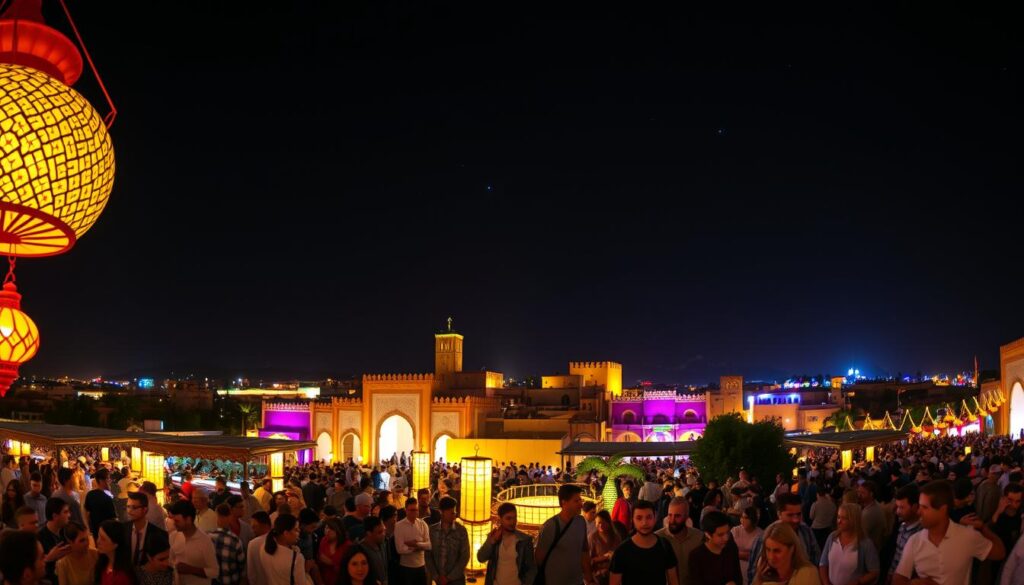
These festivals highlight Morocco’s unique light. They also boost tourism, drawing visitors from all over the world.
Morocco’s Nickname in Different Languages and Cultures
Did you know Morocco has many names in different languages and cultures? This shows the country’s rich history and its ties with the world.
Arabic Names for Morocco
In Arabic, Morocco is called “al-Maghrib,” meaning “the land of the setting sun.” This name is used in Arabic and has influenced other cultures. The term “Maghreb” includes Morocco, Algeria, and Tunisia, showing Morocco’s place in the Arab world.

European References to Morocco
In Europe, Morocco is known by names that highlight its history and geography. For example, in Spanish, it’s “Marruecos,” coming from Arabic. The French call it “Maroc,” a name used since colonial times.
African Perspectives on Morocco
In Africa, Morocco is seen as a link between the Arab world and sub-Saharan Africa. It’s admired for its cultural heritage and role in the trans-Saharan trade. Morocco’s mix of Arab, Berber, and African influences makes it interesting for study and cultural exchange.
Exploring Morocco’s nicknames helps us understand its complex identity and the cultures that have shaped it over time.
Interesting Facts Behind Morocco’s Various Nicknames
Exploring Morocco’s many nicknames reveals fascinating stories. Morocco, with its rich history and diverse culture, has earned many nicknames. These nicknames highlight its unique qualities. Let’s look at some interesting facts and stories behind these nicknames.
Historical Anecdotes and Stories
Morocco’s nicknames often come from its history. For example, “The Land of the Setting Sun” or “Maghreb” in Arabic, points to its westernmost Arab world position. This nickname shows its role as a crossroads between Africa, Europe, and the Arab world. Its strategic location has made it a cultural melting pot.
Historical stories tell of Morocco’s ancient cities like Marrakech and Fez. They were key trade and cultural centers along ancient caravan routes. These cities were learning and cultural centers, attracting scholars and travelers. The nickname “The Gateway to Africa” highlights Morocco’s role as a bridge between Europe and Africa.
- Morocco’s diverse geography, from mountains to deserts, has contributed to its various nicknames.
- The country’s rich cultural heritage is reflected in its architecture, cuisine, and traditions.
- Historical trade routes have played a significant role in shaping Morocco’s identity.
Surprising Origins of Lesser-Known Nicknames
Some of Morocco’s nicknames are less known but offer interesting insights. For example, “The Red Kingdom” comes from Marrakech’s red buildings and Morocco’s red flag. This nickname shows the importance of red in Moroccan culture, symbolizing prosperity and courage.
“The Land of a Thousand Kasbahs” is another lesser-known nickname. It refers to Morocco’s many fortified structures. These kasbahs are historical monuments and show the country’s architectural and historical richness. Visiting them gives a glimpse into Morocco’s past and its architectural heritage.
Some fun facts about Morocco’s nicknames include:
- The nickname “Kingdom of Light” refers to Morocco’s unique light, inspiring artists and photographers.
- Morocco’s diverse landscapes, from the Atlas Mountains to the Sahara Desert, have inspired nicknames that reflect its natural beauty.
How Tourism Has Shaped Modern Morocco Nicknames
Tourism has greatly changed how the world sees Morocco, leading to many nicknames. Visitors from all over see Morocco’s rich culture, stunning views, and lively cities. This has helped shape its nicknames.
Marketing Morocco to the World
The Morocco Tourism Board works hard to show off Morocco’s special places. Their marketing has drawn more visitors and changed how people see Morocco. They focus on its varied landscapes, like the Atlas Mountains and Sahara Desert.
The board also highlights Morocco’s cultural richness. This includes its rich history and vibrant culture. This has led to nicknames that show off Morocco’s unique culture.
Tourist Perceptions and New Nicknames
Visitors’ experiences help create new nicknames for Morocco. Its strategic location between Europe and Africa makes it a key stop for travelers. This has earned it nicknames like “The Gateway to Africa.”
Morocco Tourism Board Campaigns
The Morocco Tourism Board runs campaigns to draw in tourists. They use promotional materials to show off the country’s attractions. These efforts have helped create a positive image of Morocco, leading to nicknames that highlight its appeal.
Social Media and Morocco’s Image
Social media has also shaped Morocco’s image. Travelers post about their visits on Instagram and Facebook. They use nicknames like “The Land of a Thousand Kasbahs” to talk about Morocco’s architecture. This content has helped spread new nicknames for Morocco.
| Nickname | Description | Influence |
|---|---|---|
| The Land of the Setting Sun | Refers to Morocco’s western location | Historical and Cultural |
| The Gateway to Africa | Highlights Morocco’s strategic position | Tourism and Geography |
| The Red Kingdom | References the red color of its flag and buildings | Cultural and National Identity |
Experiencing Morocco Through Its Nicknames: Travel Tips
Planning a trip to Morocco? Knowing its nicknames can make your journey richer. Each nickname highlights a unique part of Morocco’s culture and geography.
Itineraries Based on Morocco’s Famous Identities
Morocco is known as “The Land of the Setting Sun” and “The Gateway to Africa.” These names hint at its rich history and strategic role. Visit Marrakech for its lively souks and cultural treasures, or Tangier to see where Africa meets Europe.
Rabat is a key spot for those interested in “The Red Kingdom.” Its historic sites and red buildings are stunning. For “The Land of a Thousand Kasbahs,” head to the Sahara Desert to explore its fortified cities.
Cultural Experiences That Reflect Morocco’s Nicknames
To really get Morocco, dive into its culture. See the stunning sunsets in the Sahara or check out Marrakech and Fez’s art scenes. This is “The Kingdom of Light.”
Best Times to Visit Different Regions
When to visit Morocco depends on where you’re going. Coastal areas are nice all year. The desert is cooler in winter. Summer is best for hiking in the mountains.
Authentic Experiences Beyond Tourist Hotspots
Explore beyond the usual spots. Visit local markets, stay in riads, and join cultural festivals. These experiences will show you Morocco’s true diversity and its many nicknames.
Conclusion: The Many Faces of Morocco
Morocco is known by many nicknames, like “The Land of the Setting Sun” and “The Gateway to Africa.” These names show the country’s rich culture and complex identity. Each nickname gives a special view of Morocco’s history, geography, and culture.
Exploring Morocco, you’ll see why its nicknames matter. The country’s vibrant cities and stunning landscapes are just waiting to be seen. Morocco’s diverse identities offer a chance to see its beauty and complexity.
Morocco’s history, culture, and landscapes are all fascinating. As you learn more about Morocco, you’ll find out what makes it so special. Morocco’s nicknames are more than labels. They open the door to understanding this amazing country.



 Covers cities, coast, mountains, desert & food