

Planning a trip to Morocco in January? You might wonder about the weather. January is quite cool, but the temperature changes by region.
The temperature in Morocco during January can be chilly, especially in the mornings and evenings. Yet, it’s a perfect time to see the country’s lively cities and ancient sites.
In the south, you’ll find mild winters. But the Atlas Mountains are colder, sometimes even snowy.
Key Takeaways
- January is one of the coolest months in Morocco.
- Temperature varies across different regions.
- Southern regions have mild winters.
- The Atlas Mountains can be quite cold.
- January is a great time to explore Morocco’s cities and historic sites.
The Winter Climate of Morocco
The winter in Morocco is special, thanks to its geography. The country has coastlines, mountains, and deserts. Each area has its own weather during the winter.
Geographic Influences on Morocco’s Weather
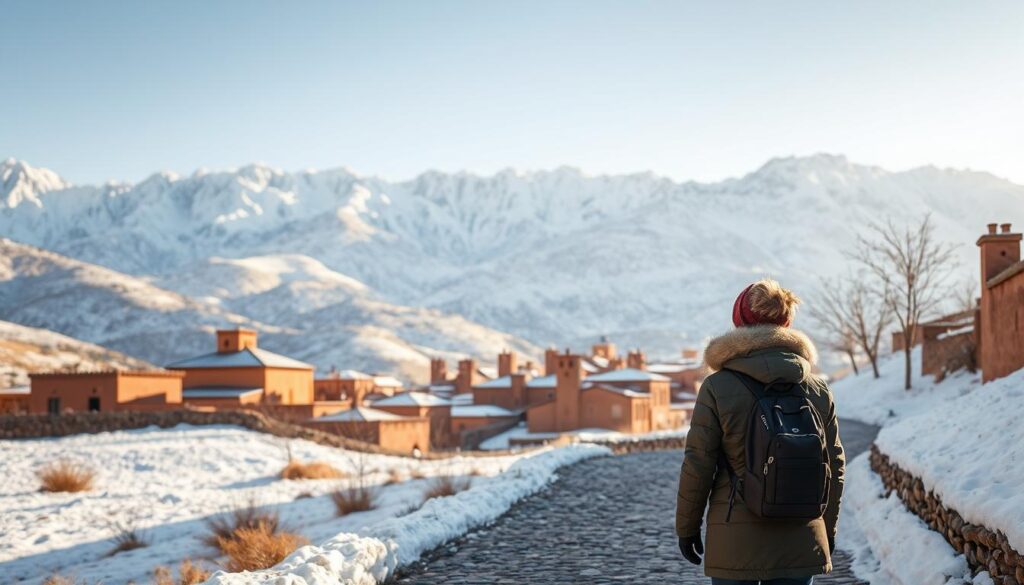
Morocco’s shape affects its winter weather a lot. The Atlas Mountains block winds and rain. Places like Casablanca and Rabat by the coast are milder than the mountains or desert.
January’s Place in Morocco’s Seasonal Calendar
January is Morocco’s coldest month. It’s not as busy with tourists as other times. But, it’s great for seeing the country without crowds.
The weather in January changes a lot depending on where you are. So, it’s important to pack right.
Morocco Jan Weather: Temperature Ranges Across the Country
Traveling to Morocco in January? Knowing the temperature ranges can make your trip better. The country’s varied landscapes mean different temperatures in each area.
Daytime Average Temperatures by Region
Daytime temperatures in Morocco in January change a lot by area. Coastal spots like Casablanca and Rabat are milder, with temps from 12°C to 18°C (54°F to 64°F). On the other hand, cities like Marrakech and Fez are cooler, with temps between 10°C and 16°C (50°F to 61°F).
For more details on weather, check out WeatherSpark. They offer insights into specific regions.
Nighttime Temperature Drops and Cold Spells
Nighttime temperatures in January can really drop, especially in the desert and mountains. The Sahara Desert can get as low as 4°C (39°F) at night. Meanwhile, the Atlas Mountains might see temps below freezing.
Coastal areas, however, stay a bit warmer, with lows around 8°C to 10°C (46°F to 50°F). It’s important to understand these changes to know what to pack for Morocco in January. This way, you’ll be ready for whatever the weather brings.
Regional Weather Variations in Morocco During January
Traveling across Morocco in January shows you different weather conditions. The coastal areas have mild winters, while the Atlas Mountains are cold and snowy. Knowing this helps you enjoy your trip more.
Coastal Areas: Casablanca, Rabat, and Tangier
The coastal cities of Morocco have mild weather in January. Temperatures range from 12°C to 18°C (54°F to 64°F). Places like Casablanca, Rabat, and Tangier are great for avoiding harsh winters. The sea keeps temperatures steady, but you might see some rain.
Interior Cities: Fez and Meknes
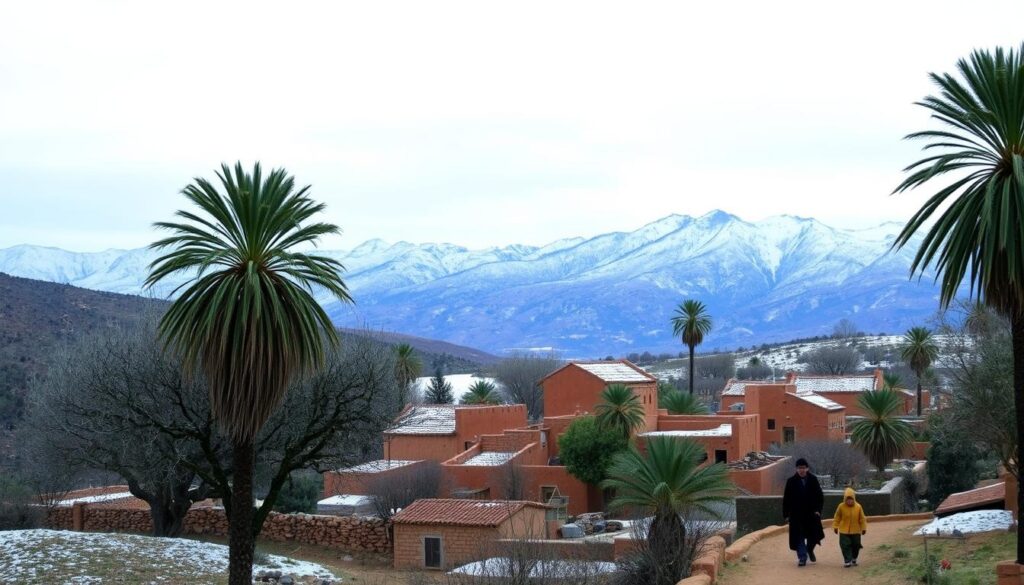
Fez and Meknes are colder than the coast in January. Nights can be very cold, below 5°C (41°F). Days are still nice, between 12°C and 15°C (54°F to 59°F). But, you’ll need warm clothes for the nights. January is a good time to see these cities’ history without the crowds.
Mountain Regions: Atlas Mountains and Ifrane
The Atlas Mountains and Ifrane are very cold and snowy in January. Temperatures can go below 0°C (32°F), and it snows a lot. Ifrane, called “Little Switzerland,” is great for skiing and snowboarding. It’s perfect for those who love winter sports.
| Region | Average Temperature (°C) | Weather Conditions |
|---|---|---|
| Coastal Areas | 12-18 | Mild, some rainfall |
| Interior Cities | 5-15 | Cold nights, pleasant days |
| Mountain Regions | Below 0 | Cold, snowy |
The Desert Experience: January in the Sahara
The Sahara Desert in Morocco turns into a winter wonderland in January. It invites travelers to explore its dunes. January is a great time to see the desert’s calm landscapes and enjoy activities without the crowds.
Day and Night Temperature Extremes in Merzouga and M’Hamid
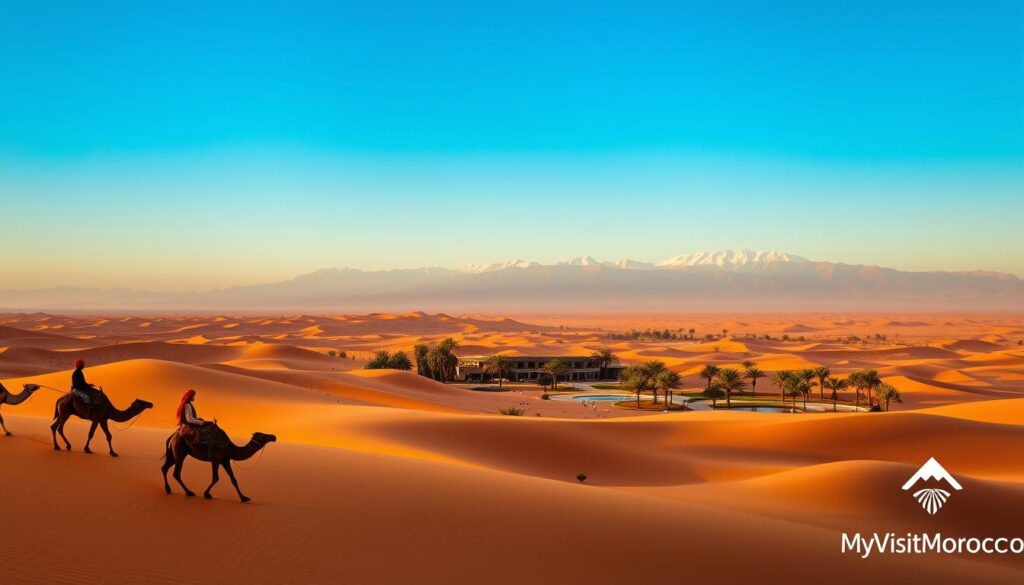
January in the Sahara Desert means big temperature changes. In places like Merzouga and M’Hamid, days are warm with 15°C to 20°C (59°F to 68°F). This is perfect for desert tours and camel treks.
But, as night falls, it gets very cold. Temperatures can drop below 5°C (41°F) at night. Make sure to bring warm clothes for your desert trip to stay cozy at night.
| Location | Daytime Temperature (°C) | Nighttime Temperature (°C) |
|---|---|---|
| Merzouga | 15-20 | 0-5 |
| M’Hamid | 15-20 | 0-5 |
Desert Tours and Safety Considerations in Winter
January is a great time for desert tours in Morocco. The day is warm, making it perfect for exploring. You can go on camel treks, desert camping, and visit nomadic communities. But, remember to think about safety, especially at night or in remote places.
Safety Tips:
- Always travel with a reputable tour operator who knows the desert terrain.
- Pack warm clothing, including a hat, gloves, and a scarf, for cold nights.
- Stay hydrated by drinking plenty of water during the day.
- Bring a first-aid kit and know how to use the items in it.
By being prepared and aware of the temperature extremes and safety considerations, you can have a memorable and enjoyable desert experience in Morocco during January.
Rainfall and Precipitation Patterns in January
Planning a trip to Morocco in January? Knowing about the rainfall is key. January is part of the winter season in Morocco. Rainfall varies a lot across different areas.
Average Rainfall Amounts by Region
Morocco’s varied geography means rainfall changes a lot from one place to another.
- Coastal areas get more rain than inland places. Cities like Casablanca and Rabat see moderate rain, with 60 to 80 mm on average. For more details, check weatherspark.com.
- The Atlas Mountains get a lot of snow, which is great for skiing.
- Desert areas, like Merzouga, are very dry, with little to no rain.
| Region | Average Rainfall in January (mm) |
|---|---|
| Coastal Areas (Casablanca, Rabat) | 60-80 |
| Atlas Mountains | Significant snowfall |
| Desert Regions (Merzouga) | Minimal to no rainfall |
How Rain Affects Travel Plans and Itineraries
Rain can change your travel plans, especially in wetter areas.
- In coastal cities, rain might cause some flooding. But it usually doesn’t stop tourists from enjoying their activities.
- In the mountains, snow is great for skiing but might close mountain passes and trails.
- In desert areas, the dry weather means rain is unlikely to be a problem.
What to Pack for Morocco in January
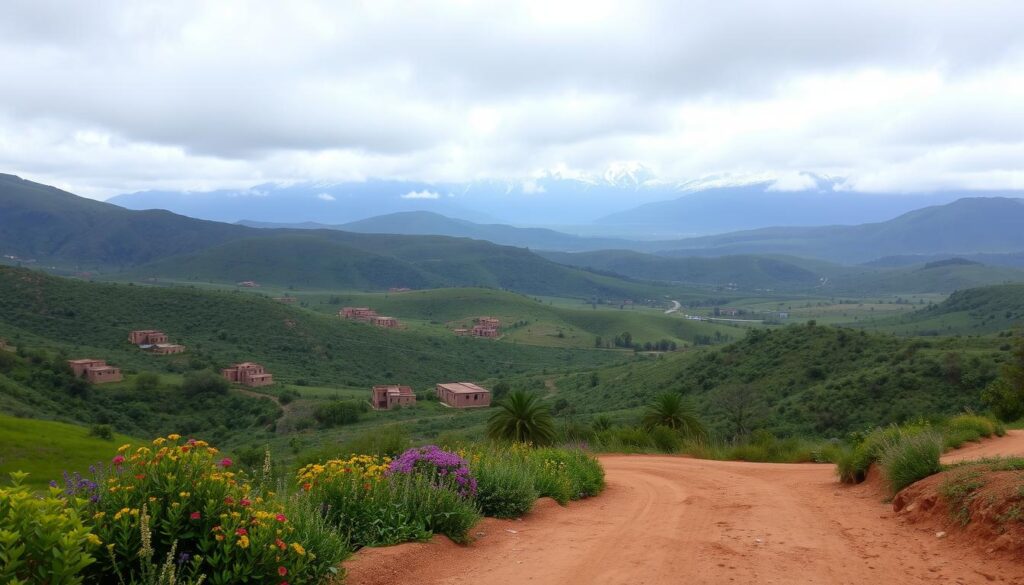
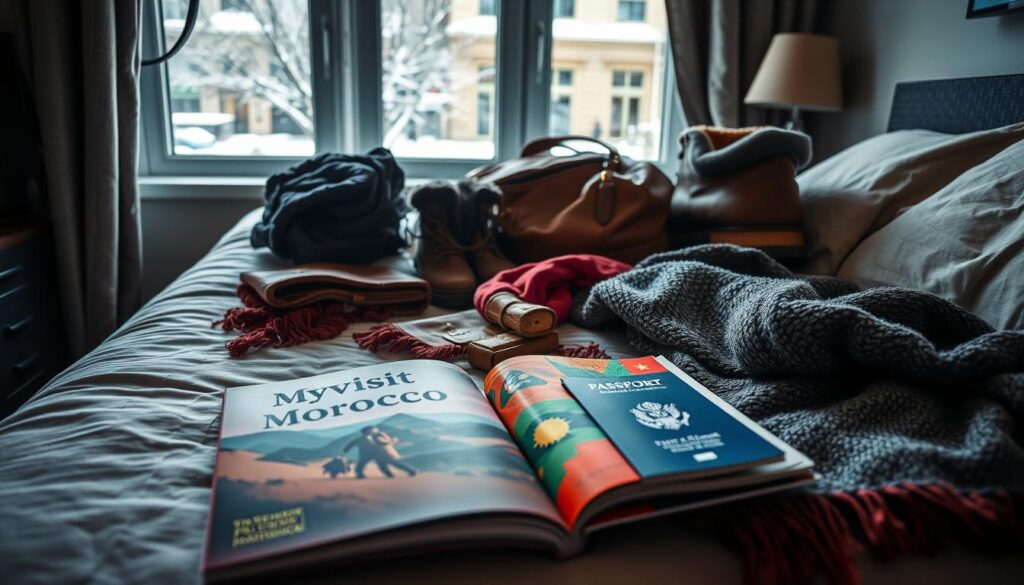
When you travel to Morocco in January, remember to pack layers. This is because the weather can change a lot and it might rain. Morocco’s weather changes a lot depending on where you are, so it’s important to be ready for anything.
Essential Clothing Items for Different Regions
In coastal areas like Casablanca and Rabat, you’ll need light jackets and trousers for the cooler mornings and evenings. For cities like Fez and Meknes, pack warmer clothes like fleeces and warm socks. If you’re going to the Atlas Mountains, bring insulated, waterproof jackets and warm hats. It can get very cold there, especially at night.
| Region | Recommended Clothing |
|---|---|
| Coastal Areas | Light jackets, trousers |
| Interior Cities | Fleeces, warm socks |
| Atlas Mountains | Insulated, waterproof jackets, warm hats |
Accessories and Additional Gear for Winter Travel
Remember to pack essential accessories like scarves, gloves, and waterproof bags to keep your stuff dry. Don’t forget sunglasses and sunscreen, as the winter sun can be strong, especially in the desert.
Layering Strategies for Variable Temperatures
Layering is crucial for Morocco’s changing winter weather. Begin with thermal clothing as your base layer. Then, add a mid-layer of fleece or wool for warmth. Finally, wear a waterproof outer layer. This way, you can easily adjust your clothes to stay comfortable, no matter the temperature.
Marrakech Weather in January
Thinking about visiting Marrakech in January? You’ll find the weather quite pleasant. It’s a great escape from colder places.
Temperature and Precipitation Specifics
In January, Marrakech’s temperatures are around 12°C to 18°C (54°F to 64°F). Days are nice, but nights can get chilly. So, don’t forget to pack layers. For the latest weather, check Morocco’s weather. January is also quite dry, with just 12 mm of rain.
Recommended Activities Based on Weather
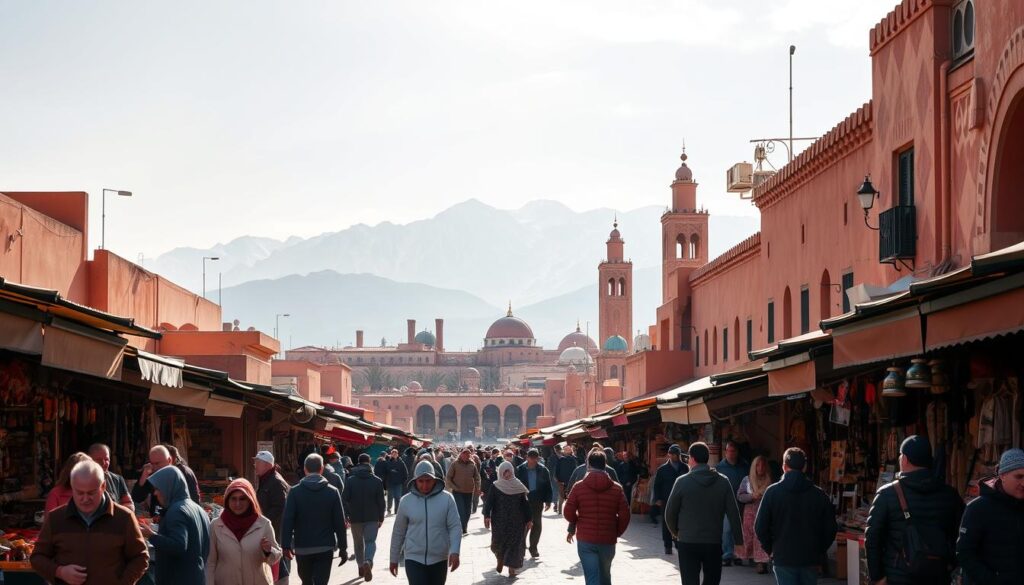
The weather in January is perfect for exploring Marrakech. You can walk the lively streets, see places like the Bahia Palace, and shop in the souks. Don’t miss the Majorelle Garden for a calm walk. For thrill-seekers, there are desert tours and the Atlas Mountains to explore.
Navigating the Medina in Winter Conditions
January’s mild weather makes Marrakech’s Medina easy to navigate. But, watch out for rain. Wear comfy shoes and bring a waterproof jacket. As you wander, you’ll find unique cultural experiences and maybe even a local festival.
“Marrakech is a city that never sleeps, and its vibrant atmosphere is palpable even in the winter months.”
January is a wonderful time to visit Marrakech. The weather is nice, and there are fewer tourists. With some planning, your trip will be memorable and fun.
Coastal Cities: January Climate in Casablanca and Essaouira
January in Morocco’s coastal areas, like Casablanca and Essaouira, is unique. The Atlantic Ocean’s impact makes these spots perfect for avoiding cold winters.

Ocean Influences on Temperature and Humidity
The ocean keeps temperatures steady in coastal cities. In Casablanca, January sees temperatures from 8°C to 17°C (46°F to 63°F). Essaouira is a bit cooler, with temperatures from 7°C to 16°C (45°F to 61°F). These areas also have higher humidity than inland cities.
Wind Patterns Along the Atlantic Coast
The Atlantic coast is very windy, especially in Essaouira, known as Morocco’s “wind capital”. January brings strong winds from the ocean. This makes Essaouira a favorite for windsurfers and kitesurfers in winter.
Beach Activities and Possibilities in Winter
Though it’s too chilly for swimming, coastal cities offer other fun activities. You can try surfing, windsurfing, or just enjoy beach walks. The calm winter scenes and lively markets make for a wonderful winter trip. For more on Morocco travel, check out weather2travel.com.
Mountain Weather: Atlas Mountains in January
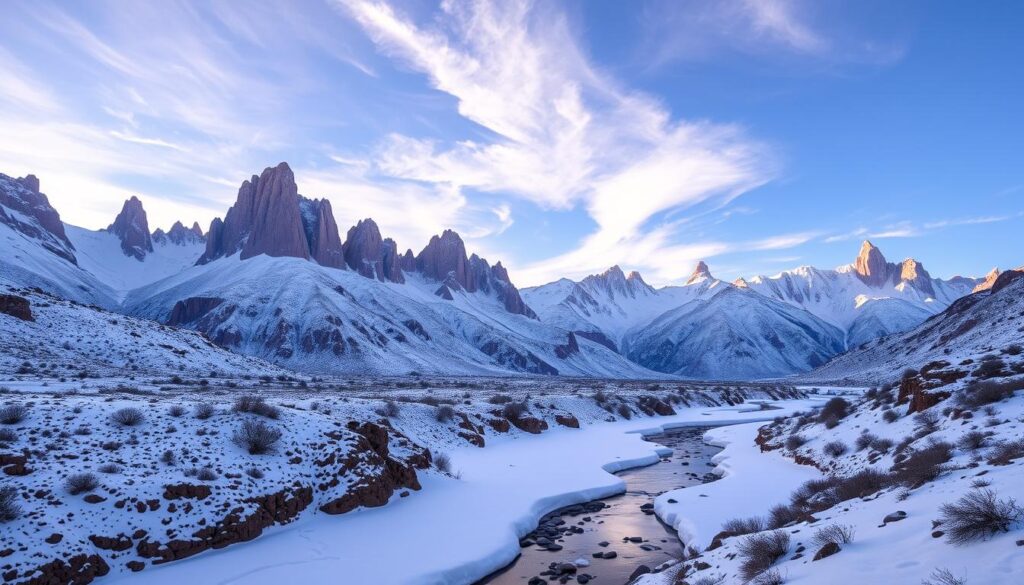
Planning a trip to Morocco in January? Knowing the weather in the Atlas Mountains is key. The mountains are covered in snow and the air is crisp. It’s perfect for some travelers.
Snow Conditions and Winter Sports Opportunities
In January, the Atlas Mountains get a lot of snow. This makes them great for skiing and snowboarding. Oukaimden, Morocco’s highest ski resort, is a top spot.
- Snowboarding and skiing opportunities
- Scenic winter landscapes
- Guided snowshoeing tours
Mountain Passes and Accessibility Concerns
The snow in the Atlas Mountains is beautiful but can make some areas hard to reach. Some mountain passes might be closed. Always check the weather before you go.
Key Considerations:
- Check weather forecasts regularly
- Plan your itinerary with flexibility
- Consider hiring a local guide for navigating snowy conditions
Overnight Temperatures and Accommodation Options
Nights in the Atlas Mountains can get very cold. It’s important to wear warm clothes. Also, choose places to stay that have heating.
Here are some good choices:
- Mountain lodges with fireplace
- Hotels with heating facilities
- Campsites with warm amenities
January Tourist Season in Morocco
Planning a trip to Morocco in January? It’s key to know the tourist season. Morocco has a mild winter, making January a great time to visit. You’ll enjoy comfortable temperatures and fewer crowds than in summer.
Crowd Levels and Availability at Major Attractions
January is the low season for tourism in Morocco. This means you’ll find fewer people at top spots. Places like the Bahia Palace in Marrakech and the ancient city of Volubilis are less busy.
These sites offer a calm and enjoyable visit. You can explore without the usual summer rush.
Enjoy the peaceful vibe to fully appreciate these historic and cultural gems.
Price Variations for Accommodations and Tours
January is a prime time for finding deals on places to stay and tours. Hotels and riads often offer discounts to attract visitors. You can also get better prices for tours, like desert trips or mountain hikes.
Make sure to compare prices and look for packages that include both accommodations and activities.
January is a great time to visit Morocco. You’ll enjoy nice weather, fewer crowds, and lower prices.
Indoor Activities for Cold or Rainy January Days
Discover the warmth of Morocco’s indoor culture during the chilly January days. When the weather outside is cold or rainy, you can still have a rich and fulfilling experience exploring Morocco’s indoor attractions.
Museums and Cultural Experiences
Morocco is home to numerous museums that showcase its rich history and culture. You can visit the Bahia Palace in Marrakech, a masterpiece of Islamic craftsmanship. Or explore the Museum of Moroccan Judaism in Casablanca to learn about the Jewish heritage in Morocco. These cultural experiences provide a warm respite from the cold and offer insights into Morocco’s diverse history.
Shopping and Culinary Experiences in Winter
January is a great time to indulge in Morocco’s culinary delights and shopping. You can warm up with a visit to a traditional hammam or enjoy local cuisine at one of the many cozy restaurants. Shopping for handicrafts, such as carpets, pottery, or jewelry, is another excellent indoor activity. Explore the souks and medinas to find unique souvenirs and experience the local culture.
Hammams and Spas: Perfect for Cold Weather
One of the best ways to warm up on a cold January day is by visiting a traditional Moroccan hammam or spa. These establishments offer a range of services, from steam baths to massages, that are perfect for relaxing and rejuvenating. Many riads and hotels also offer spa services, making it easy to find a comfortable and warm retreat.
By exploring these indoor activities, you can enjoy a fulfilling and warm experience in Morocco, even on the coldest or rainiest January days.
Outdoor Adventures Suitable for January Weather
January in Morocco is perfect for outdoor fun. You can explore the desert or hike in the Atlas Mountains. The weather is mild, making it great for seeing the country’s beauty.
Desert Excursions in Winter
Winter is a great time to see the Sahara Desert. The weather is just right for desert safaris. You can go on camel treks and desert camping under the stars. Places like Merzouga or M’Hamid offer a real desert adventure.
Hiking and Nature Experiences with Fewer Crowds
January is perfect for hiking in Morocco. The weather is cool but not cold. This makes trekking in the Atlas Mountains ideal.
With fewer people around, you can enjoy nature more. You can see beautiful valleys, villages, and mountains without the summer heat.
Photography Opportunities in Winter Light
The winter light in Morocco is great for photos. The clear skies and soft sunlight make landscapes look amazing. From the desert dunes to the mountain ranges, there’s beauty everywhere.
| Activity | Location | Best Time |
|---|---|---|
| Desert Safari | Merzouga, M’Hamid | Early Morning, Late Afternoon |
| Hiking | Atlas Mountains | Morning, Late Afternoon |
| Photography | Various Locations | Early Morning, Golden Hour |
January in Morocco is perfect for outdoor lovers. You can go on desert adventures, hike, or take amazing photos. There’s something for everyone.
Health and Safety Considerations in Morocco’s Winter
When planning your trip to Morocco in January, remember to stay healthy and safe. The winter weather can be quite chilly, especially in the mornings and evenings. This can sometimes lead to health issues.
Staying Healthy in Changing Temperatures
To stay healthy, pack layers for your trip. This will help you adjust to the varying temperatures. Hypothermia can be a risk, especially in the mountainous regions, so it’s essential to stay warm. Also, the dry winter air can cause skin issues, so don’t forget to pack moisturizer.
It’s also important to stay hydrated by drinking plenty of water. Although it’s winter, the sun can still be strong, especially in the desert regions. So, sun protection is still necessary.
Road Conditions and Travel Safety in Mountainous Areas
When traveling to mountainous areas like the Atlas Mountains, be aware that road conditions can be challenging. Ensure your vehicle is suitable for winter conditions if you plan on driving.
| Region | Weather Conditions | Safety Precautions |
|---|---|---|
| Mountainous Areas | Snow, Ice | Use snow chains, drive slowly |
| Desert Regions | Cold Nights | Stay warm, hydrated |
| Coastal Areas | Rain, Wind | Carry umbrella, dress warmly |
By being aware of these factors and taking necessary precautions, you can have a safe and enjoyable trip to Morocco in January.
January Festivals and Events in Morocco
January is a great time to see Morocco’s rich culture through its many festivals and events. The weather might be cool, but the cultural scene is lively. You can enjoy cultural celebrations and festivities that show off the country’s traditions and hospitality.
Cultural Celebrations During Winter
Morocco has many cultural events in January, showing its diverse culture. The Marrakech International Film Festival is a big event, usually in December but sometimes in January. There are also local festivals and cultural fairs across the country, celebrating music, art, and traditions. These events are a great way to connect with the local culture and community.
How Weather Impacts Festivities and Attendance
The cool January weather makes outdoor festivities more enjoyable. But, in the mountains, colder weather and snow can make some events hard to reach. Always check the weather forecast before going to outdoor festivals, especially in the Atlas Mountains or high areas.
Climate Change and Its Impact on Morocco’s January Weather
Morocco’s January weather is changing due to global climate change. This means the usual winter weather patterns are shifting. It’s important for anyone planning a winter trip to Morocco to know about these changes.
Recent Weather Trends and Anomalies
Recent years have seen big changes in Morocco’s January weather. Warmer temperatures have been recorded in many parts of the country. A report says, “The average temperature in Morocco has risen by 1.5°C over the past few decades, with January being one of the months most affected.”
“Climate change is not just about rising temperatures; it’s also about changing precipitation patterns and increased frequency of extreme weather events.”
Some regions in Morocco have seen bigger changes than others. The table below shows the average temperature changes in different parts of Morocco during January over the past decade.
| Region | Average Temperature Change (°C) |
|---|---|
| Marrakech | +1.2 |
| Casablanca | +0.9 |
| Atlas Mountains | +1.5 |
What to Expect in Coming Years for Winter Travel
As climate change keeps affecting Morocco, travelers can expect more variable weather in January. Some years might be warmer, while others might be colder or rainier. It’s key for travelers to keep up with the latest weather forecasts and be ready for any surprises.
Preparing for your trip means more than just packing right. It also means staying updated on local weather. Tour operators and local guides can share important insights on how climate change is changing specific areas and activities.
In conclusion, Morocco’s January weather is getting more unpredictable because of climate change. By understanding these changes and preparing well, travelers can enjoy their winter trip to Morocco.
Conclusion: Is January a Good Time to Visit Morocco?
January can be a great time to visit Morocco, depending on what you’re looking for. The weather is mild along the coast, perfect for exploring cities like Casablanca and Essaouira. If you want to see the desert, January is good because the weather is not too hot.
The Atlas Mountains are great for skiing and snowboarding in January. But, some mountain passes might be closed because of snow. So, it’s important to plan your trip well.
January is also a good time if you’re on a budget. It’s the low season, so there are fewer tourists. This means you might find cheaper places to stay and tour prices could be lower.
When you plan your trip to Morocco in January, remember to pack for the weather. It can get cold at night, even if it’s warm during the day. January is a good time to see Morocco’s beauty without the crowds of the busy season.



 Covers cities, coast, mountains, desert & food