

Planning a trip to Morocco in winter? Knowing the February weather is key. Morocco’s weather changes a lot, from cool and wet in the north to warm and dry in the south. This makes it a fascinating place to visit, even in winter.
In the south, you’ll find mild temperatures. But the Atlas Mountains might even get snow. So, pack smart. Bring layers for the cooler mornings and evenings. And don’t forget comfy clothes for the warmer afternoons.
Key Takeaways
- Morocco’s weather varies significantly across regions in February.
- Pack layers for your trip to accommodate different climates.
- The Atlas Mountains can be cool to cold, with potential snowfall.
- Southern regions enjoy milder winter conditions.
- Comfortable clothing is essential for exploring Morocco.
Morocco’s February Climate Overview
February in Morocco is a time of change, with weather shifting across the country. Knowing this helps you pack and plan your trip better.
General Weather Patterns
In February, Morocco is moving from winter to spring. The weather starts to warm up, but mornings and evenings can still be chilly.
Transitional Winter-to-Spring Conditions
February’s weather in Morocco is hard to predict. You’ll see sunny days and cooler times, so be ready for anything.
Day-to-Night Temperature Fluctuations
February in Morocco means big changes in temperature from day to night. Days are mild, but nights can get cold, so wear warm clothes.
Regional Weather Variations
Morocco’s different landscapes mean weather changes a lot from place to place. Knowing these differences helps you enjoy your trip more.
Coastal vs. Inland Climate Differences
The coast, like Essaouira and Casablanca, is milder than inland areas. Marrakech and Fez, however, see bigger temperature swings.
Mountain and Desert Weather Contrasts
The mountains, like the Atlas, can be cold and even snowy in February. Deserts, like Merzouga, are cool at night but warm during the day.

Understanding Morocco’s weather in February helps you prepare for a better trip. It makes your visit more enjoyable and stress-free.
Morocco in February Weather: What to Expect
Traveling to Morocco in February offers a mix of winter weather. Knowing what to expect helps you pack right and enjoy your trip.
Temperature Ranges Across Regions
Morocco’s February temperatures vary by region. This info is crucial for packing and enjoying your visit.
Average Daytime Temperatures
Daytime temperatures are pleasant, especially in the south. For example, Marrakech sees highs around 18°C (64°F), perfect for city explorations.
Nighttime Temperature Drops
Nighttime brings cooler temperatures. Desert areas can drop to 5°C (41°F) or lower. So, don’t forget warm clothes for evenings.
Rainfall and Precipitation Patterns
February is still winter in Morocco, with some rain. Knowing rainy areas helps plan your trip.
Rainy Regions in February
The north and coast get more rain in February. Cities like Tangier and Rabat might be wet. Bring waterproof gear.
Possibility of Snow in Mountain Areas
The Atlas Mountains might see snow in February. Places like Oukaimeden are great for winter sports. Be ready for cold.
Sunshine Hours and Daylight
February still offers plenty of sunshine, about 7 hours a day. It’s ideal for outdoor fun.
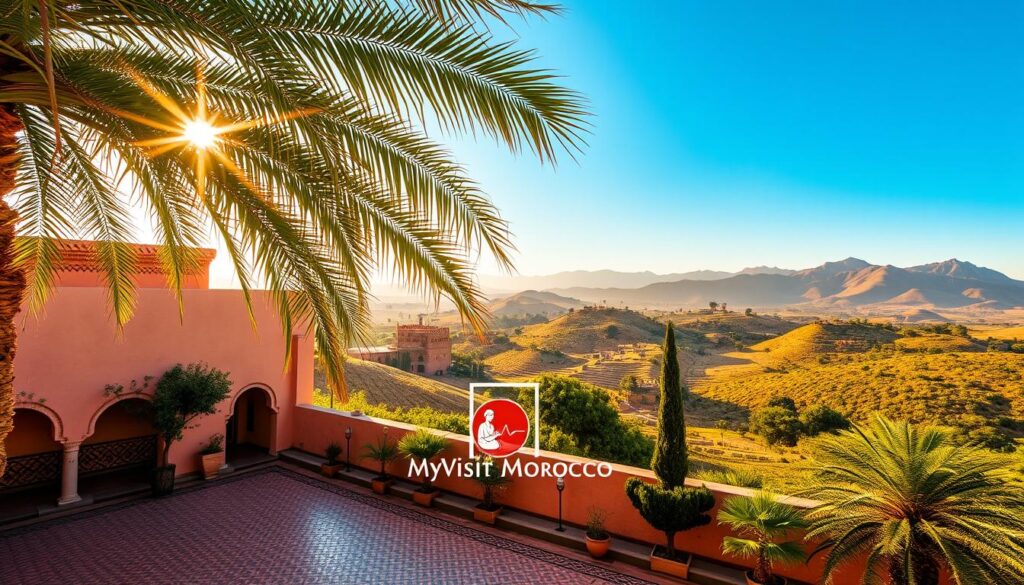
February is a great time to visit Morocco for milder weather and fewer crowds. With the right planning, your February Morocco vacation will be memorable, exploring diverse climates and landscapes.
Weather by Region: Where to Go in February
Morocco’s weather changes a lot from one place to another in February. This lets travelers pick the best spots based on what they like. They can choose based on temperature, sunshine, and more.
Coastal Areas: Casablanca, Rabat, Essaouira
The coastal areas of Morocco, like Casablanca, Rabat, and Essaouira, have mild winters. In February, these places are cool and sunny.
Atlantic Coast Weather Conditions
The Atlantic coast, home to Casablanca and Rabat, is cooler and windier. Temperatures are between 45°F and 65°F (7°C to 18°C). It’s perfect for exploring without the summer heat.
Mediterranean Coast Climate
The Mediterranean coast is a bit warmer than the Atlantic. But, it can still be chilly, especially in the mornings and evenings.
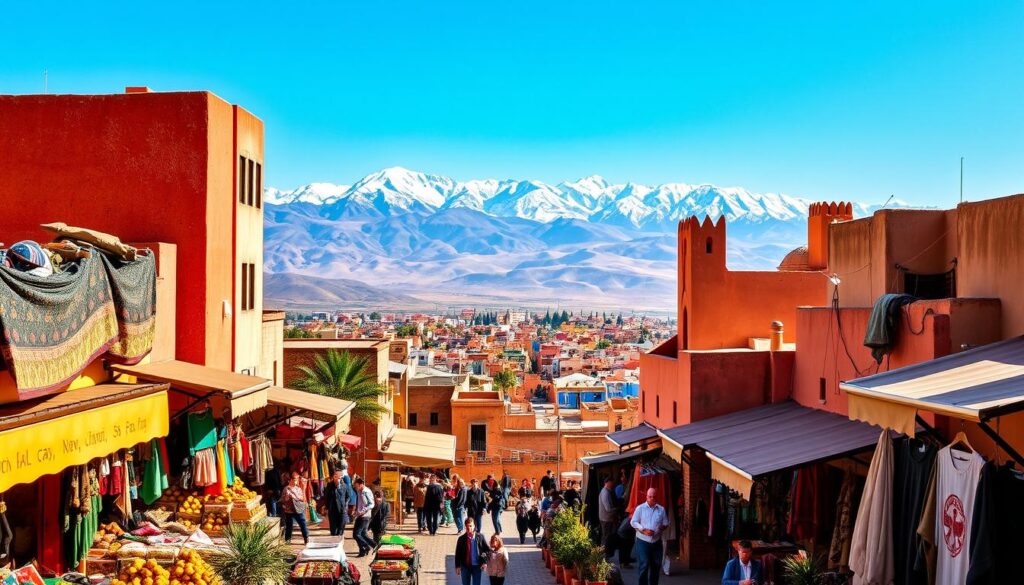
Northern Morocco: Tangier, Chefchaouen
Northern Morocco, with Tangier and Chefchaouen, has a unique climate. It’s influenced by the Rif Mountains.
Rif Mountains Weather Influence
The Rif Mountains create a rain shadow effect. This leads to different amounts of rain in the area. Some places are very green.
Rainfall Expectations
February is still rainy in Northern Morocco. Tangier and Chefchaouen get a lot of rain. Visitors should be ready for sudden heavy showers.
Central Morocco: Fez, Meknes
Central Morocco, with Fez and Meknes, has a cold winter climate. It’s more like the continental climate.
Middle Atlas Climate Effects
The Middle Atlas mountains make Central Morocco colder. They bring snow and colder temperatures.
Temperature Variations
Fez and Meknes have big temperature swings. It can be freezing at night and mild during the day. Visitors should bring layers.
Southern Morocco: Marrakech, Ouarzazate
Southern Morocco, including Marrakech and Ouarzazate, is warmer. This is because of its desert climate.
Desert-Influenced Climate
The desert climate means clear skies and lots of sunshine. It’s great for those who want warmer weather in February.
High Atlas Mountain Weather
The High Atlas Mountains around Marrakech can still have snow in February. It’s a good time for winter sports.
For more details on traveling to Morocco in February, check out KimKim’s guide.
What to Pack for Morocco in February
February in Morocco has a mix of weather. It’s important to pack layers and the right accessories. The climate varies across different regions.
Essential Clothing Items
Choosing the right clothes is key for a comfortable trip to Morocco in February. You’ll need:
- Lightweight jackets for cooler mornings and evenings
- Thermal layers for colder mountainous regions
- Comfortable walking shoes or boots
- Versatile clothing that can be layered for different conditions
Layering Strategies for Variable Weather
Layering is crucial for Morocco’s changing February weather. Start with a base layer, add a sweater or fleece, and end with a waterproof jacket. This lets you adjust your clothes as needed.
Region-Specific Clothing Recommendations
Different areas in Morocco have unique February weather. For the coastal areas, pack for milder temperatures. For the Atlas Mountains, bring warmer clothes for the cold.
Weather-Appropriate Accessories
Accessories are important for comfort during your trip. Pack:
- Rain protection essentials like umbrellas or raincoats
- Sun protection necessities including sunscreen, hats, and sunglasses
Rain Protection Essentials
February can bring rain in Morocco. Be ready with waterproof gear to stay dry.
Sun Protection Necessities
Even in February, the sun can be strong, especially in the desert. Use SPF 30 or higher sunscreen, a hat, and sunglasses to protect yourself.

Electronics and Travel Gadgets
Don’t forget to pack the right electronics and travel gadgets. These include:
| Device | Purpose |
|---|---|
| Portable charger | Keep your devices charged on the go |
| Universal power adapter | For charging your devices in Moroccan outlets |
| Waterproof phone case | Protect your phone from rain or dust |
Weather-Related Tech Recommendations
Think about gadgets that help you deal with Morocco’s weather. A weather app or a portable Wi-Fi hotspot for weather updates is useful.
Power and Connectivity Solutions
Make sure you have the right power banks and adapters. They’ll keep your devices charged during your trip.
Best Places to Visit in Morocco During February
Morocco in February is perfect for exploring its beauty without the crowds. The weather is just right, making it a great time to see its hidden spots.
Cities That Shine in Winter
February is a great time to visit Morocco’s cities. They offer a mix of culture and nice weather.
Marrakech’s Pleasant February Climate
Marrakech is lovely in February, with highs around 22°C (72°F). It’s perfect for walking through souks, seeing historic sites, and trying local food.
Coastal Cities with Mild Temperatures
Cities like Casablanca and Rabat have mild weather in February. Temperatures range from 12°C to 18°C (54°F to 64°F). It’s great for walks by the sea or visiting historical places without the summer heat.
Natural Attractions at Their Best
February is a great time to see Morocco’s natural beauty. From deserts to mountains, there’s a lot to explore.
Desert Experiences in Comfortable Weather
The desert, like Merzouga and Zagora, is perfect for adventures in February. Enjoy camel rides and camping under the stars in comfortable weather.
Mountain Scenery with Possible Snow
The Atlas Mountains are beautiful in February. Some areas might have snow, making it perfect for hiking and trekking.
Off-the-Beaten-Path Destinations
For those who want to explore off the beaten path, Morocco has many hidden gems in February.
Small Towns with Fewer Tourists
Towns like Chefchaouen and Tafraoute are less crowded. They offer a true Moroccan experience with their blue buildings and granite valleys.
Natural Parks and Reserves
Morocco’s natural parks, such as Souss-Massa National Park, are great for birdwatching. They let you see the country’s diverse wildlife.
| Destination | Average Temperature (°C) | Activities |
|---|---|---|
| Marrakech | 18-22 | Explore souks, visit landmarks, enjoy cuisine |
| Casablanca | 12-18 | Stroll along the coast, visit historical sites |
| Merzouga | 10-20 | Desert adventures, camel rides, camping |
| Chefchaouen | 8-18 | Explore blue-painted town, hike in surrounding mountains |
February Activities and Experiences in Morocco
Morocco in February is a mix of culture, outdoor fun, and tasty food. The winter is still here, but the weather is mild. You can enjoy many activities that show off Morocco’s best.
Indoor Cultural Experiences
Explore Morocco’s rich culture indoors. Highlights include:
- Visiting historic palaces and museums to learn about the country’s history and art.
- Experiencing traditional Moroccan architecture and craftsmanship.
Museum and Palace Visits
Morocco has many museums and palaces to see. Check out the Bahia Palace in Marrakech, known for its Islamic craftsmanship. Or visit the Museum of Moroccan Arts in Rabat.
Traditional Hammam Experiences
Don’t miss a traditional hammam visit. These steam baths are relaxing and rejuvenating. They’re perfect for unwinding and enjoying local spa treatments.
Outdoor Adventures Suited for February Weather
February’s weather is great for outdoor fun in Morocco. Some activities include:
- Exploring the Sahara Desert on a guided excursion.
- Enjoying coastal activities and beach relaxation.
Desert Excursions in Mild Temperatures
The Sahara Desert is perfect for adventure in February. The weather is mild, making it great for desert excursions. You can ride a camel, go dune bashing, or enjoy the desert’s beauty.
Coastal Activities and Beach Options
Morocco’s coast has lots to do, from surfing to beach relaxation. Visit Essaouira or Agadir for a coastal vibe.
Food and Culinary Experiences
Moroccan food is rich and hearty, perfect for winter. Enjoy experiences like:
- Trying seasonal winter dishes like harira and tagine.
- Savoring hot beverages and comfort foods.
Seasonal Winter Dishes
February is great for Morocco’s winter dishes. Try a traditional tagine or harira, a soup with lentils, chickpeas, and tomatoes.
Hot Beverages and Comfort Foods
Warm up with Moroccan tea or hot chocolate in winter. Enjoy them with pastries or sweet breads for a cozy time.

Festivals and Events in Morocco in February
Morocco’s February calendar is packed with festivals. You can enjoy cultural celebrations, music, and sports. It’s a great time to see Morocco’s vibrant spirit.
Traditional Celebrations
February is filled with traditional celebrations in Morocco. These events are deeply rooted in the country’s culture and history.
Regional Winter Festivals
Some areas in Morocco have winter festivals. For example, the Marrakech International Film Festival sometimes goes into February. But, the High Atlas mountains have festivals celebrating local traditions.
Religious Observances
February might see important religious events in Morocco. These events are key to the country’s culture. For more on Morocco’s festivals, check out this guide.
Modern Events and Festivals
Morocco also has modern events in February. These events cater to different interests.
Music and Arts Events
February is perfect for music and arts in Morocco. Rabat and Casablanca host concerts and exhibitions. You’ll find traditional Gnawa music and contemporary art.
Sports Competitions
Sports fans have a lot to look forward to in February. Morocco might host international football friendlies. There are also local racing events and marathons.
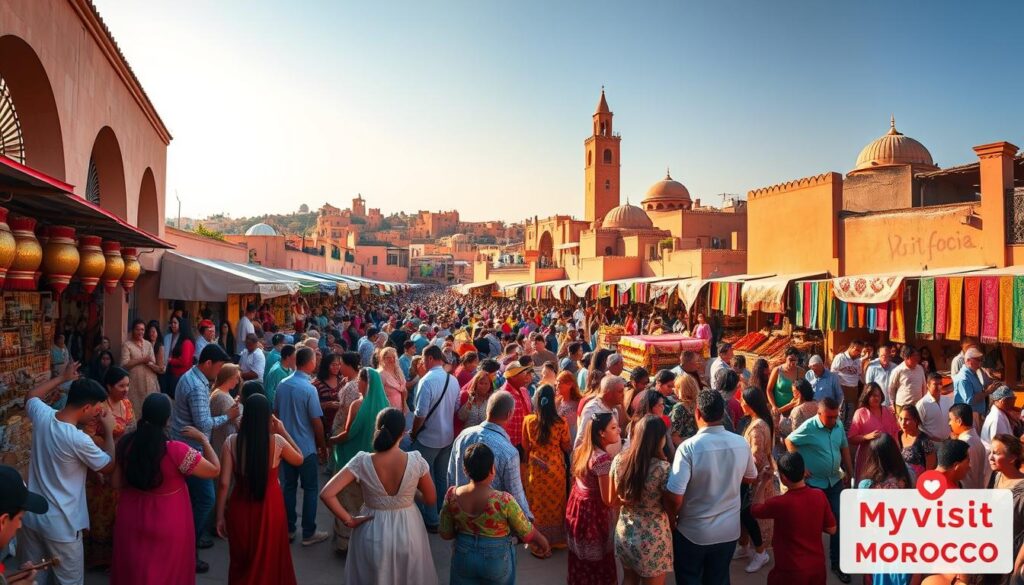
Plan your trip to catch these festivals and events. You’ll see Morocco’s culture, music, and sports at their best in February.
Accommodation Tips for February Morocco Vacation
Choosing the right place to stay is key for a great trip to Morocco in February. You can find everything from cozy riads to modern hotels and resorts.
Riads and Traditional Stays with Heating
Riads offer a true Moroccan feel. Many have heaters for the cold winter months. Make sure the riad you pick has good heating.
Coastal Accommodation Options
Casablanca and Essaouira by the coast have many places to stay. Look for riads and hotels with heating facilities for a warm stay.
Mountain and Desert Lodging
For mountain or desert trips, pick places with warmth. Some lodges have wood-burning stoves to keep you warm.
Hotels and Resorts
Morocco’s hotels and resorts have lots to offer. Look for all-inclusive winter packages or deals for the off-season.
All-Inclusive Winter Packages
All-inclusive packages can save money. They often include meals and activities.
City Hotel Recommendations
In Marrakech and Fez, you’ll find many hotels. Choose ones with good reviews and heated pools or spas.
Booking Considerations for Winter Season
Book early for the best deals in winter. Morocco’s shoulder season means lower prices.
Availability and Pricing Trends
Prices change with the season and location. February is usually cheaper than summer.
Heating and Comfort Features to Look For
Make sure your place has good heating. Look for electric heaters, hot water, and comfy bedding.

Transportation in Morocco During February
Planning your trip to Morocco in February? Knowing your transport options is key for a smooth trip. Morocco’s varied geography and February weather mean picking the right transport is crucial.
Getting Around Cities
Morocco’s cities are easy to get around. You can use public transportation like buses and trams. They’re affordable and get you where you need to go.
Public Transportation Options
In cities like Marrakech, Rabat, and Casablanca, public transport is well-organized. Buses cover most areas, and trams are a great way to travel.
Taxis and Ride Services
Taxis are easy to find on the street. In bigger cities, ride-hailing apps offer a comfy option.
Intercity Travel Options
Traveling between cities has several good options. You can take the train for comfort and speed, or the bus for a budget-friendly choice.
Trains and Buses in Winter Conditions
Trains are reliable, even in winter. Bus services are also strong, with many companies using modern vehicles.
Car Rental Considerations
Renting a car offers flexibility. But, driving in the mountains can be tough, especially in winter.
Weather-Related Transportation Challenges
February weather in Morocco can sometimes cause transport issues, especially in the mountains.
Mountain Road Conditions
Atlas Mountains roads can be slippery or closed due to snow. Always check the weather and road conditions before traveling.
Potential Delays and Cancellations
Be ready for possible delays or cancellations of bus or train services due to weather. Always check the latest updates before your trip.
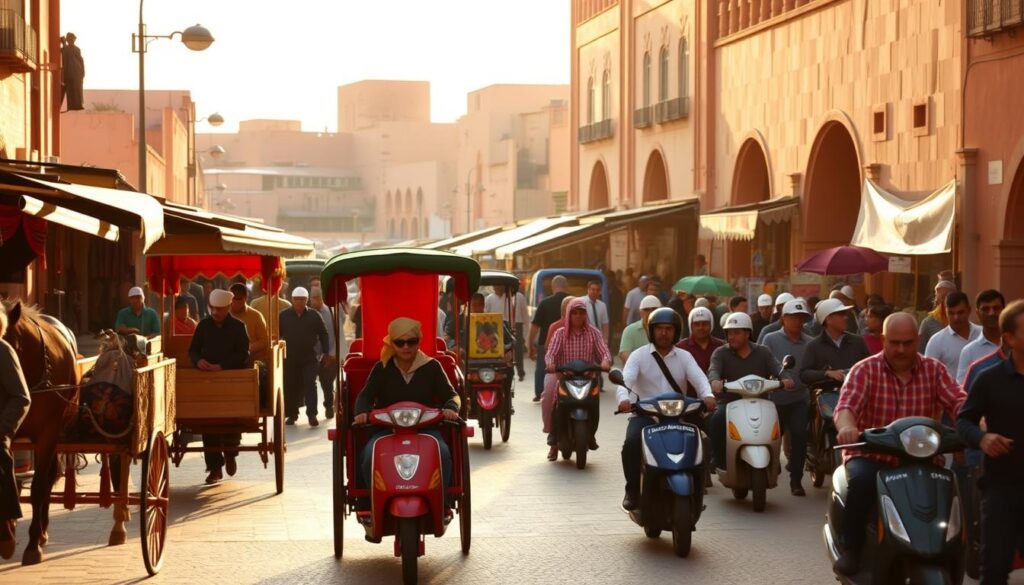
Morocco Temperature in February: Region by Region Guide
Morocco’s geography is diverse, leading to different temperatures in February. Knowing these differences is crucial for a comfortable trip.
Northern Morocco Temperatures
Northern Morocco has a milder climate than the rest of the country. This includes both coastal and inland areas.
Coastal North
The coastal areas, like Tangier, have mild weather. Temperatures range from 45°F to 65°F (7°C to 18°C), perfect for exploring.
Inland Northern Regions
Inland places, such as Chefchaouen, are cooler. Temperatures are between 40°F to 60°F (4°C to 15°C). You’ll need warmer clothes, especially at night.
Central Morocco Temperatures
Central Morocco, including big cities and rural areas, has its own February temperature.
Major Cities Temperature Ranges
Cities like Fez and Meknes have temperatures from 45°F to 65°F (7°C to 18°C). They’re great for walking around.
Rural Areas and Variations
Rural spots can be cooler, with nights sometimes around 35°F (2°C). It’s smart to bring layers.
Southern Morocco Temperatures
Southern Morocco, with its desert, has a unique February temperature.
Desert Day and Night Contrasts
Places like Merzouga see big temperature changes. Days can hit 75°F (24°C), while nights drop to 40°F (4°C).
Oasis Towns and Valleys
Oasis towns, like those in the Draa Valley, have milder temperatures. They range from 50°F to 70°F (10°C to 21°C), making them nice to visit.
| Region | Daytime Temperature | Nighttime Temperature |
|---|---|---|
| Northern Morocco (Coastal) | 65°F (18°C) | 45°F (7°C) |
| Central Morocco (Cities) | 65°F (18°C) | 45°F (7°C) |
| Southern Morocco (Desert) | 75°F (24°C) | 40°F (4°C) |

Knowing the temperature differences in Morocco will help you pack right. This ensures you’re comfortable wherever you go in February.
Health and Safety Tips for Winter Travel in Morocco
Planning your trip to Morocco in February? Keep these health and safety tips in mind. Morocco’s winter can be chilly, especially in the mornings and evenings. It’s important to be ready.
Weather-Related Health Considerations
Morocco’s winter weather changes by region. Knowing the health risks can improve your trip. Pack layers to stay warm, as indoor heat might not be enough.
Staying Warm and Dry
For warmth, pack thermal clothes like tops and leggings. Riads and traditional stays have heating, but warm clothes are still a good idea. “The key to staying warm is layering”, so you can adjust your clothes as needed.
Sun Protection Despite Cool Weather
The sun’s rays can still be strong, even in cool weather. Don’t forget sunscreen with high SPF. Apply it often, as “sun protection is crucial, regardless of the temperature”.
Safety Precautions for Travelers
Morocco is generally safe, but precautions are wise. For more safety tips, check out this resource.
Urban Safety Tips
In cities like Marrakech and Fez, watch your belongings in crowded places. Use a money belt and keep valuables safe to avoid theft.
Rural and Remote Area Considerations
Exploring rural areas? Be careful of uneven paths and terrain. Wear comfy shoes and stick to marked trails to avoid accidents.
Emergency Information and Resources
Know where to find medical help and have important numbers ready. This is crucial in case of an emergency.
Medical Facilities and Services
Major cities like Marrakech have good hospitals. For example, Marrakech has the Ibn Tofail Hospital.
Important Contact Information
Keep a list of important contacts, like your embassy and local emergency services. Morocco’s emergency number is 112, like in many European countries.
Conclusion: Is February the Best Time to Visit Morocco?
Thinking about traveling? Morocco in February is a great choice for a winter trip. The weather is mild, ranging from 50°F to 70°F (10°C to 21°C). This makes it comfortable, especially in places like Marrakech and Ouarzazate.
February is perfect for diving into Morocco’s culture. You can visit indoor spots and historical sites. Plus, outdoor fun like hiking in the Atlas Mountains is enjoyable without the summer heat. The weather is calm, making it great for traveling and outdoor activities.
February offers pleasant weather, cultural richness, and lots of activities. If you’re after a winter getaway with both relaxation and adventure, Morocco in February is a top pick. It’s a destination that should be on your travel list.




 Covers cities, coast, mountains, desert & food