

morocco climate february
Planning your trip to Morocco in February? Knowing the weather is key for a great trip. February is a good time to visit, with mild weather and fewer people around.
The weather in Morocco during February is nice, perfect for seeing the cities, history, and landscapes. To enjoy your trip fully, get ready for the local climate conditions.
Key Takeaways
- Check the weather forecast before your trip to Morocco.
- Pack layers for your journey, as temperatures can fluctuate.
- Plan your itinerary according to the weather conditions.
- Explore Morocco’s cities and landscapes during the pleasant February weather.
- Make the most of your trip by being prepared for local climate conditions.
Understanding Morocco’s Climate in February
In February, Morocco’s weather varies a lot. You can find cool to mild temperatures across the country. Knowing the weather patterns is key to planning your trip.
General Weather Patterns
February is still winter in Morocco, but it’s milder than in Europe. Expect cooler mornings and evenings. The day gets warmer, perfect for exploring outdoors.
Temperature Ranges Across the Country
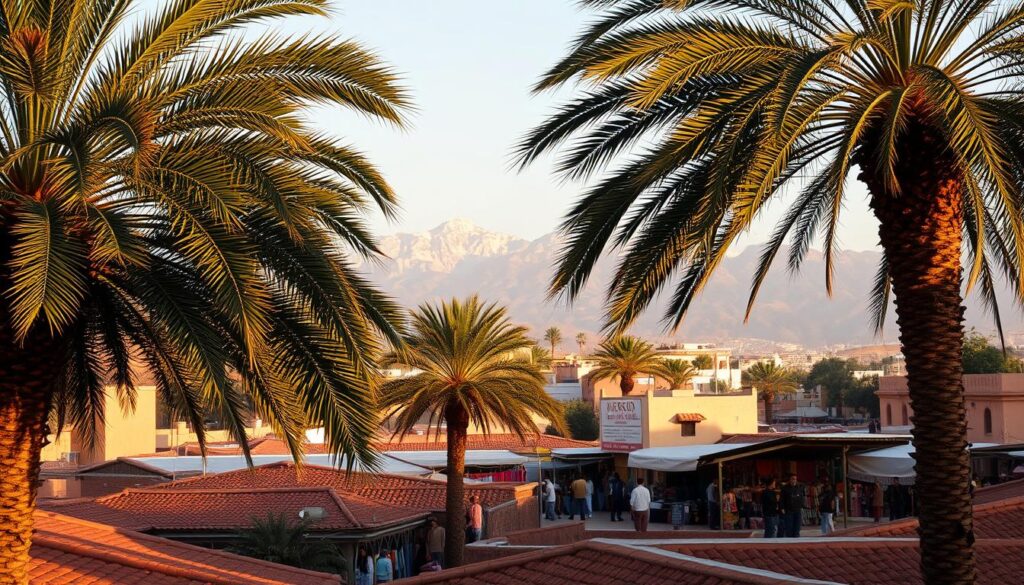
Temperatures in February change depending on where you are in Morocco. The average high is 17°C to 22°C (63°F to 72°F). Coastal areas are cooler, while inland cities have a bigger temperature swing. Marrakech, for example, gets warm during the day but cools down at night.
Precipitation and Humidity Levels
February can see some rain, especially in the north and mountains. But, it’s not too much rain, making it a good time to visit. Humidity is moderate, making travel comfortable. If you’re going to the Atlas Mountains or the Sahara Desert, be ready for cooler weather and rain.
Regional Climate Variations in Morocco During February
When planning your trip to Morocco in February, knowing the climate variations is key. Morocco’s varied landscapes, from coast to mountains and deserts, lead to different climates across the country.
Coastal Areas: Casablanca, Rabat, and Essaouira
Coastal areas in Morocco have milder winters. Places like Casablanca, Rabat, and Essaouira see temperatures between 12°C and 18°C (54°F to 64°F) in February. These spots are usually sunny, with some rain. The coastal breeze can make it feel cooler, especially at night.
Northern Morocco: Tangier and Chefchaouen
Northern Morocco, home to Tangier and Chefchaouen, has a Mediterranean climate. February brings temperatures from 10°C to 17°C (50°F to 63°F). It’s cool, especially in the mornings and evenings, but afternoons can be nice. February is also the wettest month here.
Interior Cities: Fez and Meknes
Fez and Meknes in the interior are quite cool in February. Temperatures range from 8°C to 15°C (46°F to 59°F). These cities have a continental climate, with cold nights and warmer days. Be ready for cooler evenings.
Southern Morocco: Marrakech and Ouarzazate
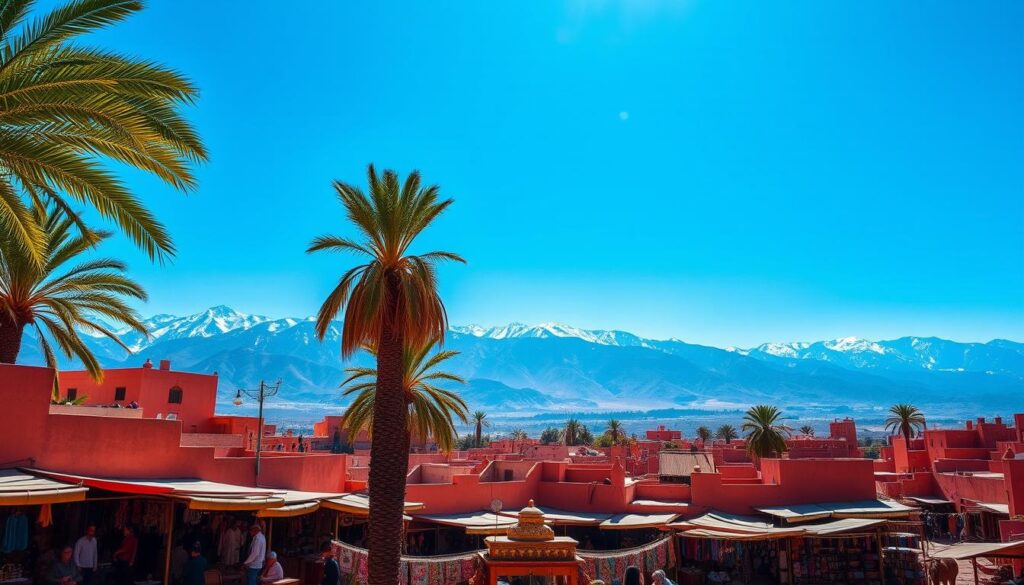
Southern cities like Marrakech and Ouarzazate have milder winters. February sees temperatures from 10°C to 22°C (50°F to 72°F). Days are warm and sunny, but nights can be cool. This area is drier than the north, with less rain in February.
Knowing the climate variations helps you pack right and plan your trip. Whether you’re by the coast, in the interior, or in the south, being prepared for the local weather will make your trip better.
Morocco Climate February: What to Expect in Different Landscapes
Planning your trip to Morocco in February? Knowing the climate in different areas is key. Morocco’s varied landscapes mean weather can change a lot from one place to another.
Atlas Mountains Weather Conditions
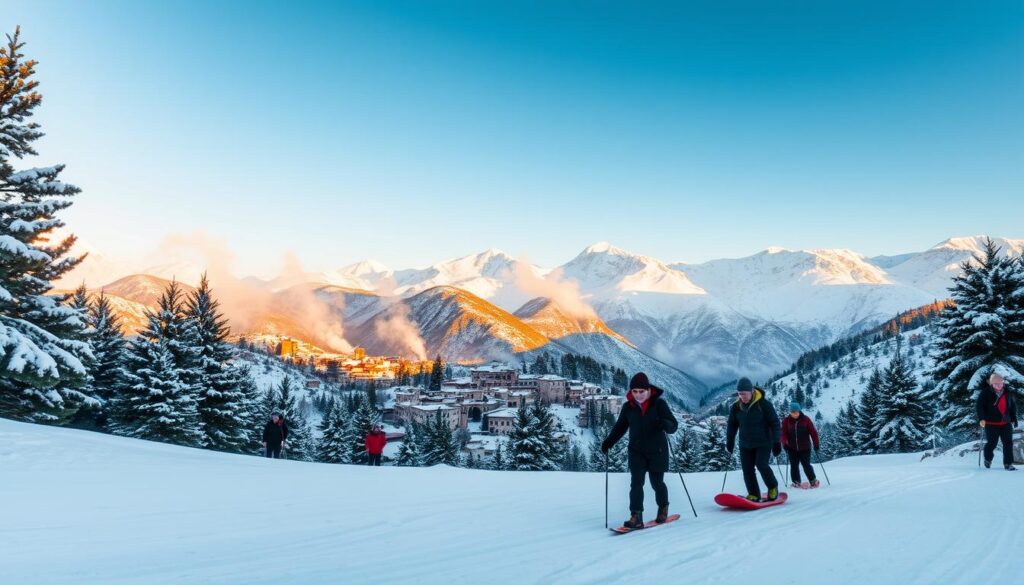
The Atlas Mountains in February are quite chilly. Snowfall is common, making it perfect for winter sports.
High Atlas vs. Middle Atlas Differences
The High Atlas is colder than the Middle Atlas, with more snow. If you’re visiting both, make sure to pack right.
Snow Possibilities and Road Access
Snow in the Atlas Mountains adds beauty but can block roads. Always check the weather forecast before traveling.
Sahara Desert Climate in February
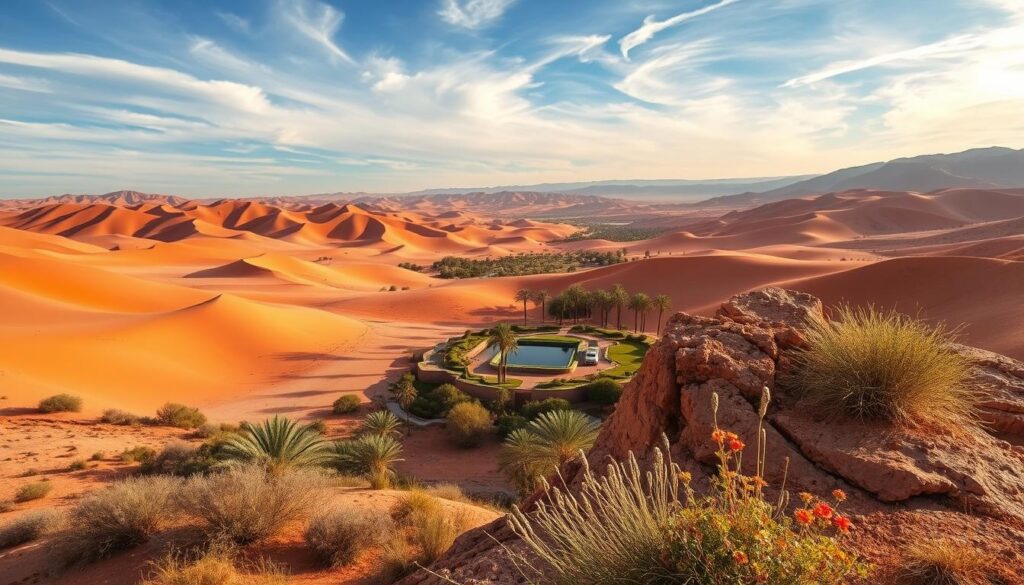
The Sahara Desert in February is cool, especially at night. Days are pleasant, but it gets cold after sunset.
Day and Night Temperature Fluctuations
Expect big temperature differences between day and night in the Sahara. Bring warm clothes for the chilly nights.
Wind Patterns and Sandstorm Risks
February can be windy in the Sahara, leading to sandstorms. Keep up with local weather news.
Mediterranean vs. Atlantic Coast Differences
Morocco’s coasts have different climates. The Mediterranean coast is milder, while the Atlantic coast is cooler and windier.
Knowing these differences helps you pack and plan your trip. Whether you’re off to the snowy Atlas Mountains or the cool Sahara Desert, being ready is essential for a great trip.
What to Pack for Morocco in February
When packing for Morocco in February, think about the different climates you’ll face. The country’s various regions have their own weather patterns. It’s key to pack clothes that can be layered and specific items for each area you’ll visit.
Essential Clothing Items
Start with clothes that can be layered for the cooler mornings and evenings. Thermal tops and leggings are a good choice. Don’t forget a waterproof jacket for rain. Also, pack comfortable shoes or boots for walking in medinas or hiking in the Atlas Mountains.
Weather-Appropriate Accessories
Accessories are crucial for your comfort. Bring warm scarves, gloves, and a hat for chilly moments, especially in the mountains. Sunglasses and sunscreen are also vital for sun protection, even on cooler days.
Special Considerations for Different Regions
Different parts of Morocco have unique needs. For the Atlas Mountains, you’ll need warm, waterproof gear.
Mountain Gear Requirements
include insulated, waterproof jackets and warm layers. For desert trips, while days are mild,
Desert Evening Necessities

Best Places to Visit in Morocco During February
February is a great time to see Morocco. The weather is mild, perfect for exploring cities and nature spots. You can enjoy culture, outdoor fun, and relaxation in beautiful places.
Cities with Ideal February Climate
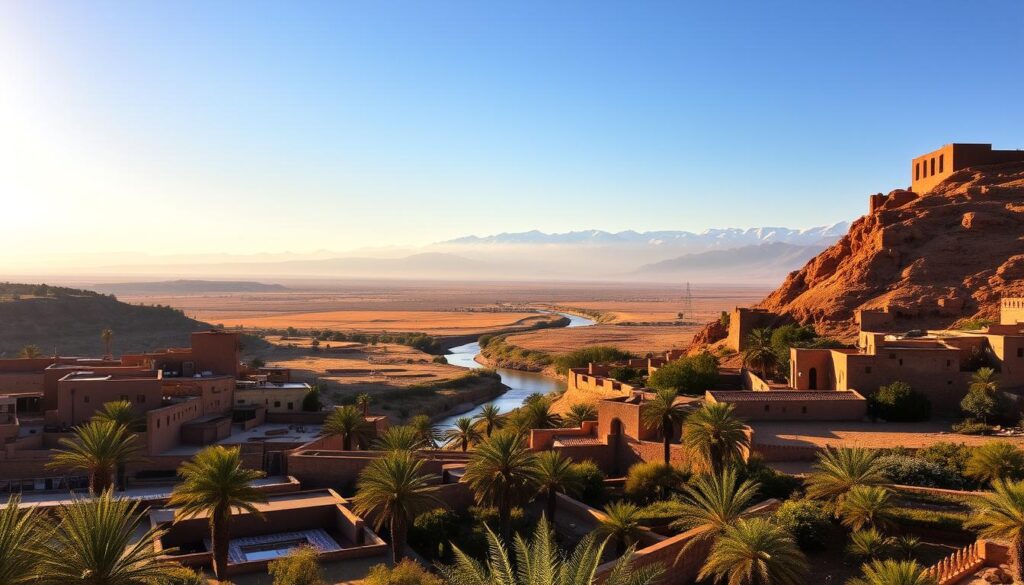
Marrakech and Essaouira have nice weather in February, with highs around 22°C (72°F). You can wander through souks, see historic sites, and taste local food without the summer heat. For more tips on visiting Morocco, see this guide.
Natural Attractions at Their Best
February is perfect for Morocco’s natural wonders, like the Sahara Desert and Atlas Mountains. The cooler weather is great for camel rides and hiking. You can also relax on Rabat and Casablanca’s beaches.
Places to Avoid in February
February is mostly good for visiting Morocco, but some places are cool and rainy. The Rif Mountains are too cold for some. Also, rural areas might get rain, so bring the right clothes.
In summary, February is a great time to see Morocco’s beauty and culture. By choosing the right places, you’ll have a wonderful trip and enjoy everything Morocco has to offer.
Outdoor Activities Suited for February Weather
February in Morocco is perfect for outdoor fun. The weather is mild, making it great for exploring. You can enjoy activities without the harsh weather of other seasons.
Desert Excursions and Camel Treks
February is ideal for desert trips in Morocco. The weather is mild, making camel rides through the Sahara Desert fun. You can see the vast dunes and watch the sunset in peace.
Hiking Opportunities in the Atlas Mountains
The Atlas Mountains are great for hiking in February. The cooler weather makes it easier to trek. You can see beautiful landscapes, visit Berber villages, and enjoy the area’s rich wildlife.
Coastal Activities and Water Sports
Morocco’s coast is lively in February. While the water is cold, you can still surf, windsurf, and more. Coastal towns like Taghazout are famous for their waves.
Surfing Conditions in February
February has good surfing in Morocco’s Atlantic coast. The waves are steady, perfect for all surfers.
Beach Activities and Limitations
Beaches in Morocco are stunning, but the weather limits some activities. Still, you can walk the shore, beachcomb, and take photos. The winter landscapes are breathtaking.
Cultural Festivals and Events in February
February is a great time to see Morocco’s culture through festivals and events. You can enjoy traditional celebrations, visit local markets, and shop for unique items. These experiences show the country’s vibrant culture.
Traditional Celebrations During Winter
In February, Morocco celebrates many traditional festivals. The Marrakech International Film Festival is one, but it’s usually in December. Still, many places have their own winter festivals tied to farming or religion.
For example, some Berber communities have the Imilchil Wedding Festival in September. But February is a good time to see local culture through smaller festivals.
Local Markets and Shopping Experiences
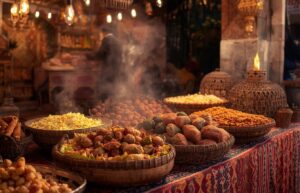
Visiting local markets, or souks, is a must in Morocco. In February, these markets are less busy. You can find unique items, local foods, and more.
Bargaining Tips During Low Season
Bargaining is key at local markets. In February, vendors might be more willing to negotiate. Start with a low offer and be ready to leave if the price isn’t good.
Artisan Workshops and Demonstrations
Local artisans offer workshops and demonstrations. You can learn about woodworking, pottery, and weaving. These experiences help you appreciate Moroccan craftsmanship and culture.
| Region | February Events | Shopping Highlights |
|---|---|---|
| Marrakech | Cultural festivals, potentially related to film or music | Carpets, textiles, spices |
| Fez | Local agricultural festivals | Traditional crafts, pottery |
| Essaouira | Music festivals, cultural events | Handicrafts, local jewelry |
By diving into Morocco’s February festivals and events, you learn about its rich heritage. You’ll have a more authentic travel experience.
Transportation Tips for February Travel
Planning your trip to Morocco in February? Knowing your transportation options and challenges is key. Traveling in winter means getting ready for a smooth and fun trip.
Road Conditions During Winter Months
In February, Morocco’s roads can change a lot, especially in the mountains. It’s important to know what you might face on the road.
Mountain Passes and Safety Concerns
Some mountain passes might be closed or need extra care because of snow and ice. Always check the weather and road conditions before you go.
Rental Car Recommendations
Thinking of renting a car? Choose one with four-wheel drive for mountain areas. Make sure the rental company knows your plans and can help you.
Public Transportation Reliability
Morocco’s public transport is usually reliable. There are many ways to get around for travelers.
Train Services Between Major Cities
Trains connect big cities like Marrakech, Fez, and Rabat. They’re comfy and fast for traveling between them.
Bus Options for Remote Areas
Buses are good for remote places, even if they take longer. Companies like CTM have many routes across the country.
| Transportation Mode | Reliability | Comfort Level |
|---|---|---|
| Train | High | High |
| Bus | Medium | Medium |
| Rental Car | High | High |
Accommodation Recommendations for February Visitors
Planning your Moroccan trip for February? It’s key to choose the right place to stay. Morocco’s weather changes a lot in February. So, picking the right lodging is important for a comfy trip.
Riads and Traditional Stays with Heating
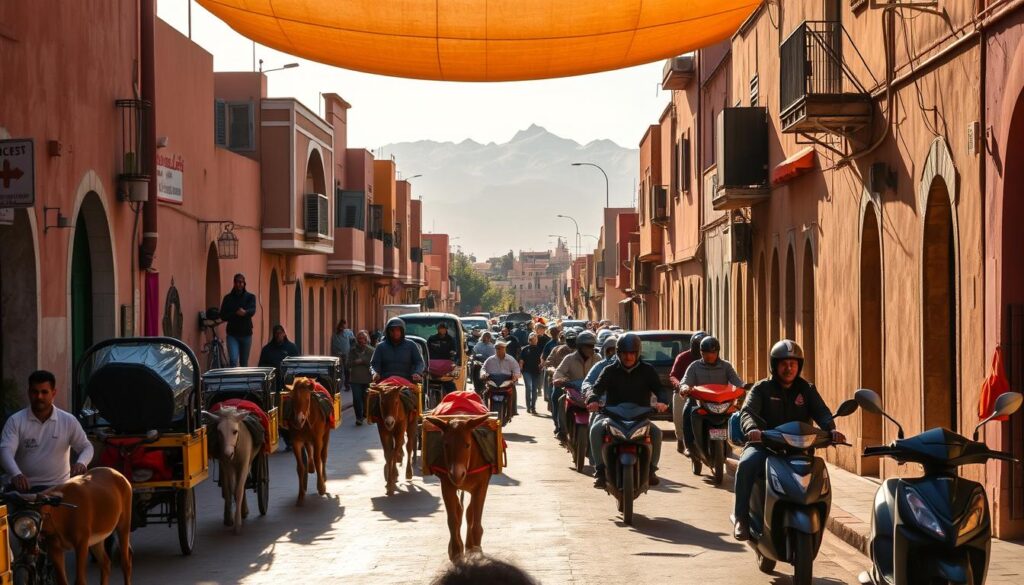
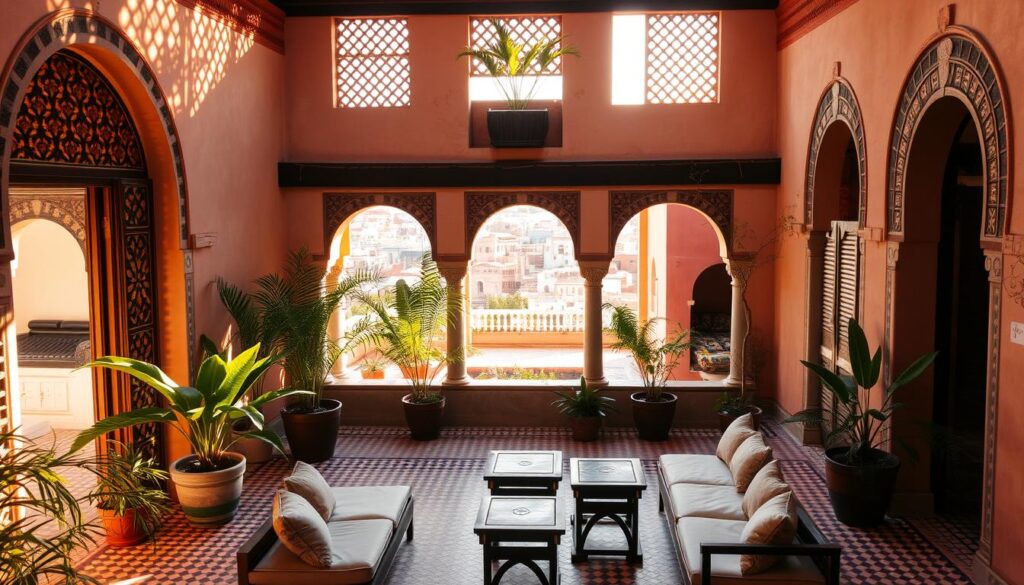
For cooler nights, think about riads or traditional Moroccan homes with heat. Many riads in Marrakech and Fez have cozy spots with modern heaters. This ensures a warm stay, even on chilly winter nights.
Coastal vs. Inland Lodging Options
Choosing between coastal and inland places depends on what you like. Coastal spots like Casablanca and Essaouira are milder. But, inland cities can be cooler. If you want it warmer, pick inland riads with heat.
Desert Camps in February: What to Expect
Desert camps are special in February. Nights can be chilly, but camps have heaters. You can enjoy the Sahara’s calm during the day and warm up by campfires at night.
| Accommodation Type | February Comfort Level | Heating Facilities |
|---|---|---|
| Riads | High | Yes |
| Desert Camps | Moderate | Yes |
| Coastal Hotels | Mild | Varies |
Health and Safety Considerations for Winter Travel
When planning your trip to Morocco in February, think about health and safety. Morocco’s weather changes a lot depending on where you are. Being ready is important for a safe and fun trip.
Common Health Concerns in February
Morocco’s winter is usually mild, but there are health issues to watch out for. The cooler weather can cause breathing problems. Also, going to high places can lead to altitude sickness.
Altitude Sickness in Mountain Regions
If you’re going to the Atlas Mountains or other high places, watch out for altitude sickness. Symptoms are headaches, nausea, and feeling tired. It’s best to go up slowly and drink lots of water.
Cold and Flu Prevention
February is still winter, and the cold can make you more likely to get sick. Washing your hands often and staying away from sick people can stop illness.
Emergency Services and Medical Facilities
Morocco has many medical places, from big hospitals in cities to small clinics in the countryside. Knowing where to find medical help is key. Cities like Marrakech and Rabat have good hospitals. Many doctors speak French, English, and Arabic.
In an emergency, having travel insurance that covers medical help is smart. Some places to stay might also have tips for local doctors.
Budget Planning for Morocco in February
Traveling to Morocco in February can be budget-friendly. Many discounts are available for those who plan ahead. With the low season, you can find great deals on places to stay and tours.
Low Season Advantages
Visiting Morocco in February has its perks. You can get better rates on places to stay. Many riads and hotels offer discounts to draw in guests.
Negotiating Accommodation Rates
Don’t be shy about negotiating room rates. Hotels often give discounts, especially for longer stays. For more budgeting tips, check out https://www.psimonmyway.com/morocco-travel-budget/.
Tour Package Discounts
Tour operators offer special deals in February. Keep an eye out for these to save on activities like desert trips or city tours.
Price Variations by Region
Prices differ across Morocco. Places like Marrakech are pricier than less visited spots. Knowing this helps you budget better.
Consider visiting less crowded areas to save money. “The best time to visit Morocco is during the shoulder season,” experts say. This way, you can enjoy Morocco without overspending.
Photography Tips for Morocco’s February Lighting
February in Morocco is a great time for photography. The winter light is soft, perfect for capturing the country’s beauty. You can take amazing photos of both the vibrant cities and stunning landscapes.
Capturing Desert and Mountain Landscapes
The desert in Morocco looks serene in February. The soft light makes the sand dunes look even more beautiful. The Atlas Mountains might have snow, adding a dramatic touch to the desert.
Urban Photography in Winter Light
The cities in Morocco are warm and inviting in winter. The soft light brings out the details and colors of the buildings. It’s a great time for urban photography.
Golden Hour Timing in February
The golden hour in Morocco happens right after sunrise and before sunset in February. This light is warm and soft, perfect for photos of landscapes and cities.
Weather Challenges and Solutions
The weather in February can be unpredictable, with rain and clouds. But, these conditions can also lead to interesting photos. Learning to adapt to the weather can help you capture unique images.
| Location | Best Time for Photography | Tips |
|---|---|---|
| Desert Landscapes | Early morning or late afternoon | Use a polarizing filter to reduce glare |
| Mountain Landscapes | After sunrise or before sunset | Capture the snow-capped peaks against a clear sky |
| Urban Scenes | Golden hour | Highlight architectural details and vibrant colors |
Cultural Considerations for February Visitors
Visiting Morocco in February means you need to know about the local culture. This knowledge will help you have a respectful and fun trip. Being aware of cultural norms will make your interactions with locals better.
Interacting with Locals During Low Season
February is low season in Morocco, but you’ll still find many locals. Moroccans are very welcoming. Saying “hello” in Arabic (As-salamu alaykum) shows you value their culture.
Religious Observances and Customs
Morocco is an Islamic country, and religion is important. In February, you might see Islamic holidays. It’s important to respect these, especially during prayer times or mosque visits.
Appropriate Dress in Winter Months
Wearing modest clothes is key in Morocco, especially in winter. Cover your shoulders and knees as a sign of respect. This is important at religious sites or cultural events.
Ramadan Considerations (If Applicable)
Ramadan usually happens in spring or summer, but if it’s in February, be extra careful. Don’t eat or drink in public during the day. Support local businesses that help those breaking their fast.
Knowing and respecting these cultural points will help you enjoy Morocco more. You’ll have a better experience for yourself and the people you meet.
Suggested Itineraries Based on February Climate
Planning a trip to Morocco in February? Think about itineraries that show off the country’s varied climates. Morocco’s weather changes a lot from one place to another. This means you can see different weather in just one trip.
7-Day Winter Tour Across Climate Zones
A 7-day trip can take you through different climates. Start in the mild cities of Casablanca and Rabat. Then, head to the cooler Atlas Mountains.
Finally, visit the warmer desert of Merzouga. This way, you get to see Morocco’s winter weather at its best.
10-Day Comprehensive February Itinerary
A 10-day trip lets you see more. Start in Marrakech with its nice winter weather. Then, go to the Sahara Desert for a camel trek under the stars.
Don’t forget to visit Fez and Chefchaouen. These places offer culture and natural beauty in northern Morocco.
Weekend Getaways for Limited Time
Short on time? Try a weekend getaway. For example, go from Casablanca to Essaouira for coastal fun and windsurfing.
Or, visit the Ourika Valley in the Atlas Mountains. It’s a cool winter spot with beautiful views and Berber villages.
Moroccan Cuisine and Dining Experiences in February
Moroccan food in February is amazing, with dishes that warm you up. You’ll find a mix of flavors and traditions that are special this time of year.
Seasonal Foods and Specialties
February is perfect for trying seasonal foods in Morocco. You can enjoy traditional tagines and soups. The cool weather also means fresh produce is available, adding to the local flavors.
Winter Tagines and Soups
Winter tagines and soups are must-try dishes in February. Harira soup and beef tagine are great for a chilly evening.
Fresh Produce Available in February
February brings fresh fruits and veggies to Moroccan markets. Enjoy these in salads, smoothies, and more.
Warm Dishes Perfect for Cool Weather
The cool weather in February is perfect for warm dishes. Harira soup and beef tagine are delicious and show off Morocco’s rich food culture.
| Dish | Description | Region |
|---|---|---|
| Harira Soup | A traditional Moroccan soup made with tomatoes, lentils, and chickpeas. | National |
| Beef Tagine | A slow-cooked stew made with beef, dried fruits, and spices. | Marrakech |
| Citrus Salad | A refreshing salad made with fresh citrus fruits and nuts. | Coastal regions |
When you try the local food, make sure to try these traditional dishes.
Conclusion: Is February the Right Time for Your Morocco Trip?
February can be a great time to visit Morocco, depending on what you’re looking for. The weather is mild in some areas and cooler in others. Knowing the climate is crucial for planning your trip.
The Morocco climate in February is special. It combines winter landscapes with cultural experiences. Coastal areas like Essaouira and Casablanca have pleasant weather, perfect for a relaxing trip.
For Sahara Desert adventures or hiking in the Atlas Mountains, February is ideal. The cooler weather makes these activities more enjoyable.
February is part of Morocco’s winter season. This can mean fewer crowds and lower prices. But, some areas can be quite cool, especially in the mornings and evenings. So, remember to pack right.
By understanding the climate and planning well, your February trip to Morocco can be unforgettable. Morocco offers cultural festivals, outdoor activities, and vibrant cities to explore in February.



 Covers cities, coast, mountains, desert & food