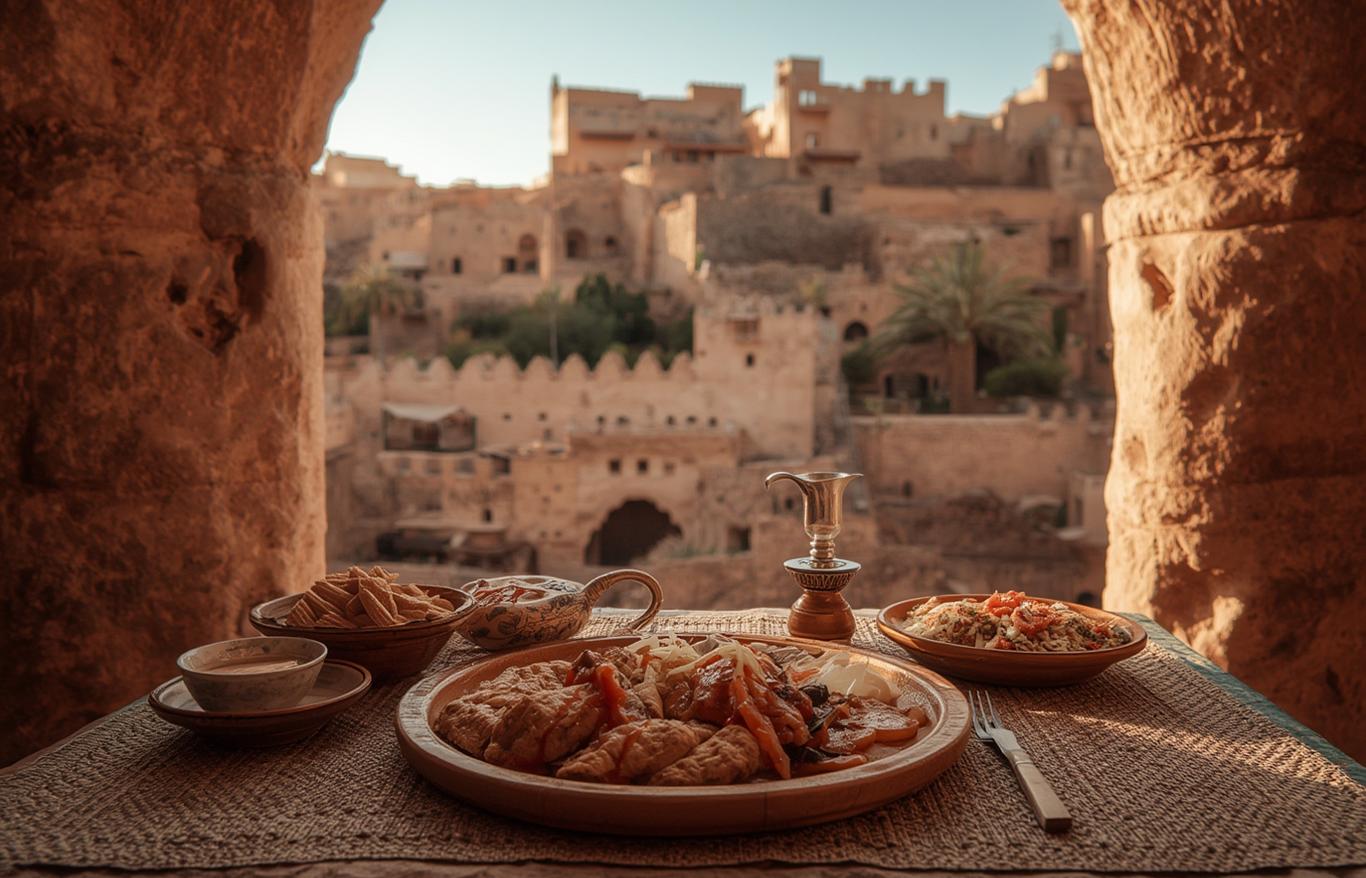
Stepping into the ancient fortified village of Kasbah Ait Ben Haddou is like walking onto a film set, a UNESCO World Heritage site carved from mud and straw, standing majestically against the vast Moroccan landscape. But beyond its cinematic beauty, this iconic ksar offers a hidden gem for the senses: a truly authentic immersion into local cuisine. For any traveler looking to discover Moroccan food Kasbah Ait Ben Haddou, this journey isn’t just about sightseeing; it’s about tasting the history, the culture, and the very soul of the Berber people. This article is your guide to unearthing the culinary delights that await within and around this historic site, focusing on the unique flavors and dining experiences that define this exceptional place.
Savoring Berber Staples: What Defines the Kasbah’s Cuisine
The cuisine at Kasbah Ait Ben Haddou is deeply rooted in Berber traditions, shaped by the arid environment and centuries of self-sufficiency. This isn’t the bustling street food of Marrakech, but rather hearty, slow-cooked dishes designed to sustain and satisfy. Expect an emphasis on locally sourced ingredients like seasonal vegetables, grains, and often, goat or lamb. Tagines are, of course, king here, but prepared with a distinct regional touch. The flavors tend to be more earthy, less heavily spiced than coastal Moroccan cooking, allowing the natural goodness of the produce to shine through. Think tender vegetables simmered in aromatic broths, often with dried fruits like prunes or apricots, creating a delightful sweet and savory balance. You’ll also encounter generous portions of couscous, often served for Friday communal meals, and warm, freshly baked bread integral to every meal. This is food that tells a story, each dish a reflection of the land and its people.
Finding Authentic Flavors: Restaurants and Auberges Inside and Around the Ksar
While Kasbah Ait Ben Haddou is a protected site, a handful of family-run restaurants and auberges (guesthouses) offer incredible dining experiences, both within the modern village just across the Ounila River and, occasionally, within the ancient ksar itself. Many of these establishments specialize in traditional Berber cooking, often passed down through generations. Some of the best experiences can be found in auberges offering dinner as part of an overnight stay, ensuring the freshest, home-cooked quality. Look for places with panoramic terraces overlooking the kasbah for an unforgettable meal with a view. These aren’t fancy, white-tablecloth restaurants; they’re humble, welcoming places where the hospitality is as rich as the food. Don’t be afraid to ask for recommendations from your guesthouse host. They often know the best spots for a truly local taste.
Must-Try Dishes: Beyond the Typical Tagine in Ait Ben Haddou
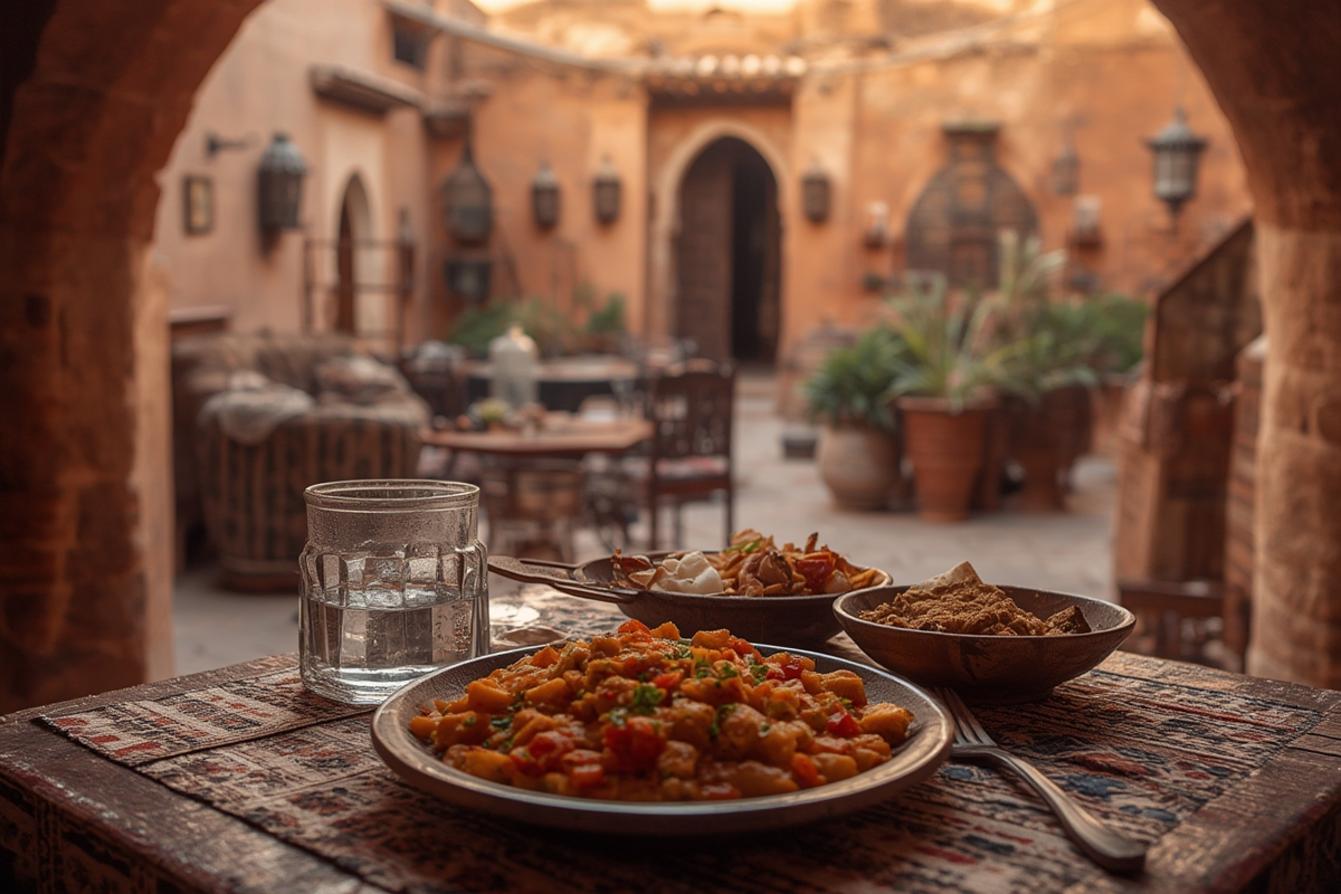
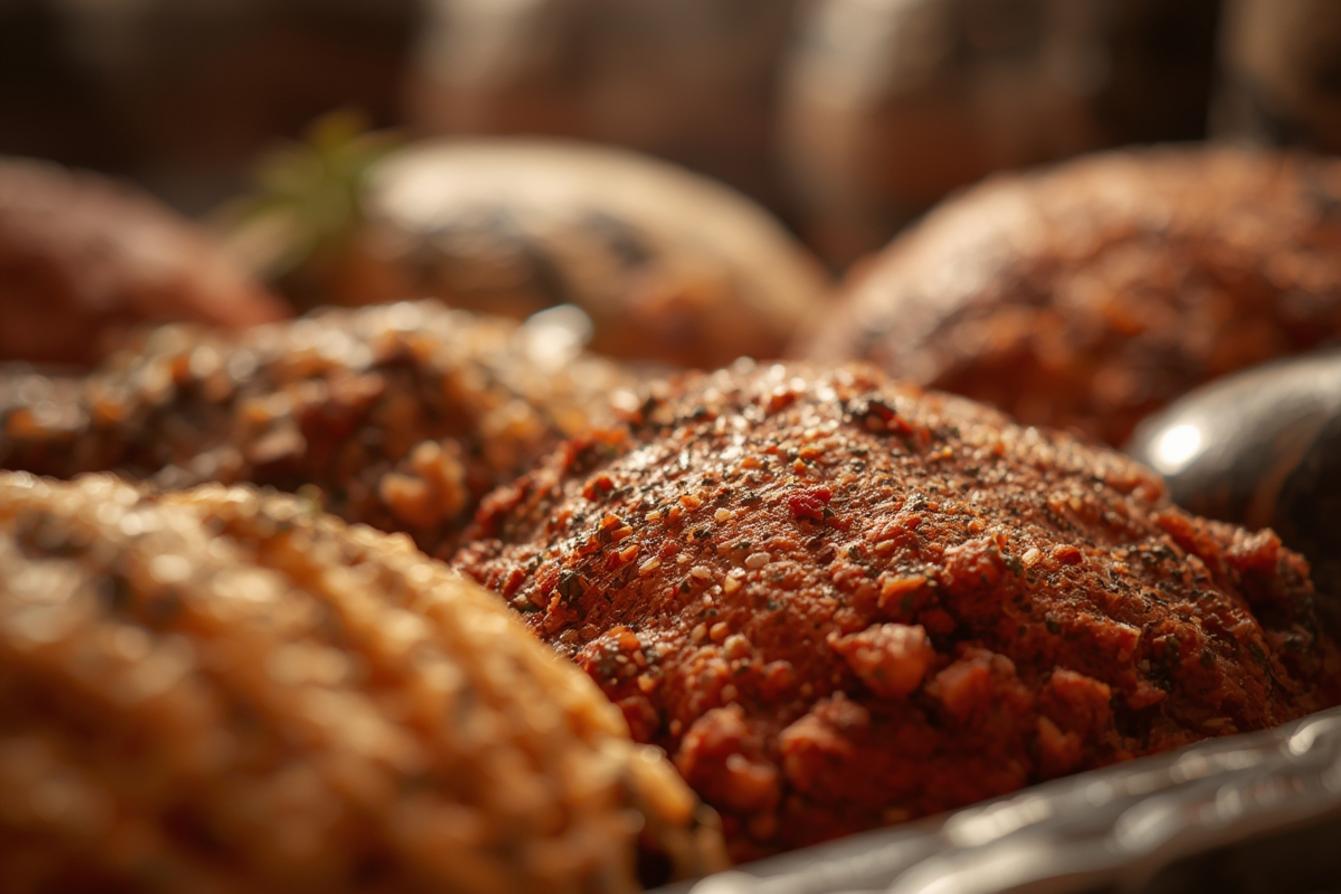
While tagines are a cornerstone of Moroccan food Kasbah Ait Ben Haddou, to truly appreciate the region’s culinary depth, venture a little further. Tanjia Marrakchia, though traditionally from Marrakech, often makes an appearance in the Ait Ben Haddou region, sometimes prepared in a similar slow-cooked style. Another local specialty is berkoukes, a hearty pasta-like soup with rich vegetable and meat broth, especially comforting on cooler evenings. If you chance upon it, Harira, a traditional Moroccan soup, is also beautifully prepared here, often served before the main course or as a light meal, particularly during Ramadan. For a truly authentic experience, inquire about Madfouna, often called “Berber pizza,” a stuffed bread baked in a traditional clay oven, typically filled with minced meat, vegetables, and spices. These dishes offer a glimpse into the diverse and robust culinary traditions of the Atlas foothills.
A Glimpse into the Kasbah Kitchen: Understanding Local Preparation
The preparation of Moroccan food Kasbah Ait Ben Haddou is often as much a part of the experience as the eating itself. Much of the cooking still relies on traditional methods, reflecting a sustainable way of life. Tagines are slow-cooked over charcoal or gas flames in earthenware pots, allowing flavors to meld beautifully. Bread, khobz, is frequently baked in communal wood-fired ovens, lending it a unique smoky flavor and perfect crust. Many ingredients are organic and locally grown, often right in the fertile oases surrounding the ksar. Understanding these processes enriches your appreciation for the food. Some local accommodations even offer informal cooking demonstrations or classes, where you can learn to prepare a simple tagine or bake bread from scratch. This hands-on experience provides a deeper connection to the culture and the food, making your Moroccan food desert camp adventures even more memorable.
Dining with a View: Experiencing Meals Amidst History
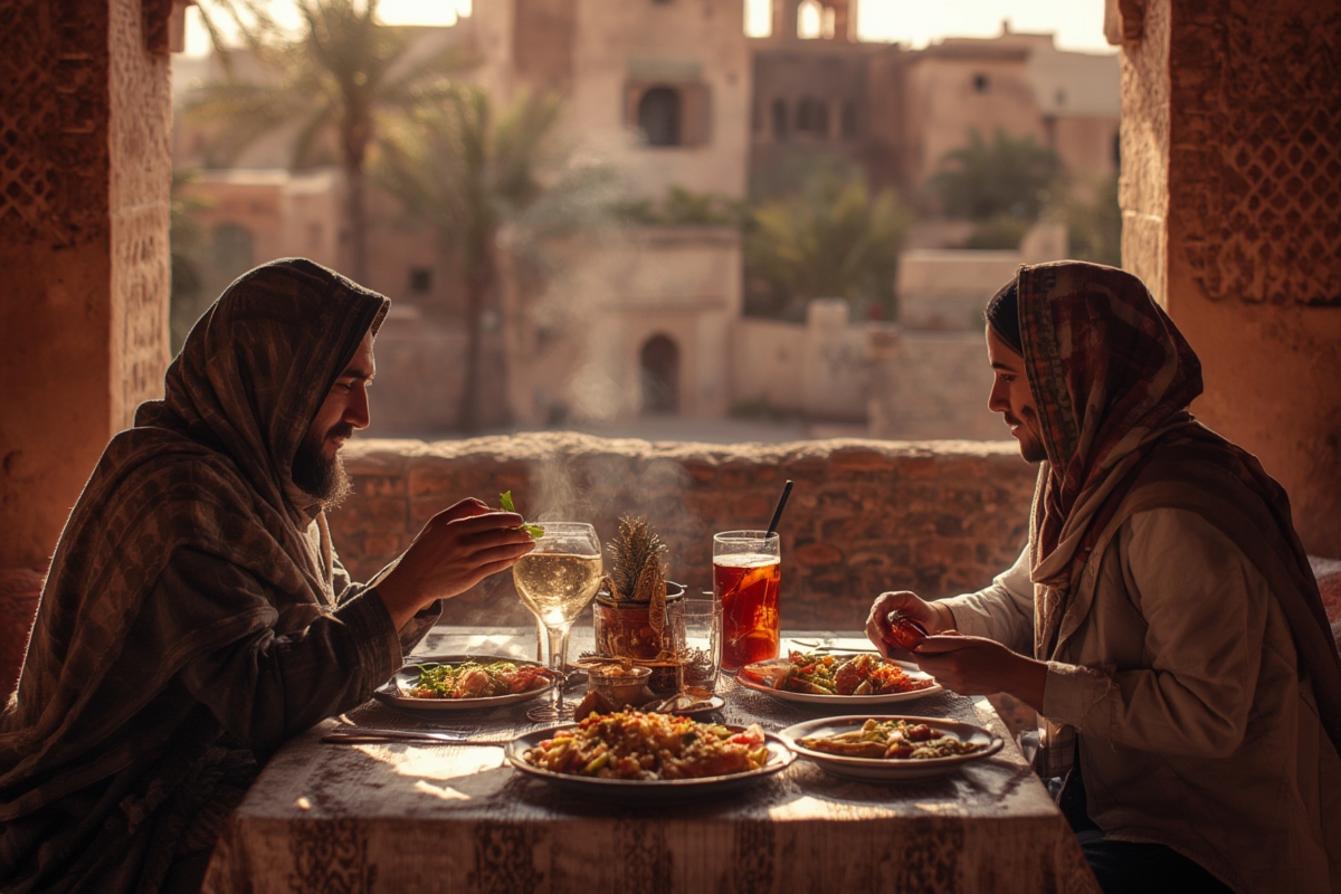
Dinner at Kasbah Ait Ben Haddou isn’t just about the food; it’s about the setting. Many restaurants and guesthouses offer rooftop terraces that provide breathtaking views of the ancient ksar, especially at sunset. As the golden light bathes the mud-brick ramparts, transforming them into a canvas of reds and oranges, dining becomes an almost spiritual experience. Imagine savoring a warm tagine, the sounds of the village hushed, and the vast, starry desert sky overhead. It’s an immersive sensory experience that complements the flavors on your plate. Choosing an establishment with such a view elevates a simple meal into an unforgettable memory, a perfect culmination to a day spent exploring the cinematic beauty of the kasbah. It’s a prime example of how dining here intertwines with the unique historical and natural landscape.
Securing Your Culinary Spot: Booking and Best Practices
Given the relatively small number of dining options directly within or immediately across from the Kasbah Ait Ben Haddou, especially if you’re looking for dinner, it’s often wise to book in advance. This is particularly true if you’re visiting during peak season or staying overnight in one of the guesthouses. Many guesthouses include dinner (and often breakfast) as part of their offering, and this is generally the most reliable way to ensure a delicious, home-cooked meal. If you’re visiting for just the day, lunch options are usually more plentiful. Don’t be afraid to ask for recommendations from local guides or your driver if you’re on a tour. They often have insider knowledge about the best, most authentic places that might not be immediately obvious. Remember, the pace here is slower, and so is the service sometimes. Embrace it as part of the authentic experience.
Moroccan food Kasbah Ait Ben Haddou offers much more than just sustenance; it’s a window into the Berber soul. Each dish is a story, each meal an invitation to connect with centuries of tradition in an unparalleled setting.
Conclusion
The culinary journey through Kasbah Ait Ben Haddou is a profound and delicious exploration of Berber heritage, intertwined with the dramatic beauty of the desert landscape. From the hearty tagines to the comforting berkoukes and freshly baked bread, every bite tells a tale of resilience, tradition, and community. Discovering Moroccan food Kasbah Ait Ben Haddou is an essential part of experiencing this iconic site, transforming a simple visit into a truly immersive cultural adventure. Whether you’re dining with a view of the ancient kasbah or learning to prepare a dish yourself, the flavors here will linger in your memory long after you’ve left.
FAQs
What kind of food should I expect at Kasbah Ait Ben Haddou?
At Kasbah Ait Ben Haddou, expect traditional Berber cuisine, which is typically hearty and uses locally sourced ingredients. Common dishes include various tagines (slow-cooked stews), couscous (often for Friday lunch), tanjia, harira soup, and local breads. The flavors are usually earthy and well-balanced, emphasizing fresh vegetables, meats (like lamb or goat), and sometimes dried fruits.
Are there vegetarian or vegan options available?
Yes, vegetarian and often vegan options are readily available. Many tagines are made primarily with vegetables, such as potato, carrot, zucchini, pumpkin, and chickpeas. Simply inform your restaurant or guesthouse that you are vegetarian or vegan, and they will usually be happy to prepare suitable dishes for you. Most Moroccan establishments are accustomed to catering to dietary preferences.
Can I find alcohol in restaurants near Kasbah Ait Ben Haddou?
While Morocco is a predominantly Muslim country, some tourist-oriented hotels and larger restaurants in bigger cities do serve alcohol. However, near Kasbah Ait Ben Haddou, which is a smaller, more traditional area, finding alcohol can be challenging. Most local restaurants and auberges will not serve it. It’s best to confirm with your accommodation in advance if this is a priority for you.
Is it safe to eat street food or from smaller local eateries?
In Ait Ben Haddou, most of the dining options are in established, family-run restaurants or guesthouses rather than true street food stalls. Generally, these places adhere to good hygiene standards. To ensure safety, look for places that appear clean, have a good turnover of customers, and where the food is cooked fresh to order. Bottled water is always recommended for drinking.


 Covers cities, coast, mountains, desert & food