
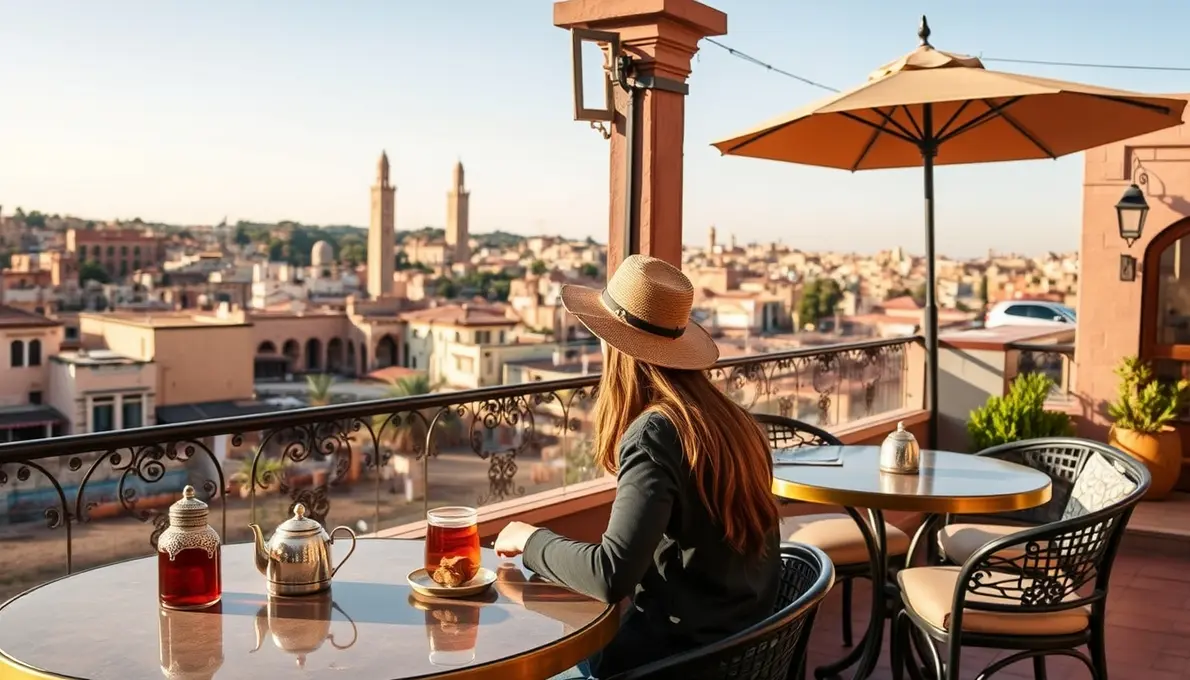
Meknes, one of Morocco’s four imperial cities, often gets overshadowed by its more boisterous neighbors, Fes and Marrakech. Yet, it holds a captivating charm, particularly for those keen to delve into its rich past. Exploring Meknes historic sites offers a journey through the grandeur of Sultan Moulay Ismail’s reign, a period when the city was transformed into a formidable capital. This guide will illuminate the most significant ancient monuments and help you uncover the true essence of this remarkable Moroccan jewel.
Sultan Moulay Ismail’s Enduring Legacy: The Imperial City Walls and Gates
Stepping into Meknes is like stepping back in time, and nowhere is this more apparent than when you encounter its colossal city walls and monumental gates. These aren’t just remnants; they are an integral part of the city’s living fabric, still defining its boundaries and whispering tales of past glories. Sultan Moulay Ismail, an incredibly ambitious and powerful ruler, envisioned Meknes as a city to rival Versailles, and he spared no expense in its construction. His ambition is most vividly captured in the defensive ramparts that stretch for miles, punctuated by some of the most impressive gates in all of Morocco.
The Bab Mansour LaLaj is arguably the most famous and artistically significant of these gates. Located facing the busy Place El Hedim, this gate is not merely an entrance but a masterpiece of Alawi architecture. Its intricate zellige tiling, carved stucco, and imposing horseshoe arch are breathtaking. Legend has it that the gate’s architect, a Christian convert named Mansour, was asked by the Sultan if he could do better, and upon replying yes, he was executed to ensure no rival city could boast a grander entrance. While likely apocryphal, the story underscores the gate’s perceived perfection. It’s a grand statement, designed to impress and intimidate, and it still succeeds today.
Beyond Bab Mansour, other gates like Bab Lakhmiss and Bab Berdaïne offer their own unique stories and architectural details. Walking or driving alongside these ancient fortifications gives a real sense of the scale of Moulay Ismail’s imperial vision. The walls are thick, made from pisé (rammed earth), and have stood the test of time, though some sections show the natural erosion of centuries. Exploring these gates and walls provides an excellent starting point for understanding the scale and ambition behind Meknes’s most significant historic sites.
The Royal Granaries and Stables of Heri Es-Souani
Among the most astonishing Meknes historic sites is Heri Es-Souani, an immense complex that served as the royal granaries and stables for Sultan Moulay Ismail. This place truly encapsulates the scale of his imperial project. Imagine a structure designed to house 12,000 horses and store enough grain to feed the city for years – even decades – during times of siege. The sheer ingenuity and engineering prowess required to construct such a place, centuries ago, are awe-inspiring.
As you wander through the vast, vaulted chambers, you’ll notice the ingenious ventilation system and the thick, protective walls that kept the grain cool and dry, even in the scorching Moroccan heat. The high, arching ceilings supported by massive pillars create a cavernous, almost cathedral-like atmosphere. Sunlight streams in through strategically placed openings, highlighting the dust motes dancing in the air, adding to the ethereal quality of the place. It’s easy to get lost in contemplation here, imagining the bustling activity of thousands of stable hands and the rhythmic thud of horses.
Adjacent to the stables is the Agdal Basin, a vast artificial lake that served as a reservoir for the sultan’s gardens and supplied water to the city. While not as visually dramatic as the granaries, its presence highlights the comprehensive planning behind Moulay Ismail’s vision for a self-sufficient imperial capital. The tranquility of the basin today, often dotted with local families enjoying a picnic, offers a stark contrast to the industrious past of the nearby complex. Together, Heri Es-Souani and the Agdal Basin provide a profound insight into the logistical and strategic genius of a bygone era.
Moulay Ismail Mausoleum: A Revered Imperial Burial Site
For many, a visit to Meknes is incomplete without paying respects at the Mausoleum of Moulay Ismail, one of the most significant Meknes historic sites. This is not just a tomb; it is a sacred pilgrimage site and a testament to the enduring legacy of the sultan who shaped much of modern Morocco. Unlike many other religious sites in Morocco, the mausoleum is largely accessible to non-Muslim visitors, a testament to the welcoming nature of the country.
The mausoleum is a masterpiece of Moroccan artistry, featuring intricate zellige tilework, delicate stucco carvings, and cedar wood ceilings. The scent of cedar and incense often fills the air, adding to the spiritual ambiance. As you move through the various courtyards and chambers, you’ll notice the serene atmosphere, with local devotees often present, offering prayers. The central chamber, where Moulay Ismail rests, is adorned with exquisite decoration, reflecting the sultan’s immense power and influence.
While photography is generally allowed in the outer courtyards, it’s important to be respectful and discreet, especially near the tomb itself. Dress modestly and be mindful of the solemnity of the place. Visiting the mausoleum offers a unique opportunity to connect with Moroccan history and understand the reverence still held for this foundational figure. It’s a powerful reminder of how deeply intertwined faith and governance were during the imperial era.
El Hedim Square and the Dar El Makhzen (Royal Palace)
The vibrant heart of Meknes historic sites, and indeed the entire city, is Place El Hedim. This expansive square functions as the city’s central gathering point, much like Djemaa el-Fna in Marrakech, though on a more intimate and less frenetic scale. El Hedim translates to “the demolition,” and the square gets its name from the destruction of older buildings to create space for Moulay Ismail’s grand vision. Today, it’s a lively hub where locals and visitors mingle, especially in the evenings.
Surrounding the square, you’ll find a mix of cafes, restaurants, and shops. As the sun begins to set, the square comes alive with street performers, storytellers, musicians, and food vendors. It’s a wonderful place to sit, enjoy a mint tea, and simply observe the rhythm of Meknes life. The magnificent Bab Mansour LaLaj stands proudly at one end, serving as a grand backdrop to the everyday theatre of the square.
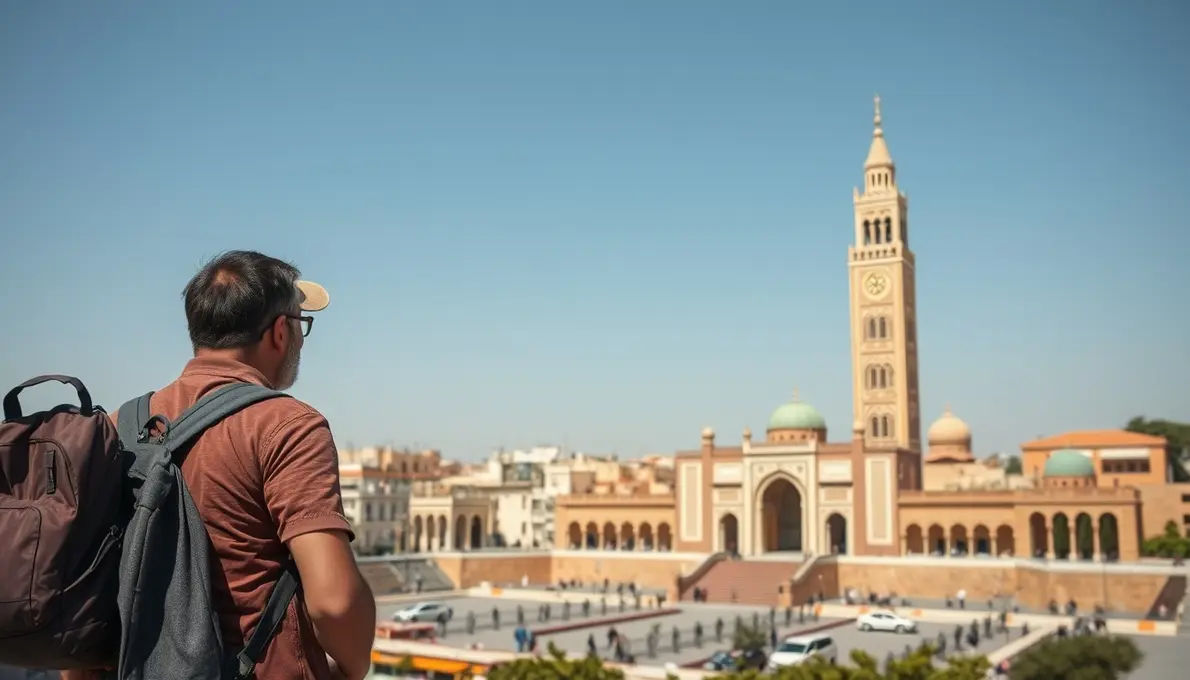
Dominating another side of El Hedim Square, though not directly accessible to the public, is the Dar El Makhzen, the Royal Palace. This sprawling complex was also built by Moulay Ismail and served as his primary residence and administrative center. While visitors cannot enter the palace itself, its sheer size is impressive, and you can get glimpses of its grand walls and parts of its extensive grounds from various viewpoints around the city. It’s a powerful symbol of the city’s imperial past and its ongoing significance as a royal city. The palace grounds are said to contain beautiful gardens, mosques, and various administrative buildings, reflecting the self-contained nature of imperial life. Understanding its prominence helps in appreciating the layout and historical importance of Meknes.
Medersa Bou Inania: A Glimpse into Islamic Scholarship
Stepping away from the grand imperial structures, the Medersa Bou Inania offers a more intimate yet equally captivating exploration of Meknes historic sites. This Islamic school, built in the 14th century during the Merinid dynasty, is a stunning example of traditional Moroccan architecture and artistry, particularly its intricate Fassi-style decoration. While it shares its name with the famous medersa in Fes, the Meknes version holds its own charm and historical significance.
As you enter the medersa, you’re immediately struck by the tranquility of its central courtyard. The air is often cooler here, a welcome respite from the bustling medina outside. Everywhere you look, there’s an explosion of detailed craftsmanship: zellige tilework in geometric patterns, carved cedar wood ceilings, and delicate stucco calligraphy adorning the walls. The attention to detail is exquisite, reflecting the high regard for education and artistry during that period.
You can often climb to the upper floors, where students once lived in small, spartan rooms overlooking the courtyard. From these vantage points, you get a different perspective on the medersa’s layout and the intricate patterns below. It’s easy to imagine the quiet dedication of students poring over texts, the murmuring of lessons, and the pursuit of knowledge within these venerable walls. The Medersa Bou Inania provides a fascinating contrast to the monumental scale of Moulay Ismail’s constructions, showcasing a different but equally vital aspect of Moroccan cultural heritage. It also serves as a beautiful reminder of the rich history of Islamic scholarship that flourished in these imperial cities.
The Old Medina and Kissaria: Authentic Urban Exploration
While the grand monuments draw headlines, the beating heart of Meknes historic sites, and its enduring charm, lies within its old medina. Unlike the often-overwhelming medinas of Fes or Marrakech, Meknes’s medina is generally more relaxed, navigable, and offers a more authentic, less tourist-centric experience. This doesn’t mean it lacks excitement; on the contrary, it buzzes with local life, traditional crafts, and the intoxicating aromas of spices and street food.
Wandering through its labyrinthine alleys, you’ll encounter souks specializing in specific goods: leather, textiles, spices, pottery, and metalwork. It’s a sensory feast, with the vibrant colors of fabrics, the rhythmic clang of hammers from coppersmiths, and the chatter of merchants. This is where you can truly immerse yourself in local culture, practice your bargaining skills, and discover unique souvenirs.
A particularly interesting section is the Kissaria, the covered market, which traditionally housed the most valuable goods like jewelry and fine textiles. Even today, it retains an air of importance, with specialized shops and a slightly more formal atmosphere than the open-air souks. Don’t be afraid to get a little lost; it’s often in these unplanned detours that you stumble upon the most delightful discoveries – a hidden fountain, a bustling local bakery, or a quiet mosque. The medina is also an excellent place to sample traditional Moroccan street food, from piping hot harira soup to sweet pastries, all offering a taste of authentic Meknes.
For those planning an extensive Moroccan adventure, exploring the Meknes historic sites can be seamlessly integrated with visits to other imperial cities. The train network provides convenient connections, allowing you to experience the distinct character of each city. Meknes offers a calmer alternative, a chance to appreciate history without the constant rush, making its medina a truly rewarding experience for the curious traveler.
The Roman Ruins of Volubilis: A Day Trip from Imperial Grandeur
While not strictly within Meknes itself, no guide to the region’s ancient wonders would be complete without mentioning the Roman ruins of Volubilis. This UNESCO World Heritage site, just a short drive from Meknes, provides a fascinating contrast to the Islamic imperial architecture and is undoubtedly one of the most important Meknes ancient monuments in the broader sense.
Volubilis was once a thriving Roman city, a provincial capital of Mauretania Tingitana, and its remains offer a captivating glimpse into a different, much older layer of Moroccan history. As you walk among the remarkably preserved ruins, you can envision the daily life of its inhabitants. Highlights include the magnificent triumphal arch of Caracalla, the impressive Capitol temple, and numerous well-preserved mosaic floors, still vibrant after two millennia. These mosaics, depicting mythological scenes and everyday life, are a particular highlight, showcasing the artistic sophistication of the Roman era.
The setting itself is stunning, perched on a fertile plain with rolling hills in the background. It’s easy to spend several hours exploring the vast site, imagining senators, merchants, and soldiers going about their business. Combining a visit to Volubilis with Meknes offers a comprehensive historical journey, transitioning from Roman civilization to Islamic empires, providing a richer understanding of Morocco’s multifaceted past. It’s a highly recommended day trip, easily arranged from Meknes either by grand taxi or as part of an organized tour.
Conclusion
Meknes may not always top every traveler’s list, but for those seeking a deeper dive into Morocco’s imperial past, its historic sites offer an incredibly rewarding experience. From the monumental gates and walls of Sultan Moulay Ismail’s era to the quiet artistry of the Medersa Bou Inania and the ancient Roman whispers of Volubilis, the city presents a tapestry of history, culture, and enduring beauty. Exploring Meknes historic sites reveals a city that, while perhaps less frequented, offers an authentic and profound connection to Morocco’s rich heritage. It’s a city that quietly commands respect and leaves a lasting impression on all who take the time to truly discover its treasures.
FAQs
What is the significance of Meknes as an Imperial City?
Meknes is one of Morocco’s four imperial cities, meaning it once served as the capital of a major Moroccan dynasty. Its prominence largely stems from Sultan Moulay Ismail, who in the 17th century transformed it into a magnificent imperial capital with grand palaces, mosques, and colossal defenses, aiming to rival the grandeur of European capitals.
Are the main historic sites in Meknes easily accessible?
Yes, many of Meknes’s most significant historic sites, such as Bab Mansour, Place El Hedim, and the Mausoleum of Moulay Ismail, are located relatively close to each other in and around the medina, making them easily explorable on foot. For sites like Heri Es-Souani, which are slightly further out, local taxis are readily available and affordable.
What is the best way to experience the Meknes medina?
The best way to experience the Meknes medina is to simply wander and allow yourself to get a little lost. Engage with local vendors, try street food, and observe daily life. It’s generally less crowded than other imperial city medinas, offering a more relaxed and authentic experience. Always be open to bargaining for goods and respectful of local customs.
Is Volubilis a worthwhile day trip from Meknes?
Absolutely. Volubilis is an exceptional UNESCO World Heritage site featuring extensive and well-preserved Roman ruins, including impressive mosaics, and offers a stark historical contrast to the Islamic architecture of Meknes. It’s a short and easy trip from Meknes, often combined with a stop in the holy town of Moulay Idriss Zerhoun, making it a highly recommended excursion.





 Covers cities, coast, mountains, desert & food