
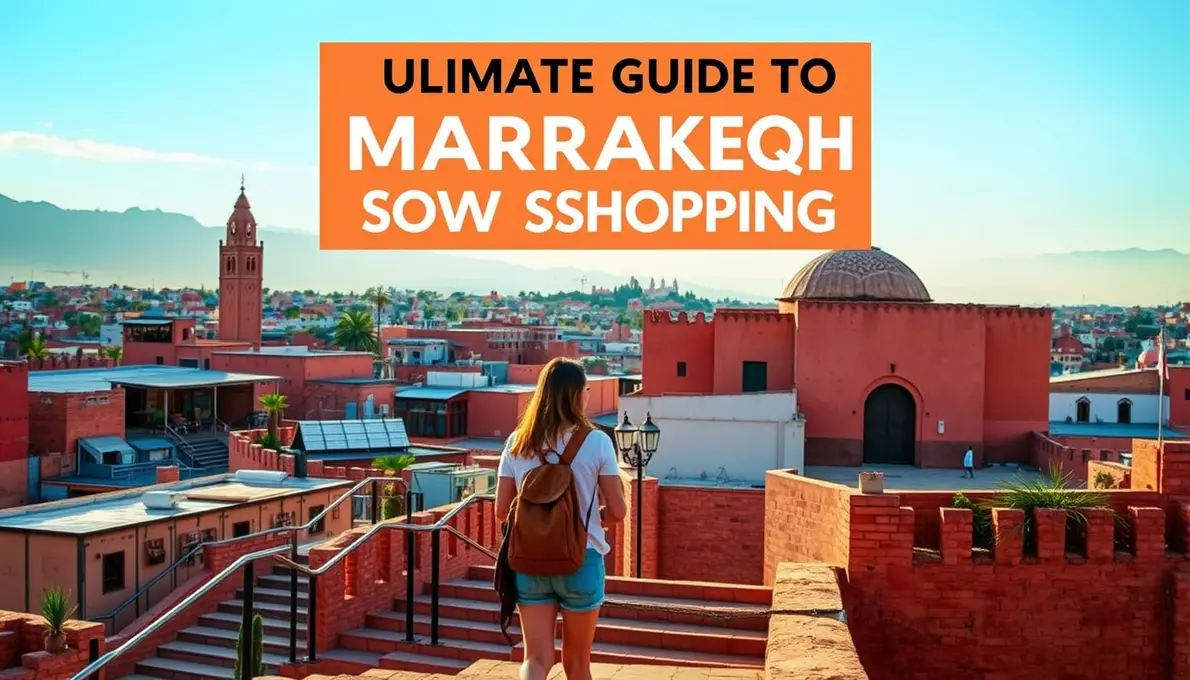
Stepping into the Marrakech souks is an assault on the senses, a vibrant dance of colors, sounds, and aromas that pulls you deep into the heart of Moroccan culture. This isn’t just shopping; it’s an immersive experience, a performance where every stall owner is a merchant, and every negotiation is a friendly duel. For anyone planning a visit, understanding the art of Marrakech souk shopping is key to unlocking its treasures and ensuring you leave with not just souvenirs, but stories. From intricate lanterns to hand-woven carpets, aromatic spices to supple leather goods, the souks are a labyrinth of wonders waiting to be discovered, offering truly unique finds you won’t get anywhere else.
Navigating the Labyrinth: Your First Foray into Marrakech Souk Shopping
The sheer scale and intricacy of Marrakech’s souks can feel overwhelming at first. Imagine a thousand tiny shops, not neatly arranged in rows, but spilling into each other, connected by narrow alleys and sudden, unexpected open squares. It’s less a market and more a living, breathing organism. Your first challenge, and indeed part of the fun, is getting deliberately lost. Don’t go in with a rigid plan; instead, allow yourself to be led by the alluring scents of spices, the shimmering light reflecting off brassware, and the rhythmic tap-tap-tap of artisans at work.
The main entrance to the souks is often considered to be from Djemaa el-Fna square, but numerous smaller entrances feed into its vast network. You’ll find distinct sections: Souk Semmarine for textiles and leather, Souk Cherratin for leather goods like bags and belts, Souk Smata for slippers, and the Kissaria of the Djellaba for traditional clothing. There are also specific areas for spices, perfumes, metalwork, woodcraft, and ceramics. However, these divisions aren’t always strictly adhered to, and you’ll find overlap and mix-and-match stalls everywhere.
A crucial tip for first-timers is to go without any immediate purchase pressure. Take your time to observe, to absorb the atmosphere, and to get a feel for prices. Engage with the shopkeepers; a friendly greeting and a little chat often go a long way. They are generally warm and welcoming, eager to share insights into their craft, and are not just there for a quick sale. This initial exploration phase is vital for setting realistic expectations and understanding the diverse range of goods available. Remember, the true essence of Marrakech souk shopping lies in the journey, not just the destination.
Decoding Moroccan Craftsmanship: Unearthing Authentic Souk Treasures
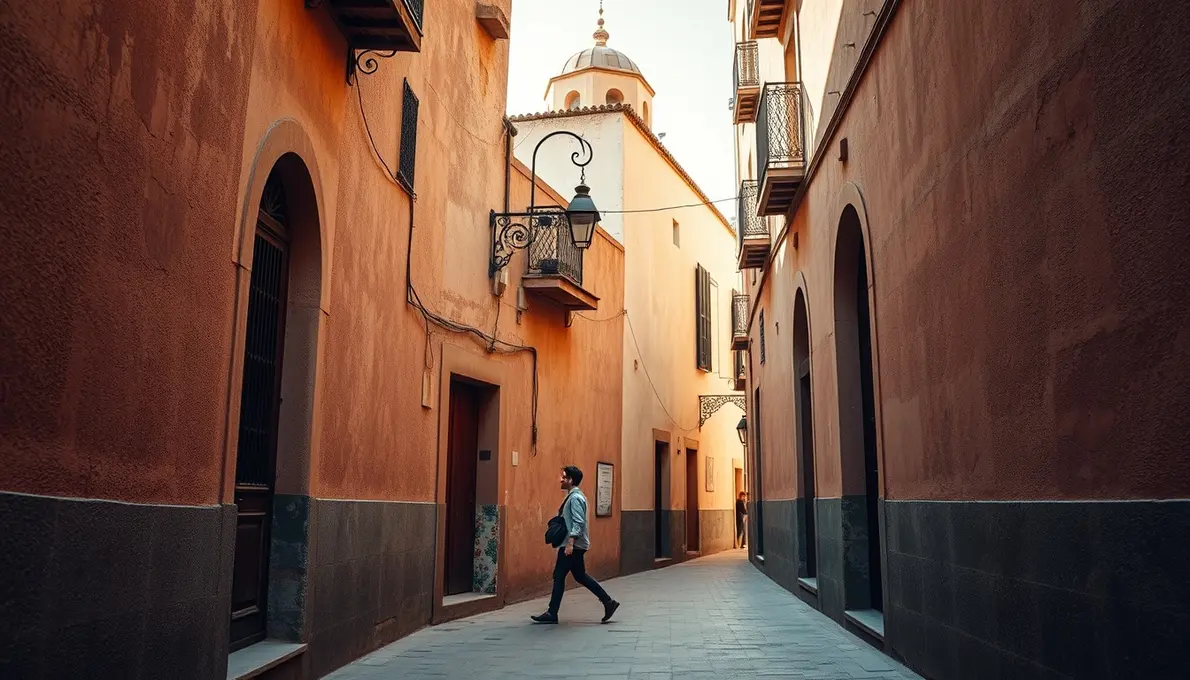
The souks aren’t merely a place to buy things; they are an open-air workshop, a testament to centuries of Moroccan artistry. Understanding the difference between mass-produced souvenirs and genuine, handcrafted treasures is key to smart Marrakech souk shopping. Many artisans still employ traditional techniques passed down through generations, making each piece unique.
When it comes to leather goods, look for genuine goat, sheep, or camel leather. The smell should be earthy, not chemical. Inspect the stitching; handmade items often have slight imperfections that tell a story, unlike the machine-perfect uniformity of factory-made goods. Moroccan leather slippers (babouches) are iconic; choose soft, supple leather and check for sturdy soles. For bags, observe the intricate brass, silver, or embroidery details which distinguish them.
Textiles are another highlight. Hand-woven rugs, kilims, and blankets are often made from wool, cotton, or even cactus silk (sabra). The patterns and colors can tell you about the region they originated from. Berber rugs, for example, are known for their geometric designs and natural dyes. Don’t be afraid to ask about the material and the origin. True craftsmanship will be evident in the quality of the weave, the consistency of the pattern, and the natural feel of the fibers. Expect to pay more for handmade items, but they are an investment in a piece of Moroccan heritage.
Metalwork, especially lanterns and tea sets, is dazzling. Observe the detailed chiseling and etching. Brass and copper are commonly used, and the light filtering through an intricately cut lamp creates a magical ambiance. For pottery and ceramics, look for vibrant, hand-painted tagines, plates, and bowls. Fès pottery is distinct, often featuring blue and white patterns, while Safi is known for more varied colors. Each piece should feel substantial and well-made. When exploring these artisanal wonders, a keen eye and a bit of research beforehand will greatly enhance your Marrakech souk shopping experience.
The Art of the Deal: Mastering Negotiation in the Souks
Bargaining is not just accepted in the Marrakech souks; it’s an ingrained part of the shopping culture, an expected social ritual. Approaching it with a sense of humor, patience, and a friendly demeanor will not only lead to better prices but also enrich your interaction with local merchants. For many, it’s one of the most memorable aspects of Marrakech souk shopping.
The golden rule is never to accept the first price offered. Generally, the opening price might be two to three times what the merchant expects to receive. A good starting point for your counter-offer is around 30-50% of the initial price, then you can work your way up gradually. Decide on the maximum you are willing to pay before you start negotiating and stick to it. If you can’t agree, it’s perfectly acceptable to politely decline and walk away. Often, the seller will call you back with a revised, lower price.
Key strategies include showing genuine interest but not desperation. Take your time examining the item. A little friendly banter, sharing a mint tea if offered, can build rapport. It’s often counterproductive to be aggressive or rude; maintain respect throughout. If buying multiple items from the same vendor, you have stronger leverage for a better overall deal. Don’t be afraid to haggle for smaller items too, although the savings will be less significant.
Cash is king. While some larger or more modern shops might accept credit cards, many souk stalls operate on a cash-only basis. Having smaller denominations of Moroccan Dirham (MAD) is useful. Remember that while you want a good deal, the merchants also need to make a living. A fair price is one where both parties feel satisfied. It’s about the dance, the conversation, and the shared experience, not just saving every last cent. Embrace the process, and you’ll find that mastering the art of the deal is incredibly rewarding.
Beyond the Souk: Practical Considerations for Your Shopping Spree
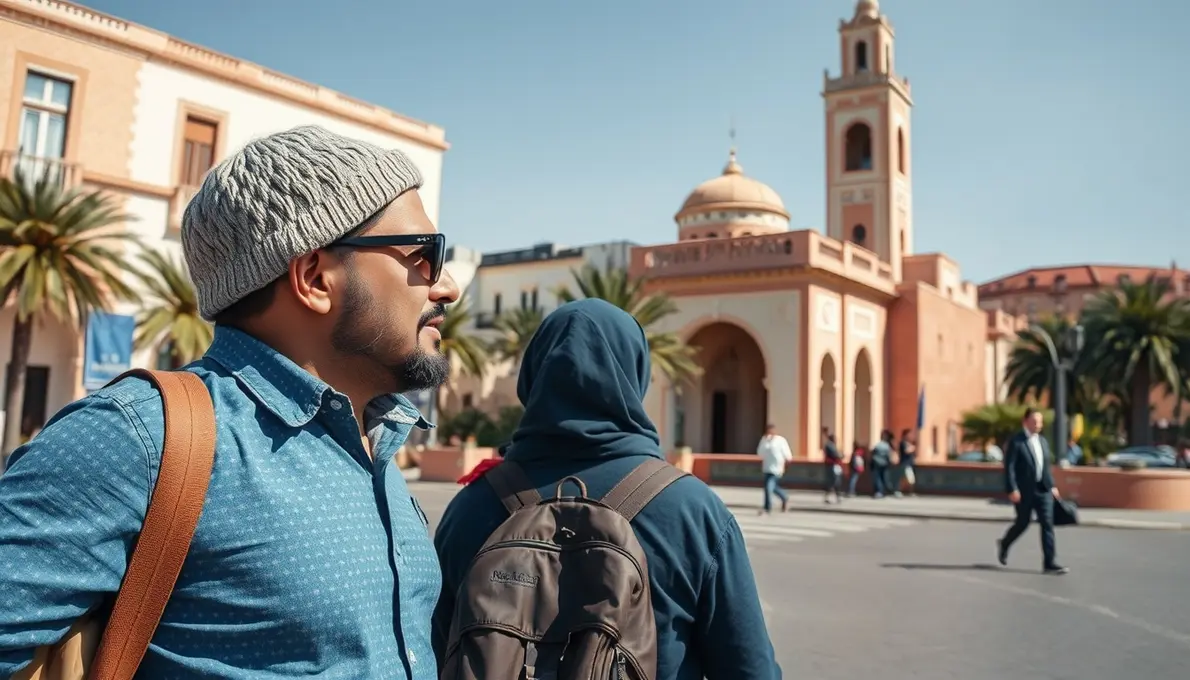
While the thrill of the chase in the souk is undeniable, a few practical considerations can make your Marrakech souk shopping experience smoother and more enjoyable. From what to wear to how to manage large purchases, a little planning goes a long way.
Firstly, dress comfortably and respectfully. The souks involve a lot of walking, often on uneven surfaces, so comfortable shoes are essential. While Marrakech is growing more accustomed to Western dress, modesty is still appreciated, especially in commercial areas. Light, loose clothing that covers shoulders and knees is ideal.
Be mindful of your belongings. Like any busy market, pickpocketing can occur. Keep your wallet secure and avoid flashing large sums of cash. A cross-body bag or money belt is a sensible choice. If you’re carrying a lot of small purchases, consider bringing a reusable shopping bag to consolidate your items.
When it comes to shipping larger purchases, especially carpets or furniture, many reputable vendors offer international shipping services. Discuss this before committing to a purchase. Get clear details on shipping costs, insurance, and estimated delivery times, and ensure you have proper receipts. For delicate items, ensure they are professionally packed. If in doubt, ask your hotel concierge for recommendations on reliable shippers.
Staying hydrated is also important, especially during warmer months. You’ll find plenty of stalls selling fresh orange juice and mint tea – perfect for a refreshing break from the hustle and bustle. Lastly, don’t forget to explore the surrounding areas of the Medina once you’ve had your fill of the core souks. There are always hidden gems and other Marrakech souk shopping opportunities in the less-trodden paths that offer different vibes and sometimes more fixed prices.
A Taste of Marrakech: Culinary Souvenirs and Spice Adventures
The Marrakech souks aren’t just about tangible crafts; they’re a vibrant pantry overflowing with the flavors and aromas that define Moroccan cuisine. For foodies and home cooks, this is an unmissable part of your Marrakech souk shopping adventure, offering a chance to bring a little piece of Morocco into your kitchen.
The spice souk, or Souk el Attarine, is a colorful, fragrant wonderland. Mountains of vibrant powders and intoxicating herbs create a truly sensory experience. Look for traditional Moroccan spice blends like Ras el Hanout, a complex mixture that can contain dozens of different spices, perfect for tagines and stews. Saffron, cumin, turmeric, paprika, and ginger are staples, often sold whole or freshly ground. Don’t hesitate to ask for a sniff; the quality and freshness are often immediately apparent. You might also find unique local remedies and cosmetic ingredients derived from plants and herbs.
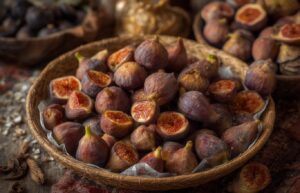
Beyond spices, explore the stalls laden with dried fruits, nuts, and olives. Dates, figs, and apricots are often of exceptional quality and make for delicious, healthy snacks or gifts. Moroccan olives, cured in a variety of ways, are incredibly flavorful. Argan oil, derived from the kernels of the argan tree, is another must-buy. Available in culinary and cosmetic grades, it’s famous for its nutty flavor in food and its moisturizing properties for skin and hair. Make sure you purchase from reputable vendors to ensure authenticity. Some shops even allow you to watch the traditional extraction process.
When buying food items, particularly spices, ensure they are well-sealed for transport to maintain freshness and prevent spills in your luggage. Unlike other items, food products often have less room for intense haggling, but polite negotiation is still possible, especially when buying in larger quantities. Bringing home these culinary treasures is a wonderful way to extend your Moroccan experience long after you’ve returned from your trip, allowing you to recreate the country’s rich flavors in your own home. For more insights on global culinary destinations, an excellent resource is Marrakech market deals.
Conclusion
The Marrakech souks are more than just a marketplace; they are the throbbing heart of the Red City, a place where history, culture, and commerce intertwine in a mesmerizing spectacle. Approaching your Marrakech souk shopping with an open mind, a sense of adventure, and a little strategic know-how will transform it from a mere shopping trip into an unforgettable journey. From the vibrant handicrafts to the aromatic spices, the intricate designs to the spirited negotiations, every moment in these labyrinthine alleys is an opportunity to connect with Moroccan traditions and take home a piece of its enduring magic. Embrace the chaos, savor the beauty, and let the souks weave their spell on you.

FAQs
What are the best items to buy when Marrakech souk shopping?
The Marrakech souks offer an incredible array of goods. Some of the most popular and authentic buys include hand-woven Berber rugs and textiles (kilims, blankets), leather goods (babouches/slippers, bags, belts), traditional Moroccan lanterns and metalwork, ceramics and pottery (tagines, plates), argan oil (culinary and cosmetic), and a vast selection of spices (Ras el Hanout, saffron, cumin). Jewelry, traditional clothing (djellabas, kaftans), and wooden crafts are also highly sought after.
Is bargaining essential in the Marrakech souks?
Yes, bargaining is not just accepted but expected and is a fundamental part of the shopping culture in the Marrakech souks. It’s part of the experience! Merchants will often start with a higher price, anticipating negotiation. Approach it with respect, a good sense of humor, and patience. Typically, you can aim to pay anywhere from 30% to 60% of the initial asking price, depending on the item and your negotiation skills.
How can I avoid getting lost in the vast network of souks?
While getting a little lost is part of the fun, if you need to orient yourself, keep an eye out for main landmarks like the Djemaa el-Fna square or specific prominent gates. Alternatively, download an offline map of the Medina before you go or consider hiring a licensed local guide for your first visit. They can navigate the labyrinth with ease and often lead you to specific artisan workshops you might otherwise miss.
What are some common scams to watch out for during Marrakech souk shopping?
While most interactions are genuine, it’s wise to be aware. Common issues can include overly persistent touts leading you to specific shops where they get a commission, or offers of “free” tours that end up demanding payment. Be wary of anyone claiming a souk is “closed” or pointing you in the wrong direction for tourist attractions. Always inspect goods carefully for quality, and be cautious of “authentic” items that are actually mass-produced. Trust your instincts, and don’t feel pressured to buy anything you’re unsure about.



 Covers cities, coast, mountains, desert & food