
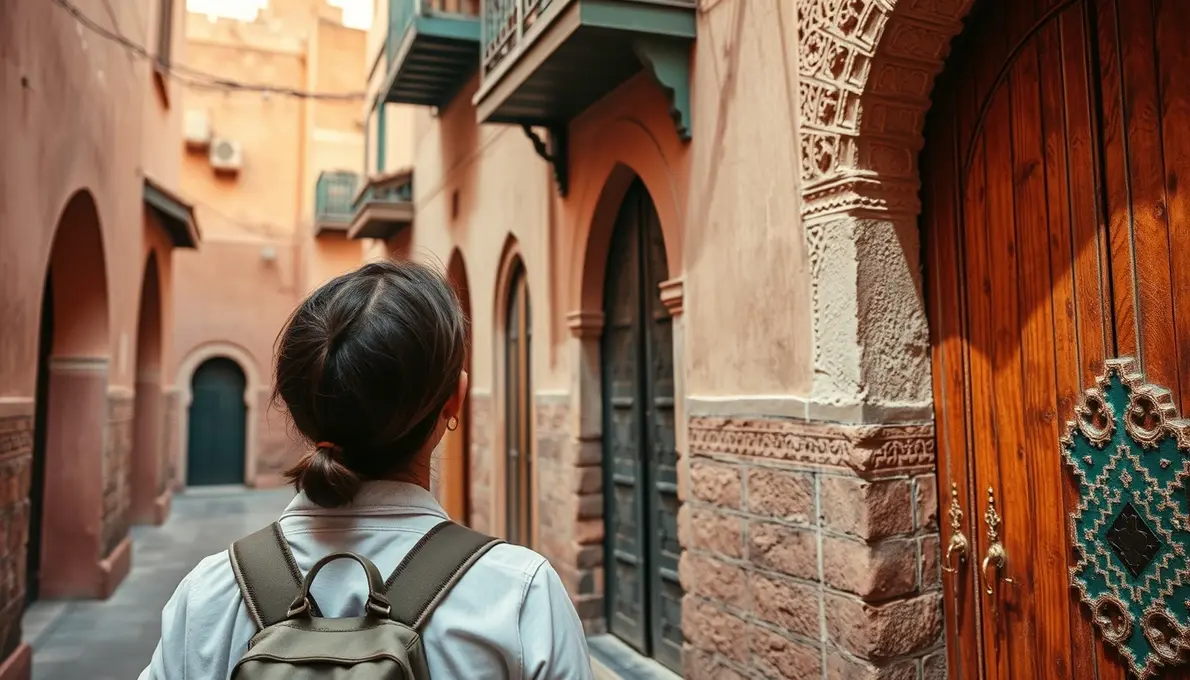
If you’re planning a trip to the Red City, crafting the perfect Marrakech day itinerary is essential to maximize your experience. This vibrant Moroccan gem can be a whirlwind of sights, sounds, and scents, and knowing how to navigate its wonders is key to unlocking its magic. From the bustling souks to tranquil gardens, Marrakech offers an unforgettable journey, and this guide will help you weave through its most captivating attractions and uncover some of its best-kept secrets.
Early Mornings: Medina Awakenings and Architectural Grandeur
To truly embrace the spirit of Marrakech, start your day early, just as the city begins to stir. The cool morning air offers a pleasant respite before the midday sun, and it’s the ideal time to explore some of the Medina’s most iconic landmarks without the heaviest crowds.
Your first stop should be the Bahia Palace. This 19th-century marvel, meaning “brilliance” in Arabic, lives up to its name with stunning examples of Moroccan and Islamic architecture. Wander through its intricate courtyards, gaze upon the painted cedarwood ceilings, and admire the vibrant zellige tilework. Each room and garden tells a story, revealing the lavish lifestyle of its former grand vizier. The sheer scale and meticulous detail here are breathtaking, offering a tranquil start to your day while showcasing the artistic heritage of the city. We recommend giving yourself a good hour to an hour and a half to truly soak in its beauty.
Next, make your way to the nearby Badi Palace. While mostly ruins today, its vast courtyards and sunken orange groves speak volumes of its former glory. Built in the late 16th century for Sultan Ahmad al-Mansur, the palace was once adorned with gold and precious stones. Though much was plundered over time, stand on its ramparts and imagine the dazzling feasts and celebrations that once took place here. The stork nests perched atop the ancient walls add a whimsical touch to this historic site. This offers a stark contrast to the Bahia Palace’s preserved splendor, providing a glimpse into Marrakech’s layered past.
A Stroll Through the Heart of the Old City: Souk Discoveries and Local Flavors
After immersing yourself in architectural history, it’s time to dive into the living heart of Marrakech: the souks. The labyrinthine alleyways of the Medina are an experience in themselves, a sensory overload in the best possible way. This is where you’ll find everything from intricately woven carpets and leather goods to fragrant spices, dazzling lamps, and handcrafted jewelry.
Navigating the souks can be a delightful challenge. Don’t be afraid to get a little lost – often, the most interesting finds are tucked away in unexpected corners. Keep an eye out for specific sections like the Souk Semmarine, known for textiles and leather, or the Souk Cherratine for fine leatherwork. Even if you’re not planning to buy, the experience of watching artisans at work, haggling good-naturedly with vendors, and soaking in the vibrant atmosphere is a quintessential part of any Marrakech day itinerary. Remember to practice your bargaining skills; it’s an expected part of the interaction!
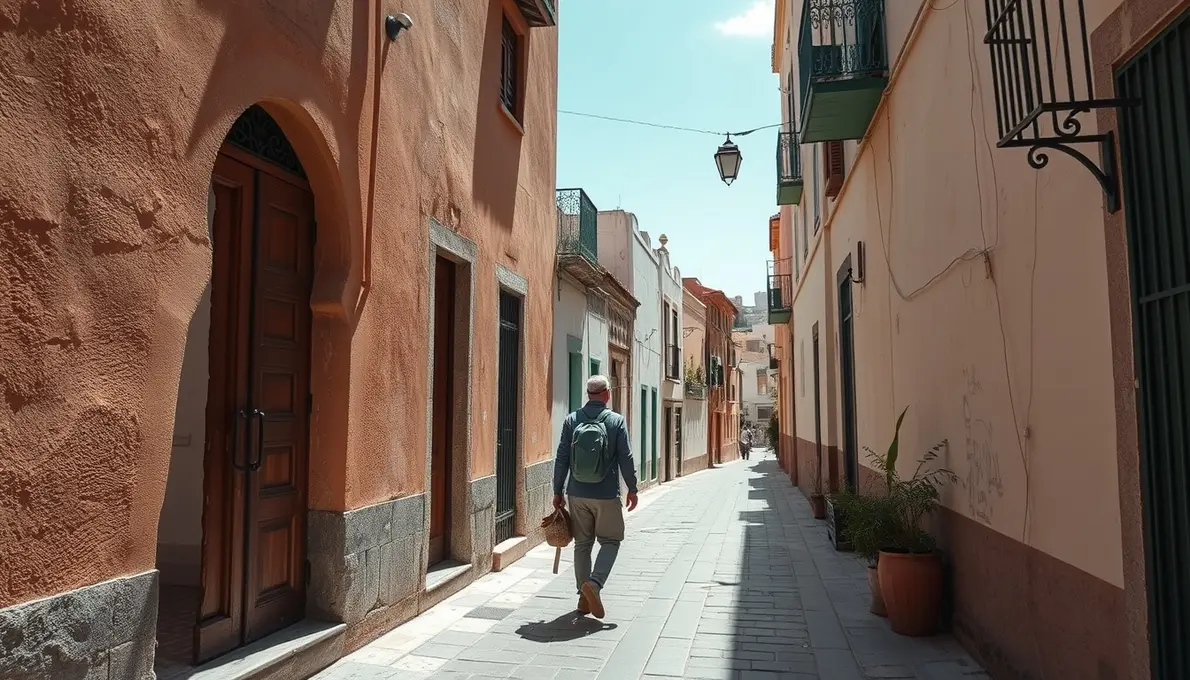
As midday approaches, you’ll undoubtedly work up an appetite. For a truly authentic experience, skip the tourist traps and seek out a small, local eatery (a snack or gargote) within the Medina. Look for places frequented by locals for fresh tagines, succulent grilled meats (brochettes), or a comforting harira soup. Many of these unassuming establishments offer incredible flavors at very reasonable prices. Alternatively, if you’re craving a panoramic view with your lunch, many riads within the Medina have rooftop terraces serving delicious Moroccan cuisine, offering a peaceful escape from the bustling streets below.
Calming Afternoons: Gardens of Tranquility and Artistic Inspirations
The afternoons in Marrakech can be intense, both in terms of heat and activity. This is the perfect time to seek out some of the city’s verdant oases, offering a peaceful counterbalance to the Medina’s energy.
First on your afternoon list should be the Jardin Majorelle. This iconic botanical garden, once owned by French painter Jacques Majorelle and later by fashion designer Yves Saint Laurent, is a masterpiece of landscape design. Its vibrant cobalt blue (Majorelle Blue) buildings provide a striking contrast against towering cacti, exotic plants, and tranquil water features. Stroll along the winding paths, discover rare plant species from around the world, and enjoy the soothing sound of flowing water. The garden also houses a small Berber Museum, offering insights into Amazigh culture and history. Demand for entry can be high, so consider purchasing tickets online in advance to save time. It’s truly one of the Marrakech day itinerary must-sees.
Adjacent to the Jardin Majorelle, you’ll find the Yves Saint Laurent Museum. If you have an interest in fashion and design, this modern museum is a wonderful complement to the gardens. It showcases a rotating selection of Saint Laurent’s haute couture designs, original sketches, and personal artifacts, celebrating his profound connection with Marrakech. The architecture of the museum itself is a work of art, blending seamlessly with the local aesthetic while offering a contemporary experience.
Alternatively, for another tranquil escape, the Secret Garden (Le Jardin Secret) offers a magnificent example of Islamic garden architecture. Recently restored, this historical complex features two distinct gardens: an exotic garden with plants from around the world and an Islamic garden designed according to traditional principles, complete with a beautifully restored riad. Its quiet beauty and thoughtful design make it a sublime spot for reflection and a break from the city’s hustle.
Evening Delights: Djemaa el-Fna’s Grand Spectacle and Culinary Adventures
As the sun begins to dip, casting a golden glow over the city, it’s time to head towards the beating heart of Marrakech: Djemaa el-Fna square. This UNESCO World Heritage site undergoes a dramatic transformation as evening approaches. What might seem like a chaotic marketplace by day bursts into an extraordinary open-air spectacle by night.
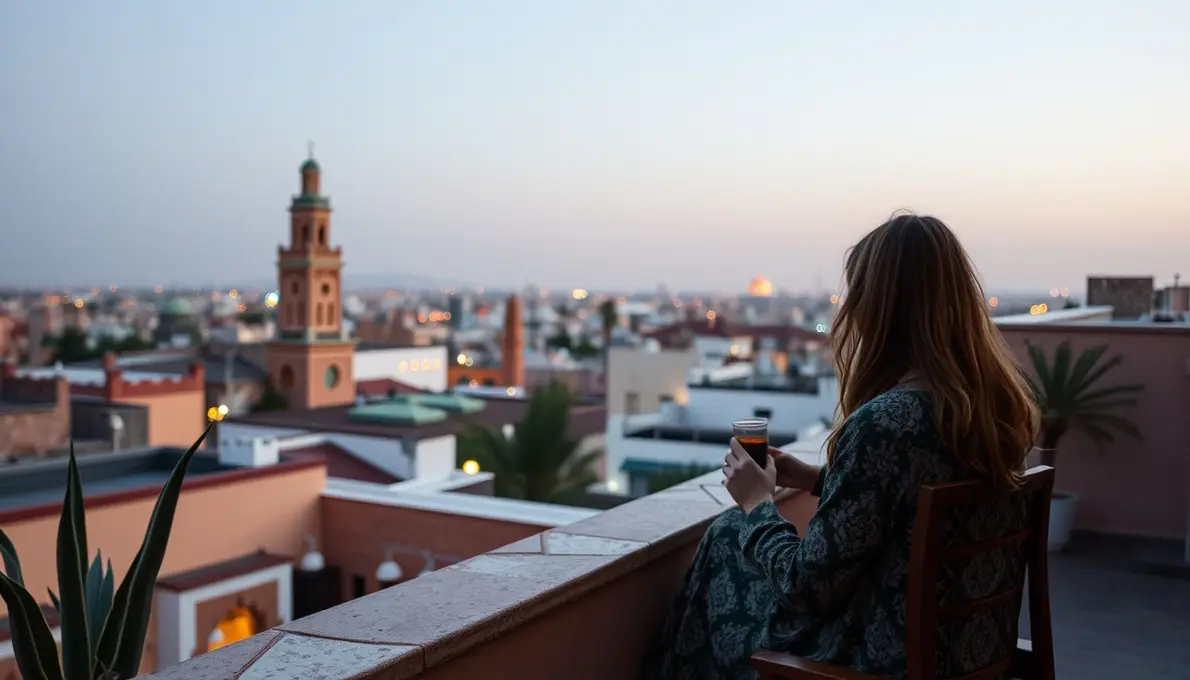
Find a spot on one of the many rooftop cafes overlooking the square to witness the transition. As dusk gathers, storytellers, musicians, snake charmers, acrobats, and food stalls emerge, creating an electrifying atmosphere. The air fills with the aroma of grilling meats, sweet pastries, and mint tea, mingled with the sounds of traditional music and hypnotic rhythmic drumming. This is arguably the most vibrant public square in Africa, a true Moroccan phenomenon, and essential for any Marrakech day itinerary.
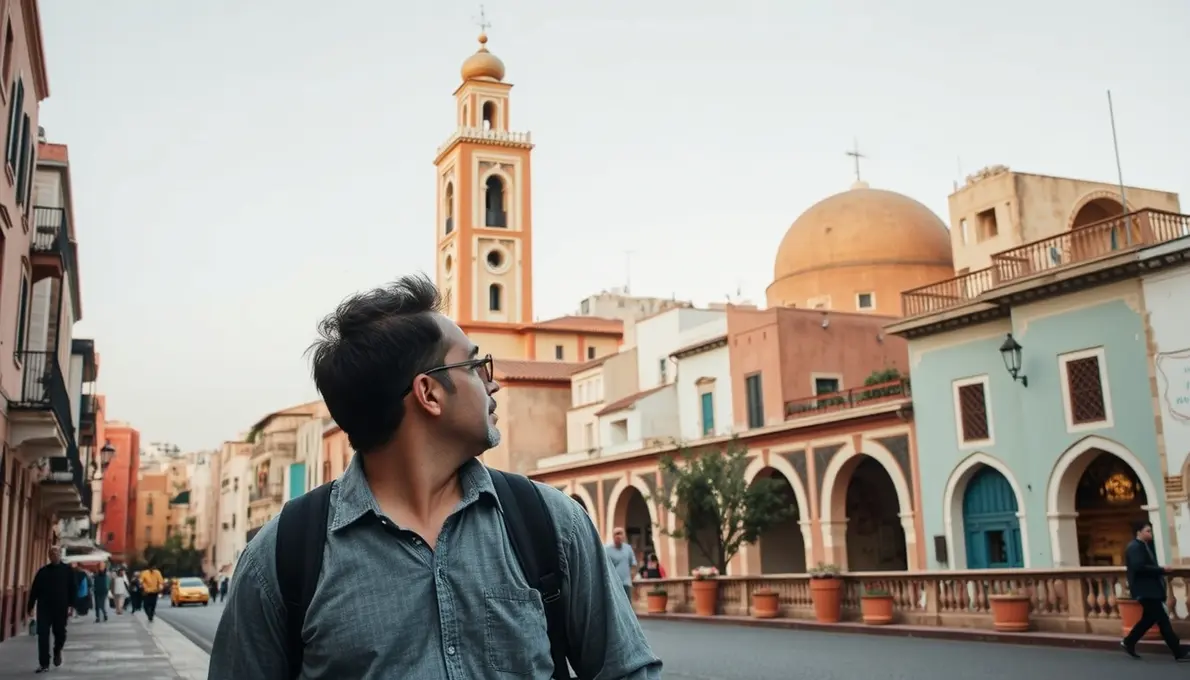
For dinner, you have several compelling options. You could dive into the heart of the action and dine at one of the countless food stalls that spring up in Djemaa el-Fna. Each stall specializes in different local delicacies, from harira and snail soup to grilled merguez sausages, tangia (a regional slow-cooked lamb or beef stew), and various tagines. It’s a wonderfully chaotic and authentic experience, but pay attention to where locals are eating for the freshest options. Alternatively, if you prefer a more refined culinary experience, venture into one of the numerous riad restaurants tucked away in the Medina. Many offer exquisite Moroccan cuisine in beautifully restored settings, often accompanied by live traditional music. These offer a serene and romantic atmosphere, perfect for unwinding after a busy day.
Unearthing Marrakech’s Hidden Gems and Local Secrets
While the major attractions are undoubtedly captivating, a truly memorable Marrakech day itinerary also includes discovering some of its less-траveled paths and local favorites. These hidden gems offer a deeper insight into the city’s soul and allow you to connect with its authentic charm.
One such gem is the Mellah, the old Jewish Quarter. Located south of the Kasbah, the Mellah offers a fascinating contrast to the lively souks. Its wider streets, distinctive architecture, and active spice market give it a unique character. Visit the tranquil Lazama Synagogue, a beautifully restored place of worship that stands as a testament to Marrakech’s multi-cultural past. The nearby Miaara Jewish Cemetery, with its whitewashed tombs, is also a poignant and peaceful site, providing a quiet moment of reflection away from the city’s bustle.
For those interested in traditional Moroccan crafts beyond the main souks, seek out local workshops. Many artisans work behind unassuming doors, creating pottery, leather goods, or intricate wood carvings. A good way to find these is to simply wander off the main thoroughfares or ask a local for recommendations. Observing a potter at their wheel or a leather tanner at work offers a much richer understanding of the craftsmanship that runs through Moroccan culture.
Another often overlooked experience is a visit to a local hammam. While many luxury hotels offer spa hammams, a traditional public hammam provides an authentic Moroccan cultural ritual. It’s a steamy, invigorating experience of washing, scrubbing, and relaxing that offers profound insight into local life. Be prepared for a no-frills, communal experience, but one that leaves you feeling incredibly refreshed and immersed in local customs. For detailed information on Marrakech must-sees, including cultural experiences, external resources can be very helpful.
Finally, consider exploring the Kasbah area and its historic Saadian Tombs. These 16th-century tombs, rediscovered in the early 20th century, are a remarkable example of Saadian artistry, with exquisitely carved cedarwood and intricate zellige tiles. Tucked away discreetly, they offer a moment of quiet awe, showcasing another layer of Marrakech’s rich historical tapestry. The peaceful gardens around the tombs also make for a pleasant break.
Crafting Your Perfect Marrakech Day: Practical Tips for a Seamless Exploration
Executing a successful Marrakech day itinerary requires a bit of planning and an open mind. The city can be overwhelming at first, but with these practical tips, you’ll navigate its wonders with ease and confidence.
Getting Around: Within the Medina, walking is your primary mode of transport. Wear comfortable, sturdy shoes, as the cobblestone streets can be uneven. For longer distances outside the Medina walls, or when you’re tired of walking, petit taxis (small beige cars) are readily available. Always confirm the price with the driver before getting in, or ensure the meter is running. Horse-drawn carriages (calèches) are another charming way to see certain parts of the city, especially during the cooler evenings, but agree on a price beforehand.
Navigation and Connectivity: While getting lost in the souks can be part of the adventure, having offline maps on your phone (like Google Maps or Maps.me) can be a lifesaver. Wi-Fi is generally available in cafes and riads, but a local SIM card (available cheaply at the airport) can provide reliable data for on-the-go navigation and communication.
Dress Code and Cultural Sensitivity: Morocco is a Muslim country, and while Marrakech is accustomed to tourists, dressing respectfully is always appreciated. For women, this means covering your shoulders and knees. Men should also avoid overly revealing clothing. When interacting with locals, a friendly “Salam Alaikum” (peace be upon you) and “Shukran” (thank you) go a long way. Always ask permission before taking photos of people, especially vendors or performers.
Hydration and Sun Protection: Marrakech can get very hot, especially outside of the cooler months. Carry a reusable water bottle and stay hydrated throughout the day. Sunscreen, a wide-brimmed hat, and sunglasses are essential, even on overcast days. Seek shade during the hottest parts of the afternoon.
Money Matters: The local currency is the Moroccan Dirham (MAD). While many larger establishments and upscale restaurants accept credit cards, cash is king, especially in the souks and smaller eateries. ATMs are widely available, but be aware of potential transaction fees.
By keeping these practicalities in mind, your Marrakech day itinerary will be not just exciting and culturally rich, but also smooth and enjoyable. Be open to spontaneity, embrace the sensory delight, and most importantly, savor every moment in this captivating city.
Conclusion
A single day in Marrakech is a whirlwind, an unforgettable journey through centuries of history, vibrant culture, and mesmerizing sensory experiences. From the hushed grandeur of ancient palaces to the cacophony of the Djemaa el-Fna, and the tranquil beauty of its gardens, a well-planned Marrakech day itinerary allows you to touch upon the very essence of this magnificent city. Whether you’re seeking architectural marvels, culinary adventures, or the thrill of the souks, Marrakech promises a day filled with enchanting discoveries and lasting memories.
FAQs
What’s the best way to get from Marrakech Menara Airport (RAK) to the city center?
The easiest and most common ways are by grand taxi, which can be found just outside the terminal, or by taking bus line 19. Many riads and hotels also offer airport transfer services, which can be convenient for a hassle-free arrival, especially if you’re staying within the Medina where cars cannot always access directly.
Is it safe to walk around Marrakech’s Medina at night?
Generally, yes, the main thoroughfares and especially Djemaa el-Fna are very lively and safe at night. However, it’s always wise to be aware of your surroundings, especially in quieter, less-lit alleyways. Walking with a companion is advisable, and if you’re unsure, a short petit taxi ride can get you safely back to your accommodation.
How much should I budget for a day in Marrakech?
This varies greatly depending on your style of travel. You could spend as little as 300-500 MAD (approx. 30-50 USD) for a budget-friendly day with casual meals and entry to a few attractions. For a more comfortable experience with nicer meals, a few guided experiences, and perhaps some shopping, budgeting 800-1500 MAD (approx. 80-150 USD) or more would be appropriate. Remember to factor in your accommodation expenses separately.
What is the etiquette for bargaining in the souks?
Bargaining is a cultural tradition in Moroccan souks and is expected for most items, especially non-food goods. Start by offering significantly less than the asking price (often around 30-50% less) and slowly negotiate towards a mutually agreeable price. Keep it light-hearted and friendly, and don’t be afraid to walk away if you can’t agree on a price – vendors will often call you back with a better offer. Always aim for a price you feel comfortable paying.




 Covers cities, coast, mountains, desert & food