Stepping into Marrakech is a feast for the senses, but truly understanding its soul often starts in the kitchen. For any culinary enthusiast, delving into authentic Moroccan flavors isn’t just about eating – it’s about learning the ancient techniques and spice secrets that transform simple ingredients into extraordinary dishes. This is precisely why engaging in Marrakech cooking classes offers far more than just a meal; it’s an immersive cultural journey, a hands-on adventure into the heart of Moroccan hospitality and tradition. You’re not just following a recipe; you’re unlocking generations of culinary wisdom.
From Souk to Stew: The Full Culinary Journey
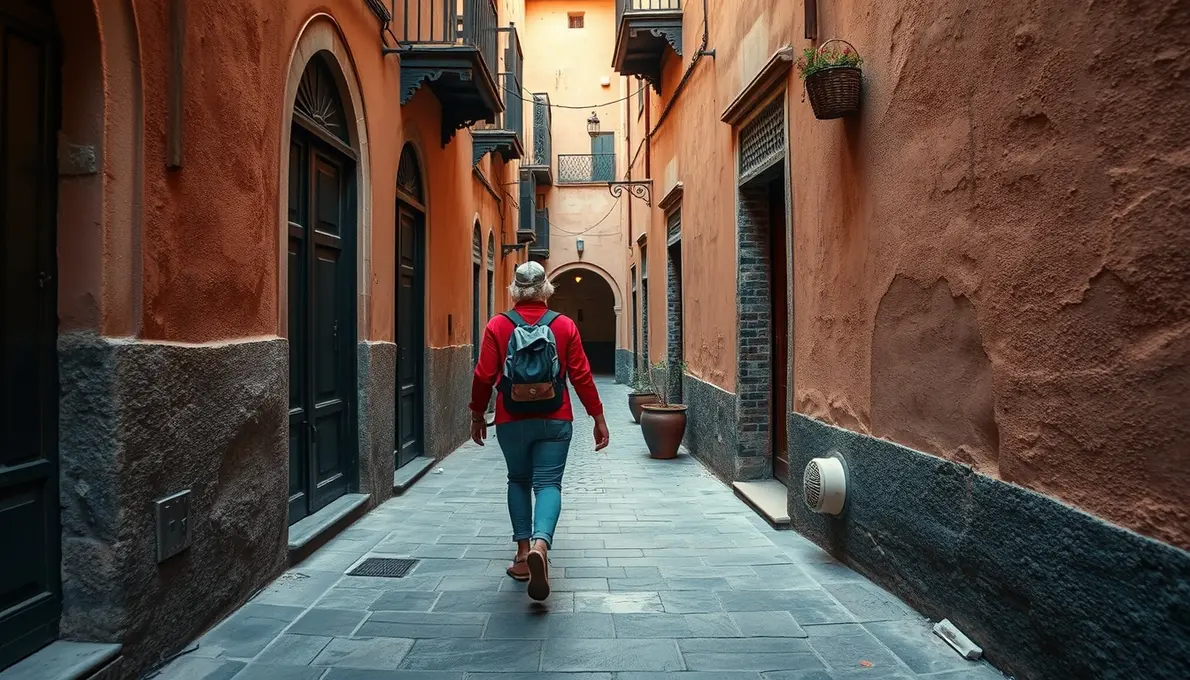
Many of the most rewarding Marrakech cooking classes begin not in a pristine kitchen, but amidst the vibrant chaos of a local souk. This initial immersion is crucial, setting the stage for what’s to come. Imagine navigating the labyrinthine alleys, the air thick with the scent of cumin, saffron, and mint, as your guide expertly selects ripe vegetables, fragrant herbs, and the freshest cuts of meat. This isn’t a quick supermarket run; it’s an education in choosing quality, understanding seasonality, and even haggling playfully with vendors – skills central to Moroccan home cooking. You’ll learn about the unique properties of different spices, how to identify genuine argan oil, and the stories behind staple ingredients like preserved lemons and olives. This pre-cooking market tour transforms grocery shopping into a cultural seminar, preparing you for the alchemy that will soon unfold back in the kitchen. It’s an integral part of understanding how Moroccan dishes come to life, from farm or market to table, emphasizing the freshness and local sourcing that define the cuisine.
Hands-On Tagine Mastery: Crafting Marrakech’s Signature Dishes
Once back from the bustling souk, the real work (and fun!) begins. The core of most Marrakech cooking classes revolves around mastering the tagine, the iconic conical clay pot that gives its name to many beloved Moroccan stews. You’ll be guided through the intricate process of layering flavors, from the base of onions and garlic to vibrant vegetables, succulent meats (often lamb, goat, or chicken), and the star of the show: the complex blend of spices. Beyond the tagine, you might learn to prepare couscous properly – steaming it multiple times until it achieves that fluffy, perfect texture – or delve into the art of making pastilla, a savory-sweet pigeon or chicken pie encased in delicate warqa pastry. These aren’t just demonstrations; these are fully interactive sessions where you chop, blend, season, and stir under the watchful eye of experienced local chefs or home cooks. The atmosphere is typically relaxed and friendly, encouraging questions and shared laughter. It’s here that you truly appreciate the patience and passion that goes into every Moroccan meal.
Spice Secrets and Mint Tea Rituals: Unraveling Moroccan Flavors
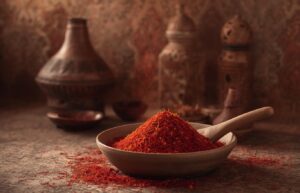
Moroccan cuisine is renowned for its aromatic spices, and a key takeaway from any of the best Marrakech cooking classes is an insider’s understanding of this spice pantry. Beyond the obvious cumin and turmeric, you’ll discover the nuances of ras el hanout, a complex blend that varies from vendor to vendor, often containing dozens of ingredients. You’ll learn how to properly toast and grind spices to release their full potential, and the subtle art of balancing sweet and savory notes – a hallmark of Moroccan cooking. Beyond the main dishes, you’ll also be initiated into the revered ritual of preparing Moroccan mint tea, often called ‘Berber whisky.’ This isn’t just brewing tea; it’s an elaborate process involving multiple pours, aeration from height, and a precise balance of green tea, fresh mint, and sugar. This tea ceremony is a profound symbol of hospitality, friendship, and cultural connection, and learning to prepare it correctly is a privilege that extends beyond the kitchen. Many classes also touch upon essential Moroccan condiments like harissa (a fiery chili paste) and chermoula (a flavorful marinade for fish) or even the simple yet sublime charmoula for vegetables. You’ll understand why these elements are crucial to the overall dining experience.
Beyond the Recipe Book: Cultural Immersion Through Cuisine
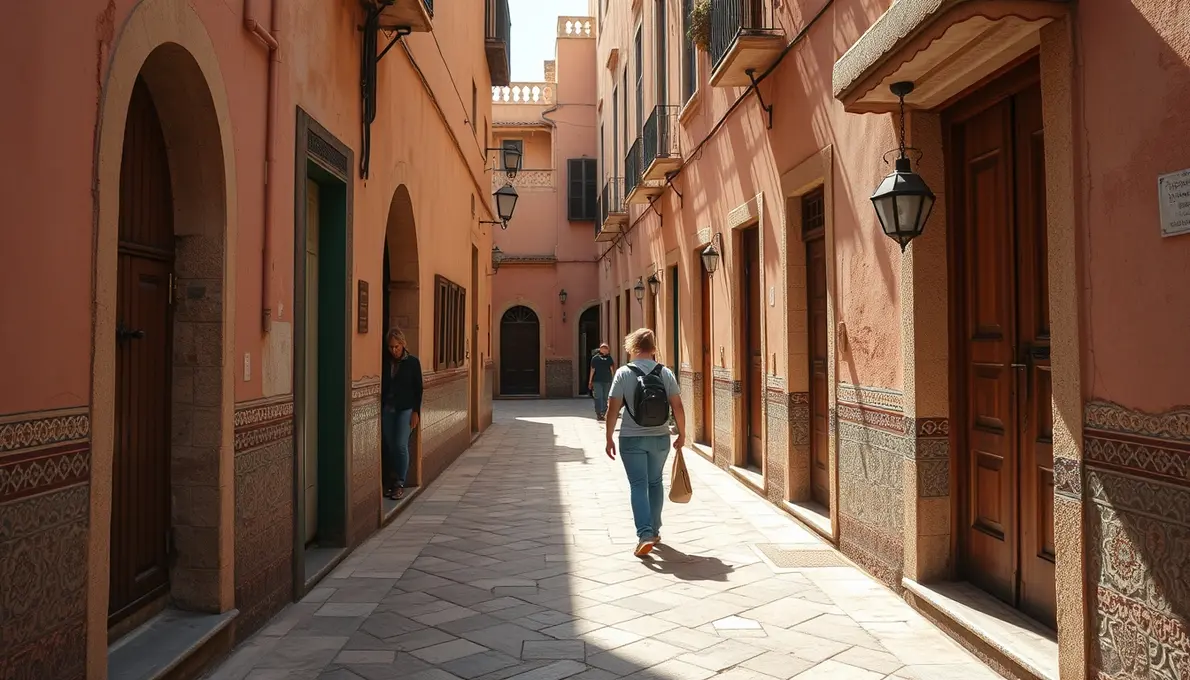
Participating in Marrakech cooking classes is about more than just culinary skills; it’s a profound cultural exchange. These experiences often take place in traditional riads or guesthouses, offering a glimpse into local life that goes beyond the tourist circuit. You’ll frequently learn from women who have inherited recipes and techniques from generations of family members, sharing not just instructions but personal stories and anecdotes that bring the dishes to life. It’s a chance to connect with locals on a deeper level, to ask questions about daily life in Marrakech, and to understand the role food plays in Moroccan society, from family gatherings to religious festivals. This authentic interaction often includes discussions on cultural etiquette surrounding meals, such as the importance of sharing, eating with the right hand, and the significance of hospitality. You’ll gain an appreciation for the communal nature of Moroccan dining and the warmth of its people. For those keen to explore more of the city’s vibrant life, delving into these classes complements visits to various Marrakech cooking classes, offering a holistic understanding of the city’s pulse.
Pairing Your Culinary Quest: Marrakech Food Tours and Dining Experiences
While cooking classes provide the hands-on education, supplementing them with a dedicated Marrakech food tours allows you to explore the wider gastronomic landscape without the apron. Food tours typically focus on tasting street food, visiting specialized vendors, and discovering hidden culinary gems that you might otherwise miss. Imagine sampling everything from steaming bowls of harira soup and tangia (a slow-cooked meat dish unique to Marrakech) to sweet pastries and freshly squeezed orange juice, all while learning about the history and significance of each dish. These tours often delve into different neighborhoods, providing context to the local food scene and highlighting the diversity of Moroccan flavors. Combining a cooking class with a food tour offers a balanced approach: you learn the ‘how’ in the kitchen and experience the ‘what’ and ‘where’ on the streets. This dual approach ensures a comprehensive understanding and appreciation of Marrakech’s incredible culinary heritage.
Practicalities: Choosing the Right Class for You
With numerous Marrakech cooking classes on offer, selecting the right one can feel daunting. Consider several factors to ensure the best fit for your interests and schedule. Group size can significantly impact the experience; smaller groups often allow for more personalized attention from the instructor. Look at the menu offered – some classes focus on a few iconic dishes, while others might provide a wider variety or cater to specific dietary requirements (vegetarian, vegan, gluten-free options are increasingly available). Duration is another point: some classes are half-day affairs, while others might extend to a full day, including the market visit. Read reviews from previous participants to gauge the quality of instruction and the overall atmosphere. Websites of reputable local tour operators and riads in Marrakech will often list their cooking class offerings, complete with detailed itineraries and pricing. Booking in advance, especially during peak travel seasons, is highly recommended to secure your spot in a popular class. Don’t hesitate to ask questions about what’s included – from market tours to recipes to the final meal itself.
Conclusion
Embarking on Marrakech cooking classes is undeniably one of the most enriching and delicious ways to connect with the city’s vibrant culture. It’s an experience that transcends mere tourism, offering practical skills, cultural insights, and unforgettable memories. By the end of your class, you’ll not only have a deeper appreciation for Moroccan cuisine but also a tangible skill set to recreate these exotic flavors in your own kitchen, bringing a piece of Marrakech back home with you. These classes are more than just an activity; they are a gateway to understanding the warmth, generosity, and intricate tapestry of Moroccan life, spiced with a healthy dose of culinary magic.

FAQs
What can I expect during a typical Marrakech cooking class?
Most Marrakech cooking classes begin with a guided tour of a local souk (market) to purchase fresh ingredients. Following this, you’ll return to a kitchen, often in a traditional riad, where a local chef or home cook will guide you through preparing several Moroccan dishes, such as a tagine, couscous, or a salad. The experience is hands-on, and you’ll usually get to enjoy the meal you’ve prepared at the end. Many classes also include learning to make mint tea.
Are Marrakech cooking classes suitable for beginners?
Absolutely! The vast majority of Marrakech cooking classes are designed to accommodate all skill levels, from complete novices to seasoned home cooks. Instructors are patient and will guide you step-by-step through each recipe, ensuring everyone can participate and achieve delicious results. Don’t worry if you’ve never cooked Moroccan food before.
How long do these cooking classes typically last?
The duration of Marrakech cooking classes can vary, but generally, they range from 3 to 6 hours. This often includes the market visit, the cooking session itself, and the time spent enjoying the meal. Some full-day options might offer more in-depth exploration or additional culinary activities.
Can I find vegetarian or vegan options in Marrakech cooking classes?
Yes, many Marrakech cooking classes are increasingly catering to various dietary restrictions. It’s common to find classes that offer vegetarian or vegan menu options, focusing on the abundant fresh vegetables, legumes, and spices central to Moroccan cuisine. It’s always best to communicate any dietary needs when booking your class to ensure they can be accommodated.


 Covers cities, coast, mountains, desert & food