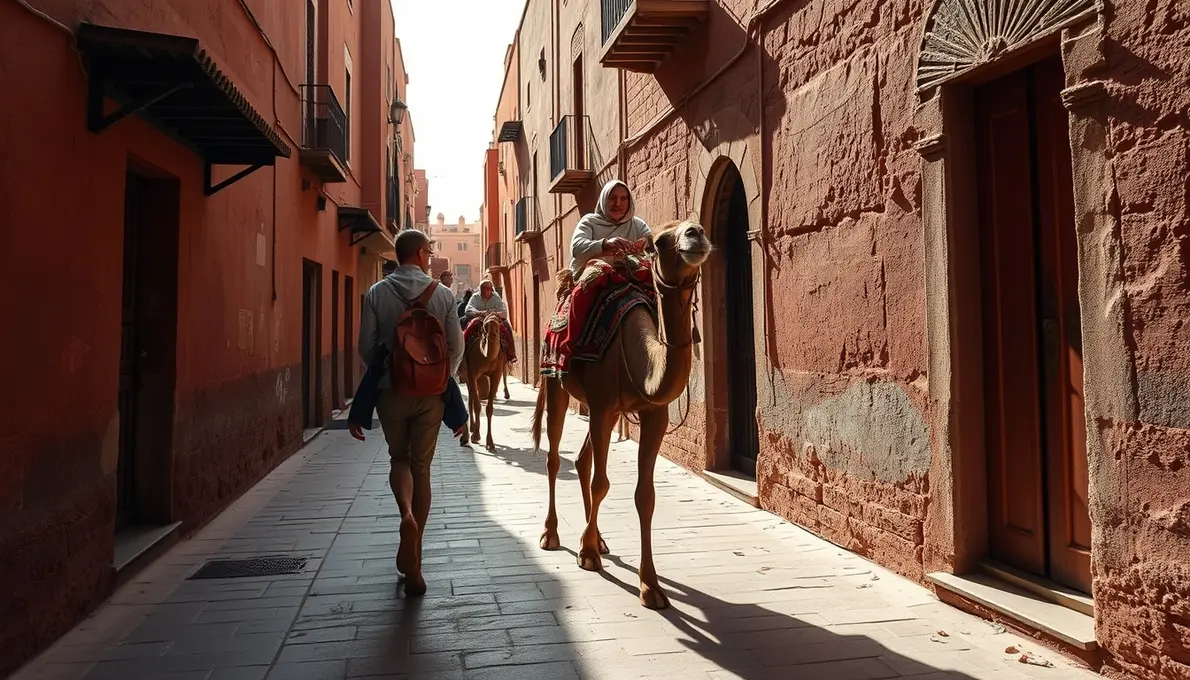
Marrakech, a city pulsating with vibrant souks, enchanting gardens, and the calls of street performers, offers an iconic experience that beckons travelers from across the globe: Marrakech camel rides. There’s a certain magic to swaying gently atop these “ships of the desert,” whether it’s for a serene hour at sunset or an immersive journey into the vast, silent landscapes beyond the city’s walls. This guide dives into the best tours and desert adventures, ensuring your encounter with these magnificent creatures is truly unforgettable.
Choosing Your Camel Caravan: Short Treks Near the City
For those looking for a taste of the desert experience without committing to an overnight stay, Marrakech offers an abundance of shorter camel treks. These are perfect for families, travelers with limited time, or anyone simply wanting to tick off this quintessential Moroccan activity. Most of these excursions take place in the Palmeraie, a sprawling oasis of palm groves just outside Marrakech.
The Palmeraie offers a remarkably accessible setting for your first Marrakech camel rides. You’ll typically be picked up from your accommodation and driven a short distance to the palm groves. Here, you’ll meet your friendly camel and its handler, often dressed in traditional Berber attire. After a brief introduction and some help mounting, you’ll set off. The pace is slow and rhythmic, allowing you to soak in the rustling palms, the earthy scent, and perhaps catch a beautiful sunset as the sky paints itself in hues of orange and pink. Many tours include a stop for mint tea and Moroccan pastries, providing a moment of cultural immersion amidst the scenic backdrop. These shorter tours usually last between one and three hours, including transport, offering excellent value for a memorable experience.
One significant advantage of these shorter, localized camel treks is their convenience. They fit easily into a busy Marrakech itinerary, allowing you to combine them with visits to the Djemaa el-Fna, Jardin Majorelle, or the Bahia Palace. While not a true desert immersion, they provide an authentic and enjoyable introduction to camel riding within a stunning, accessible landscape. They also frequently cater to different group sizes, from solo travelers to large families, ensuring everyone can partake in the adventure.
Beyond the Palms: Iconic Marrakech Desert Tours and Overnight Stays
While the Palmeraie offers a delightful introduction, the true allure of Marrakech camel rides often lies in venturing further afield into the boundless Moroccan desert. For a more profound and immersive experience, consider one of the iconic desert tours that depart from Marrakech, pushing into the vast and breathtaking Sahara. These multi-day excursions transform a simple camel ride into a grand adventure, combining travel through dramatic landscapes with nights under a canopy of stars.
The most popular multi-day desert tours typically head towards two major desert destinations accessible from Marrakech: Zagora and Merzouga. Each offers a distinct desert flavor.
Zagora Desert Tours: Often a 2-day, 1-night trip, a tour to Zagora is a fantastic choice for those with slightly less time or a tighter budget who still crave a genuine desert experience. The journey itself is an adventure, crossing the High Atlas Mountains via the stunning Tizi n’Tichka pass, with stops at historic kasbahs like Ait Benhaddou (a UNESCO World Heritage site and popular filming location) and the Ouarzazate film studios. Once in Zagora, you’ll embark on your camel trek into the nearby dunes (often the Agdz or Tinfou dunes, which are rockier and less dramatic than Merzouga but still beautiful). Accommodation is typically in a traditional Berber desert camp, complete with dinner, entertainment around a campfire, and a night in a tent. The sunrise camel ride back to the vehicle is equally enchanting.
Merzouga Desert Tours: For the quintessential, towering sand dune experience, a 3-day, 2-night (or longer) tour to Merzouga and the Erg Chebbi dunes is unparalleled. This journey is longer and more demanding, but the reward is immense. You’ll travel through even more varied landscapes, including lush oases and remote Berber villages, before reaching the spectacular golden dunes of Erg Chebbi, which can reach heights of over 150 meters. Your camel trek here feels truly epic, winding through the colossal dunes as the sun dips below the horizon, painting the sky in fiery hues. The overnight camps in Merzouga are often a step up in comfort, ranging from traditional to luxury, offering private tents with beds and sometimes even private bathrooms. Stargazing in Merzouga is an experience that words can barely capture, with the sheer number of stars seemingly within arm’s reach. The longer travel time allows for more stops and a deeper appreciation of Morocco’s diverse geography.
Remember that these desert tours involve significant travel time in vans or minibuses, often 8-10 hours of driving on travel days. While the destinations are incredible, be prepared for long stretches on the road. The desert camps themselves are usually basic but comfortable, providing an authentic glimpse into nomadic life, albeit with tourist amenities. These longer Marrakech desert tours offer not just camel rides but a holistic journey through Morocco’s dramatic interior.
Practicalities of Riding: What to Expect and How to Prepare
Embarking on Marrakech camel rides is an exciting prospect, but a little preparation can go a long way in ensuring comfort and enjoyment. Whether you’re opting for a short trip in the Palmeraie or a multi-day desert adventure, understanding the practical aspects will enhance your experience.
First, let’s talk about the ride itself. Camels are tall creatures, and mounting can feel a little daunting at first. The camel will sit down, allowing you to climb into the saddle. Once you’re settled, it will stand up – first on its back legs, then its front – which can feel like a considerable jolt forward and then backward. Hold onto the saddle horn firmly! The pace of a camel is slow and deliberate, a gentle swaying motion that some find meditative, others a little uncomfortable for long periods. Your guide or tour operator will provide instructions on how to hold on and make yourself comfortable.
What to Wear: Comfort is key. Loose-fitting, breathable clothing is highly recommended, especially long pants (jeans or linen trousers work well) to prevent chafing against the saddle. Shorts are generally not advised. While you’ll be given a headscarf (cheich) to protect from sun and sand, bringing your own wide-brimmed hat adds another layer of protection. Sunglasses are essential, and a light jacket or scarf can be useful for cooler evenings, particularly in the desert. Closed-toe shoes or sturdy sandals are better than open-toed flip-flops.
Sun and Sand Protection: The Moroccan sun, especially in the desert, is intense. Generous application of high-SPF sunscreen is non-negotiable. The headscarf provided by most tours is not just for aesthetics; it’s crucial for shielding your head and neck from the sun and keeping sand out of your hair. Consider a bandana or scarf to cover your mouth and nose if you’re sensitive to dust or on a particularly windy day. A small backpack or daypack is useful for carrying water, sunscreen, and a camera.
Hydration: Always bring plenty of water. Even on shorter rides, you’ll be exposed to the sun and dry air, making dehydration a risk. Desert tours will typically provide water, but it’s always wise to have extra.
Photography: You’ll want to capture the stunning scenery and your unique experience. If using a phone, secure it with a lanyard. For cameras, be mindful of dust and sand; a protective bag or cover is advisable. Don’t forget to ask your guide if it’s okay to take pictures of them or others.
Camel Welfare: Most reputable tour operators prioritize the well-being of their camels. However, it’s always good practice to observe the animals. Do they appear healthy and well-fed? Are they being treated gently by their handlers? Ethical tourism supports operators who care for their animals.
By being prepared for these practicalities, you can fully immerse yourself in the joy of your Marrakech camel rides, creating memories that will last a lifetime.
From Day Trip to Deep Dive: Customizing Your Desert Experience
Marrakech offers a spectrum of desert experiences, allowing you to tailor your Marrakech camel rides and desert adventures precisely to your preferences, time constraints, and budget. It’s not a one-size-fits-all situation, and understanding the options can help you decide whether a brief encounter or an epic journey is right for you.
The “Taste of the Desert” – Half-Day Palmeraie Excursions:
These are perfect for travelers with limited time or those who aren’t quite ready for an overnight stay. Typically lasting 2-3 hours (including hotel transfers), these trips focus solely on a camel ride within Marrakech’s Palmeraie. You’ll often be treated to Berber tea and snacks. The advantages are convenience, affordability, and fitting easily into a packed itinerary. They offer a lovely introduction to camel riding and the Moroccan landscape without the commitment of longer travel. These are often combined with quad biking for an action-packed half-day.
The “Desert Taster” – Full Day Aït Benhaddou & Ouarzazate with Camel Ride:
Some full-day tours from Marrakech to the High Atlas Mountains and the famous Aït Benhaddou kasbah will include a short camel ride option, usually near Ouarzazate or in a smaller, accessible dune area. This allows you to combine sightseeing with a camel experience in one day. While the camel ride itself will be brief, it offers a quick photo opportunity and a sense of the desert environment after traversing the stunning mountain passes. It’s a great option if your primary goal is Aït Benhaddou but you’d also like to say you rode a camel.
The “Intermediate Immersion” – 2-Day Zagora Desert Tour:
As mentioned earlier, the 2-day, 1-night trip to Zagora is a popular compromise. It involves a full day of travel to reach the edge of the Sahara, a sunset camel trek, an overnight stay in a desert camp, and a sunrise camel trek. This offers a more substantial desert feel than the Palmeraie but is less strenuous than Merzouga. It’s excellent for those who want the overnight camp experience and a reasonable camel ride through dramatic, if not massive, dunes without extending their trip too much.
The “Full Desert Experience” – 3+ Day Merzouga Desert Tour:
This is the ultimate choice for desert lovers. The 3-day, 2-night tour to Erg Chebbi near Merzouga provides the iconic, vast golden dunes that often come to mind when thinking of the Sahara. The journey is longer, passing through diverse landscapes, and the camel trek itself is often longer and more spectacular. You’ll spend two nights in the desert, often enjoying richer cultural experiences at the camps. While more expensive and time-consuming, the rewards of stargazing in Merzouga and witnessing those unparalleled dunes are truly worth it for many. For those with more time, 4-day tours might include more stops, activities like sandboarding, or even deeper treks into the desert.
Private vs. Group Tours:
When booking Marrakech camel rides for desert tours, you’ll generally have a choice between group tours (usually in minibuses with mixed travelers) and private tours (with a dedicated vehicle and driver/guide).
- Group Tours: More budget-friendly, a good way to meet other travelers, but less flexible with stops and timings.
- Private Tours: More expensive but offer maximum flexibility, personalized itinerary, and often a higher level of comfort and attentiveness. Ideal for families or couples seeking a tailored experience.
Consider your priorities: Is it just a bucket-list photo? A peaceful escape? A cultural immersion? An adventurous journey? By understanding these distinctions, you can select the perfect desert adventure to complement your time in Marrakech.
Beyond the Ride: Adding Value to Your Journey
While the allure of Marrakech camel rides is undeniable, many tours proactively enhance the experience by weaving in rich cultural encounters, historical insights, and unique activities. Your desert adventure doesn’t just begin and end atop a camel; it’s a tapestry of Moroccan experiences waiting to be discovered.
Cultural Interactions and Berber Hospitality:
Most reputable desert tours prioritize opportunities for cultural exchange. You’ll often stop at a traditional Berber village or cooperative, allowing you to see local life, witness traditional crafts (like carpet weaving or argan oil production), and perhaps sample local fare. At the desert camps, the evenings are typically filled with music – drumming around a campfire under the stars – and storytelling by your Berber hosts. This isn’t just entertainment; it’s a window into the rich heritage and warm hospitality of the Amazigh people, the indigenous inhabitants of Morocco. Guides often share insights into their customs, language, and way of life, adding depth to the scenic beauty.
Historical Gems Along the Route:
The journey to the desert is often as captivating as the destination itself, punctuated by stops at magnificent historical sites. Aït Benhaddou, a fortified village that looks straight out of an epic movie, is a common and essential stop on most desert routes from Marrakech. Recognized as a UNESCO World Heritage site, its ancient mud-brick architecture is breathtaking. Ouarzazate, known as the “Gateway to the Sahara” and home to major film studios, is another frequent stop, offering glimpses into Morocco’s role in cinematic history. These stops break up the long drives and provide valuable context to the regions you’re traversing.
Adventure Beyond the Camel:
For the thrill-seekers, many desert tours or independent operators offer additional activities. Sandboarding down the vast dunes of Erg Chebbi is a popular choice, a thrilling experience akin to snowboarding but on sand. Some camps or nearby towns offer quad biking or dune buggies, providing an adrenaline rush through the desert landscape. While these might not be included in all standard tour packages, they are often available as add-ons, allowing you to diversify your desert adventure beyond just camel riding.
Gastronomic Delights in the Desert:
Food is an integral part of Moroccan culture, and your desert journey will be no exception. Meals served in the desert camps are typically traditional Moroccan fare – think hearty tagines, couscous, and fresh bread baked over an open fire. Often, vegetarian options are available, but it’s always best to communicate any dietary restrictions in advance. Enjoying a freshly prepared meal under the vast desert sky, perhaps with the scent of spices wafting through the air, is an experience in itself.
By choosing a tour that thoughtfully integrates these elements, your Marrakech camel rides become part of a larger, more enriching immersive journey into the heart of Morocco’s culture, history, and natural beauty.
Finding Your Perfect Camel Ride Tour: Tips for Booking
Booking your Marrakech camel rides and desert adventures requires a bit of research to ensure a reputable operator and a tour that meets your expectations. The sheer number of options can be overwhelming, but a few key considerations will help you make the best choice.
Research and Reviews:
The first step is always to read recent reviews on platforms like TripAdvisor, Google Reviews, and other travel forums. Look for consistent feedback regarding camel welfare, guide professionalism, punctuality, food quality, and the overall experience. Pay attention to what past travelers highlight as both positives and negatives. A highly-rated operator often means better service and a more reliable experience.
What’s Included (and What’s Not):
Always scrutinize the “Included” and “Excluded” sections of any tour description.
- Typically Included: Hotel pick-up/drop-off, transportation, camel trek, overnight accommodation in a desert camp, dinner, breakfast.
- Often Excluded: Lunches (especially on multi-day tours, allowing you to choose your own stops), drinks (beyond perhaps tea or water at meals), entry fees to attractions (like Aït Benhaddou), tips for guides/drivers/camel handlers, optional activities (like sandboarding, quad biking). Knowing these details upfront prevents surprises and helps with budgeting.
Group Size and Type of Transport:
As mentioned earlier, decide if you prefer a shared group tour (more budget-friendly, typical minibuses seating 12-17 people) or a private tour (more flexible, often in a comfortable 4×4, but more expensive). Group tours can be a great way to meet people, but private tours offer a more personalized and often quicker journey.
Guide and Driver Quality:
A knowledgeable and friendly guide can transform your experience. Look for reviews that specifically mention the quality of the guides and drivers. They are your primary point of contact and source of information throughout the trip. Ensure your guide speaks your preferred language.
Camel Welfare Considerations:
While it can be difficult to assess from abroad, try to choose operators known for treating their animals well. Reviews that mention healthy-looking camels and respectful handlers are a good sign. Supporting ethical tourism is crucial.
Booking Online vs. In-Person:
You have the option to book your tour online in advance or upon arrival in Marrakech.
- Online Booking: Provides peace of mind, allows for thorough research, and guarantees your spot, especially during peak season. Reputable online travel agencies (OTAs) and direct bookings with established tour companies are good options.
- In-Person Booking: Offers the chance to negotiate prices (especially in the souks, but be wary of overly cheap deals) and speak directly with operators. However, it can be riskier in terms of quality and reliability if you go with an unknown vendor. If booking in person, ensure you get all agreements in writing.
For your convenience, consider trusted online platforms that vet their operators. This helps ensure a smooth and enjoyable experience, leading to truly unforgettable Marrakech camel rides. Additionally, if planning a broader Moroccan adventure, understanding how to plan out your journey, such as Marrakech camel rides, can be incredibly helpful for seamless travel.
Conclusion
Embarking on Marrakech camel rides is an experience that perfectly encapsulates the magic and adventure Morocco has to offer. Whether your journey takes you for a serene sunset amble through the Palmeraie or a multi-day epic into the heart of the Sahara, the rhythmic sway of the desert’s ship leaves an indelible mark. From the gentle presence of these magnificent animals to the vast, star-studded skies over a Berber camp, each moment is a postcard waiting to be framed. By choosing the right tour and preparing adequately, you’re not just booking a ride; you’re securing a cherished memory of an unforgettable Moroccan adventure.
FAQs
What is the best time of year for Marrakech camel rides and desert tours?
The best time is generally during the cooler months, from September to May. During these periods, the daytime temperatures are pleasant for riding, and the nights in the desert are cool but not freezing. Summer (June-August) can be extremely hot, making multi-day desert tours particularly challenging, though short Palmeraie rides are still possible in the early morning or late afternoon.
Are Marrakech camel rides suitable for children?
Yes, most camel rides, especially the shorter treks in the Palmeraie, are very suitable for children. Operators are usually happy to have a parent and child ride on the same camel for safety and comfort. For longer desert tours, it depends on the child’s age and tolerance for long travel days in a vehicle. Always check with the tour operator for their specific age recommendations.
What should I bring on an overnight desert tour from Marrakech?
For an overnight desert tour, pack light. Essentials include comfortable, loose-fitting clothing (long pants are a must for riding), a hat or headscarf, sunglasses, high-SPF sunscreen, a light jacket or warm layers for cool desert nights, a small backpack, a reusable water bottle, a camera, power bank for electronics (charging options in camps can be limited), and any personal medications. Don’t forget some small change for tips!
Can I book a camel ride directly when I arrive in Marrakech?
Yes, you can book camel rides and desert tours directly once you arrive in Marrakech, particularly through your hotel or local tour agencies in the Djemaa el-Fna area. However, it’s often advisable to book in advance, especially during peak travel seasons, to secure your preferred tour, compare prices, and read reviews to ensure a reputable operator.



 Covers cities, coast, mountains, desert & food