

As spring starts, Morocco becomes a lively place with nice weather. Knowing the weather is key for planning your trip. You’ll find mild temperatures, perfect for seeing the country’s varied landscapes.
Traveling to Morocco in March means enjoying average highs in the low 70s (Fahrenheit) in cities like Marrakesh. Northern cities like Fes and Tangier are a bit cooler. Also, March is one of Morocco’s wettest months, except for the coast.
Key Takeaways
- Mild temperatures characterize spring in Morocco.
- Marrakesh experiences average highs in the low 70s (Fahrenheit) in March.
- Northern cities are slightly cooler than Marrakesh during this time.
- March is one of Morocco’s rainiest months, except for coastal areas.
- Pleasant weather makes spring an ideal time to explore Morocco.
Morocco’s Climate Overview in Early Spring
As spring starts, Morocco’s weather changes a lot. It varies from the north to the south and from the coast to the mountains. This makes Morocco exciting in March, with lots of things to do.

Transitioning from Winter to Spring
In early spring, Morocco gets warmer. Daytime temperatures rise a lot, perfect for hiking and city tours. But, nights can still be cold, especially in the mountains.
Regional Climate Variations Across the Country
Morocco’s weather is different in each area. The coastal areas are milder, with temperatures from 15°C to 20°C (59°F to 68°F) in March. The Atlas Mountains are cooler, with snow at high elevations. The desert regions warm up, offering a warm escape.
March is a great time to visit Morocco, with pleasant weather in most places. Knowing the weather differences helps plan your trip. This way, you can enjoy Morocco’s beauty to the fullest.
March Temperatures in Morocco: A Comprehensive Guide
Morocco’s climate varies a lot in March. This means temperatures change a lot in different places. Knowing this helps you pack right and enjoy your trip.
Average Daytime Temperatures by Region
In March, Morocco starts to feel like spring. Daytime temperatures show this change.
- In coastal areas like Casablanca and Rabat, it’s usually 17°C to 20°C (63°F to 68°F).
- The Atlas Mountains are cooler, with 12°C to 15°C (54°F to 59°F) during the day.
- The Sahara Desert gets warmer, with days reaching 25°C to 28°C (77°F to 82°F).
Nighttime Temperature Fluctuations and Planning Tips
Nighttime temperatures in Morocco drop a lot in March.
- In the desert, it can get as low as 10°C to 12°C (50°F to 54°F) at night.
- The mountains can be even colder, sometimes below 5°C (41°F).
- Coastal areas are milder but still cool, from 10°C to 14°C (50°F to 57°F) at night.
To handle these changes, pack layers. Bring warm clothes for cooler nights, especially for the mountains or desert.
Coastal Morocco Weather in March
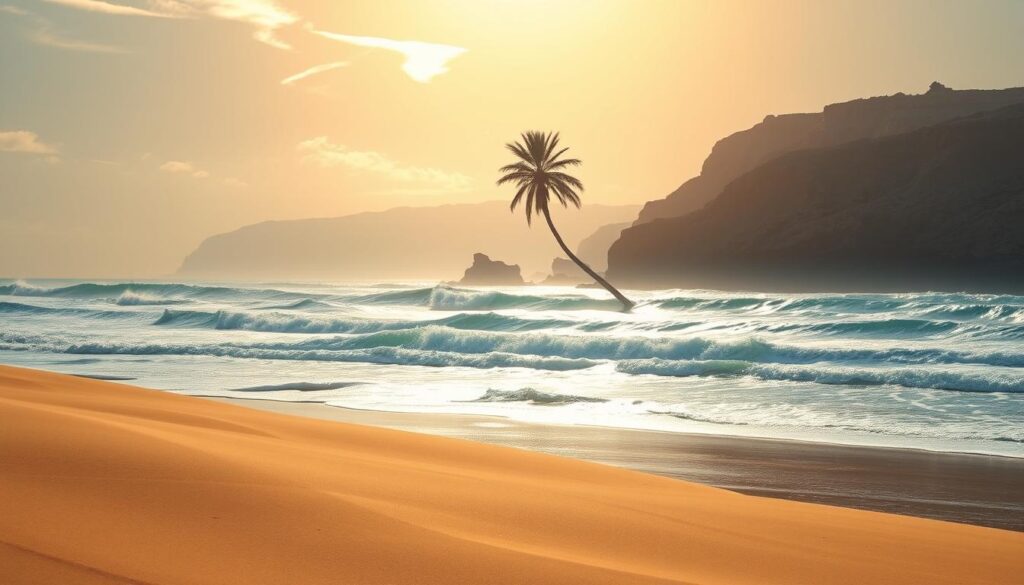
In March, Morocco’s coast has mild temperatures and some rain. This mix makes for a nice spring feel. Expect sunny days and cooler mornings and evenings, perfect for exploring the coast.
Casablanca and Rabat Climate Data
Casablanca and Rabat, on the Atlantic coast, have mild March weather. Highs are about 18°C (64°F), and lows are around 10°C (50°F). There’s some rain, but it’s still a nice time to visit. The coast is cooler than inland, so pack layers.
Tangier and Mediterranean Coast Conditions
Tangier and the Mediterranean coast have a different climate than the Atlantic. In March, Tangier sees highs of 17°C (63°F) and lows of 11°C (52°F). The Mediterranean coast is milder but can be cool in the mornings and evenings. Be ready for rain, but the weather is generally mild and nice.
Essaouira and Agadir Weather Patterns
Essaouira is known for its windy weather. In March, it has highs of 19°C (66°F) and lows of 12°C (54°F). Agadir, further south, is warmer, with highs of 22°C (72°F) and lows of 13°C (56°F). Both places are great for outdoor activities, with Essaouira perfect for windsurfing and Agadir for beach fun.
Morocco’s coast in March offers a variety of weather, from mild to cool. It’s a great time to explore these areas. Whether you like city life, beach activities, or water sports, the weather in March is usually good.
Atlas Mountains Climate in March
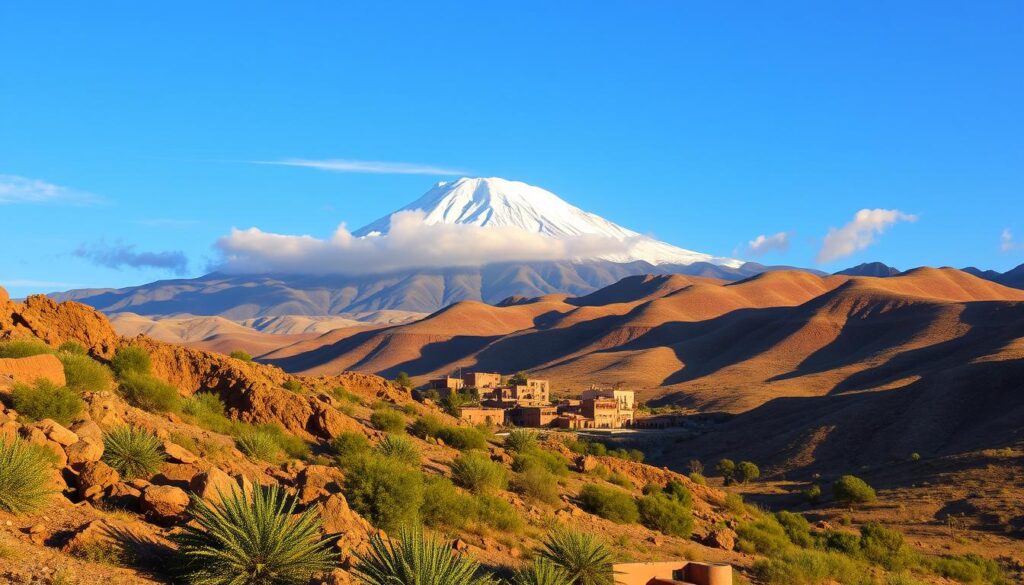
The Atlas Mountains are a paradise for hikers and nature enthusiasts. In March, the weather is perfect for a spring adventure. The region’s climate is both refreshing and challenging.
Marrakech Weather Conditions
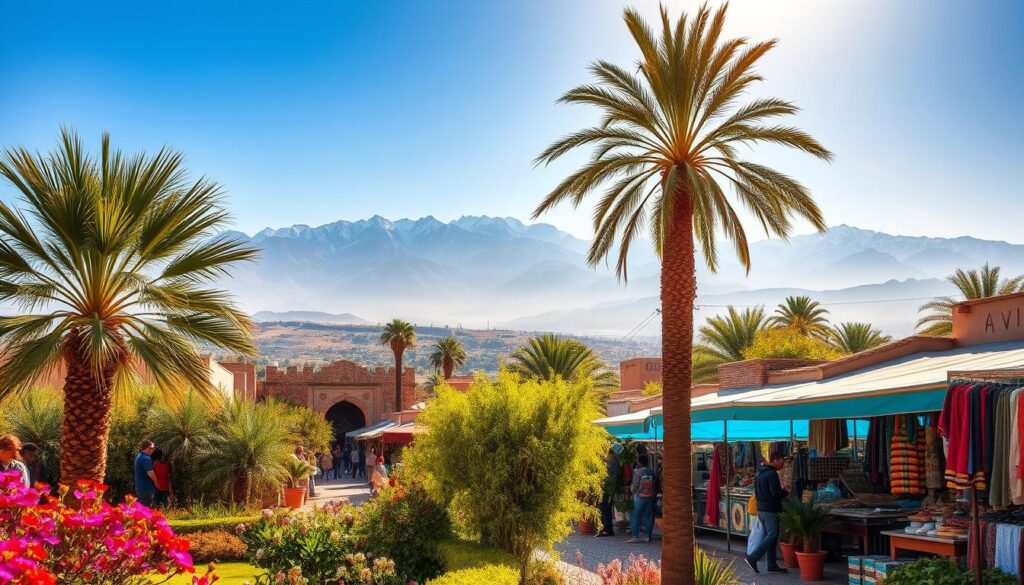
Marrakech, the gateway to the Atlas Mountains, has mild March temperatures. Daytime highs are about 23°C (73°F). But, nights can get cool, around 10°C (50°F).
Visitors need layered clothing for this temperature change. The city is sunny, with 8 hours of sunshine daily. It’s a great time to explore Marrakech’s lively streets and markets.
High Atlas Temperature Variations
The High Atlas has more temperature changes than Marrakech. Daytime in the lower valleys can be up to 18°C (64°F). But, at higher elevations, it’s cooler, and snow might still be present.
Nights can get very cold, so warm clothing is a must for high-altitude explorers.
Hiking Conditions and Precautions
March is great for hiking in the Atlas Mountains. The snow melts, and wildflowers start to bloom. But, be ready for changing weather.
Trails might be muddy, and some paths could still have snow. Always check the weather forecast and trail conditions. Consider hiring a local guide for tough routes.
Knowing the Atlas Mountains’ March weather is crucial for a great trip. Whether hiking or exploring Marrakech, being ready for the weather will make your experience better.
Sahara Desert Temperatures in March
The Sahara Desert has extreme temperatures in March. Spring brings warmer days, but nights can still be chilly.
Merzouga and Erg Chebbi Climate
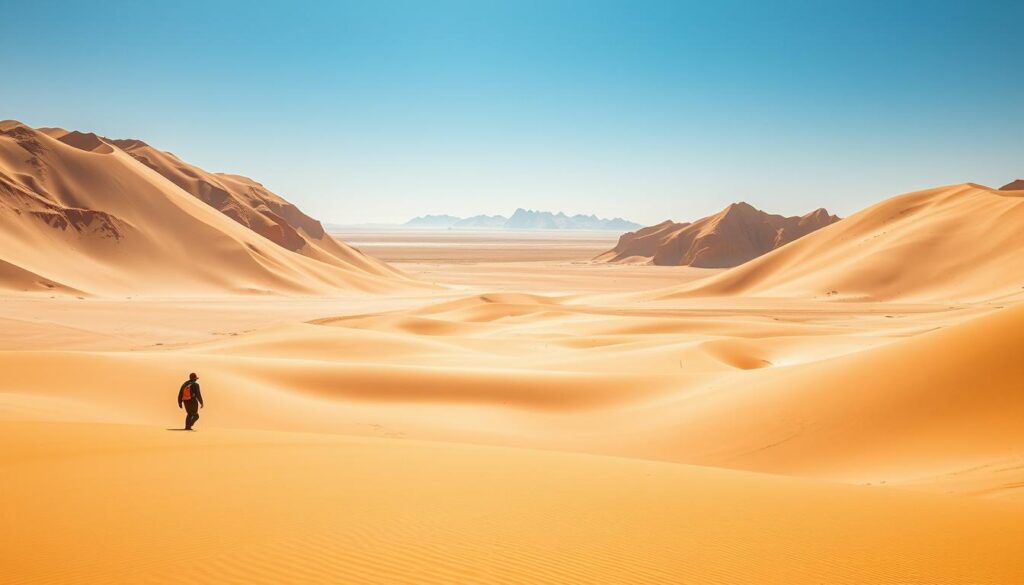
Merzouga, near the Erg Chebbi dunes, has a unique climate in March. Days can get up to 25°C (77°F), perfect for camel rides. But, nights can drop to around 10°C (50°F).
Day-to-Night Temperature Swings
The desert’s temperatures change a lot from day to night. It’s important to be ready for cooler nights, even when it’s warm during the day. This big change is due to clear skies and dry air.
| Location | Daytime Temp | Nighttime Temp |
|---|---|---|
| Merzouga | 25°C (77°F) | 10°C (50°F) |
| Erg Chebbi | 22°C (72°F) | 8°C (46°F) |
Desert Tour Considerations
When planning a desert tour, think about the temperature changes. Make sure to check the weather forecast before you go. This way, you’ll be ready for anything.
For more info on the Sahara Desert’s weather in Morocco, check out other resources. This will help you plan your trip well.
Northern Morocco March Weather Patterns
Northern Morocco’s March weather is a blend of Mediterranean and mountain climates. Spring starts, bringing mild temps and rain, perfect for exploring.

Chefchaouen Climate Conditions
Chefchaouen, famous for its blue buildings, has a mild March. Days can hit 18°C (64°F), while nights cool down to 8°C (46°F). Expect 7 hours of sunshine daily, great for walking the town’s streets and seeing the Rif Mountains.
Tetouan and Rif Mountains Weather
Tetouan and the Rif Mountains have a similar climate to Chefchaouen in March. Nights in Tetouan are around 12°C (54°F), while days reach 19°C (66°F). The Rif Mountains weather is cooler, with rain, so bring layers. The area’s green landscapes and views are stunning, with hiking trails offering amazing sights.
Visiting Northern Morocco in March means you’ll face changing weather. Here’s what to do:
- Pack layers for temperature changes.
- Bring waterproof gear for rain.
- Take advantage of the mild days for outdoor fun.
Central Morocco Climate in March
In March, Central Morocco starts to feel the warmth of spring. Cities like Fez and Meknes see nice temperatures. It’s a great time to see their rich history and landmarks without bad weather.

Fez and Meknes Weather Patterns
Fez and Meknes, part of Morocco’s imperial cities, have similar weather in March. Daytime can get up to 22°C (72°F), perfect for walking around. But, nights can get chilly, around 10°C (50°F), so bring layers.
Fez’s weather in March is mild, with highs of 20°C (68°F). Meknes, close to Fez, also has a similar climate. March is a good time to visit without the summer heat.
Temperature Trends in Historic Imperial Cities
Fez and Meknes are famous for their history and buildings. In March, they start to warm up with spring. Expect more sunny days and less rain, making it perfect for exploring.
When you visit these cities, the spring weather is ideal. It’s great for walking tours and learning about local culture. March’s temperatures are just right to enjoy Fez and Meknes’ beauty and history.
Rainfall and Precipitation Across Morocco in March
Travelers need to know about Morocco’s March rainfall to plan well. As winter ends and spring starts, rain falls differently in each area.
Precipitation Statistics by Region
Morocco’s varied landscapes mean rain falls differently everywhere. The northern regions, like Tangier and Chefchaouen, get more rain than the south. March is still quite wet, but less so than before.
Here are some average rainfall stats for major places:
- Casablanca: 40 mm
- Marrakech: 30 mm
- Tangier: 60 mm
- Fez: 50 mm
Impact on Travel Plans and Activities
Rain in March can both help and hinder your Morocco trip. The rain can make the scenery greener and more beautiful. But, it might also limit outdoor fun or make some places hard to reach.
Think about the rain when planning your trip. For example, if you’re going hiking in the Atlas Mountains, get ready for rain and slippery paths.
Packing Essentials for Morocco’s March Weather
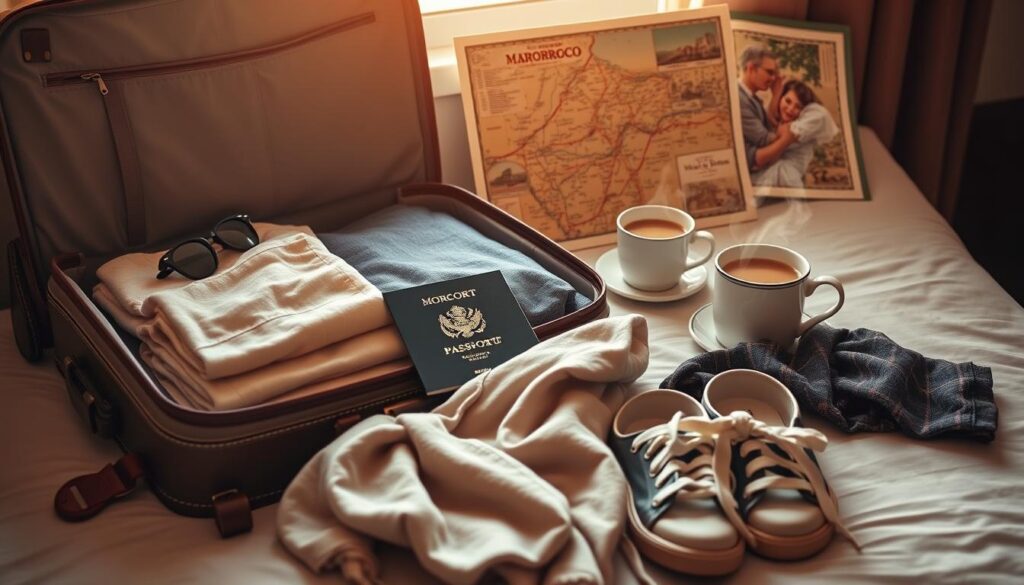
To enjoy your trip to Morocco in March, knowing the weather is key. Morocco’s weather changes a lot from one place to another. So, it’s important to pack for different weather conditions.
Clothing Recommendations for Different Regions
In March, Morocco’s weather is mild to cool, depending on where you are. Coastal areas like Casablanca and Rabat are cooler in the mornings and evenings. So, pack light layers for these times.
The Atlas Mountains can get quite chilly, especially at night. Make sure to bring warm clothes for these areas.
Desert places, like Merzouga, have big temperature changes between day and night. Pack light, breathable clothes for the day. And don’t forget warm layers for the cooler nights.
Weather-Specific Gear and Accessories
Don’t forget to pack gear for the weather. A waterproof jacket or umbrella is good for unexpected rain in March. Sunglasses and sunscreen are also essential, especially in the desert where the sun is strong.
Layering Strategies for Temperature Fluctuations
Layering is crucial for Morocco’s changing temperatures in March. Begin with a base layer of light, breathable clothes. Then, add mid-layers like sweaters or fleeces for cooler times.
Finally, wear a waterproof or windbreaker jacket to protect you from the weather. This way, you can adjust to the temperature changes easily. You’ll stay comfortable whether you’re in the cities or the desert.
Best Outdoor Activities for March in Morocco
Morocco is perfect for outdoor fun in March. The weather is just right for hiking, beach fun, and desert adventures. You’ll enjoy exploring the country’s beautiful landscapes.
Hiking and Trekking Opportunities
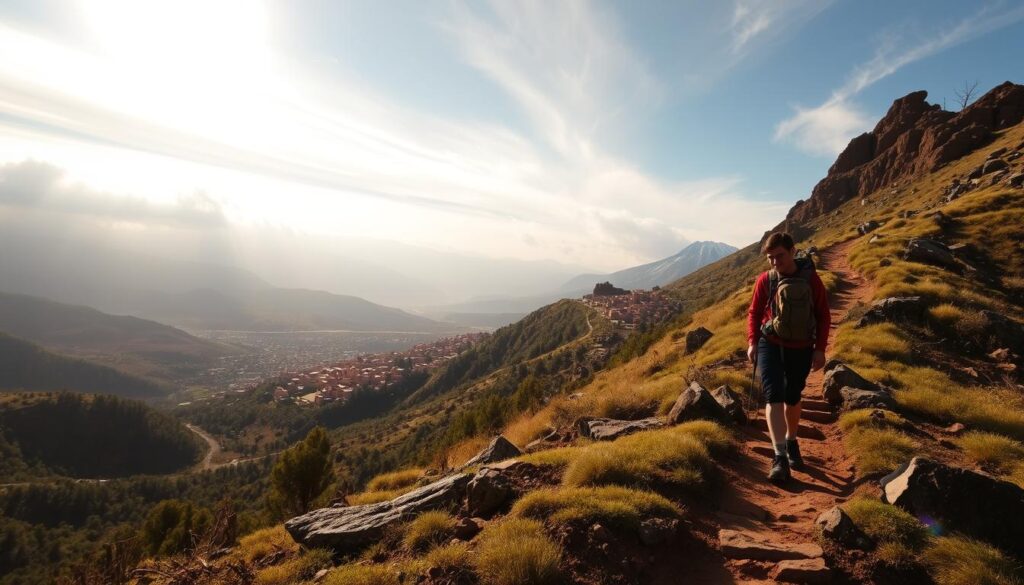
March is ideal for hiking and trekking in Morocco. The weather is mild, and the flowers are in bloom. You can hike the Atlas Mountains, trek through valleys, or climb Mount Toubkal, North Africa’s highest peak.
For tips on planning your trip, check out Rough Guides. They offer insights on the best times to visit Morocco.
Beach Activities and Water Sports
Morocco’s coast is great for beach activities and water sports in March. You can relax in Essaouira, surf in Taghazout, or explore Rabat and Casablanca. The weather is perfect for water fun without the summer crowds.
Desert Excursions and Camel Treks
For a special adventure, try a desert trip or camel trek in Morocco’s Sahara. March is a great time, with nice weather and amazing views. You can see the Erg Chebbi dunes, stay in a desert camp, and enjoy the desert’s peace.
| Activity | Location | Best Time |
|---|---|---|
| Hiking | Atlas Mountains | March to May |
| Beach Activities | Essaouira, Taghazout | March to October |
| Desert Excursions | Erg Chebbi, Merzouga | March to April |
Historical Weather Data for March in Morocco
As spring starts, Morocco’s March weather is a mix of conditions. These patterns are shaped by historical climate trends. Knowing these can help you get ready for your trip.
Temperature Trends Over the Past Decade
Over the last ten years, Morocco’s March temperatures have gone up. Expect highs to increase by 1-2°C, depending on where you are. The table below shows the average March temperature trends in major Moroccan cities.
| City | Average High 2010 | Average High 2020 |
|---|---|---|
| Marrakech | 23°C | 24.5°C |
| Casablanca | 20°C | 21.2°C |
| Tangier | 18°C | 19.5°C |
Climate Change Effects on March Weather Patterns
Climate change has greatly changed Morocco’s March weather. You might see more unpredictable weather, with bigger temperature swings. This change affects your travel comfort and the climate you’ll experience.
Key Effects:
- Increased temperature variability
- More frequent extreme weather events
- Changes in precipitation patterns
Planning Your Itinerary Around March Weather
When planning your trip to Morocco in March, knowing the weather is key. Morocco’s climate varies a lot from one place to another.
Best Regions to Visit Based on Weather Preferences
The Sahara Desert is perfect for warm weather in March. Daytime temperatures can hit the mid-70s to mid-80s Fahrenheit. For milder weather, Marrakech or the Atlas Mountains are great. They have nice days but cool nights.
The northern regions like Chefchaouen and the Rif Mountains are cooler and might rain. Coastal spots like Casablanca and Essaouira have a moderate climate. They’re good for many activities.
Weather-Related Travel Strategies
Be flexible with your travel plans to adapt to the weather. It’s smart to pack layers because of the big temperature changes.
Choose accommodations with heating or cooling, based on where you’re going. Keeping up with local weather forecasts helps you plan your day.
Contingency Plans for Unexpected Weather
It’s important to have backup plans for sudden weather changes. On rainy days, indoor spots like museums or historic sites are good options.
For desert trips, having a reliable tour guide is crucial. Also, stay updated on weather. In hot weather, drink lots of water and protect yourself from the sun.
Moroccan Festivals and Events in March
March in Morocco is a lively month filled with cultural festivals and events. These celebrations are not just fun but also give you a deep look into Moroccan culture.
Weather-Appropriate Celebrations
The weather in March is mild, perfect for outdoor fun. You can enjoy the Marrakech Popular Arts Festival, happening in March or April. It features music, dance, and art.
The weather also lets you explore Morocco’s cities and historical sites easily during these events.
Indoor and Outdoor Event Recommendations
Morocco has many March events for all interests. For example, the Essaouira Gnawa Music Festival is a highlight. Although it’s usually in June, there are March events or related ones in other places.
Here’s a comparison of some key events:
| Event | Location | Date | Nature of Event |
|---|---|---|---|
| Marrakech Popular Arts Festival | Marrakech | Typically March/April | Music, Dance, Art |
| Essaouira Gnawa Music Festival (or related events) | Essaouira (or other locations) | March (or related dates) | Music Festival |
Choose events that match your interests for a great March visit to Morocco.
Accommodations and March Weather Considerations
When you travel to Morocco in March, picking the right place to stay is key. The country is moving from winter to spring, and the weather changes a lot. So, it’s important to choose a place that fits the local weather.
Heating and Cooling Availability by Region
Morocco’s weather is different in every area. In the mountains, like the Atlas Mountains, heating is often needed in March because it gets cold at night. But in the desert, like Merzouga, cooling is a must during the day because it gets hot.
| Region | Heating Availability | Cooling Availability |
|---|---|---|
| Atlas Mountains | Common | Rare |
| Sahara Desert | Rare | Common |
| Coastal Areas | Less Common | Moderately Available |
Choosing Weather-Appropriate Lodging Types
It’s important to pick a place to stay that fits the local weather. In cool mountain areas, choose places with reliable heating. In hot desert areas, look for places with good cooling, like air conditioning or shaded spots.
Think about what you want to do and where you’ll go. This will help you find a place that’s comfy and fits the local weather in March.
Health and Safety Tips for March Travel in Morocco
Traveling to Morocco in March requires knowing the health and safety tips. The weather can be mild or rainy, so it’s important to stay safe. Here are some tips to help you enjoy your trip.
Sun Protection and Hydration Needs
Protecting yourself from the sun is key, especially in the Sahara Desert. Use a broad-spectrum sunscreen with a high SPF and wear protective clothes. Also, drink lots of water to stay hydrated in the dry climate.
Weather-Related Health Precautions
The weather in March can be unpredictable. Pack layers for changing temperatures. Also, check the weather forecast to plan your trip. If you have health issues, don’t forget your medications.
Emergency Preparedness for Weather Changes
Be ready for sudden weather changes. Watch local weather forecasts and have a plan for rain or cool weather. Carry a waterproof jacket or have a backup plan for outdoor activities. This way, your trip won’t be ruined by the weather.
Conclusion: Making the Most of Morocco’s March Climate
March in Morocco is a special time, blending spring weather with cultural experiences. The mild temperatures and fewer crowds make it perfect for visiting. Knowing the climate variations helps you plan your trip better.
Whether you’re hiking in the Atlas Mountains or exploring the Sahara Desert, March is great. Don’t forget to pack layers for the changing temperatures. Enjoy outdoor activities like trekking, camel rides, or relaxing on the beach.
This guide helps you make the most of Morocco’s March climate. You’ll have a memorable and enjoyable trip, exploring the country’s diverse climate and culture. So, get ready to enjoy all that Morocco has to offer in March.



 Covers cities, coast, mountains, desert & food