
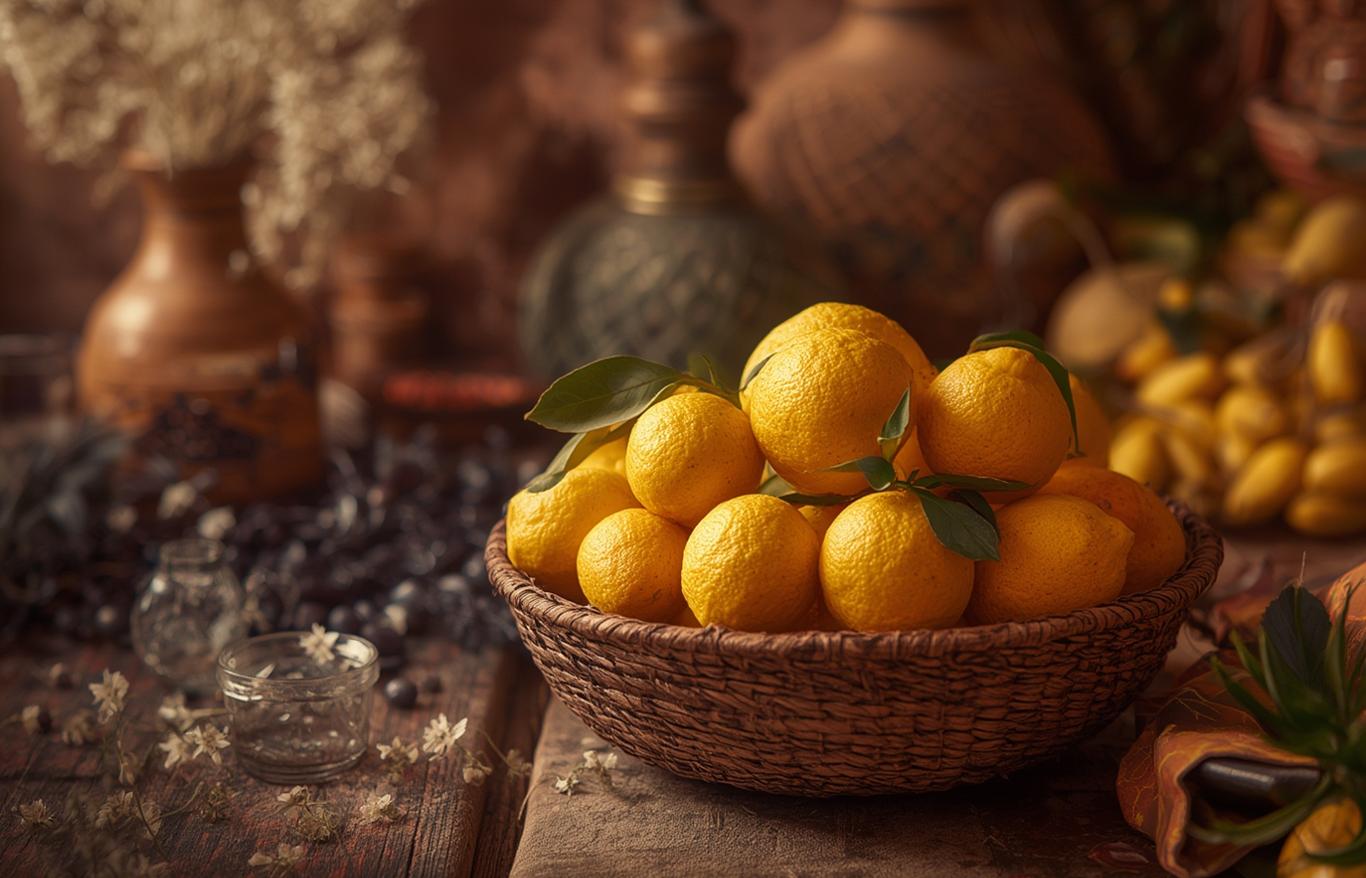
The vibrant, sun-drenched kitchens of Morocco hold a culinary secret cherished for centuries: the humble yet transformative Moroccan preserved lemons. These aren’t your average lemons; they’re an ingredient steeped in tradition, an essential flavor profile that defines many an authentic Moroccan dish. If you’ve ever savored the complex, bright, and slightly salty notes in a tagine or a pastilla, chances are you’ve encountered the magic of these brined citrus beauties. Far from just a decorative garnish, preserved lemons are a foundational element, offering a unique depth that fresh lemons simply cannot replicate. This guide will walk you through how to use them, not just in classic Moroccan fare, but also in ways that might surprise you, bringing a touch of North African zest to your own cooking.
Crafting the Culinary Jewels: Understanding Moroccan Preserved Lemons
Before we dive into their use, it’s worth understanding what makes Moroccan preserved lemons so special. These aren’t just lemons soaked in salt water; they undergo a specific fermentation process that mellows their tartness, eliminates bitterness from the pith, and intensifies their aromatic oils. The result is a soft, almost jammy texture with an incredibly rich, umami-laden citrus flavor that is both salty and subtly sweet. Typically, the thin-skinned doqq or boussera lemon varieties are preferred for their ideal balance of juice and pulp, though Meyer lemons make an excellent substitute outside of Morocco. The process involves quartering the lemons (but not all the way through), stuffing them generously with coarse salt, and packing them tightly into sterilized jars, pressing them down to release their juices. More salt and often a splash of fresh lemon juice or brine are added to ensure they’re fully submerged. They then sit for weeks, sometimes months, transforming into the golden-hued flavor bombs beloved in Moroccan cuisine.
The Essential Role of Preserved Lemons in Classic Moroccan Cuisine
In Morocco, preserved lemons are as indispensable as olive oil or cumin. They are the flavor cornerstone of countless traditional dishes, providing that characteristic tangy, salty, and aromatic punch. Think of the iconic chicken tagine with olives and preserved lemon – it’s perhaps the most famous pairing. Here, finely chopped or sliced preserved lemon rinds are added during cooking, allowing their complex flavors to meld beautifully with the savory chicken, briny olives, and fragrant spices like ginger and turmeric. The pith and flesh, having softened and lost their bitterness, add a subtle, almost creamy texture to the sauce.
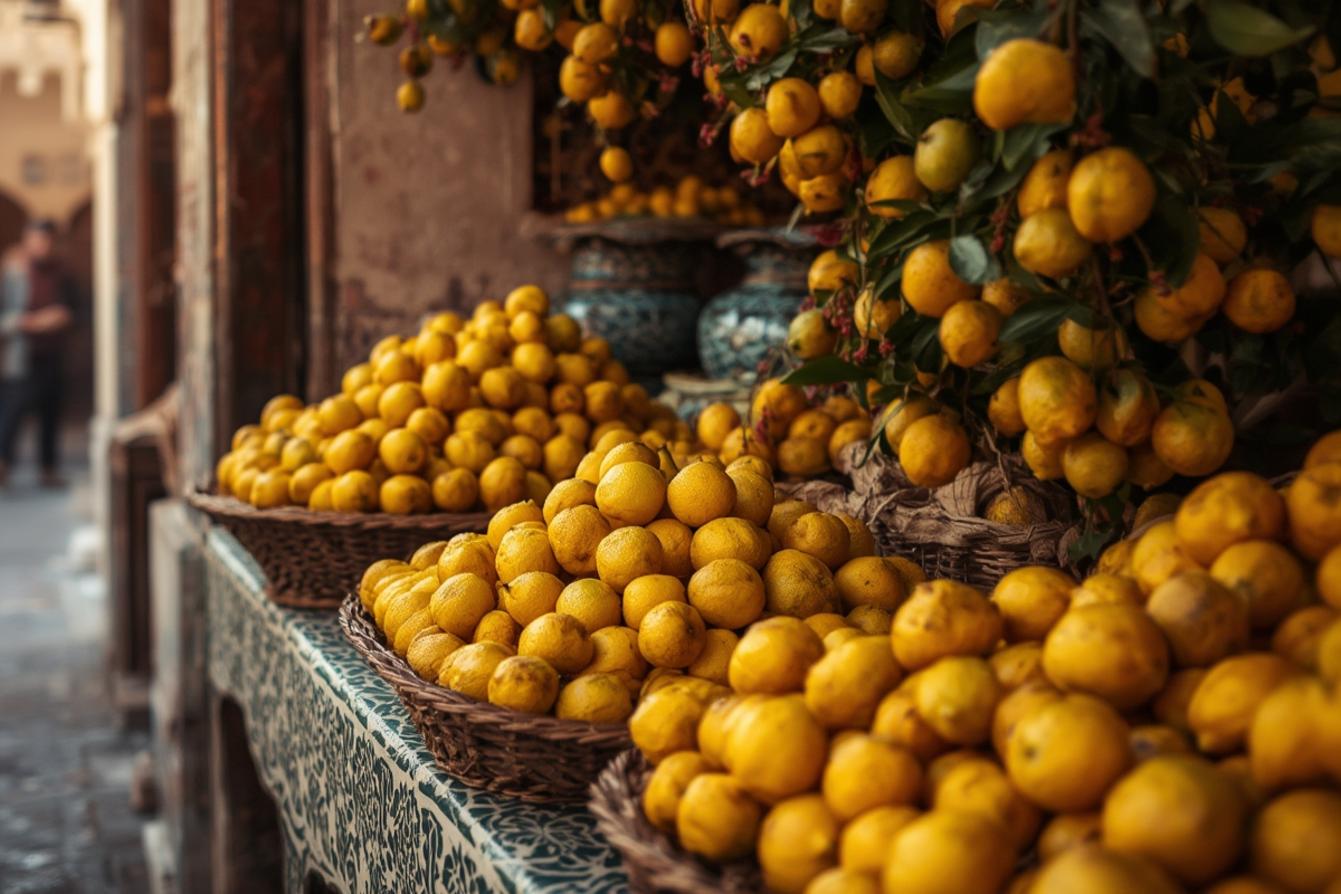
Beyond tagines, you’ll find them brightening up fish dishes, especially those baked or stewed with herbs and vegetables. They add a surprising zest to slow-cooked lamb or beef, cutting through the richness with their vibrant acidity. Even some lentil or chickpea stews benefit from a touch of preserved lemon at the end of cooking, lifting the earthy flavors. You might also encounter them in traditional Moroccan salads like taktouka (cooked pepper and tomato salad) or zaalouk (eggplant dip), where small amounts provide a bright counterpoint to the roasted vegetables. When exploring Moroccan preserved lemons in local markets, you’ll see them sold openly, sometimes whole, sometimes quartered, their vibrant yellow a testament to their readiness for culinary action.
Mastering the Art of Usage: From Rind to Pulp
Knowing how to use Moroccan preserved lemons effectively is key to unlocking their full potential. The generally accepted rule is to discard the pulp and only use the rind, especially if you’re new to the ingredient. The rind holds the most concentrated flavor and softest texture; the pulp, while less bitter than fresh lemon pulp, can still be a bit too intense or watery for some dishes.
To prepare, simply rinse a piece of preserved lemon under cold water to remove excess salt. Then, with a small spoon, scrape away the soft, translucent pulp from the inside of the rind and discard it. You’re left with the pliable, aromatic skin. This skin can then be finely diced, cut into thin strips, or even minced into a paste, depending on what your recipe calls for.
For most slow-cooked dishes like tagines or stews, a small amount – perhaps half a preserved lemon rind, finely diced for a pot serving four – is usually sufficient. The flavor is potent, so start small and add more to taste. For salads or dressings, very finely minced rind can be incorporated. Remember, the saltiness is inherent, so adjust your seasoning accordingly when using preserved lemons. You might find you need less added salt in your dish.
Beyond the Tagine Pot: Modern Applications for Preserved Lemons
While their traditional roles are paramount, Moroccan preserved lemons are incredibly versatile and finding their way into contemporary kitchens far beyond North Africa. Their unique flavor profile makes them an exciting ingredient for adventurous home cooks and professional chefs alike.
Imagine a vibrant salad dressing infused with finely minced preserved lemon rind, mixed with good quality olive oil, a touch of honey, and fresh herbs. Or consider a compound butter, where chopped preserved lemon, garlic, and parsley are blended into softened butter, perfect for melting over grilled fish, roasted chicken, or even smeared on crusty bread.
They can elevate simple roasted vegetables – think green beans, asparagus, or cauliflower – by tossing them with olive oil, a little garlic, and slivers of preserved lemon before roasting. For a truly unique flavor experience, mince some preserved lemon and stir it into hummus or a creamy labneh dip. It adds an unexpected brightness and depth. Adventurous bakers might even experiment with tiny amounts in savory tarts or breads, though this is less common.
For those eager to experiment with Moroccan lemon recipes that go beyond the classics, consider making a marinade for chicken or lamb skewers by combining preserved lemon paste with spices, yogurt, and olive oil. Or whisk some into a vinaigrette for a grain bowl, adding a layer of sophisticated flavor.
Storing and Sourcing Your Preserved Lemon Supply
Proper storage is crucial for preserving the quality and extending the shelf life of your Moroccan preserved lemons. Once opened, store the jar in the refrigerator, ensuring the lemons remain fully submerged in their brining liquid. If the liquid doesn’t cover them completely, you can top it up with a mixture of cooled boiled water and a pinch of salt, or a splash of fresh lemon juice, to prevent mold formation. Stored this way, they can last for many months, even up to a year, becoming even more flavorful over time.
For sourcing, if you don’t live near a Moroccan or Middle Eastern specialty store, making your own is surprisingly straightforward and highly rewarding. All you need are good quality, unwaxed lemons (preferably organic), coarse sea salt, and clean jars. It does require patience, though, as they need at least 3-4 weeks to cure, and ideally longer for optimal flavor development. Many online retailers also now ship high-quality preserved lemons.
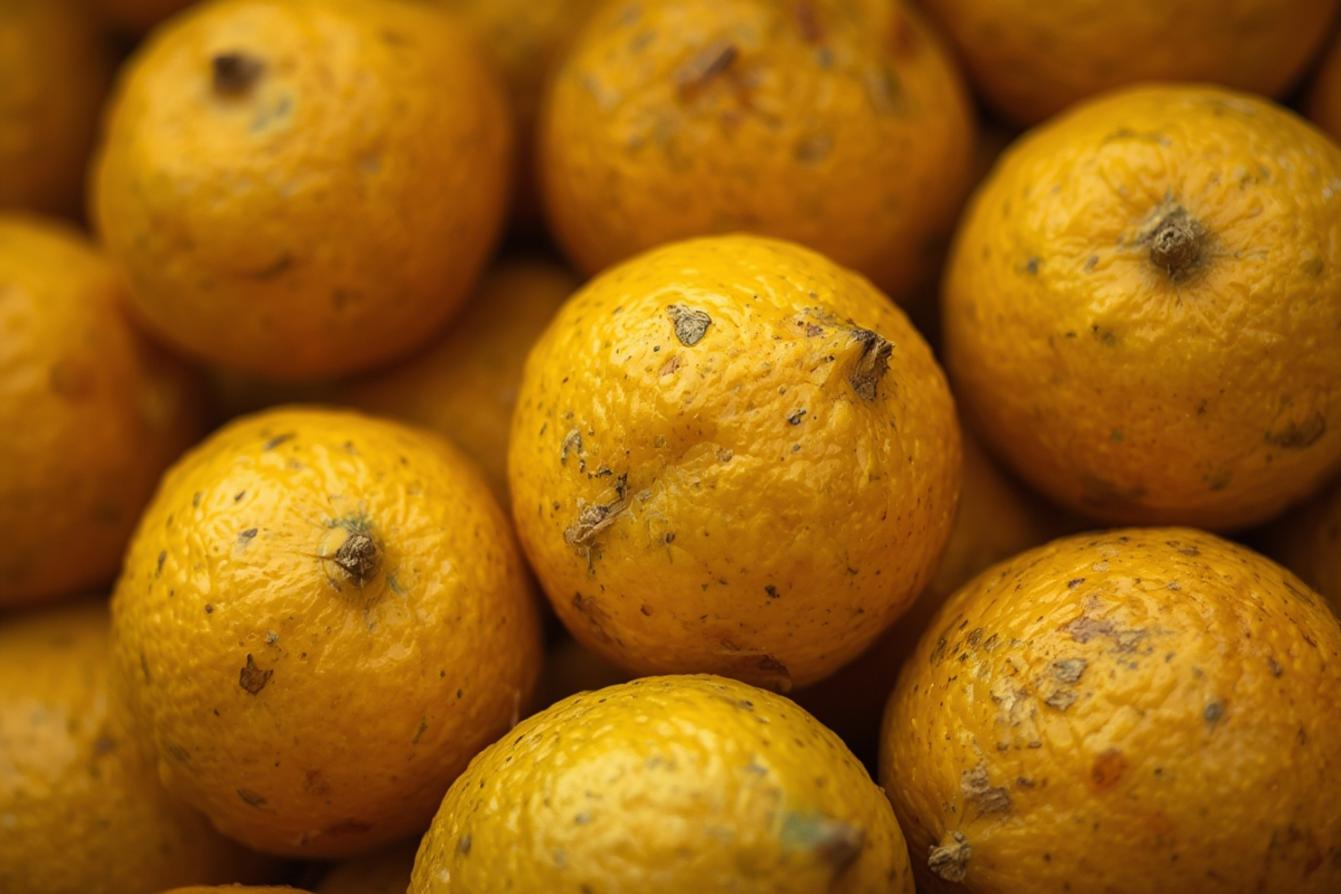
When purchasing, look for lemons that are plump, bright yellow (though their color will darken slightly with preservation), and immersed in a clear, slightly cloudy brine. Avoid jars where the lemons look shriveled, discolored, or where the brine is murky with signs of mold. The aroma should be distinctly lemony and salty, not off or yeasty.
Bringing Moroccan Flavors Home
Incorporating Moroccan preserved lemons into your cooking is an adventure in flavor. It’s about more than just adding a zest; it’s about introducing a complex, foundational taste that speaks of centuries of culinary tradition. From the bustling souks of Marrakech to quiet family kitchens in Fes, these humble lemons have been central to Moroccan cooking for generations. Their ability to transform simple ingredients into dishes brimming with exotic flavor makes them an indispensable ingredient. Whether you start with a classic tagine or experiment with new fusion recipes, embracing the power of preserved lemons will undoubtedly add a vibrant, authentic Moroccan touch to your culinary repertoire.
Conclusion
Moroccan preserved lemons are a testament to the ingenuity of traditional Moroccan cuisine, transforming a common fruit into an ingredient of unparalleled depth and versatility. Their unique salty, tangy, and aromatic profile is essential for crafting authentic Moroccan dishes, but their application also extends far beyond the traditional, inviting culinary exploration. Embracing these golden gems means bringing a piece of Morocco’s rich cultural and gastronomic heritage into your own kitchen.
FAQs
What part of the Moroccan preserved lemon should I use?
Generally, you should use only the rind of the Moroccan preserved lemon. The pulp is often discarded as it can be too salty or bitter for some dishes, although it softens considerably during preservation. Always rinse the rind under cold water to remove excess salt before using it.
How do Moroccan preserved lemons differ from fresh lemons in cooking?
Moroccan preserved lemons offer a much mellower, less acidic, and more intensely aromatic citrus flavor compared to fresh lemons. The preservation process strips away bitterness from the pith and deepens the lemony essence, adding a distinct salty, slightly umami note that fresh lemons lack. This makes them ideal for slow-cooked dishes where their flavor can fully integrate.
How long do Moroccan preserved lemons last once opened?
When stored properly in the refrigerator, submerged in their brining liquid, Moroccan preserved lemons can last for many months, even up to a year or more. Ensure they are always covered by liquid to prevent mold. If the liquid level drops, you can top it up with a little salted water or fresh lemon juice.
Can I make my own Moroccan preserved lemons at home?
Yes, absolutely! Making your own Moroccan preserved lemons is a simple process, though it requires patience. You’ll need good quality, unwaxed lemons (like Meyer lemons), coarse sea salt, and clean glass jars. The lemons are quartered, stuffed with salt, packed into jars, and left to cure for at least 3-4 weeks, or longer for best flavor.





 Covers cities, coast, mountains, desert & food