
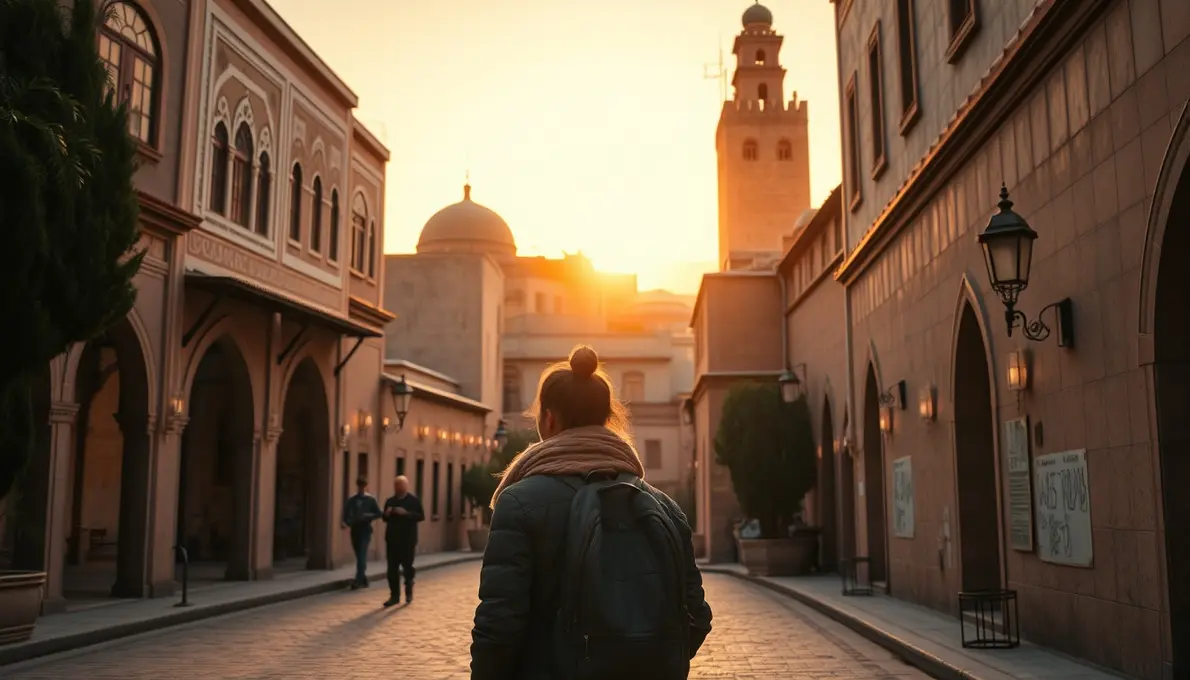
Stepping into Fes is like peeling back layers of history, each turn revealing another testament to a bygone era. This imperial city, often considered Morocco’s spiritual and cultural heart, is a labyrinthine marvel brimming with Fes historical landmarks. From its ancient medina, a UNESCO World Heritage site, to its venerable madrasas and tanneries, Fes offers an unparalleled journey into the country’s rich past. Exploring these ancient treasures is not just sightseeing; it’s an immersive experience that transports you through centuries of Moroccan artistry, intellect, and daily life.
Navigating the Living Museum: Fes el-Bali Medina
The heart and soul of Fes, and arguably its most significant collection of Fes historical landmarks, lies within Fes el-Bali, the city’s ancient medina. Forget wide boulevards and traffic lights – here, the streets are narrow, winding alleys, some barely wide enough for a donkey cart, which remains a primary mode of transport. This sprawling pedestrian zone is a living, breathing museum, where artisans still practice crafts passed down through generations, and the scent of spices, leather, and cedar wood hangs perpetually in the air.
As you dive into this bustling maze, you’ll encounter a tapestry of human activity. Hawkers call out their wares, children play in sun-dappled courtyards, and the rhythmic tap, tap, tap of a coppersmith echoes through the passageways. Unlike Marrakech’s more open-plan souks, Fes el-Bali feels more enclosed, more intense, demanding a sense of surrender to its intricate design. It’s here you’ll find ancient fondouks (caravanserais) that once housed merchants and their goods, now repurposed into workshops or guesthouses. The medina is not just a collection of buildings; it’s an experience that engages all your senses, a place where history isn’t just displayed, but actively lived.
From Knowledge to Craft: Iconic Institutions and Industries
Fes is renowned not only for its intricate urban fabric but also for its contributions to education and craftsmanship, encapsulated in some truly remarkable Fes historical landmarks.
The University of Al-Karaouine, founded in 859 AD, is not merely old; it’s recognized by UNESCO and Guinness World Records as the oldest continually operating university in the world. While access to the mosque itself is generally restricted to Muslims, its grand gates and the adjacent library, which often welcomes non-Muslim visitors to view its ancient manuscripts, offer a profound sense of its enduring legacy. Imagine scholars debating philosophy and astronomy here for over a millennium.
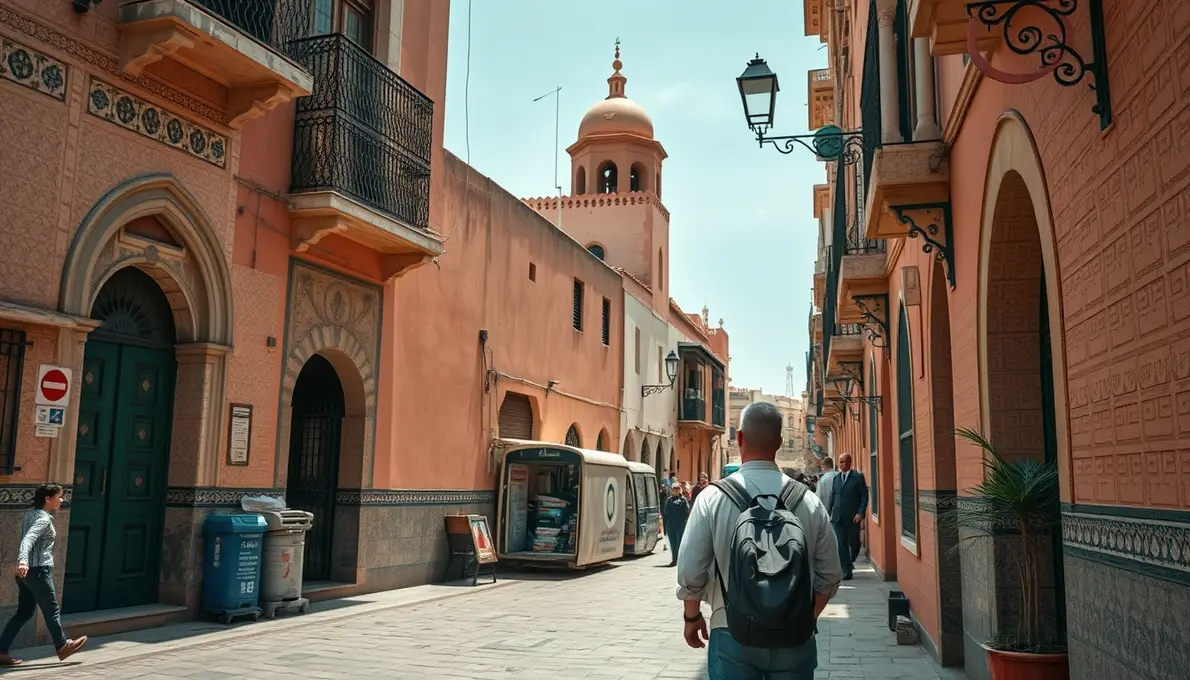
Equally impressive, though in a much different vein, are the Fes tanneries, particularly the Chouara Tannery. This vibrant, sometimes pungent, spectacle is one of the most unique Fes historical landmarks. From the terraces of surrounding leather shops, you can gaze down upon men working in hundreds of stone vats filled with various dyes and animal hides. It’s a centuries-old process, virtually unchanged, where hides are softened, dyed with natural pigments from indigo to saffron, and then dried in the sun. It’s an extraordinary sight that connects you directly to the city’s enduring artisanal traditions. Watching this ancient industry in action provides a tangible link to the past, illustrating how essential these crafts were, and still are, to the city’s identity.
Spiritual Sanctuaries and Royal Residencies
Beyond the bustling souks and the industrious tanneries, Fes holds a treasure trove of spiritual sanctuaries and royal residences that stand as significant Fes historical landmarks. These sites offer quiet contemplation and a glimpse into the opulent lives of sultans and religious devotion.
The Zaouia of Moulay Idriss II is one of the most revered shrines in Fes. Moulay Idriss II is credited with founding the city of Fes, and his tomb is a place of pilgrimage, particularly for Moroccans seeking blessings. While non-Muslims cannot enter the inner sanctum, the exterior, crowned with a distinctive green-tiled piramidal roof, and the surrounding bustling streets, which hum with devotional energy, convey its immense spiritual importance. The atmosphere around the zaouia is electric, a testament to the enduring faith that permeates the city.
Further emphasizing the city’s imperial past is the Royal Palace of Fes (Dar el Makhzen). While the palace itself is not open to the public, its magnificent main entrance, adorned with seven enormous brass doors, intricate zelilij tile work, and carved cedarwood, is a masterpiece of Moroccan design and a popular photography spot. The sheer scale and meticulous detail of the doors speak volumes about the power and artistry of the Moroccan monarchy. Surrounding the palace are vast gardens, hinting at the expansive grounds within. This grand facade is a striking example of the architecture that characterized the various dynasties that ruled from Fes, a powerful visual connection to the city’s regal heritage.
Stepping Back in Time: Madrasas, Gates, and Tombs
The intellectual and strategic importance of Fes is etched into its numerous madrasas, gates, and necropolises, each a fascinating Fes historical landmark. These structures not only served practical purposes but also stand as masterpieces of Islamic art and architecture.
Perhaps the most famous among them is the Bou Inania Madrasa. Built in the 14th century, this theological college is a stunning example of Marinid architecture, open to non-Muslim visitors, allowing for an intimate appreciation of its intricate design. Its emerald-green tiled minaret, carved cedarwood ceilings, delicate stucco work, and geometric zelilij patterns are breathtaking. The central courtyard, with its ablution fountain, offers a serene escape from the medina’s chaos and a profound understanding of the beauty and complexity of Islamic scholarship and design. It’s truly one of the most remarkable examples of Fes historical landmarks.
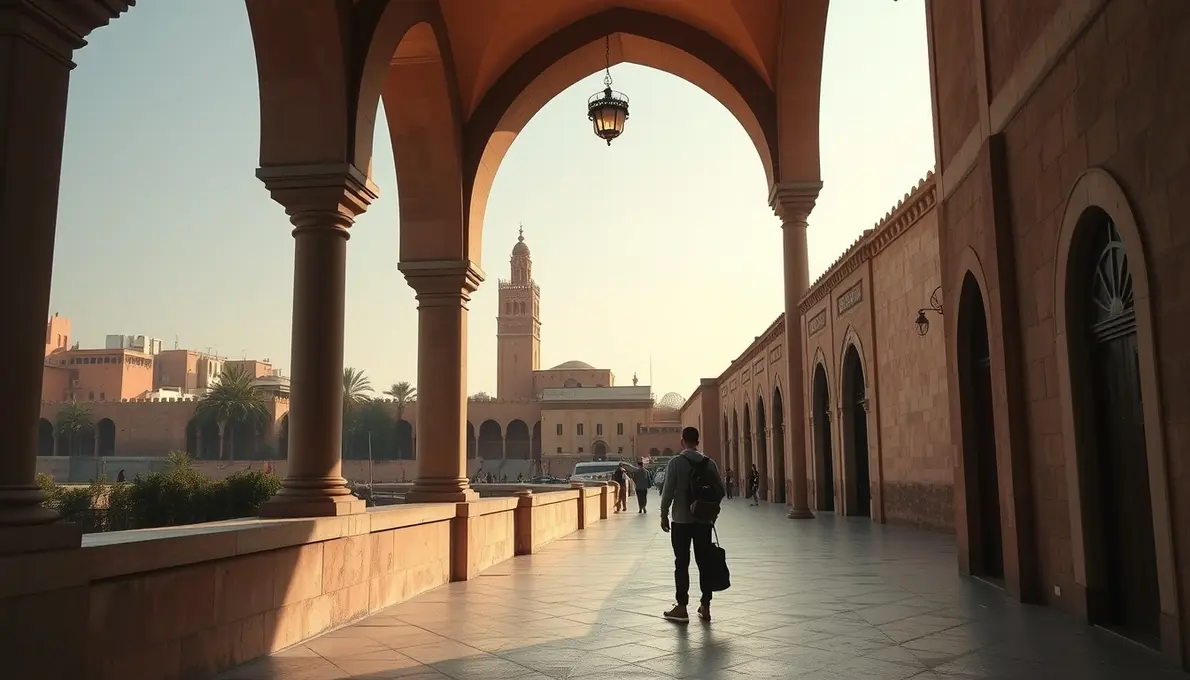
Then there’s Bab Bou Jeloud, often referred to as “The Blue Gate.” This iconic, highly ornate gate, built in 1913, serves as a grand entrance to Fes el-Bali. Its primary side, facing the medina, is decorated with dazzling blue tiles, while the inner side features green ones. It’s a bustling focal point where people gather, street performers entertain, and the sounds and smells of the medina spill out. Passing through Bab Bou Jeloud is like stepping through a portal, leaving the relatively modern world behind and entering the timeless realm of the old city.
For a panoramic view of the ancient city and a visit to another significant Fes ancient sites, a trek up to the Merenid Tombs is highly recommended. These crumbling ruins of royal tombs from the 14th century sit on a hill overlooking the entire medina. While the tombs themselves are largely in ruins, their elevated position provides an unparalleled vista of Fes el-Bali, from the green-tiled roofs of mosques to the endless expanse of ochre buildings, giving you a comprehensive perspective on the city’s sprawling historical landscape. It’s a poignant reminder of the dynasties that shaped this incredible city.
Unearthing History: Specialized Museums and the Jewish Quarter
Fes’s historical depth is further explored through its specialized museums and distinct old neighborhoods like the Mellah, offering different facets of its heritage. These lesser-known but equally significant Fes historical landmarks provide crucial insights into the diverse cultural tapestry that has defined the city for centuries.
The Batha Museum, housed in a beautiful 19th-century Hispano-Moorish palace, is set amidst tranquil gardens. It offers a curated collection of Fassi artifacts, including wood carvings, zellige tiles, embroidery, and antique ceramics. It’s a wonderful place to see the exceptional craftsmanship that Fes is famous for, in a serene, unhurried setting. Each exhibit tells a story of the skills and artistic traditions that have been preserved and perfected over generations in this ancient city.
Venturing into the Mellah, the old Jewish Quarter, reveals another layer of Fes’s rich past. Unlike many other parts of the medina, the architecture here is distinctly different, characterized by balconies and larger windows, reflecting a different cultural approach to urban living. The Aben Danan Synagogue, a beautifully preserved and restored synagogue, is a standout example of Fes ancient sites within this quarter. Its exquisite wooden ark and fine plasterwork are a testament to the Jewish community’s long-standing presence and significant contributions to the city’s vibrant cultural and economic life. Walking through the Mellah, you gain a sense of the multi-religious harmony that once thrived in Fes, adding depth to your understanding of its remarkable history. You can find more global travel insights on Fes ancient sites.
The Nejjarine Museum of Wooden Arts & Crafts, located in a beautifully restored caravanserai, is another must-visit. This museum not only showcases magnificent examples of intricate wooden doors, panels, and tools but also provides a deeper understanding of the importance of wood craftsmanship in Moroccan culture. The building itself, a truly impressive Fes historical landmark, with its multi-story galleries surrounding a central courtyard, is as much an exhibit as the artifacts it holds. From its rooftop cafe, you can enjoy sublime views of the medina, making it a perfect spot for reflection after absorbing centuries of artisanal heritage.
Conclusion
Fes is more than just a destination; it’s a profound journey through time. From the bewildering beauty of Fes el-Bali to the solemn grandeur of its madrasas and the vibrant chaos of its tanneries, every corner offers a connection to Morocco’s ancient past. Exploring Fes historical landmarks is an unforgettable experience, revealing why this city remains a touchstone of Moroccan identity and culture. Each narrow alley, every grand gate, and all the meticulously crafted details tell a story, making Fes an essential pilgrimage for anyone seeking to understand the soul of this remarkable country.
FAQs
What is the most iconic Fes historical landmark?
The most iconic Fes historical landmark is arguably Fes el-Bali, the ancient walled medina. It’s a UNESCO World Heritage site and is known as the world’s largest car-free urban area, a living labyrinth of history, culture, and traditional crafts. Its sheer scale and preserved medieval essence make it the city’s most significant draw.
Can non-Muslims enter all Fes historical landmarks?
While many Fes historical landmarks, such as the Bou Inania Madrasa, Nejjarine Museum, and certain parts of the University of Al-Karaouine (like its library), are open to non-Muslim visitors, access to active mosques and shrines, including the inner sanctum of the Zaouia of Moulay Idriss II, is generally restricted to Muslims. It’s always best to check specific entry requirements or observe local customs respectfully.
What is the best way to explore Fes ancient sites, particularly the medina?
The best way to explore Fes ancient sites, especially the Fes el-Bali medina, is on foot, ideally with a local guide for at least your first day. A guide can help you navigate the intricate alleys, explain historical contexts, and lead you to hidden gems you might otherwise miss. Comfortable walking shoes are essential, and being prepared to get wonderfully lost is part of the charm!
Are there any Fes historical landmarks outside of the main medina?
While the majority of prominent Fes historical landmarks are concentrated within Fes el-Bali, there are significant sites just outside or on its periphery. The Royal Palace with its grand gates, the Merenid Tombs overlooking the city, and the separate Jewish Quarter (Mellah) with its synagogue are notable examples that extend your exploration of Fes ancient sites beyond the medina’s walls.





 Covers cities, coast, mountains, desert & food