
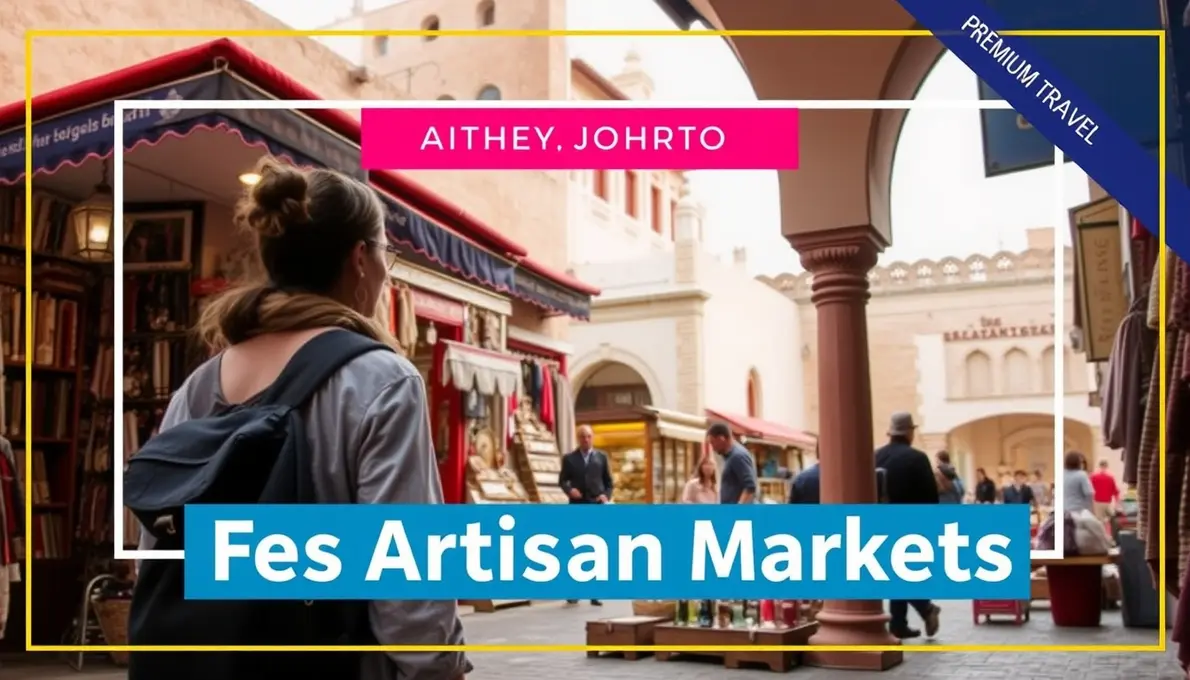
Fes, a city steeped in ancient traditions and vibrant culture, is a sensory feast for any traveler, but for those with a discerning eye for craftsmanship, its artisan markets are nothing short of a treasure trove. Navigating the labyrinthine alleyways of the medina to discover the best Fes artisan markets is an experience in itself, a journey through centuries of inherited skills and artistic expression. This guide will help you uncover the authentic Moroccan crafts that make Fes a world-renowned hub for handmade goods, transforming your shopping from a mere transaction into a cultural immersion.
The Soul of the Medina: Unveiling Fes Artisan Markets
Stepping into the medina of Fes el-Bali is like time-traveling. Every narrow alley, every archway, whispers tales of merchants and artisans who have plied their trade here for generations. The true essence of Fes’s commercial heart lies within these historic walls, where the Fes artisan markets are not just places to buy things, but living museums of Moroccan heritage. You’ll encounter workshops humming with activity, sellers passionately explaining their wares, and the intoxicating scent of leather, spices, and cedarwood mingling in the air. Unlike modern shopping malls, these markets offer a genuine connection to the people and stories behind each handcrafted item. It’s here you’ll find everything from intricately carved wooden pieces to shimmering ceramics, each telling a story of dedication and skill. The variety is immense, reflecting the diverse talents nurtured within this ancient city.
From Tannery to Souk: The Allure of Fes Leather Goods
Fes is synonymous with leather, and its tanneries are an iconic, if pungent, testament to an age-old industry. The Chouara Tannery, with its colorful dyeing pits, is a spectacle that draws visitors from across the globe. But beyond the visual (and olfactory) experience, the tanneries are the starting point for some of the most exquisite Fes leather goods found in the city’s markets. From supple handbags and sturdy wallets to intricately embroidered poufs and comfortable babouches (slippers), the quality and craftsmanship are exceptional. When exploring the Fes artisan markets, don’t be shy about running your hand over different leather items. Feel the texture, look at the stitching, and appreciate the natural variations that signify genuine, handcrafted leather.
The leather souks are usually distinct, offering a dizzying array of options. It’s often best to have a general idea of what you’re looking for, but also allow yourself to be surprised by unexpected finds. Many stalls will happily explain the tanning process and the different types of leather used, offering a fascinating insight into this ancient craft. Remember that haggling is part of the experience, especially for larger purchases.
Ceramic Wonders: Finding the Iconic Blue and White of Fes
The distinctive blue and white pottery of Fes is instantly recognizable and highly coveted. These ceramics, ranging from decorative tagines and elaborate platters to delicate bowls and tiles, are masterpieces of design and glazing. The deep cobalt blue historically came from mixing cobalt with natural minerals, while the white clay is sourced locally. Visiting a ceramic workshop, often located on the outskirts of the medina or in the Bab Bou Jeloud area, is an enlightening experience. You can watch artisans hand-throw clay, meticulously paint intricate patterns, and glaze pieces before they enter the fiery kilns.
In the Fes artisan markets, look for pieces that are truly handmade and hand-painted. You’ll notice subtle imperfections that are hallmarks of artisanal work, rather than mass-produced uniformity. These unique qualities are what give each ceramic piece its character and charm. When buying ceramics, consider how you’ll transport them safely; many vendors are adept at packaging fragile items securely for travel. Beyond the classic blue and white, you’ll also find ceramics adorned with vibrant multi-colored designs, reflecting different regional styles, although Fes’s signature palette remains king.
Textile Treasures: Silks, Wool, and the Art of Weaving
The textile souks within the Fes medina are a kaleidoscope of colors, textures, and patterns. Moroccan textiles are renowned for their quality and intricate designs, and the Fes artisan markets offer a fantastic opportunity to acquire truly unique pieces. Here, you’ll find everything from hand-loomed rugs and carpets, each telling a story through its geometric motifs and natural dyes, to delicate silk scarves and robust wool blankets. The art of weaving is deeply ingrained in Moroccan culture, with techniques passed down through generations.
When shopping for carpets, take your time. There’s an unwritten rule that buying a rug involves sitting down, sipping mint tea, and engaging in friendly conversation with the merchant. This allows you to truly appreciate the artistry, understand the symbolism of the patterns, and negotiate a price you’re both happy with. Beyond carpets, look for shimmering caftans, beautifully embroidered cushions, and throws that can add a touch of Moroccan elegance to any home. The quality of fabric, the density of the weave, and the intricacy of embroidery are all indicators of a well-made textile. Don’t be afraid to ask about the materials used – whether it’s local wool, cactus silk (sabra), or cotton.
A Sparkle of Tradition: Metalwork and Jewelry in Fes
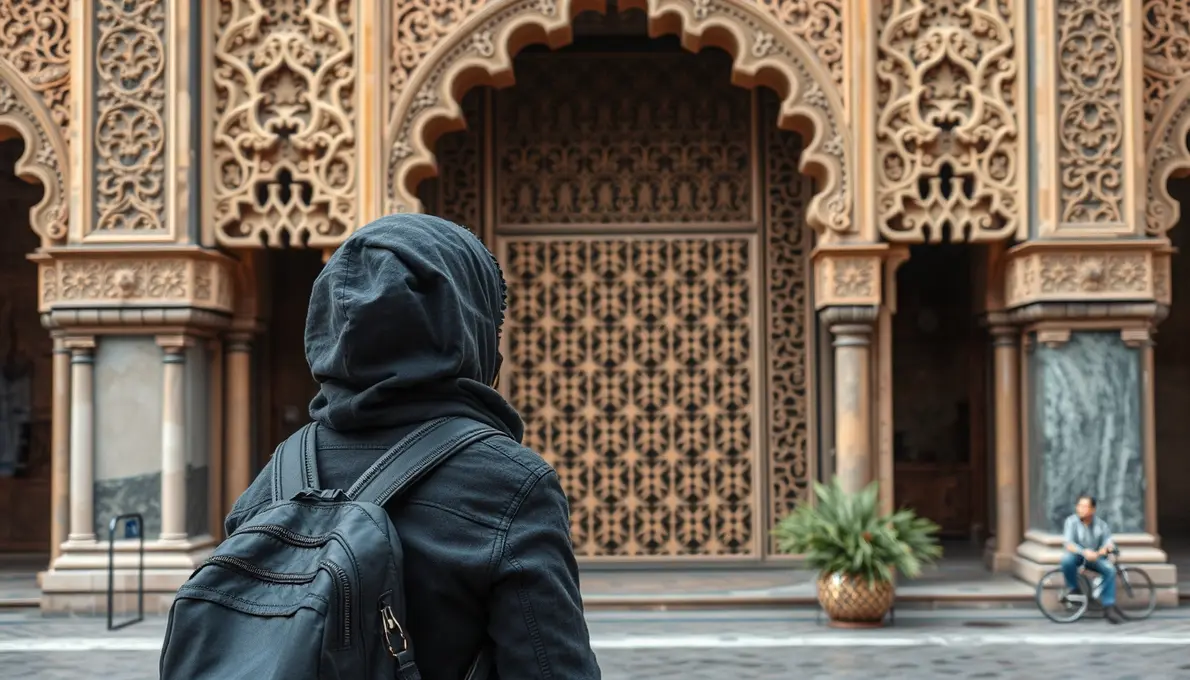
The clang of hammers on metal often leads you to the coppersmiths and jewelers’ souks, another vibrant segment of the Fes artisan markets. Moroccan metalwork is characterized by its intricate detailing and traditional patterns. From polished brass and copper lanterns that cast beautiful shadows to ornate tea sets and decorative trays, these items are both functional and artistic. The craftsmanship involves meticulous hammering, etching, and sometimes inlay work.
Jewelry in Fes often features silver, semi-precious stones, and traditional designs inspired by Berber and Arab heritage. You’ll find chunky silver necklaces, delicate filigree earrings, and bracelets adorned with colorful stones like amber, coral, and turquoise. When purchasing jewelry, ensure you’re aware of the metal’s purity if that’s a concern for you. Many shops will be happy to certify the silver content. As with other artisan goods, individual piece uniqueness is key – look for items that resonate with your personal style and story. It’s not uncommon to find smaller, family-run stalls where the jeweler creates pieces right in front of you, offering a truly authentic shopping experience. Remember, these aren’t merely decorative items; they often carry cultural significance and history.
The Scented Souks: Spices, Argan Oil, and Natural Remedies
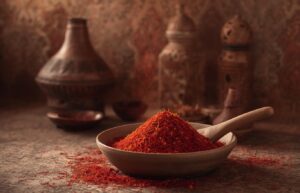
Beyond the tangible crafts, the Fes artisan markets also offer a rich array of edible and sensory delights. The spice souks are an explosion of color and aroma, with towering pyramids of cumin, turmeric, paprika, and Ras el Hanout. These aren’t just for cooking; many spices are also traditionally used for medicinal purposes or as natural dyes. Knowledgeable vendors can explain the properties and uses of each spice, making for an educational and aromatic experience.
Morocco is famous for its argan oil, often dubbed ‘liquid gold’ for its culinary and cosmetic benefits. In Fes, you’ll find shops specializing in pure, cold-pressed argan oil, as well as a range of argan-based products like soaps, creams, and shampoos. Always ask for demonstrations or samples to ensure you’re getting high-quality, authentic products. Beyond argan, look for rose water, orange blossom water, and traditional Moroccan soaps. These natural products make wonderful gifts and personal souvenirs, allowing you to bring a piece of Fes’s natural bounty home with you. It’s a sensory journey that complements the visual feast of the other artisan crafts.
Ethical Shopping and Haggling Etiquette in the Fes Artisan Markets
Shopping in the Fes artisan markets is an art form in itself, and understanding the local customs can greatly enhance your experience. Ethical shopping means supporting the local artisans directly. Many smaller workshops and family-run stalls appreciate your business immensely. Look for opportunities to buy directly from the creators whenever possible, as this ensures more of your money goes directly to them.
Haggling is an integral part of Moroccan market culture, but it should always be respectful and good-natured. It’s not about driving the price down to an absurd level, but about engaging in a friendly negotiation that results in a fair price for both buyer and seller. A good starting point is to offer about half of the initial asking price and then work your way up. If you’re genuinely interested in an item, show it, but don’t be afraid to walk away if you can’t agree on a price. If you do walk away, sometimes the vendor will offer a better deal. A smile, a few words of Arabic (like “shukran” for thank you), and patience go a long way. Remember, the Fes artisan markets are not just transactional spaces; they are social hubs where relationships are built, even briefly. For broader travel insights, you might find useful information on sites like Fes leather goods before your trip. For more adventures in other Moroccan cities, consider exploring Fes artisan markets.
Conclusion
The Fes artisan markets are more than just shopping destinations; they are living testaments to Morocco’s rich cultural heritage and enduring craftsmanship. From the pungent tanneries supplying the finest leather goods to the vibrant ceramic workshops and the intricate textile souks, every corner of the medina offers a glimpse into traditions passed down through generations. Embarking on this journey through Fes’s vibrant souks allows you not only to acquire beautiful, authentic Moroccan crafts but also to connect with the talented artisans who keep these ancient skills alive. It’s an unforgettable experience that embodies the spirit of Fes itself.
FAQs
What are the main types of crafts to look for in Fes artisan markets?
In the Fes artisan markets, you’ll find a wide range of crafts, with prominent categories including leather goods (bags, shoes, poufs), ceramics (especially the blue and white Fassi pottery), textiles (rugs, carpets, scarves, caftans), metalwork (lanterns, trays, jewelry), and natural products such as argan oil, spices, and traditional remedies. Each category reflects centuries of Moroccan artistry.
Is haggling expected in the Fes artisan markets?
Yes, haggling is definitely expected when shopping in the Fes artisan markets. It’s a customary part of the shopping experience and is often seen as a friendly negotiation rather than an aggressive confrontation. Start with an offer significantly lower than the asking price and work your way to a mutually agreeable sum. Remember to keep it lighthearted and respectful.
How can I ensure I’m buying authentic, high-quality items?
To ensure authenticity and quality in the Fes artisan markets, look for items that show handmade characteristics (slight imperfections, unique variations). Buying directly from workshops where you can see the artisans at work is a great way to verify authenticity. Ask questions about the materials and the creation process. For high-value items like carpets, take your time, compare options, and don’t be rushed into a purchase.
What should I keep in mind for transporting fragile purchases like ceramics?
When purchasing fragile items like ceramics from the Fes artisan markets, ask the vendor to package them securely for travel. Many vendors are very experienced in wrapping pottery and other delicate goods to withstand international transport. If you plan to buy many fragile items, consider bringing extra padding or a dedicated small carry-on bag to protect them during your journey.

 Covers cities, coast, mountains, desert & food