
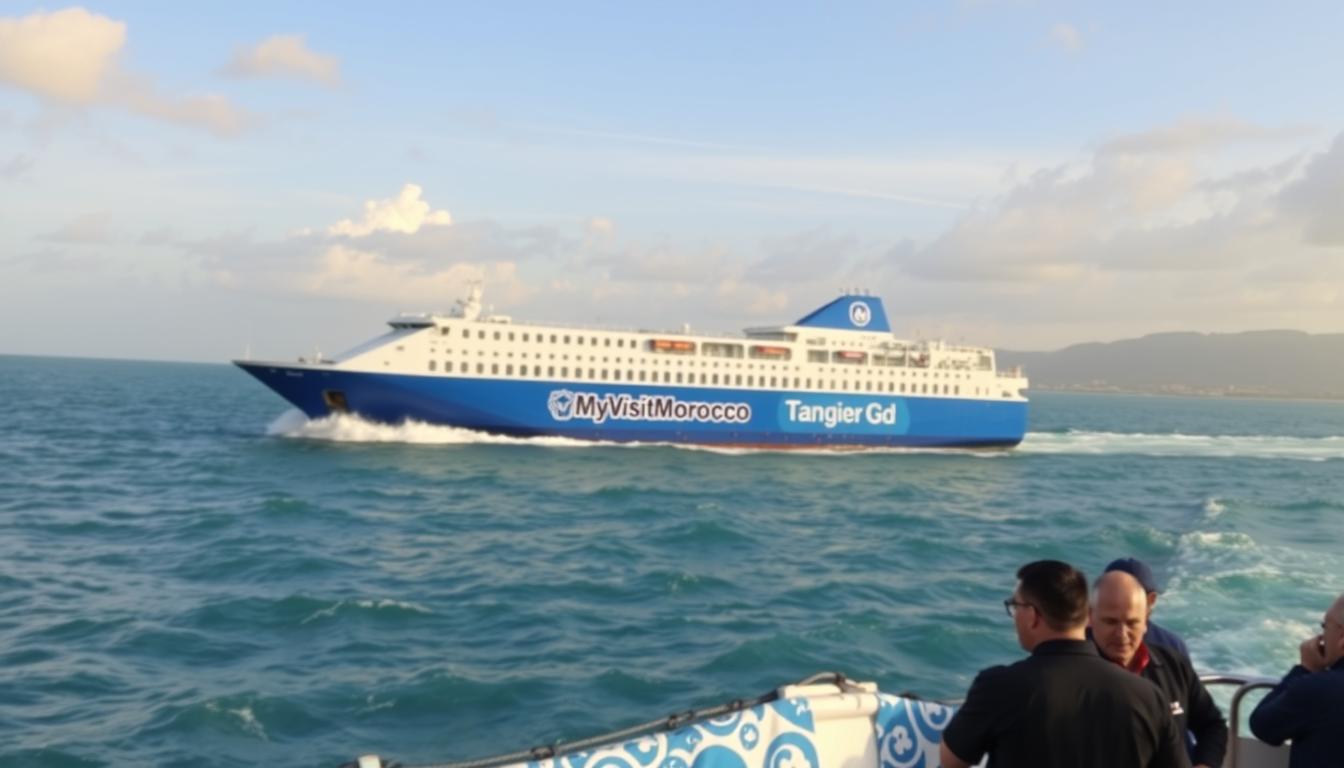
ferry spain to morocco
Traveling from Spain to Morocco by ferry is easy and scenic. Knowing how to book and board is key for a smooth trip.
Enjoy the Mediterranean views on your ferry ride. It makes your journey a part of your vacation. To avoid any trouble, learn the steps and what you need for booking and boarding.
Key Takeaways
- Understand the ferry schedule and plan your trip accordingly.
- Book your ferry ticket in advance to secure your spot.
- Familiarize yourself with the necessary travel documents.
- Arrive at the port with plenty of time to spare before boarding.
- Know the ferry operator’s policies on luggage and pets.
Understanding the Spain to Morocco Ferry Routes
Crossing the Strait of Gibraltar by ferry is easy. It connects Europe and Africa. The ferry routes from Spain to Morocco are well-known. They make traveling between the two regions simple.
Popular Departure Points in Spain
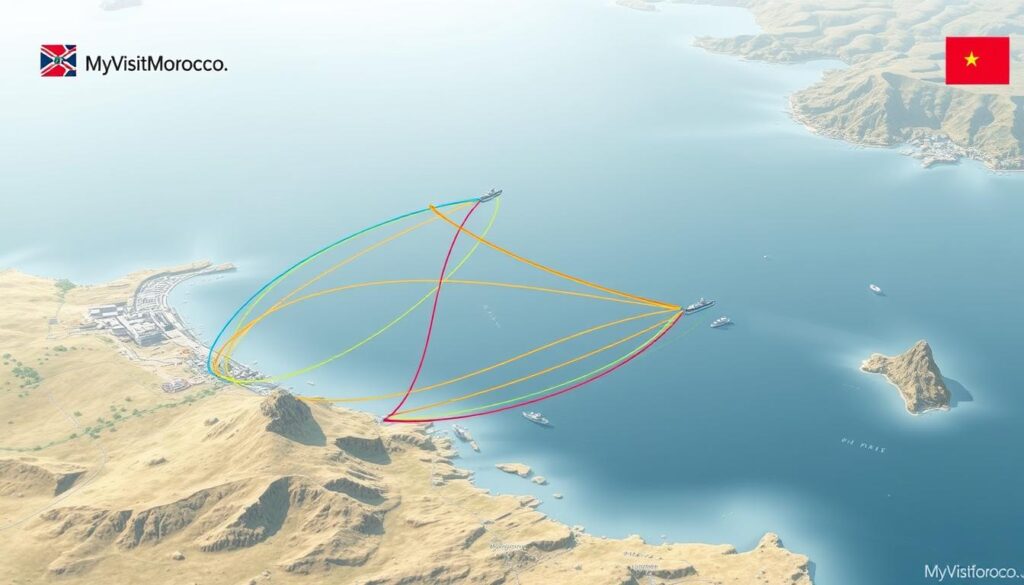
Spain’s main departure points are Algeciras, Tarifa, and Málaga. Algeciras is very busy, with many trips to Ceuta and Tangier. For more on traveling from southern Spain to Morocco by ferry, check out this travel blog.
Arrival Ports in Morocco
In Morocco, you’ll arrive in Tangier and Ceuta. Tangier is a big port city, making it easy to get around Morocco. Ceuta is a Spanish city on Africa’s northwest coast.
Distance and Crossing Times
The distance between Spain and Morocco changes with the route. Crossing times range from 35 minutes to a few hours. For instance, the Tarifa-Tangier route is quick, taking about 35-40 minutes by fast ferry.
Ferry Companies Operating the Ferry Spain to Morocco Routes
Traveling from Spain to Morocco has several ferry options. Each ferry company offers different services and amenities. This can greatly affect your travel experience.
FRS Ferries
FRS Ferries is a top choice for the Spain to Morocco route. They are known for their fast and reliable service. With multiple daily sailings, planning your trip is easy.
Balearia
Balearia offers a range of services, including high-speed ferries. This cuts down travel time between Spain and Morocco. They also have various onboard amenities to make your trip better.
Trasmediterránea
Trasmediterránea has a long history of ferry services between Spain and Morocco. They have different ticket options and classes. This caters to all kinds of travelers.
Intershipping
Intershipping focuses on efficient and comfortable journeys. They aim to meet the needs of both passengers and vehicles.
GNV (Grandi Navi Veloci)
GNV (Grandi Navi Veloci) offers modern ferry services. They have dining options and entertainment onboard. Their routes between Spain and Morocco provide comfortable and enjoyable trips.
When picking a ferry company for your Spain to Morocco trip, think about journey time, amenities, and prices. This will help you find the best ferry companies for Spain to Morocco route for your needs.

Crossing the Strait of Gibraltar by Ferry
Traveling by ferry across the Strait of Gibraltar is a mix of geography and sightseeing. You’ll go between Spain and Morocco, passing through a stunning and strategic waterway.
Geographical Significance
The Strait of Gibraltar connects the Mediterranean Sea to the Atlantic Ocean. It’s the narrow waterway between Europe and Africa. At its narrowest, it’s about 9 miles wide, making it a key spot in global maritime trade for centuries.
Weather and Sea Conditions
The weather and sea in the Strait of Gibraltar can change quickly. Ferries run in different conditions, but the sea can be rough, especially in winter. Travelers should be ready for possible delays or changes in ferry times because of bad weather.
Views and Sightseeing Opportunities
Even with rough seas, the ferry ride offers amazing views. You can see the Rock of Gibraltar and the African coast. On a clear day, you might also see the mountains of Morocco and the Spanish coast, making it a memorable trip.
While crossing the Strait of Gibraltar, enjoy the ferry’s amenities and the views. Whether you’re traveling for fun or work, this journey combines natural beauty with the thrill of international travel.
Comparing Ferry Types: Fast Ferries vs. Conventional Vessels
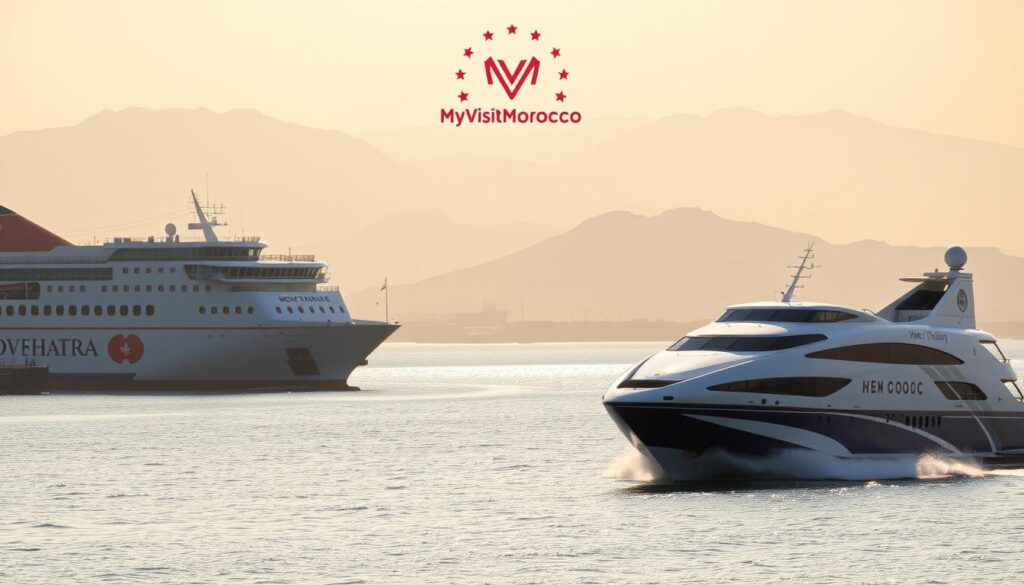
Traveling from Spain to Morocco by ferry offers two options: fast ferries and conventional vessels. Each has its own benefits. You should think about speed, cost, and comfort when choosing.
Speed and Journey Time Differences
Fast ferries are quicker, cutting down travel time. For example, a trip from Algeciras to Tangier on a fast ferry takes about 35 minutes. In contrast, a conventional ferry might take up to 2 hours. If you’re short on time, fast ferries are the way to go.
Price Comparisons
Conventional ferries are cheaper than fast ferries. This makes them a good choice for those watching their budget or who don’t mind a longer journey.
Comfort and Amenities
Fast ferries offer a modern and comfy ride. They have amenities like comfy seats, cafeterias, and sometimes luxury facilities. Conventional ferries, while less fancy, still have the basics and can be a more laid-back option.
| Ferry Type | Journey Time | Average Price | Comfort Level |
|---|---|---|---|
| Fast Ferry | 35 minutes | $50-$100 | High |
| Conventional Ferry | 2 hours | $30-$70 | Medium |
When picking between fast ferries and conventional vessels for your Spain to Morocco trip, think about what matters most to you. Speed, cost, and comfort will all affect your experience.
Best Times to Take the Ferry from Spain to Morocco
Planning your ferry trip from Spain to Morocco? Knowing the seasons can make your trip better. The ferry runs all year, but each season offers a different experience.
Seasonal Considerations
The Spain to Morocco ferry route is shaped by the Mediterranean climate. This means warm summers and cool winters. Spring and autumn are the best times for those who like milder weather and fewer people.
Peak Tourist Seasons
Summer is the busiest time, especially in July and August. If you enjoy a lively scene and don’t mind crowds, summer is for you. But, if you prefer fewer people, consider the shoulder season.
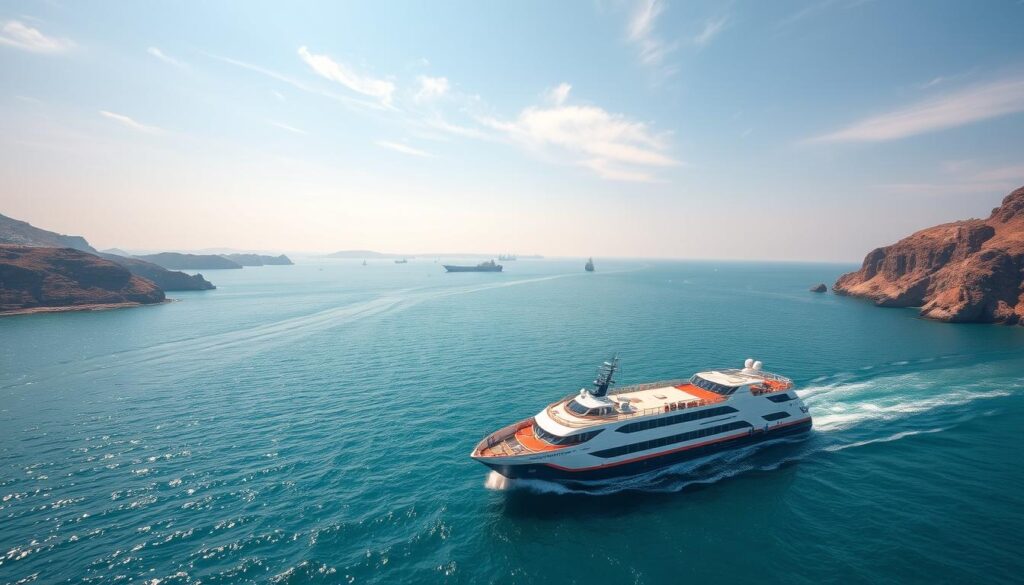
Weather Conditions Across the Mediterranean
Weather greatly affects your ferry journey’s comfort and safety. Below is a table showing average weather by season.
| Season | Average Temperature | Sea Conditions |
|---|---|---|
| Spring | 18°C – 22°C | Generally calm |
| Summer | 25°C – 30°C | Calm to moderate |
| Autumn | 18°C – 25°C | Generally calm |
| Winter | 12°C – 18°C | Rough to moderate |
By thinking about these points, you can pick the best time for your ferry trip. This way, you’ll have a comfortable and fun journey.
How to Book Your Ferry Tickets Online
Booking your ferry tickets from Spain to Morocco online is easy. You can compare prices and schedules to find the best trip for you. This makes planning your journey simple and efficient.
Direct Booking Through Ferry Websites
Booking directly on ferry company websites is a simple way to go. Companies like FRS Ferries, Balearia, and Trasmediterránea have online booking. You can check schedules, prices, and availability on their websites and book securely.
For example, you can visit Direct Ferries to compare and book tickets from different operators.
Using Comparison Sites
Comparison sites are great for finding ferry tickets. They let you compare prices, times, and services from different operators. This saves time and helps you find the best deals.
Booking Through Travel Agencies
Booking through travel agencies is another option. They offer packages with ferry tickets, accommodation, and more. While it might not be the cheapest, it’s good for those who like traditional planning.
Mobile Apps for Ferry Bookings
Many companies and platforms have mobile apps for booking. These apps offer deals, updates, and easy access to your booking. They’re perfect for booking on the go.
Choosing how to book your ferry tickets online is easy. By comparing options and planning ahead, you can have a smooth journey from Spain to Morocco.
Understanding Ferry Ticket Options and Classes
To get the most out of your ferry trip from Spain to Morocco, knowing the ticket classes is key. The ferry services on this route have various ticket options. They cater to different needs and likes.
Economy vs. Premium Seating
Ferry services usually have economy and premium seating. Economy seats are comfy for the trip. Premium seats have more room, priority boarding, and extras like free snacks or drinks. For example, FRS Ferries has both economy and premium classes.
| Feature | Economy | Premium |
|---|---|---|
| Comfort Level | Standard seating | More legroom, reclining seats |
| Priority Boarding | No | Yes |
| Complimentary Services | Limited | Snacks and drinks |
Cabin Accommodations
For longer trips or more privacy, cabin options are available. Cabins range from simple to luxurious suites with bathrooms. A cabin can make your trip better, offering a quiet place to relax. Balearia has many cabin choices on their ferries.
Vehicle Transport Options
If you’re bringing your vehicle, knowing the transport options is important. Most ferries let you book space for cars, motorcycles, or RVs. It’s vital to book your vehicle ticket early, as spots are limited. 
When booking, give your vehicle’s size and weight. Some ferries have special deals for vehicles with passengers.
By knowing the ferry ticket options and classes from Spain to Morocco, you can pick the best for you. This ensures a comfortable and fun trip.
Ferry Ticket Prices: What to Expect
Ferry ticket prices from Spain to Morocco change a lot. Knowing what affects these prices helps you save money and plan better.
Average Costs for Passengers
A one-way ferry ticket can cost between €30 and €100 per person. This depends on the ferry company and the service you pick. For example, ferry tickets from Tarifa start at about €30 for foot passengers.
Vehicle Transport Fees
Traveling with a vehicle adds extra costs. These can be from €50 to €200 or more. The size of your vehicle and the ferry company affect the price. Always check with the ferry operator for the latest prices.
Seasonal Price Variations
Prices change with the seasons. Summer and holidays are pricier because more people travel. Off-peak times are cheaper. Traveling during the shoulder season can get you better deals.
Discounts and Special Offers
Ferry companies offer discounts and special offers to draw more customers. Look for deals for return tickets, students, seniors, and loyalty programs. Check the ferry company’s website or call their customer service for deals. Some offer special prices during off-peak times, so booking early or being flexible can save you money.
As a ferry expert said, “Booking early and being flexible with your travel dates can greatly reduce ticket costs.” Comparing prices from different operators helps you find the best deal.
Preparing for Your Ferry Journey
Getting ready for your ferry trip from Spain to Morocco is key. You need to know the steps for a smooth ride.
Essential Documents
Before you get on the ferry, make sure you have your documents. Your passport is the most important; it should be valid for at least six months after your stay in Morocco. Check if you need a visa to enter Morocco, as rules can change.
If you’re bringing a vehicle, have your vehicle registration and insurance ready.

Luggage Allowances and Restrictions
Ferry companies have rules for luggage, so check with them first. You might be allowed one or two bags, but it varies. Some items, like hazardous materials or pets, might need special care.
What to Pack for the Crossing
Packing the right things can make your trip better. Bring comfy clothes, snacks, and any medicines you need. If seasickness is a worry, pack some medication.
Books, games, or a portable charger for your devices can also make your journey fun.
Arriving at Spanish Ports: What to Expect
Traveling from Spain to Morocco by ferry? Knowing what to expect at Spanish ports can make your trip better. Spanish ports are ready for the many travelers going to Morocco. They have lots of amenities and services.
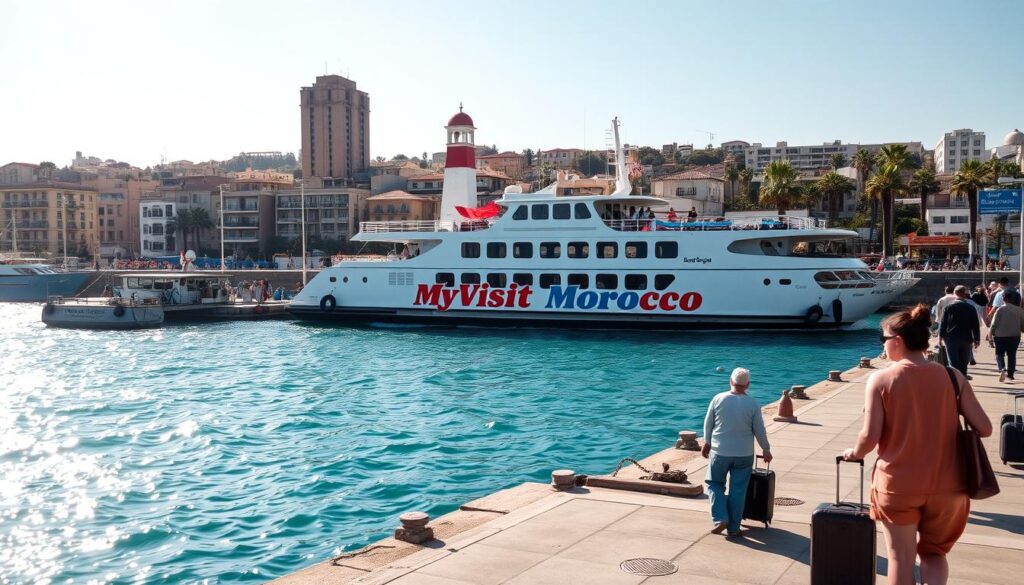
Algeciras Port Guide
Algeciras is a very busy port, with many ferries going to Morocco. It has cafes, restaurants, and duty-free shops. Getting to the port is easy by car or public transport, with lots of parking.
Tarifa Port Information
Tarifa is another important port for Morocco trips. It’s famous for its beautiful views and is great for those with vehicles. Tarifa has parking, cafes, and shops, making it a good place to start.
Barcelona and Other Departure Points
Algeciras and Tarifa are the main places for Morocco ferries, but Barcelona is also an option. These ports have many amenities and are easy to get to by different ways.
Parking and Transportation Options
Most Spanish ports have parking, from short to long-term. You can also get there by public transport or taxi. Planning your arrival can make your journey smoother and less stressful.
The Boarding Process for Spain to Morocco Ferries
Get ready for a hassle-free start on your trip by learning about the Spain to Morocco ferry boarding process. It’s designed to be quick and safe, making your journey smooth.
Check-in Procedures
Check-in starts a few hours before your ferry leaves. Arriving early is key to finish all the steps. Make sure you have your ticket, ID, and any visas needed.
Security Checks
Security checks are a big part of boarding. You’ll need to let your luggage be scanned and go through security scanners. It’s like airport security, so wear easy shoes and don’t bring banned items.
Vehicle Boarding Instructions
If you’re bringing a vehicle, get to the port early. You’ll need to show your vehicle’s registration and insurance. Look for signs to the vehicle area.
Foot Passenger Boarding
For those without vehicles, boarding is fast. After checking in and security, head to the gate. Have your ticket and ID ready for the staff.
Knowing the boarding process helps make your journey from Spain to Morocco enjoyable and stress-free.
Immigration and Customs Procedures
Getting ready for your trip from Spain to Morocco? Knowing the immigration and customs rules is key. This info helps you move smoothly from one country to the other, avoiding any trouble.
Spanish Exit Formalities
When leaving Spain, you’ll face exit procedures. You’ll need to show your travel documents, like your passport or ID card, to the authorities. Make sure your documents are valid and won’t expire soon to avoid problems.
Key documents to have ready:
- Valid passport or ID card
- Ferry booking confirmation
- Travel insurance documents (if required)
Moroccan Entry Requirements
When you arrive in Morocco, you must follow the entry rules. You’ll need a passport valid for at least six months, proof of travel plans, and possibly proof of enough money for your stay.
Additional requirements may include:
- Visa (depending on your nationality)
- Proof of accommodation
- Health insurance
Visa Information for Morocco
Visa rules for Morocco change based on where you’re from. Some countries, like the EU, USA, and Canada, might not need a visa for short visits. Always check the latest visa rules before you go to follow them.
Customs Declarations and Restrictions
Spain and Morocco have their own customs rules. Some items, like certain medicines, guns, and specific books or media, are off-limits. Always declare all your goods to avoid fines.
Items to declare:
- Currency over a certain amount
- Gifts or goods bought
- Certain food or plant items
By knowing and following these immigration and customs steps, your trip from Spain to Morocco will be easy and worry-free.
On Board Experience: Amenities and Services
When you travel by ferry from Spain to Morocco, you’ll find many comforts. The ferry companies aim to make your trip enjoyable. Whether it’s a short or long journey, they’ve got you covered.
Dining Options
Ferries offer various dining spots, like restaurants, cafes, and snack bars. You can enjoy a meal, a quick snack, or a drink while enjoying the views. Menus have local and international dishes for all tastes and diets.
Entertainment and Shopping
Ferries have entertainment areas to keep you busy. You’ll find lounges, game areas, and even live shows. There are also shopping spots with duty-free items, souvenirs, clothes, and local crafts.
Seating and Viewing Areas
There are comfy seats and great views on all ferries. Some have outdoor decks, while others have indoor lounges with big windows.
Wi-Fi and Connectivity
Staying online is simple with Wi-Fi on most ferries. You can chat with loved ones, check emails, or browse the web during your trip.
In short, traveling by ferry from Spain to Morocco is a pleasant experience. With many amenities and services, it meets different needs.
Traveling with Children and Pets on Mediterranean Ferry Crossings
Traveling with kids and pets on Mediterranean ferries needs some planning. To make sure everyone has a good time, being ready is key.
Family-Friendly Facilities
Many ferries between Spain and Morocco have facilities for families. They offer play areas, kid-friendly food, and lots of space. Some have special playrooms and baby-changing areas.
Pet Transportation Policies
Knowing the pet rules is important if you’re bringing your furry friends. Most ferries let pets on, but there are rules. Pets might need to stay in certain spots or in carriers. Some ferries even have pet-friendly cabins.
Tips for Comfortable Travel with Kids
To keep your kids happy, bring things like tablets, coloring books, and snacks. If your kids are very young, consider a cabin for a quiet place to sleep.
Pet Documentation Requirements
Traveling with pets means you’ll need the right papers. This includes a health certificate, vaccination proof, and maybe an import permit for Morocco. Check with your ferry and the authorities for the latest needs.
Being ready and knowing what to expect makes your trip fun and easy. Enjoy your journey with your family and pets on the Spain to Morocco ferry route.
Return Journey: Morocco to Spain Ferry Information
Planning your return ferry trip from Morocco to Spain is easy with the right info. The return journey is as important as your first trip. Being ready will make the transition smooth.
Booking Return Tickets
To avoid last-minute problems, book your return tickets early. You can book through official ferry company websites like FRS Ferries, Balearia, or Trasmediterránea. For more on ferry routes and schedules, check Ferry Hopper.
Moroccan Departure Procedures
Before leaving Morocco, make sure you’ve done all exit formalities. This includes clearing customs and immigration. Have all your documents ready to avoid delays.
Re-entry to Spain
When you get back to Spain, you’ll need to go through immigration and customs again. Know what you can and can’t bring back to Spain to avoid problems.
Schedule Differences
Ferry schedules can change with the season and other factors. Always check the latest schedules before your return trip. Also, watch the weather forecast to see if it might affect your trip.
Conclusion: Making the Most of Your Spain to Morocco Ferry Journey
Planning your trip from Spain to Morocco? Knowing about the ferry journey is key. You’ve discovered the ferry companies like FRS Ferries, Balearia, and Trasmediterránea. You also learned about the different types of ferries.
To get the most out of your trip, book early for the best prices. Choose a ferry that fits your needs. Whether it’s fast or conventional, you’ll see stunning views of the Strait of Gibraltar and the Mediterranean.
Onboard, enjoy the amenities like dining, entertainment, and shopping. If you’re traveling with kids or pets, check the ferry’s policies and facilities.
Being prepared ensures a smooth and fun journey. So, pack right, arrive early, and get ready to explore Morocco’s rich culture and history.





 Covers cities, coast, mountains, desert & food