Step into any Moroccan home, particularly in the Atlas Mountains or the vast desert plains, and the aroma of freshly baked bread is almost a given. More than just a staple food, bread in Morocco, especially that crafted following Berber traditions, is a symbol of hospitality, sustenance, and cultural identity. Exploring the rich history and techniques behind Berber bread traditions in Morocco offers a profound insight into a culinary practice passed down through generations, embodying simplicity, resourcefulness, and community spirit. It’s an exploration not just of flour and water, but of the very soul of Berber life, deeply intertwined with the land and its ancient ways.
The Enduring Legacy of Berber Bread: A Staple of Life and Identity
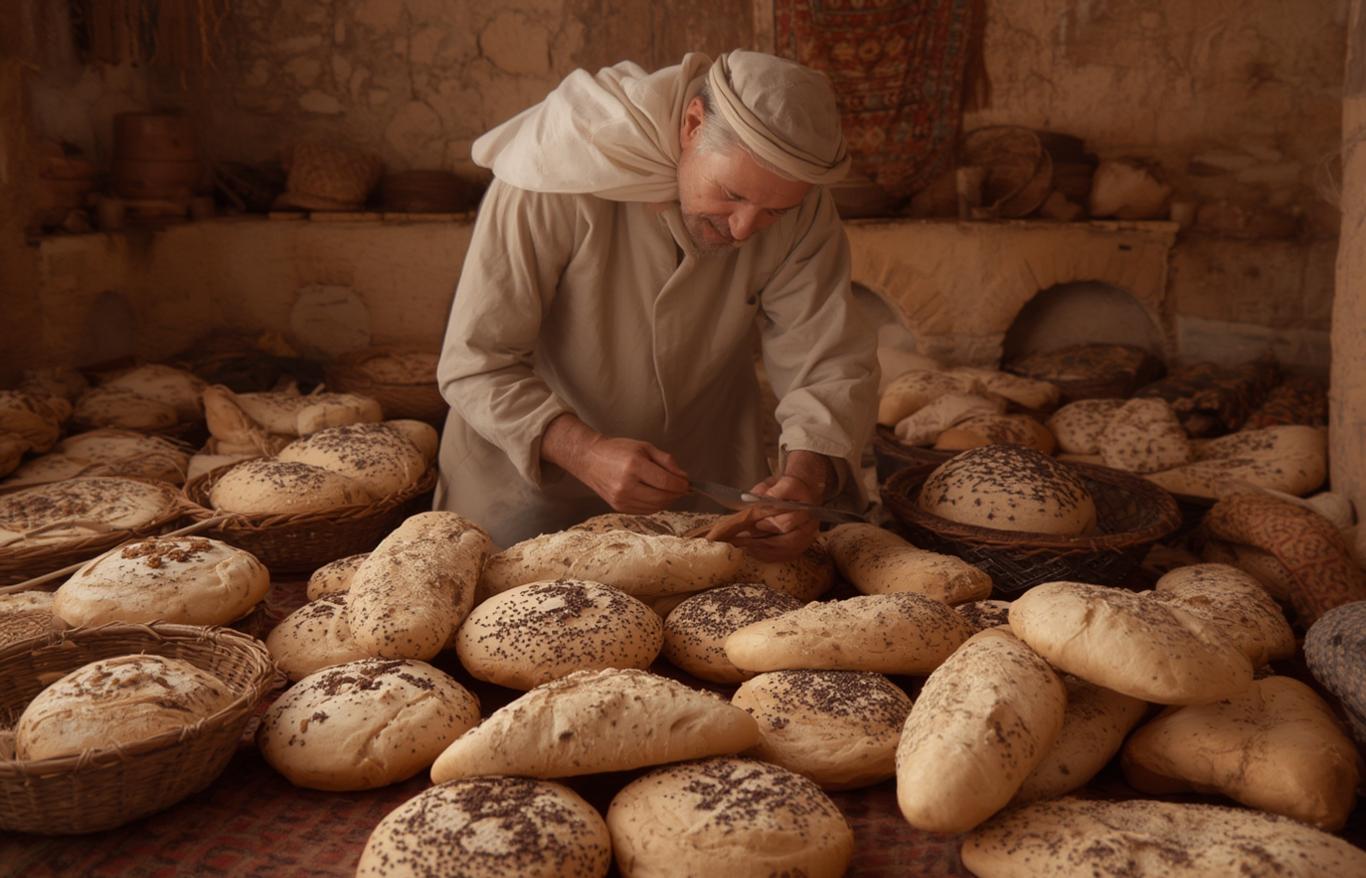
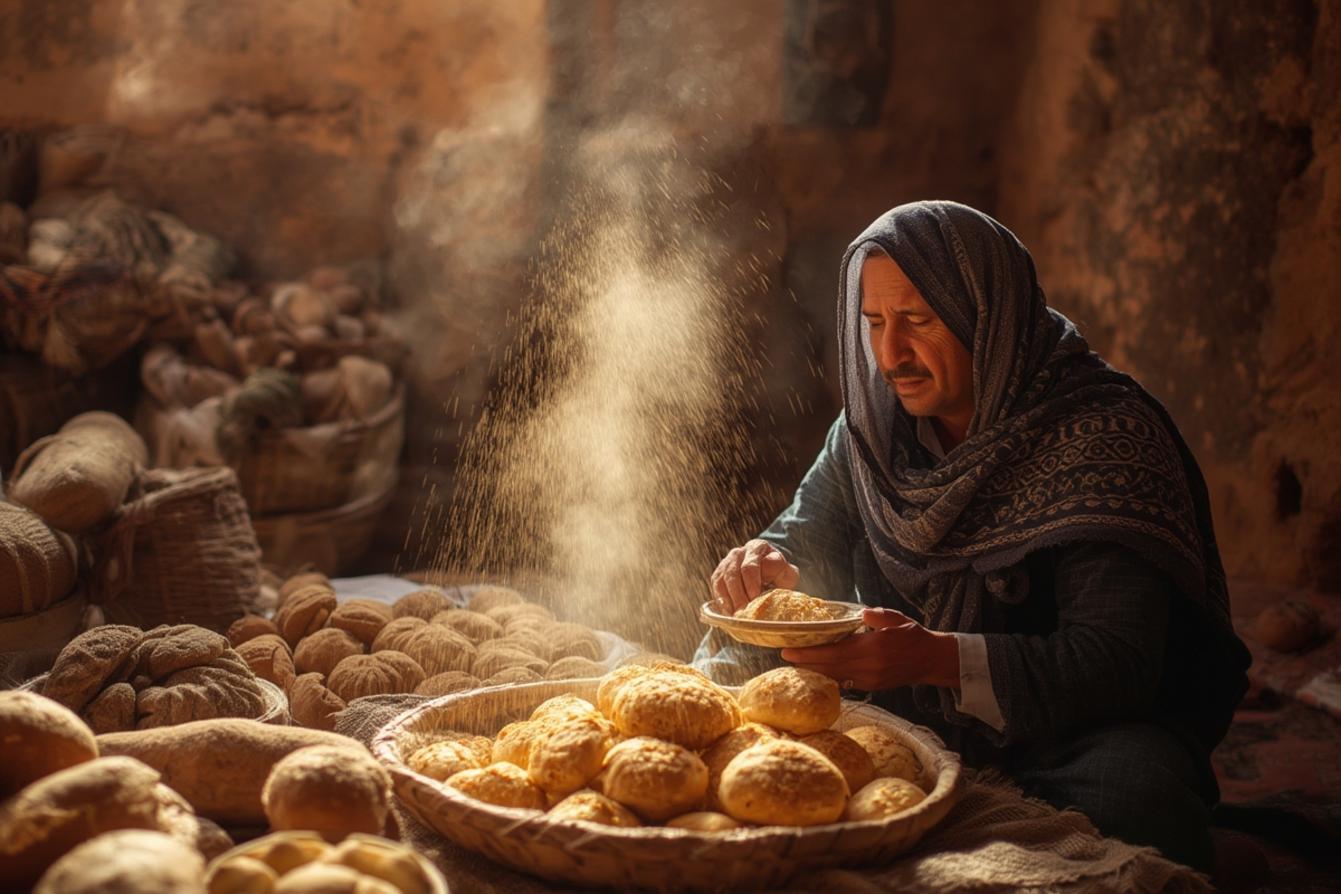
For the Amazigh people, often referred to as Berbers, bread is far more than just a component of a meal; it’s the meal itself, the foundation upon which every other dish rests. This isn’t mass-produced, store-bought bread, but rather hand-kneaded, often stone-baked loaves born from time-honored Berber bread traditions. Historically, and still in many remote areas today, the rhythm of daily life revolves around the baking of bread. It’s an intimate process, typically performed by women, who rise before dawn to prepare the dough, allowing it to ferment naturally before shaping and baking. This ritual connects them to their ancestors, reinforcing a shared heritage that has survived millennia. The act of sharing bread is an unspoken language of welcome, a gesture that transcends words, making visitors feel instantly at home.
The ingredients are often simple: flour (wheat or sometimes barley), water, salt, and natural yeast. Yet, from these humble components, a remarkable variety of textures and flavors emerge. Each region, sometimes even each family, might have its subtle variations, a particular technique for kneading, a preferred flour blend, or a unique way of firing the oven. These subtle differences contribute to the rich tapestry of Moroccan bread varieties, each telling a story of its origin.
From Kneading to Baking: The Artisanal Process of Berber Bread Traditions
The artisanal process behind Berber bread traditions is a testament to sustainable living and an intimate connection to natural resources. It usually begins with the choice of flour. While white flour is common today, traditionally, whole wheat or barley flour was preferred, often milled locally, sometimes even by hand. This coarser flour gives the bread its characteristic rustic texture and earthy flavor. The dough is typically a lean one, meaning it contains little to no fat, relying on the flour’s gluten development for structure and the yeast for its rise.
Kneading is a central, almost meditative, part of the process. It’s often done directly on a clean, low wooden table or even the floor, requiring strength and skill to develop the dough’s elasticity. Unlike modern baking, there’s no strict timing for the rise; the women know by touch and sight when the dough is ready. It’s then shaped into round, flat loaves, often adorned with traditional patterns made by pressing fingers or a special wooden stamp into the dough before baking. These patterns aren’t just decorative; they sometimes serve a practical purpose, such as allowing steam to escape or helping the loaf cook evenly.
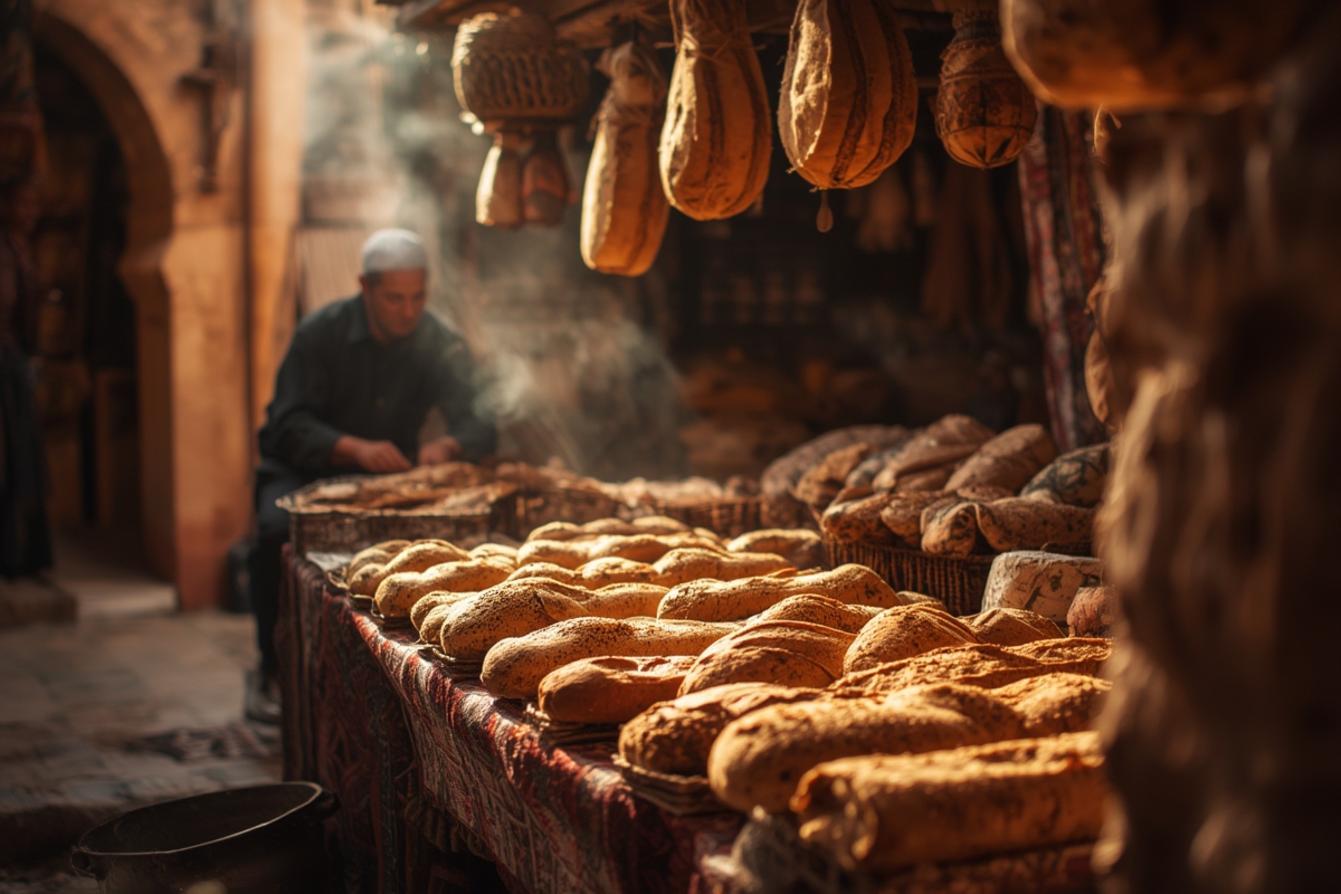
The baking itself is perhaps the most captivating aspect. Many traditional Berber households, especially in rural areas, still utilize a tagine (not the clay cooking pot, but a flatclay griddle placed over embers) directly on the stove, or more commonly, a ferran, a traditional clay or mud oven. These ovens are often built into the ground or constructed from clay and straw, heated by wood or charcoal. The temperature regulation is entirely manual, relying on decades of inherited knowledge. Baking in a ferran imparts a unique smoky flavor and a perfectly crisp crust that no modern oven can replicate. Observing this process is a highlight for anyone interested in deep cultural immersion. You can sometimes see these traditional ovens in action on tours focusing on rural life; Moroccan bread varieties are truly brought to life in these settings.
Beyond Khobz: Exploring Diverse Moroccan Bread Varieties
While khobz (the general term for bread) is ubiquitous, Berber bread traditions encompass a delightful array of specific types, each with its own character and use.
Tafarnout or Aglou: This is perhaps the most iconic Berber bread, named after the clay oven, afarnou*, it’s traditionally baked in. It’s a large, round, relatively flat bread with a chewy interior and a delightfully crispy, slightly smoky crust. It’s perfect for dipping into tagines and sauces.
- Tirke, or sometimes referred to as ‘Berber Pizza’: Not a pizza in the Western sense, but a thick, focaccia-like bread often baked with various fillings inside or on top, such as onions, herbs, olives, or spiced meat. It’s a satisfying meal in itself, particularly popular during colder months.
Rghaif/M’semen: These are laminated, square-shaped flatbreads. While not exclusively Berber, they are a significant part of Moroccan culinary heritage. Made from a very thin dough brushed with oil or butter and then folded repeatedly, they create a flaky, layered texture. They can be eaten plain, with honey and butter for breakfast, or filled with savory mixtures (like M’semen meloui*).
Harcha: A delightful pan-fried semolina bread, harcha has a crumbly texture similar to cornbread. It’s usually round and thick, cooked on a griddle until golden brown. Harcha* is a breakfast favorite, often served with cheese, jam, or Amlou (argan oil, almonds, and honey dip).
These Berber bread traditions showcase the diversity achievable with simple ingredients and profound skill, moving far beyond the scope of a single “Moroccan bread.”
The Cultural Significance and Symbolism of Berber Bread
In Berber culture, bread transcends its role as mere sustenance to become a powerful symbol. It represents life, prosperity, and the bounty of the earth. The sharing of bread is an act of deep hospitality and respect. To refuse bread when offered, especially in a rural home, can be seen as an insult, though hosts are generally understanding of dietary restrictions.
Bread loaves are never wasted; leftover pieces are often given to animals or, respectfully, are placed in a prominent spot rather than being discarded carelessly. This reverence for bread stems from a belief in baraka, a divine blessing, which is thought to reside within staple foods. Breaking bread together solidifies bonds, seals agreements, and commences celebrations. During festivals like Eid, special decorated breads are baked, highlighting the festive occasion and reinforcing community ties. This spiritual connection elevates the act of baking and consuming bread to a sacred everyday ritual.
Experiencing Berber Bread Traditions as a Traveler
As a visitor to Morocco, engaging with Berber bread traditions offers an incredibly authentic and rewarding cultural experience. While you can find freshly baked khobz in virtually any bakery (farran or boulangerie) in cities like Marrakech (check out some of the city’s attractions and then look for local bakeries), to truly understand the tradition, venture into the non-urban areas.
Many guesthouses and eco-lodges in the Atlas Mountains or desert regions offer guests the opportunity to witness, and sometimes even participate in, bread making. This might involve an invitation into a family kitchen, a visit to a village ferran (communal oven), or a hands-on cooking class. These are not merely demonstrations; they are glimpses into a living heritage. You’ll learn the techniques, feel the dough, and experience the warmth of the traditional oven. This direct interaction transforms bread from a simple food item into a profound memory – the warmth of the oven, the smell of woodsmoke, the taste of crusty bread dipped in olive oil, and the genuine hospitality that accompanies it all. Always remember to ask permission before photographing people or their homes, and respectful engagement goes a long way.
Adapting to Modernity: Berber Bread in a Changing World
While deeply rooted in tradition, Berber bread traditions are not static. In urban centers, traditional methods coexist with modern bakeries producing a wider range of European-style breads. Even in rural areas, some households might use gas ovens alongside or instead of their traditional clay ferrans. However, the essence of the tradition remains strong. Many Moroccans, regardless of their location, hold a deep appreciation for homemade bread and the cultural values it represents. Efforts are also being made to preserve these ancient techniques. Cooking schools and cultural tours often highlight traditional bread-making as a way to ensure its transmission to future generations and share it with curious visitors. This blend of resilience and adaptation ensures that the heart of Berber baking continues to beat strongly in the Moroccan culinary landscape.
Conclusion
The journey through the history and techniques of Berber bread traditions reveals more than just how bread is made; it uncovers the values of community, hospitality, and respect for heritage that are so central to Moroccan culture. Each loaf tells a story, deeply connected to the land and the people who have perfected its making over centuries. From the simple ingredients to the communal ovens, experiencing this tradition offers a true taste of Morocco’s rich cultural tapestry. The unique flavor and profound meaning behind these breads offer a memorable insight into the Moroccan way of life, symbolizing warmth, welcome, and the enduring spirit of the Amazigh people.
FAQs
What is the most traditional type of Berber bread?
The most traditional type of Berber bread is often considered Tafarnout or Aglou, named after the communal clay oven (afarnou) it’s typically baked in. This large, round, flat bread has a distinct chewy interior and a signature smoky, crispy crust, making it a staple in many Berber households, particularly in the Atlas Mountains.
Can travelers learn to make traditional Berber bread?
Absolutely! Many rural guesthouses, eco-lodges, and even some cooking schools in Morocco offer hands-on workshops or demonstrations on making traditional Berber bread. These experiences often involve kneading the dough, shaping the loaves, and baking them in a traditional clay oven, providing a fantastic cultural immersion.
What is the primary difference between Berber bread and bread found in Moroccan cities?
While cities also have khobz (general bread) and M’semen, Berber bread, especially from rural areas, is often characterized by its use of coarser, sometimes locally milled, flours (like whole wheat or barley), its distinctive baking in traditional clay ovens (ferran or afarnou) which imparts a unique smoky flavor, and its rustic, hearty texture. City bakeries might offer a wider range, including European styles, but often lack the artisanal, traditional techniques.
Why is bread so important in Moroccan and Berber culture?
Bread holds immense cultural and symbolic significance in Moroccan and Berber culture. It represents life, sustenance, hospitality, and blessing (baraka). Sharing bread is a fundamental act of welcome and community bonding. It is rarely wasted and is central to almost every meal, symbolizing generosity and the bounty of the land.


 Covers cities, coast, mountains, desert & food