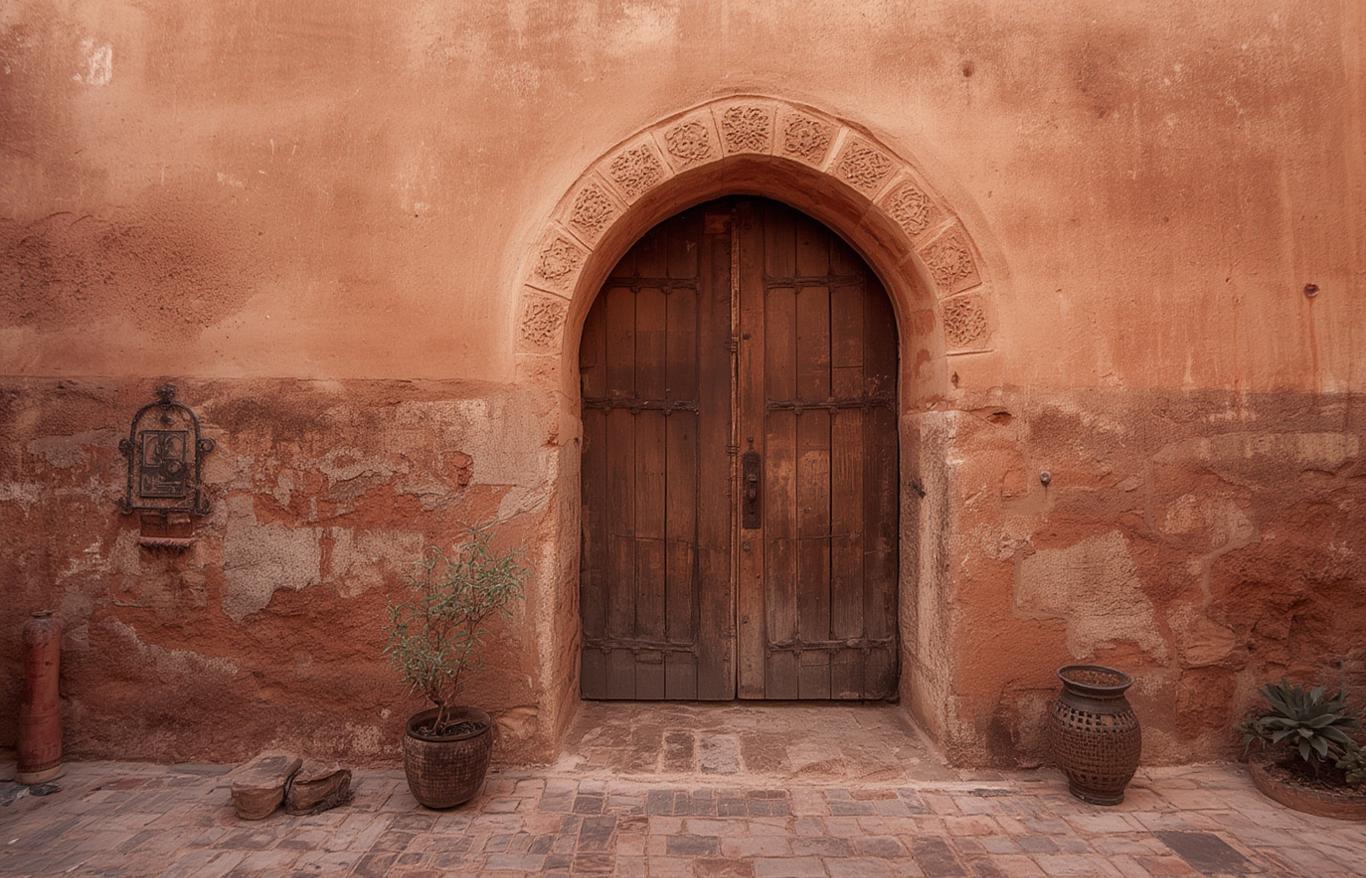
Essaouira, with its windswept ramparts and bohemian charm, offers a truly unique window into Moroccan culture Essaouira. This coastal gem, often called the “Wind City of Africa,” is far more than just a pretty port; it’s a living canvas where art, music, and deeply rooted traditions intertwine to create an unforgettable experience. From the vibrant blue fishing boats bobbing in the harbour to the soulful strains of Gnawa music echoing through the medina, Essaouira enchants visitors with its distinctive cultural pulse. This article will guide you through the rich tapestry of its cultural offerings, showing you how to dive deep into the artistic spirit and ancient customs that define this captivating city.
Essaouira’s Artistic Heartbeat: Souiri Art and Craftsmanship
Essaouira has long been a magnet for artists, and a stroll through its bustling medina instantly reveals why. The light, the colours, the history – it all conspires to inspire. The city is renowned for its vibrant art scene, particularly in painting and woodworking. You’ll find countless small galleries showcasing the distinctive “Souiri” style of art, characterized by its often vibrant, naive, and dreamlike qualities. These paintings frequently depict local life, fishing boats, desert scenes, and abstract patterns, reflecting the unique blend of Berber, Arab, and European influences that have shaped the city.
Beyond the canvases, Essaouira is a hub for exquisite craftsmanship, especially in thuya wood. This aromatic wood, native to the Atlas Mountains, is meticulously carved and inlaid by local artisans to create everything from intricate chessboards and jewellery boxes to ornate furniture. Watching a craftsman at work, perhaps sanding a piece of thuya until its deep grain gleams, is a cultural experience in itself. Many workshops line the medina’s alleyways, offering a chance to witness these age-old techniques firsthand and perhaps even acquire a unique, handcrafted souvenir that embodies the spirit of Moroccan culture Essaouira.
The Rhythmic Soul of Essaouira: A Deep Dive into Gnawa Music
No discussion of Moroccan culture Essaouira is complete without acknowledging its profound connection to Gnawa music. Essaouira is often considered the spiritual home of this mesmerizing, trance-inducing music, which originated with the descendants of sub-Saharan African slaves. Gnawa music is a powerful blend of ritual, poetry, and rhythm, characterized by the hypnotic beats of the qraqeb (metal castanets), the low, resonant thrum of the guembri (a three-stringed bass lute), and soulful call-and-response vocals.
For visitors, experiencing Gnawa music isn’t just about listening; it’s about feeling. Many small cafés and restaurants in the medina host informal jam sessions, especially in the evenings, where you can watch musicians lose themselves in the rhythm. The highlight, however, is the annual Gnaoua and World Music Festival, which draws international artists and legions of fans every June, transforming the entire city into a vibrant stage. Even outside festival season, you can often hear impromptu performances in squares or find dedicated Gnawa houses where you can learn more about its spiritual roots and even purchase traditional instruments. It’s an essential, vibrant thread in the city’s cultural fabric.
Culinary Traditions: Savoring Moroccan Flavors in Essaouira
While Essaouira is famed for its artistic and musical heritage, its culinary scene is also a rich expression of Moroccan culture Essaouira. Thanks to its coastal location, fresh seafood reigns supreme. The fish market at the port is a daily spectacle, where fishermen haul in their catches, and vendors proudly display their wares. For a truly authentic experience, pick out your fish and have it grilled on the spot at one of the small, bustling eateries surrounding the market. The simplicity of freshly caught dorado, sardines, or calamari, grilled with a squeeze of lemon and a sprinkle of salt, is an absolute delight.
Beyond seafood, Essaouira offers all the classic Moroccan dishes, often with a subtle coastal twist. Tagines, couscous, and harira soup are staples, but look for local specialities like sardine tagine or fish pastilla. To truly immerse yourself, consider taking a cooking class. Many riads and local culinary schools offer hands-on experiences where you can learn to prepare traditional dishes, haggle for ingredients in the souk, and understand the cultural significance of shared meals. This isn’t just about food; it’s about hospitality, family, and the deep-rooted traditions that bind Moroccan society. For a deeper dive into the overall culinary landscape, consider exploring the broader Moroccan food Essaouira scene beyond the fishing port.
Exploring Essaouira’s Architectural Heritage and Daily Life
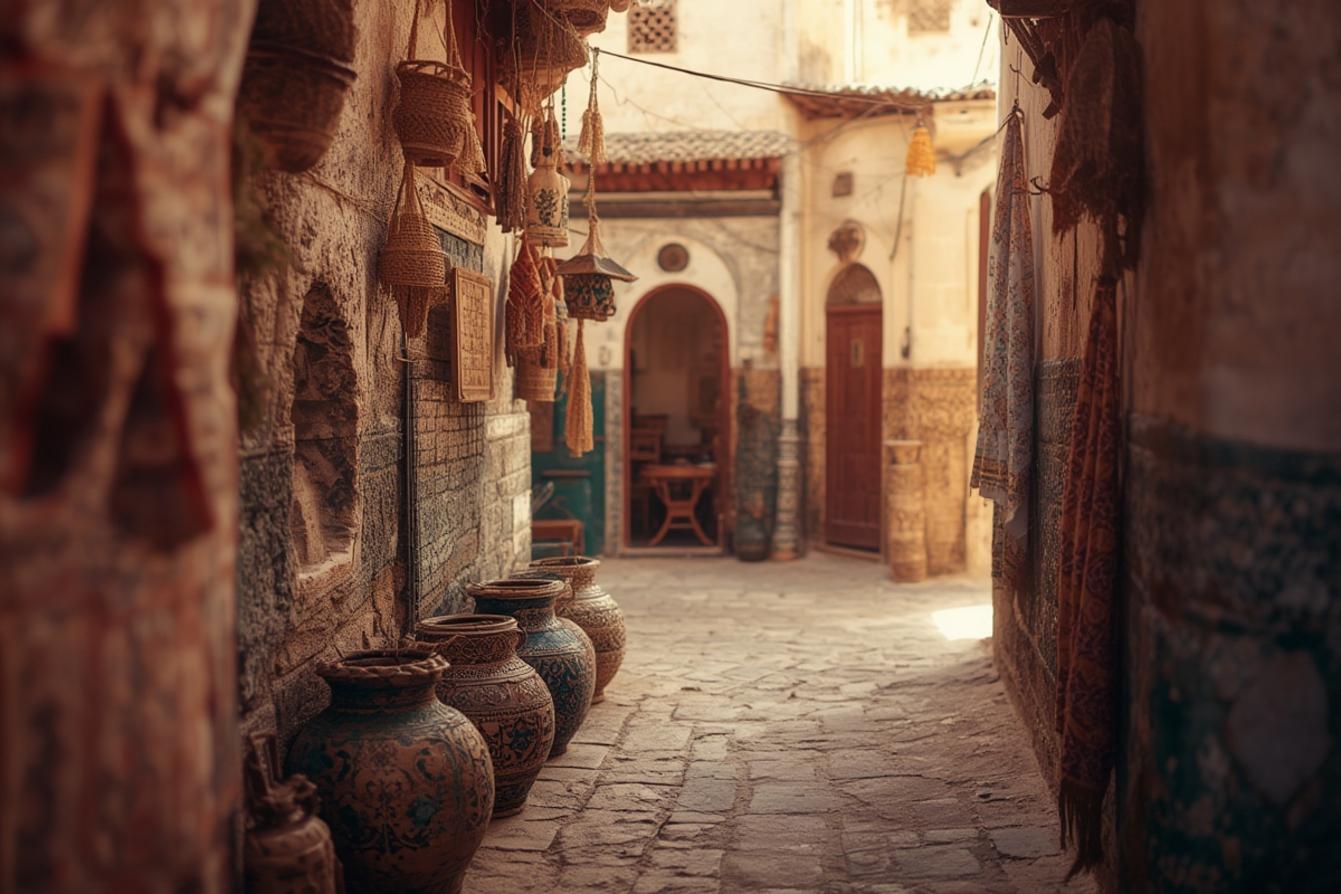
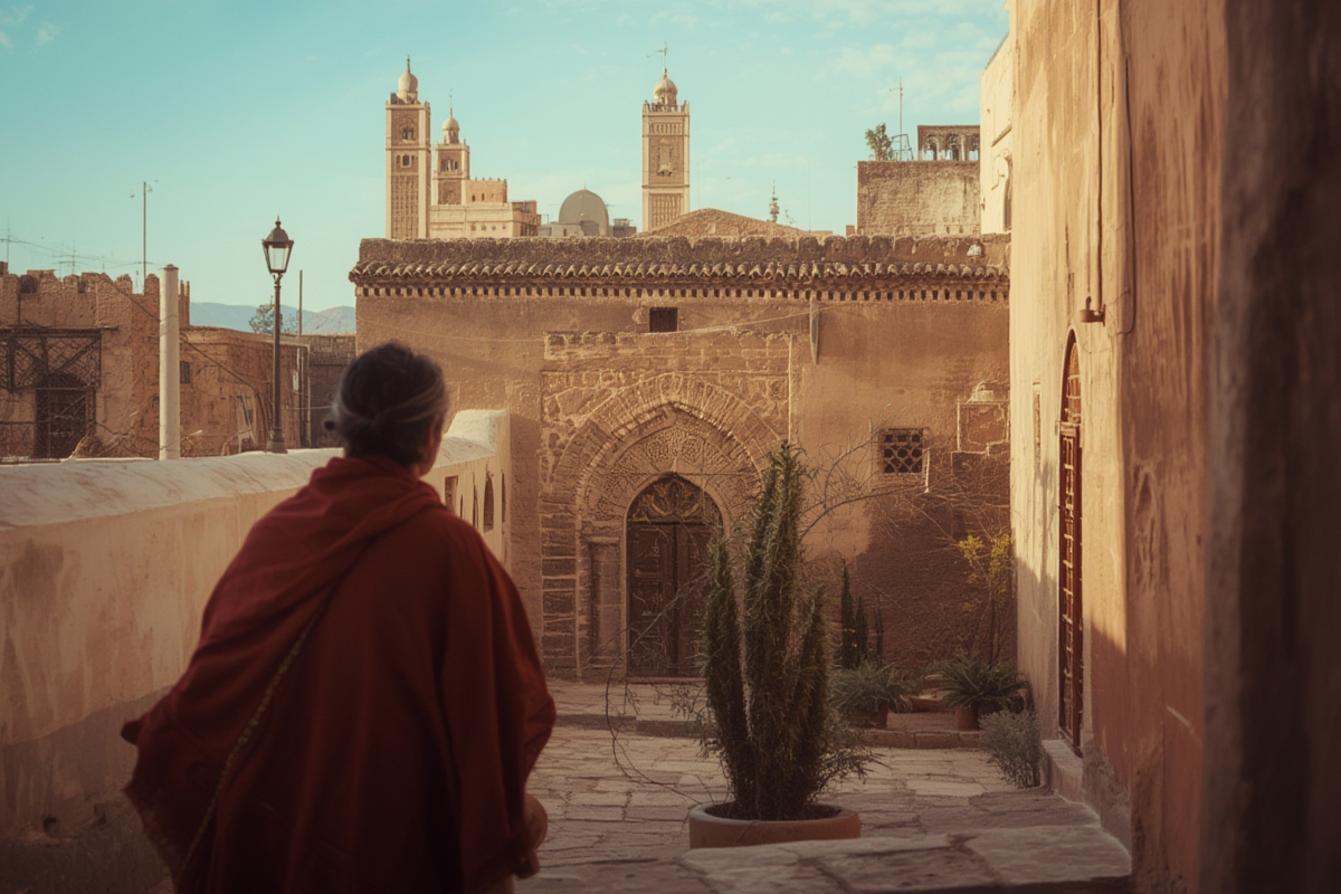
The striking architecture of Essaouira’s medina, designated a UNESCO World Heritage site, is another cornerstone of its unique Moroccan culture Essaouira. The geometric precision of its ramparts, built by French architect Théodore Cornut in the 18th century, gives it a distinct European feel blended seamlessly with Moroccan elements. Walking the ancient walls, particularly the Skala de la Ville and Skala du Port, offers breathtaking views of the Atlantic and a glimpse into the city’s strategic past. The medina itself is a labyrinth of narrow alleyways, bustling souks, and hidden courtyards, where daily life unfolds as it has for centuries.
Observing the rhythm of daily life – from the calls of street vendors to families gathering for mint tea – provides invaluable insight. Local souks are not just for shopping; they are social hubs. You’ll find distinct sections for spices, leather goods, textiles, and, of course, the vibrant food markets. Engaging with local shopkeepers, perhaps haggling gently for a handmade leather bag or a beautifully woven carpet, is part of the cultural exchange. Essaouira’s distinct character, built on centuries of trade, art, and maritime activity, is palpable in every stone and every interaction.
Experiencing Local Traditions & Festivals Beyond Gnawa
While Gnawa music takes center stage, Essaouira’s calendar is dotted with other cultural events and traditions that offer deeper insights. Religious holidays like Eid al-Fitr and Eid al-Adha are observed with great fanfare, though these are more intimate, family-focused celebrations. Travelers visiting during these times will find a quieter medina and a chance to witness local families celebrating in their homes. However, more public expressions of Moroccan culture Essaouira can be found in the various local festivals that pop up throughout the year.
Beyond the internationally renowned Gnawa festival, Essaouira also hosts smaller, more localized celebrations focusing on argan oil, local crafts, or even fishing traditions. These events, while less grand, provide a wonderfully authentic experience of local life and community spirit. Participating in or simply observing these local gatherings helps travelers move beyond the typical tourist experience to truly connect with the heart of Essaouira. Don’t hesitate to ask locals or your riad hosts about any upcoming events during your visit; you might stumble upon a truly memorable cultural moment. The blend of ancient customs and vibrant contemporary life makes Essaouira stand out among the Moroccan culture Essaouira experiences.
Conclusion
Essaouira is a city that thrives on its unique blend of artistic expression, profound musical heritage, and deeply ingrained traditions. From the vivid blues of its port to the intoxicating rhythms of Gnawa music, and from the intricate thuya wood carvings to the aromatic seafood tagines, every corner offers a genuine encounter with Moroccan culture Essaouira. It’s a place that encourages you to slow down, explore its creative spirit, and immerse yourself in the warm hospitality of its people. Whether you’re an art lover, a music enthusiast, a foodie, or simply a curious traveler, Essaouira promises a cultural journey that will linger long after you’ve left its enchanting shores.
FAQs
What type of traditional art is Essaouira known for?
Essaouira is particularly famous for its visual arts, especially painting in the “Souiri” style, which often features vibrant colors, dreamlike landscapes, and local scenes. It’s also a renowned center for thuya wood carving, where local artisans create intricate pieces ranging from small boxes to furniture, showcasing remarkable skill and traditional techniques.
Can visitors easily experience Gnawa music in Essaouira?
Absolutely! Essaouira is considered the spiritual home of Gnawa music. While the annual Gnawa and World Music Festival in June is the biggest event, visitors can frequently find impromptu jam sessions in medina cafés, dedicated Gnawa music venues, or even purchase traditional instruments from local artisans. It’s an integral part of the city’s atmosphere.
What are some must-try traditional foods in Essaouira?
Given its coastal location, fresh seafood is a must-try in Essaouira. You can pick fish at the port and have it grilled on the spot. Beyond seafood, traditional Moroccan dishes like various tagines (especially sardine tagine or fish tagine), couscous, and pastilla (savory pies) are widely available and offer a true taste of local culinary traditions.
Are there any cultural etiquette tips to keep in mind when visiting Essaouira?
When in Essaouira, it’s respectful to dress modestly, especially when visiting religious sites or interacting with locals. Always ask for permission before taking photos of people. Haggling is common in the souks and is part of the cultural experience, but always do so with a good-natured attitude. Learning a few basic Arabic or Berber phrases like “Shukran” (thank you) can also go a long way in showing respect and building rapport.




 Covers cities, coast, mountains, desert & food