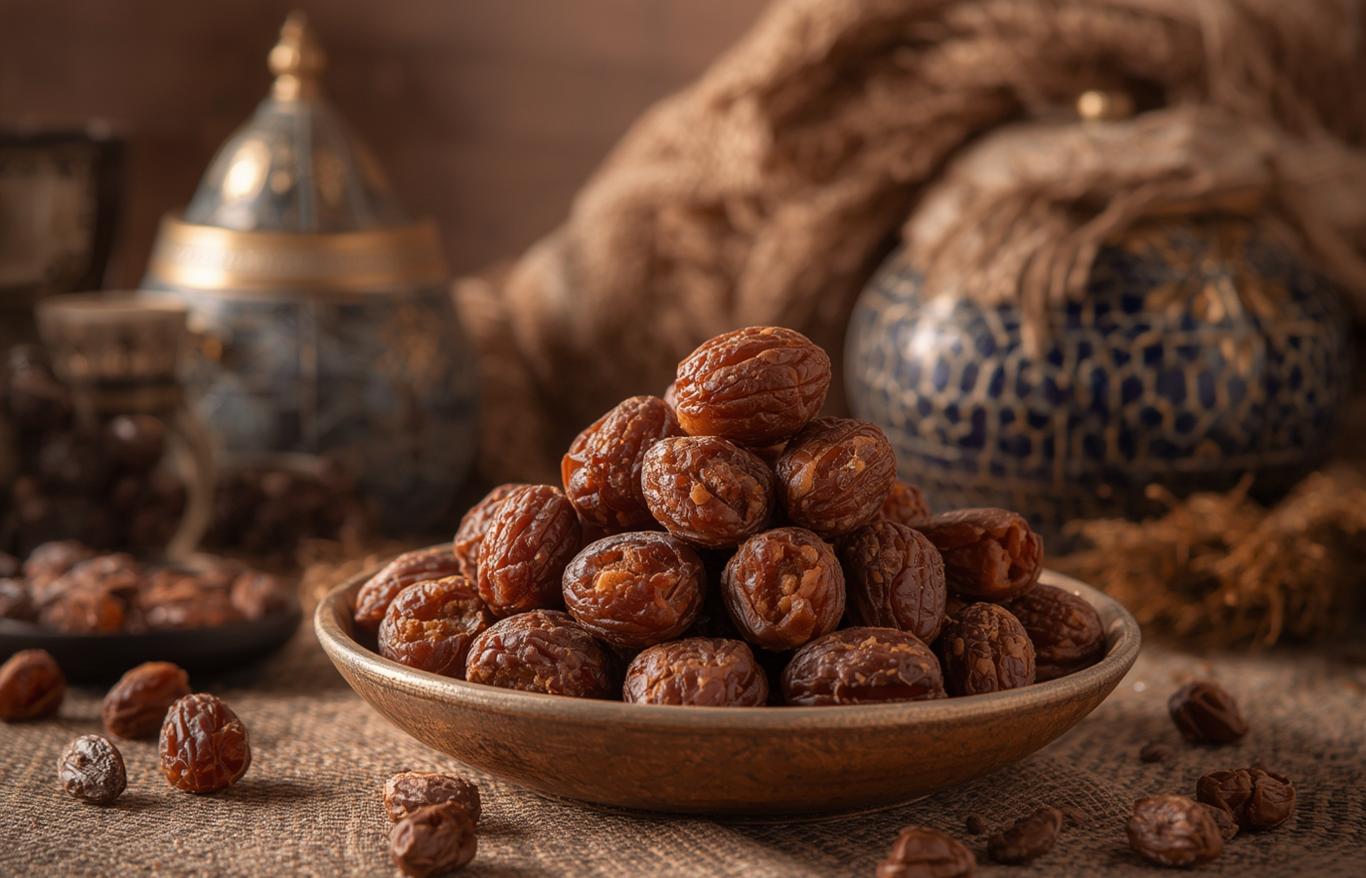
Stepping into a Moroccan home, souk, or patisserie, you’re immediately enveloped in a symphony of aromas and sights. Among the most cherished culinary delights are the exquisite Moroccan date sweets. These aren’t just sugary confections; they are miniature works of art, deeply woven into the fabric of Moroccan hospitality, celebration, and daily life. From intricate patterns to rich, nuanced flavors, understanding these traditional treats offers a delicious window into the heart of Moroccan culture.
The Enduring Significance of Dates in Moroccan Culture
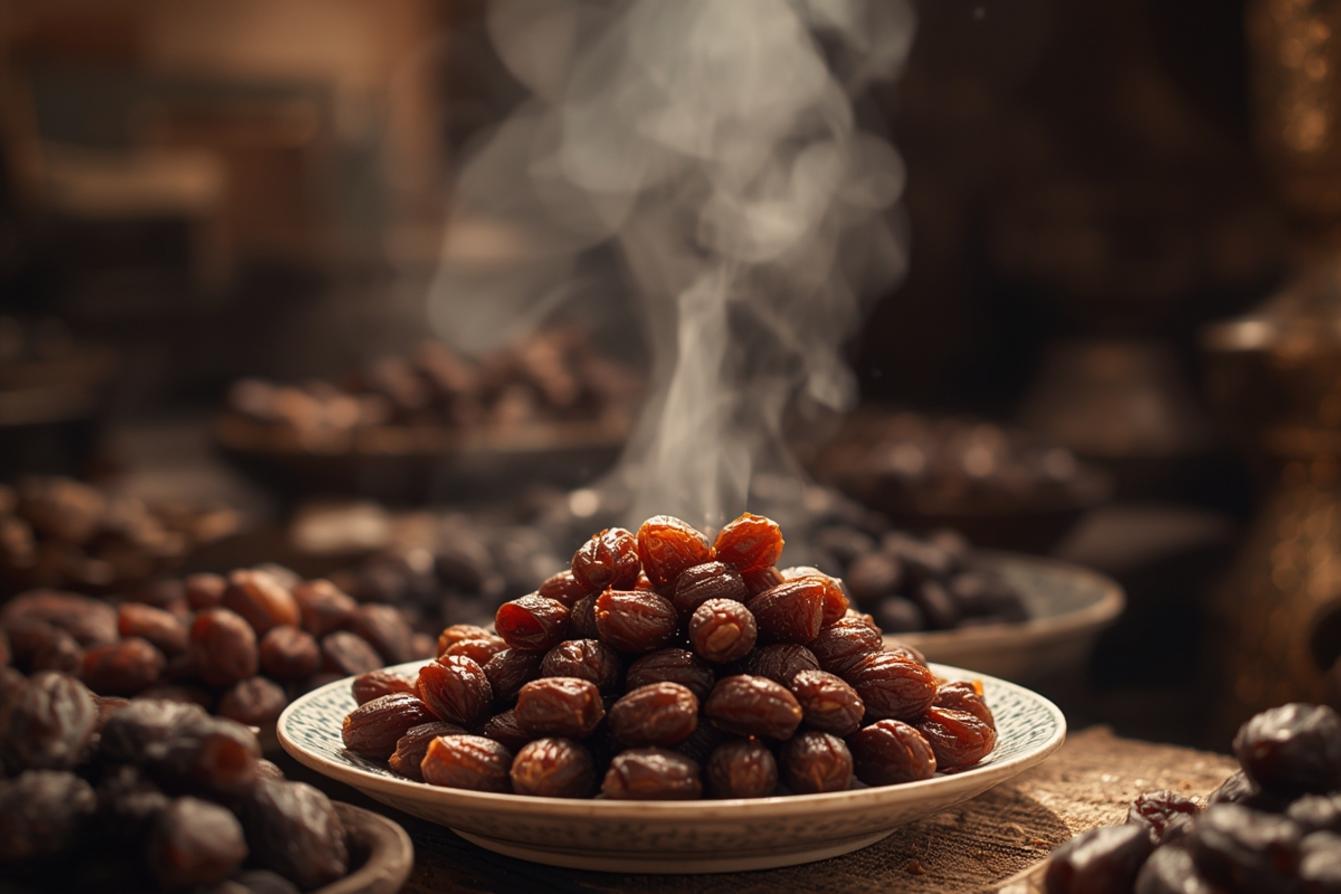
For centuries, dates have been more than just a food source in Morocco; they are a symbol of abundance, generosity, and sustenance, particularly for the nomadic communities of the Sahara and throughout the date palm oases. The date palm itself is revered, often called the “tree of life,” providing shade, building materials, and, most importantly, its sweet, energy-rich fruit. This deep-rooted reverence for dates naturally extends to the culinary traditions, where they become the star ingredient in many beloved confections. Offering Moroccan date sweets to a guest is a gesture of profound welcome and respect, signifying a desire to share one’s blessings. The sheer variety, from the plump Medjool to the smaller, intensely sweet deglet nour, allows for an incredible range of textures and flavors in these desserts.
Crafting Sweet Masterpieces: Common Varieties of Moroccan Date Sweets
While the term “date sweets” might conjure a single image, the reality in Morocco is a vibrant tapestry of different preparations, each with its own character. One of the most iconic is Ma’amoul, though often associated with the wider Middle East, Moroccan versions have their own unique flair, typically featuring a crumbly semolina-based dough encasing a rich date paste, often flavored with orange blossom water and a hint of cinnamon. Then there are Ka’ab el Ghazal (gazelle’s horns), a crescent-shaped cookie primarily known for its almond paste filling, but delightful variations incorporate date paste, creating a softer, chewier texture with that familiar date sweetness.
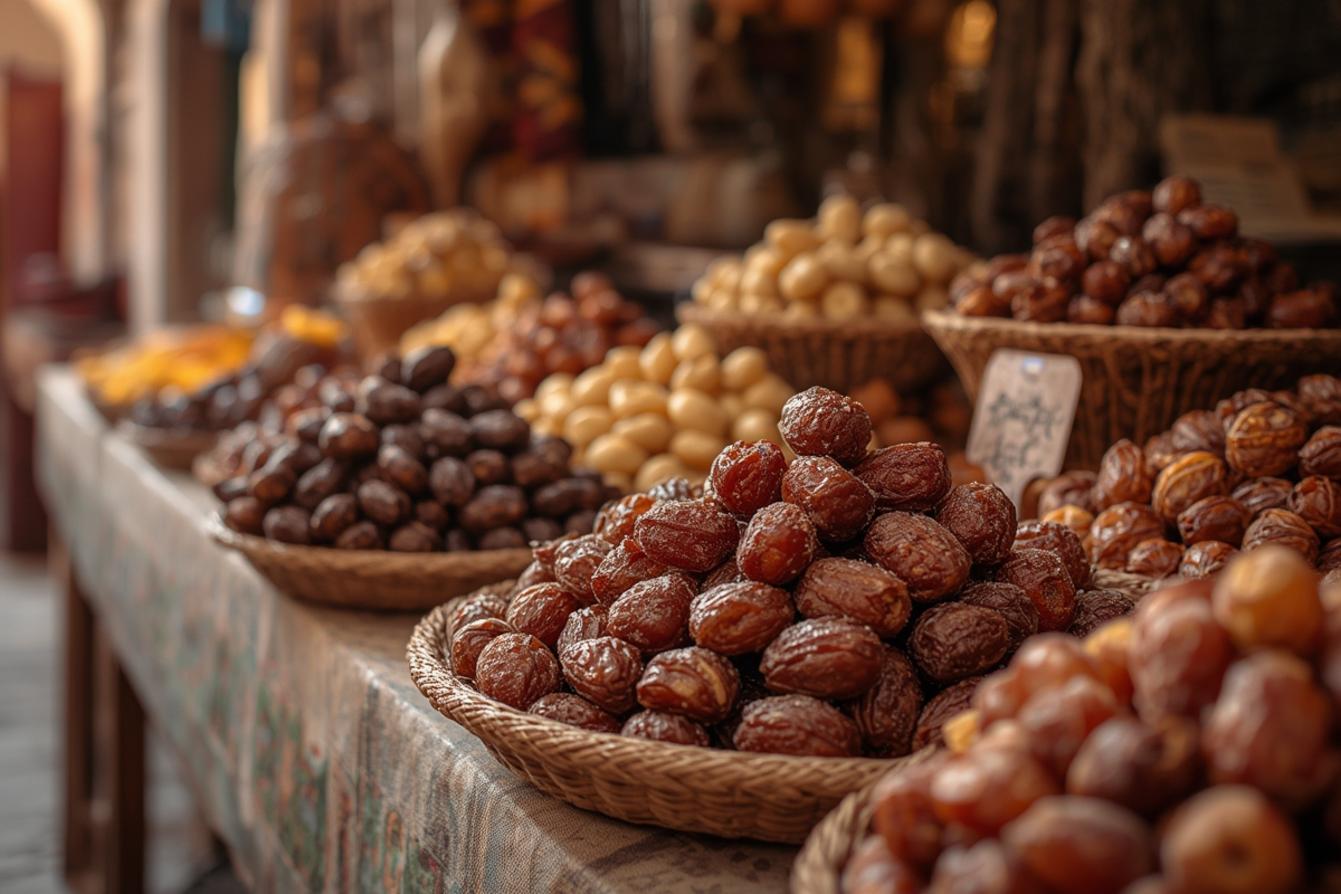
Another popular creation involves simply stuffing premium pitted dates with almonds, walnuts, or even ground pistachios, sometimes dipped in chocolate or rolled in sesame seeds for added texture and visual appeal. These are particularly popular during holidays and special occasions. Simpler yet equally delicious are date fekkases, biscotti-like cookies studded with chopped dates and nuts, perfect for dipping in mint tea. Each type of Moroccan date sweets showcases the versatility of dates and the creativity of Moroccan bakers, transforming a simple fruit into an art form.
The Art of Presentation: More Than Just a Dessert
In Morocco, food is always an experience, and presentation plays a crucial role. This is exceptionally true for Moroccan date sweets. They are meticulously arranged on ornate silver trays or vibrant Fassi pottery, often alongside other pastries and a steaming pot of atay (mint tea). The visual appeal is paramount; delicate patterns are pressed into the dough of many cookies, and garnishes like sesame seeds, chopped nuts, or a dusting of powdered sugar add to their allure. These aren’t just treats to be eaten; they are edible decorations that enhance the hospitality of the host. Sharing a tray of beautifully presented Moroccan date sweets is an invitation to slow down, share stories, and savor the moment. This attention to detail reflects a deeper cultural value – that guests deserve the very best, presented with care and beauty.
Festive Indulgences: When Moroccan Date Sweets Take Center Stage
While enjoyed year-round, Moroccan date sweets truly shine during religious holidays and social celebrations. Eid al-Fitr, marking the end of Ramadan, sees homes brimming with trays of these delightful pastries. After a month of fasting, the natural sweetness and energizing properties of dates are especially appreciated. Families spend days before Eid preparing vast quantities, often gathering generations of women to bake and decorate together, transforming it into a cherished communal activity. Weddings, baptisms, and even simple family gatherings are incomplete without a spread of these traditional sweets. They are often given as gifts or presented as a symbolic gesture of good fortune and prosperity. This seasonal prominence underscores their cultural importance, embedding them into the most significant moments of Moroccan life.
Where to Find and Taste Authentic Date Delights
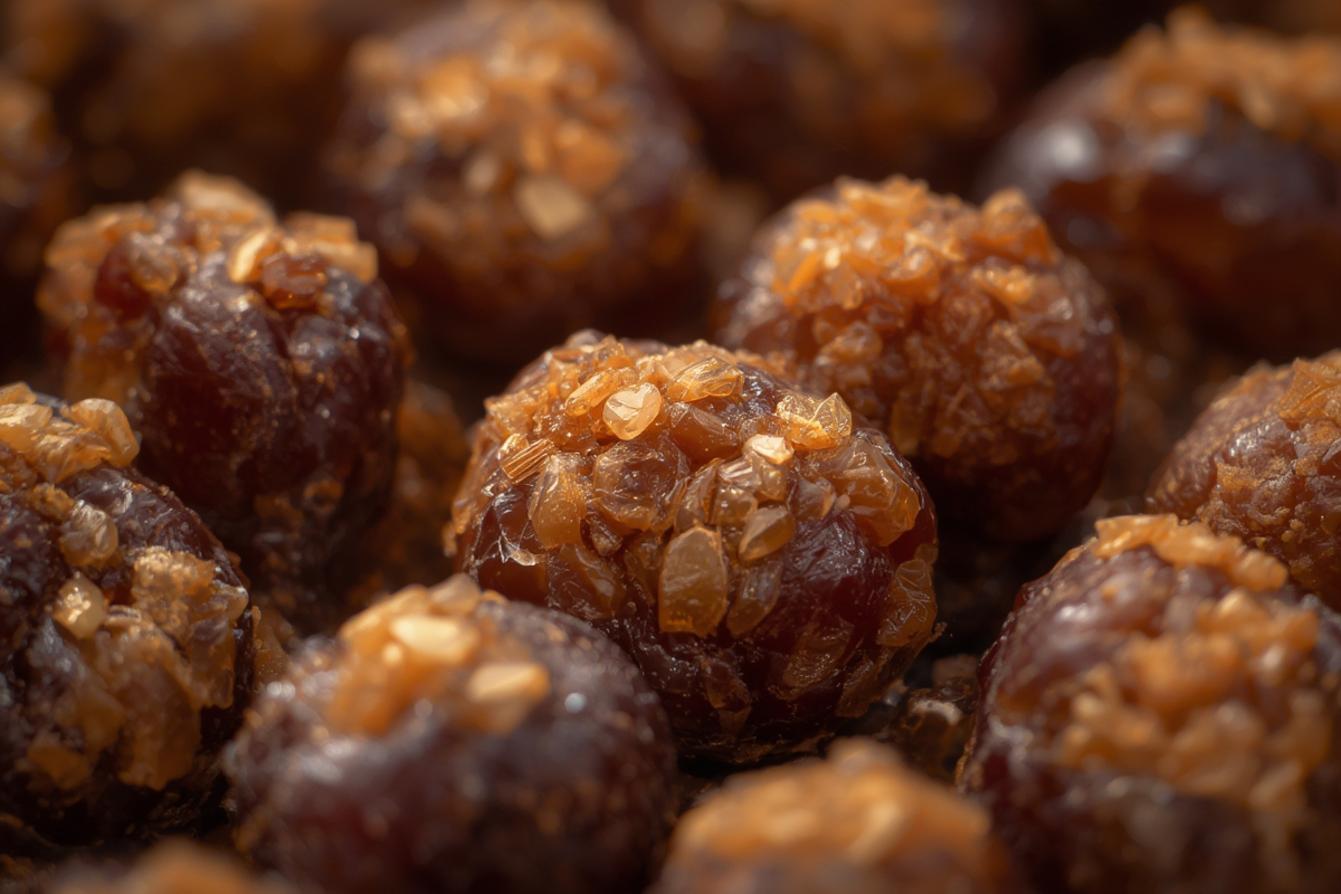
For travelers eager to discover the rich flavors of Moroccan date sweets, there are several wonderful avenues. The bustling souks of cities like Marrakech, Fes, and Meknes are excellent starting points. Look for specialized patisseries and bakeries (often called halawiyat) where you’ll find fresh pastries baked daily. These shops often have dazzling displays, and you can usually buy individual pieces or mixed assortments. Don’t hesitate to ask for recommendations or even a small sample if offered. Another fantastic experience is exploring the local markets, particularly in towns close to date palm oases, such as Erfoud or Zagora, where you can find dried dates of exceptional quality, ideal for home baking or simply enjoying as a healthy snack.
Many traditional Moroccan restaurants will offer a small plate of pastries, including date sweets, alongside your mint tea after a meal. This is a delightful way to round out a culinary experience. For those passionate about food, consider seeking out a Moroccan cooking class focused on traditional Moroccan desserts. Learning to make them yourself provides not only a deeper appreciation for the craft but also a delicious souvenir to bring home. The best way to choose is usually to follow your nose and your eyes – if a stall looks popular and the sweets are beautifully presented, you’re likely in for a treat.
The Flavors of Tradition: Ingredients and Preparation
The magic of Moroccan date sweets lies in the skillful use of simple, high-quality ingredients. At the core are, of course, the dates themselves – often a soft, sticky variety that can be easily pureed into a rich paste. This paste is then usually enhanced with fragrant additions like orange blossom water (eau de fleur d’oranger), which imparts a delicate floral note, or rosewater (eau de rose) for a more pronounced aromatic quality. Spices are thoughtfully incorporated, with cinnamon being a common choice, sometimes balanced with a touch of nutmeg or even a hint of cardamom.
Beyond the date filling, the dough itself varies. Some sweets use a fine semolina dough, giving them a slightly crumbly yet tender texture, while others feature a more traditional flour-based pastry, often enriched with butter or oil to create a melt-in-your-mouth experience. Nuts, especially almonds, are frequently paired with dates, either ground into a paste for filling or chopped and mixed into the date filling for added texture. The preparation is often labor-intensive, involving shaping, filling, and intricate decorating by hand, showcasing the dedication to traditional culinary artistry.
Conclusion
Moroccan date sweets offer far more than just a sweet treat; they are a delightful encapsulation of Morocco’s history, hospitality, and culinary artistry. Each bite tells a story of the fertile oases, the warmth of the Moroccan sun, and generations of baking traditions. From their symbolic role in celebrations to their everyday presence as a gesture of welcome, these versatile confections are an integral part of the Moroccan experience. To truly understand the heart of Moroccan culture, dive into the rich flavors and traditions behind these exquisite Moroccan date sweets.
FAQs
What is the most popular type of Moroccan date sweet?
While there isn’t one single “most popular,” Ka’ab el Ghazal (gazelle’s horns) with an almond filling is incredibly iconic. However, rich date-filled cookies like Ma’amoul or simple stuffed dates are also universally loved and frequently prepared for special occasions. Each offers a unique texture and flavor profile.
Are Moroccan date sweets very sweet?
Yes, generally, Moroccan date sweets are quite sweet, reflecting the natural sugars in dates and the cultural preference for sweeter desserts. However, the sweetness is often balanced by aromatic spices like cinnamon or floral waters, and served with unsweetened mint tea, which perfectly cuts through the richness.
Can I find vegan Moroccan date sweets?
Many traditional Moroccan date sweets are naturally vegan, as they often use oil instead of butter in the dough and, of course, are filled with dates and nuts. Always inquire at a local bakery or patisserie to confirm ingredients, especially if you have strict dietary requirements.
Are there regional variations of Moroccan date sweets?
Absolutely! Just like many Moroccan dishes, date sweets can vary by region. In areas closer to the Sahara and major date-producing oases like Erfoud, you might find a greater emphasis on simple, high-quality stuffed dates. In cities like Fes and Marrakech, the emphasis might be on more elaborately crafted pastries with intricate dough work. The types of nuts and specific spices used can also differ subtly from one region to another.

 Covers cities, coast, mountains, desert & food