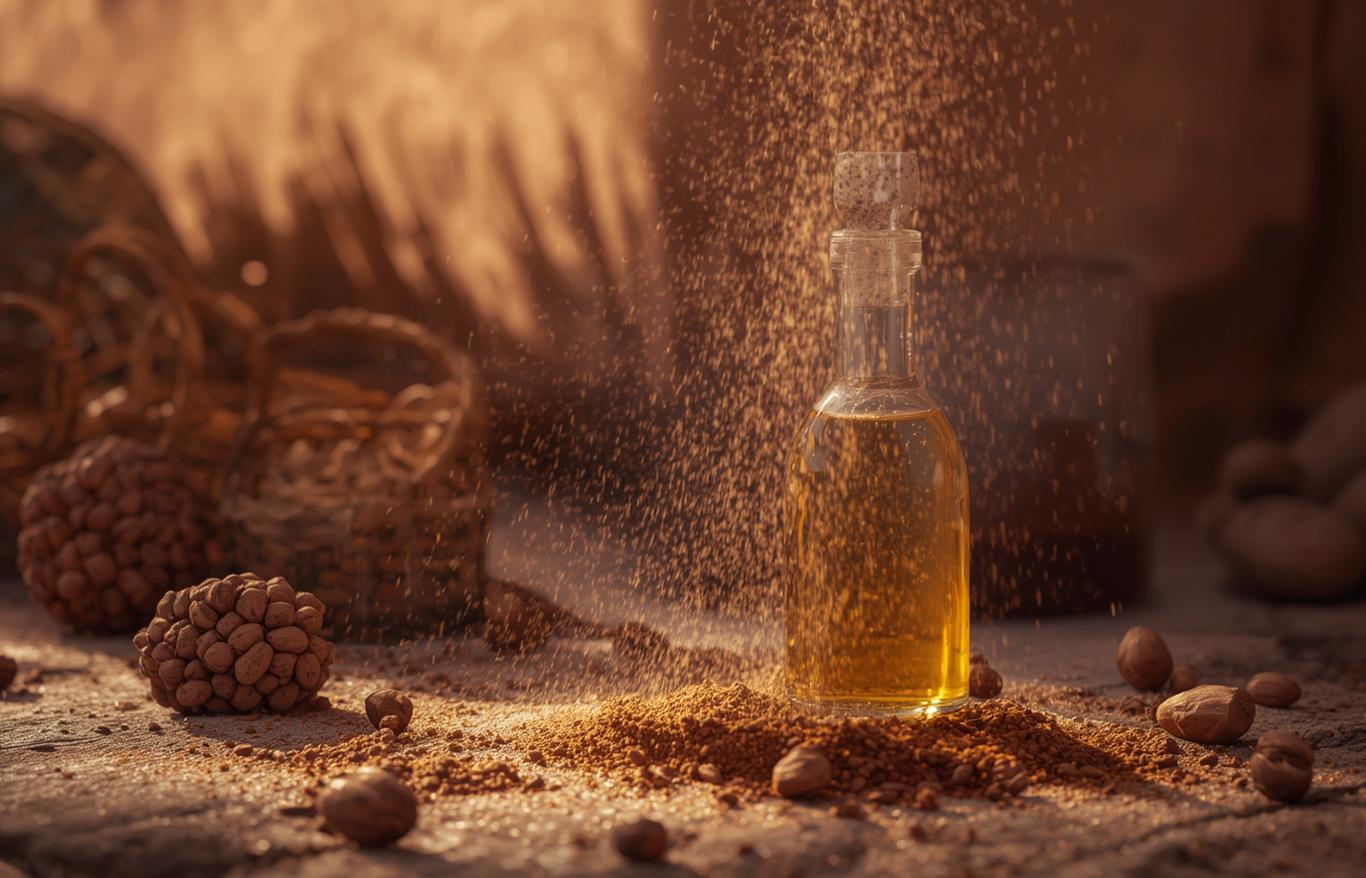
Stepping into Morocco, you’re immediately immersed in a symphony of colors, aromas, and ancient traditions. Among its many treasures, one stands out for its liquid gold status: authentic Moroccan argan oil. This isn’t just another beauty product; it’s a centuries-old secret, deeply woven into the fabric of Moroccan life and landscapes. From the rugged argan forests of the Atlas foothills to bustling souks, the story of this precious oil is one of nature’s resilience and human ingenuity. More than a cosmetic, it’s a testament to Morocco’s rich natural heritage, offering a myriad of benefits that extend far beyond skin deep, making it a truly unique and valuable commodity.
The Ancestral Roots of Moroccan Argan Oil: A Berber Legacy
The story of argan oil begins with the Argania spinosa tree, an ancient species endemic to the semi-desert Souss plain of southwestern Morocco. For generations, the Berber women of this region have been the custodians of argan oil production, passing down traditional methods that have remained largely unchanged over centuries. This isn’t mass-produced in sterile factories, but rather crafted with care, often by hand, in small cooperatives. The process is labor-intensive: collecting the fallen argan fruits, drying them, removing the fleshy pulp, cracking the hard nuts to extract the precious kernels, and then grinding and pressing these kernels to release the oil. This traditional, artisanal approach is what gives authentic Moroccan argan oil its distinctive character and ensures its purity. It’s a heritage product, where every drop tells a story of cultural persistence and environmental reverence.
Culinary Delights: Beyond the Bathroom Cabinet
While often celebrated for its cosmetic uses, true Moroccan argan oil also holds a revered place in the Moroccan culinary tradition. The argan kernels destined for food are often lightly toasted before grinding, imparting a rich, nutty flavor that is simply irresistible. This golden, amber-hued oil is a staple in Berber households, used much like olive oil, but with a more pronounced and unique taste. Imagine a drizzle over fresh salads, enhancing the flavors of tagines, or as a key ingredient in “amlou,” a delectable dip made from roasted almonds, argan oil, and honey – often enjoyed with bread at breakfast. The culinary application of argan oil is a vibrant part of Moroccan gastronomy, offering not just a unique flavor profile but also significant nutritional value. It’s a delicious way to experience more of Morocco’s natural bounty.
The Liquid Gold Standard: Understanding Authentic Argan Oil
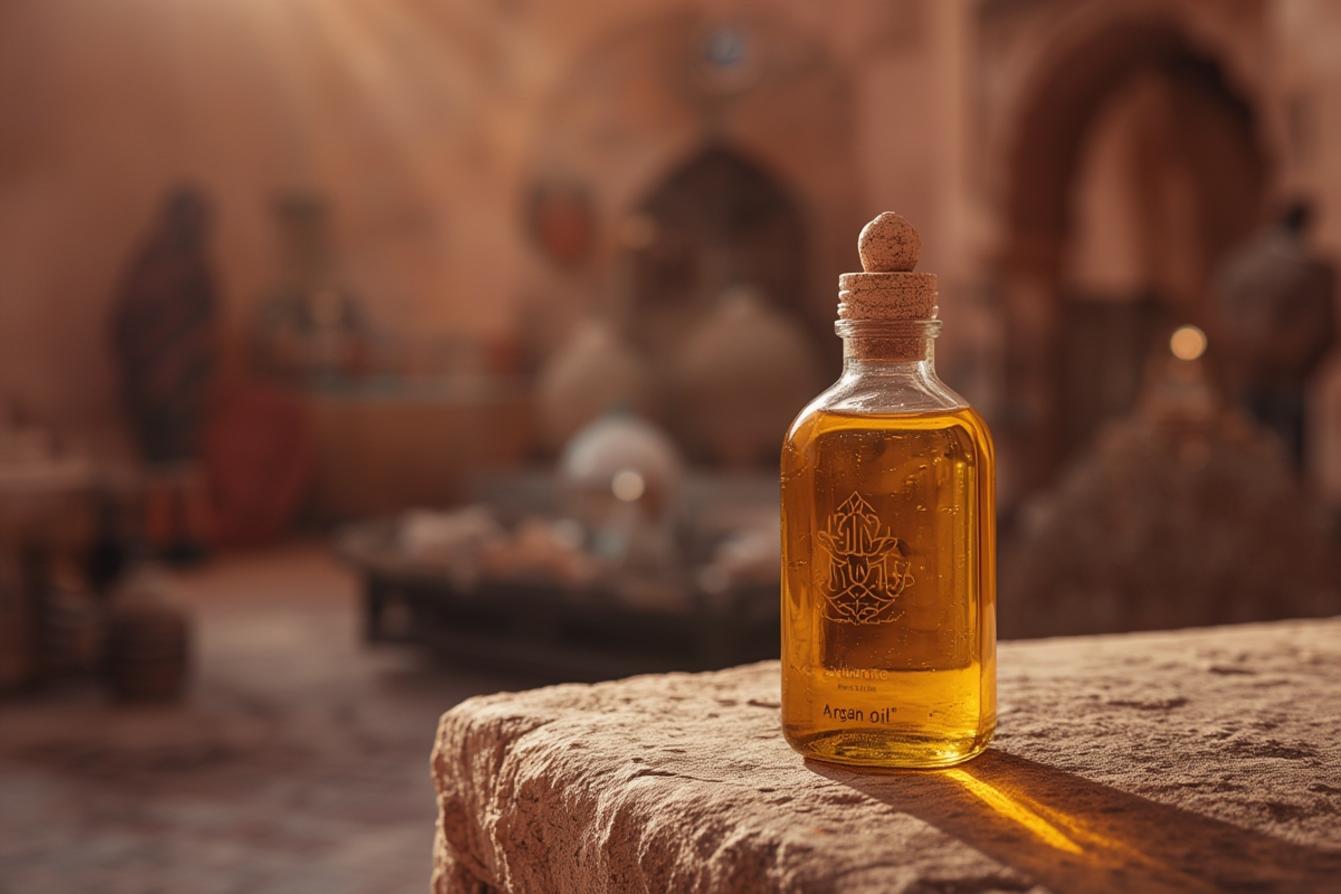
With its rise to global fame, the market for argan oil has unfortunately seen its share of imitations and low-quality products. Identifying authentic Moroccan argan oil is crucial to truly appreciate its beauty and health benefits. Look for oils that are cold-pressed, unrefined, and ideally, organic. The color of cosmetic argan oil should be a clear, golden yellow, while culinary argan oil will be a deeper, slightly reddish-amber due to the toasting of the kernels. The scent is also a tell-tale sign; cosmetic oil should have a subtle, nutty aroma that disappears quickly on the skin, not an overpowering or rancid smell. Culinary oil will have a more pronounced, toasted nutty scent. It’s also important to check the ingredient list – pure argan oil should only list “Argania spinosa kernel oil.” The best way to ensure authenticity is to purchase directly from reputable cooperatives in Morocco or trusted suppliers who can verify their sourcing.
Unlocking the Myriad Advantages of Moroccan Argan Oil
The buzz around argan oil isn’t just marketing hype; its benefits are deeply rooted in its unique composition. Rich in vitamins, antioxidants, and essential fatty acids, this natural elixir nurtures and revitalizes from head to toe. For centuries, Berber women have relied on it for its remarkable moisturizing properties, leaving skin supple and radiant without feeling greasy. It’s a powerful ally against the harsh Moroccan sun and dry desert winds, providing protection and repair. Consider its impact on hair: a few drops massaged into strands can transform dry, brittle hair into shiny, manageable locks, known for promoting growth and reducing frizz.
For skin, it’s a natural anti-ager, helping to reduce the appearance of fine lines and wrinkles while improving elasticity. Its anti-inflammatory properties can soothe skin conditions like eczema and acne, making it a versatile addition to any skincare routine. Beyond beauty, some research suggests the argan oil benefits extend to internal health, particularly the culinary variety, which is rich in unsaturated fatty acids that can support cardiovascular health. The holistic advantages of this Moroccan treasure are truly profound, making it a precious investment in well-being.
Where to Find and Experience Genuine Moroccan Argan Oil
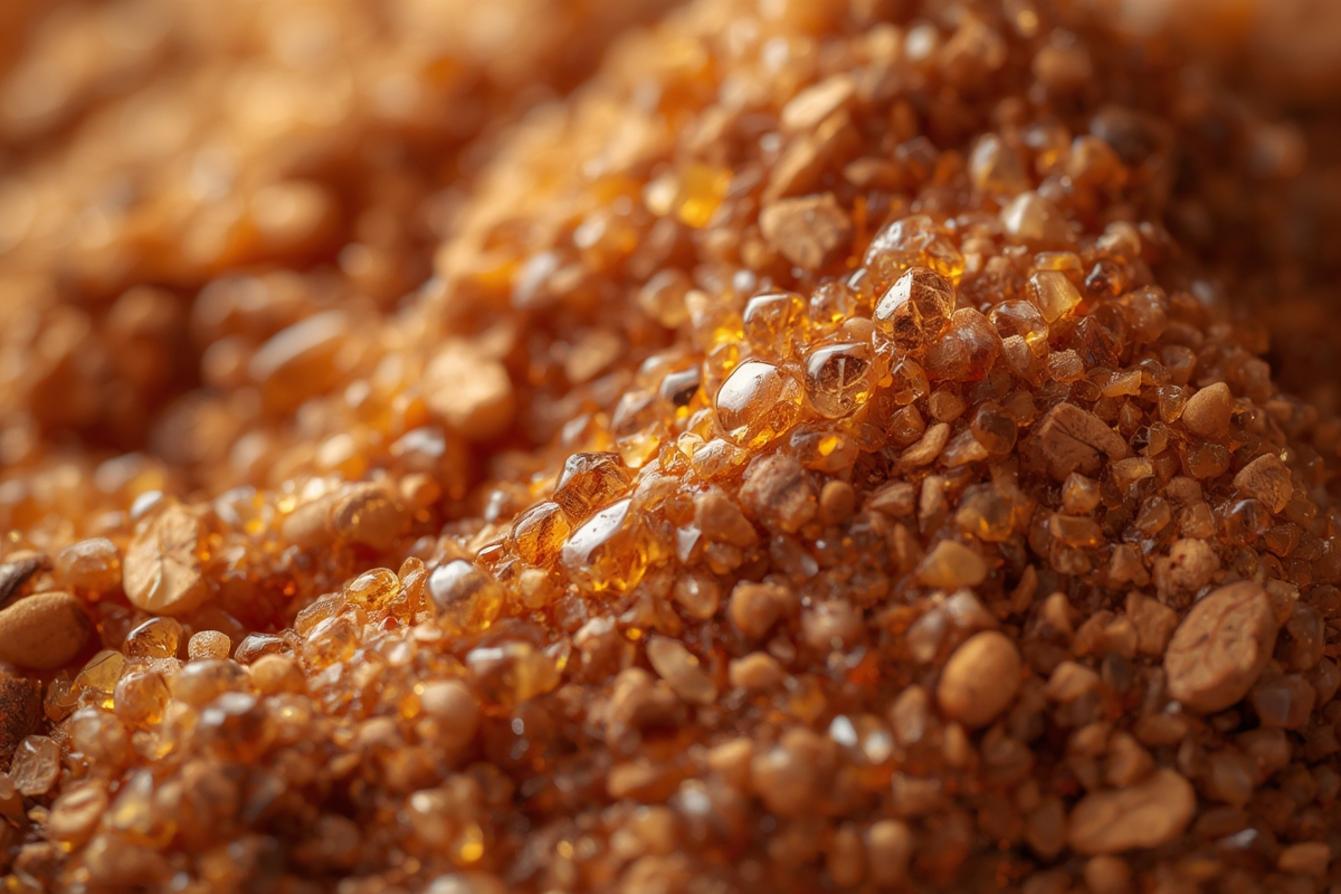
For travelers eager to discover genuine Moroccan argan oil, the journey begins in its heartland. The Souss-Massa region, particularly around Agadir and Essaouira, is home to numerous women’s cooperatives where you can witness the traditional extraction process firsthand. These cooperatives offer a fascinating insight into the Berber heritage and provide an opportunity to purchase fresh, authentic oil directly from its producers. Beyond the argan forests, many reputable shops in cities like Marrakech, Fes, and Moroccan argan oil will also carry high-quality argan oil, especially in the more established souks.
When purchasing, don’t be afraid to ask questions about the oil’s origin, processing methods, and certifications. A reputable vendor will be happy to share this information. Beyond buying bottles, you might find spas offering treatments using argan oil, or even cooking classes that incorporate the culinary version into traditional Moroccan dishes. Experiencing argan oil in situ adds a deeper layer of appreciation for this versatile and ancient product, connecting you directly to its cultural roots and the people who guard its legacy. For a deeper dive into the distinctions between argan oil and similar products, you might find this comparison helpful: argan oil benefits.
Ethical Sourcing and Supporting Local Communities
The global demand for Moroccan argan oil has brought significant economic benefits to the remote Berber communities involved in its production. By choosing to purchase argan oil directly from women’s cooperatives, you are not only acquiring an authentic product but also directly supporting sustainable development and empowering women in rural areas. These cooperatives often provide fair wages, education, and healthcare access, contributing to improved living standards and strengthening the social fabric of the region. This direct support helps preserve traditional knowledge and farming practices, ensuring the survival of the argan tree and the unique ecosystem it supports. It’s a purchase that feels good, knowing you’re contributing to a positive cycle of ethical trade and community upliftment.
Conclusion
From the ancient argan forests to bustling Moroccan souks, the story of Moroccan argan oil is one of nature’s bounty and human tradition. This liquid gold, meticulously extracted and cherished for centuries, offers a treasure trove of benefits, whether nourishing your skin and hair or enriching your culinary experiences. By understanding its origins, appreciating its authenticity, and making informed choices, you not only unlock the full potential of this remarkable oil but also contribute to the sustainable livelihoods of the Berber women who are its dedicated guardians. It’s more than just an oil; it’s a piece of Moroccan heritage, bottled and ready to enhance your life.
FAQs
What are the main differences between cosmetic and culinary argan oil?
The primary difference lies in the treatment of the argan kernels. For culinary argan oil, the kernels are lightly toasted before pressing, which gives the oil a richer, nuttier flavor and a deeper amber color. Cosmetic argan oil is made from untoasted kernels, resulting in a lighter gold color and a more subtle, less pronounced nutty scent, making it ideal for skin and hair.
How can I spot fake or diluted Moroccan argan oil?
Authentic argan oil should have a distinct, subtle nutty aroma that quickly disappears after application (for cosmetic oil). It should not be odorless or have a strong, rancid smell. The texture should be smooth and non-greasy, absorbing well into the skin. Look for clear labeling indicating “100% Argania Spinosa Kernel Oil” and avoid products with long ingredient lists or added fragrances if seeking pure argan oil. Price can also be an indicator; very cheap argan oil is often diluted.
What are the best ways to store argan oil to maintain its quality?
To preserve the potency and shelf life of your argan oil, store it in a cool, dark place, away from direct sunlight and heat. It’s best kept in a dark glass bottle to protect it from UV light, which can degrade its beneficial compounds. Properly stored, argan oil can last for up to two years.
Can argan oil be used for all skin types, including sensitive or acne-prone skin?
Yes, Moroccan argan oil is generally well-tolerated by most skin types, including sensitive and acne-prone skin. It’s non-comedogenic, meaning it won’t clog pores, and its anti-inflammatory properties can help soothe irritation and reduce redness associated with conditions like acne and eczema. However, as with any new product, it’s always advisable to do a patch test first.



 Covers cities, coast, mountains, desert & food