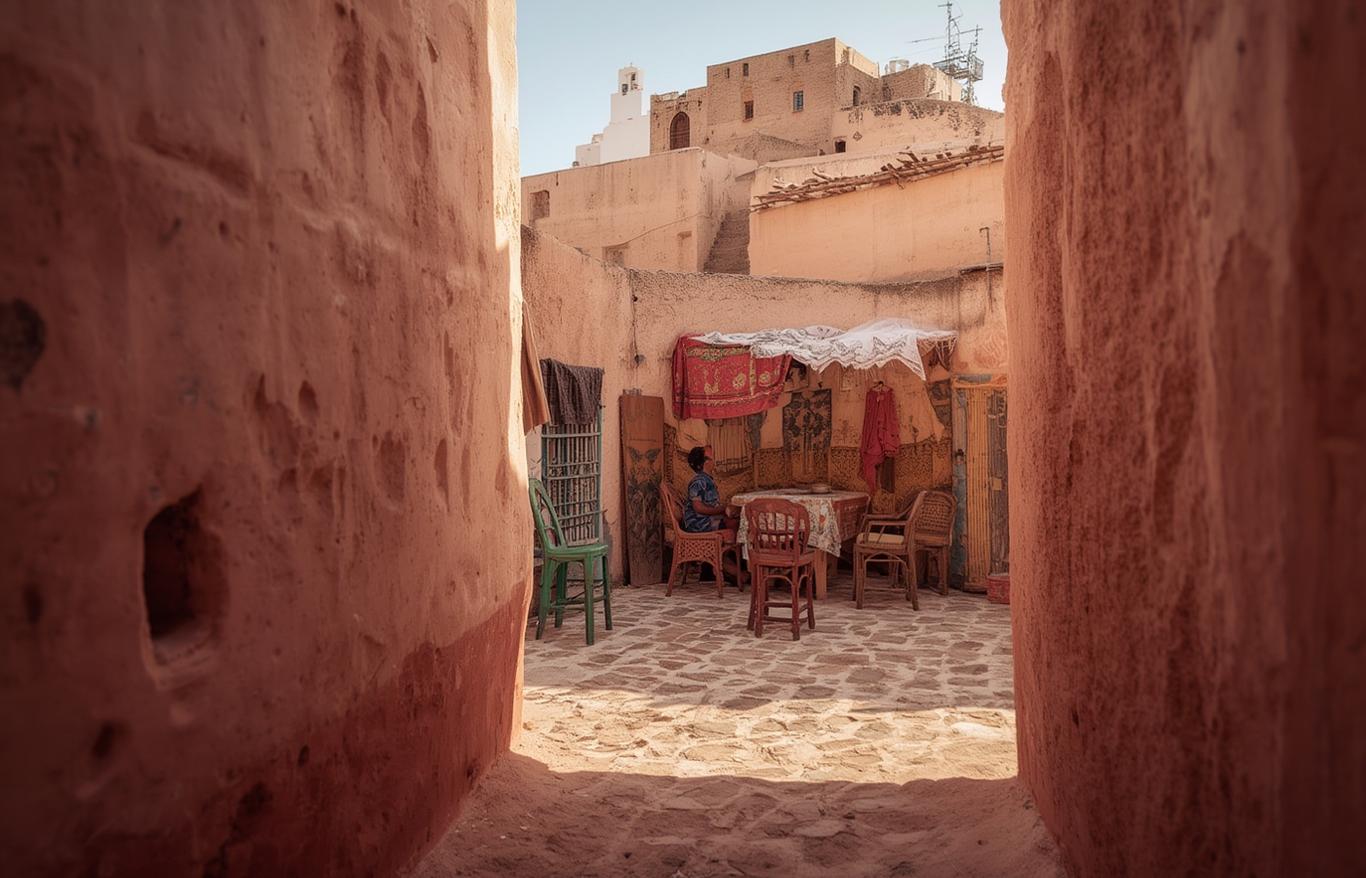
Essaouira, with its windswept ramparts and bohemian charm, offers a truly distinctive cultural experience unlike any other city in Morocco. While Marrakech buzzes with ancient souks and Fez whispers tales of empires, Essaouira captivates with a lighter, artistic soul, deeply rooted in its maritime history and diverse heritage. This coastal gem, often dubbed the “Wind City of Africa,” is a haven for artists, musicians, and those seeking an authentic immersion into Moroccan traditions, far from the bustling intensity of larger imperial cities. If you’re looking to peel back the layers of Moroccan life and truly engage with its creative spirit, diving into the cultural experience Essaouira provides is an absolute must.
Essaouira’s Artistic Soul: A Canvas of Creativity
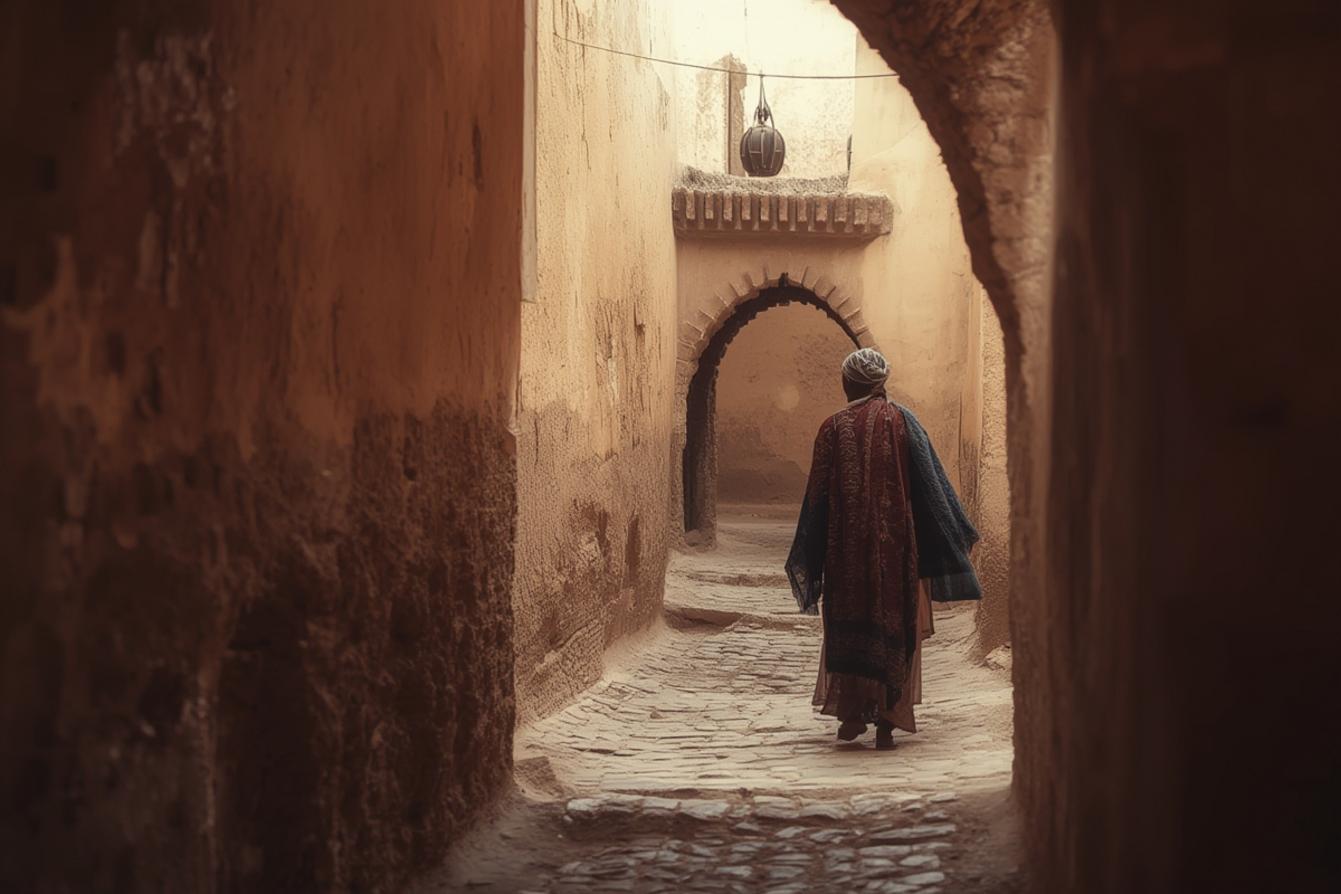
Wandering through Essaouira’s medina, designated a UNESCO World Heritage site, it’s impossible to miss the pervasive artistic energy that defines the city. This isn’t just about street art, although you’ll find plenty of vibrant murals. It’s an ingrained part of the local identity. Art galleries are tucked away in every other alley, showcasing everything from intricate thuya wood carvings – a local specialty – to contemporary paintings and photography inspired by the city’s light and sea. Local artisans skillfully chisel, paint, and weave, often in open workshops where you can watch the creative process unfold.
Essaouira has long been a magnet for creatives, drawing in artists and musicians from around the world since the 1960s. This influx, coupled with a strong local artistic tradition, has fostered a unique environment where traditional Moroccan craftsmanship meets international bohemianism. You’ll encounter painters capturing the atmospheric port scenes, calligraphers meticulously detailing verses, and jewelers crafting exquisite silver pieces that reflect Berber and Judeo-Moroccan influences. Engaging with these artists, perhaps even purchasing a piece directly, isn’t just shopping; it’s connecting with the living heart of Essaouira’s cultural expression.
The Melodic Heartbeat: Gnawa Music and Beyond
No discussion of the cultural experience Essaouira offers would be complete without highlighting its legendary music scene, particularly the mesmerizing Gnawa music. Originating from formerly enslaved sub-Saharan Africans, Gnawa music is a spiritual, rhythmic, and incredibly soulful tradition that has found a deeply cherished home in Essaouira. The city hosts the annual Gnaoua and World Music Festival, a major international event that draws hundreds of thousands of visitors and world-renowned musicians, celebrating this unique heritage.
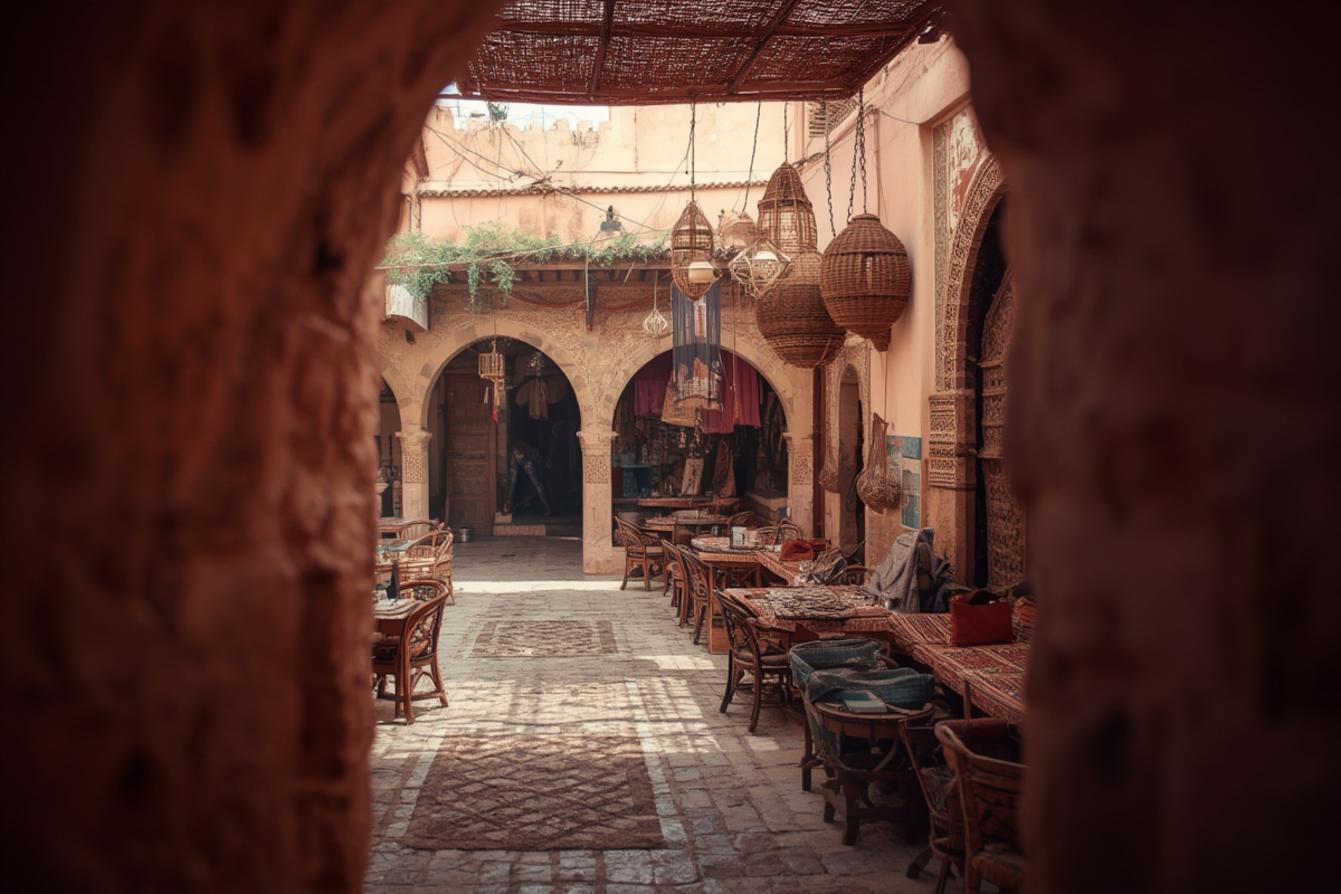
Even outside festival times, the sounds of Gnawa fill the air. You’ll often hear its distinctive, trance-inducing rhythms emanating from small houses in the medina or stumble upon impromptu performances in hidden squares. Musicians play the guembri (a three-stringed bass lute), qraqeb (large metal castanets), and drums, creating a hypnotic soundscape that tells tales of ancestry, spirituality, and resilience. To truly immerse yourself in this musical tradition, seek out a local lila (night ceremony) or visit one of the many Gnawa music houses that welcome curious travelers. It’s a profoundly moving experience that offers a direct conduit to the city’s spiritual and historical depth. Beyond Gnawa, Essaouira’s artistic community also embraces other music forms, from traditional Berber melodies to contemporary Moroccan pop, showcasing a vibrant and inclusive musical tapestry.
Culinary Adventures: Savoring Essaouira’s Flavors
While Essaouira is renowned for its art and music, its culinary scene is equally compelling, offering a delicious window into Moroccan traditions. Given its coastal location, fresh seafood is naturally a cornerstone of the local diet. The vibrant port, bustling with fishing boats, is the first stop for anyone looking to sample the day’s catch. Grilling stalls line the harbor, where you can pick your fish or calamari directly from the ice, have it grilled to perfection, and enjoy it with a simple salad and tangy charmoula sauce. It’s a quintessential Essaouira experience – rustic, authentic, and incredibly flavorful.
Beyond seafood, Essaouira’s kitchens uphold the rich tapestry of Moroccan cuisine. You’ll find exquisite tagines, slow-cooked to tender perfection, often featuring local argan oil, olives, and regional spices. Exploring the markets offers a sensory overload of fresh produce, fragrant spices, and local delicacies. For those who want to do more than just taste, consider signing up for a Moroccan cooking class. This hands-on experience allows you to learn the secrets of traditional dishes like tagine, couscous, or pastilla from local chefs. It’s an interactive way to deepen your understanding of Moroccan culture through its food, providing skills you can take home. If you’re pondering the cultural experience Essaouira has to offer, engaging with its culinary heritage through a workshop solidifies your connection.
Engaging with Local Traditions and Crafts
Essaouira’s charm lies not just in its famous attractions but in the everyday traditions that shape local life. Walking the labyrinthine alleys, you’ll encounter artisans practicing crafts that have been passed down through generations. The distinctive thuya wood, a local cedar-like wood, is carved into intricate boxes, furniture, and decorative items. Watching a master craftsman at work, his tools making rhythmic sounds against the wood, is a hypnotic experience that highlights the value placed on manual skill and artistic patience.
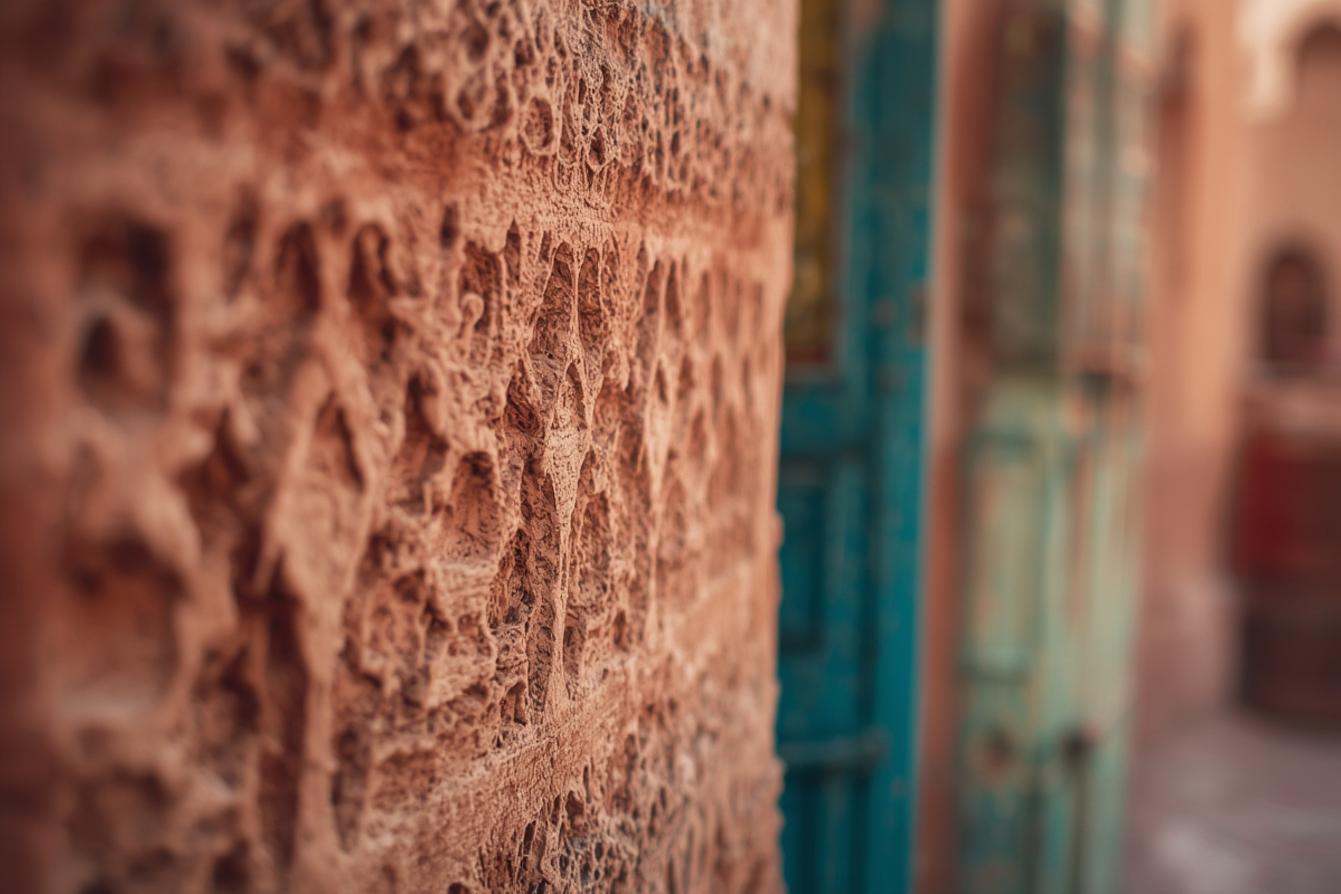
Leather goods, from slippers to bags, are another prominent craft, often made with locally sourced leather and traditional techniques. You can also find beautiful woven textiles, ceramics, and vibrant paintings. Beyond the objects themselves, engaging with the artisans offers a glimpse into their lives and the stories behind their creations. They are usually more than happy to share insights into their craft, their family traditions, and the cultural significance of their work. This direct interaction is what transforms a simple purchase into a meaningful cultural exchange, enriching your cultural experience Essaouira immensely. For tips on maximizing a short visit to this vibrant city, check out this guide on moroccan tagine cooking class for a comprehensive itinerary.
Festivals and Community Life
Essaouira’s calendar is punctuated by a variety of festivals and community events that offer fantastic opportunities to witness local traditions in full swing. Beyond the globally renowned Gnaoua Festival, smaller, local festivals celebrating religious holidays, harvest seasons, or historical events bring the community together in vibrant displays of music, food, and traditional dress. Keep an eye out for local mossems (annual religious festivals) or seasonal celebrations, which often feature equestrian displays, traditional songs, and communal feasts.
Even without a specific festival, the rhythm of daily life in Essaouira has its own cultural texture. Morning prayers echoing from the minarets, the bustling fish market, the old men playing checkers in shaded squares, and families enjoying evening strolls along the ramparts – these everyday scenes paint a vivid picture of local life. Participating in a local tea ceremony, being invited into a shopkeeper’s stall for a friendly chat, or simply observing the vibrant street life provides an authentic and gentle introduction to Moroccan culture, reinforcing the idea that the best cultural experience Essaouira offers is often found in its simple, human interactions.
Conclusion
Essaouira is more than just a picturesque coastal town; it’s a living, breathing canvas of Moroccan art, music, food, and tradition. From the intricate thuya wood carvings and the soulful rhythms of Gnawa music to the vibrant fishing port and the warm hospitality of its people, every corner of Essaouira invites you to delve deeper into its unique cultural fabric. Engaging with local artisans, savoring its fresh seafood, and immersing yourself in its musical heritage provides an enriching and unforgettable cultural experience Essaouira truly excels at delivering. Whether you’re an art enthusiast, a music lover, a foodie, or simply a curious traveler, Essaouira promises a journey for the senses and a profound connection to the heart of Morocco.
FAQs
What kind of art is Essaouira known for?
Essaouira is particularly famous for its intricate thuya wood carving, a local specialty. You’ll also find a thriving scene of painters, sculptors, and jewelers, many of whom are inspired by the city’s unique light, sea, and rich cultural tapestry, often incorporating Berber and Judeo-Moroccan artistic influences.
Is Essaouira a good place to experience Moroccan music?
Absolutely! Essaouira is internationally renowned as the spiritual home of Gnawa music, a profound and trance-inducing musical tradition. The city hosts the annual Gnaoua and World Music Festival, but even outside of the festival, you can find local Gnawa performances, music houses, and impromptu sessions that offer a deep dive into this soulful genre.
Can travelers take cooking classes in Essaouira?
Yes, many local guesthouses and culinary schools in Essaouira offer traditional Moroccan cooking classes. These classes provide a wonderful hands-on opportunity to learn how to prepare classic dishes like tagine, couscous, and various seafood recipes, giving you practical skills and a deeper appreciation for Moroccan cuisine.
What are some unique cultural traditions to look out for in Essaouira?
Beyond the art and music scene, look out for the traditional thuya wood workshops, where artisans craft intricate pieces. The daily bustle of the fishing port offers a glimpse into maritime life. You can also observe local tea ceremonies, witness traditional craftspeople at work in the medina, and experience the warmth of Moroccan hospitality in everyday interactions.




 Covers cities, coast, mountains, desert & food