Casablanca, often celebrated as Morocco’s economic heart and bustling metropolis, holds a treasure trove of authentic cultural experiences for those willing to look beyond its modern facade. While Rabat is the political capital and Marrakech often steals the spotlight for traditional charm, Casablanca offers a unique blend of heritage and contemporary life, revealing the true essence of Moroccan culture Casablanca. This city, with its Art Deco architecture and vibrant souks, invites travelers to delve into its hidden gems and discover traditions that have been carefully preserved amidst urban development. For an immersive experience in the rich tapestry of Moroccan life, understanding where to find these cultural touchstones is key.
Journeys into Casablanca’s Historic Medina and Habous Quarter
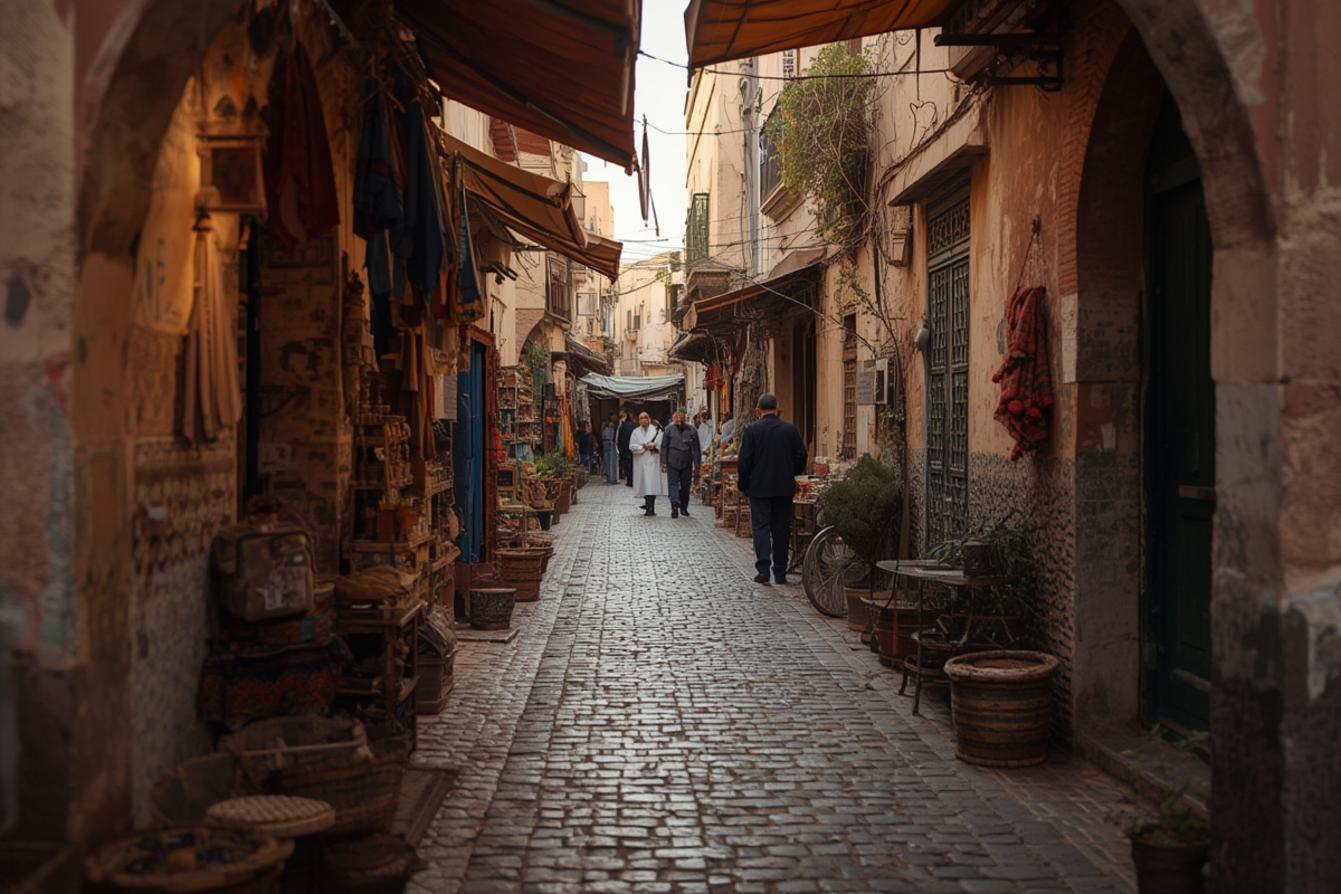
To truly touch the soul of Moroccan culture Casablanca, one must wander through its historic quarters. The Old Medina, though smaller than its Fes or Marrakech counterparts, hums with an undeniable energy. Here, narrow alleyways lead you past ancient mosques, artisanal workshops, and tiny tea stalls where locals engage in lively discussions over sweet mint tea. The scents of spices, leather, and wood mingle in the air, a sensory overload that perfectly encapsulates traditional Moroccan life.
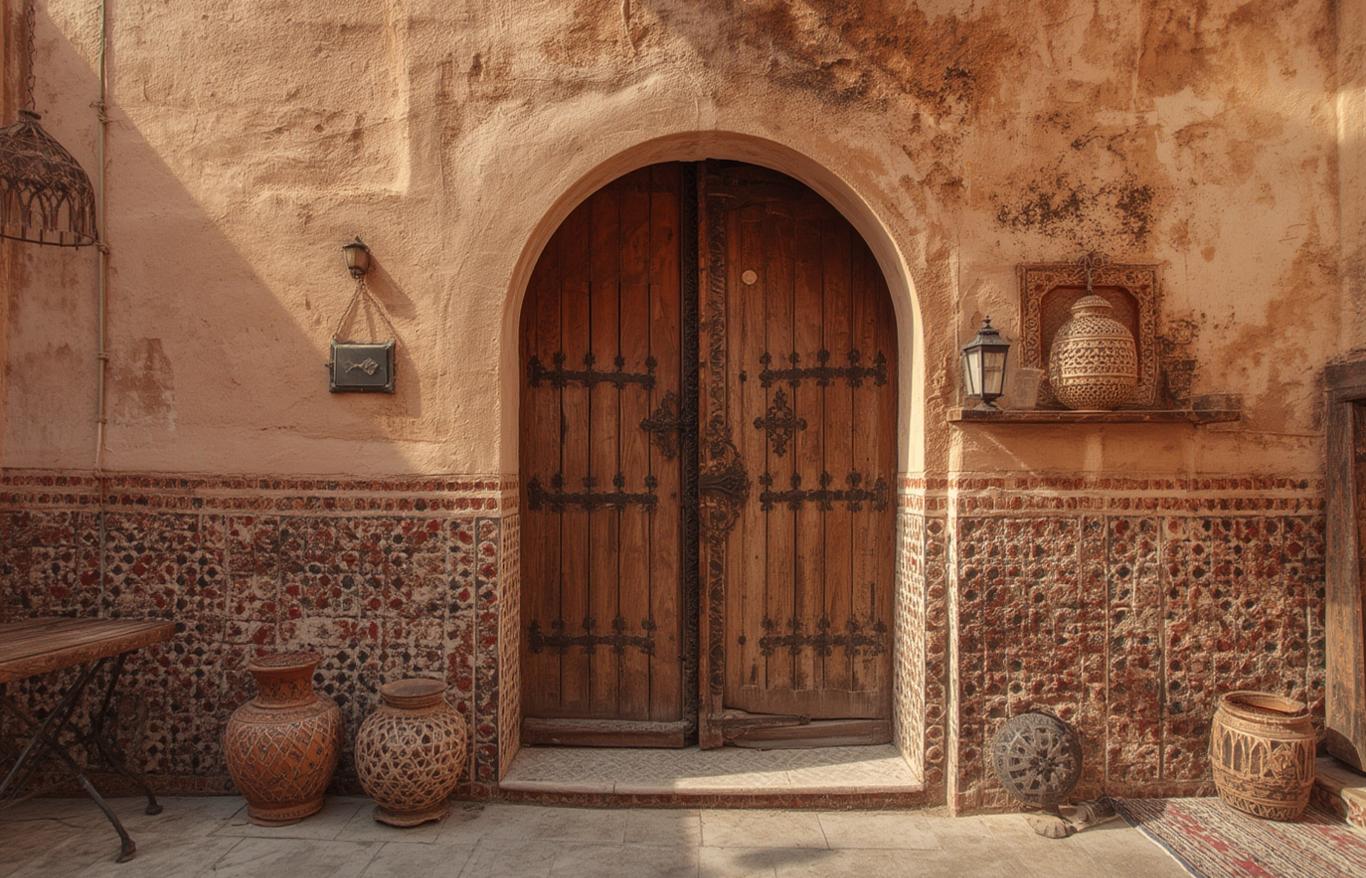
Equally compelling is the Habous Quarter, often referred to as the New Medina. Built in the 1920s by the French, it was designed to blend traditional Moroccan aesthetics with modern urban planning. This quarter is a fantastic place for unique souvenirs, from handcrafted leather goods and traditional djellabas to exquisite brassware and fragrant argan oil products. Unlike the more chaotic traditional medinas, Habous is laid out with a sense of order, making it a delightful place to explore at your own pace. Discovering its hidden arcades and serene courtyards provides a tranquil escape, offering a glimpse into a deliberately crafted version of Moroccan heritage.
The Grandeur of Hassan II Mosque: A Spiritual and Architectural Marvel
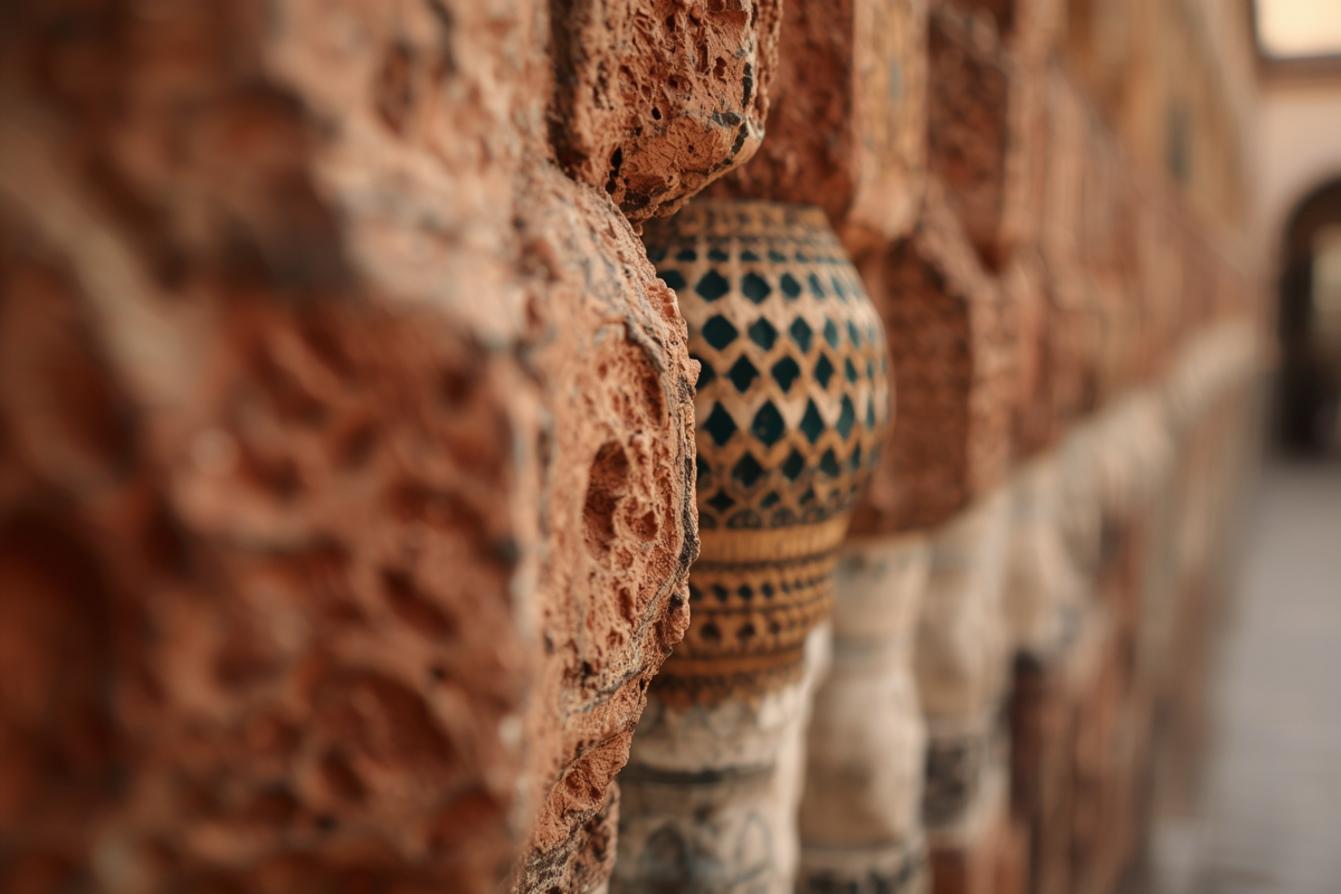
No exploration of Moroccan culture Casablanca is complete without visiting the magnificent Hassan II Mosque. Standing proudly on an outcrop overlooking the Atlantic Ocean, this is not just a place of worship but a testament to Moroccan artistry, engineering, and spiritual depth. With the tallest minaret in the world, stretching over 200 meters into the sky, its scale is breathtaking. Unlike many other mosques in Morocco, the Hassan II Mosque welcomes non-Muslim visitors on guided tours outside of prayer times, offering an incredible opportunity to appreciate its intricate details, from the hand-carved cedar wood to the exquisite zellige (mosaic tilework) and stucco.
The interior is equally awe-inspiring, capable of accommodating 25,000 worshippers, with space for another 80,000 in the surrounding courtyards. The sheer craftsmanship involved in its construction, employing thousands of Moroccan artisans over several years, speaks volumes about the nation’s commitment to preserving its artistic heritage. Witnessing the devotion and architectural splendor here offers profound insight into the spiritual cornerstone of Moroccan identity. It’s a truly humbling experience that transcends religious boundaries, showcasing a significant aspect of Moroccan life.
Savoring the Flavors: An Immersion in Moroccan Food Culture
For many, understanding a culture begins with its cuisine, and Moroccan food culture in Casablanca is no exception. The city’s dining scene offers everything from street food delights to elegant fine dining, allowing ample opportunity to explore the country’s renowned culinary traditions. To truly engage with the local food scene, seek out smaller, family-run restaurants or ‘snacky’ stalls within the medina or Habous Quarter. Here, you can sample authentic tagine, slow-cooked to perfection with tender meats, vegetables, and aromatic spices, or try pastilla, a savory-sweet pigeon pie that is a festive delight.
Don’t miss the chance to try harira, a traditional Moroccan soup, especially comforting during cooler evenings or if you visit during Ramadan. Seafood lovers will also find Casablanca rewarding, with fresh catches from the Atlantic prepared simply and deliciously. To go even deeper, consider participating in a cooking class, where you can learn to prepare these iconic dishes yourself. It’s a hands-on way to connect with the traditions, techniques, and stories behind Moroccan cuisine, often culminating in sharing the meal you’ve prepared with your hosts, a true testament to Moroccan hospitality.
Artistic Expressions: Museums, Galleries, and Street Art
Beyond the traditional souks and culinary delights, Casablanca pulses with a dynamic artistic scene that adds another layer to its Moroccan culture Casablanca. The city is home to several museums and galleries that showcase both contemporary and classic Moroccan art. The Museum of Moroccan Judaism, for instance, offers a poignant and insightful look into the country’s rich Jewish heritage, highlighting a crucial, often overlooked, aspect of Morocco’s multicultural past. It’s the only Jewish museum in the Arab world, making it a uniquely significant cultural institution.
Art galleries such as the Loft Art Gallery or Atelier 21 frequently display works by local and international artists, reflecting Casablanca’s growing role as a hub for modern art. Moreover, a stroll through certain neighborhoods, particularly around the city center, will reveal vibrant street art and murals. These public art installations often tell stories of Moroccan identity, social commentary, or celebrate traditional motifs with a contemporary twist. Engaging with this artistic diversity provides a well-rounded perspective on how Moroccan culture evolves and expresses itself in a modern urban context. For those seeking authentic stays while exploring these cultural facets, consider looking at different Moroccan culture Casablanca options.
Engaging with Local Life: Hammams, Cafes, and Community
One of the most rewarding ways to experience Moroccan culture Casablanca is to simply observe and participate in daily local life. A visit to a traditional hammam, a public bathhouse, offers not just relaxation but a glimpse into a time-honored social ritual. While more tourist-oriented options exist, seeking out a local neighborhood hammam provides a truly authentic sensory experience, albeit one that might be initially overwhelming in its authenticity. It’s a place for cleansing, conversation, and community, a core part of Moroccan culture.
Casablanca’s cafes are another cornerstone of social life. From bustling modern cafes to quaint, decades-old establishments, they are where people gather to drink coffee or mint tea, discuss current events, or simply watch the world go by. Engaging in conversations with locals, even if through gestures and a few shared words, can open doors to unexpected insights and friendships. These interactions are invaluable for understanding the heartbeat of the city and its people. For those interested in deeper cultural immersion and organized experiences, explore options like Moroccan food culture tours on platforms like TripAdvisor.
Conclusion
Casablanca, often perceived as merely a business hub, truly offers an abundance of authentic Moroccan cultural experiences. From the historical depths of its medinas to the spiritual grandeur of its mosques, the delights of its culinary landscape, and the vibrancy of its artistic scenes, the city invites a deeper exploration. Moving beyond the surface reveals a captivating blend of tradition and modernity, a dynamic urban environment where timeless customs thrive. Immersing yourself in the diverse facets of Moroccan culture Casablanca promises a truly enriching and memorable journey.

FAQs
What are the best areas in Casablanca for an authentic cultural experience?
The Habous Quarter (New Medina) and parts of the Old Medina are excellent starting points for experiencing authentic Moroccan culture in Casablanca. These areas offer traditional souks, artisan workshops, and a glimpse into local daily life away from the more modern districts.
Is it safe to explore Casablanca’s cultural sites independently?
Yes, Casablanca is generally safe for independent exploration. However, like any large city, it’s advisable to be aware of your surroundings, especially in crowded souks, and take standard precautions against pickpocketing. Guided tours can also offer peace of mind and deeper insights into the cultural sites.
Can non-Muslims visit the Hassan II Mosque in Casablanca?
Yes, the Hassan II Mosque is one of the few mosques in Morocco open to non-Muslim visitors. Guided tours are available at specific times, allowing visitors to explore the stunning interior and learn about its architectural and spiritual significance.
How can I best experience Moroccan food culture in Casablanca?
To best experience Moroccan food culture, seek out local eateries in the Habous Quarter or Old Medina. Don’t shy away from street food vendors. Consider taking a cooking class to learn authentic recipes, and always try the local mint tea – it’s a vital part of Moroccan hospitality and social life.




 Covers cities, coast, mountains, desert & food