
Embarking on a desert adventure in Morocco promises unparalleled beauty, but ensuring your desert hiking safety is paramount for a truly unforgettable experience. The vast, stark landscapes of the Sahara and other Moroccan deserts, while mesmerizing, present unique challenges that demand careful preparation and a deep understanding of their environment. This guide will walk you through essential tips and considerations to keep you safe and comfortable as you explore the breathtaking dunes and rocky plateaus. From hydration strategies to navigating unforeseen situations, mastering desert trekking tips is crucial for any adventurer.
Mastering Pre-Trip Planning for Desert Hiking Safety
The foundation of any successful and safe desert trek begins long before you set foot on the sand. Thorough pre-trip planning is not just advisable; it’s absolutely essential for desert hiking safety. This involves everything from understanding the specific conditions of your chosen region to equipping yourself with the right gear and knowledge.
Researching Your Route and Conditions
Before you commit to a specific trek, invest significant time in researching your intended route. What is the typical terrain? Are there established trails, or will you be traversing uncharted territory with a guide? Understand the seasonal weather patterns for your chosen time of year. While deserts are known for heat, nights can be surprisingly cold, and sudden sandstorms are a real possibility. Look into the availability of water sources, if any, along your path. This research will inform your packing list, your guide selection, and your overall strategy for staying safe. For instance, a multi-day trek through the Erg Chebbi dunes will have different safety considerations than a day hike in a wadi near the Atlas foothills.
Selecting a Reputable Guide and Operator
Perhaps the single most critical decision for desert hiking safety is choosing the right guide and tour operator. A knowledgeable, experienced, and trustworthy local guide is your lifeline in the desert. They understand the terrain, can navigate without GPS, know where to find shelter or water in an emergency, and possess crucial cultural insights. Look for operators with strong reputations, positive reviews specifically mentioning safety, and a clear communication process. Ask about their emergency protocols, their guides’ training (first aid, navigation), and the equipment they provide. Do not compromise on this; a cheap, inexperienced guide can put your entire adventure at risk.
Essential Gear and Supplies Checklist
Your gear is your shield against the desert’s extremes. Prioritize lightweight, durable, and functional items.
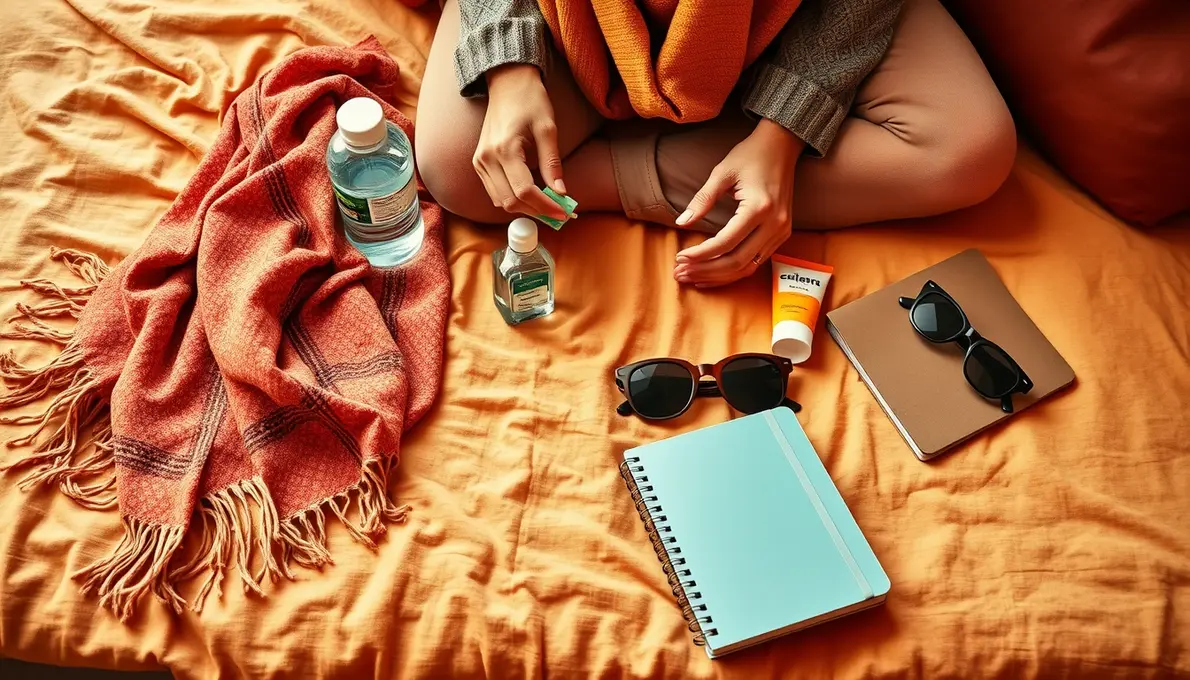
- Hydration System: This is non-negotiable. Carry significantly more water than you think you’ll need. A hydration bladder with a capacity of at least 3-4 liters, complemented by extra bottles, is recommended per person per day. Electrolyte tablets or powders are also vital to replenish salts lost through sweat.
- Appropriate Clothing: Think layers. Lightweight, loose-fitting, breathable fabrics that cover your skin are best for sun protection. A wide-brimmed hat, sunglasses, and a shemagh or scarf (for sun, wind, and sand protection) are indispensable. For cooler nights, a fleece or light jacket is necessary.
- Footwear: Sturdy, broken-in hiking boots or comfortable, closed-toe walking shoes are suitable for varied desert terrain. Avoid sandals or open-toed shoes. Gaiters can prevent sand from entering your shoes.
- Navigation Tools: Even with a guide, it’s wise to carry a compass, a detailed map, and a fully charged GPS device or smartphone with offline maps. Knowing how to use them is equally important.
- First-Aid Kit: A comprehensive kit tailored for desert conditions is crucial. Include blister treatment, pain relievers, antiseptic wipes, bandages, personal medications, and any specific items for allergies or existing conditions.
- Sun Protection: High SPF sunscreen (30+), lip balm with SPF, and physical barriers like clothing and hats are your best defense against intense UV radiation.
- Emergency Supplies: Whistle, headlamp/flashlight with extra batteries, fire starter, multi-tool, and a small emergency blanket.
- Communication: A fully charged phone (though signal can be unreliable), and potentially a satellite phone or personal locator beacon (PLB) for remote areas.
Navigating the Desert Environment Safely
Once you’re actually on your trek, understanding and respecting the desert environment is key to ensuring your desert hiking safety. This means being constantly aware of your surroundings, your physical state, and the potential hazards unique to this landscape.
Hydration and Nutrition Strategies
Dehydration is the biggest threat in the desert. You will sweat profusely, even in cooler temperatures, and the dry air accelerates water loss.
- Proactive Hydration: Start hydrating well before your trek begins. Drink water consistently throughout the day, even if you don’t feel thirsty. Small, frequent sips are more effective than chugging large amounts at once.
- Electrolytes: Water alone isn’t enough. Replenish electrolytes lost through sweat with sports drinks or electrolyte tablets. Symptoms of electrolyte imbalance can mimic dehydration.
- Nutrition: Pack high-energy, easily digestible snacks. Nuts, dried fruit, energy bars, and salty snacks help maintain energy levels and replace sodium. Avoid heavy, fatty foods that are difficult to digest.
Managing Heat Exposure and Sun Protection
The desert sun is relentless. Overexposure can lead to heat exhaustion, heat stroke, and severe sunburn.
- Dress Appropriately: As mentioned, wear loose-fitting, light-colored clothing that covers as much skin as possible. A wide-brimmed hat and sunglasses are non-negotiable. A shemagh or buff can protect your neck and face.
- Seek Shade: During the hottest parts of the day (typically mid-day), it’s often best to rest in any available shade. Many guided treks will plan their daily schedule to avoid peak sun hours.
- Pace Yourself: Don’t push yourself too hard. Listen to your body and take frequent breaks. If you feel dizzy, nauseous, or excessively tired, stop immediately and rest.
- Recognize Symptoms: Be aware of the signs of heat exhaustion (heavy sweating, cold/clammy skin, fast weak pulse, nausea) and heat stroke (high body temperature, hot/red/dry skin, strong rapid pulse, confusion). Heat stroke is a medical emergency.
Avoiding Wildlife Encounters and Environmental Hazards
While dangerous wildlife encounters are rare, it’s wise to be aware.
- Scorpions and Snakes: These are often nocturnal and seek shade under rocks or in shoes. Shake out your boots before putting them on. Watch where you step and place your hands.
- Insects: Carry insect repellent, especially if camping near water sources.
- Sandstorms: Your guide will be the best resource for managing sandstorms. If caught in one, seek shelter, cover your face and eyes, and wait it out.
- Flash Floods: Rare but dangerous. Wadis (dry riverbeds) can fill rapidly after heavy rain, even miles away. Avoid camping in or near wadi beds.
Communication and Emergency Protocols
Effective communication and a clear understanding of emergency procedures are vital components of desert hiking safety. Even with the best preparation, unforeseen circumstances can arise, and knowing how to react can make all the difference.
Staying Connected and Signaling for Help
Reliable communication in remote desert areas can be challenging due to limited or no mobile phone service.
- Satellite Devices: For truly remote treks, a satellite phone or a personal locator beacon (PLB) is highly recommended. These devices can send distress signals and provide your exact location to rescue services.
- Local Sim Cards: If you plan to be in areas with sporadic service, purchasing a local Moroccan SIM card (e.g., Maroc Telecom, Inwi, Orange) might offer better coverage than your international roaming. However, don’t rely solely on it.
- Whistle and Signal Mirror: Simple but effective tools for signaling over short to medium distances. Three short blasts on a whistle is a universal distress signal.
- Group Communication: Ensure your group has a clear plan for communication, especially if anyone gets separated. This includes rendezvous points and agreed-upon signals.
Understanding Your Guide’s Emergency Plan
Before your trek begins, discuss the emergency plan with your guide. This conversation is critical for your desert hiking safety.
- What are the protocols for injuries or medical emergencies? Does the guide carry a comprehensive first-aid kit? Are they trained in first aid?
- How would they handle a lost or separated group member?
- What are the procedures for severe weather, like a sandstorm?
- What is the nearest medical facility, and how would they reach it?
- Who are the local contacts or emergency services they would call upon?
- Evacuation procedures: In a serious situation, how would an evacuation be organized? This might involve camels, 4×4 vehicles, or, in extreme cases, air evacuation.
Respecting the Environment and Local Culture
Beyond the practicalities of physical safety, responsible travel in the Moroccan desert also involves showing respect for the fragile environment and the local communities who call it home. This contributes to a positive and safe experience for everyone.
Leave No Trace Principles
The desert ecosystem is delicate and easily impacted. Adhering to Leave No Trace principles is fundamental.
- Pack It In, Pack It Out: Everything you bring into the desert must leave with you. This includes all trash, food scraps, and even toilet paper. Carry designated trash bags.
- Dispose of Waste Properly: If using the restroom in the desert, bury human waste at least 6-8 inches deep and 200 feet away from water sources, camps, and trails.
- Stay on Established Paths: Where paths exist, stick to them to minimize erosion and impact on delicate flora.
- Minimize Campfire Impact: If campfires are permitted and necessary, keep them small, use only dead and downed wood, and ensure they are completely extinguished before leaving. Better yet, use a stove for cooking.
- Respect Wildlife: Observe animals from a distance. Never feed wild animals, as it can alter their natural behavior and diet.
Cultural Sensitivity and Interactions with Nomadic Communities
The Moroccan desert is home to various Amazigh (Berber) nomadic and semi-nomadic communities. Encountering them is often a highlight of a desert trek.
- Dress Modestly: When visiting villages or interacting with locals, it’s respectful to dress modestly, covering shoulders and knees.
- Ask Permission Before Photographing: Always ask for permission before taking photos of people, especially children. A simple gesture or “Mumkin n’souar?” (May I take a picture?) goes a long way.
- Learn Basic Phrases: Learning a few words of Darija (Moroccan Arabic) or Tamazight (the Berber language) such as “Salam Alaikum” (hello), “Shukran” (thank you), and “Labas?” (How are you?) will be greatly appreciated.
- Bartering and Commerce: If engaging in commerce, approach it respectfully. Bartering is common but should be done with good humor and fairness. Avoid aggressive negotiation.
- Accepting Hospitality: If offered mint tea or food, it’s customary to accept as a sign of respect.
- Supporting Local Economies: Consider purchasing handicrafts directly from local artisans, which directly supports their livelihoods.
By embracing these principles, you not only ensure your own desert hiking safety but also contribute to the preservation of Morocco’s unique desert environment and the well-being of its people. This mindful approach elevates your adventure beyond a mere physical challenge into a rich cultural immersion, creating lasting memories and fostering sustainable tourism. For more desert trekking tips and global travel advice, external resources can provide broader context.
Conclusion
Embarking on a desert adventure in Morocco is an incredibly rewarding experience, offering unparalleled opportunities for exploration and cultural immersion. By prioritizing desert hiking safety through diligent planning, smart gear choices, and a respectful approach to the environment and local culture, you can ensure your journey is both safe and unforgettable. From understanding hydration needs to communicating effectively with your guide, every step taken in preparation contributes to a secure and enriching expedition into the heart of Morocco’s magnificent deserts.

FAQs
What is the most important item to pack for desert hiking safety in Morocco?
The most critical item is water. You should carry significantly more water than you anticipate needing, along with electrolyte supplements, as dehydration is the leading risk in the desert. A reliable hydration system with sufficient capacity is absolutely essential.
How can I protect myself from the sun during a desert trek?
Protecting yourself from the sun involves multiple layers of defense: wear a wide-brimmed hat, UV-protective sunglasses, and loose-fitting, light-colored clothing that covers your skin. Apply high-SPF sunscreen frequently to exposed skin, and use a scarf or shemagh to protect your face and neck. Planning your trekking schedule to avoid the hottest midday hours is also highly recommended.
Is it safe to go desert trekking in Morocco without a guide?
For most desert treks, especially multi-day excursions or routes in less-traveled areas, it is strongly advised to hire a reputable local guide. Guides possess invaluable knowledge of the terrain, weather patterns, navigation, water sources, and emergency procedures, significantly enhancing your desert hiking safety and overall experience.
What should I do if I encounter wildlife like snakes or scorpions?
While dangerous encounters are rare, it’s best to maintain a respectful distance from any wildlife. Never attempt to approach or provoke snakes or scorpions. Always check your shoes and sleeping bag before use, especially in the morning, as these creatures often seek shelter in cool, dark places. In case of a bite or sting, seek immediate medical attention from your guide or emergency services.





 Covers cities, coast, mountains, desert & food