
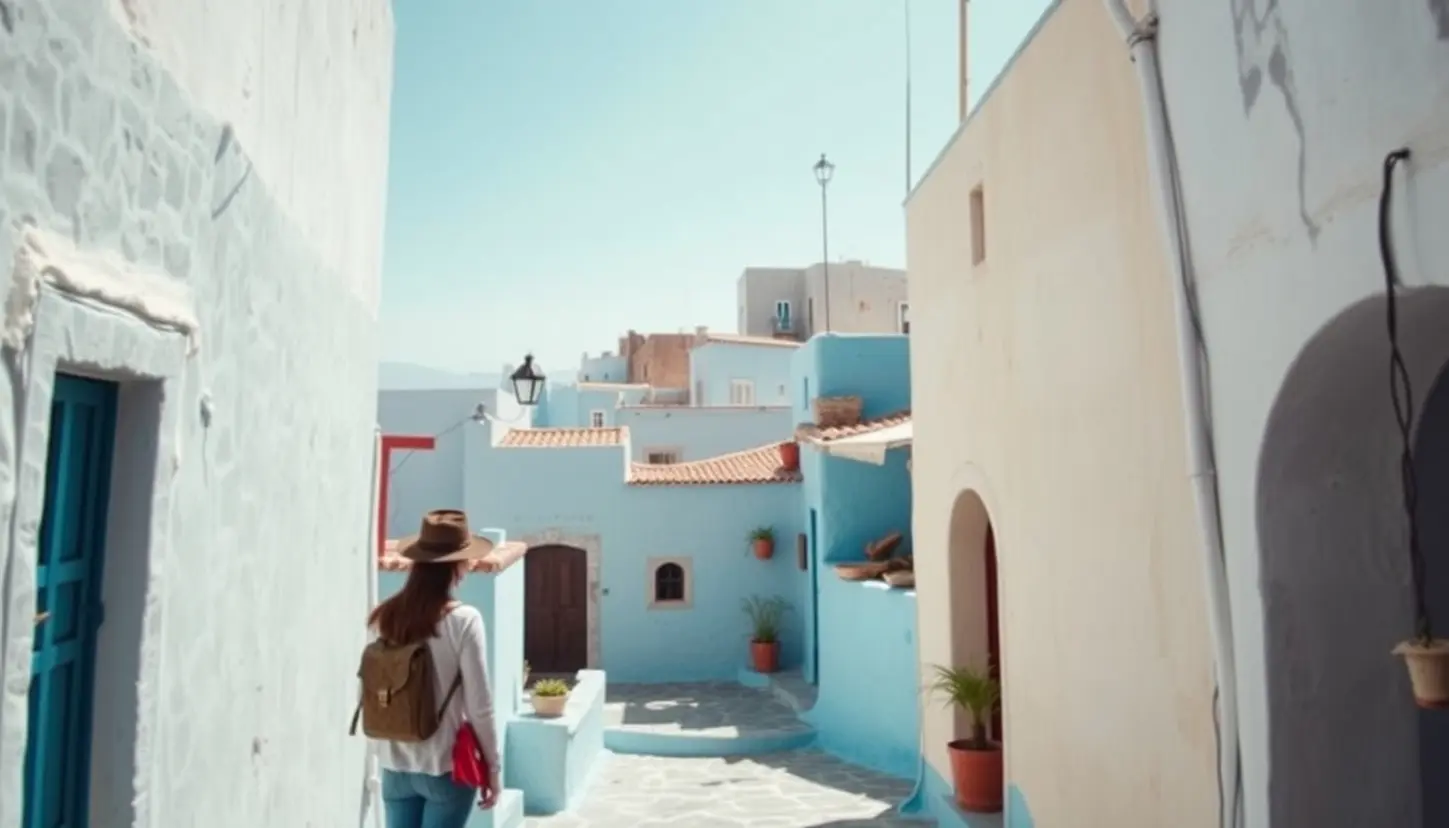
Stepping into Chefchaouen is like entering a dream. This isn’t just another Moroccan city; it’s a canvas painted in a thousand shades of blue, a place that captures the imagination and soothes the soul. If you’re looking for an immersive experience that goes beyond typical tourist trails, this ultimate Chefchaouen travel guide is for you. We’ll delve into how to explore Morocco’s blue city like a local, uncovering its hidden gems, understanding its rhythm, and truly appreciating its unique charm. From navigating its winding alleyways to savoring its distinct flavors, let’s unlock the secrets of this captivating destination.
Unraveling the Sapphire Hues: Why Chefchaouen Shimmers
The immediate question that springs to mind upon seeing photographs of Chefchaouen is, “Why blue?” This isn’t a mere aesthetic choice; it’s a practice deeply rooted in history and culture. While theories abound, from keeping mosquitos at bay to symbolizing the sky and heaven—a tradition brought by Jewish refugees in the 1930s—the consistent repainting of the city’s walls is a communal effort. Walking through the medina, you’ll see residents refreshing their homes, a testament to the pride they take in their unique city. It’s this living tradition, rather than a museum-like preservation, that makes the blue so vibrant and ever-present. This isn’t just a pretty backdrop; it’s a living, breathing testament to community and heritage, making every corner instagrammable but also deeply meaningful.
Navigating the Blue Labyrinth: Exploring Chefchaouen’s Medina
The heart of Chefchaouen, and arguably its greatest charm, lies within its old medina. Unlike the bustling, sometimes overwhelming medinas of cities like Fes or Marrakech, Chefchaouen’s is smaller, more manageable, and infused with a serene, almost contemplative atmosphere. The key to exploring it like a local is to abandon your map and let yourself get delightfully lost. Every turn reveals new shades of blue, intricate doorways, potted plants cascading down walls, and friendly faces. Don’t rush. Pause to admire a cat napping on a sun-drenched step, listen to the distant call to prayer echoing through the alleyways, or simply sit on a bench and observe daily life unfold. This isn’t a place for hurried sightseeing; it’s a place for slow discovery.
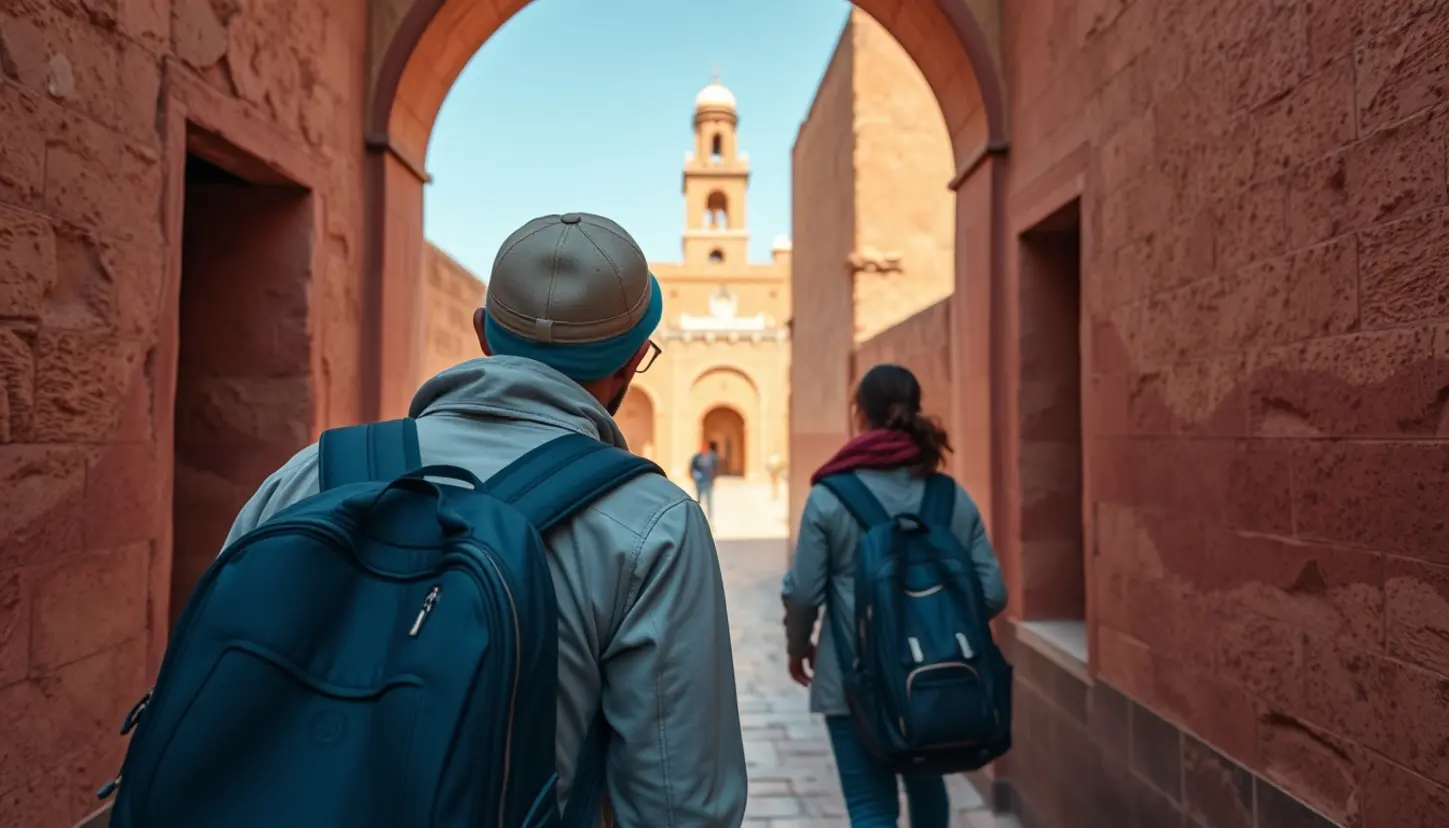
Start your exploration from the central Plaza Uta el-Hammam, the main square, and branch out from there. Notice the blend of Andalusian and Moroccan architecture, a subtle nod to the city’s historical connections. While there are no grand palaces or monumental mosques to “check off” a list, the true beauty lies in the cumulative effect of its countless small details. This area is also where you’ll find most of the guesthouses, small shops selling local crafts, and traditional cafes perfect for people-watching.
Culinary Delights: Savoring Chefchaouen’s Flavors
Moroccan cuisine is renowned globally, but Chefchaouen offers a subtly distinct experience, often characterized by its fresh, locally sourced ingredients and a slightly more relaxed pace. To truly eat like a local, move beyond the main square, which caters more to tourists, and seek out smaller, family-run eateries tucked away in the medina’s arteries.
One must-try is the traditional Tagine from a local spot. Look for places where you see locals dining, a surefire sign of authenticity. Another local specialty often found is Bissara, a hearty fava bean soup, especially popular for breakfast or a light lunch. Being in the Rif Mountains, fresh produce is abundant, so salads are vibrant and delicious. Don’t miss out on fresh fruit juices, particularly orange juice.
For a true local experience, consider visiting a funduq or riad that offers cooking classes. Many guesthouses can arrange this, giving you a hands-on introduction to preparing local dishes using traditional methods and ingredients. Enjoying a steaming glass of mint tea, a Moroccan staple, is also non-negotiable. Find a rooftop terrace for stunning views of the blue city as you sip. These moments of quiet enjoyment are integral to the Chefchaouen experience.
Beyond the Blue Walls: Embracing Nature in the Rif Mountains
While the blue medina is undoubtedly the star attraction, limiting your visit solely to its painted streets would be missing a significant part of Chefchaouen’s allure. The city is nestled in the majestic Rif Mountains, offering a refreshing contrast to the urban landscape and a wealth of opportunities for nature lovers.
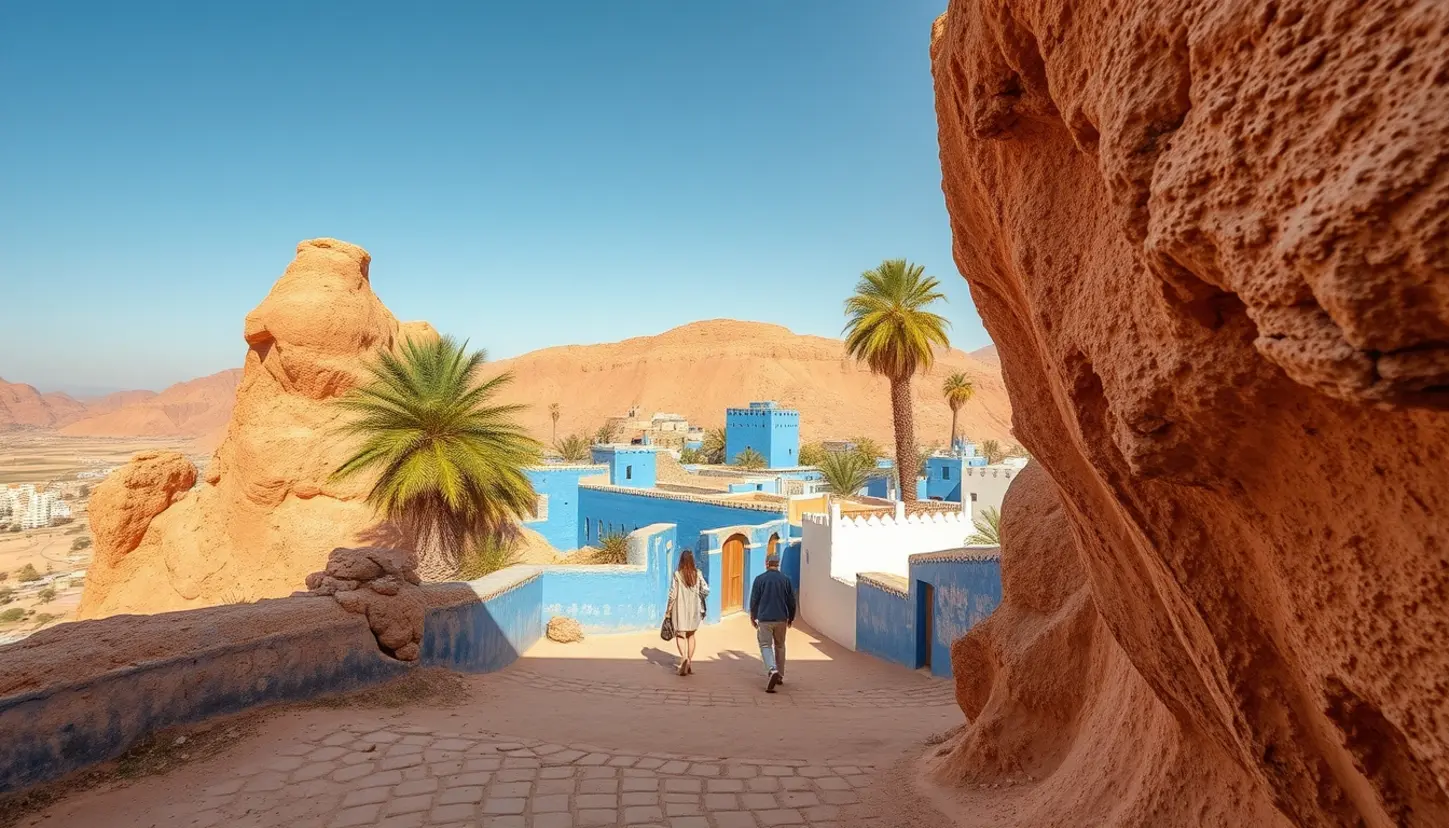
The most accessible natural escape is the Akchour Waterfalls, roughly an hour’s drive from the city. Here, you can embark on a scenic hike through lush valleys, culminating in stunning waterfalls and natural pools. There are various trails, from easy walks to more challenging treks, catering to different fitness levels. Pack comfortable shoes, water, and perhaps a picnic. Another popular spot is the Pont de Dieu (Bridge of God), a majestic natural rock archway forming a bridge over the Oued Farda river. It’s an awe-inspiring sight and part of a longer, rewarding hike. Exploring these natural wonders allows you to see the region through the eyes of locals, who frequently venture into the mountains for picnics, hikes, and a respite from city life. Many local guides can be hired directly from the medina to lead you on these excursions, offering insights into the local flora, fauna, and culture.
Capturing Chefchaouen: Photography Tips for the Blue City
Chefchaouen is a photographer’s paradise, but to truly capture its essence, a mindful approach is key. While the obvious shots of vibrant blue walls are plentiful, look for the less obvious. Focus on details: an ornate wooden door, a stray cat peeking from an alley, a shaft of light illuminating a potted plant, or the textures of old stone and faded paint.
Early mornings are ideal. The light is soft, and the streets are quiet, allowing for unhindered shots without crowds. Late afternoon, as the sun begins to set, also offers beautiful golden hour light that makes the blues deepen and glow. Always be respectful when photographing people. Ask for permission first, and be prepared for a polite refusal or sometimes a small tip in exchange for a photo, especially if you are photographing vendors or artisans. Remember, you’re not just taking a picture; you’re interacting with a community. Embrace the challenge of finding unique angles and compositions rather than simply snapping the most popular viewpoints. This mindful approach will not only yield better photos but also a deeper appreciation for the city.
Understanding Local Rhythms: Immersing in Chefchaouen’s Culture
To truly experience Chefchaouen like a local, one must attune to its slower pace and unique cultural rhythm. Life here moves differently than in Morocco’s larger, more frenetic cities. The community is predominantly Amazigh (Berber) and Arab, with a strong sense of tradition and hospitality.
The daily routine often revolves around prayer times, visible through the city’s mosques and the occasional call to prayer that echoes through the medina. Shops open a little later, and afternoons can be quiet, especially during the hotter months, as locals retreat indoors for a siesta. Evenings often involve strolls in the main plaza, social gatherings, and enjoying the cooler air.
When interacting with locals, a few phrases of Darija (Moroccan Arabic) or Tamazight (Berber language) will go a long way. Simple greetings like “Salam Alaikum” (peace be upon you), “Shukran” (thank you), and “Labas?” (how are you?) are always appreciated. Dress modestly, particularly when visiting religious sites, to show respect for local customs. Observe and participate rather than just observe. Engaging in light banter with a shopkeeper, accepting an offer of mint tea, or simply smiling at passersby can open doors to more authentic interactions and a deeper understanding of the local way of life. This Chefchaouen travel guide highlights these subtle nuances.
Practicalities for the Conscious Traveler: Planning Your Blue City Adventure
Planning a trip to Chefchaouen requires a bit of foresight to ensure a smooth and enjoyable experience. The city is relatively small, but its charm lies in its intimate details.
Getting There: Chefchaouen does not have its own airport. The most common way to reach it is by bus from larger cities like Fes, Tangier, or Casablanca. CTM or Supratours are reliable bus companies offering comfortable and affordable journeys. Taxis are also an option, particularly shared grand taxis, but they are more expensive and often less comfortable for long distances.
Accommodation: The best way to immerse yourself is by staying in a traditional guesthouse (riad or dar) within the medina. These often offer charming courtyards, rooftop terraces, and a more authentic feel than modern hotels. Book in advance, especially during peak season, as options can be limited.
Best time to visit: Spring (April-May) and autumn (September-October) offer the most pleasant weather, with warm days and cooler nights, perfect for exploring and hiking. Summers can be hot, and winters can be cool and rainy, though the off-season offers fewer crowds.
Money matters: ATMs are available in Chefchaouen, but carrying some cash (dirhams) is always a good idea, especially for smaller purchases in the souks or for tipping. Haggling is expected in the markets, but approach it with good humor and respect.
Safety: Chefchaouen is generally considered a very safe city, even for solo travelers. However, like anywhere, it’s wise to be aware of your surroundings, especially at night, and safeguard your valuables. For more in-depth advice, you might find external resources like Chefchaouen blue city useful.
Shopping Local: Artisan Treasures and Souvenir Etiquette
Chefchaouen’s souk, while smaller than those in larger Moroccan cities, is distinct for its focus on local handicrafts. To shop like a local and find truly unique pieces, look beyond the main tourist arteries.
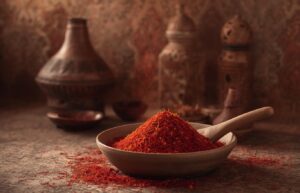
What to buy: Look for wool and woven goods, including blankets, jellebas (traditional robes), and carpets, often characterized by vibrant geometric patterns. Leather goods, particularly slippers and bags, are also popular and of good quality. Another specialty is local art, from paintings of the blue city to intricate ceramics. Spices, argan oil, and locally produced honey are also excellent take-home gifts.
Haggling: Haggling is a customary part of shopping in Morocco. Begin by offering about half of the asking price and negotiate upwards. Keep a friendly demeanor, and remember it’s a playful exchange, not a fierce battle. Don’t be afraid to walk away if you can’t agree on a price; another shop will likely have something similar. Ethical shopping also means supporting local artisans directly, rather than mass-produced items, ensuring your purchase directly benefits the community.
Conclusion
Chefchaouen is more than just a cluster of blue buildings; it’s an experience for the senses, a step back in time, and an immersion in a culture that values beauty, community, and tradition. By understanding its rhythms, respecting its customs, and venturing slightly off the well-trodden path, you can truly explore this enchanting destination like a local. This comprehensive Chefchaouen travel guide aims to equip you with the insights needed to make your journey through the blue city unforgettable, allowing you to discover its unique charm that goes far beyond its Instagrammable allure.
FAQs
What is the best way to get around Chefchaouen?
The best way to explore Chefchaouen, particularly its medina, is on foot. The narrow, winding alleys are not accessible by car, and walking allows you to truly soak in the unique atmosphere and discover hidden corners. For trips outside the medina, like to the waterfalls, shared grand taxis or pre-arranged private taxis are available.
Is Chefchaouen suitable for families with children?
Yes, Chefchaouen is generally considered a family-friendly destination. The medina is car-free and relatively safe for children to explore. The relaxed pace and the visual appeal of the blue city often captivate younger visitors. Just be prepared for lots of walking and perhaps bringing a stroller for very young children, though cobblestones can make it challenging.
What should I wear in Chefchaouen?
As a conservative and traditional city, it’s advisable to dress modestly in Chefchaouen. For women, this means covering your shoulders and knees. Loose-fitting long pants, skirts, or dresses are appropriate, as are tops with sleeves. For men, shorts that cover the knees and t-shirts are generally fine. Comfortable walking shoes are a must for navigating the uneven streets of the medina.
How many days are ideal for a Chefchaouen visit?
While some visitors come for a day trip, to truly experience Chefchaouen and appreciate its charm like a local, 2 to 3 full days are ideal. This allows ample time to explore the medina at a leisurely pace, hike in the nearby Rif Mountains, enjoy local cuisine, and simply relax and soak in the unique atmosphere without feeling rushed.



 Covers cities, coast, mountains, desert & food