
Planning a trip to Morocco is exciting, but knowing the climate is key. Morocco’s landscapes, from the Sahara to the Atlas Mountains, change with the seasons. This affects what you can do and see.
Looking for culture, outdoor fun, or a calm trip? Morocco has it all. By exploring each month, you can plan your trip perfectly. This way, you’ll enjoy your Morocco vacation guide to the fullest.
Key Takeaways
- Morocco’s climate varies significantly across different regions.
- The best months to visit depend on your preferred activities.
- Cultural events and festivals are scattered throughout the year.
- Outdoor activities like hiking and desert treks have optimal seasons.
- Relaxing getaways can be enjoyed year-round in certain areas.
Discovering Morocco: A Land of Diverse Experiences
Morocco is full of contrasts, from Marrakech’s busy streets to the calm Sahara Desert. Planning your trip well is key. You’ll want to explore Morocco’s varied landscapes and rich culture.

Morocco’s Geographic and Cultural Diversity
Morocco’s geography is stunning, with mountains, deserts, and a long coastline. It’s home to many cultures and traditions. You can wander Marrakech’s souks, relax in Essaouira, or trek the Atlas Mountains.
Why Timing Matters for Your Moroccan Adventure
When you visit Morocco, the timing is everything. You might want the spring weather, cultural events, or the quiet of the off-season. For desert trips or outdoor fun, the cooler months are best. Check out Audley Travel’s guide for more on the best times to visit.
Understanding Morocco’s Climate and Seasons
Knowing Morocco’s climate is key for planning your trip. It changes a lot across different areas and seasons. The country’s varied landscapes, from mountains to deserts, add to its complex weather.
The Four Distinct Seasons
Morocco has four clear seasons. Spring (March to May) and autumn (September to November) are mild and nice, perfect for visitors. Summer (June to August) is hot, especially in the desert. Winters (December to February) can be cool to cold, especially in the mountains.
Regional Climate Variations
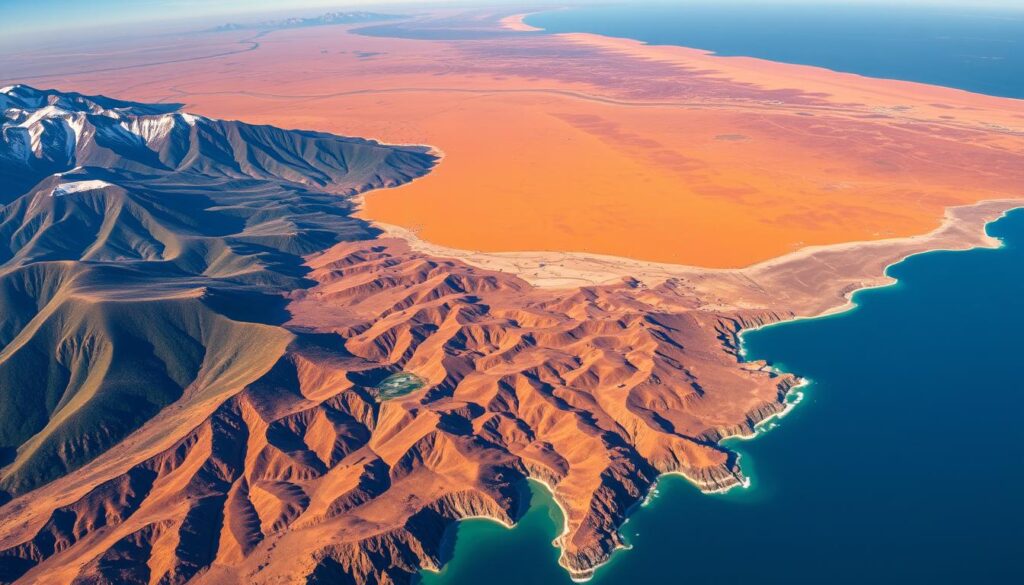
Climate varies a lot in Morocco. Coastal areas are milder than inland ones. The Atlas Mountains have a mountain climate, with cold winters and cool summers. The desert, like the Sahara, is very hot during the day and cold at night.
How Altitude Affects Weather Conditions
Altitude greatly affects Morocco’s weather. Higher areas, like the Atlas Mountains, are colder and can get a lot of snow in winter. Even in summer, nights in these areas are cool, offering a break from the heat.
- Coastal regions: Mild climate, moderate temperatures.
- Mountainous regions: Cold winters, cool summers.
- Desert regions: Extreme heat during the day, cold at night.
January in Morocco: Winter Wonders
January in Morocco is a time of calm beauty. The cooler weather and peaceful landscapes make it perfect for a quiet escape. It’s a great time to find peace in this tranquil country.
Weather Conditions and What to Expect
Morocco’s January weather is mild, unlike harsh winters elsewhere. Temperatures range from 45°F to 65°F (7°C to 18°C). Coastal areas are cooler, while deserts can get chilly at night.
Best Places to Visit in January
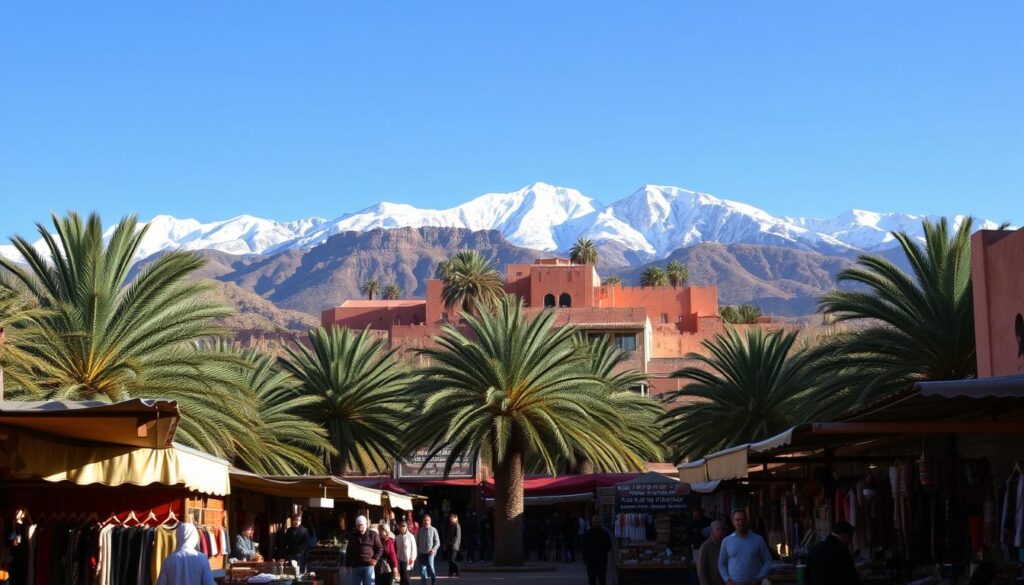
January is a great time to see Morocco’s cities, like Marrakech and Fez. The weather is perfect for exploring. The Atlas Mountains offer skiing, and Essaouira has mild weather and beaches.
January Festivals and Events
January in Morocco is not as busy, but there are still festivals. The Marrakech International Film Festival might happen in December or January. You can also enjoy local culture at festivals and markets.
February in Morocco: Off-Season Opportunities
Morocco in February is a special time to see the country’s culture. The winter makes everything calm, and famous spots are less busy.
Weather Patterns and Tourist Density
February’s weather in Morocco is mild. Temperatures are between 45°F and 65°F. It’s also less crowded than summer, perfect for those who like peace.
Recommended Destinations in February
Top places to visit in February include Marrakech, Fes, and the Atlas Mountains. Marrakech is lively with souks and events. Fes is rich in history. The Atlas Mountains offer beautiful hikes and views.
February Cultural Experiences
February is great for diving into Moroccan culture. You can enjoy traditional music, food, and crafts. It’s a way to really get to know the country’s heritage.
| Destination | Average Temperature | Main Attractions |
|---|---|---|
| Marrakech | 50°F – 65°F (10°C – 18°C) | Vibrant souks, cultural events |
| Fes | 45°F – 60°F (7°C – 15°C) | Historical heritage, traditional crafts |
| Atlas Mountains | 40°F – 55°F (4°C – 13°C) | Scenic hiking trails, breathtaking views |

March in Morocco: Spring Beginnings
As winter fades, Morocco comes alive with spring in March. The country’s landscapes and cultural events shine in the warmer weather.
Climate Transition and Blooming Landscapes
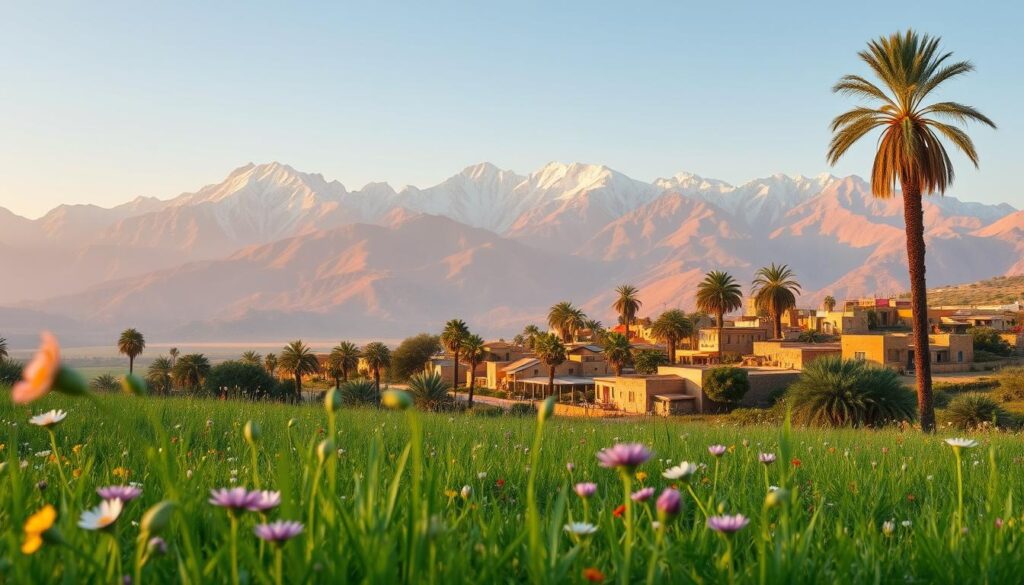
In March, Morocco’s weather gets warmer, especially in the south. The Atlas Mountains and desert areas start to bloom. Expect mild temperatures, from 15°C to 25°C (59°F to 77°F), perfect for outdoor fun like hiking and exploring medinas.
Ideal Regions to Explore in March
March is a great time to see Morocco’s different areas. The High Atlas is stunning with spring flowers. The Sahara Desert is also lovely, with nice weather before it gets hot. Coastal towns like Essaouira offer a calm vibe and cultural events.
March Festivals and Special Events
Morocco celebrates spring with festivals in March. The Marrakech Popular Arts Festival is a highlight, featuring local music, dance, and crafts. For more on events, check My Visit Morocco.
| Region | March Weather | Activities |
|---|---|---|
| High Atlas | Mild, blooming flowers | Hiking, trekking |
| Sahara Desert | Warm, sunny | Desert excursions, camel rides |
| Essaouira | Mild, breezy | Beach activities, cultural events |
April in Morocco: Perfect Spring Weather
April is a great time to see Morocco’s beauty and culture. The weather is mild, perfect for Marrakech’s busy streets or the Atlas Mountains’ trails.

Temperature Ranges and Precipitation
In April, Morocco’s spring is gentle. Daytime temperatures are between 68°F and 75°F (20°C to 24°C). Nights can be cool, especially in the mountains, so bring layers. Rainfall drops a lot, making it great for outdoor fun.
Top April Destinations
Marrakech is perfect in April, with its mild weather. You can easily explore the souks and historic sites. The Atlas Mountains offer beautiful hikes and villages. Coastal towns like Essaouira are great for relaxing and water sports.
April Cultural Events and Natural Attractions
April brings the Marrakech Popular Arts Festival, celebrating Moroccan arts. The countryside blooms with wildflowers, adding to the beauty. April is a wonderful time to see Morocco’s culture and nature.
May in Morocco: Pre-Summer Sweet Spot
May is a great time to visit Morocco. The weather is mild, and the landscapes are vibrant after spring. It’s a perfect pre-summer spot.
Weather Conditions Across Regions
In May, Morocco’s weather changes by region. Coastal areas like Casablanca and Rabat have mild temperatures, from 18°C to 22°C (64°F to 72°F). Inland cities, such as Marrakech, get warmer, with temperatures from 25°C to 30°C (77°F to 86°F).
The Atlas Mountains stay cool, offering a cool escape. Meanwhile, the Sahara Desert starts to get very hot.
Best May Activities and Experiences
May is great for outdoor fun in Morocco. You can hike in the Atlas Mountains or go on a camel trek in the Sahara Desert. The weather is also perfect for exploring cities like Fez or Marrakech.
For a special experience, check out the best time to visit Morocco guide to plan your trip.
May Festivals and Celebrations
Morocco in May has many cultural events. The Marrakech Popular Arts Festival is a highlight, with local music, dance, and crafts. The Errachidia Music Festival also happens in May, featuring traditional and modern music.

June in Morocco: Early Summer Heat
In June, Morocco feels the warmth of early summer. It’s a perfect time to explore its coastal towns and join cultural festivals. The country comes alive with vibrant energy.
Rising Temperatures and Coastal Benefits
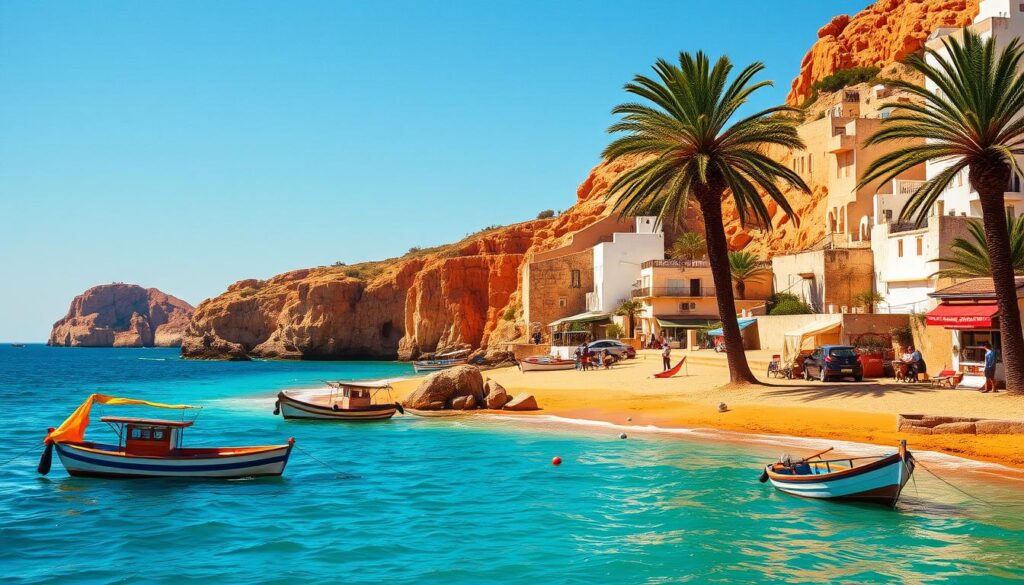
June brings higher temperatures, especially inland. But, the coast offers a cooler escape. Essaouira and Rabat are great for avoiding the heat.
Where to Go and What to Avoid in June
June is best for visiting the coast to stay cool. Tangier and Casablanca have nice weather and lots to do. But, avoid the desert due to the intense heat.
June Events and Cultural Experiences
June is perfect for Morocco’s cultural events. The Marrakech Popular Arts Festival is a must-see. It highlights local arts and culture. You’ll find many festivals and events across the country.
July in Morocco: Peak Summer Season
Planning a trip to Morocco in July means getting ready for hot weather. The country buzzes with life, filled with festivals and beach fun.
Heat Considerations and Coastal Escapes
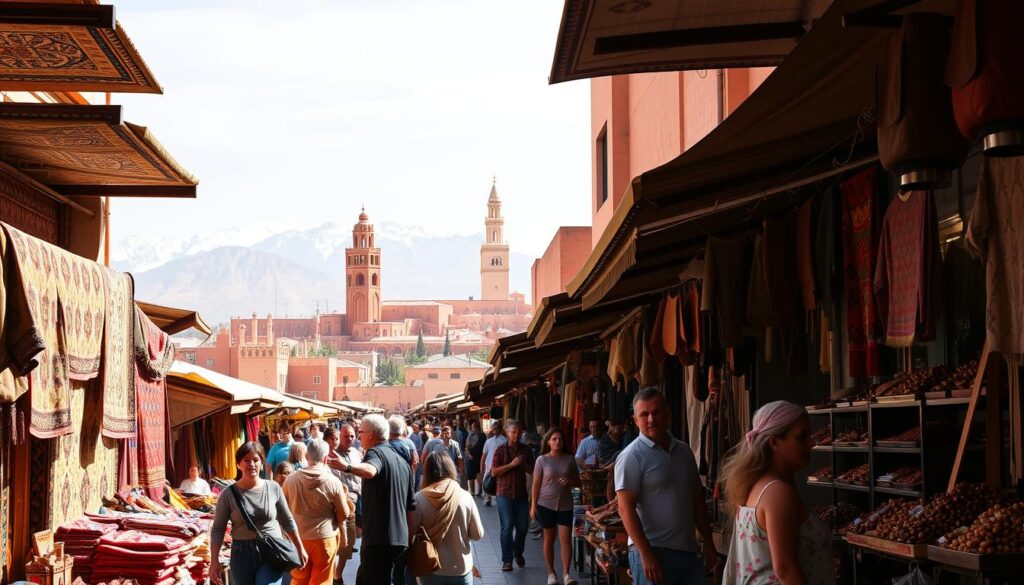
July’s heat is intense, especially in the desert. To cool down, head to coastal towns like Essaouira or Casablanca. The ocean breeze there is a nice break.
Summer Festivals and Beach Destinations
July is great for Morocco’s summer festivals, like the Essaouira Gnawa Music Festival. It draws visitors worldwide. Beaches in Rabat and Tangier are lively, offering water sports.
“The Gnawa Music Festival in Essaouira is a unique cultural experience that combines music, art, and spirituality.” –
Managing the High Season Crowds
Popular spots are busy in July. To avoid the crowds, visit less known places or go out early or late. Here’s a table to help you plan:
| Time of Day | Recommended Activity | Best Location |
|---|---|---|
| Early Morning | Explore medinas | Marrakech, Fez |
| Late Afternoon | Beach activities | Essaouira, Rabat |
| Evening | Festivals and cultural events | Tangier, Casablanca |
With smart planning, you can enjoy Morocco in July without the crowds.
August in Morocco: High Season Hustle
In August, Morocco is buzzing with life. The heat is intense, and tourist spots are packed. It’s perfect for those who love lively scenes and can handle the heat.
August Weather and Crowd Levels
August is Morocco’s hottest month. Temperatures soar, and places are more crowded than ever. Popular areas are especially busy.
Best Coastal and Mountain Retreats
Looking to escape the heat? Head to coastal towns like Essaouira or Taghazout. They offer cool breezes. Or, visit the Atlas Mountains for cooler air and stunning views.
August Cultural Highlights
August is great for Morocco’s cultural events. Don’t miss the Marrakech Popular Arts Festival. You’ll also find folk music and dance in many cities.
September in Morocco: Transition to Fall
Morocco is calm in September as it moves from summer to fall. The weather cools down, making it perfect for seeing the country’s beauty and culture.
Cooling Temperatures and Thinning Crowds
September brings cooler weather, ending the summer heat. Fewer people visit, making it a peaceful time to explore.
Recommended September Experiences
September is great for seeing Morocco’s natural wonders. You can hike, go camel trekking, or just enjoy the views. Coastal towns like Essaouira and Taghazout are perfect for surfing.
September Festivals and Events
September in Morocco is filled with festivals and events. Highlights include the Marrakech Popular Arts Festival and local moussems. These events offer a deep dive into Moroccan culture.
- Explore the vibrant souks and medinas
- Enjoy local cuisine and wine
- Participate in or attend local festivals and events
October in Morocco: Autumn Perfection
October is a great time to see Morocco’s cities and deserts. The weather is mild, perfect for exploring. It’s ideal for many activities.
Ideal Weather Conditions Nationwide
October’s weather in Morocco is mild. Temperatures range from the mid-70s to mid-80s Fahrenheit (23-30°C). Coastal areas like Casablanca and Essaouira are cool and breezy.
Inland cities, like Marrakech, get cooler at night. This makes the weather comfortable for outdoor activities.
Desert Excursions and City Explorations
The weather is perfect for desert trips in October. You can explore the Sahara Desert or Erg Chebbi dunes. Marrakech, Fez, and Rabat are also great to visit.
Walking through historic medinas and markets is enjoyable. The mild weather makes it easy to explore.
October Cultural Highlights
October is full of cultural events in Morocco. The Marrakech International Film Festival is a highlight. It usually starts in late November or early December.
But, there are many other cultural activities and festivals in October. You can enjoy Moroccan music, art, and food.
October is a great time to visit Morocco. You can enjoy desert adventures, city tours, or cultural events.
November in Morocco: Fall’s Final Days
November in Morocco is a special time. The weather is mild, and there are many cultural experiences to enjoy. It’s a perfect time to see the country’s beautiful landscapes and rich heritage.
Changing Climate and Fewer Tourists
The temperature drops in November, making mornings and evenings cooler. This is great for walking around and enjoying the outdoors. With fewer people around, you can really feel the local vibe.
Best November Destinations
Marrakech is a top spot in November. It’s full of life with its souks and cultural events. The Atlas Mountains are also great for hiking and seeing amazing views. Coastal cities like Essaouira have nice weather and a calm feel.
November Events and Activities
November is full of cultural events in Morocco. You can join local festivals, visit historical sites without the crowds, and go hiking or camel trekking in the desert.
“November in Morocco is a hidden gem for travelers seeking a mix of culture, adventure, and relaxation.”
December in Morocco: Winter Festivities
As the year ends, Morocco turns into a winter wonderland. It’s filled with holiday fun and cultural experiences. December brings a cool change, making it a great time to explore.
Holiday Season and Weather Conditions
In December, Morocco’s weather is mild, with temperatures between 45°F and 65°F. The holiday season makes cities and towns festive.
Year-End Celebrations and Activities
December is perfect for diving into Morocco’s culture. You can join in on traditional festivities, visit markets, and enjoy year-end events. For more details, check out Morocco in December.
December Travel Tips
When visiting Morocco in December, bring layers for the cooler days. Also, book your stay and tours early to avoid the crowds.
| Region | Average Temperature (°F) | Precipitation |
|---|---|---|
| Marrakech | 55 | Moderate |
| Fez | 50 | Moderate |
| Essaouira | 60 | Low |
The Best Time to Go Morocco: Seasonal Recommendations
Planning a trip to Morocco? Knowing the best time to visit is key for a great experience. Morocco’s climate varies, so the best season depends on what you want to do.
Spring (March-May): The Ideal Season
Spring is a top time to visit Morocco. The weather is mild, and the landscapes are in bloom. Temperatures range from 68°F to 77°F (20°C to 25°C), perfect for exploring.
You can hike in the Atlas Mountains, explore cities, and dive into local culture. Plus, you’ll avoid the crowds of peak season.
Fall (September-November): The Perfect Alternative
Fall is another great time to see Morocco. The weather is warm but not too hot. It’s perfect for desert trips, city tours, and cultural festivals.
The temperatures are just right for walking through souks and medinas in places like Marrakech and Fez.
Summer Travel Strategies (June-August)
Summer is Morocco’s busiest time, especially in the desert. Coastal areas like Essaouira are cooler. It’s important to stay hydrated and take breaks in the shade.
Summer is great for beach activities and water sports, but be ready for the heat and crowds.
Winter Opportunities (December-February)
Winter is Morocco’s low season, but it’s good if you like cooler weather and lower prices. The Atlas Mountains are perfect for skiing and snowboarding.
You’ll also find the Moroccan people’s warm hospitality without the crowds.
Traveling During Ramadan: What to Know
Ramadan is a big deal in Morocco, with Muslims fasting from dawn to sunset. It’s not a bad time to visit, but be respectful of local customs.
Be prepared for different dining hours and possibly closed businesses during the day.
Here’s a quick guide to the best times to visit Morocco:
| Season | Best For | Weather |
|---|---|---|
| Spring (March-May) | Sightseeing, outdoor activities | Mild temperatures |
| Fall (September-November) | Desert excursions, cultural festivals | Warm, pleasant |
| Summer (June-August) | Beach activities, coastal retreats | Hot, especially inland |
| Winter (December-February) | Winter sports, lower prices | Cool to cold, especially in the mornings and evenings |
Practical Seasonal Considerations for Morocco Travel
Seasonal factors can greatly affect your trip to Morocco. Knowing what to pack and how to travel is key. This knowledge will make your journey more enjoyable and stress-free.
What to Pack for Each Season
Packing right is essential for a comfortable trip. In spring (March to May), wear lightweight clothing and bring layers for cooler nights. Summer (June to August) means sun protection and light, airy clothes. Autumn (September to November) is similar to spring, while winter (December to February) requires warmer clothing, especially in the Atlas Mountains.
Seasonal Transportation Tips
Transport in Morocco changes with the seasons. In summer, book transport in advance. Winter calls for checking the weather forecast, especially for mountain trips.
Accommodation Availability and Pricing by Season
Accommodation prices change with the seasons. Prices are higher in peak seasons (summer and holidays). Off-peak seasons offer cheaper options. Here’s a quick guide:
| Season | Accommodation Pricing | Availability |
|---|---|---|
| Spring (Mar-May) | Moderate | High |
| Summer (Jun-Aug) | High | Moderate |
| Autumn (Sep-Nov) | Moderate | High |
| Winter (Dec-Feb) | Low | Very High |
Conclusion: Planning Your Perfect Moroccan Adventure
Now that you know about Morocco’s climate and seasons, you’re ready to plan your trip. Whether you want a calm beach vacation or an exciting desert adventure, knowing when to go is key.
Our morocco vacation guide shows that spring (March-May) and fall (September-November) are the best times to explore. If you’re traveling in summer, head to the coast to stay cool. Winter is also good, with fewer people and lower prices.
Remember to consider the local climate, altitude, and cultural events when planning your trip. This way, you’ll have a great time in Morocco and make memories that last forever.



 Covers cities, coast, mountains, desert & food