Planning a trip to Morocco is exciting. But, picking the right travel season is key to a great trip.
Morocco has different climates all year. You can experience everything from hot desert heat to cool coastal breezes. Knowing the weather patterns helps you choose the best time to go.
Are you into city life, beach relaxation, or mountain treks? This guide will show you the best time to visit Morocco for your plans.
Key Takeaways
- Morocco’s climate varies greatly across different regions.
- The optimal travel time depends on your planned activities.
- Understanding the seasonal weather will enhance your travel experience.
- Coastal areas tend to be milder than inland regions.
- Desert regions are best visited during the cooler months.
Understanding Morocco’s Climate and Seasons
Morocco’s varied geography leads to different climates, making it a great place to visit all year. Knowing the country’s climate and seasons will help you enjoy your trip more.
Overview of Morocco’s Diverse Climate Zones
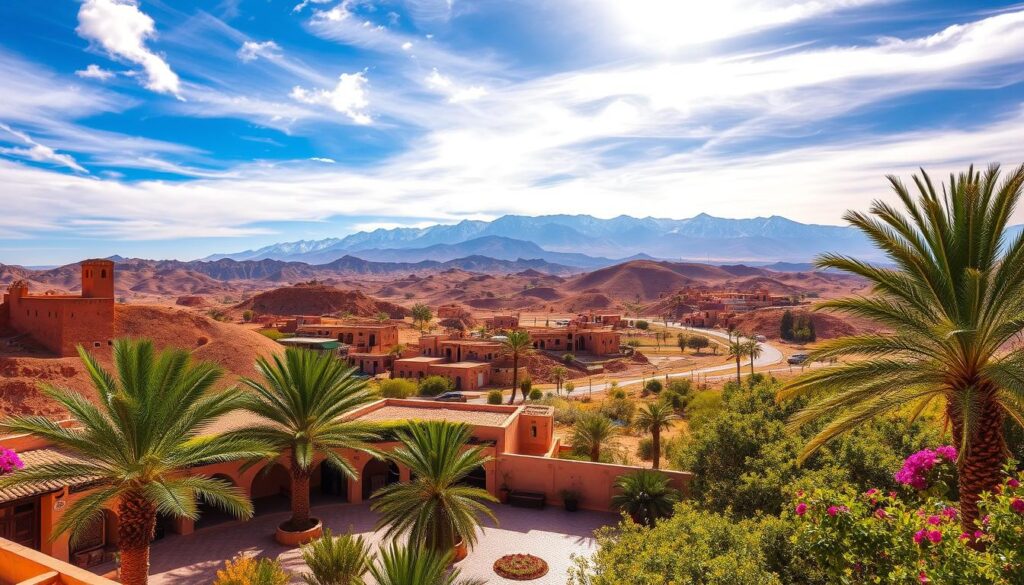
Morocco’s climate changes a lot from one area to another. You’ll find everything from Mediterranean to desert and mountainous climates. The coast is milder, thanks to the Atlantic Ocean. But the interior and south are hotter and drier.
The Atlas Mountains split the climate in two. The north gets more rain than the south.
Travelers can experience many things in Morocco. From cool, wet winters in the north to hot, dry summers in the south, each area has its own weather.
The Four Distinct Seasons in Morocco
Morocco has four clear seasons, each with its own weather. Spring, from March to May, is mild and beautiful, perfect for visiting. Summer, from June to August, is very hot, especially in the desert. But the coast stays cooler.
Autumn, from September to November, has nice temperatures and harvests. Winter, from December to February, can be cool and wet, especially in the mountains. But the coast is generally mild.
Knowing these seasons helps you pack right and plan your activities. This way, you can make the most of your trip to Morocco.
Weather Patterns Across Morocco’s Regions
Knowing the weather in Morocco’s different areas is key for a great trip. The country’s varied landscapes lead to many climates. It’s important to know what to expect.
Coastal Climate: Casablanca, Rabat, and Essaouira
The coastal parts of Morocco, like Casablanca, Rabat, and Essaouira, have a mild climate. This is thanks to the Atlantic Ocean’s cooling effect. These places have cooler summers and milder winters than inland areas.
Essaouira is famous for its nice weather all year. It’s a top spot to visit. Spring or fall are the best times to see Morocco’s coast.
Desert Climate: Marrakech and Southern Regions
The desert areas, including Marrakech and the south, get very hot in summer. It’s crucial to visit these places when it’s cooler. Winters can be chilly, so bring layers.
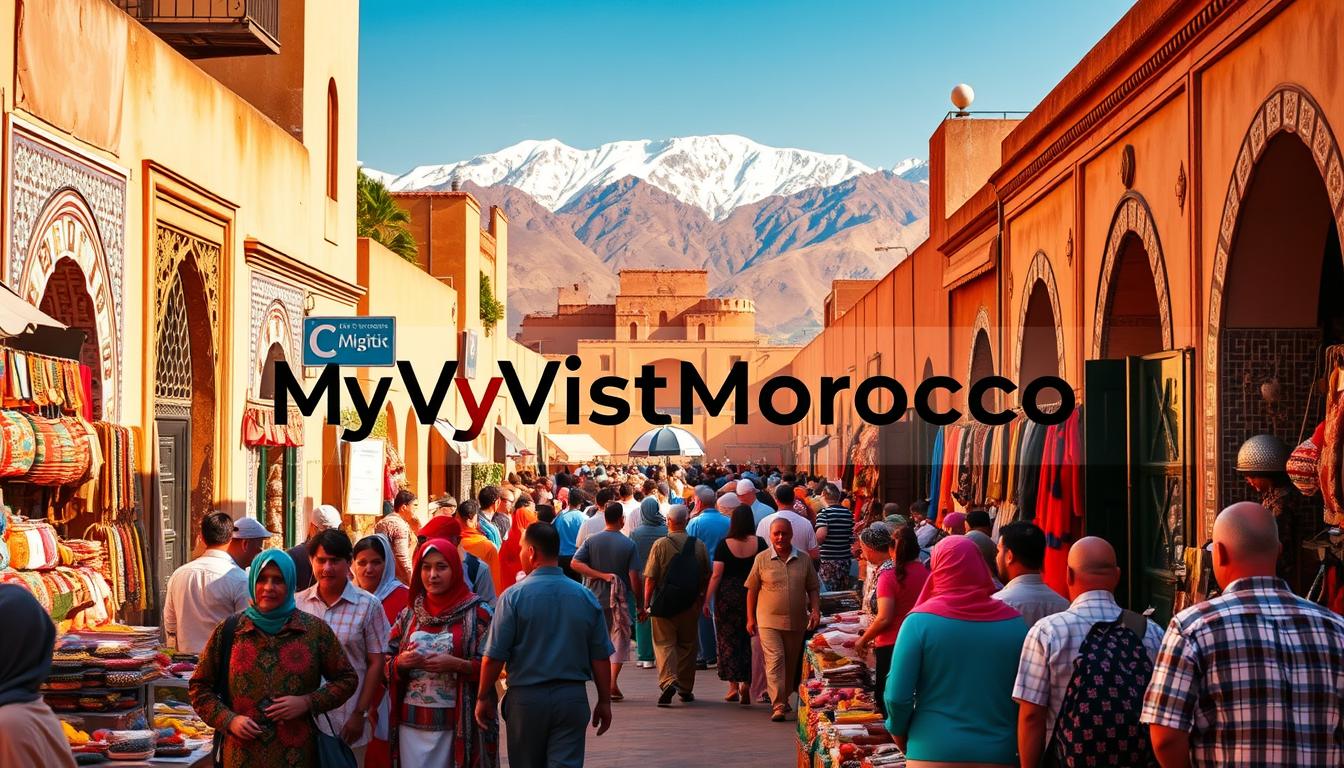
Marrakech is a vibrant city with rich culture. But, be ready for the heat in summer.
Mountain Climate: Atlas Mountains and Northern Areas
The Atlas Mountains and northern Morocco have a mountainous climate. Winters are cold, and summers are mild. The Atlas is great for summer hikes.
In winter, these areas get snow, perfect for sports. Knowing these weather patterns helps plan your trip. You can choose the best time for your activities.
By understanding Morocco’s weather, you can plan a trip that suits your interests. This way, you’ll visit at the optimal time for your activities.
Spring in Morocco: March to May
The spring season in Morocco, from March to May, is perfect for seeing the country’s beauty and culture. The weather is mild, ideal for visiting cities, enjoying landscapes, and exploring culture.
Temperature and Precipitation Expectations
Spring in Morocco has nice weather, with highs from 64°F to 75°F (18°C to 24°C). It’s great for sightseeing and outdoor fun. Rainfall is low, especially in the south, but the north might see some.
Natural Landscapes and Blooming Seasons
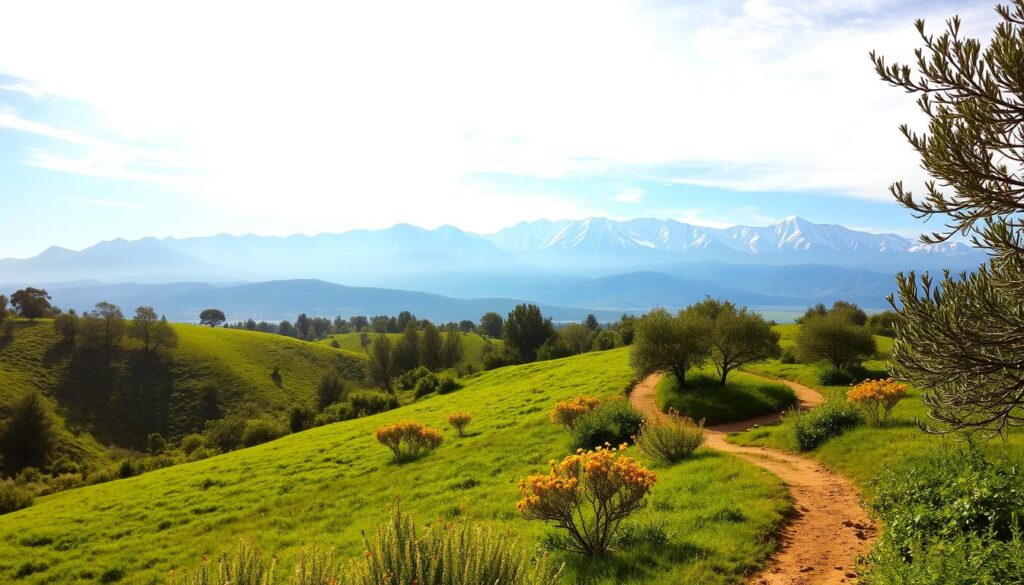
Spring makes Morocco’s landscapes come alive. The Atlas Mountains are stunning with wildflowers and the scent of trees. The deserts also bloom, making them perfect for trips.
Spring Festivals and Cultural Events
Morocco celebrates spring with many festivals and events. The Marrakech Popular Arts Festival is a must-see, with traditional music, dance, and crafts. The Rose Festival in El Kelaa M’Gouna is also a highlight, with parades, music, and crafts.
Spring is a top time to visit Morocco. It offers great weather, beautiful landscapes, and rich culture, making it the ideal season for a trip.
Summer in Morocco: June to August
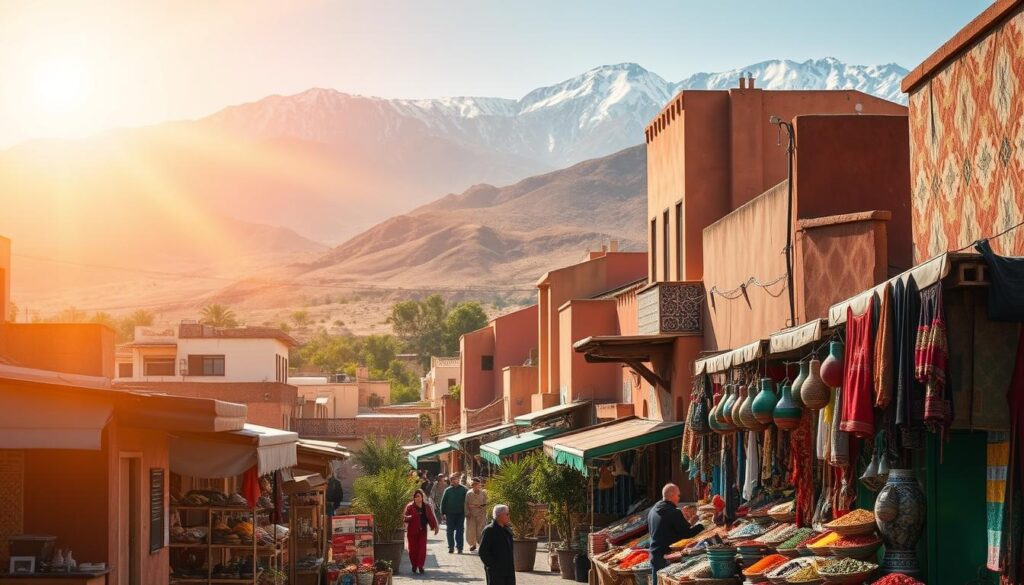
Visiting Morocco in summer means getting ready for the heat. But, you’ll also find exciting festivals and activities. From June to August, Morocco’s weather is hot, especially in the desert. Yet, there are cooler places to visit, making summer a great time to explore.
Managing the Heat in Popular Destinations
Marrakech gets very hot in summer. To stay cool, drink lots of water, avoid the sun when it’s strongest, and choose places with air conditioning. Riads and hotels in Marrakech and other hot places have thick walls, shaded areas, and pools to keep you cool.
Tips for Beating the Heat:
- Stay in air-conditioned places or riads with cooling features.
- Drink lots of water and electrolyte-rich drinks.
- Do outdoor activities early in the morning or late in the evening.
Coastal Retreats During Summer Months
Places like Essaouira and Taghazout are cooler than inland areas. They’re great for beach activities, water sports, or a calm vibe. The sea breeze keeps it cooler, making summer a perfect time to visit.
Summer Festivals and Activities
Summer in Morocco is lively, with many festivals and activities. You can enjoy cultural events, music festivals, and outdoor adventures like hiking in the Atlas Mountains. It’s a great time to see Morocco’s rich culture through its festivals and local celebrations.
Summer Activities:
- Go to cultural festivals like the Marrakech Popular Arts Festival.
- Explore the Atlas Mountains for hiking and trekking.
- Try water sports and beach activities in coastal towns.
Fall in Morocco: September to November
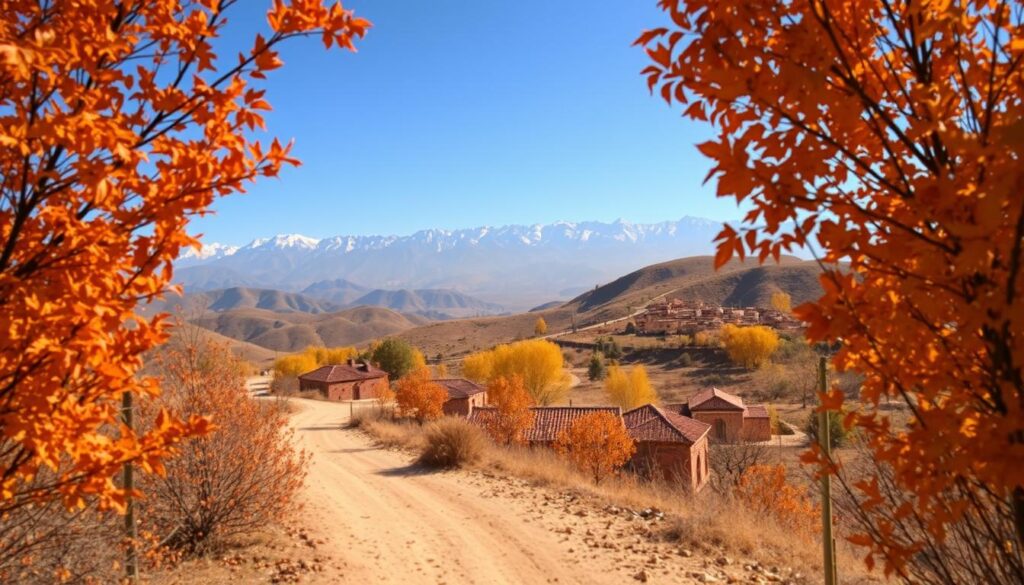
Fall in Morocco is a great time to explore this vibrant country. The season, from September to November, offers comfortable temperatures and a rich cultural calendar.
Temperature Trends and Weather Conditions
Morocco cools down after the summer heat in fall. The temperatures are pleasant, especially in the mornings and evenings. This makes it perfect for sightseeing and outdoor activities.
Average highs range from 75°F to 85°F (24°C to 30°C) across different regions. For the latest weather forecasts, visit Lonely Planet’s guide on the best time to visit.
Harvest Season Experiences
Fall is harvest season in Morocco. It’s a great time to experience local culture and cuisine. You can see the olive harvest, explore markets with fresh produce, and enjoy traditional dishes.
It’s a perfect time to immerse yourself in Moroccan traditions and taste the country’s authentic flavors.
Fall Cultural Events and Celebrations
Morocco celebrates many cultural events and festivals in fall. The Marrakech International Film Festival is one of the highlights, attracting filmmakers and cinema lovers worldwide. You can also enjoy local festivals showcasing Moroccan music, dance, and art.
For more information on cultural events and festivals, check My Visit Morocco’s FAQ page.
| Region | Average High Temperature (°F) | Average Low Temperature (°F) |
|---|---|---|
| Marrakech | 82 | 64 |
| Casablanca | 77 | 66 |
| Fez | 80 | 62 |
Winter in Morocco: December to February
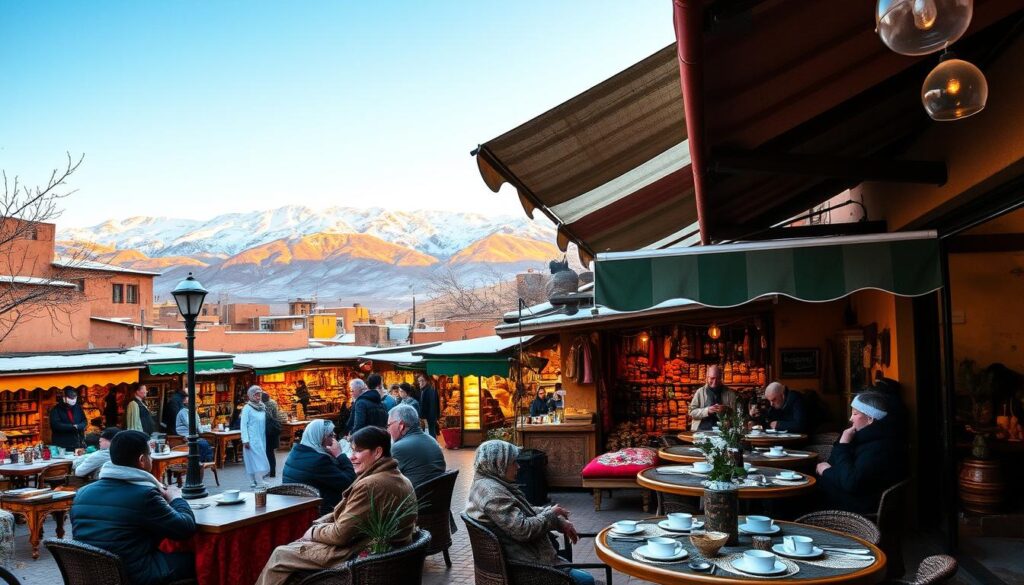
Morocco’s winter is a mix of snow in the Atlas Mountains and mild weather by the coast. It’s a great time for outdoor fun and exploring culture. This makes winter a fantastic season to visit Morocco.
Winter Weather Variations by Region
The weather in Morocco changes a lot from one place to another in winter. The Atlas Mountains get a lot of snow, perfect for sports. Meanwhile, places like Casablanca and Rabat are milder, and the desert is cooler.
- The Atlas Mountains are perfect for skiing and snowboarding.
- Coastal regions offer a pleasant winter climate.
- Desert areas are cooler, making them more accessible for exploration.
Winter Sports in the Atlas Mountains
The Atlas Mountains are a dream for those who love winter sports. You can ski, snowboard, and more in places like Oukaimeden. It’s Morocco’s highest ski resort.
Popular winter sports in the Atlas Mountains include:
- Skiing
- Snowboarding
- Snowshoeing
Winter Festivals and Holiday Celebrations
Morocco has many festivals and holidays in winter. You can join in New Year’s Eve, Christmas, and other local events. It’s a time to see the country’s lively culture.
Some notable winter festivals include:
- New Year’s Eve celebrations
- Christmas festivities
- Local cultural events
Our morocco weather guide helps you plan your trip during the best months. This way, you’re sure to have a fun and memorable time in Morocco.
Best Time of Year to Travel to Morocco for Different Activities
The best time to visit Morocco depends on what you want to do. Whether it’s exploring the desert, hiking, or relaxing on the beach. Morocco’s climate varies by region, so plan your trip based on your interests.
Desert Excursions and Sahara Visits
For desert trips and Sahara visits, the cooler months from October to February are best. The weather is mild, perfect for camel treks and dune exploration. You’ll enjoy the Sahara’s beauty without the summer heat.
Hiking and Mountain Exploration
Spring (March to May) and autumn (September to November) are great for hiking and mountain trips. The weather is mild, making trekking and exploration fun. The Atlas Mountains are stunning during these seasons, with lush greenery and clear skies.
Beach Vacations and Water Activities
Summer from June to August is perfect for beach trips and water sports. Coastal towns like Essaouira and Taghazout are ideal for surfing and relaxing. The warm weather and calm seas are great for water activities and beach fun.
To plan your Morocco trip well, visit Marrakech during the best months. This way, you can enjoy the city’s culture and activities without the crowds.
Regional Guide: When to Visit Morocco’s Major Cities
Knowing the best time to visit Morocco’s cities can make your trip better. Each city offers unique experiences, from cultural festivals to natural beauty. Each has its own best time to visit.
Marrakech: Optimal Visiting Months
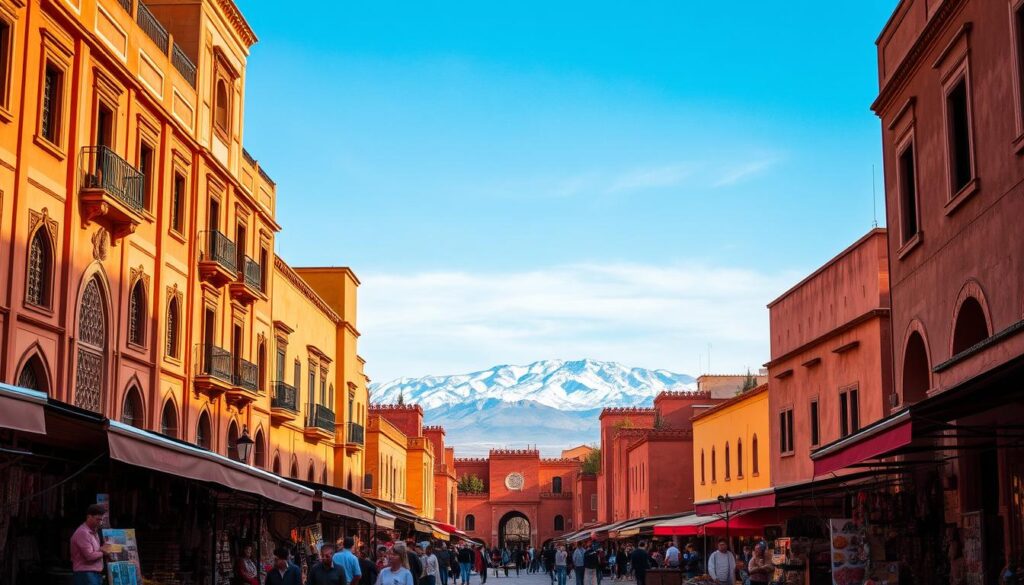
Marrakech is great all year, but spring (March to May) and autumn (September to November) are best. These times have nice weather, from 68°F to 82°F (20°C to 28°C). It’s perfect for exploring souks, landmarks, and trying local food.
Fez: Best Seasons for Exploration
Fez is best in spring or autumn. These seasons have comfortable weather, from 64°F to 75°F (18°C to 24°C). It’s great for exploring the ancient medina. But, avoid summer when it gets very hot.
Casablanca and Rabat: Ideal Times to Visit
Casablanca and Rabat have mild weather all year. Spring or autumn is best, with temperatures from 60°F to 75°F (15°C to 24°C). It’s perfect for visiting sites, enjoying beaches, and seeing modern attractions.
Chefchaouen and Northern Morocco
Chefchaouen is beautiful in spring or early summer. From April to June, it’s mild and flowers are in bloom. Autumn is also good, with fewer tourists and nice weather.
Here’s a quick guide to help plan your trip:
| City | Best Time to Visit | Weather Conditions |
|---|---|---|
| Marrakech | Spring (Mar-May), Autumn (Sep-Nov) | Pleasant temperatures (68°F-82°F / 20°C-28°C) |
| Fez | Spring, Autumn | Comfortable temperatures (64°F-75°F / 18°C-24°C) |
| Casablanca & Rabat | Spring, Autumn | Mild temperatures (60°F-75°F / 15°C-24°C) |
| Chefchaouen | Spring (Apr-Jun), Autumn | Mild temperatures, blooming flora |
Traveling to Morocco During Ramadan and Other Religious Periods
Traveling to Morocco during religious times means you must respect local customs. Morocco is a Muslim country, and Ramadan is a big part of their culture.
What to Expect During the Holy Month
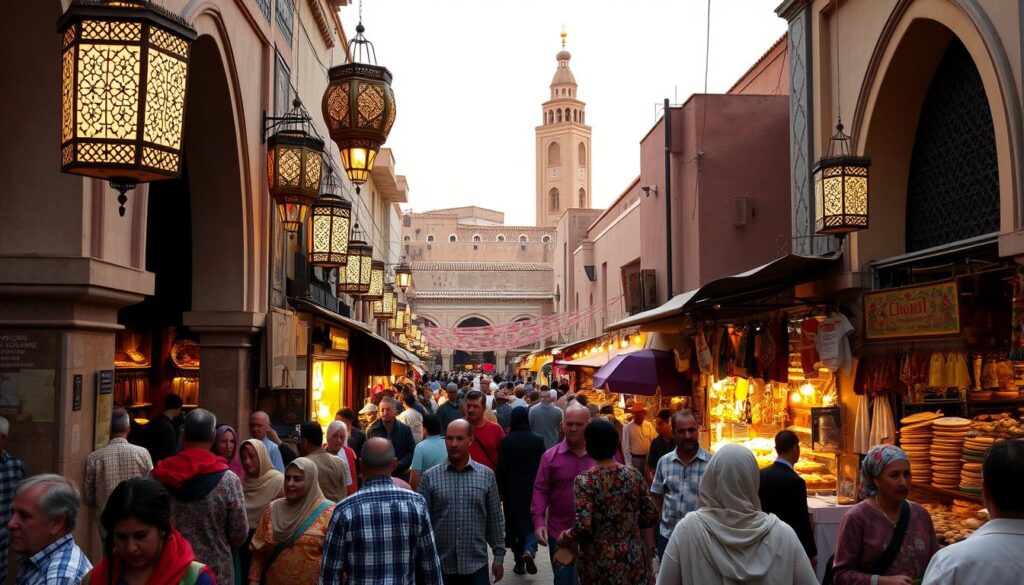
During Ramadan, many places to eat are closed during the day. It’s also not good to eat in public. But, the evenings are lively with families and friends sharing meals.
Key Experiences:
- Enjoy traditional Moroccan cuisine during iftar (break-fast) meals.
- Experience the lively Ramadan nights with music and cultural performances.
- Visit mosques and observe the Tarawih prayers.
Tips for Respectful Travel During Religious Observances
To travel respectfully and enjoyably, follow these tips:
| Tip | Description |
|---|---|
| Dress modestly | Cover your shoulders and knees as a sign of respect. |
| Be mindful of meal times | Eat in private or at designated areas during the day. |
| Respect local customs | Avoid public displays of affection and loud music. |
By knowing and respecting local traditions, you can have a rich experience in Morocco during Ramadan. The best time to visit Morocco depends on what you want to see. Whether it’s the lively culture during religious times or the nice weather, our Morocco weather guide can help.
Budget Considerations: Peak vs. Off-Season Travel
Choosing the right time for your Morocco trip is key. It’s not just about the weather. It’s also about saving money. Knowing the cost differences between peak and off-peak seasons can help plan your trip better.
High Season Costs and Considerations
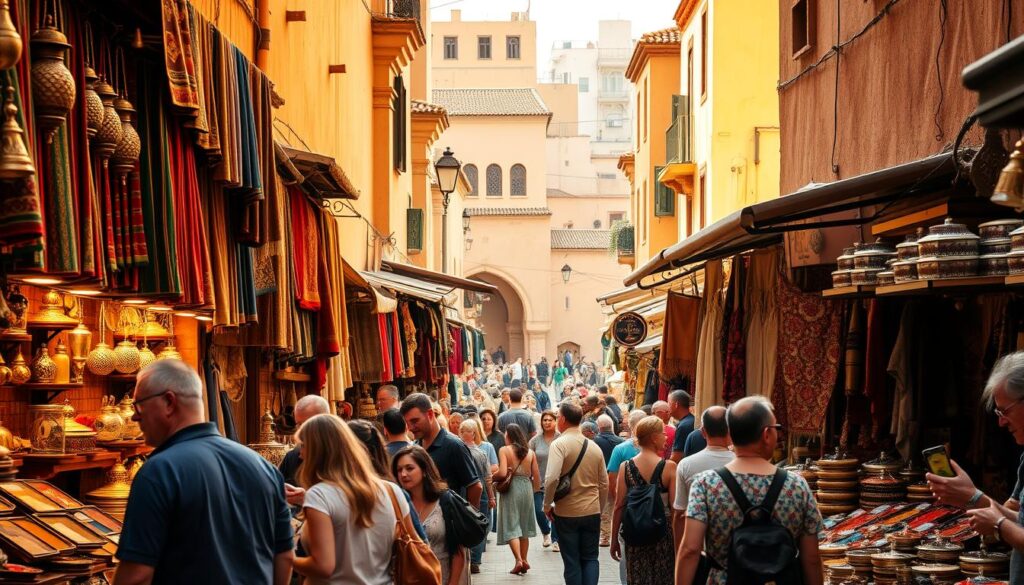
Traveling to Morocco in peak season, from March to May and September to November, costs more. Accommodation prices go up, and places get crowded. You’ll pay more for riads in Marrakech and other popular spots.
Prices for tours and activities also rise during these times.
Benefits of Traveling During Shoulder and Low Seasons
Visiting Morocco in the shoulder or low seasons can save you money. Prices drop when fewer people travel. The weather might be a bit unpredictable, but it’s still nice.
Traveling in the winter can lead to even bigger savings. Just be aware that some places might be closed.
Packing Guide for Morocco by Season
The Moroccan climate changes a lot depending on the season. Morocco’s weather varies across its regions and seasons. It’s key to pack right.
Spring and Fall Essentials
Spring (March to May) and fall (September to November) are great times to visit. The weather is mild. You’ll need:
- Lightweight clothes for warm days
- Layers for cooler mornings and evenings
- Comfortable shoes for walking
- Sun protection (sunscreen, hat, sunglasses)
Summer Must-Haves
Summer (June to August) is hot, especially in the desert. Remember to pack:
- Light, breathable clothes
- A hat and sunglasses for sun protection
- Sunscreen with high SPF
- A lightweight scarf or shawl for cooler evenings
Winter Packing List
Winters (December to February) can be cool, especially in the mornings and evenings. It’s cold in the mountains. Bring:
- Warm layers for cooler weather
- A waterproof jacket or umbrella for rain
- Warm clothes for the evenings
- Thermal underwear for cold mornings
Packing for the season ensures a comfortable trip to Morocco. You’ll enjoy your adventure more.
Transportation and Accessibility by Season
Knowing when to travel to Morocco is key for a smooth trip. The country’s roads and travel options change with the seasons. This affects how easy it is to get around.
Road Conditions Throughout the Year
Roads in Morocco change with the seasons. In winter, some mountain roads may close due to snow. Summer roads are clear but can be crowded with tourists. Always check the latest road conditions before you travel.
Knowing the road conditions helps avoid travel disruptions.
| Season | Road Conditions | Precautions |
|---|---|---|
| Winter | Mountain roads may be closed | Check weather forecasts |
| Summer | Busy with tourists | Plan for potential traffic |
Flight Availability and Prices by Season
Flights to Morocco change with the seasons. Prices are higher and flights more frequent in peak season, June to August. Off-season flights are fewer and cheaper.
Public Transportation Considerations
Public transport in Morocco runs all year but with different schedules. Book tickets early in peak seasons to secure a spot.
“The train is a comfortable way to travel in Morocco, with modern trains connecting major cities.” – Morocco Tourism Board
Understanding seasonal changes in transport helps plan your Morocco trip better. This way, you can enjoy your travel experience more.
Major Festivals and Events Calendar
Morocco is known for its diverse festivals and events. These show off the country’s traditions and modern culture. If you want to see Morocco’s rich culture or just enjoy the lively atmosphere, don’t miss these festivals and events.
Cultural and Religious Celebrations
Morocco’s cultural and religious celebrations are key to its identity. The country celebrates Islamic holidays like Eid al-Fitr and Eid al-Adha. These are marked with feasts, prayers, and family time.
The Mawazine Festival in Rabat is a big cultural event. It celebrates music, art, and culture with performances by artists from around the world.
The Marrakech Popular Arts Festival is another highlight. It showcases traditional Moroccan arts like music, dance, and handicrafts. These events offer a unique look into Morocco’s culture and are a great way to experience local traditions.
Music, Art, and Food Festivals
Morocco’s music scene is vibrant, with festivals like the Essaouira Gnawa Music Festival drawing visitors worldwide. This festival celebrates Gnawa music and culture, featuring local and international musicians.
The Fez Festival of World Sacred Music is another must-see. It offers a wide range of musical performances that highlight Morocco’s rich cultural heritage.
Food lovers will enjoy the Marrakech International Film Festival. While it’s mainly a film festival, it also celebrates Moroccan cuisine with culinary events. The Chefchaouen Arts Festival showcases local art, music, and food in the beautiful town of Chefchaouen.
Climate Change and Its Impact on Morocco’s Travel Seasons
Climate change is affecting Morocco, changing the usual travel seasons. Knowing these changes is key for a great trip to this varied North African country.
Shifting Weather Patterns
Morocco’s weather is getting more unpredictable. “Rising temperatures and changing rain patterns are hitting the country hard,” a recent report says. Expect more extreme weather, like hot summers and rainy winters.
Adapting Your Travel Plans to Climate Realities
Plan your Morocco trip with the weather in mind. For the Sahara Desert, skip the hottest summer months. Spring or fall are better with milder weather. For the Atlas Mountains, check the weather forecast to dodge snow or rain.
Being flexible and informed helps you enjoy Morocco, even with climate change. Always look up the latest weather before you go. Use a Morocco weather guide to plan your activities.
Conclusion: Making the Most of Your Moroccan Adventure
Now you know about Morocco’s climate and seasons. You can plan a trip that fits your needs. Morocco offers cultural experiences, outdoor adventures, and relaxing getaways.
Before you go, check the latest entry rules and travel advisories. Visit Morocco Camel Tours for the latest info.
Knowing the best time to visit Morocco will enhance your trip. Marrakech’s busy streets and the Sahara Desert’s calm landscapes await you. Morocco promises unforgettable experiences.



 Covers cities, coast, mountains, desert & food