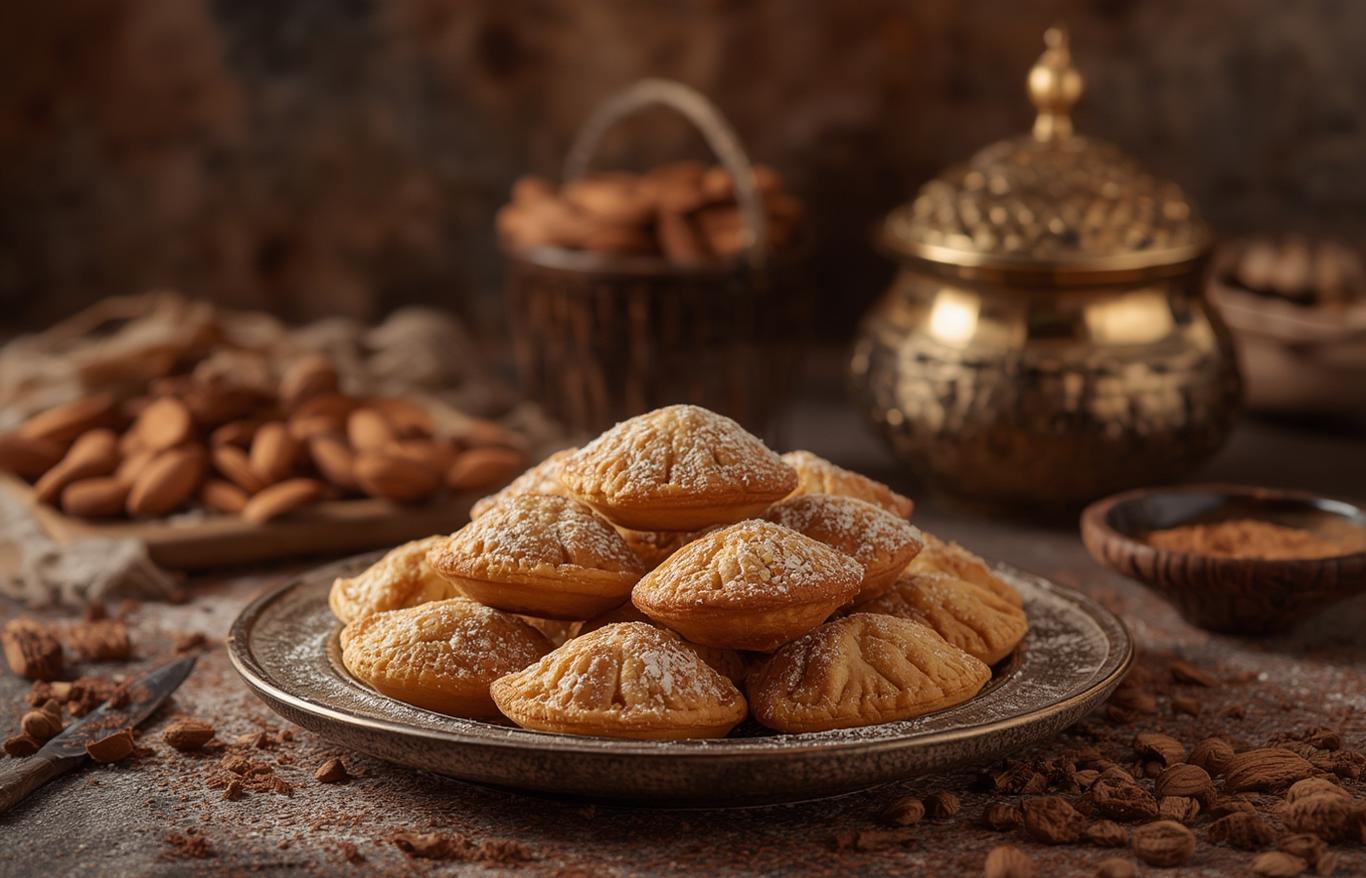
Stepping into a Moroccan patisserie is an assault on the senses, a vibrant tapestry of colors and heady aromas where mountains of sugary delights beckon. Among these treasures, Moroccan almond pastries reign supreme, offering a sophisticated sweetness and delicate texture that captures the essence of Moroccan hospitality. These aren’t just desserts; they are miniature works of art, each telling a story of tradition, meticulous preparation, and a deep appreciation for the humble almond. If you’re planning a trip to Morocco, or simply dreaming of one, understanding these exquisite almond-based sweets and knowing where to find the best ones is key to unlocking a truly authentic culinary experience.
The Allure of Almonds: Why Moroccan Pastries Love Them
Almonds hold a special place in Moroccan cuisine, symbolizing prosperity and good fortune. They are a cornerstone ingredient in many savory dishes, but it’s in the realm of sweets where their true versatility shines. Far from a mere flavoring, ground almonds form the very heart of many beloved Moroccan pastries. This isn’t just about taste; it’s about texture. When finely ground and mixed with sugar, orange blossom water, or sometimes a hint of cinnamon, almonds transform into a rich, pliable paste that can be molded, folded, and baked into an astonishing array of shapes and forms. The result is consistently moist, fragrant, and utterly addictive. This dedication to using high-quality almonds, often blanched and peeled by hand, is what elevates Moroccan almond pastries from simple confections to culinary masterpieces.
Iconic Moroccan Almond Pastries You Must Seek Out
While the variety of almond pastries seems endless, a few stand out as absolute must-tries for any visitor. Each offers a distinct experience, showcasing the incredible artistry of Moroccan bakers.
- Kaab el Ghazal (Gazelle Horns): Perhaps the most famous of all, these crescent-shaped pastries are instantly recognizable. A delicate, paper-thin dough (often made with flour and semolina) encases a rich, chewy almond paste filling, typically flavored with orange blossom water and a touch of cinnamon or mastic. They are lightly golden, often dusted with icing sugar, and their subtle sweetness is utterly captivating. Eating a Kaab el Ghazal is like biting into a cloud, a perfect blend of crispness and tender chewiness.
- Fekkas: These delightful, twice-baked biscotti-like cookies are also frequently almond-based. Often studded with whole or slivered almonds and sometimes raisins or anise seeds, they offer a satisfying crunch and a more robust texture than Kaab el Ghazal. Fekkas are ideal for dunking in mint tea, absorbing the warmth and flavor to create a truly comforting snack.
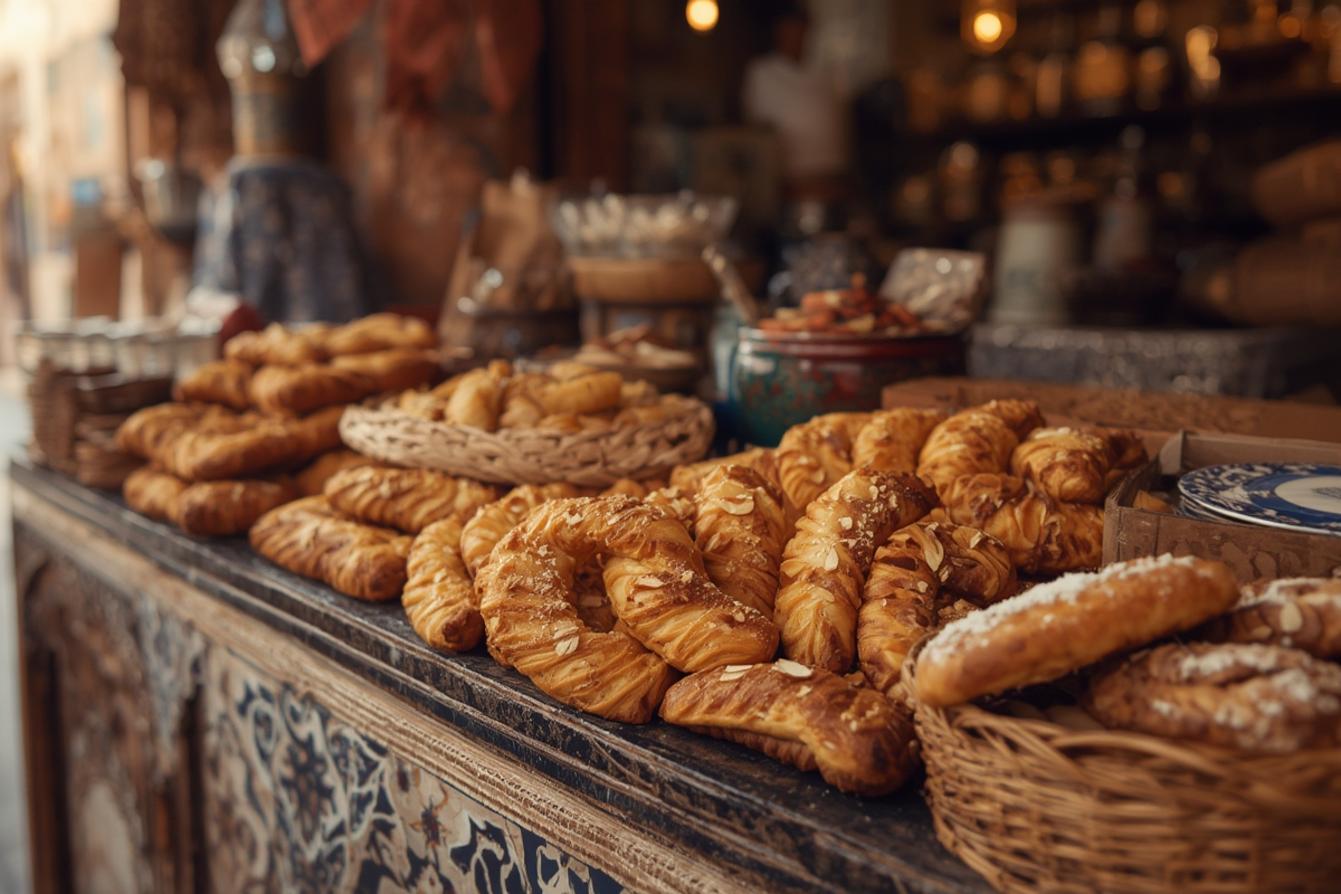
- Briouats: While some briouats are savory, the sweet versions are often filled with a delectable almond paste. These small, triangular, or rectangular parcels are made from crisp warqa pastry (similar to filo), fried until golden, then immediately dipped in a honey-orange blossom syrup. The contrast between the crunchy exterior and the warm, sweet, gooey almond interior is pure heaven. They are especially popular during Ramadan but are available year-round. This is where you’ll find the famous almond briouats – a true staple.
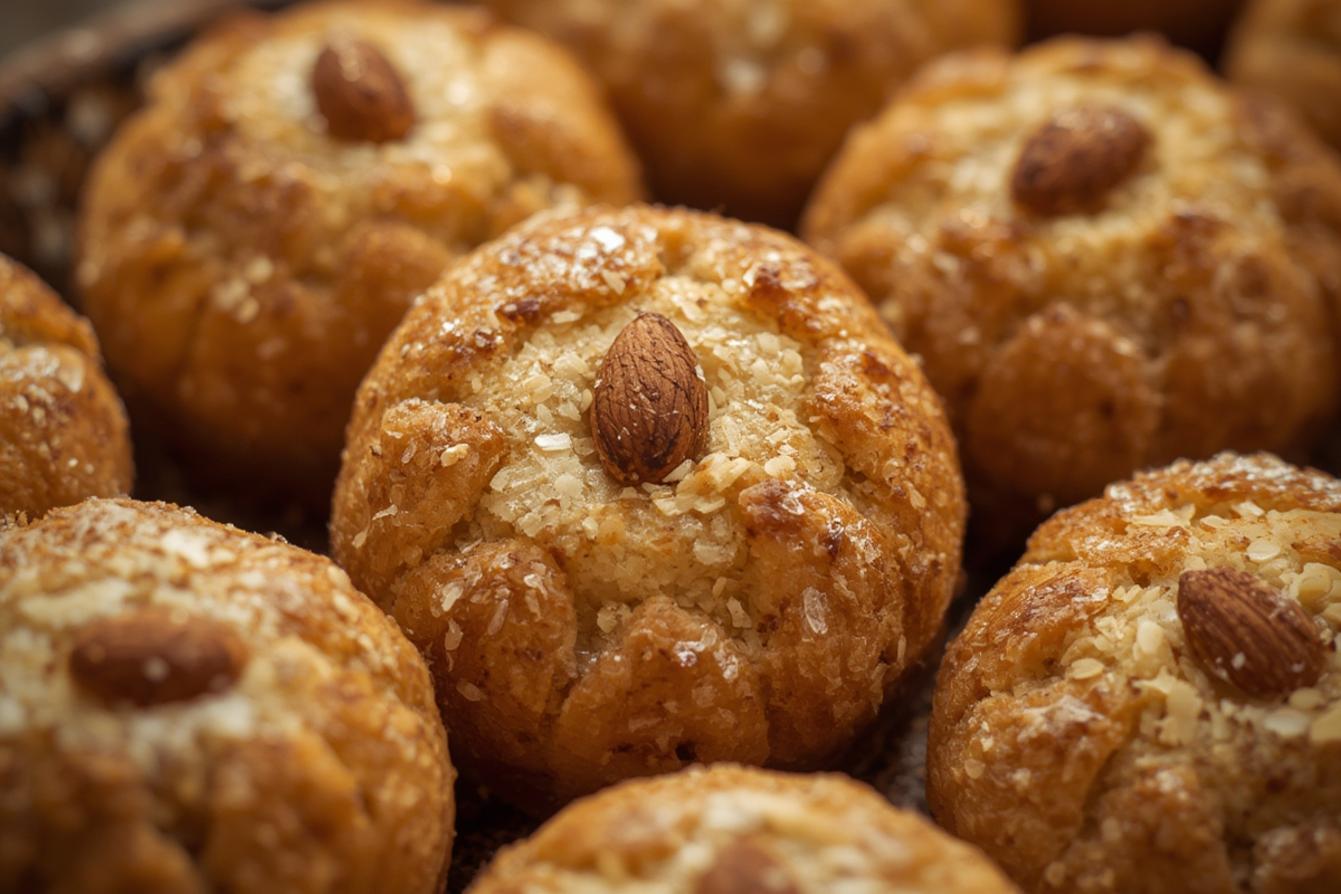
- Ghoribas: These round, crumbly cookies come in many variations, and the almond ghoriba is a particular favorite. Often cracked on top, giving them a rustic charm, they are wonderfully tender and melt-in-your-mouth. The almond paste is often mixed with semolina, giving them a unique texture. They are simple, comforting, and quintessentially Moroccan.
- M’hencha (Snake Cake): A more elaborate creation, M’hencha is a coiled, snake-like pastry also made from warqa and filled with a generous amount of almond paste. It’s baked until golden, then drizzled with honey and often garnished with slivered almonds or even candied fruit. This showstopper is often reserved for special occasions and communal gatherings due to its size and intricate appearance.
Where to Find the Most Authentic Moroccan Almond Pastries
Discovering the best Moroccan almond pastries is part of the adventure of exploring Morocco. While you’ll find them almost everywhere, some places specialize in these sweet delights, offering a superior experience.
Local Patisseries (Patisseries Traditionnelles): These are your best bet. Every town and city, from bustling Marrakech to serene Chefchaouen, will have numerous local bakeries and patisseries specializing in traditional Moroccan sweets. Look for shops with a vibrant display of pastries, often piled high behind glass counters. Don’t be shy; point to what you want, and the shopkeeper will usually package them beautifully for you. Some of the most renowned patisseries are in Fez and Marrakech, where the art of pastry making has been perfected over centuries.
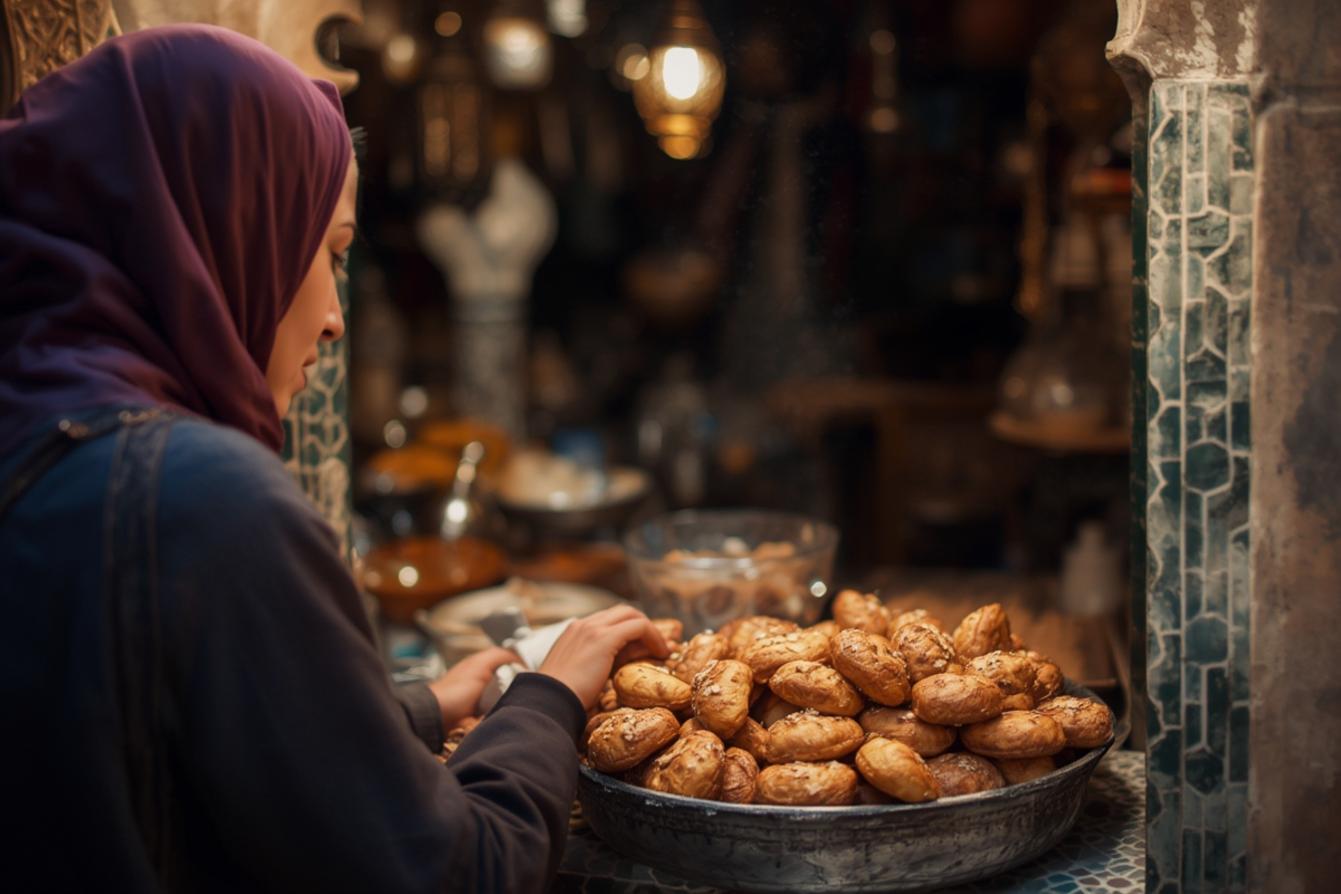
Souks and Markets: While generally known for spices and crafts, many souks will have small stalls dedicated to sweets. These might offer a more rustic, home-baked feel to the pastries. It’s a great way to sample different styles and perhaps even watch them being made.
Cafes: Many traditional Moroccan cafes serve a selection of pastries alongside their mint tea or coffee. This is a lovely way to enjoy a small selection in a relaxed setting, perfect for an afternoon treat or breakfast.
Restaurants (especially those specializing in Moroccan cuisine): High-end Moroccan restaurants often offer a stunning selection of traditional pastries as part of their dessert menu. While perhaps pricier, these can be beautifully presented and of exceptional quality.
Family-Run Businesses: Keep an eye out for smaller, family-run establishments. These often pride themselves on using age-old recipes passed down through generations, ensuring an authentic taste and a passion for their craft. Don’t underestimate the small, unassuming places – they often hold the best culinary secrets.
The Art of Purchasing and Enjoying Your Sweet Treats
Buying Moroccan almond pastries is an experience in itself. Here’s a little guidance to make the most of it:
- Buy by Weight or Piece: Most patisseries sell by weight (per kilo) for a mixed assortment or by the piece for larger items. Don’t hesitate to ask for a small quantity of several different types to sample.
- Freshness is Key: While many pastries keep well for a few days, they are always best when fresh. Look for shops that have a high turnover, indicating popular and freshly made goods.
- Pair with Mint Tea: The traditional pairing for these sweets is undoubtedly Moroccan mint tea. The refreshing, slightly bitter tea perfectly balances the sweetness of the pastries, creating a harmonious flavor profile.
- Take Them Home: Moroccan almond pastries make wonderful, authentic souvenirs for friends and family. Most patisseries can package them in sturdy boxes that travel well.
The Cultural Significance Behind Moroccan Almond Pastries
These sweets are more than just a delicious snack; they are ingrained in the fabric of Moroccan culture. They signify generosity, celebration, and hospitality. No special occasion in Morocco – be it a wedding, an engagement, a religious holiday like Eid, or even a simple family gathering – is complete without a lavish spread of various traditional pastries, with several types of Moroccan almond pastries often taking pride of place.
When you are invited into a Moroccan home, offering a plate of these sweets alongside piping hot mint tea is a gesture of profound welcome and respect. Sharing them is a communal act, fostering connection and conversation. Experiencing these pastries isn’t just about tasting sugar and almonds; it’s about participating in a deep-rooted cultural tradition that values warmth, sharing, and the simple joy of coming together. Whether you are wandering the souks of Marrakech or exploring the historical sites of Fez, seeking out these pastries will offer a delicious and meaningful glimpse into everyday Moroccan life and its beautiful traditions. For even more cultural insights and travel ideas, particularly in the south of the country, make sure to check out our guide to Moroccan almond pastries.
Conclusion
From the intricate perfection of Kaab el Ghazal to the honeyed crunch of briouats, Moroccan almond pastries offer a journey through flavor and tradition. They are a testament to Morocco’s rich culinary heritage, where simple ingredients are transformed into extraordinary treats. Seeking out and savoring these delightful confections is an essential part of any visit to Morocco, providing a sweet, memorable taste of its vibrant culture.
FAQs
What is the most famous Moroccan almond pastry?
The “Kaab el Ghazal” or Gazelle Horn is arguably the most famous Moroccan almond pastry. It’s a crescent-shaped pastry with a thin dough shell and a rich almond paste filling, often flavored with orange blossom water, known for its delicate texture and subtle sweetness.
Are Moroccan almond pastries very sweet?
While they are indeed sweet, Moroccan almond pastries often, especially the traditional ones, possess a balanced sweetness that is not overly cloying. The sweetness is typically complemented by the fragrant notes of orange blossom water, cinnamon, or simply the nutty richness of the almond itself.
Can I find gluten-free Moroccan almond pastries?
Many traditional Moroccan almond pastries are not strictly gluten-free due to the use of wheat flour in the dough (like in Kaab el Ghazal or warqa for briouats). However, some ghoribas might be made primarily with almond and semolina flour. It’s best to inquire directly at patisseries if you have a gluten intolerance.
How long do Moroccan almond pastries typically stay fresh?
Most Moroccan almond pastries, especially those without honey or syrup coatings, can stay fresh for several days, sometimes up to a week, when stored in an airtight container at room temperature. Honey-dipped varieties like sweet briouats are best consumed within 2-3 days for optimal crispness.



 Covers cities, coast, mountains, desert & food