
Planning a trip to Morocco is exciting, but picking the right time is key. Morocco’s varied landscapes and rich culture make every visit special. You can find something unique to enjoy all year round.
When you’re planning your trip, think about the weather, festivals, and tourist seasons. The optimal time to visit Morocco depends on what you’re looking for. Do you want to see the vibrant culture, beautiful landscapes, or exciting festivals?
Key Takeaways
- Morocco’s diverse climate means weather varies across regions.
- Major festivals like the Marrakech International Film Festival attract tourists.
- Peak tourist season is during spring and autumn.
- Researching Morocco travel tips can enhance your journey.
- Understanding the local culture can enrich your experience.
Understanding Morocco’s Climate and Seasons
To plan your trip to Morocco well, knowing the country’s climate is key. Morocco’s geography, with its coast, mountains, and deserts, shapes its climate.
Morocco’s Diverse Geographic Regions
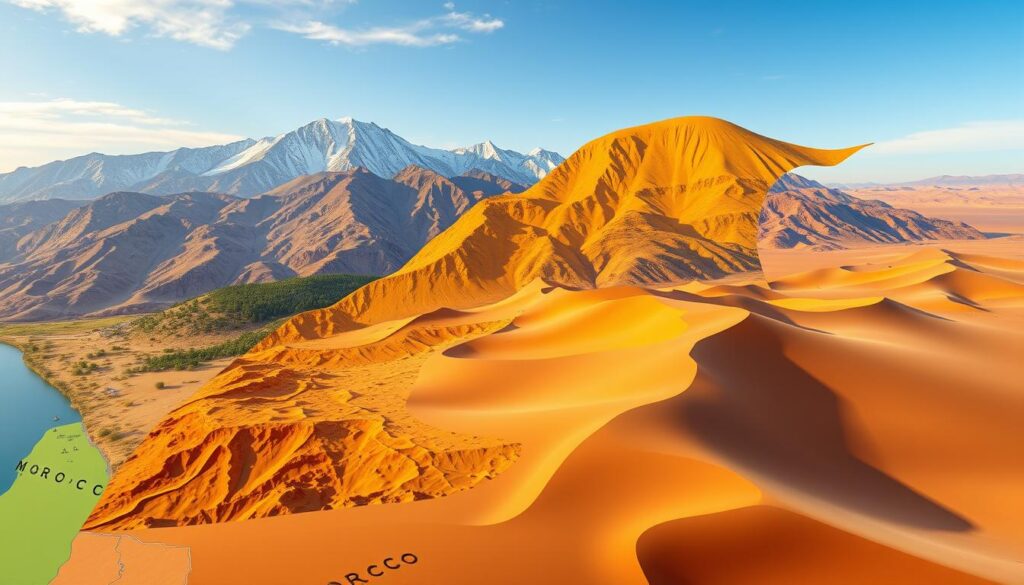
Morocco’s geography brings varied climates. The coast has a Mediterranean feel, with mild winters and warm summers. Inland, the weather is more extreme, with hot summers and cold winters.
The Atlas Mountains have a mountainous climate. They see a lot of snow in winter.
| Region | Climate Characteristics |
|---|---|
| Coastal Areas | Mild winters, warm summers |
| Inland Regions | Hot summers, cold winters |
| Atlas Mountains | Significant snowfall, cool summers |
| Desert Regions | Extremely hot summers, cold winters |
The Four Distinct Seasons
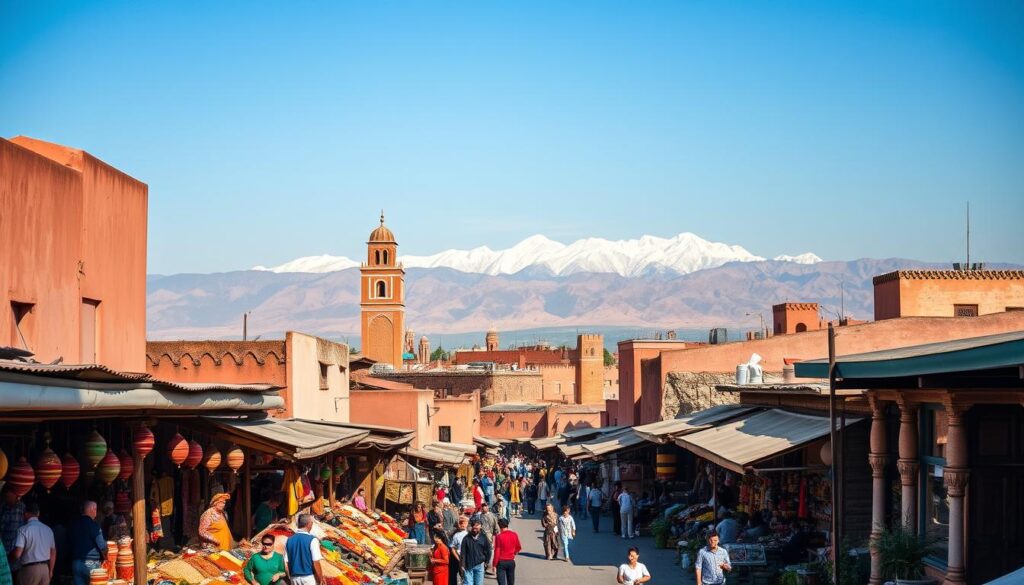
Morocco has four seasons: spring, summer, autumn, and winter. Spring (March to May) is great for visiting, with mild weather and beautiful landscapes. Summer (June to August) is hot, especially in the desert, but it’s the busiest time for tourists.
Autumn (September to November) is pleasant, with nice temperatures and fewer people. Winter (December to February) is cool, with rain in some places, but it’s a good time to see cities without the crowds.
Best Month to Go to Morocco: A Comprehensive Overview
Choosing the best time to visit Morocco depends on several factors. These include the weather, crowd levels, and cultural events. Knowing these will help you plan a better trip.
Spring (April-May): The Prime Season
Spring is the best time to see Morocco. The weather is mild, with temperatures between 64°F to 75°F (18°C to 24°C). It’s perfect for exploring cities like Marrakech and Fez.
You can also enjoy the blooming landscapes. The Moroccan culture shines through its festivals, like the Rose Festival in El Kelaa M’Gouna.
Fall (September-October): The Second-Best Option
Fall is another great time to visit Morocco. The weather is comfortable, with temperatures similar to spring. The crowds are smaller, making it easier to see popular spots.
You can also join the Date Festival in Erfoud and other local celebrations.
Balancing Weather, Crowds, and Costs
When planning your trip, balance weather, crowds, and costs. Spring and fall are the best for these. But, they’re also popular, so book early to save money.
| Season | Weather | Crowds | Costs |
|---|---|---|---|
| Spring (April-May) | Mild and pleasant | Moderate | Moderate to High |
| Fall (September-October) | Comfortable | Moderate | Moderate to High |
| Summer (June-August) | Hot | High | High |
| Winter (December-February) | Cool to Cold | Low | Low to Moderate |
Visiting Morocco in Winter (December-February)
Planning a trip to Morocco in winter? Here’s what you can expect. The weather can get quite chilly, especially in the mornings and evenings. But, winter is also a time for unique festivals and fewer tourists.
Weather Expectations and Regional Variations
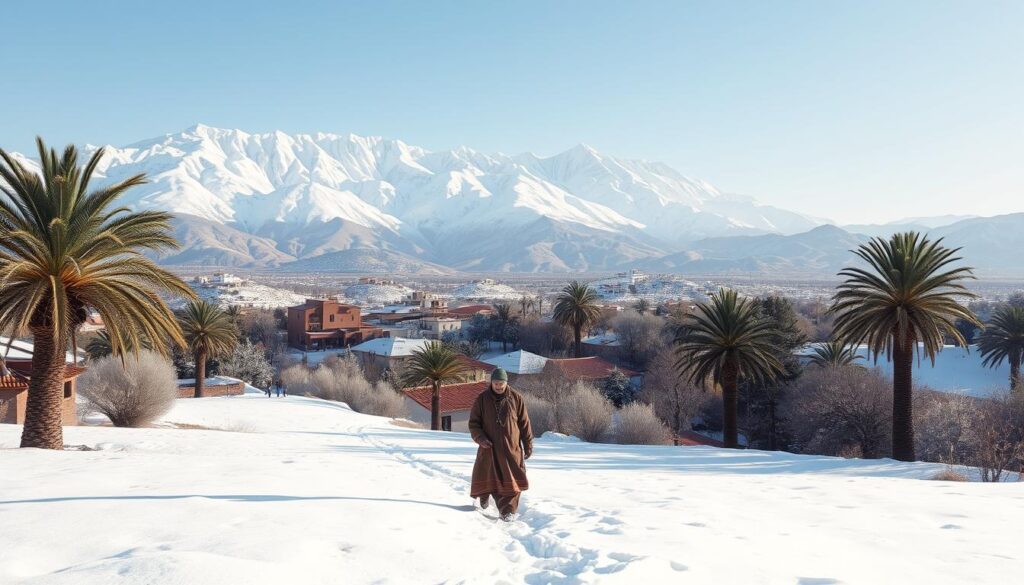
Morocco’s climate changes a lot in winter, depending on the region. The Atlas Mountains can be very cold, even snowy, perfect for winter sports. On the other hand, cities like Casablanca and Rabat have milder winters. The desert areas stay cool at night.
Knowing these differences helps you pack right and enjoy your trip more.
Winter Festivals: Yennayer and Almond Blossom Festival
Winter is a great time to see Morocco’s rich culture through its festivals. Yennayer, the Moroccan New Year, is on January 12th, starting the Berber New Year. Also, the Almond Blossom Festival in the Atlas Mountains happens in February, celebrating almond tree blooms.
These festivals give a unique look into local traditions. They’re definitely worth seeing. For more on the best times to visit Morocco and its festivals, check out this guide on when to visit Morocco.
Exploring Morocco in Spring (March-May)
Spring is a great time to see Morocco. The weather is mild, and there are many festivals. These festivals show off the country’s rich culture. As winter fades, the scenery turns colorful, perfect for travelers.
Perfect Weather for Sightseeing
The spring weather is pleasant, perfect for seeing Morocco’s sights. Temperatures are between 64°F and 75°F (18°C to 24°C). You can easily visit places like Marrakech’s souks or Volubilis’ ancient ruins. For more trip planning tips, check our FAQ page.
Spring Festivals: Rose Festival and Gnaoua Music
Spring in Morocco is filled with festivals. The Rose Festival in El Kelaa M’Gouna celebrates the rose harvest. It features music, dance, and traditional rituals. The Gnaoua World Music Festival in Essaouira is another highlight, drawing musicians and visitors worldwide. These festivals give a unique look at Morocco’s culture.
Blooming Landscapes and Natural Beauty
As spring goes on, the scenery gets even more stunning. The Atlas Mountains are covered in blooming almond trees. The valleys are full of wildflowers. Spring is perfect for hiking, photography, and outdoor adventures. 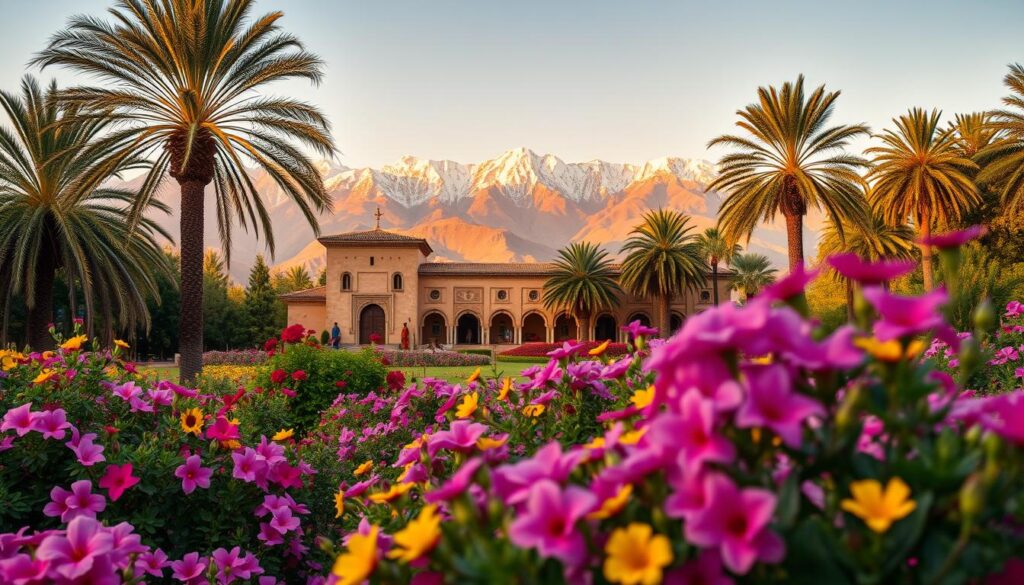
- Enjoy mild temperatures perfect for sightseeing.
- Experience vibrant cultural festivals like the Rose Festival.
- Explore the blooming landscapes and natural beauty.
Spring is a great time to visit Morocco. It offers cultural experiences, nice weather, and beautiful landscapes.
Summer Travel to Morocco (June-August)
Summer in Morocco is a busy time for tourists. The weather is warm, and there are many cultural events. It’s important to know how to handle the heat and enjoy the festivals.
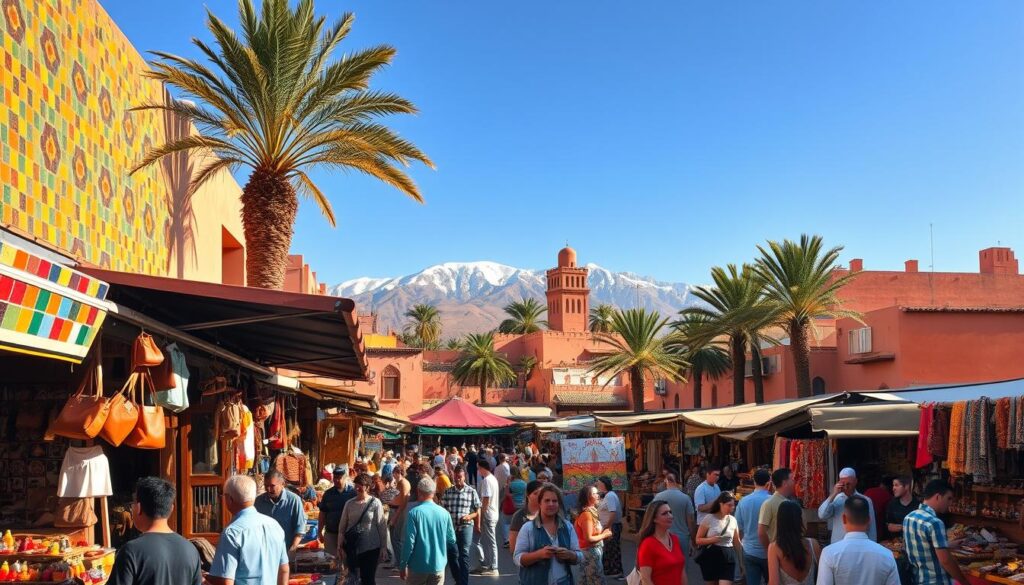
Managing the Heat in Popular Destinations
The summer can be very hot, especially in places like Marrakech. To enjoy your visit, explore cities early in the morning or late in the evening. Staying hydrated is key, so drink lots of water. Riads and hotels offer cool spaces, and you can find shade in gardens or enjoy the ocean breeze in places like Essaouira.
As one traveler said,
“The key to enjoying Morocco in the summer is to stay cool and hydrated, and to take advantage of the many indoor and outdoor activities available.”
This advice is very helpful when exploring the busy souks and historic sites.
Summer Festivals: Timitar and Essaouira Gnaoua Festival
Summer is a great time to see Morocco’s culture through its festivals. The Timitar Festival in Agadir celebrates Amazigh culture with music, dance, and art. It’s a great way to dive into local traditions and enjoy the lively vibe. The Essaouira Gnaoua Festival is another highlight, featuring musicians from all over to celebrate Gnaoua music.
These festivals are not just fun; they show Morocco’s rich cultural diversity. Enjoying the music and festivities lets you experience Moroccan culture firsthand. With events like these, your summer trip to Morocco will be unforgettable.
Fall Adventures in Morocco (September-November)
Morocco in the fall is a mix of culture and nice weather. The summer heat fades, making the landscapes more inviting. You can enjoy the cities, beaches, or the Atlas Mountains in comfortable weather.
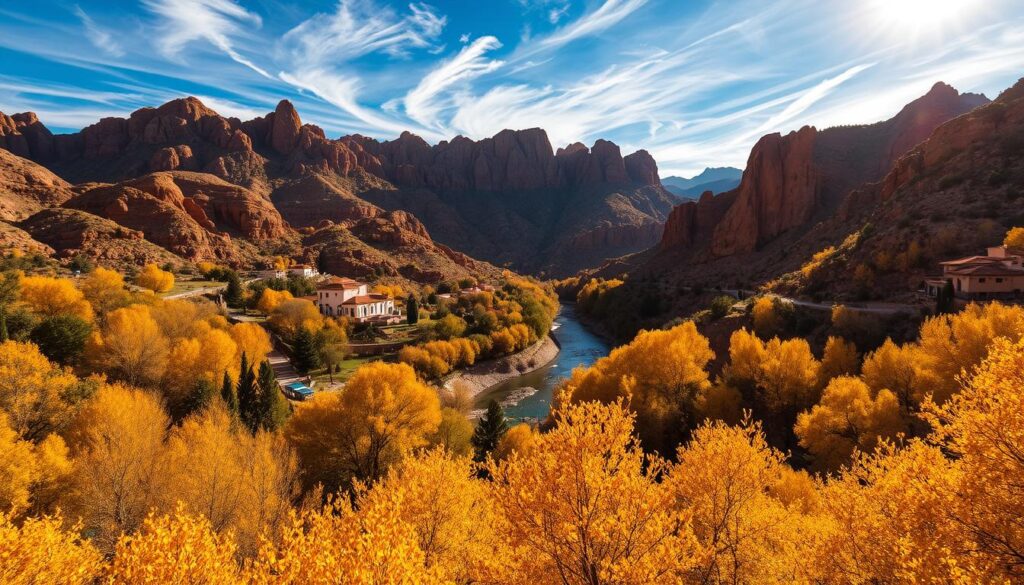
Mild Temperatures and Fewer Crowds
Fall in Morocco means mild weather. Daytime is warm, but not hot, and evenings can be cool, especially in the desert. With summer over, places are less crowded, making your visit more relaxed.
You can wander through souks and medinas without the rush. And, you’ll enjoy a peaceful stay at hotels.
Fall Festivals: Date Festival and Erfoud Date Festival
Fall in Morocco celebrates the harvest, especially the date harvest. The Date Festival and Erfoud Date Festival highlight the country’s farming traditions. These festivals offer a peek into local culture with music, dance, and food.
| Festival | Location | Date |
|---|---|---|
| Date Festival | Erfoud | October |
| Erfoud Date Festival | Erfoud | October |
Month-by-Month Guide to Morocco’s Weather
Knowing Morocco’s weather month by month is key for a great trip. The country’s varied geography means weather changes a lot. This is true across different areas and seasons.
January and February: Winter Conditions
January and February are Morocco’s coldest months. Temperatures range from 45°F to 65°F (7°C to 18°C). Expect cooler mornings and evenings, and maybe snow in the Atlas Mountains.
March and April: Spring Awakening
Spring starts in March and April. Temperatures are mild, from 60°F to 75°F (15°C to 24°C). It’s perfect for exploring. The countryside blooms, and the weather is nice everywhere.
May and June: Early Summer
May and June kick off summer. Temperatures hit 75°F to 85°F (24°C to 30°C). It’s great for beach trips and city explorations. The culture is lively, but it’s not too hot yet.
July and August: Peak Summer Heat
July and August are the hottest months. Temperatures often soar over 100°F (38°C) inland. Visit coastal or mountain areas for cooler weather during this time.
September and October: Pleasant Fall Weather
September and October are cooler, with temperatures from 65°F to 80°F (18°C to 27°C). They’re perfect for outdoor fun and sightseeing. The crowds are smaller, and the weather is lovely.
November and December: Early Winter
November and December usher in winter. Temperatures drop, especially in the mornings and evenings. It’s cooler, but still good for desert visits, where it’s milder.
Major Moroccan Festivals and When to Experience Them
Exploring Morocco’s festivals is a great way to dive into the country’s rich culture. Morocco is famous for its lively cultural scene. Many festivals happen all year, showing off the country’s unique traditions and customs.
Religious Celebrations: Ramadan, Eid al-Fitr, and Eid al-Adha
Morocco’s religious events give a peek into its Islamic heritage. Ramadan, a month of fasting, is a time for spiritual growth and community. It ends with Eid al-Fitr, a joyful celebration.
Another key event is Eid al-Adha, honoring Abraham’s sacrifice. For more info and to plan your trip, check out Morocco Desert Trips.
Cultural Festivals: Fes Festival of World Sacred Music
The Fes Festival of World Sacred Music is special. It brings musicians from all over to play sacred music. This festival celebrates music’s power to bring people together.
It’s a great way to see Morocco’s rich culture and enjoy the historic city of Fes.
Regional Celebrations: Moussem of Tan-Tan
The Moussem of Tan-Tan highlights Morocco’s cultural diversity. This festival gathers tribes to celebrate with music, dance, and traditional activities. It’s a unique chance to see Morocco’s cultural richness.
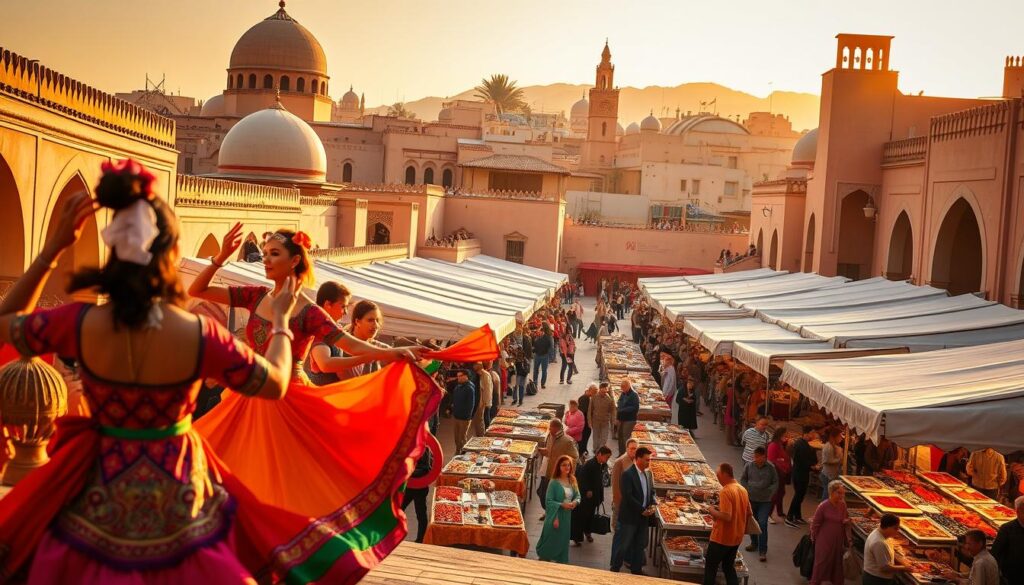
Morocco’s festivals are a big part of its culture, letting visitors see the local way of life. Whether you’re into religious events, cultural festivals, or local celebrations, Morocco has something for everyone.
Regional Considerations for Timing Your Visit
Morocco’s different areas have unique features that impact the best time to visit. Knowing these regional differences is key to a great trip.
Coastal Cities: Casablanca, Rabat, and Essaouira
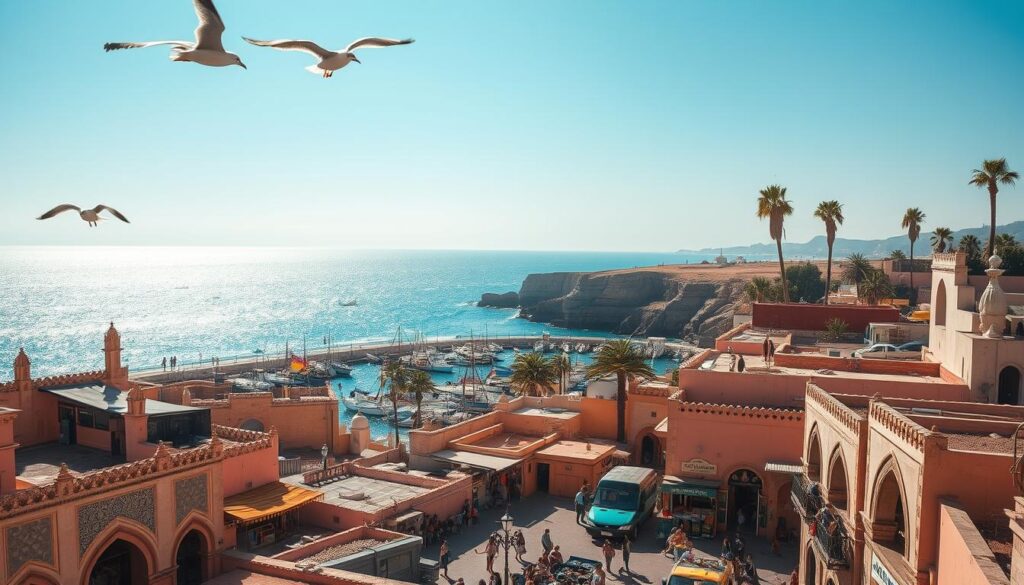
The coastal cities in Morocco have a milder climate than inland areas. Casablanca, Rabat, and Essaouira are nice all year, thanks to their moderate temperatures and sea breezes. These cities are perfect for visiting in spring (March to May) and autumn (September to November), when the weather is especially nice.
Imperial Cities: Marrakech, Fez, and Meknes
The imperial cities, like Marrakech, Fez, and Meknes, have more extreme temperatures. Summers are hot, and winters are cool. The best times to visit are spring (March to May) and autumn (September to November), when the weather is better for exploring.
Desert Regions: Merzouga and Zagora
The desert areas, such as Merzouga and Zagora, are best seen in the cooler months (October to April). The temperatures are easier to handle, making it great for desert trips and camel rides. Visiting in the peak summer months can be tough because of the extreme heat.
Budget Considerations: High Season vs. Low Season
Morocco can be a budget-friendly destination if you time your visit correctly. Knowing the differences between high and low seasons helps you save money. You won’t have to give up on experiences.
Peak Tourist Seasons and Price Fluctuations
Peak tourist seasons are spring (April-May) and fall (September-October). Prices for accommodations, tours, and travel services go up because more people are visiting. Expect to pay more for hotels and riads in cities like Marrakech and Fez. Also, popular tours and activities cost more during these times.
Here are some key factors that influence price fluctuations during peak seasons:
- Increased demand for accommodations and tour services
- Higher prices for flights and transportation
- Premium rates for popular tours and activities
Finding Deals During Shoulder Seasons
The shoulder seasons, like March to April and October to November, offer a good balance. You can find discounts on accommodations and tour packages during these times. They are perfect for budget travelers.
Some benefits of traveling during the shoulder seasons include:
- Fewer crowds at popular tourist sites
- Lower prices for accommodations and tours
- Pleasant weather conditions
By planning your trip during the shoulder seasons, you can enjoy a more affordable and relaxed Moroccan adventure.
Traveling to Morocco During Ramadan
Visiting Morocco during Ramadan is a unique chance to see the country’s spiritual side. It’s a time to learn about local customs and traditions. Knowing what to expect will help you enjoy your trip more.
What to Expect During the Holy Month
During Ramadan, Morocco feels calm and thoughtful. People fast from dawn to sunset. Tourists don’t have to fast, but it’s important to respect the tradition.
Many places close during the day, but open at night for iftar meals. The evenings are filled with traditional music and cultural events. It’s a special time to see Morocco’s heritage.
Tips for Respectful Travel During Ramadan
To travel respectfully, dress modestly and be careful during fasting hours. Don’t eat, drink, or smoke in public during the day. In the evenings, join iftar meals or cultural events to connect with locals.
Being thoughtful and prepared will make your trip to Morocco during Ramadan unforgettable.
Best Times for Specific Activities in Morocco
Morocco is great for many activities, each best at different times. You can explore the Sahara Desert, hike in the Atlas Mountains, enjoy beaches, or shop in souks and medinas. Knowing the best times can make your trip better.
Desert Excursions and Camel Treks
The best time for desert excursions and camel treks is from October to February. The weather is cooler, perfect for the Sahara Desert. You can see the dunes without the summer heat. For more tips, check Villanovo’s guide on the best times to visit.
Hiking in the Atlas Mountains
The best times for hiking in the Atlas Mountains are spring (March to May) and autumn (September to November). The weather is mild, and trails are less crowded. You’ll enjoy beautiful views of flowers in spring and harvests in autumn.
Beach Vacations and Water Sports
Beach vacations in Morocco are best from June to August. Coastal towns like Essaouira and Taghazout are lively then. The warm weather and long days are great for the beach.
Shopping in Souks and Medinas
Shopping in souks and medinas is possible all year. But, avoid July to August for fewer crowds. The cooler months (October to February) are also good for market visits, with pleasant weather.
Packing Tips for Different Seasons in Morocco
To enjoy your Moroccan adventure, knowing what to pack is key. Morocco’s weather changes a lot with the seasons. Being ready is essential for a comfortable trip.
Essential Items Year-Round
There are some must-haves for Morocco no matter the season. Always pack comfortable shoes for walking, sun protection like sunscreen and hats, and a light jacket for chilly nights. “The right clothes can really change your trip,” many travelers say.
Seasonal Clothing Recommendations
In spring and fall, bring layers for the day and night. For summer, choose light, airy clothes to stay cool. In winter, wear warmer clothes, especially in the morning and evening.
Cultural Considerations for Dress
Morocco values modesty, so dress accordingly. Make sure your clothes cover your shoulders and knees, especially in mosques or rural places. A local saying is, “Dressing modestly shows respect to the host culture.”
Weather Considerations for Popular Tourist Routes
When planning your trip to Morocco, knowing the weather is key. The country’s climate varies, so the best time to visit changes with your plans.
Popular routes in Morocco offer amazing experiences. But, the weather can change your trip. Let’s look at the best times to visit some top spots.
Imperial Cities Circuit: Optimal Timing
The Imperial Cities Circuit includes Marrakech, Fez, and Meknes. Spring (March to May) or fall (September to November) is best. These times have mild weather, perfect for city explorations.
Desert and Southern Route Weather Patterns
For a desert tour Morocco, winter (December to February) is cooler. It’s great for Sahara Desert trips without the heat. Just remember, it can get chilly at night.
Coastal Journey Planning
A coastal journey in Morocco is good all year. Cities like Casablanca, Rabat, and Essaouira have mild weather. They’re great for visits any time of the year.
Conclusion: Planning Your Perfect Moroccan Adventure
When planning your trip to Morocco, think about what makes a trip great. Knowing the weather, festivals, and different areas is key for a memorable trip.
Choosing the right month to visit Morocco means you’ll enjoy good weather and festivals. Morocco offers adventure, relaxation, or cultural experiences. Remember to consider the area, your budget, and what you want to do.
With these tips, you’re ready for Morocco. From busy markets to peaceful deserts, your adventure is waiting. Enjoy your trip by respecting local customs and knowing the weather.



 Covers cities, coast, mountains, desert & food