
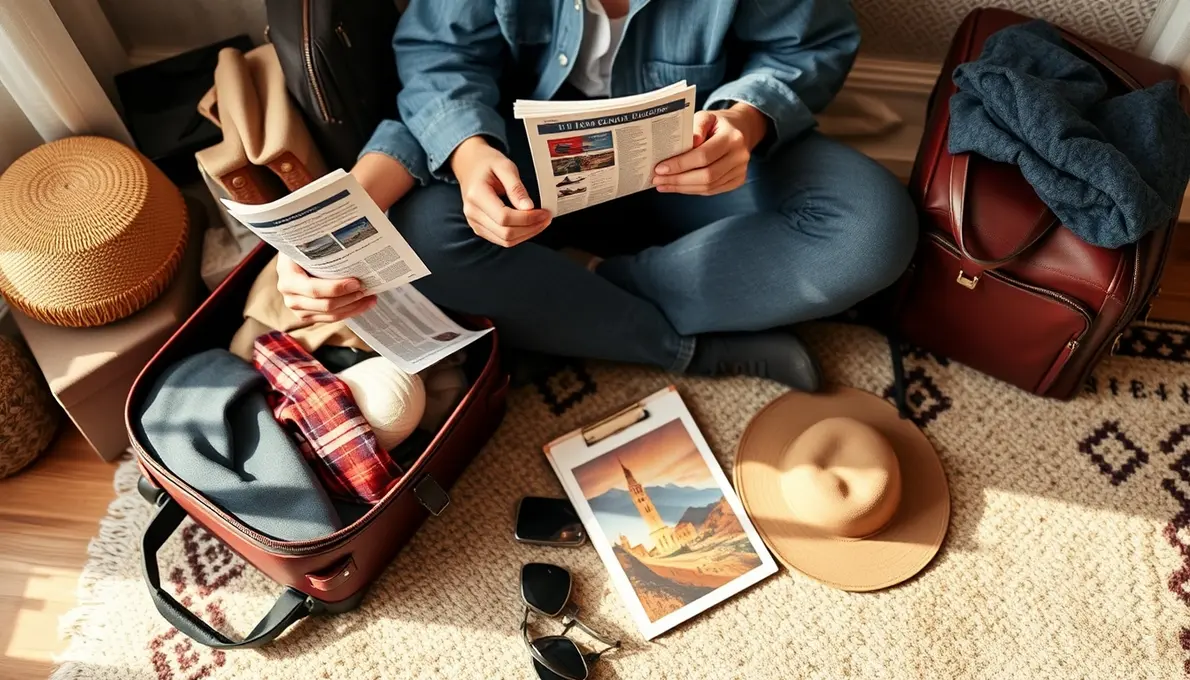
Planning a trip to Morocco’s stunning Atlas Mountains requires strategic foresight, especially when it comes to your luggage. Forget the notion of a simple beach holiday; successfully navigating the diverse terrain and microclimates of this majestic range hinges on smart Atlas Mountains packing tips. From invigorating multi-day treks through remote Berber villages to exploring breathtaking valleys, your comfort and safety depend on having precisely the right gear. This guide will help you prepare for a comfortable and unforgettable Moroccan adventure, ensuring every item in your bag serves a purpose.
Understanding the Atlas Mountains Climate and Terrain for Optimal Packing
The Atlas Mountains are vast and varied, ranging from the High Atlas with its towering peaks and snowy caps, to the Middle and Anti-Atlas with their greener valleys and more arid landscapes. This diversity translates directly into significant climatic differences that demand specific Atlas Mountains packing tips. At lower elevations and during warmer months (spring and autumn), days can be surprisingly hot and sunny, requiring protection from the sun’s intense rays. However, as you ascend, or during the cooler months (late autumn to early spring), temperatures can drop dramatically, particularly at night. Even in summer, evenings at higher altitudes can be chilly.
The terrain itself is rugged, often rocky, dusty, and uneven, with elevation changes that can be demanding. This means footwear, in particular, isn’t just about comfort, but also about safety and stability. Rivers and streams, especially after rainfall or snowmelt, may need to be crossed. Furthermore, cultural considerations play a role; while hiking in remote areas, modest attire is always respectful, especially when passing through villages where local customs are observed. Therefore, when compiling your packing list, think layers, durability, adaptability, and cultural sensitivity. Your goal is to be prepared for warm days and cold nights, sunny exposure and potential rain, and challenging trails while blending respectfully with local traditions.
Essential Clothing Layers: Mastering Temperature Fluctuations
The golden rule for packing for the Atlas Mountains is layering. This strategy allows you to easily adapt to the rapid temperature changes that are characteristic of mountain environments. Start with a moisture-wicking base layer, especially if you plan on significant activity like hiking. Materials like merino wool or synthetic fabrics are excellent choices as they draw sweat away from your skin, keeping you dry and comfortable. Cotton, while comfortable in some scenarios, can retain moisture and make you feel cold once you stop moving.
For your mid-layer, a fleece jacket or a lightweight down jacket is ideal. This provides insulation and warmth without excessive bulk. A mid-layer can be added or removed depending on whether you’re active, resting, or stopping for a meal. For evenings, especially at higher altitudes or in colder seasons, a warmer, more substantial mid-layer will be invaluable.
Finally, an outer shell is non-negotiable. This should be waterproof and windproof. Sudden rain showers are not uncommon, even outside of the wettest seasons, and strong winds can significantly lower the perceived temperature. A good quality waterproof jacket will protect you from the elements and can be easily stowed when not needed. Pair this with waterproof or water-resistant hiking trousers if you anticipate rain or prolonged exposure to damp conditions. For general trekking, durable, quick-drying hiking trousers are far more practical than jeans, which are heavy and take a long time to dry if they get wet. Don’t forget comfortable t-shirts or long-sleeved tops for daily wear, ensuring they are breathable.
Footwear and Foot Care: Paving the Way for Comfortable Trekking
Your feet are your most valuable assets on an Atlas Mountains adventure, making appropriate footwear and meticulous foot care paramount. When it comes to Atlas Mountains packing tips for shoes, leave the fashion sneakers at home. You’ll need sturdy, broken-in hiking boots that offer good ankle support and a robust, grippy sole. This is crucial for navigating uneven, rocky, and potentially slippery trails. Ensure your boots are waterproof or at least water-resistant, as you might encounter streams, muddy patches, or unexpected rain.
Beyond your primary hiking boots, consider packing a pair of comfortable camp shoes or sandals. These are perfect for giving your feet a break after a long day of trekking, for wearing around your guesthouse or camp, or for shorter, easier strolls. In some areas, flip-flops might be suitable for very light walking, but sturdy sandals with good arch support are a better all-around choice.
Socks are just as important as your boots. Invest in high-quality hiking socks made from merino wool or synthetic blends. These materials help prevent blisters by wicking away moisture and providing cushioning. Avoid cotton socks for hiking, as they retain moisture, leading to discomfort and increased risk of blisters. Pack several pairs, enough for each day of significant trekking, plus an extra pair as a backup. Changing into fresh, dry socks daily can make a huge difference to your foot health. Carrying a small first-aid kit with blister plasters, antiseptic wipes, and pain relievers is also wise, as even the best preparation can’t always prevent minor foot issues.
Navigating the Sun, Dust, and Elements: Essential Accessories
The Moroccan sun, especially at altitude, is incredibly powerful. Protecting yourself from its rays, as well as from dust and changing weather, is crucial for an enjoyable and safe trip. A wide-brimmed hat or a baseball cap is a must-have to shield your face and neck from direct sunlight. Combine this with high-SPF sunscreen, applied liberally and frequently, even on cloudy days. Don’t forget about your lips – a lip balm with SPF will prevent painful chapping.
High-quality sunglasses with UV protection are also essential. The glare from the sun hitting rock faces can be intense and lead to eye strain. A pair of trekking poles can be incredibly beneficial, especially if you have sensitive knees or are carrying a heavy pack. They provide stability on uneven terrain, help with balance during river crossings, and reduce strain on your joints during descents.
For the dry and dusty conditions often found in the Atlas Mountains, a lightweight scarf or buff is invaluable. It can protect your face from dust, shield your neck from the sun, or even provide a bit of warmth around your ears on a chilly evening. A small, quick-drying towel is also useful for personal hygiene or for quickly drying off after an unexpected downpour. Staying hydrated is non-negotiable; carry a reusable water bottle or a hydration reservoir. Access to clean drinking water can be limited in remote areas, so a water filter, purification tablets, or a SteriPen can be lifesavers. While you may find bottled water in villages, relying on a purification method reduces plastic waste and ensures you always have access to safe water. For more general travel insights, you might find hiking gear Morocco related resources helpful.
Practical Considerations and Miscellaneous Items
Beyond clothing and primary gear, a few practical considerations and miscellaneous items will significantly enhance your Atlas Mountains experience. A reliable backpack is at the top of this list. Depending on the length of your trip and whether you’ll have porters or mules, you’ll need either a daypack for daily excursions or a larger trekking pack. Ensure it’s comfortable, well-fitting, and preferably water-resistant. If not, pack a rain cover for it.
Navigation tools are essential. While guides are highly recommended for safety and to support local communities, having a physical map and a compass, or using offline maps on your smartphone (with a portable power bank, of course), provides a backup. Speaking of electronics, a power bank is crucial for charging phones, cameras, and headlamps, as electricity access will be sporadic or non-existent in remote areas. A headlamp or flashlight is also vital for navigating after dark, whether within a guesthouse or on an early morning start to a hike.
Personal hygiene items should be kept compact and biodegradable where possible. Wet wipes, hand sanitizer, and a small amount of basic toiletries are usually sufficient. Don’t forget any personal medications you might need. A small first-aid kit stocked with pain relievers, bandages, antiseptic wipes, blister treatment, and any personal prescriptions is non-negotiable for self-sufficiency in remote areas. Finally, bringing some small denominations of Moroccan Dirham is always a good idea for purchasing snacks, drinks, or small souvenirs in villages where card payments are not accepted. You may also want a small notebook and pen to jot down observations or useful phrases.
Cultural Sensitivity and Responsible Travel Essentials
When packing for the Atlas Mountains, it’s not just about what you need for yourself, but also about what shows respect for the local culture and environment. Morocco is a predominantly Muslim country, and while locals in trekking areas are accustomed to tourists, modest dress is always appreciated, particularly when passing through villages or visiting religious sites. For women, this means avoiding overly revealing clothing. Long trousers or skirts and tops that cover the shoulders and décolletage are appropriate. For men, shorts that reach the knee are generally acceptable, though long trousers are always a safe bet. This approach aligns with respectful travel and helps you integrate more smoothly into local life.
Beyond clothing, carrying a small handful of gifts for children you might encounter (small stationery items, balloons, or candies) can be a lovely gesture, but distribute them respectfully and sparingly. Remember to practice Leave No Trace principles: pack out everything you pack in, including all your rubbish. Avoid leaving plastics or waste in the mountains. This helps preserve the pristine natural beauty of the Atlas Mountains for future generations and supports the livelihoods of local communities who depend on tourism. Supporting local guides, muleteers, and guesthouses not only enriches your experience but also directly contributes to the local economy. For more on local attractions and cultural experiences, you can explore offerings like Atlas Mountains packing tips alongside other Moroccan destinations. Being a responsible traveler enhances your adventure and leaves a positive impact.
Conclusion
Preparing for your Atlas Mountains adventure with thoughtful Atlas Mountains packing tips is the first step toward an incredibly rewarding experience. By focusing on layered clothing, sturdy footwear, essential sun and dust protection, and practical miscellaneous items, you’ll be well-equipped to handle the majestic range’s varied climates and challenging terrain. Remember to pack not just for comfort and safety, but also with cultural sensitivity and environmental responsibility in mind. Your well-packed bag will contribute significantly to a comfortable, respectful, and unforgettable journey through Morocco’s breathtaking High Atlas.
FAQs
What kind of clothing is best for trekking in the Atlas Mountains?
Layering is key. Start with a moisture-wicking base layer (synthetic or merino wool), add an insulating mid-layer like fleece or a lightweight down jacket, and finish with a waterproof and windproof outer shell. Quick-drying hiking trousers are better than jeans. Remember to pack modest clothing for cultural sensitivity, especially when passing through villages.
Do I need special shoes for hiking in the Atlas Mountains?
Yes, sturdy, broken-in hiking boots with good ankle support and a strong grip are essential due to the rocky and uneven terrain. Ensure they are waterproof or water-resistant. Also, pack comfortable camp shoes or sandals for evenings and a few pairs of quality moisture-wicking hiking socks to prevent blisters.
What are the must-have items for sun and dust protection?
A wide-brimmed hat or cap, high-SPF sunscreen, and sunglasses with UV protection are crucial for sun protection. A lightweight scarf or buff is invaluable for shielding your face from dust and sun, and can also provide warmth.
Should I bring a water filter or purification tablets?
Absolutely. While some villages may offer bottled water, access to clean drinking water in remote areas can be limited. A water filter, purification tablets, or a SteriPen allows you to purify local water sources, ensuring hydration and reducing plastic waste. Always carry a reusable water bottle or hydration reservoir.





 Covers cities, coast, mountains, desert & food