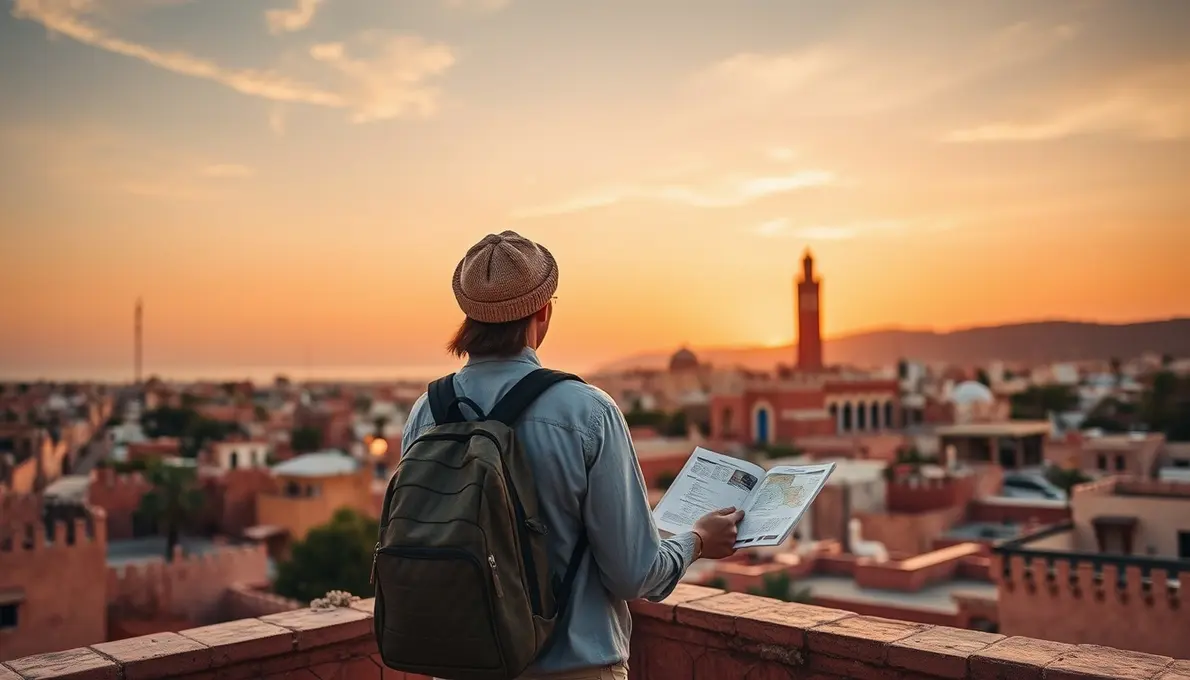
Embarking on a journey to Morocco is an exhilarating prospect, promising a tapestry of vibrant souks, ancient medinas, breathtaking landscapes, and welcoming culture. To truly savor this unique experience, understanding the essential preparations is key. This comprehensive guide to Morocco travel essentials will equip you with all the must-pack items and smart tips you need to ensure a smooth, comfortable, and memorable adventure. From understanding local customs to curating the perfect wardrobe, we’ll delve into the specifics that will transform your trip from good to extraordinary, focusing squarely on what you need to bring and how to best prepare.
Decoding Your Morocco Travel Essentials: Clothing & Comfort
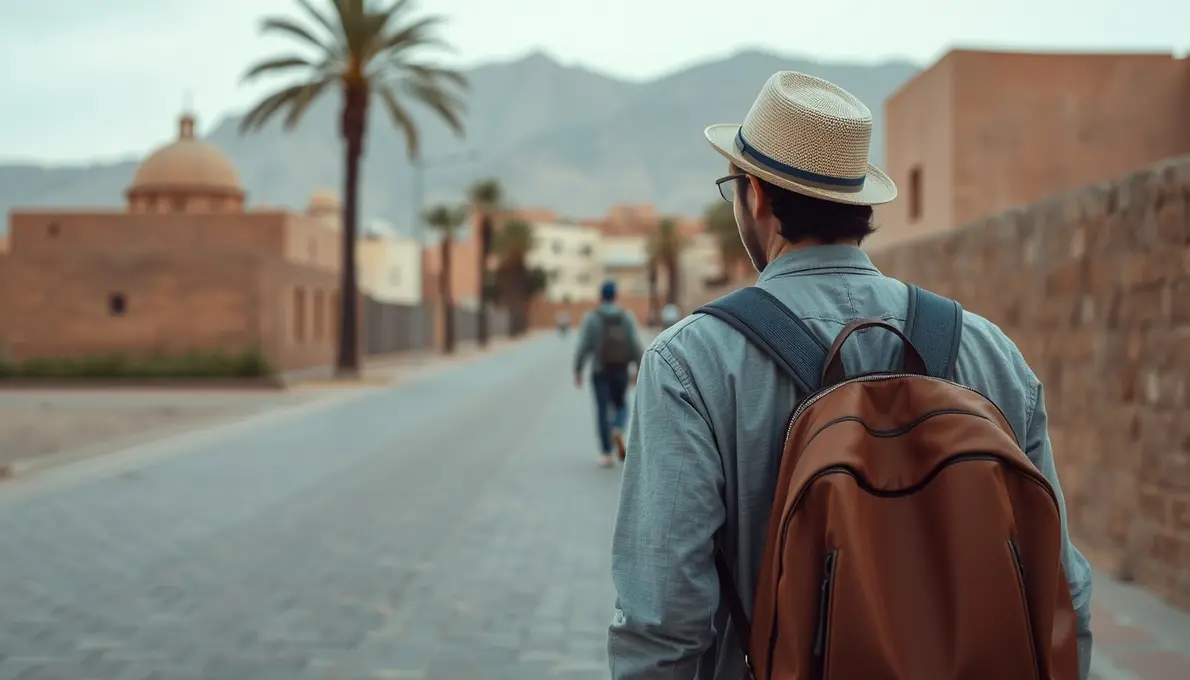
When planning your attire for a Moroccan adventure, comfort and cultural respect go hand-in-hand. Morocco is a predominantly Muslim country, and while attitudes in major cities like Marrakech and Casablanca can be more relaxed, it’s always advisable to dress modestly to show respect for local customs and avoid unwanted attention. This doesn’t mean sacrificing style or comfort, but rather making thoughtful choices.
For women, long dresses, skirts, or loose-fitting trousers are ideal. Pairing these with tops that cover your shoulders and cleavage will ensure you blend in more easily. Lightweight scarves are incredibly versatile Morocco travel essentials; they can be used to cover your head when entering religious sites, provide warmth on cooler evenings, or shield you from the sun during the day. Avoid overly revealing clothing such as short shorts, mini-skirts, or bare midriffs.
Men will find long shorts or trousers, along with t-shirts or collared shirts, to be perfectly suitable. While it’s observed that local men often wear longer pants, tourist men wearing knee-length shorts are generally accepted, especially in tourist-heavy areas. However, for a more respectful approach, particularly when visiting more conservative regions or religious sites, longer trousers are recommended.
Fabrics are also crucial. Opt for breathable, natural materials like cotton, linen, or bamboo. These will help you stay cool in Morocco’s often-warm climate, especially during the spring, summer, and autumn months. Fast-drying fabrics are also a bonus if you plan on hand-washing clothes during your trip. Remember that evenings, particularly in the desert or mountainous regions, can get surprisingly chilly, so packing a light jacket or a warm cardigan is a wise decision, even in warmer seasons. Layering is always a smart strategy for adapting to changing temperatures throughout the day.
Footwear is another critical component of your Morocco travel essentials. You’ll likely be doing a lot of walking, especially when exploring the winding alleyways of the medinas or hiking in the Atlas Mountains. Comfortable, closed-toe walking shoes or sturdy sandals are non-negotiable. Ensure they are well broken-in before your trip to prevent blisters. If you plan on visiting the desert, consider a pair of shoes that can be easily cleaned of sand, or simply bring sturdy sandals for walking on the dunes.
Health, Hygiene, and Personal Care: The Practical Morocco Travel Essentials
Staying healthy and comfortable on your trip to Morocco involves a few key considerations for your personal care kit. While you can find most standard toiletries in larger cities, having your preferred brands and specific items with you can save time and ensure continuity in your routine.
A basic first-aid kit is paramount among your Morocco travel essentials. This should include band-aids, antiseptic wipes, pain relievers (like ibuprofen or acetaminophen), any personal prescription medications (along with a copy of your prescription), antacids, and anti-diarrhea medication. Traveller’s diarrhea can sometimes occur, so being prepared is always best. Hand sanitizer is also indispensable, especially when you’re out and about exploring bustling markets and before meals.
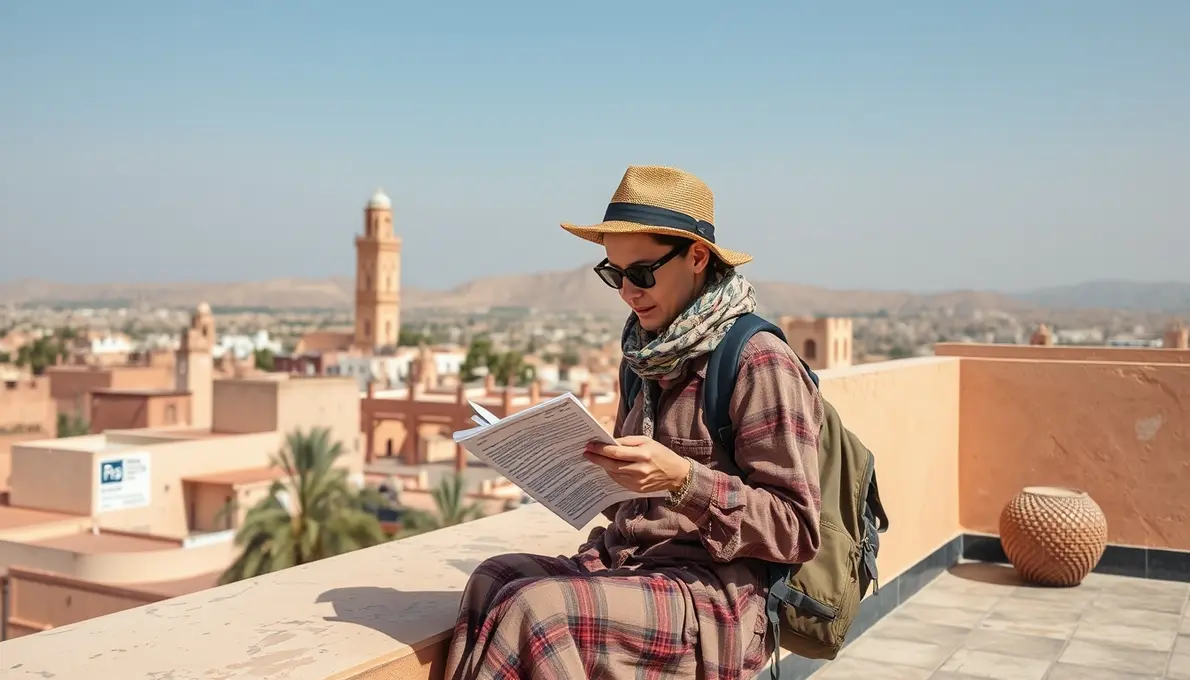
Sun protection is incredibly important. Morocco enjoys abundant sunshine, so a high SPF sunscreen, a wide-brimmed hat, and sunglasses are absolute must-haves to protect your skin and eyes from harmful UV rays. Lip balm with SPF is also a good idea. Hydration is another key factor; consider bringing a reusable water bottle that you can fill with bottled water. Tap water in Morocco is generally not safe for drinking by Western standards.
When it comes to toiletries, remember that many boutique riads and hotels might provide some items, but it’s always safer to bring travel-sized versions of your shampoo, conditioner, soap, and toothpaste. Moist wipes are also incredibly useful for quick freshen-ups throughout the day. Women should also consider packing any specific feminine hygiene products they prefer, as selection might be limited in smaller towns.
Insect repellent can be beneficial, particularly if you’re visiting during warmer months or planning to spend time in rural areas or near water bodies, especially at dusk. While malaria is not a significant concern in most tourist areas of Morocco, avoiding mosquito bites is always a good practice.
Lastly, due to the dry climate, a good moisturizer for your skin and hair can prevent dryness and keep you feeling refreshed. These small but significant additions to your packing list will greatly enhance your comfort and well-being, allowing you to focus on the wonders of Morocco.
Navigating Currency, Communication, and Connectivity
Efficiently managing your money and staying connected are crucial Morocco travel essentials for a hassle-free trip. Morocco’s official currency is the Moroccan Dirham (MAD). While credit cards are accepted in many larger establishments and hotels, cash is King, especially in souks, smaller shops, and for taxis or tipping.
It’s advisable to carry a mix of cash and cards. You can exchange your home currency for Dirhams at banks or official exchange offices upon arrival at the airport or in major cities. ATMs are widely available in urban areas. Inform your bank of your travel plans to avoid any card freezes. When using ATMs, be aware of transaction fees. Changing a small amount of currency before you leave home can be convenient for immediate expenses upon arrival. Always keep smaller denominations of Dirhams handy for bargaining in markets and for small purchases.
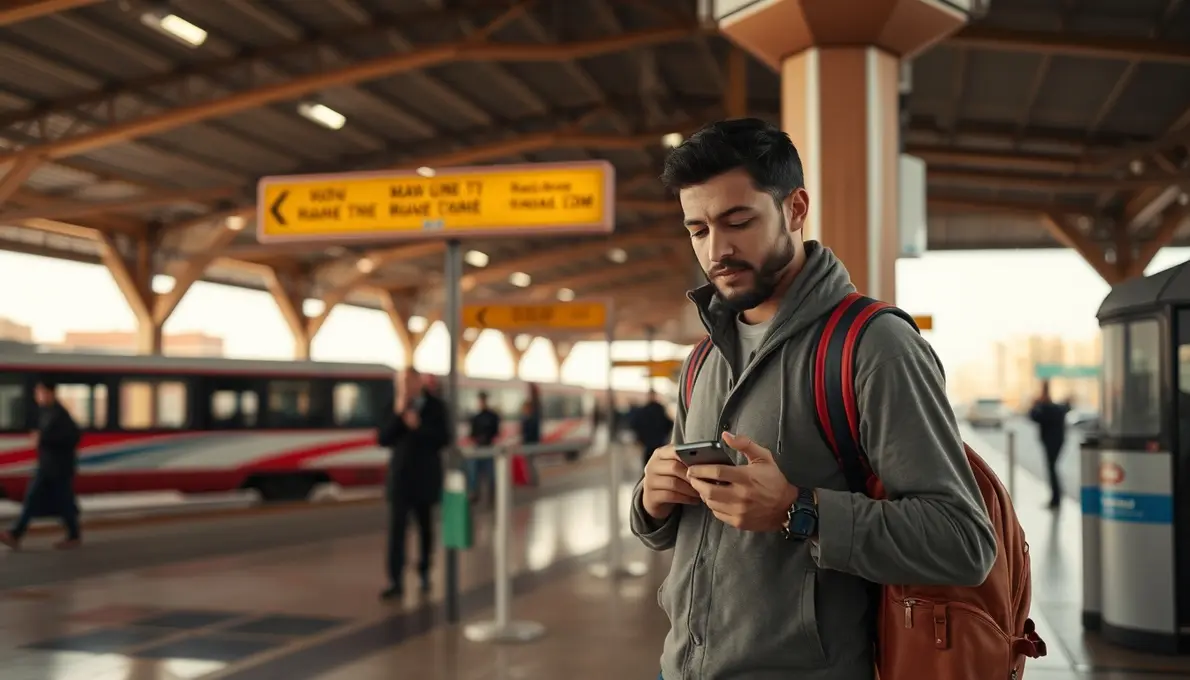
For communication, Wi-Fi is generally available in hotels, riads, and many cafes in tourist areas. However, for constant connectivity, especially if you plan to use navigation apps or stay in touch with family, consider purchasing a local SIM card upon arrival. Major providers like Maroc Telecom, Orange, and Inwi offer affordable data plans. This can be significantly cheaper than international roaming charges from your home network and allows you to make local calls if needed. Ensure your phone is unlocked before you travel to use a local SIM.
A portable power bank is another essential. You’ll likely be using your phone or camera frequently for photos, navigation, and communication, and finding an outlet might not always be convenient, especially during long days of exploring or if you’re staying in a more traditional riad. Morocco uses Type C and Type E European standard plug sockets, with a voltage of 220V. If your devices use different plugs, you’ll need a universal travel adapter.
Having a physical map or a downloaded offline map on your phone can be a lifesaver, especially when navigating the intricate medinas where GPS signals can sometimes be unreliable. While locals are often happy to help, having your bearings can prevent unnecessary detours. For more specific desert adventures, check out our detailed guide on Morocco travel essentials for the Sahara Desert.
Documentation and Safety: Your Unseen Morocco Travel Essentials
Beyond physical items, certain documents and safety practices are fundamental Morocco travel essentials. Neglecting these could lead to unnecessary stress or complications, so a thorough check before departure is paramount.
First and foremost, your passport must be valid for at least six months beyond your intended departure date from Morocco. Check visa requirements for your nationality well in advance; many countries enjoy visa-free entry for short tourist stays, but it’s crucial to confirm this for your specific passport. Always carry a digital and physical copy of your passport, visa (if applicable), and travel insurance details separately from the originals. This includes copies saved on your phone, email, or a cloud service.
Travel insurance is not just an option; it’s a non-negotiable Morocco travel essential. It provides a safety net for unexpected medical emergencies, trip cancellations, lost luggage, or other unforeseen events. Ensure your policy covers the activities you plan to undertake, such as trekking or specific adventurous excursions. Read the fine print to understand what is and isn’t covered. For comprehensive guidance on what to cover, the Morocco packing tips on World Travel Guide offer valuable insights.
Regarding personal safety, Morocco is generally a safe country for tourists, but petty crime, like pickpocketing or bag snatching, can occur in crowded areas. Be vigilant, especially in busy souks and public transport. Use a crossbody bag that zips securely or a money belt worn under your clothes to safeguard your valuables. Avoid displaying expensive jewelry or electronics openly.
It’s also wise to be aware of common scams, particularly unsolicited guides in medinas who might lead you astray or demand payment. Politely but firmly decline their services if you haven’t arranged for a guide. Trust your instincts; if a situation feels off, it probably is.
Inform a family member or friend about your itinerary and keep them updated on your whereabouts. While not a physical item, a basic understanding of a few Arabic or French phrases can greatly enhance your interactions and navigate daily situations. “Salam Alaikum” (hello), “Shuqran” (thank you), and “La” (no) are good starting points. Being prepared with both your physical documents and a sound awareness of safety practices will allow you to relax and fully immerse yourself in the Moroccan experience.
Optimizing Your Packing: Smart Tips for Your Moroccan Journey
Mastering the art of packing for Morocco is about balancing preparedness with practicality. Overpacking can become a burden, while underpacking can leave you scrambling for necessities. These smart tips will help you optimize your luggage and ensure you have all your Morocco travel essentials without unnecessary bulk.
Firstly, consider the length of your trip and your itinerary. If you’re staying for a week, you might pack differently than for a month. However, regardless of duration, aim for versatile items that can be mixed and matched. Layering is key, as temperatures can fluctuate significantly between day and night, and between different regions. A light jacket or a warm scarf can make all the difference on a cool evening or in an air-conditioned space.
Rolling your clothes rather than folding them can save a surprising amount of space in your luggage and minimize wrinkles. Packing cubes are also excellent for organizing your belongings, separating clean clothes from dirty ones, and making it easier to find what you need without rummaging through your entire suitcase.
Allocate space for souvenirs. Moroccan souks are treasure troves of beautiful handicrafts, spices, textiles, and ceramics. You’ll likely want to bring some of these unique items home. Consider packing a foldable duffel bag or leaving some space in your main luggage specifically for these purchases.
Don’t forget the power of a good daypack. This will be your constant companion for daily excursions, carrying your water bottle, sunscreen, camera, light scarf, a small amount of cash, and perhaps a snack. Choose one that is comfortable, secure, and not too bulky.
Before you finalize your packing, make a checklist. Go through your planned activities and note down specific items you’ll need for each: hiking boots for the mountains, a modest outfit for visiting a mosque, swimwear for a hotel pool, etc. This methodical approach will help prevent those “Oh, I forgot that!” moments.
Finally, remember to leave some room for spontaneity. While preparing diligently for your Morocco travel essentials is wise, embrace the unexpected discoveries that are part of the Moroccan charm. A well-packed bag allows you the freedom to explore without feeling weighed down.
Conclusion
Preparing for your Moroccan adventure is an exciting part of the journey, and by focusing on these Morocco travel essentials, you’re setting yourself up for an unforgettable experience. From thoughtful clothing choices that respect local customs to crucial health and safety provisions, and from smart money management to staying connected, each element plays a vital role. Remember that being well-informed and practically equipped allows you to fully immerse yourself in the breathtaking landscapes, vibrant culture, and warm hospitality that Morocco so graciously offers. With these tips and the right items in your bag, you’re ready to embrace every moment of your Moroccan sojourn with confidence and comfort.
FAQs
What is the dress code for women in Morocco?
Women should ideally pack loose-fitting clothing that covers shoulders and knees to respect local culture. Long dresses, skirts, comfortable trousers, and tops with sleeves are excellent choices. A lightweight scarf is also a versatile item for covering your head if visiting religious sites or for added modesty.
Is tap water safe to drink in Morocco?
It is generally not recommended for tourists to drink tap water in Morocco. Stick to bottled water, which is widely available, or use a water filter bottle if you prefer. Always ensure the seal on bottled water is intact before consuming.
Do I need a visa to travel to Morocco?
Visa requirements vary depending on your nationality. Many countries, including the US, most EU countries, and Canada, typically do not require a visa for tourist stays of up to 90 days. However, it’s crucial to check the specific requirements for your passport well in advance of your trip with the Moroccan embassy or consulate in your country.
Is haggling expected in Moroccan markets?
Yes, haggling is an integral part of the shopping experience in Moroccan souks and markets. It’s not just about getting a good price; it’s a cultural interaction. Be polite, start with an offer significantly lower than the asking price, and enjoy the back-and-forth. For food items or goods with fixed prices in modern stores, haggling is not expected.



 Covers cities, coast, mountains, desert & food