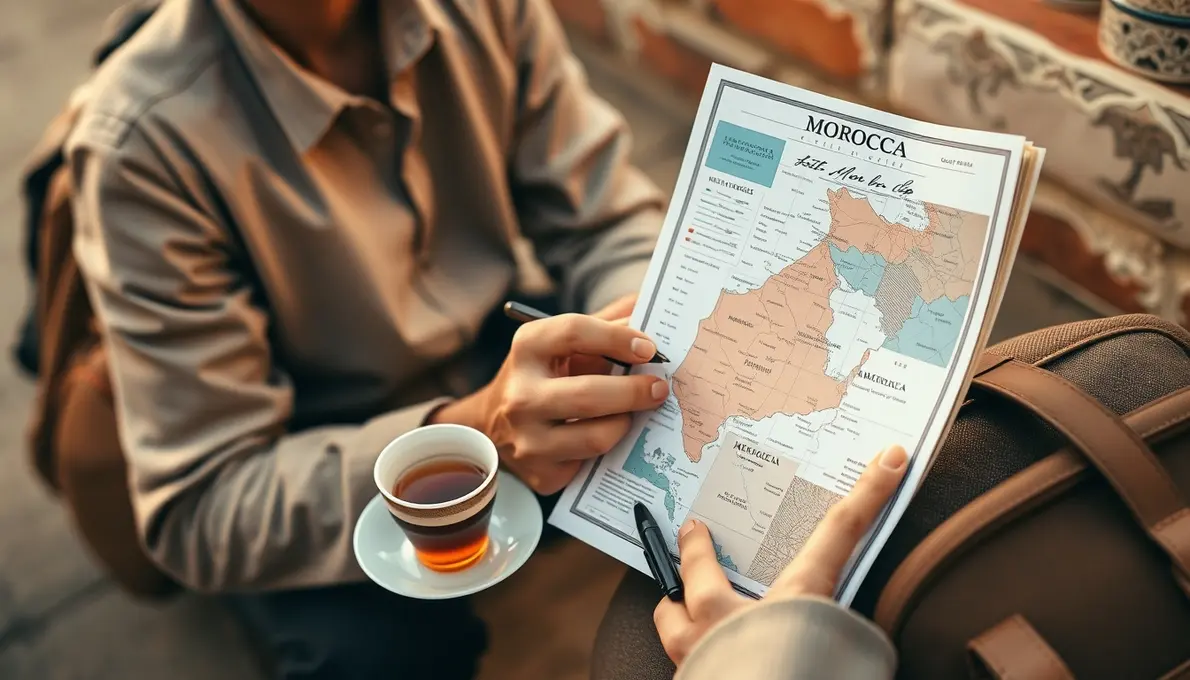
Planning your first adventure to Morocco? Crafting the perfect Morocco itinerary is key to a memorable and smooth experience. This guide provides essential Morocco itinerary tips specifically for first-time visitors, ensuring you navigate this vibrant country with confidence and make the most of every moment. From understanding travel styles to practical considerations, we’ll help you design a route that suits your interests and travel pace.
Understanding Your Travel Style and Priorities for a Morocco Itinerary
Before you even start looking at maps, the most crucial step in building your ideal Morocco itinerary is to honestly assess your travel style and what you hope to gain from your trip. Are you an intrepid explorer who thrives on constant movement and uncovering hidden gems, or do you prefer a more relaxed pace, savoring each location without feeling rushed? Do you dream of bustling souks and ancient medinas, or is the allure of the Sahara Desert and mountain landscapes stronger? Perhaps a blend of cultural immersion and natural beauty is what you seek.
Consider your priorities:
- Pace: Do you want to see as much as possible, or do you prefer to delve deeply into fewer destinations? Trying to cram too much into a short trip can lead to burnout, especially in a country as stimulating as Morocco.
- Interests: Are you a history buff interested in Roman ruins and old imperial cities? A nature lover drawn to the Atlas Mountains and the desert? A foodie keen on culinary tours and cooking classes? Or perhaps you’re seeking unique cultural encounters and interacting with locals.
- Budget: This significantly influences accommodation choices, transportation, and activities. Knowing your budget range upfront helps in making realistic plans.
- Travel Companions: Are you traveling solo, as a couple, with family, or a group of friends? The dynamic of your group will undoubtedly influence the activities and flow of your itinerary. For example, families with young children might prioritize destinations with easier accessibility and more child-friendly activities.
- Comfort Level: How comfortable are you with public transport, navigating language barriers, or adapting to different cultural norms? This will help you decide between independent travel, hiring a private driver, or joining an organized tour.
Once you have a clear picture of what you want your trip to look like, you can start to piece together a realistic and enjoyable Morocco itinerary. Without this vital self-assessment, you risk designing a trip that, while appealing on paper, doesn’t actually align with your personal travel aspirations.
Crafting Your Route: Key Destinations and Logical Flow for Your Morocco Itinerary
With your travel priorities in mind, it’s time to consider the core destinations and how to connect them efficiently. Morocco offers incredible diversity, and stringing together locations in a logical geographical order is one of the most important Morocco itinerary tips for maximizing your time and minimizing travel fatigue.
Imperial Cities vs. Desert vs. Coast
Morocco is broadly categorized into a few distinct travel zones, each offering a unique experience:
- Imperial Cities: Marrakech, Fes, Meknes, and Rabat are rich in history, culture, and bustling medinas. Marrakech is often the entry point for many, known for its vibrant Djemaa el-Fna square. Fes offers an even deeper dive into medieval Moroccan life with its incredibly preserved ancient medina.
- Sahara Desert: A highlight for many, the Erg Chebbi or Erg Chigaga dunes offer camel treks, stargazing, and an unforgettable immersion in the desert landscape. This typically requires at least a 3-day, 2-night trip from Marrakech or Fes.
- Atlas Mountains: Home to Berber villages, stunning gorges (like Todra and Dades), and opportunities for hiking. Ouarzazate, often called the “Gateway to the Sahara,” sits at the foot of the mountains.
- Coastline: Essaouira, with its relaxed vibe, fresh seafood, and artistic community, is a popular escape from the faster pace of the imperial cities. Agadir offers more resort-style beaches.
Logical Routing Suggestions
Avoid zig-zagging across the country. Think of natural loops or linear progressions.
- Classic “Imperial Cities & Desert” Loop (7-10+ Days):
* Arrival in Marrakech: Spend 2-3 days exploring the medina, palaces, gardens, and souks.
* Desert Excursion: Embark on a 3-day, 2-night tour from Marrakech to the Sahara (Erg Chebbi or Chigaga), passing through the Atlas Mountains, Todra Gorge, and Dades Valley. You’d typically end this tour in Fes.
* Fes: Dedicate 2-3 days to the labyrinthine medina, tanneries, and historic sites.
* Departure from Fes, or return to Marrakech: Depending on your flight schedule.
* Optional Additions: If you have more time, consider adding Chefchaouen (the Blue City) accessible from Fes (a long day trip or an overnight stay), or a relaxing few days in Essaouira from Marrakech.
- Northern Loop (5-7+ Days):
* Arrival in Casablanca or Tangier: Explore Hassan II Mosque in Casablanca, or the rich history of Tangier.
* Chefchaouen: Travel to the blue city for 1-2 days.
* Fes: Head south to Fes for 2-3 days.
* Meknes/Volubilis: Day trip from Fes.
* Departure from Fes or travel back to Casablanca/Tangier.
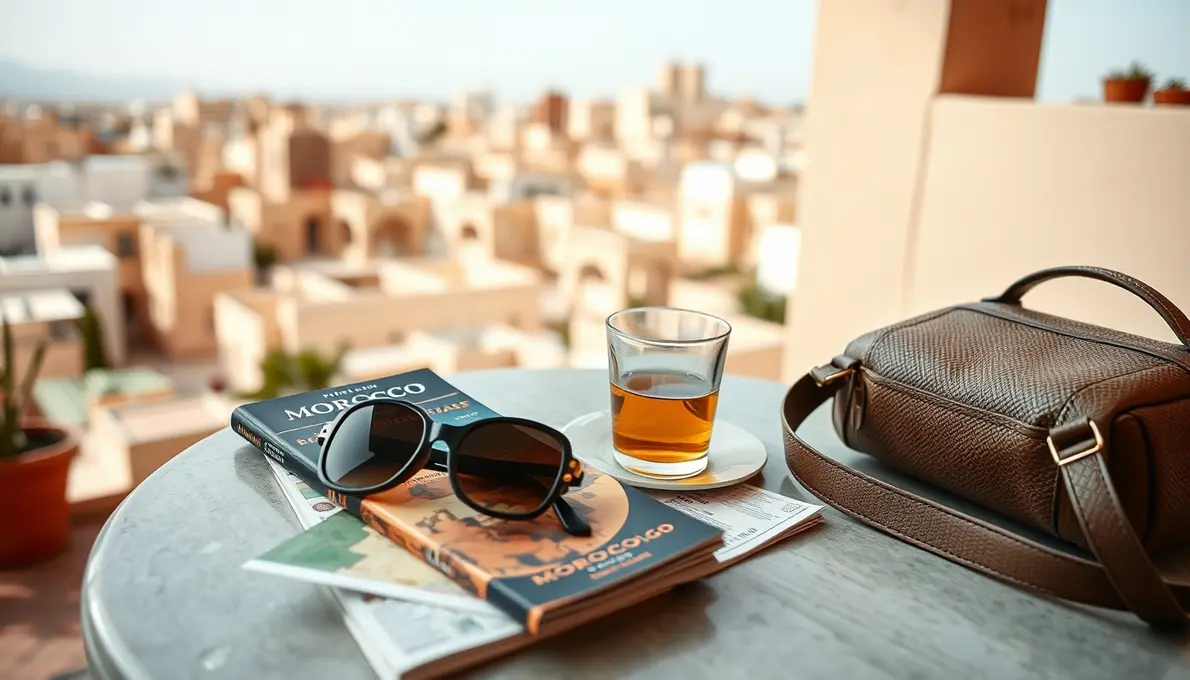
Consider major airports. Marrakech (RAK) and Casablanca (CMN) are the most common international entry points, with Fes (FEZ) also serving some international routes. Starting and ending your trip at different airports (e.g., flying into Marrakech and out of Fes) can save significant travel time.
A good Morocco itinerary minimizes backtracking and maximizes time spent exploring rather than commuting. For example, if you want both the imperial cities and the desert, a route connecting Marrakech and Fes via the Sahara is far more efficient than doing a return trip to the desert from Marrakech and then traveling separately to Fes. Researching reliable transportation options between cities (trains, buses, grand taxis, private drivers) is also part of crafting these essential Morocco itinerary tips.
Practical Considerations for Your Morocco Itinerary
Beyond selecting destinations, several practical aspects can significantly impact the success and enjoyment of your Morocco itinerary. Overlooking these details can lead to unexpected challenges, so it’s wise to address them during the planning phase.
Transportation within Morocco
Morocco offers a range of transportation options, each with its pros and cons:
- Trains (ONCF): Efficient and comfortable, primarily connecting major cities like Casablanca, Rabat, Marrakech, Fes, and Tangier. They are generally reliable and a good option for longer distances between imperial cities. Book first class for more space and comfort, especially on longer journeys.
- Buses (CTM/Supratours): The most extensive network, reaching towns and cities not served by trains. CTM and Supratours are the most reputable companies, offering comfortable, air-conditioned journeys. It’s advisable to book tickets a day or two in advance, especially for popular routes or during peak season.
- Grand Taxis: Shared taxis that operate on fixed routes between towns. They are quicker than buses for shorter distances but can be less comfortable as drivers often try to fill all available seats (up to 6 passengers). You can also hire a grand taxi for private use for a higher fee. Negotiate the price beforehand.
- Private Drivers/Tours: For ultimate flexibility and comfort, especially for desert trips or traversing the Atlas Mountains, hiring a private driver or joining an organized tour is highly recommended. This removes the stress of navigation, allows for spontaneous stops, and provides knowledgeable local insight. For your adventure to the Sahara, understanding what to pack is crucial; you can find excellent guidance on this via these Morocco itinerary tips.
- Rental Car: While offering freedom, driving in Morocco can be challenging, especially in bustling city centers and medinas where cars are often restricted. Road conditions vary, and navigation can be tricky. It’s generally not recommended for first-time visitors unless you have significant experience driving in similar environments.
Accommodation Choices
Morocco boasts diverse accommodation, catering to all budgets and styles:
- Riads: Traditional Moroccan guesthouses centered around an inner courtyard or garden. Found primarily in medinas, they offer an authentic, often luxurious, and tranquil experience away from the city’s hustle.
- Hotels: From budget-friendly options to international luxury chains, hotels are available in cities and coastal resorts.
- Guesthouses/Dars: Smaller, more intimate versions of riads, often family-run.
- Desert Camps: Ranging from basic nomadic tents to luxurious glamping experiences with en-suite bathrooms, these are essential for a Sahara experience.
Decide on your preference early, as popular riads and desert camps book up quickly, especially during peak season.
Duration of Stay at Each Location
A common mistake for first-time visitors is to underestimate the time needed to truly experience a destination. This isn’t Europe where you can often zip through major sights in a day. Morocco’s cities, particularly the medinas, demand time to absorb their atmosphere, get lost in their alleys, and engage with local life.
- Marrakech and Fes: Allocate at least 2-3 full days for each to explore the main attractions, enjoy a cooking class, or relax in a hammam.
- Desert Trip: A 3-day, 2-night trip is the minimum recommended for a meaningful Sahara experience from Marrakech or Fes. Anything less will feel rushed.
- Essaouira/Chefchaouen: 1-2 days is usually sufficient for these smaller, more relaxed towns.
Remember that travel days between locations eat into your exploration time. For example, a travel day from Marrakech to Fes via the desert is often a full day of driving. Planning for travel time as part of your itinerary is critical. A helpful resource for broader travel planning, including considerations for different global regions, can be found at Morocco route tips.
Time of Year and Weather
Morocco experiences diverse climates. The best times to visit are generally spring (March to May) and autumn (September to November) when temperatures are pleasant across most of the country.
- Summer (June to August): Can be scorching hot, especially in the desert and imperial cities like Marrakech and Fes. Coastal areas like Essaouira are more bearable.
- Winter (December to February): Mild and pleasant in the south (Marrakech, desert), but colder in the north (Fes, Chefchaouen) and the Atlas Mountains (can experience snow).
Adjust your Morocco itinerary based on the season. If traveling in summer, prioritize coastal towns or higher altitudes. In winter, focus on the south and be prepared for chilly evenings.
Essential Experiences and Cultural Immersion in Your Morocco Itinerary
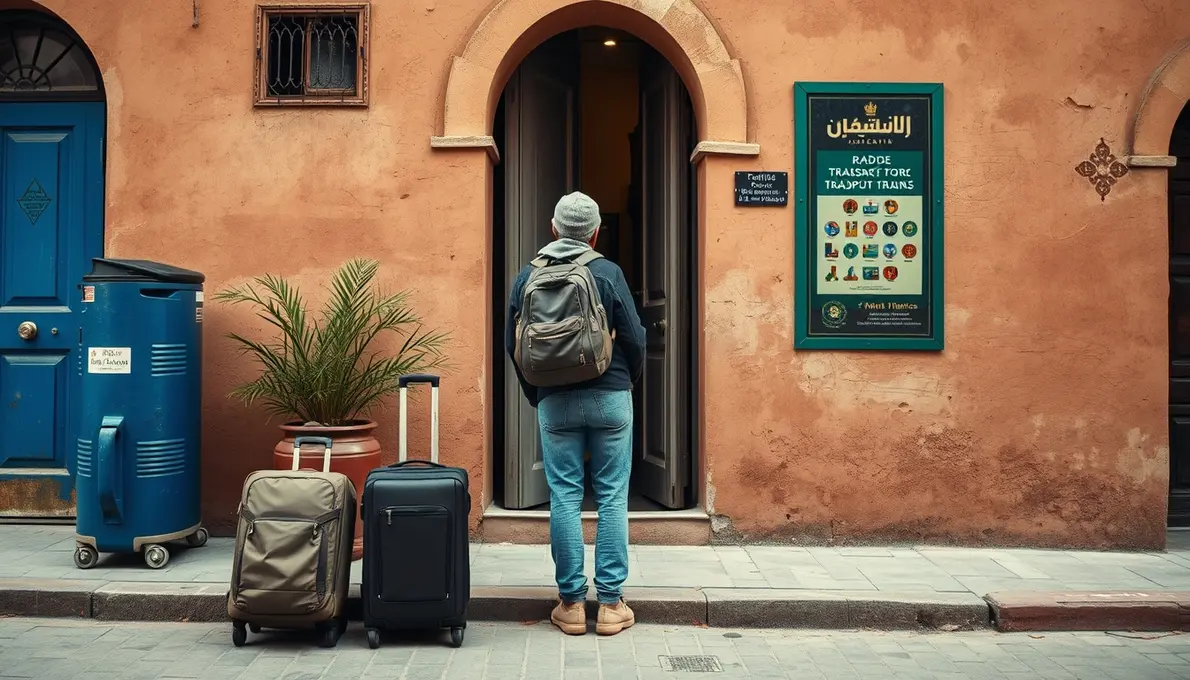
A truly enriching Morocco itinerary goes beyond simply seeing sights; it’s about engaging with the culture and creating authentic memories. Incorporating specific Moroccan experiences will elevate your trip from a standard tour to an unforgettable journey.
Navigating the Medinas
The medinas of Marrakech and Fes are UNESCO World Heritage sites and the beating hearts of these cities. They are bustling, sensory overload zones – in the best possible way. Allow yourself to get lost (and then found, with the help of friendly locals or a good map app).
- Fes el-Bali (Fes): Arguably the most authentic and sprawling medina, it’s a labyrinth of narrow alleys, artisan workshops (like the famous tanneries), mosques, and madrassas. Consider hiring a licensed local guide for at least half a day to navigate its complexities and gain deeper insights into its history and daily life.
- Marrakech Medina: While also ancient, it’s more tourist-friendly and vibrant, centered around Djemaa el-Fna. Explore the souks dedicated to specific crafts (leather, textiles, spices), visit Bahia Palace, and find a rooftop terrace for mint tea overlooking the square.
The Magic of the Sahara Desert
No Morocco itinerary is complete for many without a visit to the Sahara. This isn’t just about a camel trek; it’s an immersive experience.
- Camel Trekking: Ride through the golden dunes at sunset or sunrise – an iconic image of Morocco.
- Overnight in a Desert Camp: Spend the night under a blanket of stars, enjoy traditional Berber music around a campfire, and wake up to the serene silence of the desert.
- Connecting with Berber Culture: Many desert tours are run by local Berber communities, offering insights into their nomadic traditions and way of life.
Culinary Delights
Moroccan food is a highlight for many travelers. Don’t just eat; experience the cuisine.
- Tagine and Couscous: These staple dishes appear everywhere. Try different variations – chicken, lamb, vegetable tagines, and couscous on Fridays.
- Mint Tea: The national drink, often called “Berber whiskey.” It’s a symbol of hospitality; accept it when offered.
- Street Food at Djemaa el-Fna: In the evenings, the main square in Marrakech transforms into a gigantic outdoor restaurant. Be adventurous and try local specialties like harira soup, snails, or roasted lamb.
- Cooking Class: Sign up for a cooking class in Marrakech or Fes to learn how to prepare traditional dishes and understand the depth of Moroccan spices.
Engaging with Local Culture
- Haggling in the Souks: It’s an art form and an expected part of shopping. Approach it with humor and respect.
- Visiting a Hammam: Experience a traditional Moroccan bathhouse for relaxation and rejuvenation. You can opt for a public hammam (authentic but basic) or a private one at a spa or Riad.
- Learning a Few Arabic/Darija Phrases: Even a few words like “Salam alaikum” (hello), “Shukran” (thank you), and “La shukran” (no thank you) can go a long way in showing respect and fostering positive interactions.
- Observing Local Life: Take time to sit in a cafe, sip mint tea, and simply watch the world go by. The rhythm of Moroccan life is captivating.
Integrating these cultural experiences into your Morocco itinerary ensures you gain a deeper appreciation for the country and its people, making your trip truly unforgettable.
Budgeting and Safety Advice for Your Morocco Itinerary
Effective budgeting and a keen awareness of safety are paramount for a stress-free first-time visit to Morocco. These Morocco itinerary tips will help you manage your finances and navigate common situations with confidence.
Budgeting for Your Trip
Morocco can be as affordable or as luxurious as you make it. Here’s how to plan your expenses:
- Accommodation:
* Budget (Hostels/Basic Riads): €20-€50 per night
* Mid-range (Comfortable Riads/Hotels): €60-€150 per night
* Luxury (High-end Riads/Boutique Hotels): €150+ per night
- Food:
* Street food/Local cafes: €3-€10 per meal
* Mid-range restaurants: €15-€30 per meal
* Fine dining: €40+ per meal
- Transportation:
* Trains/Buses: Relatively inexpensive, e.g., Marrakech to Fes by train around €20-€35.
* Grand Taxis: Variable, negotiate before.
* Private Drivers: Can range from €80-€200+ per day depending on the route and duration. Essential for desert tours.
- Activities/Excursions:
* Desert Tours: A 3-day budget tour can start from €100-€150 per person (shared group), while private, luxury options can be €500+ per person.
* Guided City Tours: €30-€70 for a half-day.
* Entry Fees: Most historical sites are inexpensive, typically €1-€7.
- Miscellaneous: Always factor in a daily allowance for bottled water, snacks, tips, and souvenirs.
Cash is King: While credit cards are accepted in larger hotels, restaurants, and shops, you’ll need cash for souks, street food, small purchases, grand taxis, and tips. ATMs are widely available in cities. It’s wise to carry a mix of smaller denominations.
Tipping (Baksheesh): Tipping is customary in Morocco for various services. A few dirhams for porters, taxi drivers, guides, and restaurant staff is appreciated. For excellent service, 10-15% in restaurants is standard.
Safety Advice and Best Practices
Morocco is generally a safe country for tourists, but like any popular destination, it’s wise to be aware and take precautions.
- Petty Crime: Pickpocketing and bag snatching can occur in crowded areas like medinas and souks. Keep valuables secure and out of sight. Be especially vigilant in Djemaa el-Fna square.
- Scams:
* “False Guides”: Unofficial guides may approach you offering tours. Always use licensed guides arranged through your Riad or a reputable tour company.
* Tannery Scams in Fes: Be cautious of individuals who offer to “guide” you to tanneries and then demand excessive payment or pressure you to buy products. If visiting the tanneries, go directly to a viewing terrace (often connected to a leather shop) or with a licensed guide.
* “Closed” Attractions: Someone might tell you a specific place is closed to redirect you elsewhere (typically to a shop where they get a commission). Verify information.
* Souk Vendors: Haggling is expected, but don’t feel pressured to buy. If you’re not interested, politely but firmly say “La shukran” (no thank you) and move on.
- Women Travelers: While generally safe, women travelers may experience unwanted attention or verbal harassment. Dressing modestly (shoulders and knees covered) can help minimize this. Travel in groups or with a trusted companion if possible, especially at night.
- Navigation: Medinas can be confusing. Use offline maps (like Maps.me) or hire a guide. Always know the exact address of your Riad.
- Health: Drink bottled water only. Be mindful of food hygiene, especially with street food. Carry basic medications.
- Respect Local Customs: Morocco is a Muslim country. Be respectful of local traditions and dress codes, especially when visiting religious sites. Avoid public displays of affection.
- Photography: Always ask permission before photographing people, especially women. Some may expect a small tip.
- Official Sources: For current travel advisories, always check your government’s official travel website before and during your trip.
By being informed and practicing common-sense precautions, you can ensure your Morocco itinerary remains focused on discovery and enjoyment, rather than unnecessary worries.
Conclusion
Crafting the perfect Morocco itinerary for your first visit is an exciting and rewarding process. By thoughtfully considering your travel style, mapping out a logical route, acknowledging practical considerations like transport and timing, and prioritizing authentic cultural experiences, you’re well on your way to an unforgettable adventure. Morocco is a country that captivates and delights, offering a rich tapestry of sights, sounds, and flavors. With these essential Morocco itinerary tips, you’re now equipped to plan a journey that truly reflects your aspirations and deepens your appreciation for this incredible destination. May your travels be filled with discovery and wonder!
FAQs
What’s the best time of year to visit Morocco for a first-time trip?
The best time for a first-time visitor to Morocco is generally Spring (March to May) or Autumn (September to November). During these seasons, temperatures are pleasant across most of the country, making it ideal for exploring cities, hiking in the mountains, and experiencing the Sahara Desert without extreme heat or cold. Summers can be intensely hot, especially inland, while winters can be chilly in the north and mountains, though sunny and mild in Marrakech and the desert.
How many days are recommended for a first-time Morocco itinerary?
For a comprehensive first-time Morocco itinerary that includes imperial cities and a desert experience, aim for at least 7 to 10 days. This allows sufficient time to explore Marrakech (2-3 days), embark on a 3-day, 2-night Sahara Desert trip (often ending in Fes), and dedicate 2-3 days to Fes. If you wish to add other destinations like Chefchaouen or Essaouira, plan for 10-14 days to avoid feeling rushed.
Is it safe for solo female travelers in Morocco?
Morocco is generally safe for solo female travelers, but it’s important to be aware of cultural norms and take common-sense precautions. Dressing modestly (covering shoulders and knees) is recommended, especially in more conservative areas. You might experience some unwanted attention or verbal comments, but these are often harmless. Staying in reputable accommodations, being aware of your surroundings, and avoiding walking alone in deserted areas at night can further enhance safety. Many solo female travelers have wonderful and enriching experiences in Morocco.
Should I hire a guide for my first Morocco itinerary, especially in the medinas?
For first-time visitors, hiring a licensed local guide for at least a half-day in the larger medinas, particularly Fes, is highly recommended. The medinas are incredibly complex and labyrinthine, and a guide can help you navigate efficiently, avoid common scams, and provide invaluable historical and cultural insights that you would otherwise miss. For other segments of your Morocco itinerary, such as desert tours or mountain excursions, joining an organized tour or hiring a private driver will often include guiding services.





 Covers cities, coast, mountains, desert & food