
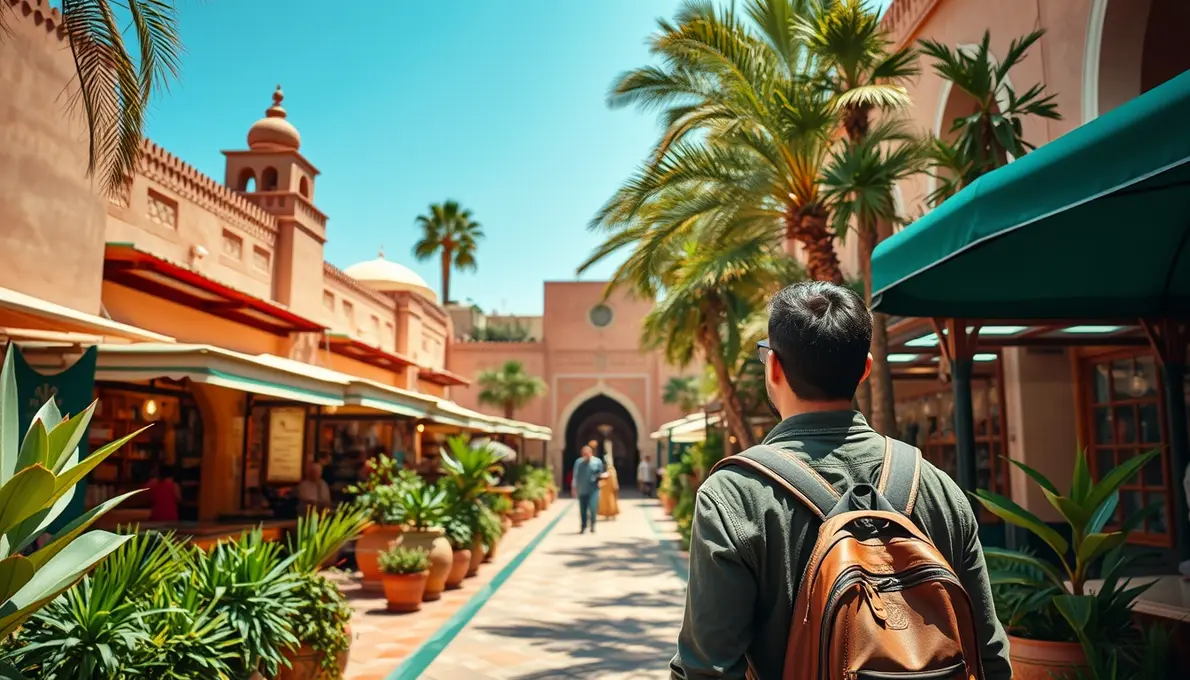
The Red City, Marrakech, is famed for its vibrant souks, bustling Jemaa el-Fna square, and historic palaces. But beyond the ochre walls and lively street scenes lies a greener, more tranquil side awaiting discovery: its enchanting gardens. This comprehensive Marrakech gardens guide will lead you through the city’s most exquisite botanical treasures, offering peaceful respite and a deeper understanding of Moroccan horticultural artistry. Exploring these verdant sanctuaries is an essential part of any visit, providing a refreshing counterpoint to the city’s energetic pace. For those seeking beauty and calm, a thorough Marrakech gardens guide is indispensable.
Unveiling the Jade Jewel: Jardin Majorelle’s Enduring Allure
No Marrakech gardens guide would be complete without spotlighting the iconic Jardin Majorelle. This twelve-acre botanical garden, artistic landscape, and former residence of the French orientalist painter Jacques Majorelle, later revitalized by Yves Saint Laurent and Pierre Bergé, is a sensory masterpiece. Stepping through its gates feels like entering another world. The hallmark “Majorelle Blue” – an intense, almost electric cobalt – saturates walls, pots, and fountains, creating a striking contrast with the lush greenery.
The garden is a meticulously curated collection of exotic plants from five continents. Towering cacti of every conceivable shape stand alongside swaying bamboo groves, delicate water lilies, and robust palm trees, all thriving under the Moroccan sun. The pathways, often shaded by dense foliage, invite leisurely strolls, leading visitors past tranquil ponds filled with koi fish and vibrant bougainvillea spilling over trellises. It’s not just a garden; it’s an art installation where nature and design intertwine seamlessly.
Beyond the plant life, the Berber Museum, housed within Majorelle’s former studio, offers a fascinating insight into Berber culture through its collection of textiles, jewelry, and artifacts. The harmonious blend of natural beauty, architectural elegance, and cultural heritage makes this garden a powerful draw. Arriving early in the morning is highly recommended to experience its serene beauty before the crowds gather. The play of light and shadow at dawn enhances the vibrant colors and provides exceptional photographic opportunities. It’s a profound experience that highlights not just plants, but a profound artistic vision.
The Secret Gardens of Marrakech: Le Jardin Secret

Tucked away in the heart of the Medina, Le Jardin Secret offers a serene escape from the labyrinthine souks, living up to its name. This historical riad complex, meticulously restored, reveals two distinct gardens, each with its own character, making it a crucial stop on any discerning Marrakech gardens guide. The first is a fascinating ‘Exotic Garden,’ showcasing plants from various regions worldwide, demonstrating how Marrakech, historically, was a crossroads for flora as well as cultures. You’ll find everything from towering date palms to citrus trees and delicate herbs, all arranged with an eye for aesthetic pleasure and botanical interest. Explanations throughout the garden provide insight into the species and their origins, subtly enhancing the visitor’s appreciation.
Contrastingly, the ‘Islamic Garden’ adheres to classical Moroccan and Andalusian design principles. Divided into four quadrants by intersecting water channels, embodying the concept of paradise on earth, it’s a masterclass in geometry and tranquility. The sound of running water is a constant, soothing presence, amplifying the sense of peace. Tall cedar doors, intricately carved wooden ceilings, and zellige tile work add to the sensory richness. This garden isn’t merely about plants; it’s about the philosophy of water, shade, and spiritual calm.
Visitors can also climb the tower for panoramic views over the Medina and the gardens themselves – a perspective that beautifully illustrates the ordered chaos of the city. The café offers a pleasant spot for a mint tea, allowing for quiet contemplation amidst the beauty. Le Jardin Secret stands as a testament to Marrakech’s rich horticultural heritage and the enduring Islamic tradition of garden design. It’s a perfect spot to pause and refresh, offering a moment of quiet reflection away from the city’s buzz. The meticulous restoration allows visitors to step back in time, experiencing a riad garden as it would have been centuries ago.
The Enduring Legacy of Agdal and Menara: Royal Traditions
For a deeper dive into historically significant green spaces, a Marrakech gardens guide must include the Agdal Gardens and the Menara Gardens. Both are UNESCO World Heritage sites, predating many of the city’s other green spaces and representing centuries of royal patronage and sophisticated hydraulic engineering.
The Agdal Gardens, meaning “walled meadow” in Berber, date back to the 12th century Almohad dynasty. These vast orchards and olive groves, spanning hundreds of hectares, were designed to be productive working gardens, supplying the royal palaces with fruits and olives. What sets Agdal apart is its enormous irrigation basin, which historically supplied water to the entire garden system. This impressive feat of engineering, fed by water channeled from the High Atlas Mountains, allowed for the cultivation of a wide variety of crops in an otherwise arid region. While not as manicured as Majorelle or Le Jardin Secret, Agdal offers a glimpse into a more agricultural, functional, yet equally beautiful aspect of Moroccan gardening. It’s a place for long, contemplative walks among ancient trees, often with views of the distant Atlas peaks. To truly appreciate its scale, it’s best visited on foot, allowing the sheer expanse and historical weight to sink in. Access can be restricted as it is still a royal property, so checking visitor hours beforehand is advisable.
The Menara Gardens, equally ancient, also feature a large, central reflecting pool and an iconic pavilion with a distinctive green-tiled roof. Created in the 12th century, it was later renovated in the 16th century. The pool, much like Agdal’s, served as a reservoir for irrigation, channeling water to the surrounding olive groves. The pavilion, dramatically positioned with the Atlas Mountains rising majestically in the background, is one of Marrakech’s most enduring images. Legend has it that the pavilion was a clandestine meeting place for sultans and their lovers. Today, it’s a popular spot for locals to escape the heat, picnic, and enjoy the tranquil atmosphere. The long avenues of olive trees provide ample shade, and the views across the water to the mountains are simply breathtaking, especially at sunset. While less about flowers and exotic plants, Menara’s grandeur lies in its majestic setting, historical significance, and the sheer scale of its ancient olive groves. It offers a powerful sense of place and connection to Marrakech’s long and dignified past. Visitors often hire a horse-drawn carriage to reach it, adding an element of historical charm to the journey.
From Palace Grounds to Public Parks: El Badi and Cyber Parc Arsat Moulay Abdeslam
Beyond the well-trodden paths, other green spaces dot the city, each offering a different facet of the Marrakech gardens guide experience. The ruins of the El Badi Palace, though primarily an architectural site, still boast impressive sunken gardens and reflecting pools that hint at its former glory. Built in the late 16th century, this once-extravagant palace was largely dismantled for parts to construct Meknes, but its expansive courtyards, orange groves, and remnants of intricate water features evoke a sense of faded splendor. Storks often nest atop its ancient walls, adding a touch of wild nature to the historical site. Walking through El Badi, one can imagine the vast scale and the greenery that once adorned its many courtyards. It’s less about pristine blooms and more about historical atmosphere, a perfect place for understanding the architectural context of Moroccan gardens.
In stark contrast, the Cyber Parc Arsat Moulay Abdeslam offers a modern twist on the traditional public park. Originally a royal olive grove, it has been transformed into a contemporary urban park complete with Wi-Fi hotspots, solar-powered benches, and educational displays on environmental themes. It’s a popular gathering spot for families, students, and anyone looking for a green space equipped with modern amenities. Pathways are lined with a mix of traditional Moroccan plants and more contemporary landscaping. It’s a wonderful example of how Marrakech thoughtfully blends its heritage with an eye towards the future, providing a functional and beautiful public space that caters to current needs. This park is particularly useful for travelers needing to connect digitally while enjoying nature, proving that a Marrakech gardens guide must encompass both the ancient and the modern.

Cultivating Your Own Oasis: Riads and Private Gardens
While public and royal gardens offer grand experiences, much of Marrakech’s green charm lies hidden behind unassuming doors, within the private courtyards of its riads and guesthouses. This often-overlooked aspect is crucial for a complete Marrakech gardens guide. These intimate spaces, designed around a central open-air courtyard, are verdant havens from the city’s hustle. Even the smallest riad typically features a tranquil garden, often with a fountain, citrus trees, fragrant jasmine, and potted plants.
Staying in a riad allows travelers to experience firsthand the Moroccan philosophy of creating an inward-looking sanctuary. The sounds of birds chirping, the coolness of the tiled floors, and the scent of orange blossoms create an immediate sense of calm and privacy. Many riads have stunning rooftop terraces adorned with plants and shaded pergolas, offering another dimension of green space with views over the city rooftops. These private gardens are not just decorative; they are integral to the riad’s microclimate, providing natural cooling and a beautiful environment for relaxation.
Some riads even host their own small Marrakech botanical gardens, featuring a selection of local herbs, spices, and ornamental plants. Dining within these courtyards under the stars, surrounded by lush foliage and the gentle murmur of a fountain, is one of Marrakech’s most magical experiences. It’s in these intimate settings that the true essence of Marrakech’s green heart can be felt, a personal oasis carved out of the urban tapestry. Seek out riads that emphasize their garden spaces in their descriptions and photos to ensure you find your perfect green retreat.
Essentials for Enjoying Marrakech’s Green Spaces
To fully appreciate the beauty and tranquility of Marrakech’s gardens, a few practical considerations will enhance your visit.
Timing Your Visits: The early morning or late afternoon are generally the best times to visit any of the outdoor gardens. The light is softer, the temperatures are more pleasant, and the crowds tend to be thinner. This allows for a more contemplative and enjoyable experience, especially in popular spots like Jardin Majorelle.
Hydration and Sun Protection: Marrakech’s sun can be intense, even within shaded gardens. Always carry a water bottle (many gardens have cafes or small shops where you can refill or purchase drinks). A wide-brimmed hat, sunglasses, and high SPF sunscreen are also highly recommended to protect yourself.
Footwear: While pathways in most major gardens are paved and well-maintained, comfortable walking shoes are always advisable, especially if you plan to explore larger spaces like Agdal or Menara.
Photography Etiquette: Most gardens welcome photography, but be mindful of other visitors and respect any signs indicating restricted areas. In some cases, professional equipment may require a special permit.
Connecting with Nature: Take time to simply sit and absorb the atmosphere. Whether it’s the sound of water, the scent of a flower, or the play of light on foliage, these moments of quiet observation are key to appreciating the gardens fully.
Combine with Cultural Experiences: Many gardens are located near other attractions. For instance, combine a visit to Le Jardin Secret with exploring the souks, or Menara Gardens with a visit to a nearby olive oil cooperative. This way, your Marrakech gardens guide becomes part of a richer, more integrated exploration of the city. Remember to pack lightly and efficiently, especially if you plan to venture beyond Marrakech; this could include items on a Marrakech gardens guide.
Conclusion
Marrakech, often perceived as a city of bustling markets and burnt-orange hues, reveals a surprisingly rich and diverse tapestry of green spaces for those who know where to look. From the iconic botanical artistry of Jardin Majorelle to the serene historical landscapes of Agdal and Menara, and the hidden courtyards of its riads, the city offers an abundance of peaceful oases. This Marrakech gardens guide aims to illuminate these verdant treasures, proving that tranquility and natural beauty are as integral to the city’s identity as its vibrant souks. Exploring these gardens offers a vital counterpoint to the sensory overload of the Medina, allowing visitors to connect with Morocco’s rich history, sophisticated architectural design, and deep appreciation for nature. Don’t leave Marrakech without experiencing its green heart; it’s an unforgettable part of the journey.
FAQs
What is the most famous garden in Marrakech?
The most famous garden in Marrakech is undoubtedly the Jardin Majorelle. Its distinctive cobalt blue architecture, exotic plant collection, and association with Yves Saint Laurent have made it a world-renowned attraction. It’s a must-see for anyone exploring the city’s green spaces.
Are Marrakech’s gardens free to enter?
Most of the prominent gardens in Marrakech, such as Jardin Majorelle, Le Jardin Secret, and the Agdal Gardens (when accessible), require an entrance fee. However, some public parks, like Cyber Parc Arsat Moulay Abdeslam, are free to enter. The Menara Gardens also typically allow free access to the grounds, with a small fee sometimes for the pavilion.
How much time should I allocate to visit the gardens?
For Jardin Majorelle and Le Jardin Secret, you should allocate between 1.5 to 2.5 hours for each to properly explore and enjoy them without rushing. For larger, more expansive gardens like Agdal or Menara, you could spend anywhere from 1 to 3 hours depending on how much walking you wish to do and whether you plan to picnic or simply stroll. Combining a few gardens can easily take up half a day or more.
Are Marrakech’s botanical gardens accessible for all visitors?
Many of the main Marrakech gardens, particularly Jardin Majorelle and Le Jardin Secret, have paths and facilities designed to be reasonably accessible. However, some older and larger sites like Agdal or Menara might have uneven terrain, longer distances, or fewer paved paths, which could pose challenges for visitors with limited mobility. It’s always best to check specific accessibility details for each garden if you have particular requirements.





 Covers cities, coast, mountains, desert & food