
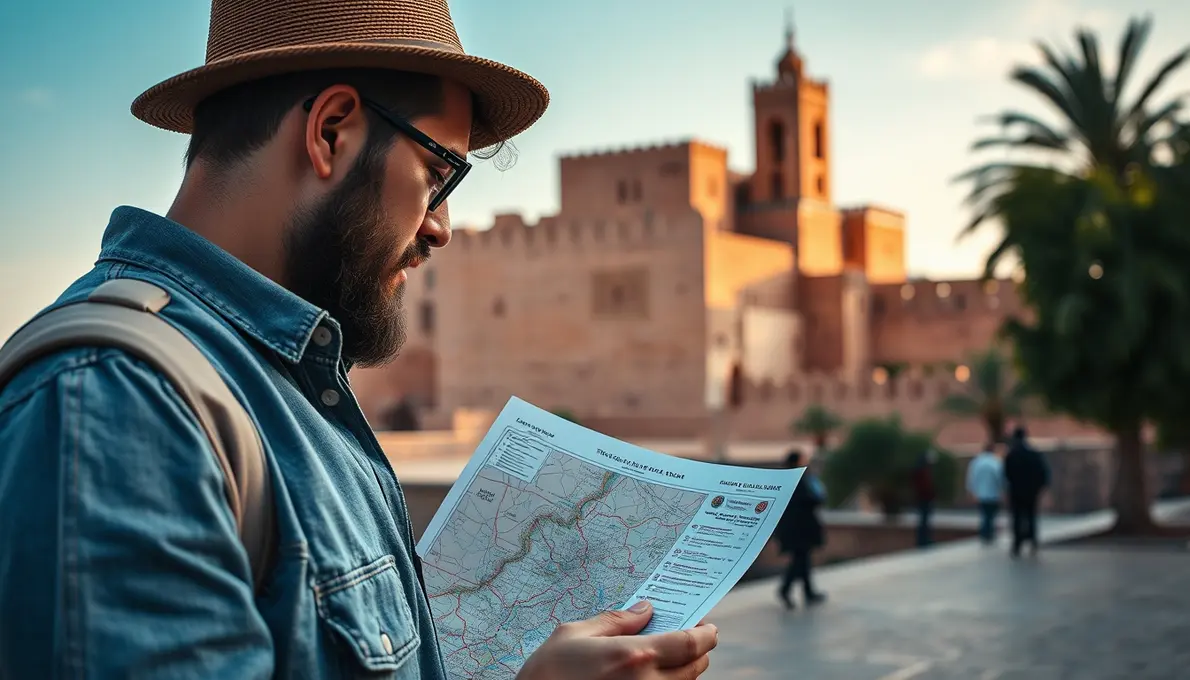
Navigating Fez, Morocco’s ancient spiritual and cultural heart, requires a specific approach to truly appreciate its unique charms. These essential Fez travel tips are designed to help you unlock the city’s secrets, particularly its labyrinthine medina, Fes el-Bali. Far from being just a destination, Fez is an experience that demands a bit of preparation and an open mind. This guide will focus on practical advice to ensure your visit is enjoyable, authentic, and memorable, helping you confidently explore one of Africa’s most fascinating cities.
Mastering the Fez Medina: Navigation and Immersion
The Fes el-Bali medina is not just a market; it’s a living, breathing medieval city, a UNESCO World Heritage site, and undoubtedly the highlight of any visit. Unlike other Moroccan cities, Fez’s medina truly feels like stepping back in time, with its narrow alleyways, bustling souks, and hidden riads. For effective Fez travel tips, understanding how to navigate this incredible maze is paramount. Forget Google Maps within the medina itself; the GPS signal here is often unreliable, and the sheer density of interconnected paths can be overwhelming.
Your best bet for initial exploration is to hire a local, licensed guide, especially for your first day. They can help you orient yourself, introduce you to key landmarks like the Bab Bou Jeloud gate (the Blue Gate), Al-Attarine Madrasa, and Chouara Tannery, and teach you how to recognize general directions. A guide can also help deflect persistent hawkers, allowing you to focus on the sights and sounds. Don’t be afraid to politely decline if you’re not interested in a purchase.
When venturing out independently, remember a few key strategies. Look for distinct landmarks like public fountains, grand archways, or prominent mosques, and try to commit them to memory. The medina does have main thoroughfares, though they are still winding. These tend to lead to the two major gates, Bab Bou Jeloud and Bab Guissa. Pay attention to the flow of foot traffic and donkeys – they usually indicate a more primary route. Also, consider downloading an offline map app before your trip, though use it as a general guide rather than a precise navigator.
Beyond Navigation: Engaging with Fez’s Culture and People
Fez is a city rich in traditions, craftsmanship, and a deep sense of history. To truly appreciate it, these Fez travel tips emphasize respectful engagement with local customs and people. Moroccans, particularly in Fez, are generally warm and hospitable. A few simple phrases in Darija (Moroccan Arabic), such as “Salam Alaikum” (hello), “Shukran” (thank you), and “Afak” (please), will go a long way in building rapport.
Dress modestly, especially when exploring the medina and visiting religious sites. For women, this means covering shoulders and knees; for men, long shorts or trousers are generally appropriate. While Fez is accustomed to tourists, showing respect for local norms is always appreciated. Bargaining is an integral part of shopping in the souks – engage with a smile, be patient, and enjoy the process. Start by offering about one-third to half of the initial asking price and negotiate towards a mutually agreeable figure. Remember, it’s about the interaction as much as the final price.
Be prepared for sensory overload in the medina. The smells of spices, leather, wood, and sometimes less pleasant ones like those from the tanneries, are all part of the authentic Fez experience. The sounds of vendors, artisans, children, and animal transportation create a bustling symphony. Embrace it rather than resist it. Accepting a cup of mint tea if offered by a shopkeeper is a gesture of hospitality and can open the door to interesting conversations, though it doesn’t obligate you to buy anything.
Practicalities for a Smooth Visit: Money, Safety, and Communication
Ensuring a smooth trip requires attention to practical elements. These Fez travel tips cover essential aspects like managing finances, maintaining personal safety, and keeping connected.
Money Matters: Dirhams and Transactions
The local currency is the Moroccan Dirham (MAD). While some larger establishments, hotels, and riads might accept credit cards, cash is king in the medina, especially for smaller purchases, street food, and tips. Ensure you carry a good supply of smaller denominations (MAD 20, 50, 100) for ease of transaction. ATMs are readily available outside the medina walls and in newer parts of the city. Inform your bank of your travel plans to avoid card issues. Remember to save some Dirhams for your departure tax if applicable (though often included in airfare now) and last-minute souvenirs.
Staying Safe: Awareness and Precaution
Fez is generally a safe city, but like any popular tourist destination, petty crime can occur. Keep an eye on your belongings, especially in crowded areas like the souks. A cross-body bag or a money belt is advisable. Be wary of unsolicited “guides” who approach you in the street; if you need assistance, seek out official guides or ask shopkeepers for directions. Walking alone in deserted areas of the medina late at night is not recommended. If you feel uncomfortable, duck into an open shop or café. Taxis are regulated; agree on a price before starting your journey or insist on the meter (compteur).
Staying Connected: SIM Cards and Wi-Fi
Staying connected is relatively easy. Most riads and hotels offer free Wi-Fi, though its reliability can vary within the thick walls of older buildings. For seamless communication and navigation (especially for general areas outside the medina), consider purchasing a local SIM card upon arrival at the airport or from telecommunication shops (Maroc Telecom, Inwi, Orange). They are inexpensive and provide good data coverage. For those planning an adventure into the desert, remember that specific packing considerations apply. You can find useful advice on what to bring by checking out this guide on Fez travel tips for desert excursions.
Culinary Delights: Eating Your Way Through Fez
One of the most rewarding aspects of any journey to Fez is undoubtedly its food. These Fez travel tips wouldn’t be complete without a deep dive into the culinary landscape. From street food to elegant riad dining, Fez offers a delicious voyage for your taste buds.
Street Food Adventures
Don’t shy away from the street food; it’s an authentic and often incredibly tasty experience. Look for stalls with a high turnover of locals – a good sign of freshness. Try harira, a hearty lentil and chickpea soup, especially comforting in the cooler months. Msemen, a flaky, pan-fried flatbread, is perfect for breakfast, often served with honey or cheese. Bocadillos, Moroccan sandwiches filled with various ingredients like tuna, salad, or kefta (meatballs), are excellent for a quick lunch. Skewers (brochettes) of spiced meat or chicken, grilled fresh, are also a must-try. Always ensure the food is hot and cooked thoroughly.
Traditional Restaurants and Riad Dining
For a more sit-down experience, numerous small restaurants within the medina offer classic Moroccan dishes like tagines (slow-cooked stews), couscous (often served on Fridays), and pastilla (a savory-sweet pigeon or chicken pie). Seek out places that specialize in traditional Fassi cuisine, known for its rich flavors and use of preserved lemons, olives, and exotic spices. Many riads also offer exceptional dining experiences, often with set menus that showcase the best of Moroccan cooking in a beautiful, intimate setting. These generally require advance reservations.
Hydration and Beverages
Mint tea, known as “Moroccan whisky,” is ubiquitous and a symbol of hospitality. You’ll be offered it everywhere, and it’s a delightful way to refresh. Freshly squeezed orange juice is also widely available and incredibly refreshing. While tap water is generally treated in major cities, it’s often better for visitors to stick to bottled water to avoid any stomach upsets. Alcohol is less common in Fez than in some other Moroccan cities, but you can find it in larger hotels and some higher-end restaurants.
Connecting with Artisans: Shopping Smart in the Souks
The souks of Fez are a shopper’s paradise, offering everything from exquisite leather goods to intricate ceramics. Given the city’s historical importance as a center of craftsmanship, these Fez travel tips include advice on navigating the shopping experience.
Crafts and Specialties
Fez is particularly renowned for a few key crafts. The Chouara Tannery is famous for its traditional leather production, visible (and smellable!) from panoramic terraces. Here you can find high-quality leather bags, slippers (babouches), jackets, and belts. Ceramics from Fez are distinct, often featuring intricate blue and white patterns. You’ll also find beautiful hand-woven textiles, intricate metalwork (lanterns, trays), and exquisite cedarwood carvings. Spices, argan oil products, and traditional sweets also make for excellent souvenirs.
Ethical Shopping and Bargaining
When shopping, try to buy directly from artisans where possible. This supports their craft and ensures you’re getting an authentic item. Many workshops are hidden within the medina, and a guide can often lead you to them. As mentioned, bargaining is expected. Approach it with good humor and avoid getting frustrated. It’s perfectly acceptable to walk away if you can’t agree on a price; there are usually many similar stalls. Remember that the initial price quoted to tourists can be significantly higher than the local price. Embrace the back-and-forth as part of the cultural experience. For broader insights into travel and local tips across various destinations, you might find resources like Fez Medina tips helpful.
Day Trips and Excursions from Fez
While the marvels of Fes el-Bali could easily consume your entire trip, these Fez travel tips also suggest considering a few rewarding day trips that offer a different perspective of Morocco’s rich heritage and natural beauty.
Meknes and Volubilis: Imperial City and Roman Ruins
A popular and highly recommended day trip combines the imperial city of Meknes with the ancient Roman ruins of Volubilis. Meknes, another of Morocco’s imperial cities, offers impressive historical sites like Bab Mansour, the grandest gate in Morocco, and the mausoleum of Moulay Ismail. Just a short drive from Meknes, Volubilis provides a fascinating glimpse into Morocco’s Roman past with its remarkably preserved mosaics, basilica, and triumphal arch. You can easily hire a grand taxi for the day or join an organized tour from Fez.
Chefchaouen: The Blue Pearl of Morocco
For a striking contrast to the earthy tones of Fez, a day trip to Chefchaouen, the “Blue City,” is a visual delight. Nestled in the Rif Mountains, Chefchaouen is famed for its stunning blue-washed buildings. It offers a more relaxed atmosphere than Fez, with charming medina alleys, artisan shops, and stunning mountain views. While it’s a longer day trip (around 3-4 hours drive each way), the picturesque scenery and unique ambiance make it worthwhile for many visitors. Private taxis or shared minivans (grand taxis) are common transport options.
Sefrou and Bhalil: Authenticity Off the Beaten Path
For a less touristy experience, consider a trip to the nearby small towns of Sefrou and Bhalil. Sefrou, known as “Little Jerusalem” for its historical Jewish community, has a charming medina and beautiful waterfalls just outside the town. Bhalil is famous for its cave dwellings and intricate “button factories” where artisans craft traditional buttons. These towns offer a more authentic glimpse into rural Moroccan life and provide a peaceful break from the bustle of Fez.
Conclusion
Fez is an extraordinary city, a deep dive into Morocco’s spiritual and historical core. By following these essential Fez travel tips, you’re not just visiting a destination; you’re embarking on an immersive journey. From confidently navigating the ancient medina to engaging respectfully with its rich culture and savoring its unforgettable flavors, your experience in Fez will be nothing short of transformative. Embrace the sensory adventure, prepare for the unexpected, and allow Fez to reveal its timeless magic. Your Moroccan adventure truly begins in Fez.
FAQs
What is the best way to get around Fez, especially in the medina?
The Fez medina, Fes el-Bali, is a pedestrian-only zone with narrow, winding alleys, making walking the primary and most authentic way to explore. For longer distances outside the medina or between the medina and the new city (Ville Nouvelle), petit taxis (small red cars) are readily available and affordable. Always agree on a price or insist on the meter (compteur) before starting your journey.
Is it safe for a solo female traveler in Fez?
Fez is generally safe for solo female travelers, but common sense and cultural awareness are key. Dressing modestly, especially within the medina, can help avoid unwanted attention. Be mindful of your surroundings, especially after dark, and avoid walking alone in deserted areas. Using reputable guides and established transport can enhance your safety and comfort.
What is the best time of year to visit Fez?
The best time to visit Fez is during spring (March to May) and autumn (September to November). During these months, the weather is pleasantly mild, making it ideal for exploring the medina and enjoying outdoor activities. Summers can be intensely hot, and winters can be cool, especially in the evenings, with occasional rain.
Should I hire a guide for my trip to Fez?
Hiring a licensed local guide for at least your first day in Fez, particularly for exploring the medina, is highly recommended. A guide can help you navigate the labyrinthine alleys, provide historical and cultural context, point out hidden gems, and assist with interactions in the souks. They can significantly enhance your understanding and appreciation of the city, and help you avoid getting lost.




 Covers cities, coast, mountains, desert & food