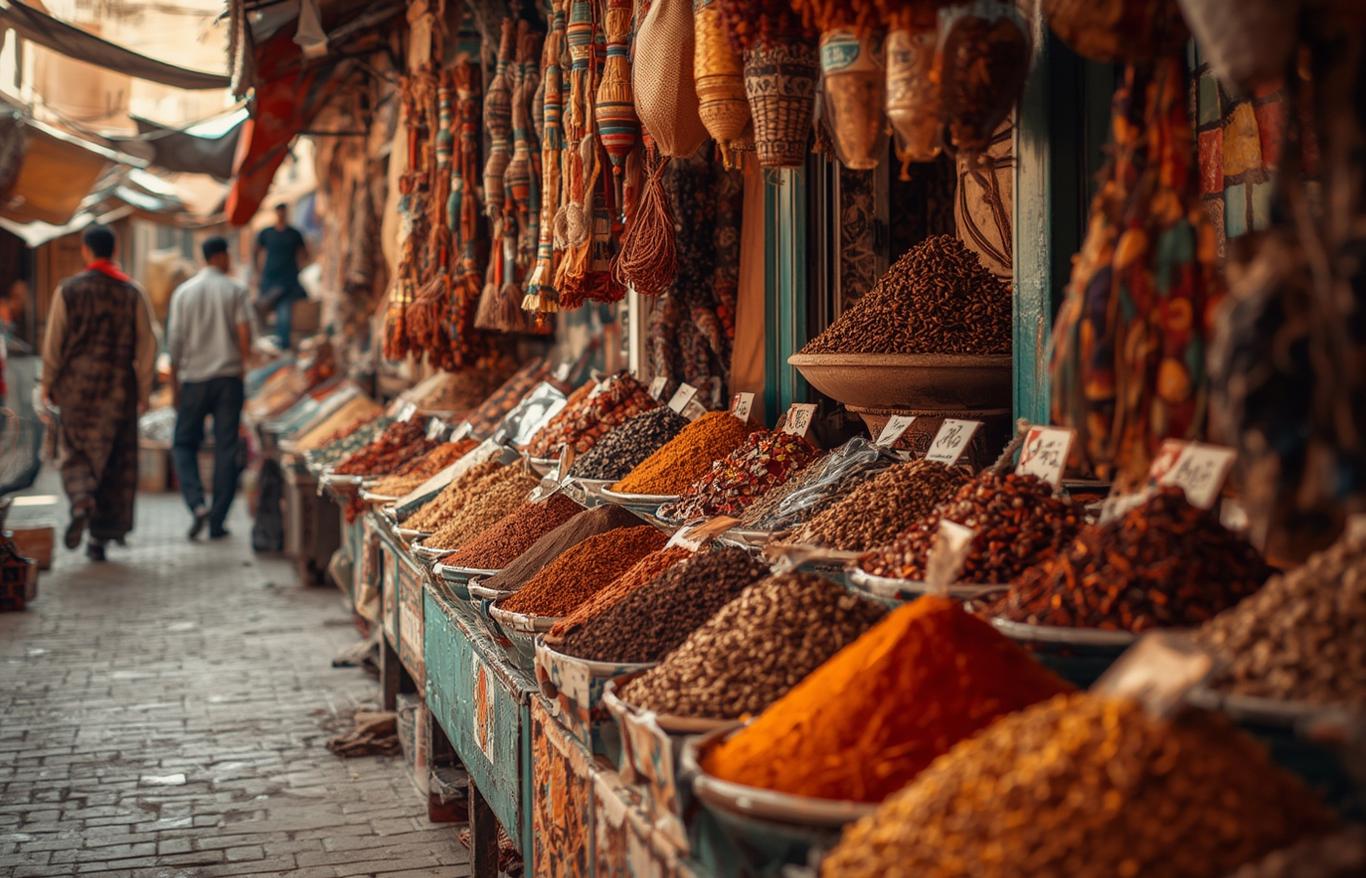
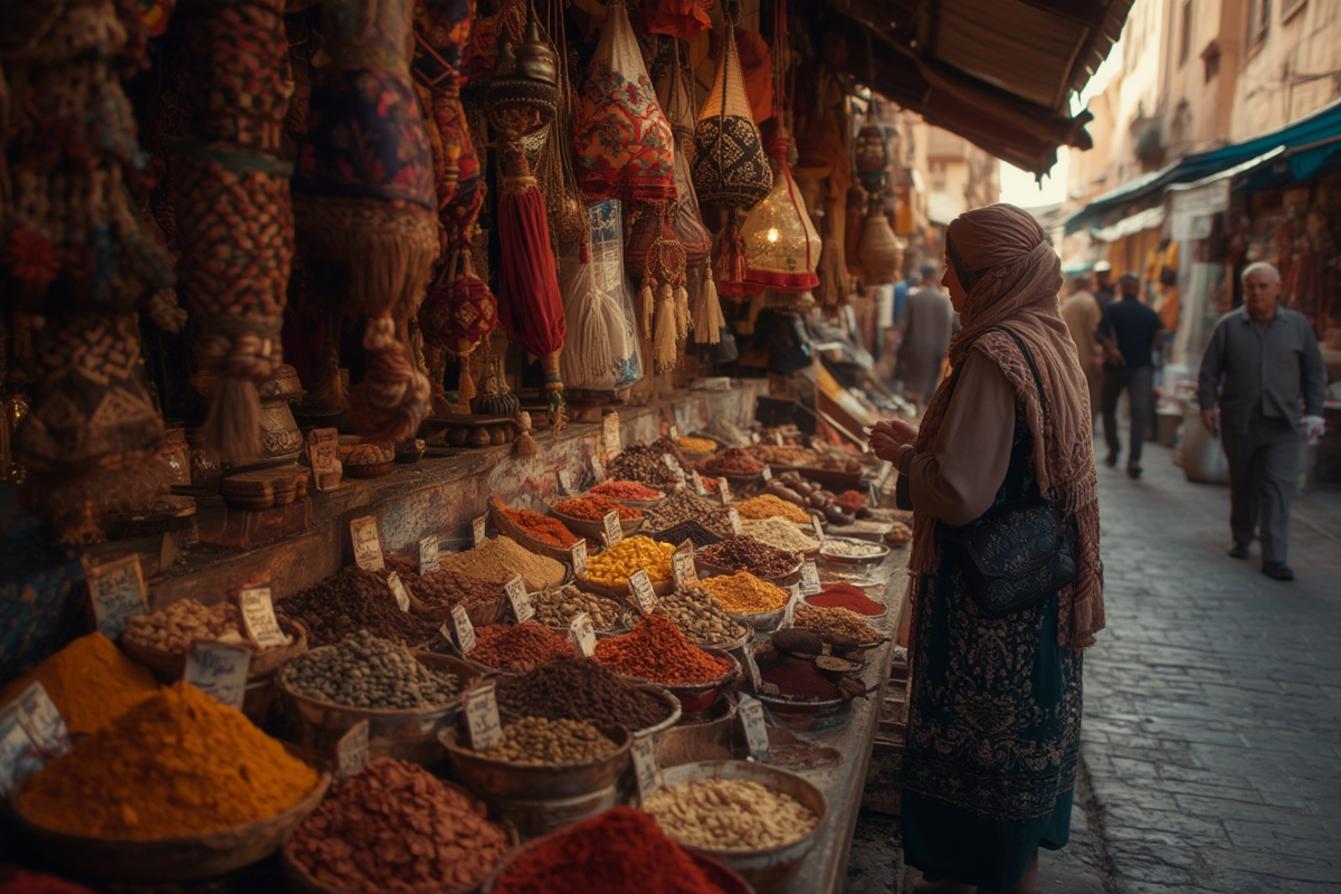
Stepping into one of Morocco’s bustling spice markets is an assault on the senses in the most delightful way imaginable. The air, thick with a complex perfume, is a tapestry woven from frankincense and cumin, saffron and mint, ginger and paprika. It’s here, amidst towering pyramids of vibrant powders and carefully arranged bundles of herbs, that the very soul of Moroccan cuisine and culture truly comes alive. These aren’t just places to buy ingredients; they are living, breathing institutions, repositories of ancient knowledge, and vibrant hubs of social interaction that have changed little over centuries. Exploring the vibrant colors and aromas of Moroccan spice markets offers a direct plunge into the heart of this captivating nation.
The Sensory Symphony: A Walk Through Morocco’s Spice Souks
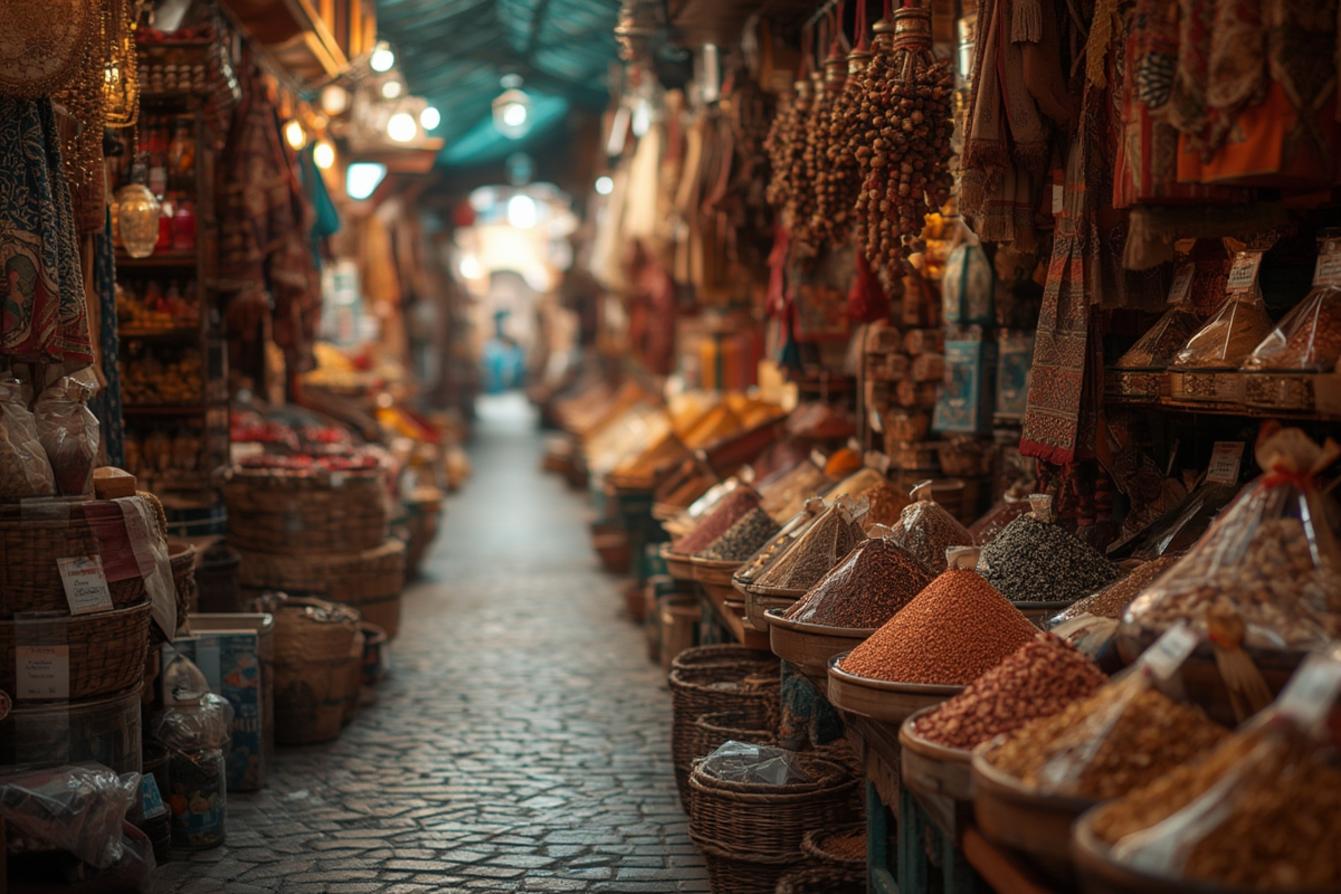
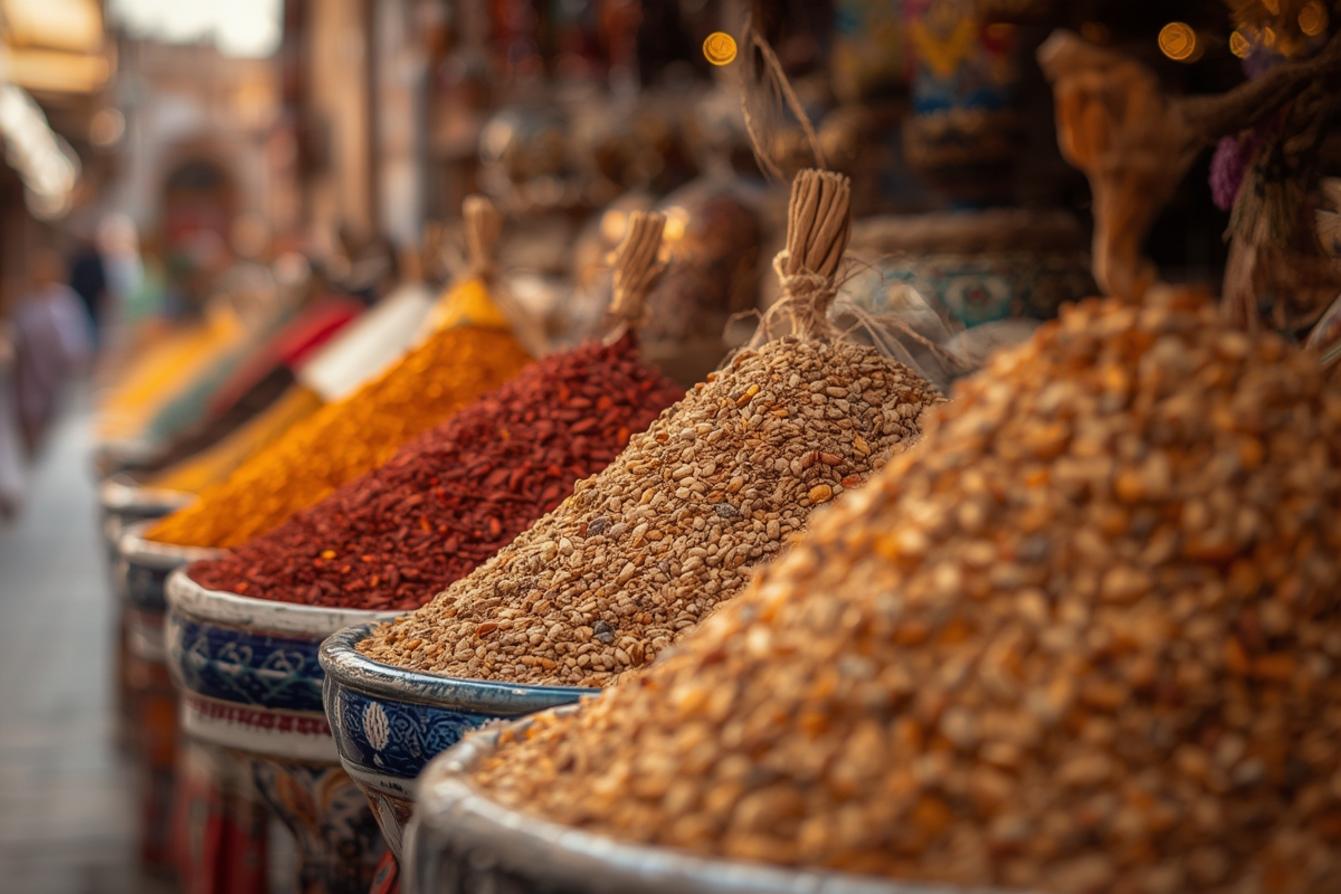
The moment you enter a Moroccan spice market, you’re enveloped. Visually, it’s a kaleidoscope: fiery reds of paprika and chili, sunny yellows of turmeric and ginger, earthy browns of cumin and cinnamon, and the deep, rich orange of premium saffron. Each carefully sculpted mound of spice shines under the souk’s soft light, inviting touch and admiration. But it’s the smell that truly arrests you. It’s not a singular aroma but a complex, layered fragrance that evolves with every step. One moment you’re hit with the pungent sweetness of star anise, the next with the warm, woody notes of cardamom, all underscored by the earthy grounding of fresh za’atar. This sensory overload is precisely why Moroccan spice markets are so enchanting – they tell a story not just through sight and smell, but through the very essence of Morocco itself.
Decoding the Staples: Essential Spices of Moroccan Cuisine
Moroccan cuisine is renowned globally for its intricate flavors, and these are almost entirely built on a foundation of expertly chosen spices. Beyond the obvious cumin and turmeric, a deeper dive into the market reveals the true heroes. Saffron, often called ‘red gold,’ is painstakingly harvested and adds a delicate floral note and unmistakable golden hue to dishes like tagines and rfissa. Ras el Hanout, which literally translates to “head of the shop,” is perhaps the most iconic Moroccan spice blend. It’s not a single recipe but a signature mix, often containing dozens of ingredients – from rosebuds and lavender to various peppers, galingale, and even Spanish fly (though less common today). Every spice merchant has their unique take, making each purchase an exciting discovery. Then there’s green mint, a staple not just in tea but in many savory preparations, and vibrant paprika, crucial for coloring and flavoring. Understanding these core components gives you a deeper appreciation for the artistry behind Moroccan cooking.
The Art of the Blend: Crafting Signature Moroccan Flavors
Creating authentic Moroccan dishes is as much about the quality of individual spices as it is about the harmonious way they are combined. This is where the magic of the spice merchant truly shines. Watching a vendor scoop and weigh, often by eye, with practiced grace, as they assemble a custom Moroccan spice blends for a customer, is an education in itself. They understand how different spices interact: how the warmth of cinnamon balances the earthiness of cumin, or how a touch of ginger can lift a rich stew. Many blends are regional; for example, some areas might favor a spicier harissa, while others prefer a more aromatic blend for their preserved lemons. These bespoke blends are a testament to the personalized service and deep traditional knowledge found in the Moroccan spice markets. It’s this nuanced understanding that elevates Moroccan food from simply delicious to truly unforgettable. For those looking to explore the depth of this culinary tradition, you might find similar delights even in the varied landscapes of the Moroccan spice markets.
Beyond Culinary Delights: Spices in Traditional Moroccan Life
The role of spices in Morocco extends far beyond the kitchen. Many spices found in the souks have been historically used for medicinal purposes, passed down through generations. Turmeric, known for its anti-inflammatory properties, is not just a coloring agent in tagines but a traditional remedy. Clove oil is used for toothaches, and nigella seeds are revered for their wide-ranging health benefits. You’ll also encounter incense, frankincense, and myrrh, traditionally used in religious ceremonies, purification rituals, and to perfume homes. Henna, a natural dye made from a plant, is a staple for celebrations, marking hands and feet with intricate patterns. The markets often feature shelves dedicated to these non-culinary treasures, showcasing their deep integration into Moroccan daily life, healing practices, and spiritual customs.
Navigating the Souk: Tips for Travelers in a Moroccan Spice Market
Visiting a Moroccan spice market can be an exhilarating experience, but a little preparation can enhance your visit. First, be prepared for friendly interaction. Vendors are often eager to share their knowledge and stories. Haggling is part of the culture, especially if you’re buying in larger quantities, but always do so politely and with a smile. Don’t be afraid to ask to smell or even taste a small pinch of a spice. Many vendors will offer you mint tea while you browse, and it’s polite to accept. If you’re unsure about a particular spice or blend, ask for recommendations – they are the experts! Consider bringing small, sealable bags for your purchases to keep the aromas contained and prevent accidental spills if buying loose powders. Lastly, take your time. Wander, observe, and absorb the atmosphere. The most rewarding experiences in a Moroccan spice market often come from simply being present and open to discovery. For a deeper dive into the world of Moroccan markets and their storied spices, an interesting read can be found here: Moroccan spice markets.
Conclusion
The Moroccan spice markets are far more than just commercial spaces; they are vibrant cultural arteries, pulsating with history, tradition, and an intoxicating array of colors and scents. They offer a tangible connection to Morocco’s rich culinary heritage and its enduring cultural practices. From the earthy aroma of cumin to the floral notes of saffron, every corner of these souks tells a story, inviting you to take a piece of Morocco’s soul home with you. A visit to these enchanting places is an essential experience for any traveler seeking to truly understand and appreciate the magic of Morocco.
FAQs
What is Ras el Hanout made of?
Ras el Hanout is a popular Moroccan spice blend that literally means “head of the shop” and is a signature mix unique to each merchant. It can contain anywhere from a dozen to over thirty different spices, including things like cardamom, cinnamon, clove, ginger, nutmeg, turmeric, various peppers, rosebuds, and even lavender. There is no single definitive recipe, making each blend a personal creation.
Can I haggle for prices in Moroccan spice markets?
Yes, haggling is a traditional and expected part of shopping in Moroccan spice markets, especially when purchasing substantial quantities. It’s an art form done politely and with good humor. Start with a reasonable counter-offer, and enjoy the friendly negotiation process.
Are the spices sold in bulk fresh?
Typically, yes. Moroccan spice markets thrive on high turnover, meaning the spices are generally fresh. Vendors often grind their spices regularly to ensure potency and flavor. However, it’s always good practice to observe the cleanliness of the stall and the vibrancy of the spices, and to trust your nose.
What should I look out for when buying saffron?
When buying saffron, look for long, trumpet-shaped threads that are a deep, uniform red with minimal orange or yellow stamens. Good quality saffron should have a distinct, slightly sweet, floral aroma. Avoid saffron that looks crumbly, has many yellow parts, or smells artificial, as these could be indicators of lower quality or even adulteration.

 Covers cities, coast, mountains, desert & food