
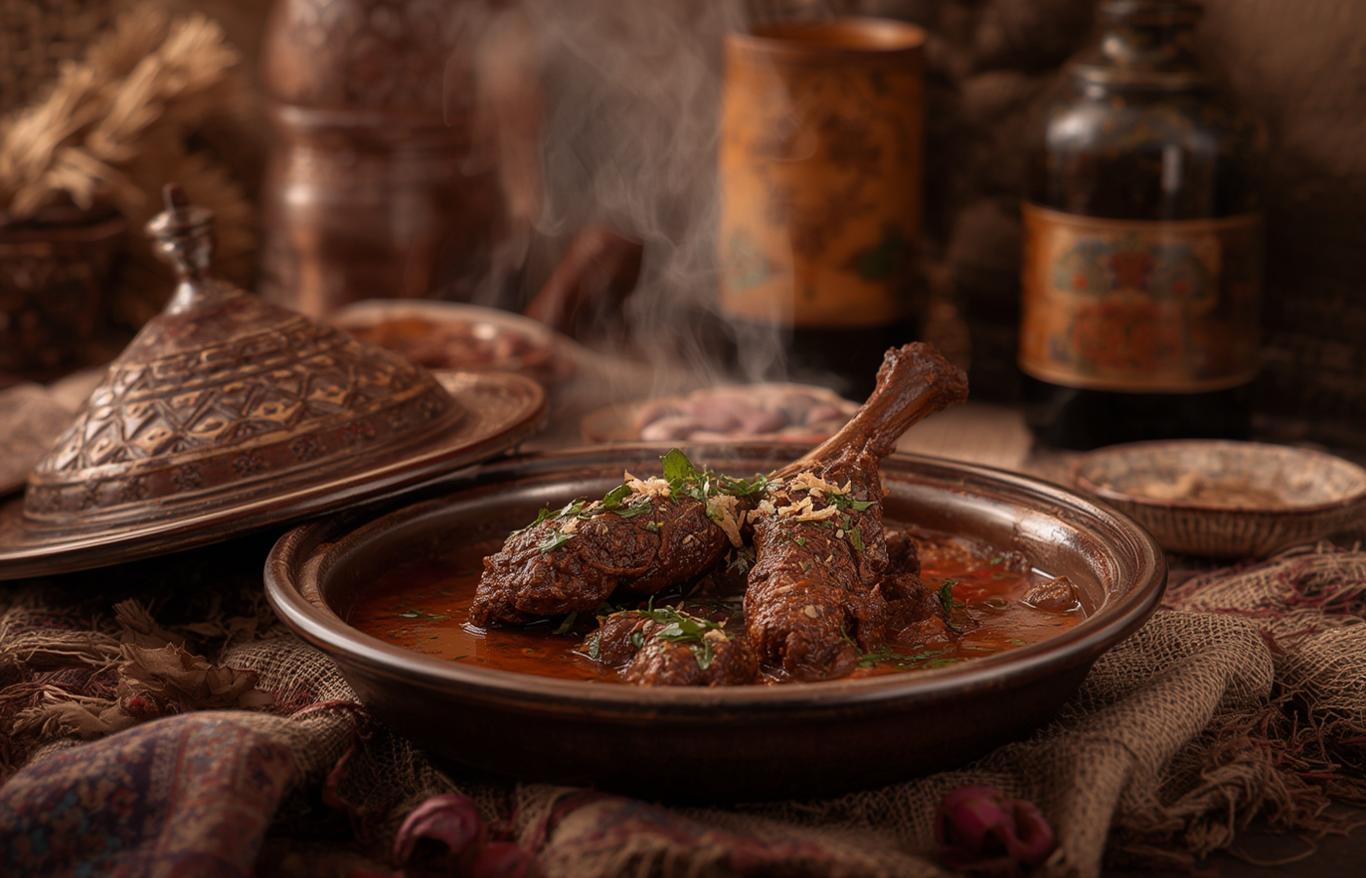
Moroccan lamb tagine is more than just a dish; it’s a culinary journey through centuries of tradition, a symphony of flavors, and a testament to Morocco’s rich cultural tapestry. This slow-cooked stew, tender and aromatic, embodies the warmth of Moroccan hospitality and the intricate art of its cuisine. From bustling medinas to quiet desert oases, the gentle bubbling of a tagine pot is a familiar and comforting sound, promising a meal that nourishes both body and soul. Understanding the authentic Moroccan lamb tagine means delving into its history, appreciating its ingredients, and recognizing the care that goes into its preparation, making it a must-try for any traveler to this enchanting land.
The Ancestral Roots and Evolution of Moroccan Lamb Tagine
The history of the tagine, both the dish and the distinctive cooking vessel, stretches back centuries, intertwined with the very fabric of Moroccan life. While its exact origins are debated, some culinary historians trace its lineage to ancient North African cooking methods, perhaps even predating the arrival of the Arabs. The word “tagine” itself often refers to the earthenware pot with its conical lid, designed to trap steam and return moisture to the food, creating incredibly tender results in regions where water was scarce. This ingenious design made slow cooking over low heat possible, transforming tougher cuts of meat into succulent masterpieces.
Lamb, being a staple meat in Morocco, especially for celebrations and special occasions like Eid al-Adha, naturally found its way into these slow-simmered stews. The early tagines were likely simpler, relying on the inherent quality of the ingredients and the efficient cooking method. Over time, as Morocco became a crossroads of trade routes—connecting Africa, Europe, and the Middle East—new spices, dried fruits, and techniques were introduced. This rich exchange infused the Moroccan lamb tagine with the complex aromatics and subtle sweetness that define it today, reflecting influences from Berber, Arab, Andalusian, and even Ottoman culinary traditions. Each region, each family, even each individual cook, adds their own nuanced touch, making every Moroccan lamb tagine a unique expression of culinary heritage.
The Signature Spice Profile: What Makes Moroccan Lamb Tagine Sing
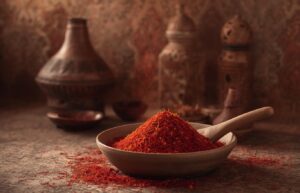
The magic of Moroccan lamb tagine lies not just in the tender meat but in the captivating balance of its spices. This isn’t about overpowering heat, but rather a harmonious blend of earthy, warm, and sometimes sweet notes that tantalize the palate. The foundation usually involves a careful layering of common Moroccan spices. Cumin, ginger, turmeric, and paprika are almost always present, providing a warm, golden hue and a depth of flavor. Black pepper adds a gentle kick, while saffron, often steeped in a little warm water to release its vibrant color and aroma, introduces a luxurious, subtly floral note.
Beyond these staples, regional variations and personal preferences dictate additional elements. Cinnamon and sometimes even a touch of nutmeg might be used, especially when the tagine incorporates dried fruits like prunes or apricots, which are frequent companions to lamb. A classic Moroccan spices blend, known as Ras el Hanout, meaning “head of the shop,” is a complex mixture of upwards of 20 or even 30 different spices, often including ingredients like cardamom, mace, allspice, and rosebuds. While not always used in every tagine, a good pinch of Ras el Hanout can elevate the dish to an extraordinary level, adding an unparalleled aromatic complexity. This precise combination of spices, patiently cooked into the lamb, is what truly sets Moroccan lamb tagine apart from other stews around the world.
Crafting Perfection: Essential Ingredients and Methods
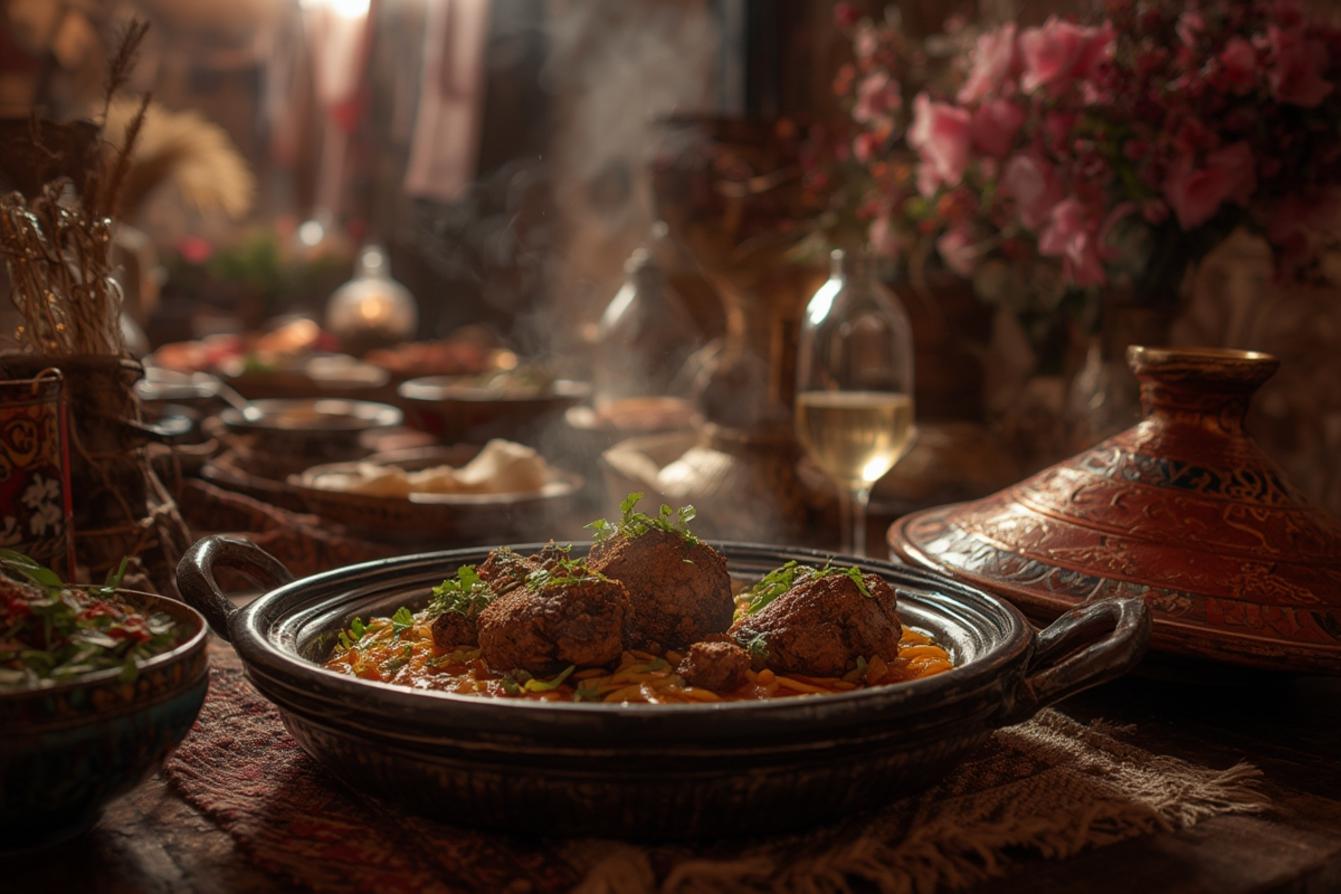
Creating an authentic Moroccan lamb tagine is an act of love and patience. At its heart are a few non-negotiable components. Of course, the lamb is paramount – typically shoulder or leg, cut into generous chunks that can withstand long, slow cooking. Vegetables play a crucial supporting role, often including onions, garlic, and depending on the season and specific recipe, root vegetables like carrots or potatoes. Chickpeas are also a popular addition, providing a delightful textural contrast and nutty flavor.
The preparation begins with caramelizing onions until sweet and golden, forming the flavor base. The lamb is then browned, sealing in its juices before the spices are added, blooming in the hot oil to release their full aroma. A liquid – usually water, sometimes chicken or beef stock, or even a splash of preserved lemon liquid – is added along with herbs like fresh cilantro and parsley. The true magic happens during the slow simmer in the tagine pot. The conical lid collects steam, condensing it back into the dish, ensuring the meat remains incredibly moist and tender. This gentle, extended cooking time allows all the flavors to meld and deepen, transforming humble ingredients into something extraordinary. Techniques like layering ingredients to ensure even cooking and gentle simmering over coals or a very low flame are key to achieving that signature melt-in-your-mouth texture.
The Art of Serving: A Communal Ritual
In Morocco, food is inherently communal, and the Moroccan lamb tagine is perhaps the best embodiment of this philosophy. It’s rarely served as an individual portion but rather placed directly in the center of the table, often still bubbling gently from its journey from the kitchen. Family and friends gather around, breaking off pieces of khobz (Moroccan bread) to scoop up the tender meat, soft vegetables, and rich sauce. There are no individual plates; everyone shares from the same pot, fostering a sense of togetherness and warmth. This communal dining ritual is a cornerstone of Moroccan hospitality, emphasizing shared experience and connection over individual servings.
When you’re a guest in a Moroccan home, partaking in a tagine meal is an honor. The host will often encourage you to eat, ensuring you get enough of the choicest pieces. There’s an unspoken etiquette involved: using your right hand, dipping your bread into the sauce nearest to you, and savoring each bite. The experience is tactile, aromatic, and deeply satisfying, allowing you to fully immerse yourself in the flavors and the company. Often served with a side of refreshing mint tea, the entire meal becomes a slow, cherished event, reflecting the unhurried pace of Moroccan life.
Regional Variations of Moroccan Lamb Tagine
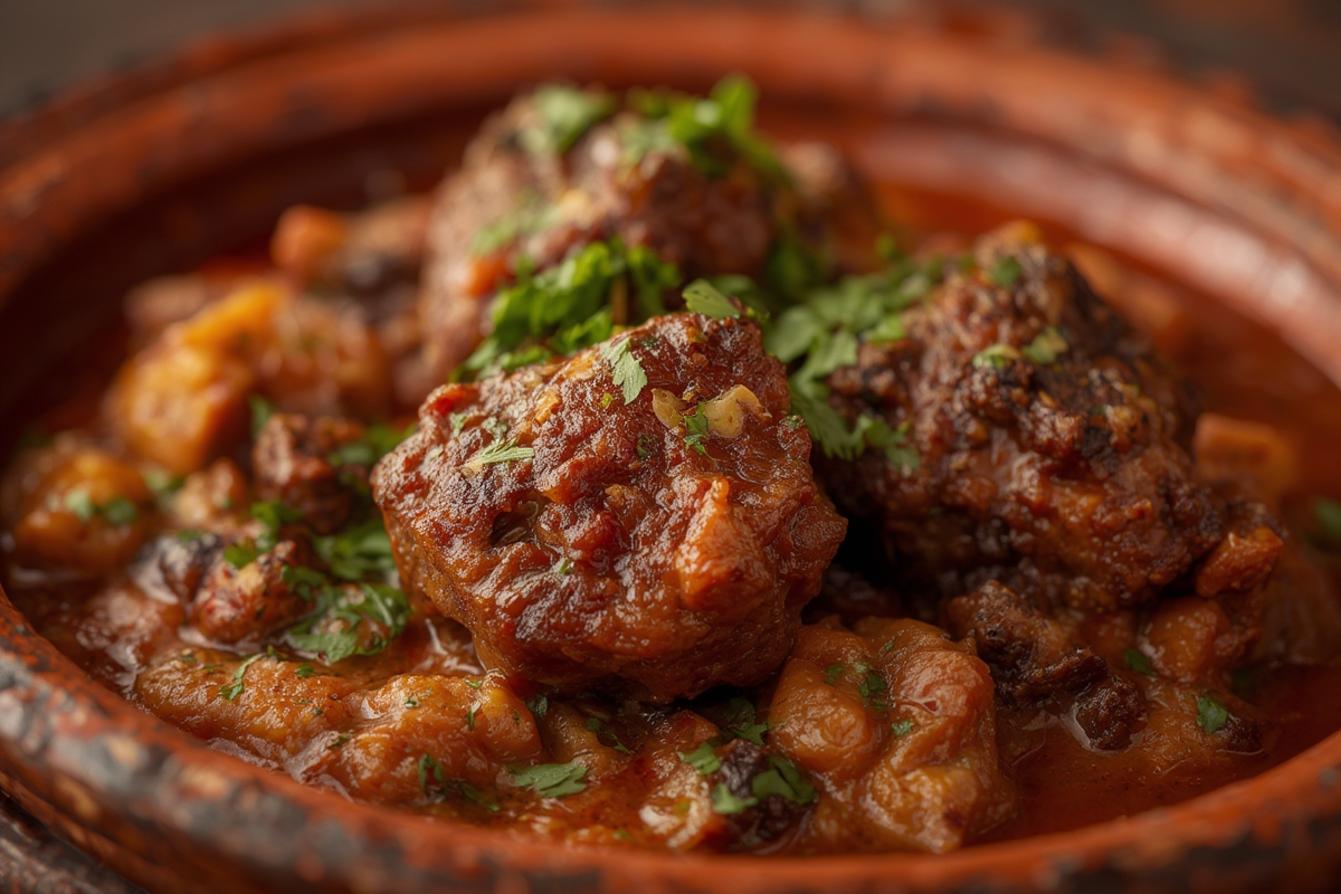
While the fundamental principles of a Moroccan lamb tagine remain consistent, the specific ingredients and flavor profiles can vary significantly from one region to another, reflecting local produce and culinary traditions. For example, in the central plains and mountainous regions, you might find lamb tagine prepared simply with potatoes, carrots, and peas, highlighting the freshness of local vegetables.
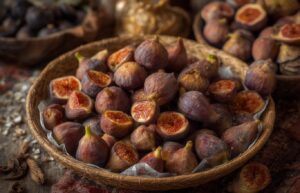
As you move towards the coast, particularly around cities like Essaouira, you might encounter tagines incorporating preserved lemons and olives, adding a tangy, briny complexity that beautifully complements the richness of the lamb. In the south, near the Sahara, the influence of dates and apricots often comes into play, creating a sweeter, more aromatic lamb tagine with a hint of dried fruit. Some tagines might even incorporate local herbs like marjoram or thyme. Each variation offers a unique glimpse into the diverse culinary landscape of Morocco, making the exploration of Moroccan lamb tagine an exciting adventure for the palate. If you’re interested in recreating some of these flavors at home, this recipe provides a great starting point for understanding how different elements contribute to the overall taste: Moroccan spices blend.
Sourcing and Savoring: Where to Experience Authentic Lamb Tagine
For travelers to Morocco, experiencing an authentic Moroccan lamb tagine is an absolute must. The best places to find it are often not necessarily the flashiest restaurants but rather the smaller, family-run eateries known as dada or more traditional restaurants found off the beaten path. In cities like Marrakech or Fes, venturing into the medina will lead you to countless spots where you can smell the tagine bubbling from afar. Look for places where locals are eating; this is often the best indicator of quality and authenticity.
Many riads and guesthouses also offer exquisite homemade tagines, often prepared by the resident dada (chef or cook) with recipes passed down through generations. These experiences often provide a more intimate setting and a chance to learn about the dish directly from those who prepare it. Don’t be afraid to ask for recommendations from locals, as they can guide you to hidden gems. When ordering, be patient; a good tagine, especially lamb, takes time to cook, and its slow preparation is part of its charm and flavor. Embrace the communal eating style, use the bread to scoop up the succulent meat and rich sauce, and allow yourself to be transported by the depth of flavor that defines a true Moroccan lamb tagine.
Conclusion
The journey through the world of Moroccan lamb tagine reveals far more than just a recipe; it uncovers chapters of history, traditions of hospitality, and the profound artistry embedded in Moroccan cuisine. From the ancient design of its cooking vessel to the intricate ballet of its spices and the communal warmth of its serving, every aspect of this dish tells a story. It stands as a vibrant symbol of Morocco’s rich cultural heritage, inviting travelers and food enthusiasts alike to savor its tender lamb, aromatic spices, and heartwarming essence. To truly experience Morocco is to share in the magic of a beautifully prepared Moroccan lamb tagine.
FAQs
What type of lamb is best for Moroccan lamb tagine?
For the most tender and flavorful Moroccan lamb tagine, cuts from the shoulder or leg are traditionally preferred. These cuts have a good balance of meat and fat, and their connective tissues break down beautifully during the long, slow cooking process, resulting in incredibly succulent lamb.
Can Moroccan lamb tagine be made without a traditional tagine pot?
While a traditional earthenware tagine pot is ideal for slow, even cooking and for serving, you can absolutely make a delicious Moroccan lamb tagine in a heavy-bottomed Dutch oven or a similar pot with a tight-fitting lid. The key is to maintain a low simmer to replicate the gentle, moist cooking environment of the tagine pot.
What are common accompaniments to Moroccan lamb tagine?
Moroccan lamb tagine is almost always served with plenty of khobz, Moroccan flatbread, which is used to scoop up the meat, vegetables, and rich sauce. Sometimes, a simple side salad of chopped tomatoes, cucumbers, and onions, dressed with lemon juice and olive oil, might accompany it. Refreshing mint tea often follows the meal.
Is Moroccan lamb tagine spicy?
Authentic Moroccan lamb tagine is generally not spicy in the sense of being hot or chili-laden. Instead, it relies on a complex blend of aromatic and warming spices like ginger, turmeric, cumin, paprika, and sometimes a hint of cinnamon or saffron. These spices create a depth of flavor that is rich and fragrant, rather than fiery.



 Covers cities, coast, mountains, desert & food