
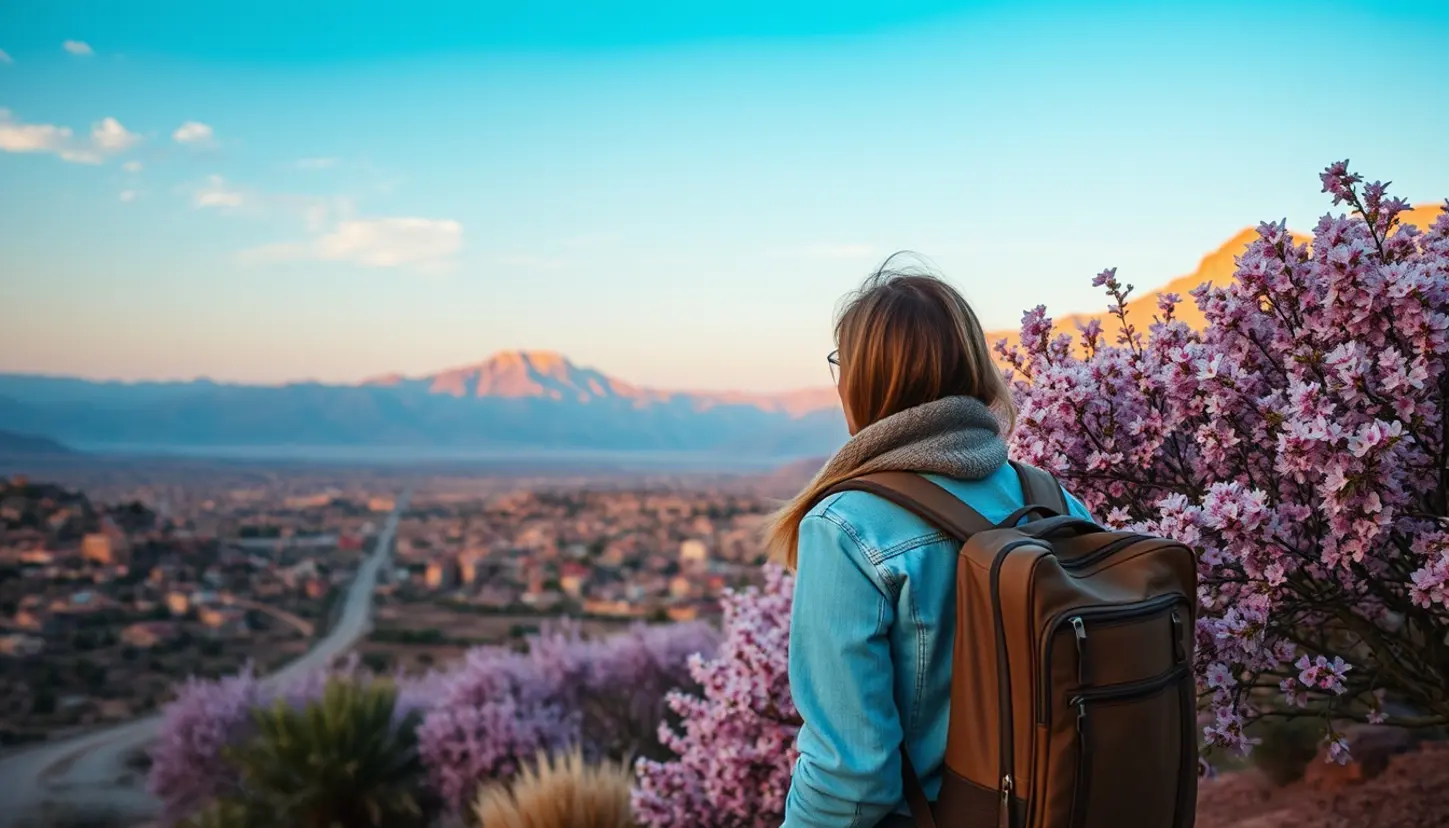
Nestled deep within the Anti-Atlas Mountains of Morocco, the Tafraout almond valley awakens each year in a breathtaking spectacle of soft pink and white blossoms. This remote, yet utterly captivating region, often overlooked by mainstream tourism, offers a unique blend of natural beauty, ancient Berber culture, and a serene escape from the bustling imperial cities. More than just a scenic drive, exploring the Tafraout almond valley provides an immersive experience into the heart of rural Morocco, where time seems to slow down, and the rhythm of life is dictated by the seasons. It’s a destination that truly appeals to those seeking authenticity, stunning landscapes, and a genuine connection with local traditions.
Witnessing Nature’s Pastel Masterpiece in Tafraout
The true magic of the Tafraout almond valley unfolds during its annual almond blossom season. Typically from late January to mid-February, the stark, rugged landscapes of the Anti-Atlas transform into a delicate tapestry of pink and white. Imagine driving through valleys where gnarled almond trees, some hundreds of years old, burst into bloom against a backdrop of towering, rose-hued granite mountains. This ephemeral beauty is not just a visual delight but an integral part of the local economy and culture. The sweet, subtle scent of blossoms fills the air, creating an almost dreamlike atmosphere. It’s a moment that local farmers eagerly anticipate, marking the promise of a bountiful harvest later in the year, and a spectacle that beckons travelers with a keen eye for natural wonders.
The Enchanting Landscape Beyond the Blossoms
While the almond blossoms are a major draw, the Tafraout almond valley offers captivating scenery year-round. The region is famous for its distinctive granite rock formations, sculpted over millennia by wind and water into surreal shapes. These massive, often rose-colored boulders create a dramatic and otherworldly backdrop to the scattered argan and almond groves, and the traditional Berber villages nestled precariously on hillsides. Some formations are so peculiar they have earned local nicknames, like “Napoleon’s Hat.” Exploring these geological wonders, whether by car, mountain bike, or on foot, reveals hidden canyons, ancient cave dwellings, and panoramic viewpoints that stretch for miles across the rugged terrain. The light here, especially at dawn and dusk, paints the rocks in hues of purple, orange, and deep red, offering endless opportunities for photographers and nature lovers.
Discovering the Heart of Berber Culture
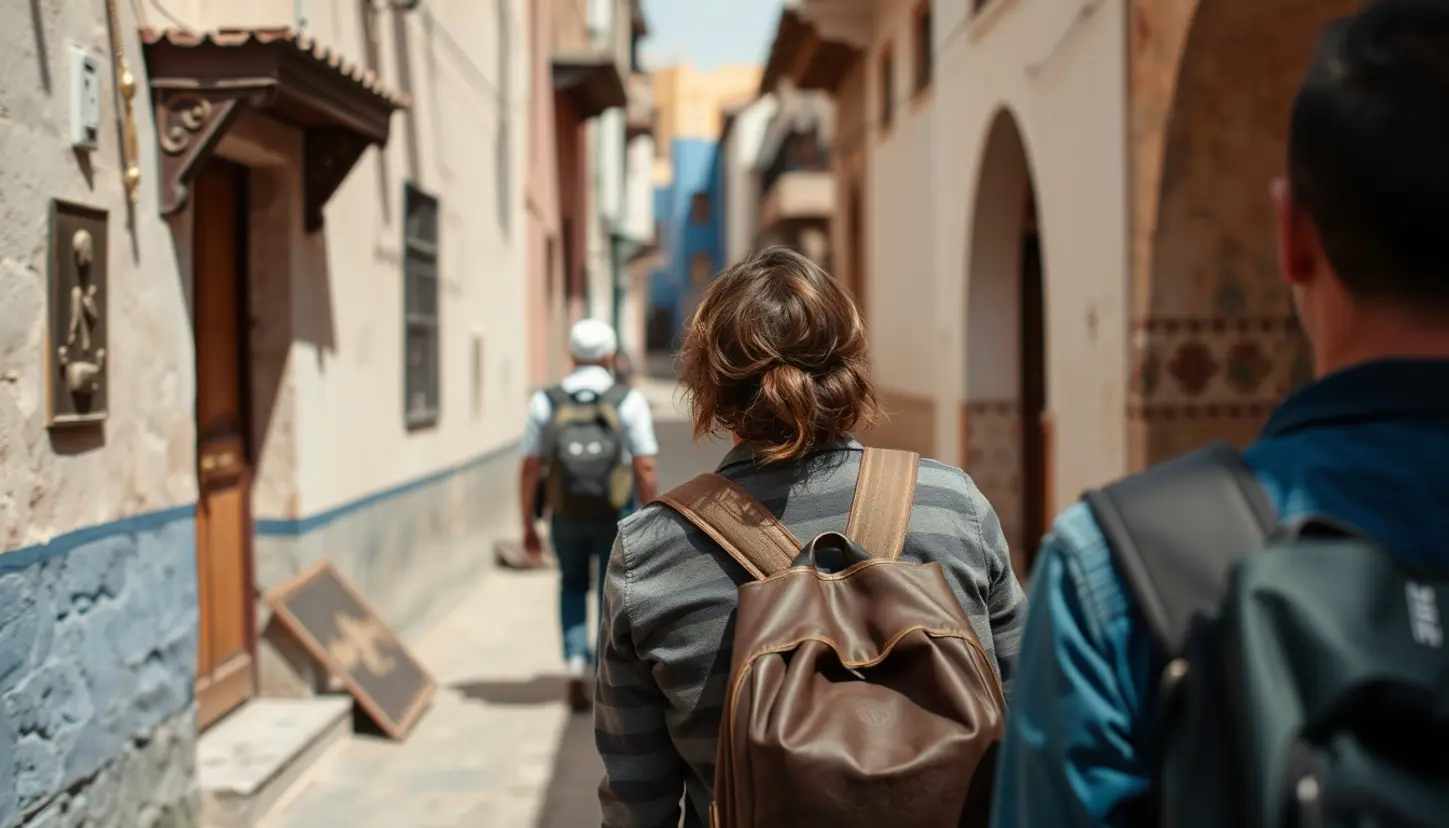
The Tafraout almond valley is not just a place of natural beauty; it is a living testament to the resilience and rich heritage of the Amazigh (Berber) people. The villages scattered throughout the valley are characterized by their traditional architecture, often blending seamlessly with the rocky landscape. Houses built from local stone, painted in ochre, pink, and red, line narrow, winding streets. Here, life moves at a different pace, deeply rooted in ancient traditions. Visitors have the opportunity to engage with local communities, perhaps by visiting a Saturday souk (market) in Tafraout town, where farmers and artisans gather to sell their wares – from fresh produce and spices to handmade rugs and traditional silver jewelry. Experiencing a cup of mint tea with a local family or observing the age-old methods of argan oil production offers a profound insight into a way of life that has largely remained unchanged for centuries. This cultural immersion is as rewarding as the scenery itself.
Tafraout Town: The Valley’s Charming Hub
At the heart of the Tafraout almond valley lies the small but vibrant town of Tafraout. This administrative and commercial center serves as an excellent base for exploring the surrounding region. The town itself is a delight, with its distinctive pink-painted houses, lively central square, and a relaxed, welcoming atmosphere. Tafraout is particularly renowned for its traditional leather slippers, known as babouches, and exquisite silver jewelry, which holds significant cultural importance for the Amazigh people. Strolling through the souk, you’ll find artisans hammering designs into silver or carefully crafting leather goods. The weekly market is a sensory overload in the best way possible, offering a chance to witness local life unfold, haggle for treasures, and sample regional delicacies. From Tafraout, it’s easy to arrange day trips to nearby villages, explore hiking trails, or simply relax at a café and soak in the peaceful ambiance.
Exploring the Painted Rocks: A Quirky Artistic Endeavor
One of the more peculiar and surprisingly captivating attractions near Tafraout are the “Painted Rocks.” Conceived in 1984 by Belgian artist Jean Verame with the help of local firefighters and a team of workers, a vast collection of granite boulders was painted in striking shades of blue, pink, red, and purple. This monumental art project, covering several square kilometers, aimed to enhance the natural landscape and create a sense of harmony between man and nature. While the colors have faded somewhat over the decades, the sheer scale and audacity of the project remain impressive and continue to draw curious visitors. It’s a surreal sight, these brightly colored rocks contrasting dramatically with the natural ochres of the surrounding desert. A visit to the painted rocks adds an unexpected artistic dimension to the natural wonders of the Tafraout almond valley.
Crafting Your Journey to the Almond Valley
Reaching the Tafraout almond valley requires a bit more effort than arriving at Morocco’s more popular destinations, but the journey itself is part of the adventure. Tafraout is situated approximately 180 kilometers southeast of Agadir, the nearest major city with an international airport. From Agadir, the most common way to reach Tafraout is by grand taxi (shared taxi) or by renting a car. The drive is incredibly scenic, winding through dramatic mountain passes and past traditional villages. For those who prefer a guided experience, several tour operators offer excursions from Agadir or even Marrakech, often combining Tafraout with other Anti-Atlas highlights. It’s recommended to have your own transport if you wish to fully explore the numerous small villages and hidden gems scattered throughout the valley at your own pace. While the roads are generally well-maintained, some of the smaller tracks require a confident driver.
Seasonal Rhythms: When to Experience Tafraout’s Best
The ideal time to visit the Tafraout almond valley largely depends on your priorities. For the unparalleled beauty of the almond blossoms, aim for late January to mid-February. This period transforms the valley into its most photogenic state, though exact timing can vary slightly each year due to weather patterns. If hiking and cooler temperatures are your preference, the spring (March to May) and autumn (September to November) offer pleasant weather for outdoor activities, with clear skies and comfortable daytime temperatures. Summers (June to August) can be very hot, making extensive exploration less comfortable, but the intense light during this season can also create stunning photographic opportunities, particularly around sunrise and sunset. Winter months outside of blossom season are generally mild and offer a peaceful, uncrowded experience of the region’s rugged beauty. Keep in mind that as a relatively remote area, even during peak blossom season, Tafraout usually retains a tranquil atmosphere.
Culinary Delights and Local Flavors
The cuisine in the Tafraout valley is a reflection of its Berber heritage, emphasizing fresh, local ingredients. Almonds, of course, feature prominently. You’ll find them in various forms, from the sweet amlou (a delicious dip made from roasted almonds, argan oil, and honey) served with bread for breakfast, to flavoring tagines and pastries. Argan oil is another staple, produced from the nuts of the endemic argan tree. This golden oil is used both in cooking and for cosmetic purposes, and a visit to a women’s cooperative where it’s produced is both educational and delicious. Traditional Berber tagines, slow-cooked stews bursting with vegetables, meat (often lamb or chicken), and fragrant spices, are a must-try. Don’t miss the local bread, often baked in traditional ovens, and usually served with olive oil or amlou. For a true taste of the region, seek out small, family-run eateries in Tafraout town or even within the guesthouses.
Embracing the Tranquility: Accommodation in the Valley
Accommodation options in the Tafraout almond valley range from traditional guesthouses (gites d’étape) and small hotels in Tafraout town to more rustic auberges in the surrounding villages. You won’t find large resorts here, which is part of the area’s charm. The emphasis is on authenticity and a connection to the local environment. Many establishments offer a warm, family-like welcome, with traditionally decorated rooms and communal dining areas where guests often share meals, fostering a sense of community. Staying in a guesthouse in one of the smaller villages can provide an even deeper immersion into Berber life, often with simple yet comfortable amenities. It’s advisable to book in advance, especially during the almond blossom season, as options can be limited. Choosing accommodation with a focus on local hospitality will greatly enhance your Tafraout experience.
Conclusion
The Tafraout almond valley is a destination that truly rewards the intrepid traveler seeking an authentic and visually stunning Moroccan experience. From the ephemeral beauty of its pink and white almond blossoms to the surreal sculpted landscapes and the enduring warmth of Berber culture, it offers a journey unlike any other. It’s a place where natural grandeur meets ancient traditions, leaving visitors with lasting memories of its unique charm. Whether you come for the blossoms or the year-round dramatic scenery, the Tafraout almond valley promises an unforgettable immersion into the heart of Morocco’s Anti-Atlas region.
FAQs
When is the best time to see the almond blossoms in Tafraout?
The almond blossoms typically bloom from late January to mid-February. However, the exact timing can vary slightly each year depending on local weather conditions, so it’s always a good idea to check local reports closer to your travel dates.
How can I get around the Tafraout almond valley once I’m there?
While you can hire grand taxis for specific routes, the best way to explore the Tafraout almond valley’s numerous villages, rock formations, and scenic drives is by renting a car. This gives you the flexibility to stop wherever you like and discover hidden gems at your own pace. Guided tours also often include transport within the valley.
Is Tafraout suitable for solo travelers?
Yes, Tafraout is generally considered a safe and welcoming destination for solo travelers. The local Berber people are known for their hospitality, and the town itself has a relaxed atmosphere. As with any travel, exercising common sense and being aware of your surroundings is always advisable.
What unique souvenirs can I find in Tafraout?
Tafraout is famous for its high-quality leather babouches (traditional slippers) and exquisite silver jewelry, which are both deeply rooted in local Berber craftsmanship. You can also find locally produced argan oil, amlou (almond and argan dip), and traditional woven rugs.





 Covers cities, coast, mountains, desert & food