
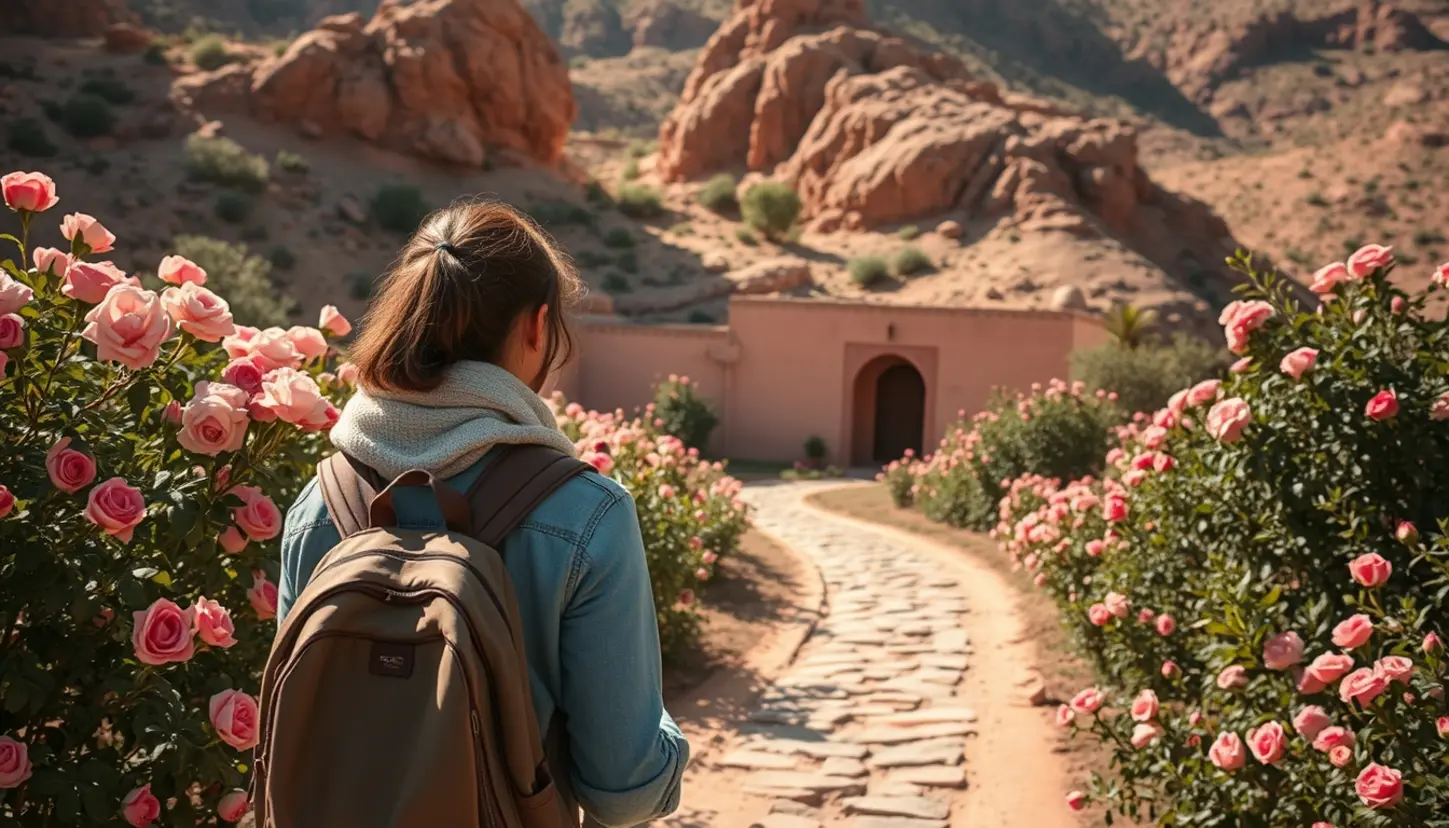
Stepping into the Valley of Roses Morocco feels like entering a living postcard, where the air itself is perfumed with the sweet scent of Damascus roses. This breathtaking region, nestled in the M’Goun Valley of the High Atlas Mountains, is a place where nature’s artistry meets ancient traditions. It’s a destination that captivates every sense, offering a unique blend of stunning landscapes, vibrant culture, and the unforgettable aroma that gives the valley its name. From its dramatic canyons to its lush fields, the Valley of Roses is a must-visit for anyone seeking an authentic and immersive Moroccan experience beyond the bustling cities.
Discovering the Heart of Morocco’s Blooming Landscape
The Valley of Roses isn’t just a picturesque location; it’s the epicenter of Morocco’s rosewater and rose oil production. Every spring, typically in April and May, the valley explodes into a riot of pink blooms. This annual spectacle culminates in the Fête des Roses (Rose Festival) in Kelaat M’Gouna, the region’s main town, drawing visitors from across the globe. Imagine walking through fields where local women in colorful traditional dress are meticulously hand-picking thousands of rose petals, their laughter echoing through the valley. It’s a scene straight out of a dream, and witnessing this age-old ritual firsthand is incredibly humbling. Beyond the visual beauty, the valley offers a deep dive into Berber culture, with traditional kasbahs and friendly villagers always ready to share a cup of mint tea. The journey through this region is as much about the physical landscape as it is about connecting with the heart of its people and their enduring way of life.
Navigating the Scenic Routes to the Rose Valley
Reaching the Valley of Roses Morocco is an adventure in itself, typically involving a scenic drive that gradually unfolds the majesty of the Atlas Mountains. The most common starting point for visitors is Marrakech or Ouarzazate. From Marrakech, the journey usually takes you over the dramatic Tizi n’Tichka pass, offering panoramic views before descending into the Dades Valley region. From there, you branch off towards Kelaat M’Gouna, the gateway town to the valley. The roads are generally well-maintained, though some segments can be winding, adding to the sense of exploration. Many travelers opt for organized tours that handle transportation, allowing them to relax and soak in the ever-changing vistas. For those preferring more independence, renting a car provides the flexibility to stop at charming villages, take impromptu photos, and simply savor the journey at their own pace.
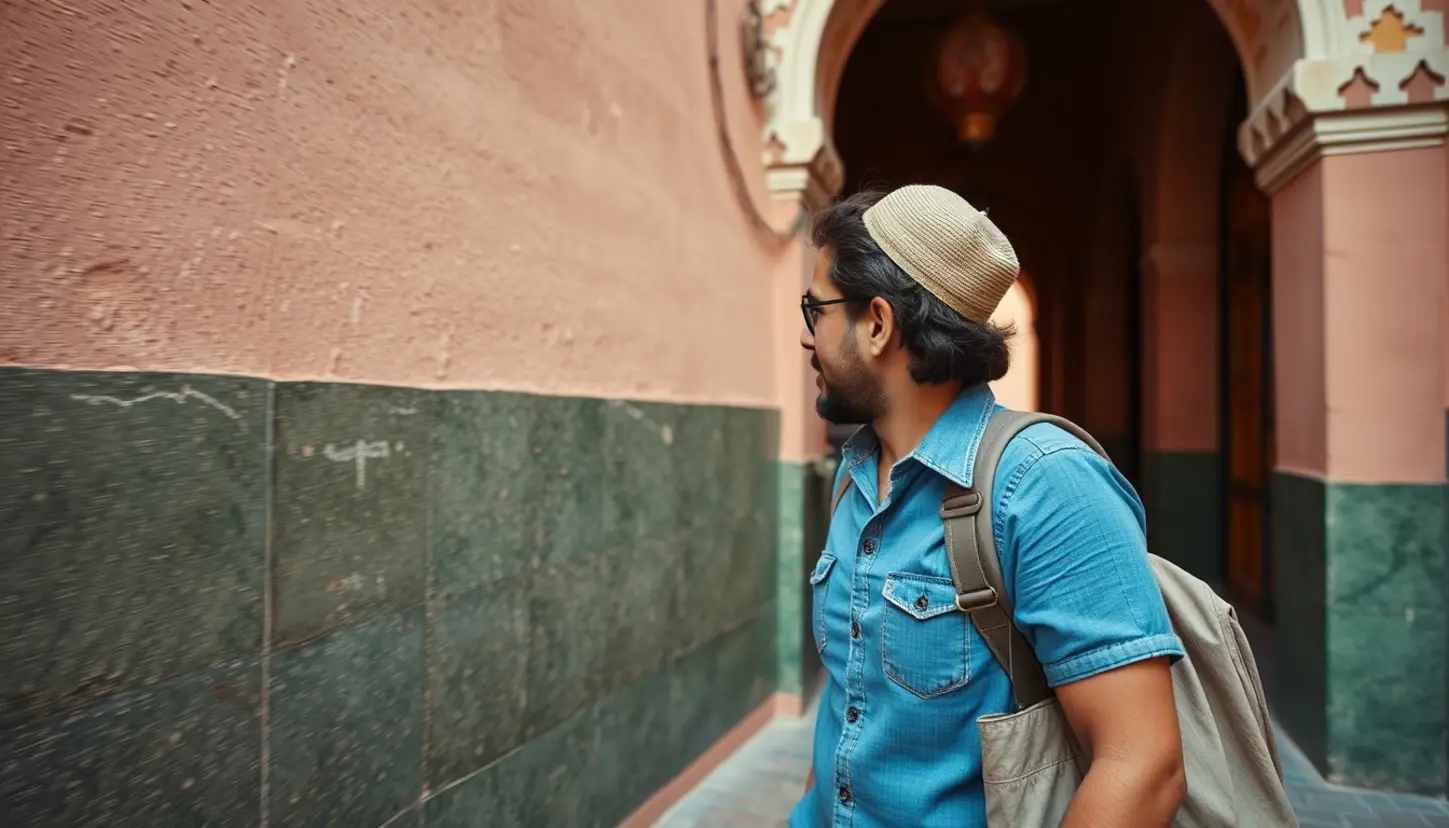
Alternatively, public transport, primarily grand taxis or local buses, connects major towns, though it requires more planning and patience. Whichever method you choose, the road to the Valley of Roses is an integral part of the overall experience, preparing you for the tranquil beauty that awaits. It’s not merely a destination; it’s a journey through some of Morocco’s most stunning and culturally rich landscapes.
Embracing the Rose Harvest Experience in Kelaat M’Gouna
The town of Kelaat M’Gouna is synonymous with the rose harvest, and experiencing this annual event is truly a highlight. If your visit aligns with late April or early May, you’ll be immersed in the vibrant Fête des Roses. This festival is a lively celebration of the year’s harvest, featuring traditional Berber music, dancing, elaborate parades, and, of course, an abundance of rose-related products. Stalls line the streets, overflowing with rosewater, rose oil, rose-scented soaps, creams, and even rose-infused culinary delights. It’s an intoxicating atmosphere, filled with joy and the pervasive scent of fresh roses. Beyond the festival, you can visit local distilleries where you can observe the fascinating process of extracting essential oils and rosewater from the delicate petals. This offers a deeper appreciation for the effort and tradition behind these precious products. Learning about the process, from picking to pressing, transforms a simple souvenir into a meaningful memento of your time in the Valley of Roses Morocco.
Trekking and Exploration: Enchanting Rose Valley Hikes
The rugged terrain surrounding the Valley of Roses offers some truly spectacular opportunities for trekking and exploration, making Rose Valley hikes a popular activity. Whether you’re an experienced hiker or prefer a leisurely stroll, there are trails to suit all levels. Imagine following ancient paths that wind through lush riverbeds, past terraced fields, and up to vantage points offering breathtaking views of the gorges and the snow-capped peaks of the High Atlas. Guided hikes are readily available and highly recommended, as local guides can lead you to hidden gems, share insights into the region’s flora and fauna, and introduce you to the local Berber communities. They can also tailor routes to your fitness level and interests.
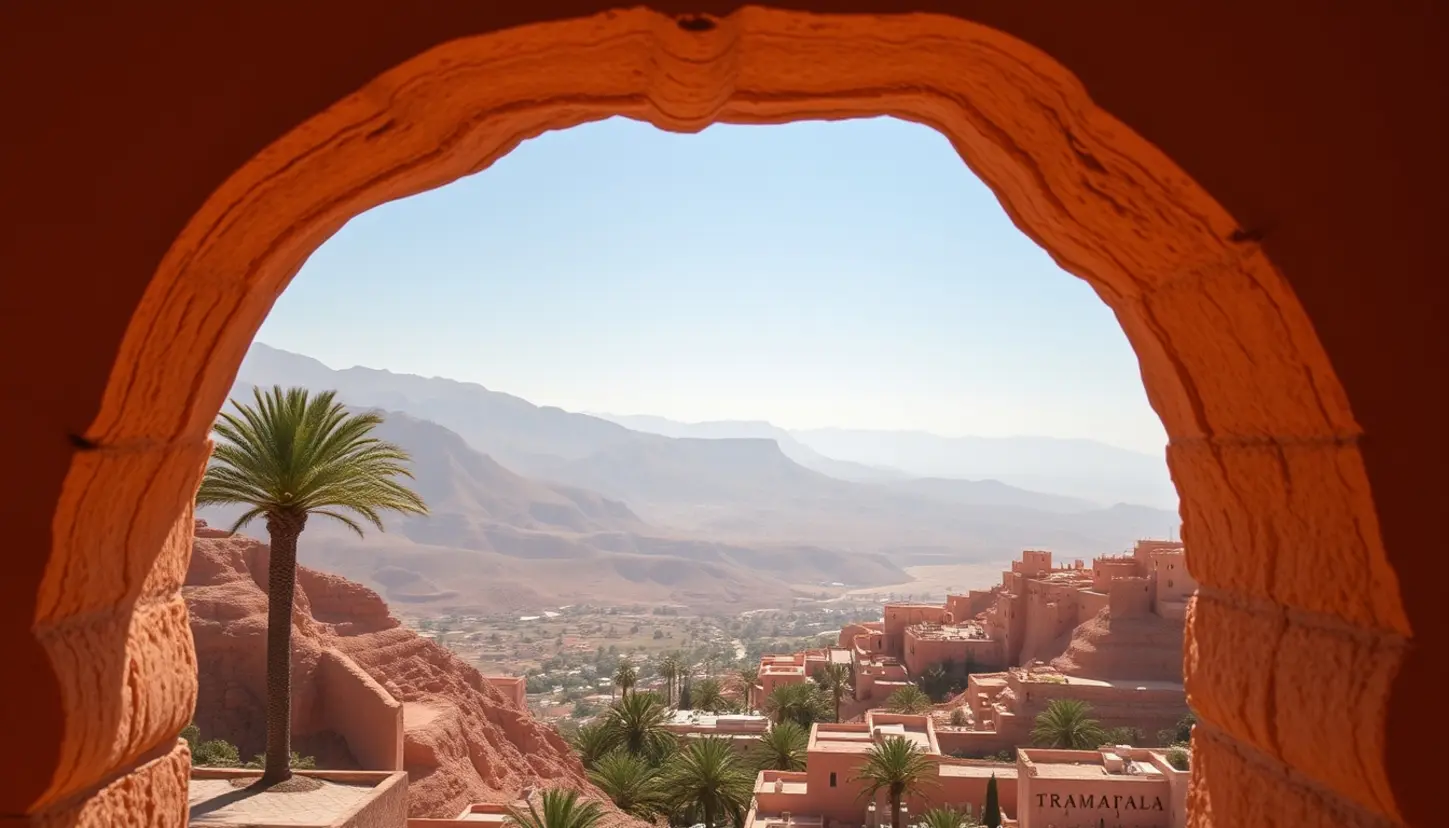
Popular routes often incorporate visits to traditional mud-brick villages, where you might be invited for mint tea, offering a genuine glimpse into rural Moroccan life. The contrasting colors of the green fields, the red earth, and the blue sky create a photographer’s paradise. Don’t forget sturdy walking shoes, a hat, and plenty of water, especially during the warmer months. These treks are not just about physical activity; they are an immersive way to connect with the raw beauty and tranquility of the region, allowing you to truly breathe in the perfumed air of the valley.
Immersing in Local Culture and Berber Hospitality
The true essence of the Valley of Roses Morocco lies in its people. The region is predominantly inhabited by Amazigh (Berber) communities, whose traditions and hospitality are deeply ingrained in daily life. Visiting a local village, even for a short time, provides an authentic cultural experience. You might encounter women weaving colorful carpets, men tending to their fields, or children playing in the narrow alleys. Invites for mint tea are common and should be respectfully accepted; it’s a cherished ritual of warmth and welcome. Learning a few basic phrases in Tamazight (the Berber language) or Darija (Moroccan Arabic) can greatly enhance your interactions and show your appreciation for their culture. Many guesthouses and local cooperatives offer workshops where you can learn about traditional crafts, cooking, or even the process of making rose products. These hands-on experiences offer a deeper understanding of the local way of life and create lasting memories, far richer than any souvenir.
Beyond the Blooms: Exploring Nearby Natural Wonders
While the roses are undoubtedly a major draw, the Valley of Roses serves as an excellent base for exploring a wider region of stunning natural beauty. Just a short drive away lies the dramatic Dades Gorge, often referred to as the “Road of a Thousand Kasbahs,” with its towering red cliffs and unique rock formations. The winding road through the gorge offers exhilarating views, and you can explore ancient kasbahs (fortified houses) that dot the landscape. Further afield, the Todra Gorge presents an even more spectacular sight, with immense canyon walls rising abruptly from the riverbed, popular for rock climbing and scenic walks.
If you’re extending your journey further east, the Sahara Desert, primarily the Erg Chebbi dunes near Merzouga, offers an unparalleled experience. Imagine riding camels over vast golden sands, spending a night under a blanket of stars in a desert camp, and witnessing a breathtaking desert sunrise. This stark contrast to the lushness of the Valley of Roses truly highlights the diverse landscapes Morocco has to offer. You can find tours that seamlessly connect these regions, such as a Valley of Roses Morocco option that continues on to the desert, creating an unforgettable multi-day adventure. Combining your visit to the rose valley with these nearby wonders allows for a truly comprehensive exploration of southeastern Morocco’s natural and cultural marvels.
Practical Advice for Planning Your Rose Valley Adventure
To make the most of your trip to the Valley of Roses Morocco, a little practical planning goes a long way.
Best Time to Visit: The absolute best time to visit is during the rose harvest, typically from late April to mid-May, to witness the fields in full bloom and experience the Fête des Roses. However, the valley is beautiful year-round, offering pleasant weather for hiking in spring and autumn. Summers can be hot, while winters are cooler with occasional snow in the higher elevations.
Accommodation: Options range from traditional guesthouses (auberges) and Kasbahs to basic hotels in Kelaat M’Gouna. Staying in a guesthouse often provides a more authentic experience, with home-cooked meals and opportunities to interact with local families. Booking in advance, especially during the rose festival, is highly recommended.
Getting Around: While organized tours offer convenience, having your own vehicle or hiring a private driver allows for greater flexibility. Within the smaller villages, walking is the best way to explore and soak in the atmosphere.
Packing Essentials: Depending on the season, bring layers of clothing. Always include comfortable walking shoes, a hat, sunglasses, and sun cream. If visiting during cooler months, a warm jacket is essential. Don’t forget a camera to capture the stunning landscapes!
Cultural Sensitivity: Dress modestly, especially when visiting rural areas, and always ask permission before taking photos of people. Bargaining is common in souks (markets), but always do so respectfully.
Language: While Arabic and Berber are the main languages, French is widely spoken, especially in tourist areas. English speakers are becoming more common, particularly among younger generations and those working in tourism.
Adhering to these tips will ensure a smoother, more enjoyable, and truly enriching experience in this enchanting part of Morocco.
Conclusion
The Valley of Roses Morocco offers a captivating blend of natural beauty, rich cultural heritage, and sensory delights that leave an indelible impression on every traveler. From the vibrant spectacle of the rose harvest and the fragrant air to the dramatic landscapes and the warm hospitality of its Berber communities, it’s a destination that truly engages the soul. Whether you’re trekking through ancient valleys, sipping mint tea with locals, or marveling at the intricate process of rose oil extraction, your journey through this enchanting region will be filled with moments of wonder and discovery. It is a place where every petal tells a story, and every winding path leads to a deeper appreciation of Morocco’s unique charm.
FAQs
When is the best time to visit the Valley of Roses to see the blooms and the festival?
The ideal time to visit the Valley of Roses to witness the full bloom and experience the annual Rose Festival (Fête des Roses) is typically from late April to mid-May. This is when the Damascus roses are harvested, and the region comes alive with celebrations, vibrant markets, and the intoxicating scent of fresh petals.
What kind of activities can I do in the Valley of Roses besides seeing the roses?
Beyond the rose harvest, the Valley of Roses offers excellent opportunities for hiking and trekking through the stunning M’Goun Valley, exploring traditional Berber villages and ancient kasbahs, and visiting local distilleries to learn about rose product production. It’s also a great base for day trips to nearby Dades Gorge and Todra Gorge.
How do I get to the Valley of Roses, and is it easy to navigate?
The Valley of Roses is usually accessed via Kelaat M’Gouna, which is located in the Dades Valley. Most travelers arrive from Marrakech or Ouarzazate by car, either rented independently or as part of an organized tour. The roads are generally good, but some segments can be winding. While tours offer ease, hiring a private driver or navigating with a good map can also work.
What should I pack for a trip to the Valley of Roses?
For a trip to the Valley of Roses, pack comfortable walking shoes, layers of clothing (for varying temperatures throughout the day), a hat, sunscreen, and sunglasses. If visiting during the rose harvest, a light jacket might be useful for cooler evenings. Don’t forget your camera for the beautiful scenery and a reusable water bottle.





 Covers cities, coast, mountains, desert & food