Crossing Morocco from the bustling medina markets of Marrakech to the endless sand dunes of Merzouga ranks among North Africa’s most transformative journeys. A 3 day desert tour from Marrakech to Merzouga delivers far more than desert landscapes—it traces ancient caravan routes through the Atlas Mountains, ventures into UNESCO kasbahs, and culminates with camel treks beneath star-filled Saharan skies. This isn’t just transportation between two points; it’s a carefully paced adventure that reveals Morocco’s geological drama, Berber heritage, and the raw beauty of the world’s largest hot desert.
Most travelers underestimate how much territory this route covers. You’ll ascend switchback mountain passes topping 2,260 meters, descend into palm-shaded valleys where mud-brick villages cling to hillsides, and eventually reach the Erg Chebbi dunes—towering sand formations that shift color from amber to deep crimson as sunlight moves across them. Three days gives you enough time to absorb these landscape transitions without feeling rushed, with strategic overnight stops that break the journey naturally.
What Actually Happens During These Three Days
Day one typically starts before 8 AM from your Marrakech accommodation. Your driver navigates out of the city through the Tizi n’Tichka pass, the highest major road crossing in North Africa. The route climbs through pine forests and Berber villages where women sell fossilized trilobites at roadside stands—remnants from when these mountains were ocean floor 500 million years ago.
The first major stop is Aït Benhaddou, the fortified ksar that’s appeared in dozens of films from Gladiator to Game of Thrones. Unlike museum-piece reconstructions, families still inhabit parts of this earthen architecture. You’ll spend about 90 minutes here, enough to climb to the rooftop granary for panoramic views across the Ounila Valley.
After lunch in Ouarzazate—Morocco’s film production hub—the route follows the Valley of Roses toward the Dadès Gorge. The rock formations here bend and fold like geological origami, evidence of tectonic collisions that built the Atlas range. Your first night is typically in a guesthouse perched on the gorge edge, where dinner features tagines slow-cooked in traditional clay pots.
Day two pushes deeper into the pre-Sahara. The Todra Gorge narrows to a 300-meter-high limestone corridor barely 10 meters wide in places—a natural wonder where rock climbers test their skills on sheer walls. From here, the landscape gradually transitions from rocky valleys to flat desert plains dotted with tamarisk bushes.
You’ll reach Merzouga by late afternoon, switching from 4×4 to camel at the dune line. The hour-long camel trek into Erg Chebbi times perfectly with sunset, when the dunes glow orange and shadows stretch dramatically across rippled sand. Your desert camp sits in a dune hollow—permanent Berber-style tents with proper beds, shared bathroom facilities, and communal areas where guides prepare dinner over fire pits. After the meal, someone usually brings out drums for traditional music under phenomenally clear night skies.
Day three starts early if you want to catch sunrise from the dunes—worth the pre-dawn wake-up call. The return to Marrakech follows a different route through the Draa Valley, passing countless palm groves and the occasional nomadic shepherd camp. You’ll typically arrive back in Marrakech between 7 and 9 PM, completing a roughly 1,000-kilometer circuit.
Why the Three-Day Format Works Better Than Alternatives
Two-day versions exist, but they involve brutal driving hours—often 10+ hours in a vehicle on the first day—to reach Merzouga. You arrive exhausted with barely two hours to experience the dunes before sunset. The return leg becomes an endurance test covering the entire distance back to Marrakech in a single marathon day.
Four or five-day tours add more depth with additional stops in the Anti-Atlas Mountains or extended time in the Dadès and Todra valleys. These work well if you have the time and want slower pacing with more hiking opportunities. But for most travelers balancing multiple Morocco destinations, three days hits the sweet spot between comprehensive coverage and schedule flexibility.
The 3 day desert tour from Marrakech to Merzouga structure allows genuine stops rather than rushed photo opportunities. You actually walk through Aït Benhaddou’s narrow passages, spend time in the gorges, and enjoy a full evening at the desert camp rather than a hurried overnight. The return journey’s different route means you’re not simply retracing your path—you see new landscapes on day three.
What to Pack and Prepare For
Temperature swings surprise many first-timers. While Merzouga can hit 45°C in summer afternoons, nights drop to 15-20°C even in July, and winter nights can approach freezing despite sunny days. Layering becomes essential—light breathable clothing for daytime, fleece or jacket for evenings, and a scarf for the camel trek when desert winds pick up.
The camel ride itself lasts about an hour each direction. Despite their reputation, camels move smoothly once they find their rhythm—the challenge is the mounting and dismounting when they stand up in two lurching stages. Wear long pants (not shorts) to prevent chafing, and keep cameras secured in bags during the ride since fine sand infiltrates everything.
Most tours include breakfasts and dinners but not lunches, which you’ll buy at restaurants in the towns you pass through. Budget 60-100 dirhams per lunch. Bring snacks and plenty of water—vehicles have coolers, but staying hydrated matters when you’re traveling through hot, dry regions.
Desert camps vary significantly in comfort level. Standard camps have shared bathroom blocks with basic showers. Upgraded options offer private tent bathrooms and better bedding. Neither has electricity in the tents themselves (though communal areas usually have solar power for charging phones). Some travelers appreciate this digital detox; others should bring battery packs.
The Route’s Hidden Highlights Most Itineraries Mention But Actually Deliver
“Hidden” feels like marketing speak in travel writing, but the 3 day desert tour from marrakech to merzouga genuinely includes stops that surprise people. Near Aït Benhaddou, many tours pause at a cooperative where women produce argan oil using traditional stone-grinding methods. Unlike tourist-trap demonstrations, these are actual working cooperatives supplying local markets.
The Todra Gorge hosts a small community that’s learned to coexist with the steady stream of tour groups. Small cafés clinging to the gorge walls serve mint tea with views straight up the limestone walls. If you arrive mid-morning before the crowds, local kids sometimes play in the shallow river running through the canyon bottom—a scene unchanged for generations.
Nomadic Berber families occasionally camp near the Erg Chebbi dunes with their goat herds. Guides who know the area can sometimes arrange brief visits, offering perspectives on desert life that go beyond the camp entertainment. These aren’t staged encounters—nomads follow seasonal grazing patterns, so presence varies depending on time of year and recent rainfall.
Evaluating Different Tour Operators and Booking Approaches
Dozens of companies run this route, with prices ranging from 90 to 250 euros per person depending on group size, vehicle type, and accommodation standards. Budget operators use larger minibuses with 15-17 passengers, stopping at the same restaurants and cooperatives where they receive commissions. Mid-range options typically involve 4×4 vehicles with 4-6 passengers and more flexibility on stops.
Small group tours (maximum 6-8 people) offer better dynamics than large buses. You can request photo stops without consulting 15 other passengers, and departure times remain more flexible. Private tours cost significantly more but allow complete customization—valuable if you have specific photography interests or want to spend extra time at particular sites.
Red flags include suspiciously cheap prices (under 80 euros), which usually mean overcrowded vehicles, the most basic camps, and pressure to buy items at commission-based stops. Check whether food is actually included or just “available for purchase.” Confirm the exact camp location—some budget operators use camps further from the main dunes, requiring long walks in soft sand.
Reviews matter, but read beyond star ratings. Look for comments about vehicle maintenance, driver knowledge, and whether the described itinerary matched reality. Several operators have excellent Marrakech offices but subcontract the actual tours to drivers with varying skill levels.
The Desert Experience: Managing Expectations Versus Reality
The merzouga desert tour centers on Erg Chebbi, a 22-kilometer-long dune system near the Algeria border. These are genuine Saharan dunes—not scrubby desert flats but massive sand formations reaching 150 meters high. However, Merzouga village itself has grown rapidly to serve tourism, with hotels, restaurants, and persistent souvenir sellers lining the dune edge.
The camel trek takes you away from this development into emptier dune zones, though you’re never truly isolated. Other camps dot the landscape, and you might see distant headlights from 4x4s offering dune-bashing experiences. The romance and solitude many travelers seek does exist, especially during sunrise when you climb a nearby dune alone before others wake.
Desert camps accommodate between 20 and 50 guests depending on the operator and season. Some travelers envision intimate gatherings but arrive to find larger groups. The evening entertainment—Berber drumming and singing—remains genuine despite being a tourist-oriented performance. Musicians play traditional instruments and teach basic rhythms to willing participants, creating surprisingly engaging cross-cultural moments.
Stargazing delivers on its promise when conditions cooperate. With zero light pollution and typically clear skies, the Milky Way appears as a luminous band across the heavens. Shooting stars are common. The only variable is moon phase—full moons wash out fainter stars but cast magical silver light across the dunes.
Beyond the Standard Itinerary: Optional Add-Ons Worth Considering
Several 3 day desert tour from Marrakech to Merzouga operators offer optional enhancements. Quad biking or dune buggies let you cover more ground across Erg Chebbi’s sand seas, reaching areas too distant for camel treks. These typically happen in late afternoon before the camel departure and cost 30-50 euros for an hour.
Some tours include visits to Khamlia village, home to Gnaoua musicians descended from sub-Saharan African communities. The music blends African rhythms with Moroccan influences, featuring distinctive three-stringed sintir instruments and metal castanets. Performances feel more authentic here than in Marrakech tourist venues, though tips are definitely expected.
Early risers can request 4×4 excursions to fossil quarries near Erfoud, where workers excavate ancient sea creatures from limestone beds. You’ll see trilobites, orthoceras, and ammonites in various stages of preparation for the souvenir market. It’s educational geology tourism, though again, purchasing pressure can be intense.
Practical Logistics: Pickup Points, Group Dynamics, and Timing Considerations
Most operators collect passengers from Marrakech riads and hotels between 7:00 and 8:30 AM on day one. Exact timing depends on your accommodation’s location—medina riads require meeting at accessible points since large vehicles can’t navigate narrow lanes. Confirm pickup details the evening before.
Solo travelers usually join small groups, sharing costs and vehicle space. This works well for social travelers but can feel awkward for those preferring independence. Age and fitness levels vary widely—most itineraries suit reasonably mobile people but involve walking on uneven ground and climbing in and out of high-clearance 4x4s.
The best months for this journey run from October through April. Summer temperatures in the desert make daytime uncomfortable despite evening relief. Winter offers perfect daytime temperatures but cold nights—January camps can be genuinely chilly despite provided blankets. Spring brings occasional sandstorms that reduce visibility and coat everything in fine grit.
Tour schedules remain relatively fixed regardless of your energy or interests. You’ll spend predetermined amounts of time at each stop, which can feel rushed at places like Aït Benhaddou or excessive during the long midday driving stretches. Private tours eliminate this constraint but cost significantly more.
Conclusion
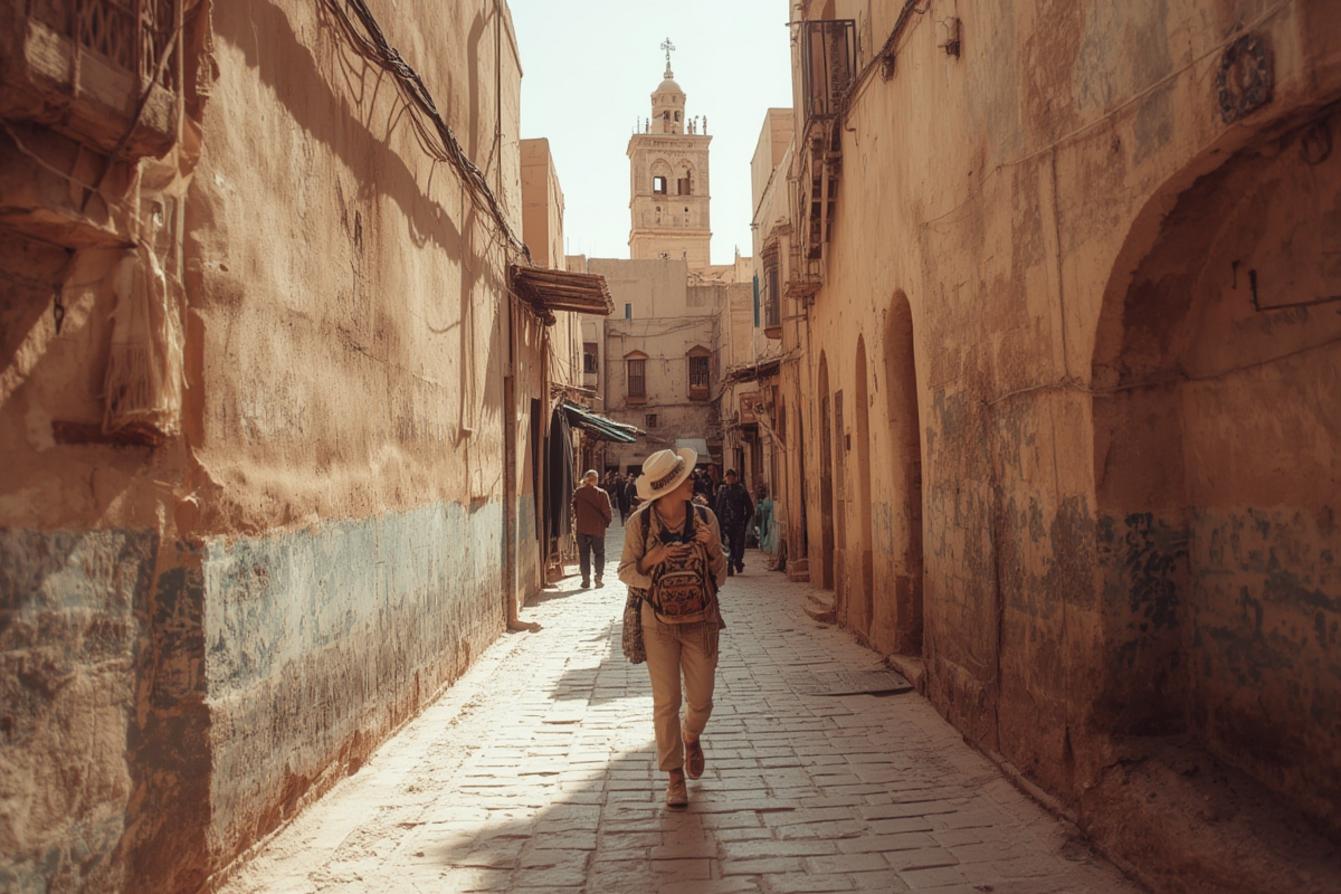
The 3 day desert tour from Marrakech to Merzouga succeeds because it acknowledges both the destination and the journey. Yes, the Erg Chebbi dunes deliver spectacular desert scenery and memorable camel treks. But the Atlas crossings, the ancient kasbahs, the narrow gorges carved by millennia of seasonal floods—these transitional landscapes create context and contrast that make the desert arrival more impactful.
This isn’t a tour for travelers seeking luxury resorts or those uncomfortable with long vehicle hours and basic facilities. It suits adventurous spirits willing to embrace dust, temperature swings, and the occasional scheduling friction that comes with group travel. The payoff comes in those unscripted moments: watching sunrise paint the dunes in graduated shades of gold, sharing mint tea with your guide while discussing Berber traditions, or simply sitting in profound silence as stars emerge above the Sahara.
Choose your operator carefully, pack appropriately for variable conditions, and approach the experience with realistic expectations. The 3 day desert tour from Marrakech to Merzouga won’t be flawless—few multi-day adventures are—but it offers an accessible introduction to Morocco’s most dramatic landscapes without requiring weeks of independent travel planning.
FAQs
Is three days enough time to properly experience the Merzouga desert?
Three days provides adequate time for the journey and a meaningful desert experience, though it’s not leisurely. You’ll spend roughly 6-8 hours driving each day, with strategic stops breaking up the travel. The desert portion itself—camel trek, overnight camp, and sunrise—occupies about 18 hours total. If your primary goal is extended time in the dunes with hiking, sandboarding, or multiple camps, consider four or five-day options. But three days successfully balances desert highlights with the equally impressive mountain and valley scenery along the route.
Can I do this tour in reverse from Merzouga to Marrakech?
Absolutely, and some travelers prefer this direction. Starting from Fes or flying into Errachidia (the nearest airport to Merzouga) lets you reach the desert quickly, then gradually transition to Marrakech’s urban energy. The landscape drama works both directions, though many people enjoy building toward the desert as a climax rather than starting there. If you’re already planning eastern Morocco itineraries that include Fes, the reverse routing makes perfect logistical sense.
What happens if weather conditions prevent the camel trek or camp stay?
Serious weather disruptions are rare but occasionally occur, particularly during winter rainstorms or intense sandstorms. Reputable operators have backup plans including accommodation in Merzouga village hotels and sometimes 4×4 transfers deeper into the dunes when conditions improve. Some offer partial refunds for missed activities, though policies vary. Travel insurance covering activity cancellations provides additional protection. Spring sandstorms usually pass within hours, allowing rescheduled treks, while winter rain events might mean skipping the camp entirely.
Are the included meals suitable for dietary restrictions?
Standard tour meals lean heavily toward tagines, couscous, fresh bread, and salads—naturally vegetarian options appear regularly. However, strict vegan, gluten-free, or allergy-specific meals require advance notice that many budget operators struggle to accommodate consistently. If you have serious dietary needs, confirm the operator’s capabilities before booking and consider bringing supplementary foods. Mid-range and private tours generally handle restrictions more reliably since they use smaller restaurants with flexible kitchens rather than commission-based stops serving buffet-style meals to large groups.





 Covers cities, coast, mountains, desert & food