
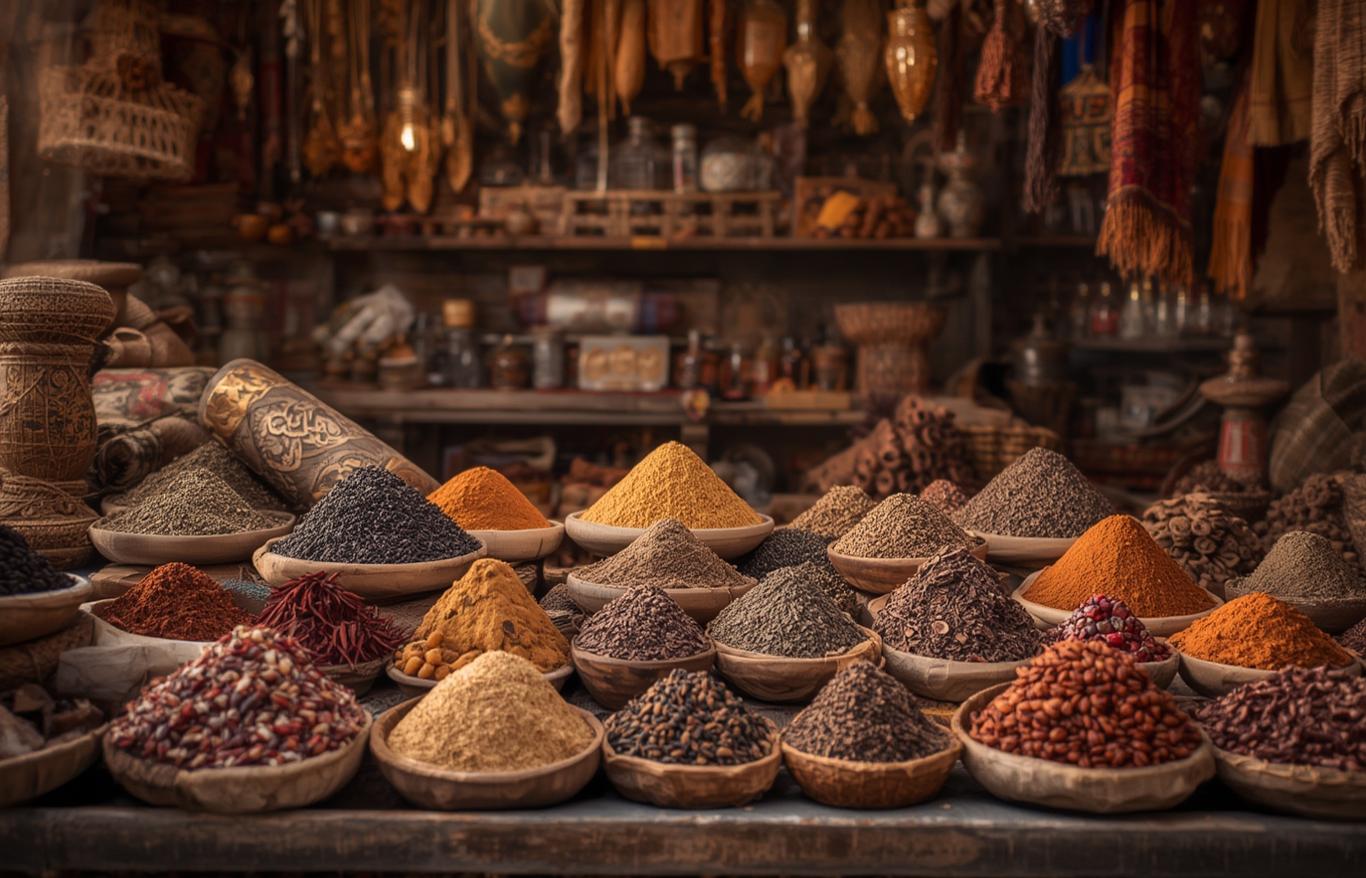
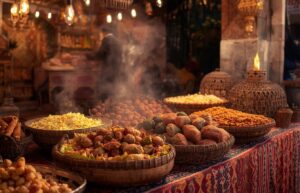
Step into any souk in Morocco, and your senses are immediately overwhelmed. Heaps of saffron, cayenne, cumin, and turmeric pile high in vibrant pyramids, their aromas mingling in a fragrant cloud. This isn’t just a picturesque scene for tourists; it’s a living testament to the deep-rooted Moroccan spice trade, a history that has shaped the very soul of the country’s cuisine and culture. From ancient caravan routes crisscrossing the Sahara to bustling markets in Marrakech, spices have always been at the heart of Morocco’s identity, influencing everything from daily meals to traditional remedies and social customs.
The Ancient Roots of Moroccan Spice Commerce
The story of the Moroccan spice trade isn’t a recent development; it stretches back millennia. Morocco’s strategic geographical position, nestled between the Mediterranean, the Atlantic, and the vast Sahara, made it a crucial crossroads for ancient trade routes. Imagine caravans, laden with precious cargo, trekking across the desert, bringing spices from as far afield as India, China, and the Arabian Peninsula. These weren’t just commodities; they were currencies, symbols of wealth, and essential for preserving food before refrigeration.
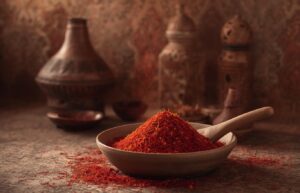
The Phoenicians, Romans, and later the Arab conquerors all recognized Morocco’s potential as a trading hub. Spices like pepper, ginger, and cloves, not indigenous to the region, found their way to Moroccan ports and markets, mingling with locally grown herbs such as saffron from the Taliouine region, a spice so valuable it’s often called “red gold.” This early exchange laid the groundwork for a rich culinary tapestry, blending native ingredients with exotic imports. The knowledge of these spices, their uses, and their cultivation or procurement, was a closely guarded secret, passed down through generations of merchants and cooks.
Where the Desert Met the Sea: Morocco’s Role in Global Spice Exchange
Morocco’s unique geography solidified its role in the global spice exchange. The ports of Tangier, Essaouira, and Casablanca became vibrant gateways where goods from Europe, Africa, and the Orient converged. But it was the trans-Saharan trade routes that truly fueled the development of the Moroccan spice trade. These perilous journeys, undertaken by Berber and Arab traders, brought not only spices but also gold, salt, textiles, and unfortunately, slaves, creating complex economic and social networks that extended deep into West Africa.
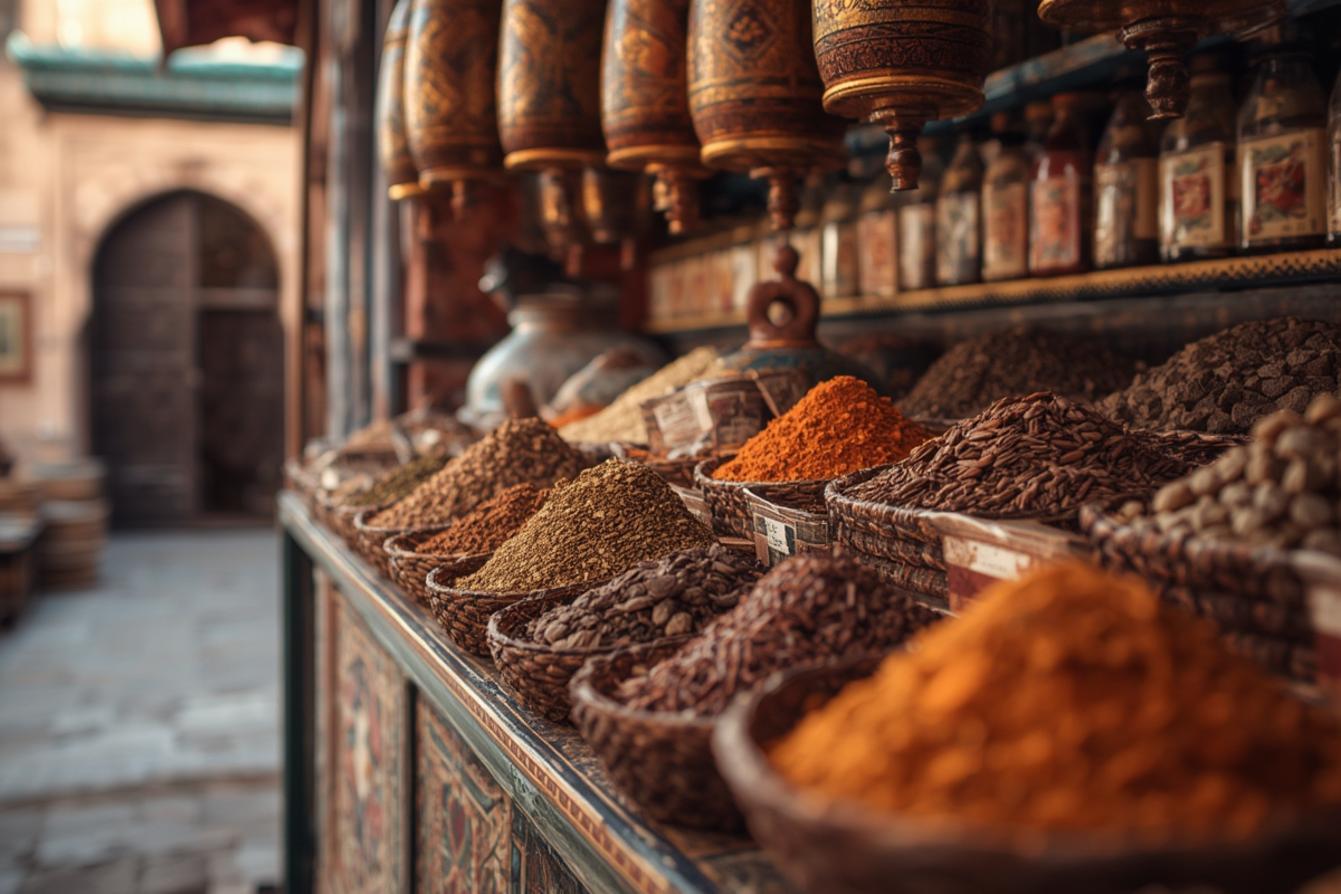
Think of the fabled city of Sijilmasa, once a thriving desert metropolis at the northern end of these routes, acting as a crucial intermediary. While Sijilmasa is now largely ruins, its legacy lives on in the methods and cultural importance of Moroccan spices. Merchants from cities like Fez and Marrakech would send emissaries and caravans south, establishing relationships and securing their supply chains. The arrival of European powers, particularly the Portuguese and Spanish, in the 15th and 16th centuries, further diversified these trade networks, introducing new spices and accelerating the flow of existing ones, solidifying Morocco’s place as a pivotal point in the global spice narrative.
The Culinary Alchemy: Spices as the Heartbeat of Moroccan Cuisine
Without the legacy of the Moroccan spice trade, Moroccan cuisine as we know it would simply not exist. Spices aren’t mere additions; they are the very foundation upon which tagines, couscous, pastillas, and harira are built. Each dish tells a story of ancient connections and cultural blending. Take Ras el Hanout, for instance – often translated as “head of the shop” – a magnificent blend that can contain anywhere from 10 to over 30 different spices. This complex mix is a direct descendant of the myriad spices that once flowed through Moroccan markets, showcasing the merchant’s skill and the cook’s artistry.
The judicious use of spices like cumin for depth in savory dishes, turmeric for its earthy color and subtle flavor, ginger for warmth, and paprika for a smoky sweetness, defines the Moroccan palate. Saffron, expensive and prized, is often reserved for celebratory dishes, its delicate aroma and golden hue elevating a simple chicken tagine to a feast. Even less common spices like mace, nigella seeds, and grains of paradise find their place, each contributing a unique note to the symphony of flavors. This deep understanding of spices isn’t solely about taste; it’s about balance, aroma, and even medicinal properties—a tradition rooted in centuries of empirical knowledge passed down through families.
Beyond the Plate: Spices in Moroccan Culture and Tradition
The influence of the Moroccan spice trade extends far beyond the kitchen. Spices are woven into the fabric of Moroccan culture and tradition in countless ways. Historically, they have been used for medicinal purposes, with traditional healers employing specific herbs and spices for remedies documented in ancient texts. Many Moroccan homes have their own collection of traditional remedies, often based on specific spice combinations for ailments ranging from colds to digestive issues.
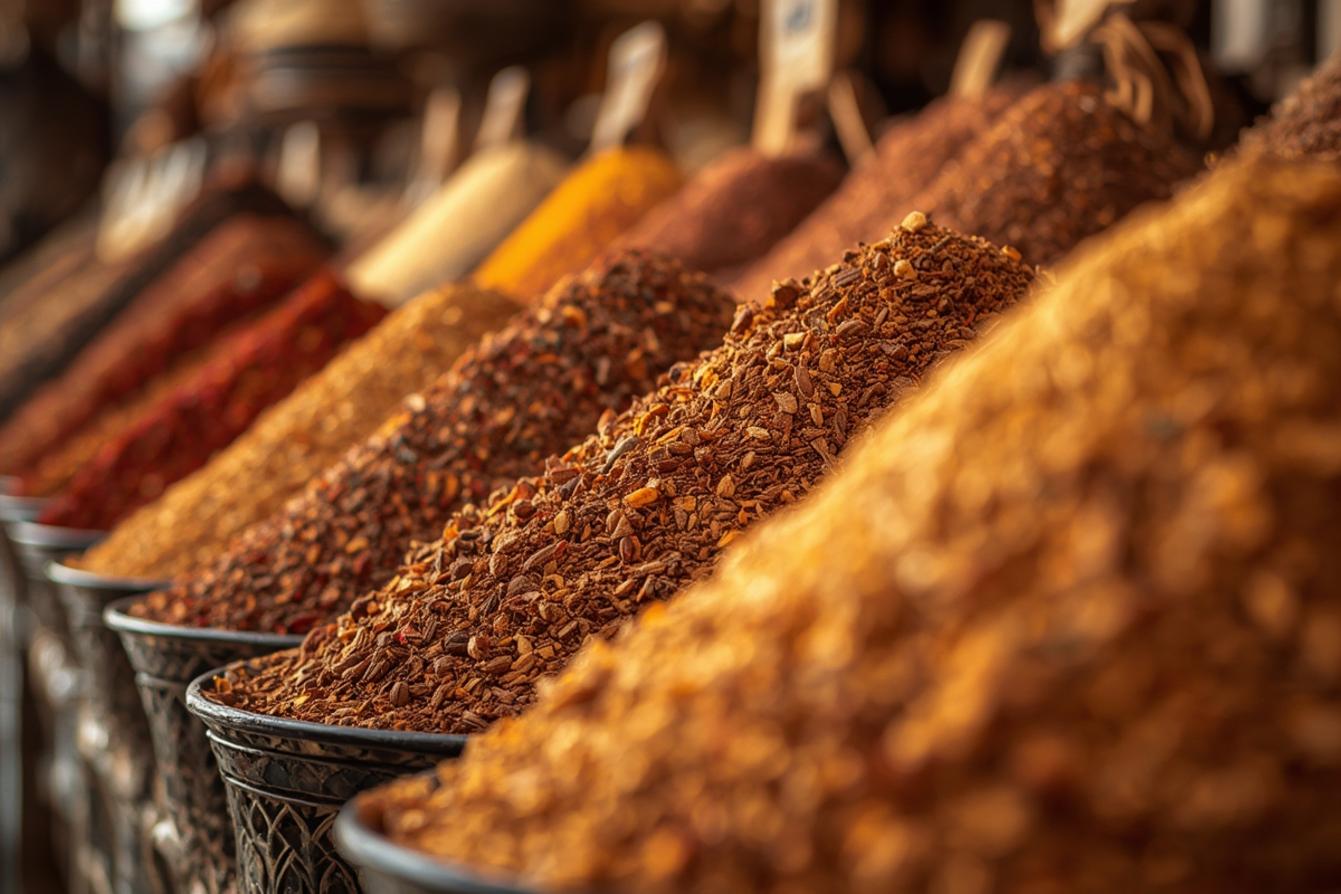
Moreover, spices play a significant role in social customs and aesthetics. The vibrant colors of piled spices in the souks are not just visually appealing; they are an integral part of the market experience, attracting passersby with their beauty and potent aromas. The burning of specific incenses, often spice-based, is common in homes and businesses for purification and to create a welcoming atmosphere. During religious festivals and major life events, certain spices are believed to bring blessings or ward off evil. For instance, the fragrant steam from a perfectly spiced tagine isn’t just about hunger; it’s an invitation, a symbol of hospitality, and a sensory link to generations of tradition. When visitors come to Morocco, they quickly learn that Moroccan spice trade is visible, audible, and palpable in every aspect of daily life.
Navigating the Souks: A Modern Glimpse into the Spice Trade’s Legacy
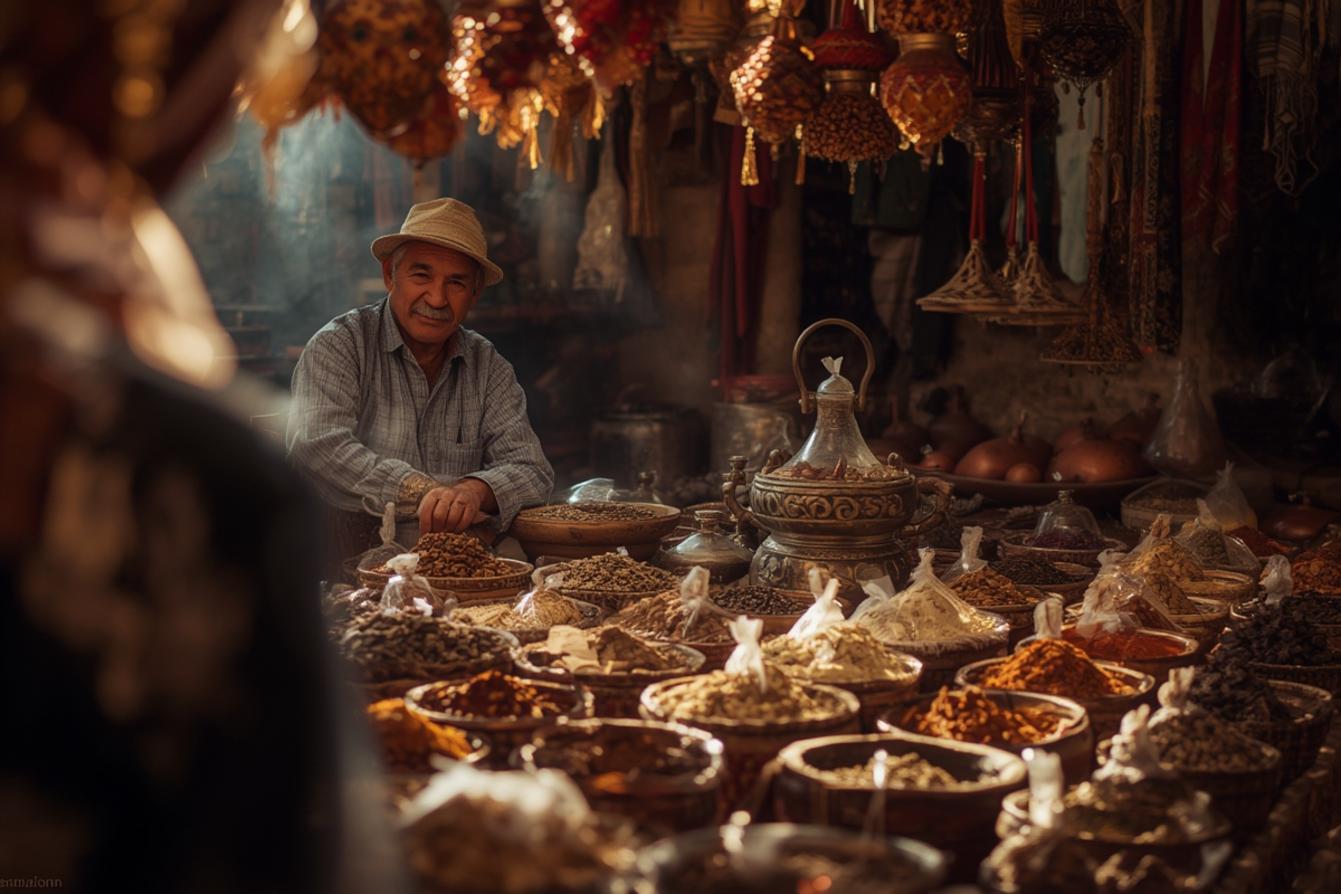
Today, the bustling souks of cities like Marrakech, Fez, and Meknes offer a thrilling, sensory journey into the living legacy of the Moroccan spice trade. Wandering through the labyrinthine alleys, you’ll encounter spice merchants, often called ‘attarine’, who represent generations of experience. They still proudly display their wares in towering mounds, much as their ancestors did. These merchants possess an encyclopedic knowledge of their products, from their origins and processing to their culinary and even spiritual uses.
Engaging with a spice merchant is an experience in itself. Don’t be shy to ask questions; they love to share their expertise. You might learn about the specific region where a certain saffron is harvested, or the ideal grind for a particular cumin. They’ll let you sniff and sometimes even taste. It’s here you truly grasp the sheer scale and variety of spices that have shaped Moroccan cuisine. For an authentic dive into this vibrant world, consider exploring the markets with a local guide who can introduce you to trusted vendors, like those featured in guides for places like Marrakech’s spice markets, which offer an immersive look at Moroccan spice history and contemporary trade. This isn’t just shopping; it’s an educational and cultural exchange, a direct link to the historical journey of these precious commodities.
The Enduring Allure and Future of Moroccan Spices
The allure of Moroccan spices remains as strong as ever. While the vast caravans may have given way to more modern logistics, the passion for quality spices and their integration into Moroccan daily life endures. Chefs around the world are increasingly drawn to the rich, complex flavors that define Moroccan cooking, often seeking out authentic Moroccan spice blends. Locally, traditional knowledge continues to be passed down: mothers teach their daughters the nuances of seasoning, and young chefs delve into old recipes to master the delicate art of spice balancing.
There’s also a growing appreciation for organic and sustainably sourced spices, with some regions focusing on traditional cultivation methods. The economic impact of spices is still significant, especially for high-value crops like saffron. As Morocco continues to evolve, its spice traditions act as an anchor, connecting the present to a vibrant, ancient past. The fragrant heritage of the Moroccan spice trade is not merely a historical footnote but a dynamic, evolving force that continues to captivate and delight senses across the globe.
Conclusion
The story of the Moroccan spice trade is a captivating narrative of ancient routes, cultural exchange, and culinary innovation. It’s a testament to Morocco’s enduring role as a crossroads of civilizations, where diverse influences converged to create a cuisine that is as rich and complex as its history. From the bustling souks to the aromatic kitchens, spices remain an integral part of Moroccan identity, a vibrant legacy that continues to shape its flavors and cultural traditions. A visit to Morocco is incomplete without immersing oneself in this sensory heritage.
FAQs
What are the most common spices used in Moroccan cuisine?
The most common spices in Moroccan cuisine include cumin, coriander, turmeric, ginger, paprika, saffron, and black pepper. Many dishes also feature cinnamon, mint, and an essential blend known as Ras el Hanout, which can contain a multitude of different spices.
How did the Moroccan spice trade impact the country’s economy?
The Moroccan spice trade historically had a profound impact on the country’s economy by establishing it as a critical trading hub along trans-Saharan and maritime routes. Spices brought wealth, stimulated local markets, and fostered a sophisticated merchant class, contributing significantly to the economic prosperity and development of cities like Fez, Marrakech, and Sijilmasa.
Can tourists buy authentic Moroccan spices easily?
Yes, tourists can easily buy authentic Moroccan spices in markets (souks) across the country. Major cities like Marrakech, Fez, and Tangier have renowned spice sections where quality spices are sold. It’s recommended to purchase from reputable vendors who can explain the origin and uses of their products.
What is Ras el Hanout and why is it so important?
Ras el Hanout is a complex Moroccan spice blend, whose name means “head of the shop,” implying the best spices the merchant has to offer. It’s important because it embodies the rich history and diversity of the Moroccan spice trade, combining many different fragrant and flavorful spices into a unique, signature blend that varies from merchant to merchant, and is central to many traditional Moroccan dishes.



 Covers cities, coast, mountains, desert & food