
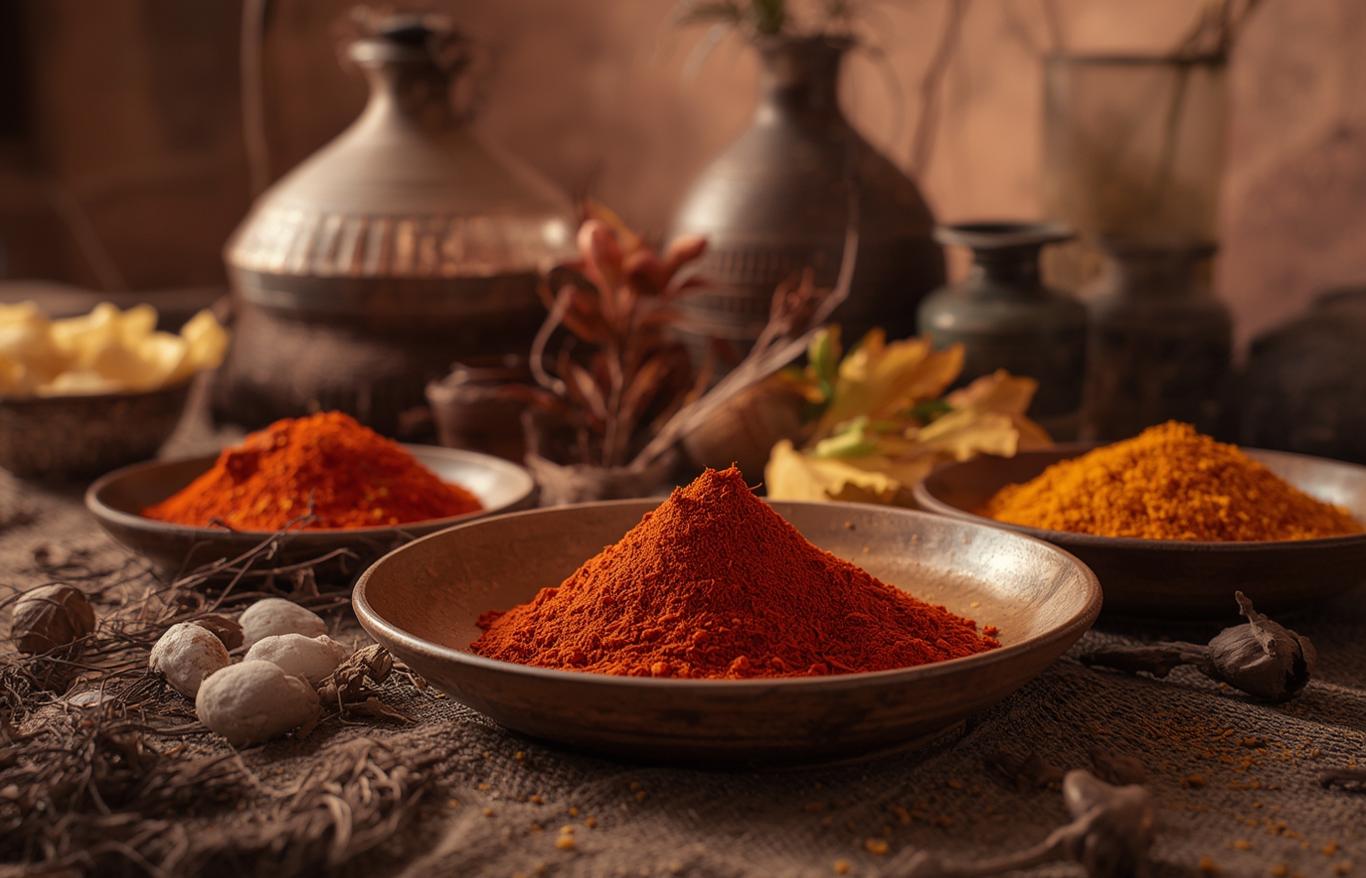
Stepping into Moroccan cuisine is like entering a vibrant tapestry woven with ancient spices, rich history, and the warmth of hospitality. Among these culinary treasures, saffron stands out, not just for its cost or exotic allure, but for the profound depth it brings to any dish. If you’re planning a trip to this enchanting North African country, preparing to savor the magic of saffron-infused Moroccan dishes is an absolute must. This precious spice, often called “red gold,” transforms simple ingredients into extraordinary culinary experiences, imbuing them with its characteristic aroma, delicate flavor, and unmistakable golden hue. Forget everything you thought you knew about flavor; Morocco’s approach to saffron is a revelation.
The Allure of Moroccan Saffron: More Than Just a Spice
Moroccan saffron isn’t just an ingredient; it’s a legacy. Cultivated primarily in the Taliouine region of the Atlas Mountains, its journey from delicate crocus flower to aromatic thread is a labor of love, explaining its premium price. Each stigma must be hand-picked, dried, and carefully stored, a tradition passed down through generations. This meticulous process ensures the quality and intensity of the saffron, making Moroccan varieties highly prized globally. When you encounter saffron-infused Moroccan dishes, you’re not just tasting a spice; you’re experiencing centuries of agricultural wisdom and culinary artistry. It’s this dedication to quality that elevates everyday meals into memorable feasts, infusing everything from savory tagines to sweet pastries with its unique character.
Unveiling the Golden Glow: Signature Saffron-Infused Moroccan Dishes to Seek Out
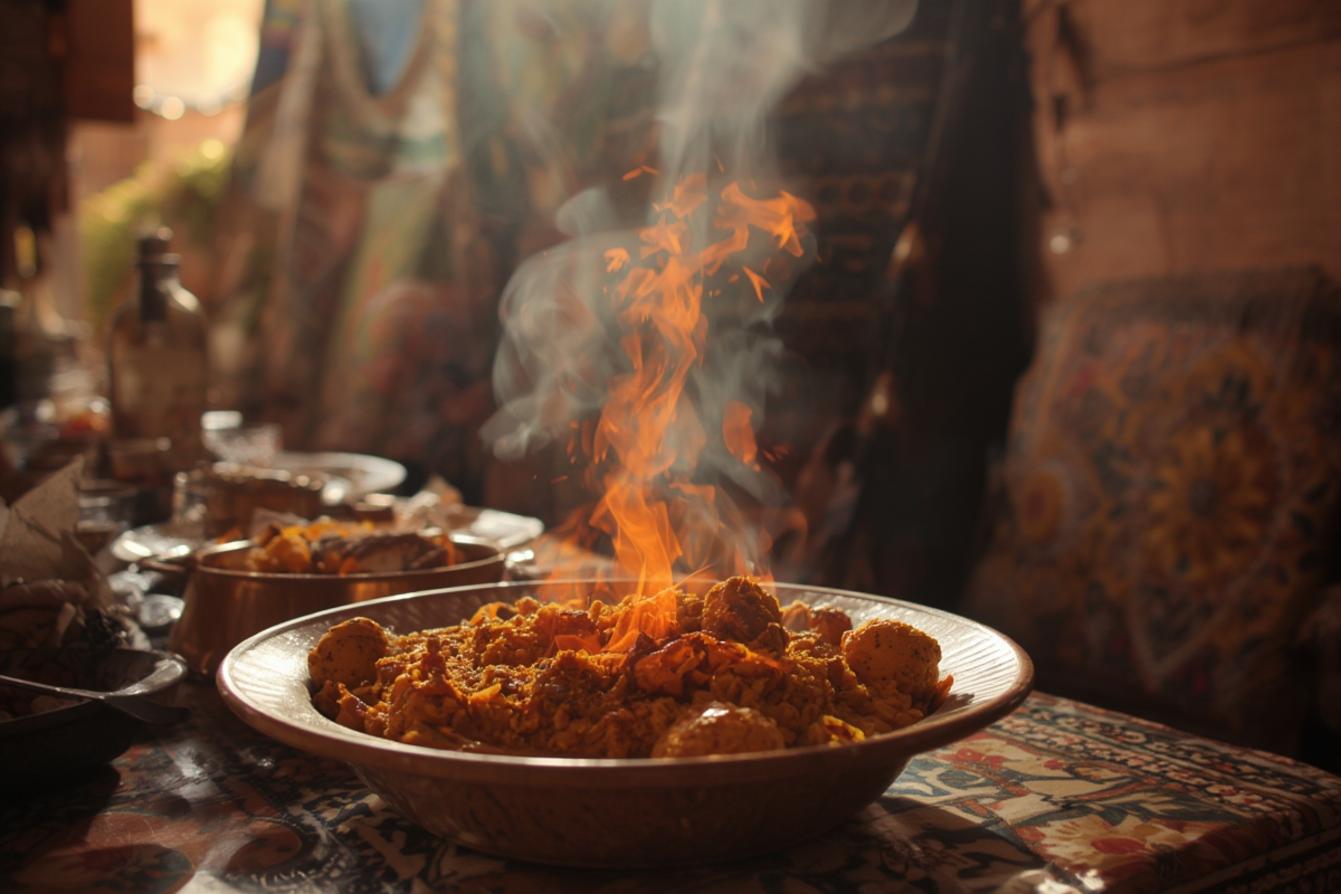
While saffron makes a subtle appearance in many Moroccan recipes, certain dishes truly showcase its brilliant flavor and color. One of the most iconic is the Chicken Tagine with Saffron and Olives. Imagine tender chicken slow-cooked with preserved lemons, briny green olives, and a generous pinch of saffron that lends a golden sheen and an aromatic, floral earthiness to the sauce. It’s a symphony of tangy, savory, and subtly sweet notes. Then there’s Saffron Seafood Tagine, where delicate fish and prawns absorb the spice’s essence, creating a light yet incredibly flavorful stew. And for a truly royal treat, look for M’rouzia, a sweet and savory lamb tagine often prepared for special occasions, rich with saffron, honey, almonds, and dried fruits. These are just a few examples of how saffron elevates everyday meals into culinary masterpieces.
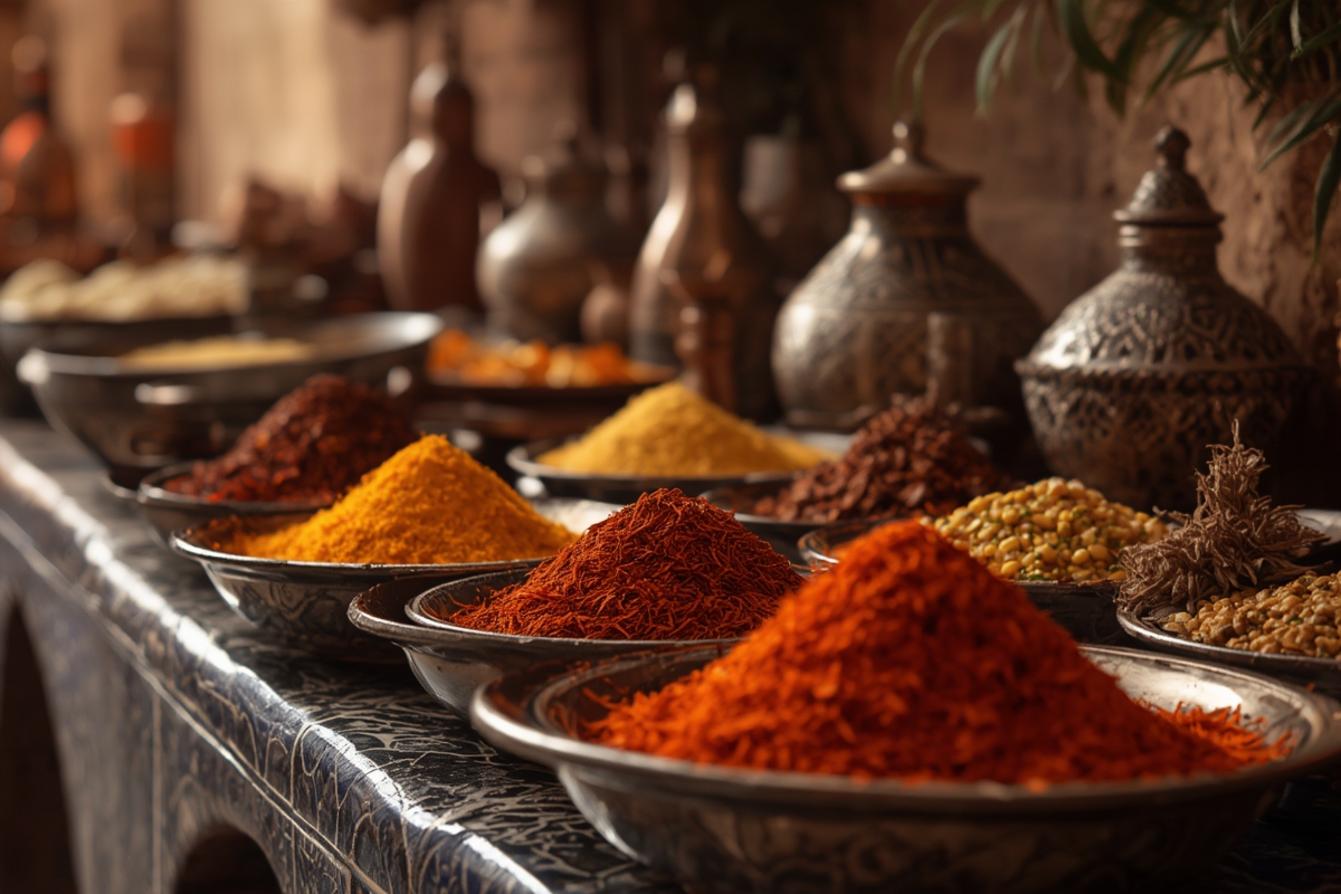
Beyond the Tagine: Saffron’s Role in Moroccan Soups and Sweets
The versatility of saffron extends far beyond savory main courses. It plays a crucial role in enhancing the flavor profiles of many traditional Moroccan soups and even desserts. For instance, a beautifully spiced Harira, the famous Moroccan lentil and tomato soup, sometimes gets a subtle golden lift from saffron threads, particularly during Ramadan when it’s consumed to break the fast. The delicate spice adds a layer of warmth and complexity that is utterly comforting.
saffron Moroccan recipes also often feature in the country’s delightful array of sweets and pastries. Consider the subtly perfumed Gazelle Horns (Kaab el Ghazal) or certain almond cookies, where a hint of saffron can introduce an exotic floral note, balancing the sweetness and adding a luxurious touch. Even a simple glass of traditional mint tea might occasionally get a few saffron threads for an unexpected twist in some homes or guesthouses, inviting you to discover new dimensions of flavor. These unexpected applications highlight just how deeply ingrained saffron is in the Moroccan culinary soul.
Where to Experience Authentic Saffron-Infused Moroccan Dishes
To truly appreciate saffron-infused Moroccan dishes, you need to know where to find them. While many tourist restaurants might offer variations, the most authentic experiences are often found in local eateries, bustling souks, and traditional guesthouses (riads). In cities like Fes and Marrakech, seek out small, family-run restaurants that pride themselves on using fresh, local ingredients. Don’t be afraid to ask your riad host for recommendations – they often know the best hidden gems.
For an even deeper dive, consider a cooking class. Many riads and culinary schools offer hands-on experiences where you can learn to prepare saffron-infused Moroccan dishes yourself, directly from local chefs. This isn’t just about cooking; it’s an immersive cultural exchange that connects you with the traditions and techniques that have been perfected over generations. You’ll learn how to properly steep the saffron, when to add it to a dish, and how to balance its strong flavor with other spices. This invaluable experience will allow you to recreate these magical flavors long after your trip concludes.
Bringing Home the ‘Red Gold’: Saffron Shopping and Culinary Souvenirs
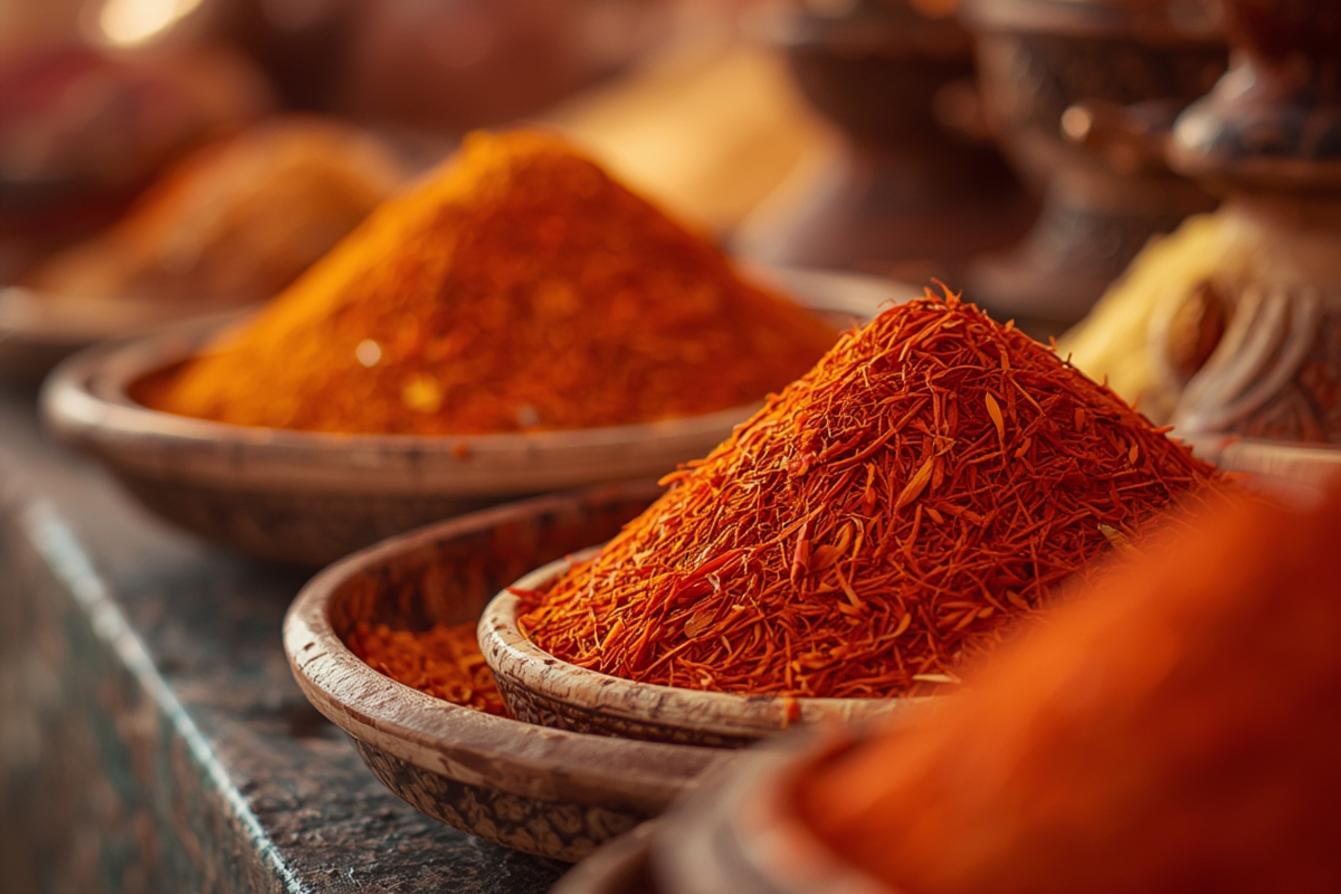
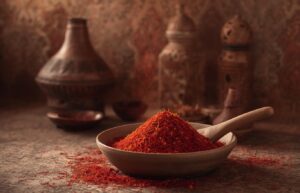
No culinary adventure in Morocco is complete without bringing a piece of it home. Taliouine saffron is celebrated for its superior quality, and buying it directly from local cooperatives or reputable spice merchants ensures authenticity. When purchasing, look for long, unbroken threads with a vibrant, deep red color and a strong, fresh aroma. Avoid broken, yellowish saffron, which indicates lower quality or adulteration.
Integrating saffron into your home cooking allows you to extend the sensory journey of your Moroccan travels. Besides the obvious savory dishes, consider using it to infuse olive oil, make a vibrant saffron rice, or even create a fragrant saffron milk for a unique dessert. It’s a versatile spice that, with a little creativity, can transport you back to the bustling souks and serene riads of Morocco. As you plan your next adventure, perhaps combining the rich history of Spain with the vibrant culture of Morocco, don’t miss the opportunity to explore the saffron-infused Moroccan dishes waiting to delight your palate.
Conclusion
The vibrant culinary landscape of Morocco offers an unforgettable journey for the senses, and saffron is undoubtedly one of its brightest stars. From the rustic charm of a chicken tagine to the delicate notes in a sweet pastry, savoring saffron-infused Moroccan dishes is an essential part of understanding the country’s rich food culture. Each golden thread tells a story of tradition, meticulous craftsmanship, and an unwavering passion for flavor. Don’t just eat; immerse yourself in the magic that this ‘red gold’ brings to every Moroccan plate.
FAQs
What gives saffron-infused Moroccan dishes their distinctive color?
The vibrant, deep red stigmas of the saffron crocus flower contain natural carotenoid compounds, particularly crocin, which dissolve when exposed to liquid during cooking. This process releases the intense golden-yellow hue that beautifully colors the dishes.
Is Moroccan saffron different from saffron from other regions?
Moroccan saffron, especially from the Taliouine region, is highly regarded for its potent aroma, intense color, and strong flavor. While saffron is cultivated in other countries, Moroccan growers uphold strict quality standards, often selling directly from cooperatives, ensuring a pure and high-quality product that stands out in saffron-infused Moroccan dishes.
How should I store saffron to keep it fresh?
To maintain the potency and vibrant color of your saffron, it should be stored in an airtight container, away from direct light, heat, and moisture. A cool, dark pantry or cupboard is ideal. Properly stored, high-quality saffron can retain its flavor and aroma for several years.
Can I use saffron in drinks or non-traditional Moroccan recipes?
Absolutely! While revered in traditional saffron-infused Moroccan dishes, saffron is incredibly versatile. It can be used to infuse teas, milk-based drinks, or even cocktails for an exotic twist. In non-traditional recipes, it pairs wonderfully with rice, seafood, poultry, and can add a sophisticated touch to desserts like custards or ice cream.




 Covers cities, coast, mountains, desert & food