
Embarking on a journey to Morocco promises an unforgettable experience, but a truly stress-free adventure begins with meticulous Morocco trip planning. This essential guide aims to equip you with all the practical insights and steps needed to navigate the complexities before you even set foot on Moroccan soil. From understanding local customs to optimizing your travel logistics, we’ll cover the core elements to ensure your Moroccan escapade is as smooth and enriching as possible, allowing you to immerse yourself fully in its vibrant culture without unnecessary worries.
Laying the Groundwork: Initial Research and Setting Expectations
Before any detailed Morocco trip planning begins, it’s crucial to establish a foundational understanding of what Morocco offers and what you seek from your journey. Morocco is a land of incredible diversity, from the bustling medinas of Marrakech and Fes to the serene Sahara Desert, the stunning Atlas Mountains, and the charming coastal towns. Your initial research should focus on identifying the regions and experiences that most resonate with your travel style and interests. Are you drawn to historical sites, adventurous treks, culinary explorations, or perhaps a mix of everything? Understanding your priorities early on will significantly streamline the subsequent planning stages.
It’s also important to set realistic expectations regarding travel in Morocco. While incredibly rewarding, it’s a country with a different pace and cultural norms than many Western destinations. Patience, an open mind, and a willingness to embrace new experiences are key. Expect vibrant chaos in cities, friendly bartering in souks, and a deep sense of hospitality. Familiarizing yourself with basic Moroccan etiquette, such as conservative dress codes, especially when visiting religious sites, and the custom of offering and accepting mint tea, will go a long way in enhancing your interactions and overall experience. This preparatory phase of Morocco trip planning is about cultivating an informed and respectful approach to your travels.
Crafting Your Itinerary: Balancing Ambition with Realism
Once you have a general idea of your interests, the next crucial step in your Morocco trip planning is to craft a realistic and enjoyable itinerary. Morocco is larger and more geographically diverse than many visitors anticipate, and attempting to cram too many destinations into a short timeframe can lead to exhaustion rather than enjoyment. A good rule of thumb is to allow at least 2-3 nights in major cities like Marrakech or Fes to truly soak in their atmosphere, explore the sights, and get a feel for local life. For desert explorations, a minimum of a 2-night, 3-day tour is recommended to experience the journey there and back comfortably, with an overnight stay in the dunes.
Consider the logistics of travel between destinations. While trains connect many major cities, buses are often more prevalent for smaller towns and certain regions, and private transfers offer flexibility and comfort, especially for routes like Marrakech to the Sahara. Factor in travel time not just for the journey itself, but also for checking in and out of accommodations and navigating new environments. Don’t underestimate the time it takes to move around within a city; winding medina alleyways are charming but can be slow to traverse. For insightful Morocco itinerary tips, consider consulting comprehensive travel guides that offer suggested routes and realistic travel durations. Prioritizing quality over quantity in your itinerary will ensure a more relaxed and memorable trip.

Essential Logistics: Flights, Accommodation, and Local Transportation
Effective Morocco trip planning heavily relies on sorting out your logistical arrangements well in advance. Securing flights that align with your itinerary and budget should be one of your first priorities. Major international airports include Marrakech (RAK) and Casablanca (CMN), with direct flights from many European and some North American cities. Booking flights several months ahead, especially if traveling during peak seasons like spring or fall, can often yield better prices.
Accommodation is another significant aspect. Morocco offers a diverse range of lodging, from luxurious riads and hotels to budget-friendly guesthouses and even authentic kasbahs. Riads, traditional Moroccan houses with interior courtyards, offer a unique and immersive experience, particularly in the medinas. When booking, consider factors beyond price, such as location (proximity to attractions, quietness), reviews, and amenities. For example, a riad within the medina can be enchanting but might require walking some distance from a taxi drop-off point. Always confirm what’s included in the price, such as breakfast or airport transfers.
For local transportation, understand your options. In cities, petit taxis are metered and generally affordable, but it’s wise to agree on a price for longer journeys or if the meter isn’t used upfront. Grand taxis are shared taxis that operate on fixed routes between cities and towns. For inter-city travel, the national train service (ONCF) is reliable and comfortable for connecting major hubs. Supratours and CTM are reputable bus companies offering extensive networks. For exploring specific regions like the Atlas Mountains or the Sahara, hiring a private driver or joining an organized tour often proves to be the most convenient and efficient option. This careful approach to logistics is central to successful Morocco trip planning.
Financial Preparedness and Cultural Currency
Navigating finances and understanding the local currency are integral components of seamless Morocco trip planning. The local currency is the Moroccan Dirham (MAD). While credit cards are accepted in many larger hotels, restaurants, and shops, cash remains king, especially in souks, smaller establishments, and for tipping. It’s wise to carry a decent amount of smaller denominations for everyday purchases and to be prepared for places that might not accept cards. ATMs are widely available in cities and larger towns, but it’s advisable to inform your bank of your travel plans to avoid any issues with card blocking.
When it comes to budgeting, be prepared for a mix of costs. Accommodation can range from very affordable to luxurious. Food, especially from local eateries and street stalls, is generally inexpensive and incredibly delicious. Transportation costs vary depending on your chosen method. One key aspect of Moroccan commerce is the art of haggling, particularly in the souks. While it might feel unfamiliar at first, it’s an expected part of the shopping experience and can be quite enjoyable. Approach it with a friendly demeanor and a sense of humor. Start by offering about half of the asking price and negotiate from there. Remember, there’s no pressure to buy if the price isn’t right for you. Don’t be afraid to walk away if you feel the price is too high; another vendor will likely offer a similar item. Tipping is customary in Morocco for various services, including restaurant staff, taxi drivers, guides, and hotel porters. Small amounts are generally appreciated.
Health, Safety, and Essential Travel Documents
Prioritizing health and safety is paramount during your Morocco trip planning. Before you depart, consult your doctor about recommended vaccinations. While no specific vaccinations are mandatory for entry into Morocco from most Western countries, standard travel vaccinations like Hepatitis A and B, Tetanus, and Typhoid are often advised. Also, discuss any necessary precautions for food and water safety. Stick to bottled water, avoid uncooked or unpeeled fruits and vegetables from unhygienic sources, and be mindful of street food, though much of it is excellent and safe from reputable vendors. Carrying a basic first-aid kit with essentials like pain relievers, anti-diarrhea medication, antiseptic wipes, and band-aids is always a good idea.
Regarding safety, Morocco is generally a safe country for tourists, but like any travel destination, common sense and awareness are crucial. Be mindful of your belongings, especially in crowded areas like medinas and markets, where petty theft can occur. It’s advisable to leave expensive jewelry and large sums of cash securely in your accommodation. Women traveling alone or in small groups might encounter more attention, but generally, conservative dress and confident body language can help mitigate this. Be wary of unsolicited “guides” who approach you in tourist areas; if you need a guide, it’s best to arrange one through your accommodation or a reputable tour operator. Research local laws and customs, as they may differ significantly from your home country. For example, showing public affection is generally frowned upon, and alcohol consumption is restricted to certain establishments.
Finally, ensuring all your travel documents are in order is a non-negotiable step in your Morocco trip planning. Check the visa requirements for your nationality well in advance of your trip. Most Western tourists do not require a visa for stays of up to 90 days, but this can vary. Ensure your passport is valid for at least six months beyond your intended departure date from Morocco and has sufficient blank pages for stamps. It’s also wise to make copies of your passport, visa, and other important documents, keeping one set separate from the originals and leaving another copy with a trusted person back home. Consider travel insurance – it’s an invaluable investment that can cover medical emergencies, trip cancellations, lost luggage, and other unforeseen circumstances, providing peace of mind throughout your adventure.
Connectivity and Communication: Staying in Touch
Staying connected while abroad is a key consideration for many travelers during their Morocco trip planning, not just for convenience but also for safety. Wi-Fi is widely available in most hotels, riads, cafes, and restaurants, especially in larger cities and tourist areas. However, the quality and speed can vary. For more reliable and consistent internet access, particularly if you plan to use navigation apps or stay in touch frequently, purchasing a local SIM card is highly recommended. Major Moroccan telecom providers include Maroc Telecom, Inwi, and Orange. You can easily purchase a SIM card at the airport upon arrival or from official stores in cities. They are generally affordable, and data packages offer good value. Ensure your phone is unlocked before you travel to use a local SIM card.
For emergencies, knowing how to contact local authorities or your embassy is crucial. The emergency number for police in Morocco is 19 (fixed lines) or 112 (mobile phones), and for medical emergencies, it’s 15. While English is spoken in many tourist-facing establishments, learning a few basic phrases in Moroccan Arabic (Darija) or French (which is widely spoken due to historical ties) can significantly enhance your interactions and facilitate smoother communication. Simple greetings like Salam alaikum (hello), Shukran (thank you), and Afak (please) will be greatly appreciated. Having a translation app handy on your phone can also be very useful for more complex conversations or deciphering menus. This proactive approach to connectivity ensures you remain well-informed and comfortable throughout your Moroccan journey.
Packing Smart: Essentials for the Moroccan Climate and Culture
Thoughtful packing is a final but critical component of successful Morocco trip planning, ensuring you are comfortable and respectful of local customs. Morocco experiences a range of climates, from hot and dry deserts to cooler mountain regions and mild, humid coasts. Your packing list should reflect the specific areas you plan to visit and the time of year. Generally, layers are key. Lightweight, breathable fabrics like cotton or linen are ideal for warmer days, while a jacket or sweater will be necessary for cooler evenings, especially in the desert or mountains.
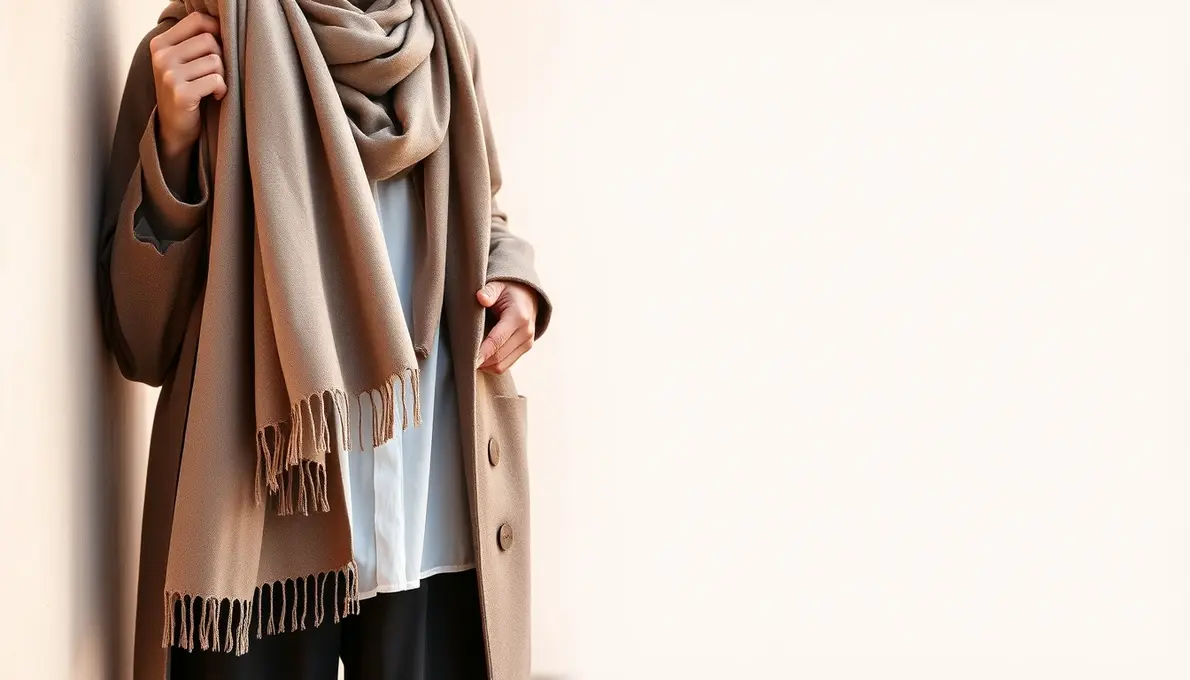
Culturally appropriate attire is important. While there is no strict dress code for tourists, dressing modestly is a sign of respect, particularly in religious sites and rural areas. For women, this typically means covering shoulders and knees. Loose-fitting trousers, long skirts, and tops with sleeves are good choices. For men, shorts that reach the knee are generally acceptable. Comfortable walking shoes are a must, as you’ll likely spend a lot of time on your feet exploring medinas and historical sites. If you plan to hike, bring appropriate footwear.
Don’t forget essentials like sunscreen, a wide-brimmed hat, and sunglasses, especially if you’re heading to the desert or spending time outdoors. A reusable water bottle is also highly recommended to stay hydrated and reduce plastic waste. Consider bringing a small backpack for day trips, a universal travel adapter, and a power bank for your electronics. For those venturing into the Sahara, our detailed Morocco trip planning guide on packing for the desert provides specific recommendations, including items like scarves for sand protection and warmer clothing for cold desert nights. By packing smart, you ensure comfort and cultural sensitivity, enhancing your overall Moroccan experience.
Conclusion
Thorough Morocco trip planning is the foundation of an enriching and unforgettable adventure. By dedicating time to research, carefully crafting your itinerary, sorting out logistics, understanding financial and cultural norms, prioritizing health and safety, ensuring connectivity, and packing smartly, you set yourself up for a truly stress-free and spectacular journey. Morocco’s vibrant tapestry of culture, landscapes, and hospitality awaits, and with this comprehensive guide, you’ll be well-prepared to embrace every moment.

FAQs
What is the best time of year for Morocco trip planning?
The best times to visit Morocco are generally spring (April to May) and autumn (September to November). During these seasons, the weather is pleasant across most of the country, making it ideal for exploring cities, mountains, and the desert without the extreme heat of summer or the chilly, sometimes wet, conditions of winter.
Do I need a visa to visit Morocco?
Visa requirements for Morocco depend on your nationality. Many Western tourists, including those from the US, Canada, EU countries, UK, and Australia, do not require a visa for stays of up to 90 days. However, it’s crucial to check the specific requirements for your passport well in advance of your travel dates to ensure you have the necessary documentation.
Is it safe to drink tap water in Morocco?
It is generally not recommended to drink tap water in Morocco. While local residents often do, visitors may be more susceptible to stomach upsets due to unfamiliar bacteria. It is always safest to stick to bottled water, which is readily available, or filtered water.
What is the best way to get around Morocco?
The best way to get around Morocco depends on your itinerary and budget. For inter-city travel, trains connect major cities comfortably, and CTM or Supratours buses offer extensive networks. Within cities, petit taxis are common. For more remote areas like the Sahara Desert or the Atlas Mountains, hiring a private driver or joining an organized tour is often the most convenient and efficient option.





 Covers cities, coast, mountains, desert & food