Before you head to Morocco, get ready for the cultural, logistical, and safety aspects. Morocco is full of history, diverse culture, and stunning landscapes. But, it’s important to prepare for its unique challenges.
To enjoy your trip, think about planning loosely to stay flexible. Knowing local customs, like dressing modestly, will make your trip better. For more travel tips, check out guides made just for you.
Key Takeaways
- Plan your itinerary loosely to allow for spontaneity.
- Understand and respect local customs and traditions.
- Research and book professional guides for in-depth expertise.
- Be prepared for the cultural and logistical aspects of traveling in Morocco.
- Dress modestly and respect Islamic traditions.
Planning Your Trip to Morocco
Planning a trip to Morocco is more than just booking a flight. You need to know the best times to visit and how to handle visa requirements. Here are some key things to consider for a smooth and fun trip.
Best Time to Visit Morocco
Morocco’s weather changes a lot from north to south and from coast to desert. Spring (March to May) and autumn (September to November) are the best times. The weather is mild and nice in most places during these seasons.
Summer is very hot, especially in the desert. Winters can be cool, especially in the mountains.
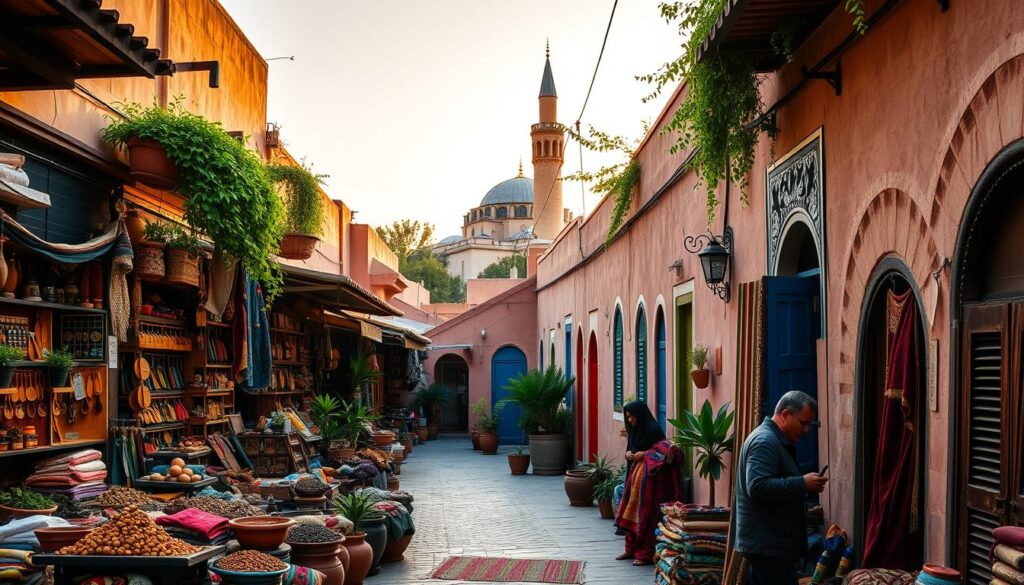
- Spring: Enjoy blooming flowers and comfortable temperatures, ideal for exploring cities and the countryside.
- Summer: Perfect for beachgoers and those heading to the mountains for cooler weather.
- Autumn: Offers pleasant temperatures and is a great time for cultural festivals and events.
- Winter: Best for skiing in the Atlas Mountains or enjoying mild weather in the coastal regions.
Visa Requirements for American Travelers
U.S. citizens can travel to Morocco without a visa for up to 90 days for tourism or business. Your passport must be valid for at least six months after your planned departure. Always check the latest visa rules before you go, as they can change.
How Long to Stay in Morocco
The perfect trip length in Morocco depends on your interests and travel style. For a quick visit, 7-10 days can introduce you to big cities like Marrakech and Fes. For a deeper dive, stay for two weeks or more to see the Atlas Mountains, coastal towns, and desert areas.
Here are some itinerary suggestions based on duration:
- For a short trip (7-10 days): Focus on one or two main cities.
- For a relaxed pace (2 weeks+): Explore multiple regions, including rural areas and coastal towns.
Essential Morocco Travel Tips for Cultural Understanding
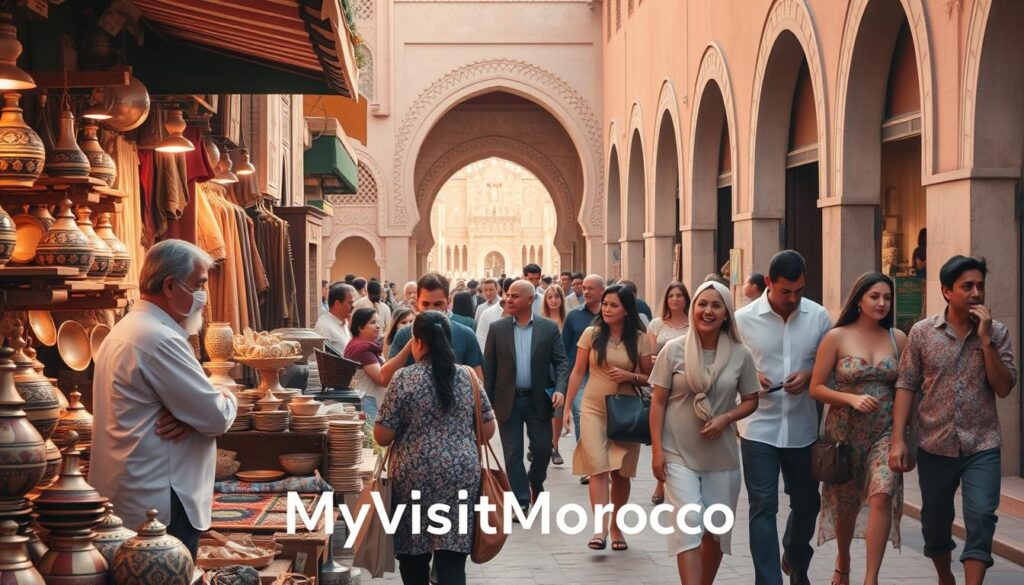
Understanding Morocco’s culture is key for a respectful and fun trip. Morocco has a rich history and diverse cultures, making it exciting for travelers. Learning about local customs and traditions will help you enjoy your trip more.
Respecting Islamic Customs and Traditions
Morocco is an Islamic country, so respecting its customs is important. During Ramadan, many Moroccans fast from dawn to sunset. Tourists don’t need to fast, but eating quietly in public shows respect.
When visiting mosques or rural areas, dress modestly. This helps avoid unintentionally offending locals. Experienced travelers say understanding local customs makes your trip better (unchartedbackpacker.com). For more on Moroccan customs, check myvisitmorocco.com.
Language Basics: Arabic, Berber, and French
Arabic is the official language, but Berber and French are also common. Learning basic Arabic phrases like “hello” (مرحبا – Marhaba) and “thank you” (شكرا – Shukraan) shows respect. Many Moroccans appreciate when visitors try to speak their language, even if it’s just a few words.
Appropriate Dress and Behavior
Dressing right is crucial, especially in mosques or rural areas. Women should cover their shoulders and knees, and men should avoid shorts in conservative places. Public displays of affection are generally not accepted, so it’s best to be discreet. Dressing modestly and being mindful of local customs helps you avoid offense and have better interactions with locals.
Traveling in Morocco is about cultural understanding in both directions. Being open to new experiences and respectful of local norms makes your trip better. By embracing Morocco’s cultural nuances, you’ll have a more enjoyable trip and help foster positive cultural exchange.
Navigating Moroccan Cities and Regions
Morocco is a mix of old and new, with cities and areas full of culture and beauty. You’ll find lively cities, peaceful countryside, and coastal towns. Each place offers something different to see and do.
Marrakech, Fes, and Casablanca Highlights
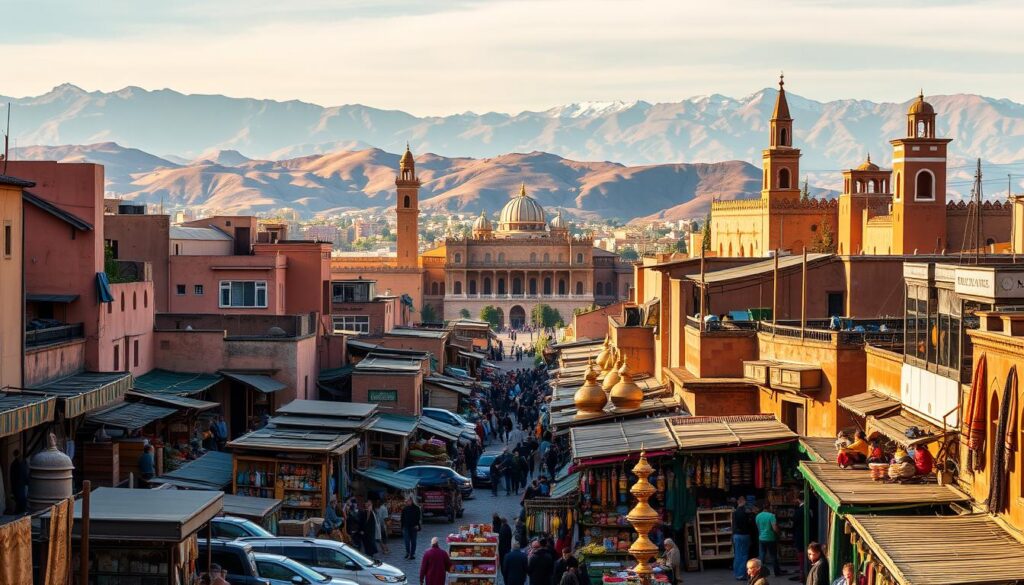
Marrakech is known as the “Red City” for its busy markets and stunning buildings. You can wander the Medina, see Jardin Majorelle, and enjoy Djemaa el-Fna square. Fes is famous for its ancient Medina and rich culture. Casablanca, Morocco’s biggest city, has French architecture and modern vibes, with the Hassan II Mosque.
For more travel tips in Morocco, check out our Morocco travel guide.
Rural Morocco: Atlas Mountains and Berber Villages
Rural Morocco shows the traditional Berber way of life. The Atlas Mountains are perfect for trekking and visiting Berber villages. Places like Imlil and the Ourika Valley offer a real taste of Morocco.
Coastal Morocco: Essaouira and Tangier
The Moroccan coast has beautiful towns with their own charm. Essaouira is great for artists and beach fans, with its seafood and windsurfing. Tangier, at the Strait of Gibraltar, blends Mediterranean and African cultures. These towns are a nice break from the city life.
Transportation in Morocco
Traveling in Morocco is an exciting adventure. You can choose from many ways to get around, depending on what you need. Knowing how to move between cities and within them is key for a smooth trip.
Getting Around by Train and Bus
The ONCF train network in Morocco is both efficient and comfy. It links big cities like Marrakech, Fes, and Casablanca. For longer trips or rural areas, buses are a good choice. Companies like Supratours and CTM offer reliable services. You can find schedules and book tickets online or at local stations.
Taxis, Grand Taxis, and Ride Services
Taxis are everywhere in Morocco. Petit taxis work within cities, while grand taxis go between towns. In big cities, ride-hailing services are also available. Always agree on the fare before you start or make sure the meter is on.
Should You Rent a Car in Morocco?
Renting a car is a good idea for exploring rural areas or traveling at your own speed. But, driving in Morocco can be tough due to traffic and roads. If you’re not used to driving abroad, public transport or a hired driver might be better. For more tips, check out this resource for detailed advice.
| Transportation Method | Use Case | Tips |
|---|---|---|
| Trains | Traveling between major cities | Book in advance for best fares |
| Buses | Rural areas or longer distances | Check schedules in advance |
| Taxis | Within cities or between nearby towns | Agree on fare before departure |
| Rented Cars | Exploring rural areas or traveling at your own pace | Be prepared for challenging driving conditions |
Accommodation Options Across Morocco
Morocco’s places to stay are as lively as its culture. You can find everything from cozy riads to fancy resorts. Whether you want luxury or something affordable, Morocco has it all. For more info, check out Memphis Tours.
Staying in Traditional Riads
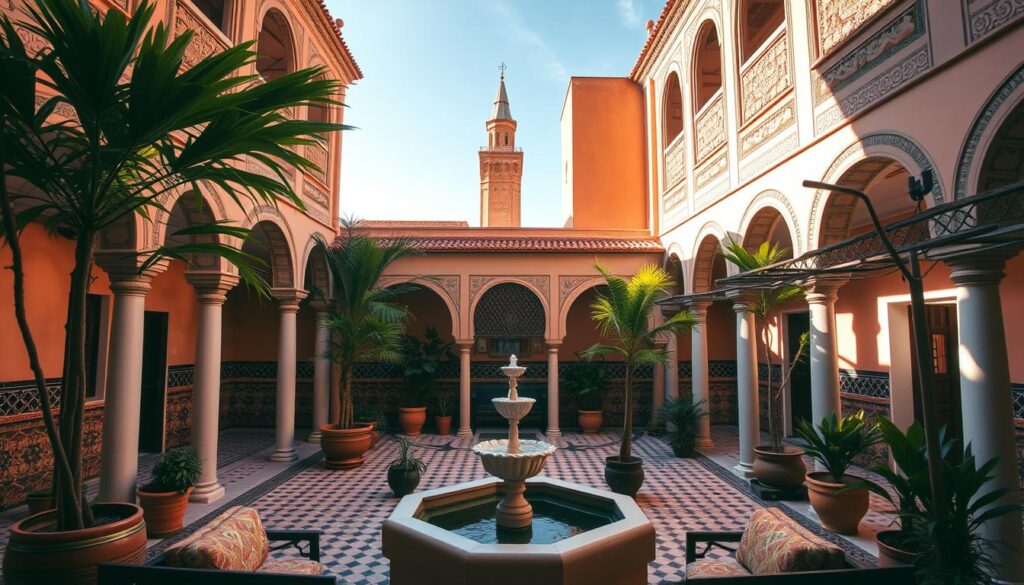
Traditional riads are a favorite among Morocco visitors. These houses with gardens inside offer a real Moroccan feel. You can find them in Marrakech and Fes medinas, close to history and markets.
When in a riad, remember to respect local ways and customs.
Hotels, Resorts, and Desert Camps
Morocco also has modern hotels and resorts for those who prefer more amenities. You can find luxury in Casablanca or desert camps in Merzouga. Desert camps let you see the Sahara’s beauty up close.
Budget Options and Hostels
For the budget-conscious, Morocco has many affordable choices. Hostels and guesthouses in cities let you meet travelers and locals. Old medinas and Airbnb are also good options.
Think about location, cost, and what you need when picking where to stay. This way, you’ll find the best spot for your Morocco trip.
Moroccan Cuisine and Dining Etiquette
Moroccan food is a mix of flavors from Africa, Europe, and the Arab world. As you explore Morocco, you’ll find many dishes and customs. These are key to the local culture.
Must-Try Moroccan Dishes and Teas
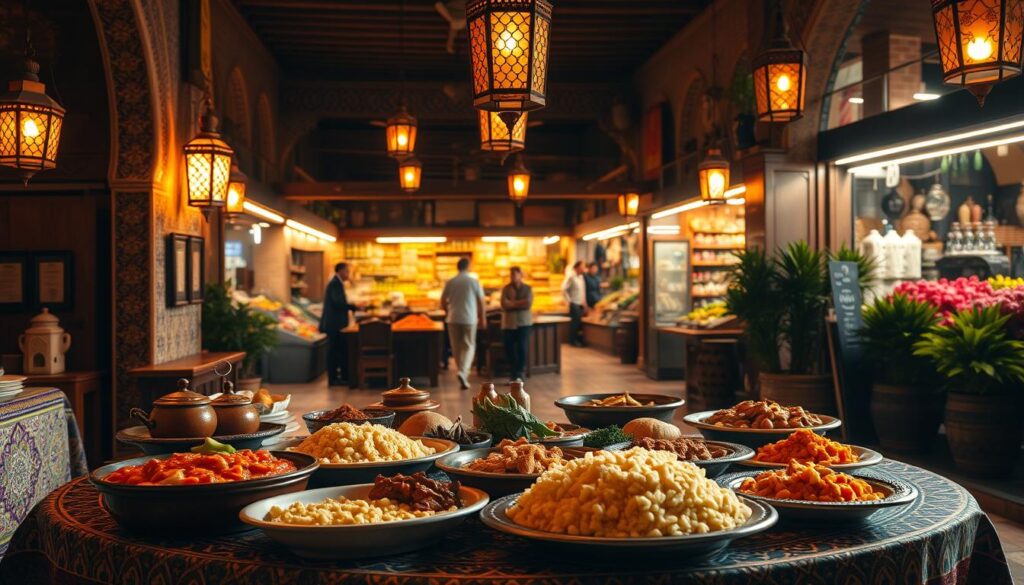
Moroccan food is full of tasty dishes like tagines and couscous. Pastilla and harira are also must-tries. Moroccan tea, especially Atay (green tea with mint), is a big part of dining here. For more on famous Moroccan foods, you can explore this guide.
Some dishes you should try include:
- Tagine with preserved lemons and olives
- Couscous with vegetables and meat
- Harira, a hearty soup
- Pastilla, a savory pie
Street Food Safety Tips
Street food is a big part of Morocco. But, it’s important to eat safely. Choose vendors with lots of customers for fresh food. Don’t eat raw veggies or undercooked meat, especially if they’ve been washed in dirty water.
Dining Customs and Tipping
When eating in Morocco, use your right hand. The left hand is seen as unclean. Tipping is also key; give about 10% in restaurants and cafes.
| Dining Custom | Description |
|---|---|
| Eating with the Right Hand | Considered polite and respectful |
| Tipping | Around 10% in restaurants and cafes |
Money Matters in Morocco
Managing your money in Morocco can greatly enhance your trip. It’s important to know the local currency, how to exchange money, and the best ways to use ATMs and credit cards.
Currency and Exchange Tips
The official currency in Morocco is the Moroccan dirham (MAD). You can exchange your money at the airport or a local bank. It’s wise to have some local currency when you arrive, as not all places accept credit cards.
Exchange Rates: Watch the exchange rates. Try to exchange money at banks or currency exchange offices for the best rates.
ATMs, Credit Cards, and Cash
ATMs are common in big cities and towns. You can withdraw dirhams with your debit or credit card. Many places like hotels, restaurants, and shops accept Visa and Mastercard.
| Payment Method | Acceptance | Precautions |
|---|---|---|
| Cash | Widely accepted, especially in souks and markets | Be cautious of pickpocketing |
| Credit Cards | Accepted in hotels, restaurants, and some shops | Inform your bank of your travel plans to avoid transaction issues |
| ATMs | Available in major cities and towns | Be aware of ATM fees and exchange rates |
Bargaining in Souks and Markets
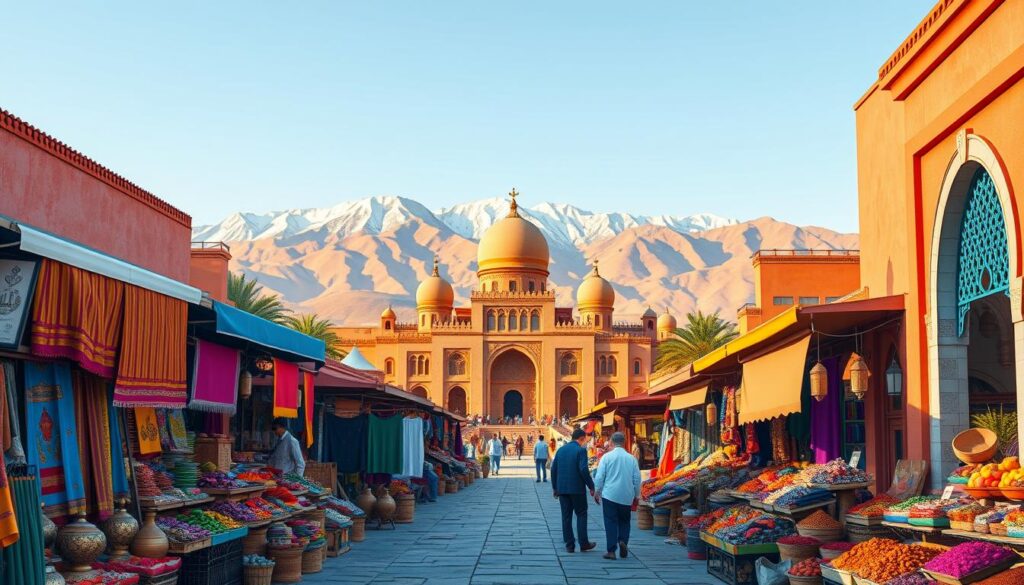
Bargaining is key in Moroccan souks and markets. Start with a lower price than you want to pay and be ready to negotiate.
Tips for Successful Bargaining: Be respectful, don’t hesitate to walk away if the price isn’t right, and enjoy the bargaining as part of the cultural experience.
Safety and Security for Travelers
Planning a trip to Morocco? Knowing about safety is key. Morocco is mostly safe for tourists. But, staying alert and knowing how to handle problems can help a lot.

Common Scams to Avoid
Travelers in Morocco should watch out for petty scams. Be careful of friendly locals who might steal your stuff while you’re distracted. Always keep your valuables safe and be skeptical of deals that seem too good. Scams include fake guides, overpriced items, and rigged taxi meters.
Learn about common scams before you go. Stay alert. If someone offers unsolicited help, say no and walk away.
Solo Female Travel in Morocco
Solo female travelers in Morocco might face challenges like unwanted attention. Dressing modestly and confidently can help avoid trouble. Stay in well-lit, busy areas at night.
Joining group tours or meeting other travelers can make your trip safer and more fun. Many Moroccan cities are getting better for solo female travelers. With some planning, you can have a great time.
Emergency Contacts and Resources
Have emergency contacts ready. The Moroccan tourist police are usually helpful and some speak English. Keep a list of important numbers, like your embassy and local emergency services.
| Emergency Service | Phone Number |
|---|---|
| Moroccan Police | 19 |
| Tourist Police | Varies by city |
| Your Country’s Embassy | Check your embassy’s website |
Being informed and prepared can help you have a safe and memorable trip to Morocco.
What to Pack for Your Morocco Adventure
Getting ready for Morocco means knowing what to pack. The country’s weather changes a lot, from cool, wet winters to hot, dry summers. Being prepared is key for a comfortable trip.
Clothing Recommendations by Season
Morocco’s weather calls for a flexible wardrobe. In summer, wear light, breathable clothes. In winter, bring layers for cooler mornings and evenings, especially in the mountains.
| Season | Recommended Clothing |
|---|---|
| Summer | Lightweight, breathable clothing, sun hat, sunglasses |
| Winter | Layers, warm coat for mountains, comfortable shoes |
Essential Items for Desert Excursions
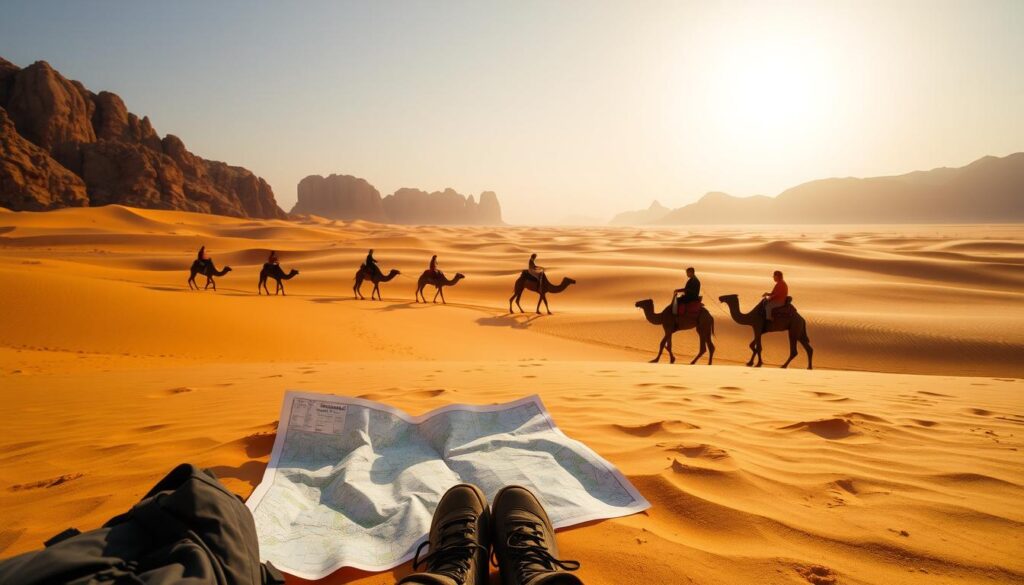
For desert trips, pack sturdy boots, a scarf or shemagh, and a reliable water bottle. Don’t forget sunscreen and a first-aid kit.
Electronics, Adapters, and Photography Gear
Morocco uses Type C and E power sockets, with a standard voltage of 220V. Bring a universal power adapter and a portable charger for your devices. For photos, a good camera, telephoto lens, and polarizing filter are great for capturing Morocco’s vibrant scenes.
Top Morocco Travel Tips from Experienced Visitors
Travelers to Morocco have shared tips for a smooth trip. Morocco is full of history, culture, and beauty. But, it can be tough for those not ready. Here are some tips to enjoy your Moroccan adventure.
Navigating the Medinas Without Getting Lost
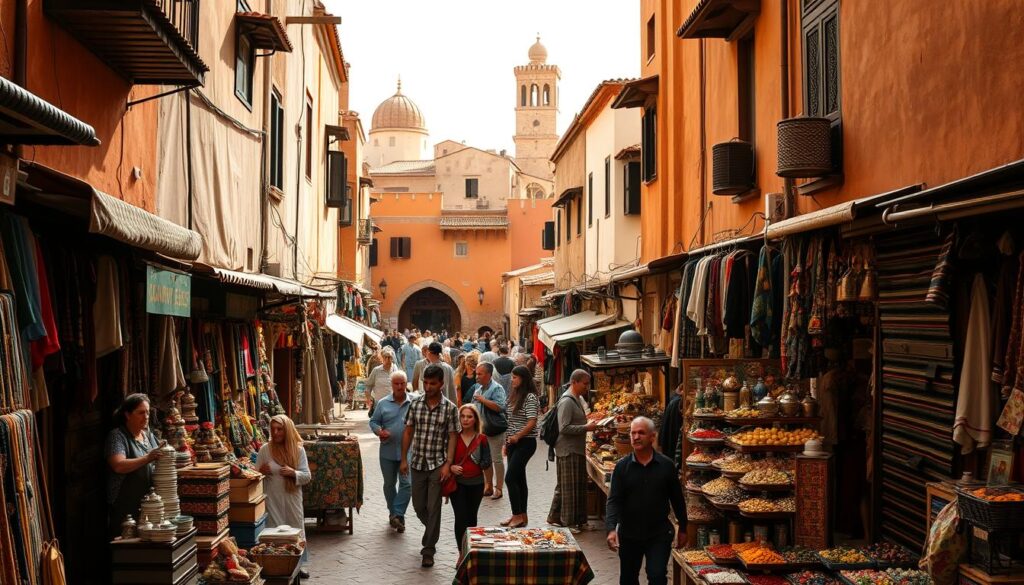
The medinas in Morocco’s cities are complex. But, with a few tips, you can explore them easily. First, get a map of the medina before you start. Note key landmarks like mosques and squares.
Consider hiring a local guide for a few hours. This can help you understand the area better. Paying attention to local architecture can also guide you. This way, you can navigate the medina more easily.
Hiring Local Guides: When and Why
A local guide can make your Moroccan trip better. They know the history and culture of the places you visit. They can also help with transportation and prices at markets.
A good guide can avoid scams and overpriced services. They can also show you local experiences you might miss. When choosing a guide, research reputable companies and discuss your expectations and budget.
| Benefits of Hiring a Local Guide | Tips for Choosing a Guide |
|---|---|
| Enhanced cultural understanding | Research reputable companies |
| Insider knowledge of local areas | Be clear about your expectations |
| Avoidance of tourist scams | Agree on a fair price beforehand |
Photography Etiquette and Cultural Sensitivity
Morocco is great for photographers, with its colors and landscapes. But, be respectful when taking photos. Always ask permission before taking someone’s picture.
In some places, like mosques, photography might be restricted. Be respectful of these rules. Thoughtful photography can capture Morocco’s beauty while respecting its culture.
By following these tips, your Moroccan trip can be enjoyable and culturally rich. Whether navigating medinas, hiring guides, or taking photos, being prepared and respectful matters a lot.
Shopping in Morocco: What to Buy and Where
Exploring Morocco reveals a lively shopping scene. It shows off the country’s rich culture. You’ll find everything from souks in Marrakech to markets in rural areas. Morocco is full of traditional crafts and unique souvenirs.
Navigating the Souks
The souks in Morocco are known for their energy and variety. You can find carpets, leather goods, ceramics, and jewelry. To shop well, be ready to haggle and know what you want.
- Handmade carpets and rugs
- Leather goods such as bags and jackets
- Ceramics and pottery
- Traditional Moroccan jewelry
Artisanal Crafts and Fair Trade
Morocco is famous for its crafts, made with traditional methods. Look for fair trade items to support local artisans and communities.
| Craft | Description | Fair Trade Options |
|---|---|---|
| Carpet Weaving | Intricately woven carpets made from wool or silk | Cooperative-run workshops |
| Pottery | Handmade ceramics and pottery | Local artisan collectives |
| Jewelry Making | Traditional Moroccan jewelry made from silver and precious stones | Fair trade jewelry stores |
Shipping Items Home
When buying in Morocco, think about how to get your items home. Many places can ship for you, but know the costs and details.
Here are some tips for shipping:
- Ask vendors for a good shipping service
- Learn about customs in your country
- Keep receipts and documents for customs
Health Considerations for Morocco Travel
Before you go to Morocco, knowing about health issues is key. Morocco has different landscapes and climates. This means there are health risks travelers should know about.
Vaccinations and Medical Preparation
It’s important to talk to your doctor or a travel clinic about vaccinations for Morocco. Make sure your routine vaccinations are current. You might also need Hepatitis A shots. Don’t forget to pack any needed medicines and a basic first-aid kit.
For more health and safety tips, check out Rough Guides. They offer detailed advice on staying healthy in Morocco.
Dealing with Stomach Issues and Food Safety
Stomach problems are common when traveling, and Morocco is no different. To stay safe, drink bottled or filtered water. Avoid raw meat and be careful with street food. Make sure food is well-cooked and choose busy stalls to lower food illness risks.
Finding Medical Help in Morocco
In case of a medical emergency, Morocco has public and private healthcare. Big cities like Marrakech and Casablanca have good hospitals. For minor issues, pharmacies are everywhere and can help. Always have travel insurance that covers medical evacuations.
Being prepared and knowing about health issues can make your trip to Morocco safe and enjoyable. Keeping your health in mind is essential for a great travel experience.
Conclusion: Making the Most of Your Moroccan Journey
As you get ready for your trip to Morocco, knowing a lot is crucial. These morocco travel tips will help you enjoy the cities, landscapes, and culture. You’ll be ready for anything Morocco throws your way.
Our morocco travel guide has given you the best tips. You’ll know how to act in local settings and find great deals in markets. Being open-minded and respectful will help you see Morocco’s true beauty.
Whether you’re in Marrakech, Essaouira, or the Atlas Mountains, Morocco will amaze you. With these tips, you’re set for an amazing adventure. Get ready for memories that will last a lifetime.




 Covers cities, coast, mountains, desert & food